A couple of years ago, a friend of mine — let’s call him Marcus — spent three weekends haunting eBay listings, Reddit threads, and local data center liquidation sales. His mission? Build a home lab on a shoestring budget. He eventually landed a pair of Dell PowerEdge R720s for under $200 total, set them up in his basement, and hasn’t looked back since. Today in 2026, that kind of story is both more common and more complicated than it used to be. Energy prices have shifted, the second-hand server market has matured, and newer enterprise gear is hitting the resale market faster than ever. So let’s think through this together — is building a home lab with used servers still a smart financial move in 2026?
Understanding the True Cost Breakdown
When people talk about “home lab costs,” they usually fixate on the upfront hardware price. But that’s only one slice of the pie. Here’s a realistic breakdown of what you’re actually signing up for:
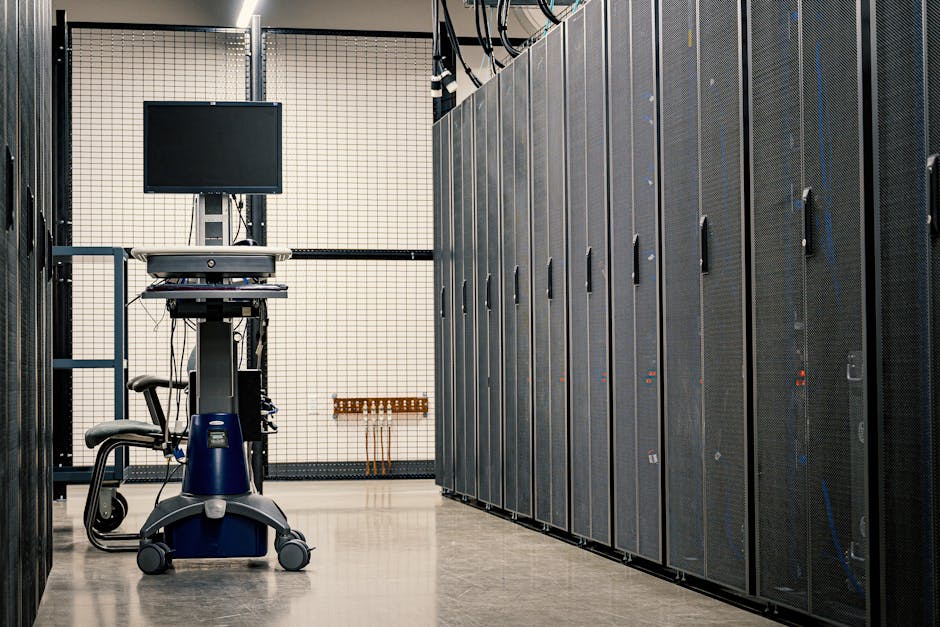
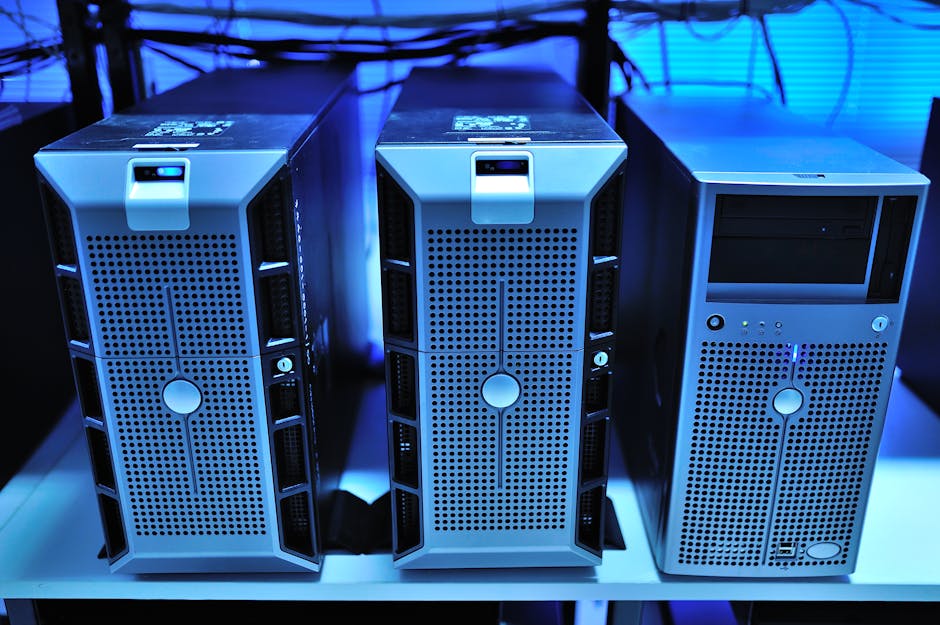
- Hardware Purchase Price: A used Dell PowerEdge R730 or HPE ProLiant DL380 Gen9 typically runs $150–$400 on eBay or Craigslist in 2026. Newer Gen10/Gen11 units are starting to appear in the $500–$900 range as enterprises refresh their fleets.
- RAM Upgrades: ECC DDR4 server RAM has become surprisingly affordable — expect to pay $8–$15 per 16GB stick. Loading up 128GB of RAM for a virtualization beast might cost you $60–$100 extra.
- Storage: Used SAS SSDs (like the Dell/Seagate 1.92TB units) hover around $30–$60 each. NVMe U.2 drives for newer platforms run $40–$80 per 1.92TB unit.
- Networking: A used 10GbE switch (think Mikrotik CRS305 or used Cisco SG series) adds $80–$200 to your build.
- Power Consumption (the sneaky cost): This is where many builders get surprised. A 1U/2U server under light load pulls 80–150W, but under full virtualization load it can spike to 200–350W. At the average US residential rate of $0.16–$0.18/kWh in 2026, running one server 24/7 costs roughly $25–$55/month in electricity alone.
- Cooling: Enterprise servers are loud — seriously loud. If your home lab is in a bedroom or office, you may need soundproofing panels ($50–$150) or a dedicated closet setup with additional ventilation.
- iDRAC/iLO Licensing: Remote management features on Dell (iDRAC Enterprise) or HPE (iLO Advanced) sometimes require licenses. Budget $20–$60 for used license keys if needed.
What Are People Actually Building in 2026?
The home lab community has evolved significantly. Looking at communities like r/homelab on Reddit (which now boasts over 900,000 members), the dominant use cases in 2026 are:
- Proxmox VE clusters — running 3-node high-availability setups for self-hosted services like Nextcloud, Jellyfin, or Immich
- Kubernetes learning environments — particularly for DevOps and cloud engineers looking to prep for CKA/CKAD certifications
- AI/ML experimentation — small-scale inference setups using consumer GPUs dropped into tower servers
- Network security labs — pfSense, OPNsense, or Suricata environments for cybersecurity practice
- Home NAS/media servers — TrueNAS Scale running on repurposed rack hardware
Real-World Examples: What Builders Are Spending
Let’s ground this in real examples from both the US and international markets.
US Example (Midwest, 2026): A software engineer in Ohio built a 3-node Proxmox cluster using three HPE DL360 Gen10s purchased from a LinkedIn-connected data center decommission sale. Total hardware cost: $1,100 for all three. With RAM, SSDs, and a used 10GbE switch, he hit $1,650 total. Monthly electricity cost runs about $85 for all three nodes. He estimates a 14-month break-even compared to running equivalent cloud VMs on AWS.
South Korea Example: The South Korean used server market (popular platforms include Danawa secondhand and Naver Cafe communities) has seen an influx of Samsung-manufactured enterprise gear. A Seoul-based hobbyist reported picking up a SuperMicro 2U server with dual Xeon Gold 6140 CPUs for approximately ₩380,000 (~$280 USD) in early 2026. However, Korean residential electricity rates (~₩120–140/kWh, roughly $0.09–$0.10 USD) make running servers noticeably cheaper per hour than in North America or Europe.
Germany Example: European energy prices remain elevated in 2026 (averaging €0.28–0.32/kWh in Germany). This has pushed German homelabbers toward more energy-efficient mini-PC clusters (using Intel NUC successors or Minisforum machines) rather than traditional rack servers. The TCO math simply doesn’t favor power-hungry 2U servers the same way it does in North America or Asia.
The Break-Even Math: Cloud vs. Home Lab
Let’s do some honest math. A mid-range home lab with one solid used server might look like this over 3 years:
- Hardware (server + RAM + storage): ~$600
- Networking: ~$150
- Electricity (36 months × $35/month average): ~$1,260
- Total 3-Year Cost: ~$2,010
Compare that to AWS or Azure for equivalent compute (let’s say 2×vCPU, 32GB RAM VM running 24/7 on a reserved instance): roughly $80–$120/month, or $2,880–$4,320 over three years. On paper, the home lab wins — but only if you actually use it consistently, and only if you account for your time spent maintaining it.
Realistic Alternatives Worth Considering
Not everyone should dive straight into rack servers. Here are some genuinely good alternatives depending on your situation:
- Mini-PC Clusters (Minisforum, Beelink, GMKtec): In 2026, mini PCs with AMD Ryzen 9 or Intel Core Ultra chips offer excellent performance at 15–35W TDP. Three-node clusters can be built for $600–$900 total with dramatically lower electricity costs. Perfect for Kubernetes labs or light virtualization.
- NUC-style ARM Boards: The Raspberry Pi 5 cluster approach still has merit for pure networking/scripting labs, though RAM limitations (max 8GB per board) cap what you can virtualize.
- Refurbished Workstations: Used HP Z4/Z6 or Dell Precision workstations offer server-grade ECC RAM support and PCIe expandability in a quieter, lower-power desktop form factor. Great middle ground.
- Hybrid Cloud Approach: Keep a lightweight local server for NAS and home automation, and use Oracle Cloud Free Tier or Hetzner’s affordable European VPS pricing for compute-heavy workloads. This approach has gained traction among pragmatic homelabbers in 2026.
- Used Tower Servers: Dell PowerEdge T340 or HPE MicroServer Gen10+ units are significantly quieter than rack servers, more home-friendly, and still hit the price-performance sweet spot around $200–$400 used.
The bottom line? Building a home lab with used servers in 2026 is still genuinely rewarding and cost-effective — but it rewards people who do the full math upfront. Hardware prices have never been more accessible, but electricity costs and the time investment in maintenance are real factors that vary significantly by location and lifestyle. If you’re in North America or Asia with reasonable power rates and you’re serious about learning infrastructure, virtualization, or self-hosting, the numbers can work out beautifully. If you’re in Western Europe or simply want a lower-maintenance experience, the mini-PC or hybrid cloud route might actually serve you better.
Whatever path you choose, the home lab hobby rewards curiosity — and that’s a cost that never shows up on a spreadsheet.
Editor’s Comment : Don’t let the perfect rack build be the enemy of actually starting. One secondhand server with 64GB of RAM and a few old SSDs is enough to learn Proxmox, containerization, and basic networking — skills that are genuinely career-changing in 2026’s tech job market. Start scrappy, optimize later.
📚 관련된 다른 글도 읽어 보세요
- 중고 서버 홈랩 구축 비용 비교 2026 — 실제로 얼마나 들까?
- 3D Printing Smart Factory for SMEs: A Practical 2026 Implementation Guide That Actually Works
- 2026년 금속 3D 프린팅 소재 혁신 완전 리뷰 | 티타늄부터 고엔트로피 합금까지
태그: [‘home lab setup 2026’, ‘used server buying guide’, ‘homelab cost breakdown’, ‘Proxmox home server’, ‘self-hosted server build’, ‘data center hardware resale’, ‘home lab electricity cost’]
Leave a Reply