A friend of mine — let’s call her Mara — texted me last spring absolutely frustrated. She’d been “doing keto” for three weeks, cutting carbs obsessively, eating bacon and cheese like it was her job, and had actually gained two pounds. “I thought fat was supposed to be the fuel,” she wrote. “Why is nothing happening?” Sound familiar? That moment is exactly why I started digging deeper into what the ketogenic diet actually does to your metabolism — versus what the Instagram crowd says it does.
The keto diet is one of those topics where the gap between popular myth and biochemical reality is genuinely alarming. So let’s work through this together, because there are a few critical details Mara — and probably a lot of us — got wrong from the start.
What Ketosis Actually Means (And Why It Takes Longer Than You Think)
Ketosis is a metabolic state where your liver converts fatty acids into ketone bodies — primarily beta-hydroxybutyrate (BHB), acetoacetate, and acetone — because glucose availability is too low to sustain normal energy demands. Your brain, which ordinarily devours roughly 120g of glucose per day, gradually shifts to running on BHB instead.
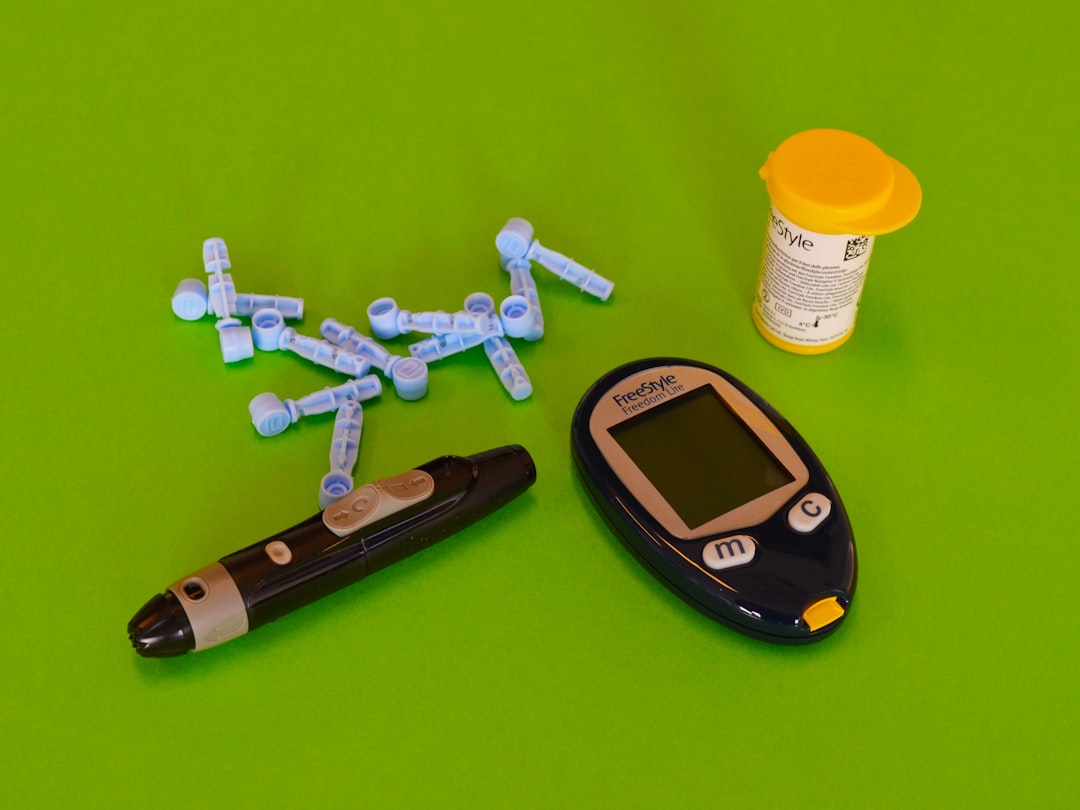
Here’s the catch: most people assume cutting carbs to under 50g triggers ketosis within 24 hours. In reality, your body holds approximately 400–500g of glycogen in muscles and the liver. Until that reserve is depleted — which can take 2–4 days of strict restriction combined with moderate activity — you won’t produce meaningful ketone levels. Blood ketone meters (like the Keto-Mojo or Precision Xtra) should show readings above 0.5 mmol/L to confirm nutritional ketosis; optimal fat-adaptation often sits between 1.5–3.0 mmol/L.
Mara’s mistake? She was eating “keto foods” but her total daily carbs, once you count hidden sources in sauces, nuts, and dairy, were creeping past 80–100g. Ketosis never started. The scale read higher partly due to inflammation from processed “keto snacks” loaded with sugar alcohols.
The Macro Split That Actually Works in 2025
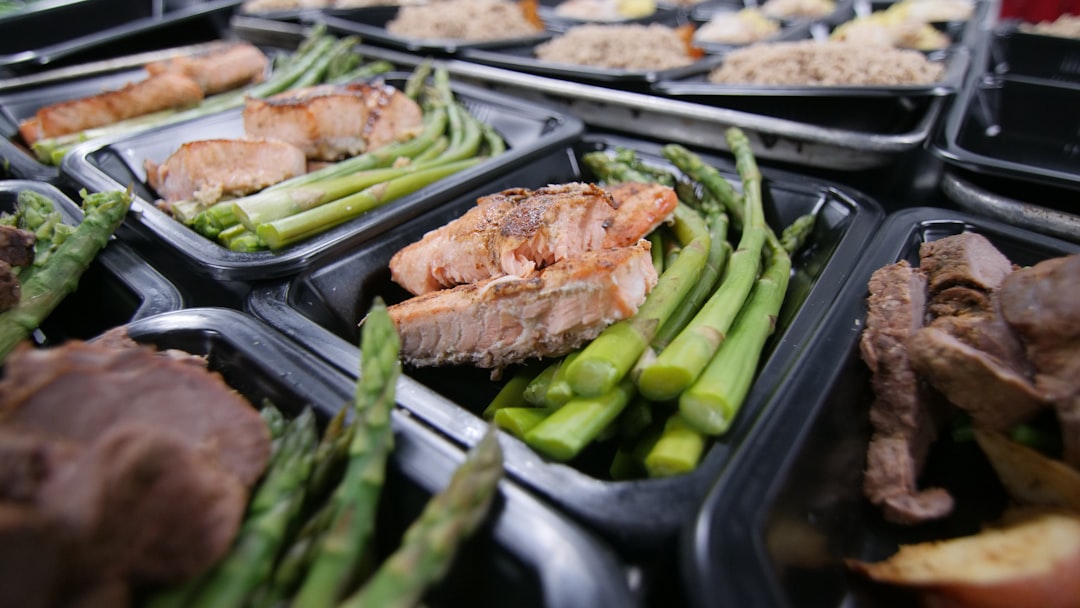
The classic keto macro ratio is often cited as 70–75% fat / 20–25% protein / 5% carbohydrates. But this is a starting template, not a law. Based on research from institutions like the Virta Health clinical trials (which tracked over 300 Type 2 diabetes patients for two years on ketogenic protocols), individual protein needs vary significantly based on lean body mass and activity level.
Here’s a more practical framework:
- Net carbs: Keep under 20–25g daily for reliable ketosis induction; some individuals can sustain ketosis up to 50g net carbs after full fat-adaptation (typically 6–12 weeks in).
- Protein: Target 0.7–1.0g per pound of lean body mass. Going too low causes muscle catabolism; going too high triggers gluconeogenesis, which can kick you out of ketosis.
- Fat: Fills remaining caloric needs. Don’t force-feed fat — it’s a lever, not a mandate. If weight loss is the goal, fat from food doesn’t need to be maximized because your body will burn stored fat instead.
- Electrolytes: This is where most people crash hard. When insulin drops, kidneys excrete sodium aggressively. Aim for 3,000–5,000mg sodium, 1,000mg potassium, and 300–500mg magnesium daily. The “keto flu” — headaches, brain fog, cramping — is almost entirely an electrolyte deficit, not a carb withdrawal symptom.
- Calories: Keto is not a metabolic magic trick. A 500–750 calorie daily deficit remains the mechanical driver of fat loss, regardless of ketone levels.
Types of Ketogenic Diets — Picking the Right Variant
Not all keto approaches are identical, and choosing the wrong one for your lifestyle is a common source of frustration.
- Standard Ketogenic Diet (SKD): The baseline protocol described above. Best for sedentary to moderately active individuals focused on fat loss or metabolic health.
- Targeted Ketogenic Diet (TKD): Allows 25–50g fast-digesting carbs around high-intensity workouts. Useful for CrossFit athletes or anyone doing glycolytic exercise more than 3x/week.
- Cyclical Ketogenic Diet (CKD): 5 days strict keto, 2 days high-carb “refeeds.” Popularized by bodybuilders to preserve muscle glycogen. Requires careful planning; the refeed windows can trigger water retention that discourages beginners.
- High-Protein Ketogenic Diet: Shifts protein up to 30–35% of calories. Slightly less ketogenic but more muscle-sparing — a reasonable compromise for people over 40 or those doing resistance training regularly.
What the Research Actually Shows — Benefits and Honest Limitations
The evidence base for keto has matured considerably. Here’s where it genuinely holds up:
Strong evidence: Epilepsy management (the original medical application, used since the 1920s at Johns Hopkins), Type 2 diabetes remission (Virta Health’s 2-year data showed 53% of participants achieved HbA1c below diabetic threshold), and short-term triglyceride reduction (often 30–50% drops within 8 weeks are documented).
Moderate evidence: Weight loss at 6 months versus low-fat diets. Studies like the 2022 meta-analysis in Nutrients journal show keto edges out low-fat diets in short-term weight loss by roughly 1–2 kg, but the advantage equalizes by the 12-month mark when adherence is controlled for.
Honest limitations: LDL cholesterol response is highly individual — roughly 30% of people are “hyperresponders” who see LDL jump 30–50% on keto. This doesn’t automatically indicate cardiovascular risk (particle size matters enormously), but it warrants monitoring with an NMR lipid panel rather than a standard cholesterol test. Long-term studies beyond 2 years remain sparse.
Practical Setup: The First Two Weeks Done Right
Based on the Virta Health onboarding protocols and real user experiences tracked by communities like r/keto (now over 3 million members), here’s what actually makes the first two weeks survivable:
- Days 1–3: Clear out high-carb staples. Stock with eggs, fatty fish, avocados, leafy greens, full-fat dairy, olive oil, and unseasoned meats. Don’t rely on keto packaged products yet — too many hidden carbs.
- Days 4–7: Expect fatigue and irritability as glycogen depletes. This is normal. Aggressively salt your food and drink bone broth daily. A magnesium glycinate supplement (200–400mg before bed) dramatically reduces leg cramps.
- Days 8–14: Energy often rebounds noticeably. Measure blood ketones if possible — you’re looking for that 0.5 mmol/L threshold. Begin tracking net carbs in an app like Cronometer rather than relying on intuition.
- Common mistake to avoid: Eating too much protein from lean sources (chicken breast, turkey) without enough fat causes a flat, unsatisfying diet and may stall ketosis. Pair leaner proteins with fat sources intentionally.
When Keto Is Not the Right Tool
This is the part most keto evangelists skip. The ketogenic diet is genuinely inappropriate or requires medical supervision in several situations: people with pancreatitis, liver failure, fat metabolism disorders (like carnitine deficiency), or those taking SGLT-2 inhibitors (risk of euglycemic ketoacidosis). Pregnant women should not self-initiate keto without an OB’s guidance. And athletes competing in events requiring sustained high-intensity glycolytic output — sprinting, competitive cycling stages, football — often see measurable performance drops on strict SKD versus carbohydrate-fueled protocols.
If your primary goal is general health and sustainable weight management but you find fat-heavy eating unpleasant or socially difficult, a well-structured Mediterranean-style caloric deficit will deliver comparable long-term outcomes without the metabolic transition cost. That’s not a cop-out — it’s honest risk-adjusted advice.
For Mara, by the way: she reset, fixed her electrolytes, tracked net carbs properly, and within five weeks was consistently showing 1.2–1.8 mmol/L on her meter and had dropped 9 pounds. The diet wasn’t broken — the setup was.
Bottom line: Keto can be a genuinely powerful metabolic tool in 2025, but it rewards precision and punishes guesswork. Start with honest macro tracking, prioritize electrolytes before anything else, give yourself a full 6–8 weeks before judging results, and get a lipid panel at the 3-month mark. The diet doesn’t fail most people — the setup does. Get that right, and you’ve got a legitimate strategy worth running.
📚 관련된 다른 글도 읽어 보세요
- Why I Almost Missed the Best Deal — Honest Meesho Seller Guide 2025
- 고장 나기 전엔 몰랐다 — 2026년 기준 테슬라 모델Y 6개월 실사용 후 팔아버린 이유, 사기 전에 제발 읽어보세요
- 비싼 줄만 알았는데 — 2026년 기준 가성비 쩌는 싱글몰트 위스키 Top 3, 직접 열어봤습니다
태그: keto diet 2025, ketogenic diet guide, how to start keto, ketosis explained, low carb diet, keto electrolytes, ketogenic macros
Leave a Reply