A friend of mine called me last spring in a panic. She’d just gotten three quotes for a new roof — ranging from $7,000 to $22,000 — and had absolutely no idea what she was paying for or why the prices were so wildly different. Sound familiar? That conversation is exactly why I wanted to put this together. Roofing is one of those home improvement topics where a little knowledge can save you thousands, and a lot of ignorance can cost you even more.
Let’s dig into what’s actually going on with roofing in 2025, from materials and costs to contractor red flags and long-term maintenance — without the fluff.
What’s Actually Changed About Roofing in 2025
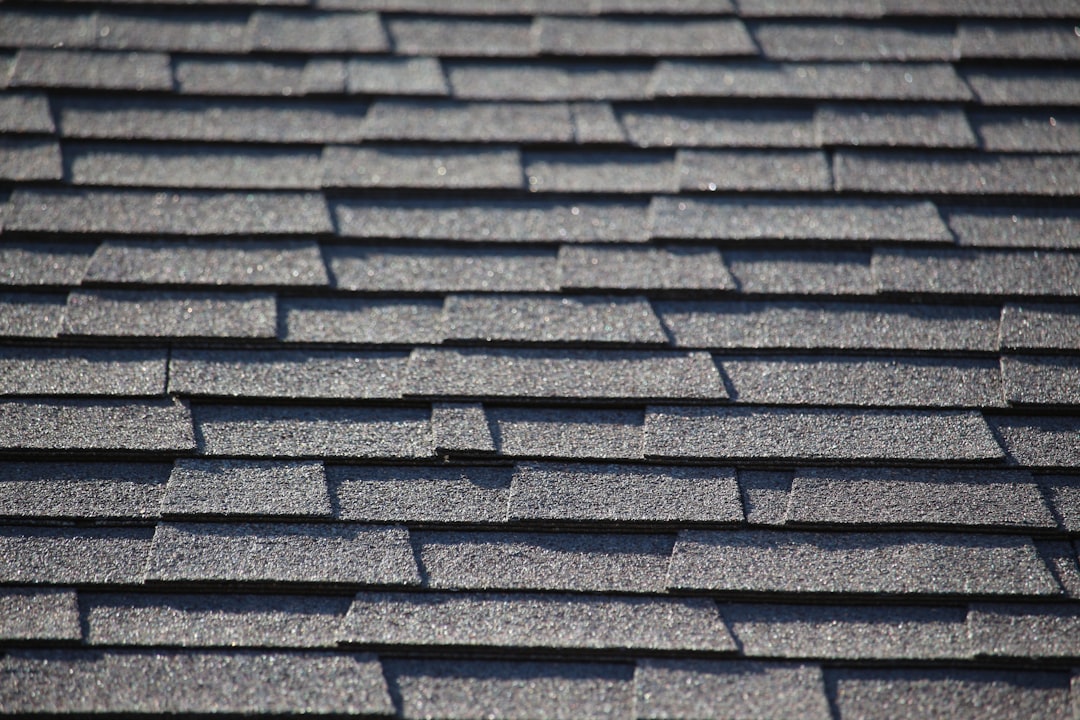
The roofing industry in 2025 looks meaningfully different from even five years ago. Labor costs have climbed roughly 18–24% since 2021, driven by skilled trade shortages. Meanwhile, asphalt shingle prices — which account for roughly 70% of residential roofing in the US — have stabilized somewhat after supply chain chaos pushed them up nearly 30% between 2021 and 2023. As of early 2025, a mid-grade architectural shingle bundle runs about $105–$140 per square (100 sq ft), up from around $80 pre-pandemic.
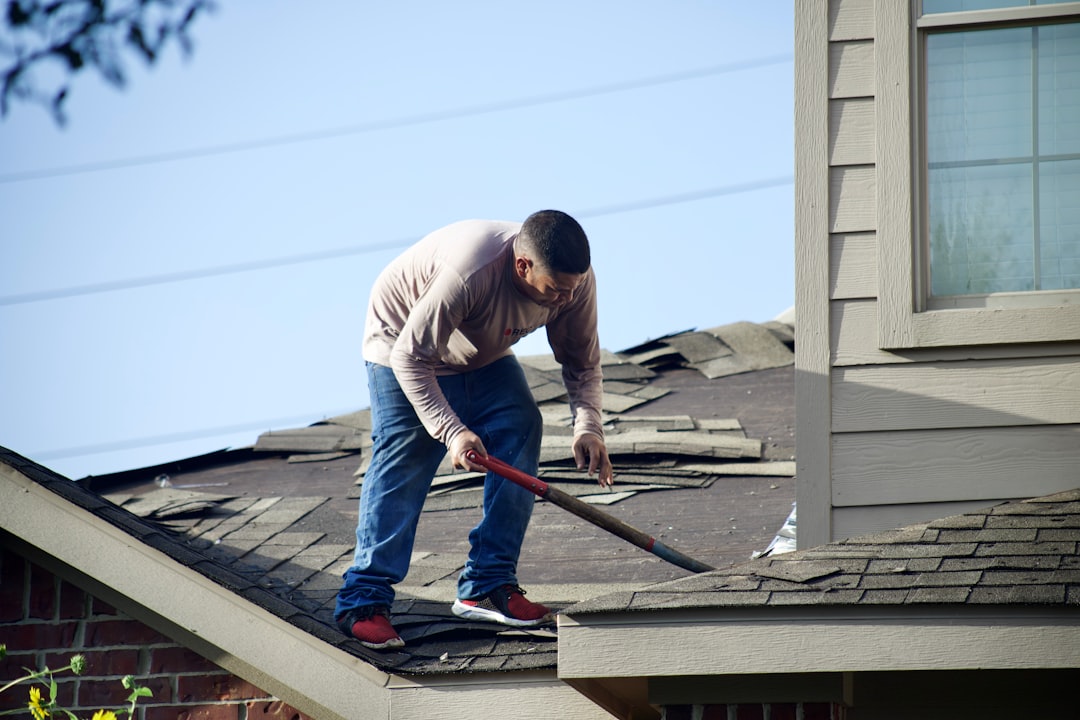
But here’s what most homeowners miss: material costs are typically only 40–50% of your total bill. Labor, underlayment, flashing, decking repair, and disposal fees make up the rest. When my friend got that $22,000 quote, it included full decking replacement (her roof had significant rot) plus a premium Class 4 impact-resistant shingle. The $7,000 quote? It was a second layer of shingles laid over the existing one — a practice that saves money upfront but voids most manufacturer warranties and adds weight stress to your structure.
Breaking Down the Three Major Roofing Material Choices
If you’re evaluating a roof replacement, here are the materials you’ll most realistically encounter, with honest trade-offs:
- 3-Tab Asphalt Shingles: Cheapest option at $80–$100 per square installed. 20–25 year lifespan under ideal conditions. Rarely recommended in 2025 because the price gap with architectural shingles has narrowed significantly.
- Architectural (Dimensional) Asphalt Shingles: The sweet spot for most homeowners. $130–$180 per square installed. 30-year warranties are standard; some premium lines (like Owens Corning Duration or GAF Timberline HDZ) offer limited lifetime warranties. Impact resistance ratings (Class 3 or 4) may qualify you for a homeowner’s insurance discount of 10–30% depending on your state and carrier.
- Metal Roofing (Standing Seam or Exposed Fastener): Installed costs range from $250–$600+ per square. Standing seam is the premium option — concealed fasteners, 40–70 year lifespans, and excellent performance in both heat and snow. Exposed fastener metal (like corrugated steel) is cheaper but requires fastener maintenance every 10–15 years as rubber seals degrade. In wildfire-prone areas like California and Colorado, metal is increasingly the default.
- Synthetic Slate / Composite Shingles: Products like DaVinci Roofscapes or CertainTeed Belmont offer the look of natural slate at a fraction of the weight and cost. Installed price: $350–$500 per square. Lifespan claims of 50+ years, though real-world data on some brands is still accumulating.
- Natural Slate or Clay Tile: Beautiful, but $600–$1,500+ per square installed, requires structural reinforcement in many homes, and demands specialized installers. Worth it for historic or high-end properties; overkill for most suburban homes.
The Contractor Selection Problem (Where Most People Go Wrong)
Here’s the brutal truth: the roofing industry has one of the highest rates of contractor fraud of any home improvement category. After major hailstorms, “storm chasers” — out-of-state contractors who appear for a few weeks, collect deposits, and disappear — are a documented and recurring problem. The Better Business Bureau and state attorney general offices received a combined 14,000+ roofing-related complaints in 2023 alone.
What to look for when vetting contractors:
- Manufacturer certification: Look for GAF Master Elite, Owens Corning Platinum Preferred, or similar designations. These require contractors to meet installation standards and carry proper insurance. Only about 2–3% of US contractors hold GAF Master Elite status, for example.
- Local presence and reviews: Verify they have a physical address, not just a P.O. box. Check Google Reviews, Yelp, and the BBB — and look specifically for reviews from 6–18 months ago to gauge how they handle warranty issues post-installation.
- Detailed written contract: Should specify shingle brand and model, underlayment type (synthetic vs. felt), decking replacement terms, disposal method, start/end dates, and payment schedule. Never pay more than 10–30% upfront.
- Permit pulling: A legitimate contractor will pull permits in your municipality. If a contractor says “we don’t need a permit for this,” that’s a red flag in most jurisdictions.
Insurance Claims and Roofing: A Rapidly Shifting Landscape
One angle that’s become increasingly important in 2025 is the insurance dimension. Several major carriers — including State Farm and Allstate — have stopped writing new homeowner policies in states like Florida and California partly due to catastrophic roof claim losses. In states where coverage still exists, many carriers have shifted to “actual cash value” (ACV) roof coverage rather than “replacement cost value” (RCV), meaning depreciation is subtracted from your claim payout.
If your policy is ACV-based and your 18-year-old asphalt roof takes hail damage, you might receive $4,000 on a $14,000 repair because the insurer deducts for depreciation. This is worth checking before you ever need to file a claim. Upgrading to a Class 4 impact-resistant shingle can sometimes get you back to RCV coverage in certain markets — worth a call to your agent.
DIY Roofing: Where It Makes Sense and Where It Doesn’t
Let me be real with you here. A full roof replacement as a DIY project is genuinely dangerous (falls are the leading cause of construction fatalities) and often voids manufacturer warranties that require certified installer sign-off. However, there are legitimate DIY scenarios:
- Minor repairs (1–3 shingles): Replacing a few storm-damaged shingles with matching materials is manageable for a confident DIYer. Materials cost $30–$80; a roofer will charge $150–$400 for the same job.
- Flat roof patching: TPO or EPDM flat roof repairs using peel-and-stick patches are accessible. Brands like Cofair or EternaBond make products that genuinely work for temporary and semi-permanent fixes.
- Roof maintenance: Cleaning gutters, applying zinc strips to prevent moss growth, and sealing around pipe boots are all homeowner-appropriate tasks that meaningfully extend roof life.
Real-World Cost Benchmarks (2025 Numbers)
To give you a concrete frame of reference, here’s what a full tear-off and replacement of a typical 2,000 sq ft single-story home (about 22–25 squares of actual roof area accounting for pitch and waste) looks like in 2025 dollars across different scenarios:
- Budget option (3-tab shingles, basic underlayment): $8,500–$12,000
- Mid-range (architectural shingles, synthetic underlayment, Class 3 impact): $13,000–$18,000
- Premium (Class 4 architectural or metal, full ice-and-water shield, new decking): $20,000–$35,000+
These ranges assume average US labor markets. Coastal California, New York City metro, and Hawaii run 30–60% higher. Rural Midwest and Southeast markets can run 15–25% lower.
Maintenance That Actually Extends Roof Life
One thing I wish more homeowners knew: a well-maintained 25-year shingle can realistically hit 28–32 years, while a neglected one might fail at 18. The key maintenance tasks that actually matter:
- Annual gutter cleaning to prevent water backup under shingles (ice dams in cold climates cause enormous damage)
- Trimming tree branches within 6 feet of the roof surface — friction abrades granules off shingles
- Inspecting and re-caulking pipe boot flashings every 7–10 years (the rubber collar degrades before the shingles do)
- Addressing moss and algae growth promptly — organisms accelerate granule loss and shingle degradation
- After any major storm, visually inspecting from the ground for missing shingles or damaged ridge caps
A $200–$400 annual maintenance mindset can genuinely push a mid-grade roof past its rated lifespan — that’s a better ROI than many home improvement projects.
The Bottom Line on Roofing Decisions in 2025
If you’re staring down a roof replacement, the good news is that architectural asphalt shingles in the 30-year class represent a genuinely excellent value in 2025 — especially if you can qualify for an insurance discount with a Class 4 rating. Metal roofing makes strong economic sense if you’re planning to stay in the home long-term (15+ years) or live in a hail, wind, or wildfire zone. And whatever you choose, contractor vetting deserves as much attention as material selection.
If you’re trying to buy time on a tight budget, a professional inspection ($150–$300 from a qualified roofer — not a storm-chaser) will tell you honestly whether you have 2 years or 8 years left, so you can plan accordingly rather than getting ambushed.
Quick tip from the field: Always get at least three quotes, ask each contractor to walk you through their bid line by line, and check whether their quotes include the same underlayment spec — it’s one of the easiest places for a low bidder to cut corners invisibly. The roof that keeps water out of your home is worth understanding deeply before you sign anything.
📚 관련된 다른 글도 읽어 보세요
- I Bought a Used Server for My Homelab in 2026 — Here’s What Actually Happened
- 공식 문서에 속지 마라: 삽질 200시간의 DIY 스마트홈 허브 구축 완전 가이드 Home Assistant 2026
- Why I Almost Gave Up on DIY Solar — The Real 2025 Home Installation Guide
태그: []
Leave a Reply