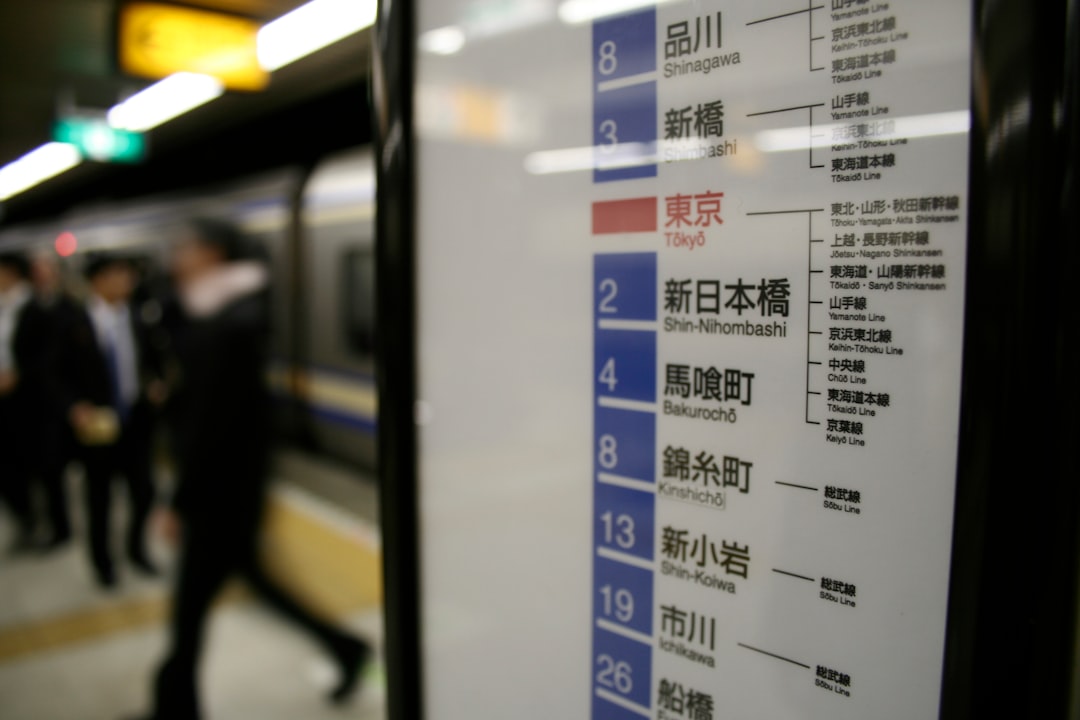
A friend of mine — seasoned traveler, never checks bags, always has a plan — landed at Narita Terminal 2 last spring and confidently walked toward the wrong train platform based on a Reddit thread from three years ago. She ended up on a local Keisei line that stopped at every single station, dragging a carry-on through crowded aisles for 90 minutes instead of the 53-minute Narita Express ride she’d planned. She made her connection. Barely. And she hasn’t let me forget it since.
That story stuck with me because it perfectly captures how Narita Airport transfers seem simple on the surface — until you’re standing there with a 15 kg bag, a dying phone, and three different signs pointing in slightly different directions. So let’s actually walk through this together, because in 2025 the options have changed just enough to matter.
The Big Three Transfer Options (And What the Numbers Actually Look Like)
Narita International Airport (NRT) sits roughly 60–66 km east of central Tokyo, which is unusually far for a major city’s primary international gateway. That distance is the root of every transfer headache. Here’s how the main options stack up as of 2025:
- Narita Express (N’EX): Operated by JR East. Tokyo Station in ~53 minutes, Shinjuku in ~80 minutes, Shibuya in ~90 minutes. Round-trip ticket ¥4,070 (single ¥2,570). Runs roughly every 30 minutes from ~07:00 to ~22:00. Departs from all three terminals with luggage racks and reserved seating — this is the key detail people miss: every seat is reserved, so you cannot just hop on if the next train is in 4 minutes.
- Keisei Skyliner: Operated by Keisei Electric Railway. Ueno in ~41 minutes, Nippori in ~36 minutes. ¥2,520 one-way. Runs every 20–40 minutes from ~07:28 to ~22:00 (check timetables — gaps exist). Fastest rail option to northeast Tokyo. But if your hotel is in Shinjuku or Shibuya, you’re adding a subway transfer.
- Keisei Access Express / Limited Express (Airport Access Line): If you’re on a tight budget and have time, the Keisei Limited Express to Ueno runs for ~¥1,050 and takes 75–90 minutes. My friend’s mistake. Not a bad train — just a very different product than the Skyliner.
- Airport Limousine Bus (Friendly Airport Limousine): Direct routes to major hotels and stations in Tokyo. Takes 75–130 minutes depending on traffic and destination. Cost: ¥1,300–¥3,200. The hidden gem for travelers staying near specific hotels in Shinjuku, Marunouchi, or Akihabara — no subway transfer needed with your luggage.
- Taxi / Ride-share (GO App): Expect ¥20,000–¥30,000+ to central Tokyo. MK Taxi offers fixed-rate options (~¥26,000 to Shinjuku as of early 2025). Only makes economic sense for groups of 4+ splitting costs, or if your company is paying.
The 2025 Update That Most Guides Haven’t Caught Yet
Here’s where things get genuinely interesting. The much-discussed Narita Airport Access Line (working name: Narita Linear/Narita Rapid Access Line) — a proposed high-speed rail link that would theoretically cut transit time to Tokyo Station to under 30 minutes — is still in the approval and development phase as of 2025. Construction timelines have shifted, and realistically this won’t affect travelers before the early 2030s. So if you read any article promising a “new express line opening soon,” manage expectations accordingly.
What has changed in 2025: JR East updated its IC card (Suica) pricing structure slightly, and the N’EX now allows Suica payment for the reserved seat if you book through the JR East app — but you still need a reservation. Showing up at the gate with just a Suica and hoping to grab a seat is a common mistake that causes real-time panic.
Also worth noting: the Keisei Skyliner + Tokyo Subway Pass combo (offering 24/48/72-hour unlimited subway rides bundled with the Skyliner ticket) remains one of the best value propositions for first-timers, typically available through Klook, Veltra, or the Keisei official site. In 2025, the 72-hour version runs about ¥3,500 total — which is extraordinary if you plan to use the subway heavily.
Terminal Logistics: The Detail Nobody Mentions
Narita has three terminals. Terminal 1 (north and south wings) handles most international carriers including JAL and major European airlines. Terminal 2 handles ANA and several international partners. Terminal 3 — connected to T2 by a free shuttle or a 500-meter walkway — handles LCCs like Jetstar, Peach, and Scoot.
The N’EX stops at T1 and T2 directly. If you’re at T3, you need to get to T2 first, which adds 10–15 minutes. The Keisei Skyliner only stops at T1 and T2 as well. This sounds obvious written out, but when you’re jet-lagged and exiting a Peach flight at T3 at 6:45 AM, the signage can feel genuinely confusing.
Real Cost-Per-Use Analysis for Different Traveler Profiles
Let’s think through this practically rather than just listing options:
- Solo traveler, hotel near Shinjuku or Shibuya: N’EX wins cleanly. ¥2,570 direct, no luggage drag through subway stations. Book the reserved seat at least 20 minutes before departure via Shinkansen Ticket window or JR East app.
- Solo traveler, staying near Ueno or Asakusa: Keisei Skyliner at ¥2,520 to Nippori, then a quick subway hop. Potentially faster door-to-door than N’EX.
- Budget traveler with time flexibility: Keisei Limited Express to Ueno at ¥1,050. Perfectly fine. Just sit back, put on a podcast, and accept the 80-minute ride.
- Family of 4 with large luggage, staying at a specific hotel in Marunouchi: Airport Limousine Bus. Door-to-hotel, no transfer, and the luggage compartment means you’re not blocking train aisles. Total cost ~¥5,600 for four passengers vs. ¥10,280 for N’EX. Real savings.
- Business traveler on expenses: Fixed-rate taxi. Arrive relaxed, work on the way, expense it.
What Locals Actually Do (And the Honest Answer)
Here’s the thing — most Tokyo residents don’t use Narita regularly. They use Haneda (HND), which is dramatically closer to the city. If you have any flexibility in your flight booking and your origin city offers both Narita and Haneda options, choosing Haneda is genuinely worth a fare premium of up to ¥10,000–¥15,000 when you factor in the transfer cost difference and time saved. Haneda’s transfers run 30–45 minutes to central Tokyo on the Tokyo Monorail or Keikyu Line.
For Narita specifically, the people I’ve spoken with who commute through it regularly (airline crew, freight workers, Narita-area residents) default to the Keisei Skyliner if speed matters and the Airport Limousine if they have cargo. N’EX has a reputation among some locals as slightly overpriced for what it is — though its JR network integration (you can continue to Yokohama, Ofuna, or other JR destinations) makes it genuinely useful for travelers with onward journeys.
Practical Tips to Avoid Real-Time Mistakes
- Download the Japan Official Travel App or Google Maps with offline maps before you land — transit searches work remarkably well in Japan.
- Have your accommodation address in Japanese on your phone — taxi drivers and even some bus staff may struggle with English transliterations.
- The N’EX round-trip discount is only valid for the return within 14 days — don’t book it if your return departs from Haneda.
- Limousine Bus tickets can be purchased at clearly marked counters in the arrivals hall — no advance booking needed for most routes, but popular routes can fill up during peak hours (Golden Week, Obon, New Year). During those windows, book in advance via the Friendly Airport Limousine website.
- IC card (Suica/Pasmo) top-up machines are in every terminal — start with ¥3,000 loaded and you’ll be fine for transit on day one.
The honest bottom line here: there’s no single “best” transfer from Narita in 2025. The right answer depends on your destination within Tokyo, group size, luggage situation, and departure time. The mistake isn’t choosing the “wrong” option — it’s choosing based on outdated information or misreading which Keisei service you’re actually boarding.
My friend’s experience taught her one thing above all: look at the train number on the platform display, not just the destination. The Skyliner and the Limited Express both say “Ueno” — they just get there very differently.
💬 If you’re heading to Narita soon, drop your hotel neighborhood in the comments and I’ll tell you which transfer makes the most sense for your specific situation — sometimes the “obvious” choice isn’t actually the fastest door-to-door.
📚 관련된 다른 글도 읽어 보세요
- DIY Smart Home Hub in 2026: Building Your Own Home Assistant Setup From Scratch (And What I Learned the Hard Way)
- Why I Almost Gave Up on DIY Solar — The Real 2025 Home Installation Guide
- Used Server HomeLab Setup Cost Breakdown 2026: Is It Worth Building Your Own Rack?
태그: []
Leave a Reply