A friend of mine picked up diamond painting during a slow weekend last winter, mostly as a joke. She’d seen those glossy kits advertised online and thought, how hard can sticking tiny beads onto a canvas really be? Three hours later, she was hunched over her kitchen table, squinting at a color-coded chart under a desk lamp, muttering about ‘DMC 3752 versus 3753’ like a woman possessed. She didn’t stop for six hours. That story is basically how most people fall into this hobby — skeptical, then completely hooked.
If you’re reading this, you’re probably somewhere between curious and already committed. Either way, let’s walk through what diamond painting actually involves, why it’s exploded in popularity heading into 2025, and — most importantly — the mistakes that turn a relaxing hobby into a frustrating mess.
What Diamond Painting Actually Is (And Why the Marketing Undersells It)
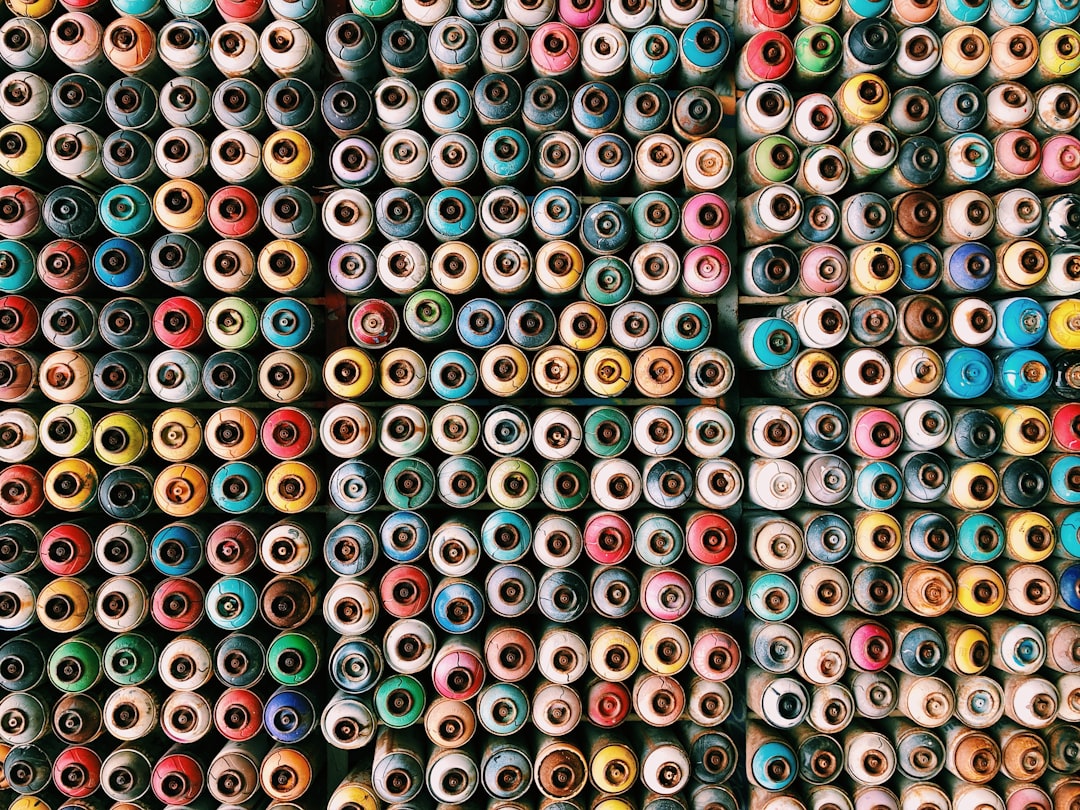
Diamond painting sits at the intersection of paint-by-number and cross-stitch. You receive a canvas pre-printed with a color-coded adhesive grid, a set of small resin ‘drills’ (the ‘diamonds’), an applicator pen, and wax. You pick up each drill with the pen, match it to the corresponding symbol on the canvas, and press it down. Repeat a few hundred — or a few thousand — times.
What the product photos don’t show you: the finished result genuinely looks impressive. The faceted resin drills catch light in a way that gives completed pieces a mosaic-like shimmer. A 40×50 cm canvas can take anywhere from 8 to 30+ hours depending on the design density and your pace. That range matters for setting expectations.
The Numbers Behind the Boom
The global diamond painting market was valued at approximately $450 million USD in 2023 and projections through 2025 suggest continued growth driven by the broader ‘therapeutic crafting’ trend that accelerated post-pandemic. Platforms like Etsy saw diamond painting kit listings increase by over 200% between 2020 and 2023. On Reddit’s r/diamondpainting (currently over 280,000 members), daily posts range from beginner unboxings to museum-quality custom portraits.
Why does this matter to you as a buyer? Because market growth means more suppliers, more quality variance, and more marketing noise. In 2025, distinguishing a legitimate premium kit from a cheap knockoff requires knowing exactly what to look for.
Round Drills vs. Square Drills — The Decision That Changes Everything
This is the first real fork in the road, and getting it wrong is the most common beginner mistake.
- Round drills: Easier to pick up and place, more forgiving with alignment, faster workflow. Gaps between drills are visible up close but nearly invisible from normal viewing distance. Best for beginners or anyone who values speed and reduced frustration.
- Square drills: Fit edge-to-edge with no gaps, producing a cleaner mosaic look. The satisfying ‘snap’ when rows align is legitimately addictive. However, misalignment errors compound — one off-center drill can cascade across an entire row. Recommended once you’ve completed at least one round-drill project.
- Special-shaped drills: Stars, hearts, flowers — primarily decorative, used as accent pieces. Not suitable for full-coverage projects.
The practical advice: start with round drills on a canvas no larger than 30×40 cm. You’ll build the muscle memory and chart-reading fluency without burning out.
Canvas Quality: Where Cheap Kits Fail
The adhesive layer is the make-or-break component of any kit. Low-quality canvases use a single-layer peel-and-stick adhesive that dries out within hours of exposure. You’ll notice drills popping off weeks after completion — a devastating problem on a project you’ve invested 20+ hours in.
Premium kits (brands like Diamond Art Club, Heartful Diamond, and Wizardi are consistently cited in hobbyist communities) use a double-adhesive or ‘AB drill-friendly’ coating that maintains tackiness longer and bonds more securely. The canvas itself should feel substantial — closer to thick cardstock than printer paper. If you can see light through the canvas when held up, walk away.
A useful test before committing: check whether the kit specifies ‘full coverage’ versus ‘partial coverage.’ Full coverage means every square centimeter is filled with drills. Partial coverage leaves background areas blank. Neither is objectively better, but partial coverage kits are sometimes marketed at full-coverage prices — worth scrutinizing.
The Organization Problem Nobody Warns You About
A typical medium-complexity canvas includes between 25 and 60 distinct colors. Each color arrives in a small resealable bag labeled with a DMC number (the standardized thread color system borrowed from embroidery). Without a storage system, you will mix colors, lose bags, and spend 20 minutes hunting for DMC blanc at 11pm.
Solutions that actually work in 2025:
- Multi-compartment bead organizers (28-slot or 64-slot boxes from any craft store, roughly $8–15 USD) — transfer drills at the start of a project, label each slot.
- Pill organizers — genuinely useful for small projects, cheap, and widely available.
- Dedicated diamond painting storage cases — brands like Artdot sell purpose-built cases with labeled slots; around $20–30 USD but worth it for anyone doing multiple simultaneous projects.
- Label the DMC number on each compartment — this sounds obvious until you’re staring at four nearly identical shades of blue at midnight.
Lighting and Ergonomics: The Underrated Variables
Eye strain is a genuine issue. The symbols on a canvas can be as small as 2.5mm, and distinguishing similar colors under warm household lighting leads to errors and fatigue. A daylight-spectrum LED lamp (5000–6500K color temperature) positioned directly over your workspace changes the experience dramatically. Models from brands like TaoTronics or Brightech run $25–50 USD and are consistently recommended in the r/diamondpainting community.
Ergonomically: a lap desk or angled easel reduces neck strain on longer sessions. If you’re working on a large canvas (50×70 cm or above), rolling it up with the unfinished side out and securing it with clips keeps completed sections from being disturbed.
Sealing Your Finished Piece — Don’t Skip This
Completed diamond paintings need to be sealed to prevent drills from eventually loosening. Two main approaches:
- Brush-on sealant (Mod Podge Dimensional Magic or purpose-made diamond painting sealers): Applied with a soft brush, maintains some shine. Risk: applying too much causes cloudiness over the drills. Thin coats, fully dried between applications.
- Spray sealant (Krylon or similar matte/gloss sprays): More even coverage, less risk of pooling. Matte finish reduces glare; gloss preserves the shimmer effect. Hold the can 30+ cm away and use multiple light coats.
One note: some collectors deliberately skip sealing to preserve the ‘loose drill’ texture for sensory appeal. Valid choice, but expect some drill loss over time without a sealant layer.
Where to Buy Kits in 2025 Without Getting Burned
The honest landscape: Amazon listings vary enormously in quality, and the same product photos get reused across dozens of suppliers. Cross-referencing reviews with hobbyist communities (r/diamondpainting, Facebook groups like ‘Diamond Painting Addicts’) before purchasing is genuinely worth 10 minutes of your time.
Trusted sources the community consistently returns to include Diamond Art Club (US-based, higher price point, exceptional canvas quality), Enjoy Diamond Painting (European focus, good mid-range option), and AliExpress direct from verified sellers for budget projects — just build in 3–4 weeks shipping time and accept that quality will be more variable.
Custom portrait kits (upload your own photo, receive a kit) are a category of their own. Companies like Paint With Diamonds and Custom Diamond Painting have strong reputations for color conversion accuracy. Expect to pay $35–80 USD for a quality custom 40×50 cm kit and allow 2–3 weeks production time.
Here’s the honest takeaway for 2025: Diamond painting rewards patience and a bit of upfront investment in the right tools. The hobby itself is genuinely meditative — there’s solid research backing the stress-reduction benefits of repetitive fine-motor tasks — but the experience lives or dies on canvas quality and your organization setup. Start smaller than you think you need to, invest in proper lighting before anything else, choose round drills for your first project, and resist the temptation to buy the cheapest kit available. The difference between a $12 kit and a $35 kit is almost always visible in the finished piece and in how much you enjoy the process getting there. Once you’ve finished that first canvas and propped it against the wall, catching the light just right — you’ll understand why my friend was still at that kitchen table at 2am.
📚 관련된 다른 글도 읽어 보세요
- Why I Almost Gave Up on NFTs — Then Found What Actually Works in 2025
- 전기차 배터리 교체비용, 2026년 기준 실제로 얼마 나왔나 — 견적 받기 전에 반드시 읽어보세요
- Why I Stopped Guessing at the Pump — Real Fuel Economy Math for {year}
태그: diamond painting, diamond painting tips, diamond painting kits 2025, diamond art beginner guide, diamond painting drills, craft hobby guide, paint with diamonds
Leave a Reply