A friend of mine recently came back from a zero-waste workshop absolutely buzzing with excitement. She’d bought a bamboo toothbrush, a set of beeswax wraps, and a reusable coffee cup — all branded with little green leaf logos. A month later, she confessed she’d quietly gone back to using regular plastic bags because the ‘eco’ alternatives kept breaking down, smelling weird, or just weren’t practical for her lifestyle. Sound familiar? That conversation is exactly what pushed me to dig deeper into what sustainable living actually looks like when you strip away the marketing gloss.
Let’s explore this together, because I think a lot of us are stuck between genuine intention and practical reality — and that gap is worth talking about honestly.
The Greenwashing Problem Is Bigger Than You Think
In 2025, the global green product market is valued at over $150 billion USD, and according to a 2024 European Commission study, roughly 42% of sustainability claims made by companies were found to be exaggerated, vague, or outright false. Terms like ‘natural’, ‘eco-friendly’, and ‘carbon neutral’ have no universally enforced legal definition in most markets — which means a plastic bottle with a picture of a tree on it qualifies as ‘eco-friendly’ under zero regulatory scrutiny.
The specific failure modes I see most often:
- Bamboo products treated with formaldehyde-based binders — the bamboo is real, but the adhesive holding it together isn’t remotely clean
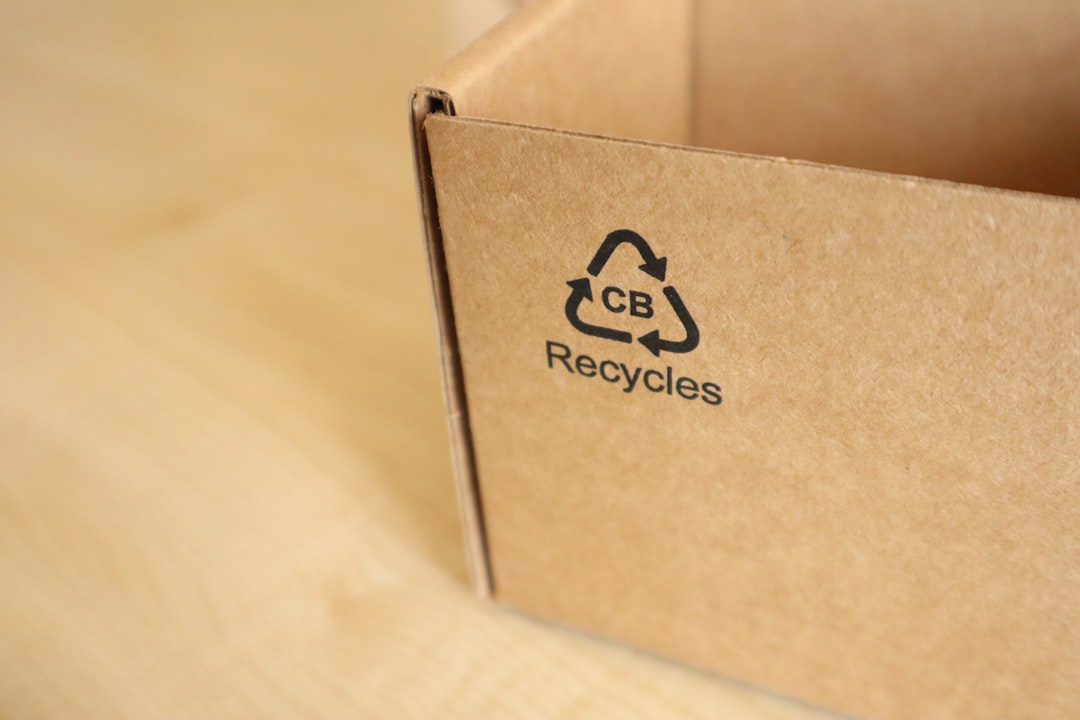
- ‘Recycled’ packaging that isn’t actually recyclable — composite materials (plastic + cardboard laminate) that get rejected at sorting facilities
- Carbon offset claims with no third-party verification — some offsets fund forests that would never have been cut down anyway
- Biodegradable plastics requiring industrial composting at 60°C+ — conditions that don’t exist in your home compost bin or landfill
- ‘Locally sourced’ ingredients shipped via air freight — technically local origin, practically enormous carbon footprint
What Actual Sustainable Living Data Looks Like
Here’s where things get interesting. Project Drawdown — one of the most rigorous climate solution research organizations — ranks lifestyle changes by their actual carbon reduction potential. The top-impact personal choices in 2025 are not what most sustainability influencers are talking about:
- Shifting to a plant-rich diet: potential reduction of 4–8 tonnes CO₂e per person per year (this single change outperforms most other lifestyle shifts combined)
- Eliminating one transatlantic flight: approximately 1.5–3 tonnes CO₂e saved per round trip
- Switching to an EV or going car-free: 1.5–4.7 tonnes CO₂e per year depending on your grid’s energy mix
- Switching to a green energy tariff at home: 0.5–2 tonnes CO₂e depending on household size
- Buying a bamboo toothbrush instead of plastic: approximately 0.003 tonnes CO₂e — genuinely negligible at scale
That last point stings a little, right? It’s not that small choices don’t matter symbolically or culturally — they do. But if we’re prioritizing effort and money, the hierarchy matters enormously. Many of us are spending $40 on a zero-waste starter kit while flying twice a year without a second thought.
Real-World Case Studies Worth Following
Let me point you toward some examples that are doing this right, not just talking about it.
Interface (flooring manufacturer) launched their Mission Zero program back in 1994 and hit net-zero manufacturing emissions by 2019 — a full decade before most corporate pledges even existed. Their approach combined renewable energy sourcing, closed-loop material recovery, and measurable scope 3 emissions tracking. The key: they published third-party verified data every year. You can review their sustainability reports at interface.com — they’re genuinely readable and data-forward.
Too Good To Go, a Danish app now operating in 17+ countries, tackles food waste by connecting consumers with surplus meals from restaurants and cafes at reduced prices. In 2024, they reported saving over 350 million meals from landfill. This is systemic — one app behavior change creates supply-chain pressure that individual packaging choices simply can’t.
Patagonia’s Worn Wear program remains one of the more honest corporate sustainability initiatives. They actively encourage customers NOT to buy new products if existing gear can be repaired, and they publish data on the environmental cost of manufacturing new items. It’s a genuinely counterintuitive business model — and it works because it builds loyalty grounded in trust.
Practical Framework: How to Actually Audit Your Habits in 2025
Here’s a simple decision tree I’ve started using personally. Before making any ‘eco’ purchase or change, I run through these three questions:
- Does this reduce consumption, or just substitute it? (A reusable bag you forget at home every third trip is worse than a plastic bag you actually reuse five times)
- Is there a third-party certification? Look for B Corp, Fair Trade, FSC (for wood/paper), GOTS (for textiles), or Energy Star (for appliances). These have actual auditing behind them.
- What’s the carbon cost of production vs. use-phase savings? An electric car has a high manufacturing footprint — it only ‘pays back’ after roughly 2–3 years of driving, depending on your grid. Knowing this helps you make timing decisions.
For tracking your own footprint, the WWF Footprint Calculator (footprint.wwf.org.uk) and MyClimatefootprint both provide solid baseline estimates. Neither is perfect, but they shift your thinking from products to behaviors — which is exactly the frame shift most of us need.
If Your Budget Is Tight, Start Here
Sustainable living has an accessibility problem — a lot of the ‘green’ alternatives are priced at a premium that not everyone can absorb. So let’s be realistic about where to start if resources are limited:
- Free: Eat less red meat two days per week. Walk or bike for trips under 2km. Turn off standby electronics. These cost nothing and compound quickly.
- Under $20: A quality reusable water bottle (look for stainless steel — BPA-free is table stakes now). A library card instead of buying books. Buying secondhand via ThredUp, Vinted, or local Facebook Marketplace.
- $20–$100: LED bulb replacement throughout your home (pays back in electricity savings within 6–12 months). A compost bin for kitchen scraps if you have outdoor space.
- $100+: Energy audit for your home (often subsidized by utility companies — worth checking your provider’s website). Green energy plan upgrade with your electricity provider.
The pattern here is: behavior changes first, product changes second, and always check whether a ‘green’ product actually reduces your footprint versus just making you feel better about it.
The Honest Conclusion
Sustainable living in 2025 is genuinely possible, genuinely impactful, and genuinely being buried under a landslide of marketing noise that makes it harder to know where to actually start. The research is pretty clear: diet, transport, and energy use are where the real leverage is. The bamboo toothbrush still matters — just don’t let it be your entire contribution.
When you encounter a green product or claim, treat it the way you’d treat any other piece of marketing: ask who verified it, what the data shows, and whether the company has skin in the game. The answers will usually tell you everything you need to know.
💬 One reader comment that stuck with me: ‘I used to buy eco products to feel less guilty. Now I make changes that actually reduce the thing causing the guilt in the first place.’ That shift in framing? That’s where sustainable living actually begins.
📚 관련된 다른 글도 읽어 보세요
- 2026년 기준 전기차 진짜 유지비 — 사기 전에 제발 이것만 확인하세요
- 아이 IQ 높이려고 학습지 시키다가 진짜 중요한 거 놓쳤습니다 — 2026년 기준 유아 두뇌 발달 완전 가이드
- Why My First Batch Failed Completely — Real 2025 Guide to Making Goat Milk Soap at Home
태그: sustainable living, greenwashing, eco-friendly habits, carbon footprint, zero waste, environmental tips, climate action
Leave a Reply