A friend of mine — someone who’s been cooking for her family for over two decades — called me last month genuinely frustrated. She’d tried making egg rolls three times in a row, and every single batch came out soggy, greasy, or burst open in the fryer. “I followed the recipe exactly,” she said. “What am I doing wrong?” Honestly? She wasn’t alone. Egg rolls are one of those dishes that look simple but have about six different failure points that nobody talks about in a standard recipe card. So let’s actually dig into this together.
What Makes an Egg Roll… an Egg Roll?
Before we troubleshoot, it helps to understand what we’re working with. Egg rolls are a Chinese-American staple — not quite the same as spring rolls (those use a thinner, rice-based wrapper and are often served fresh or lightly fried). Egg rolls use a thicker wheat-and-egg dough wrapper, which is specifically engineered to blister and crisp up under high heat. That crackly, bubbly texture? That’s the goal. And it only happens under specific conditions.
The filling typically includes:
- Shredded cabbage (Napa or green — each behaves differently in heat)
- Ground pork or shrimp (or both)
- Shredded carrots
- Bean sprouts (optional, but they add crunch)
- Aromatics: ginger, garlic, sesame oil, soy sauce
- The egg roll wrappers themselves (brand matters — more on this below)
The ratio of wet to dry ingredients in the filling is arguably the single most important variable most home cooks underestimate.
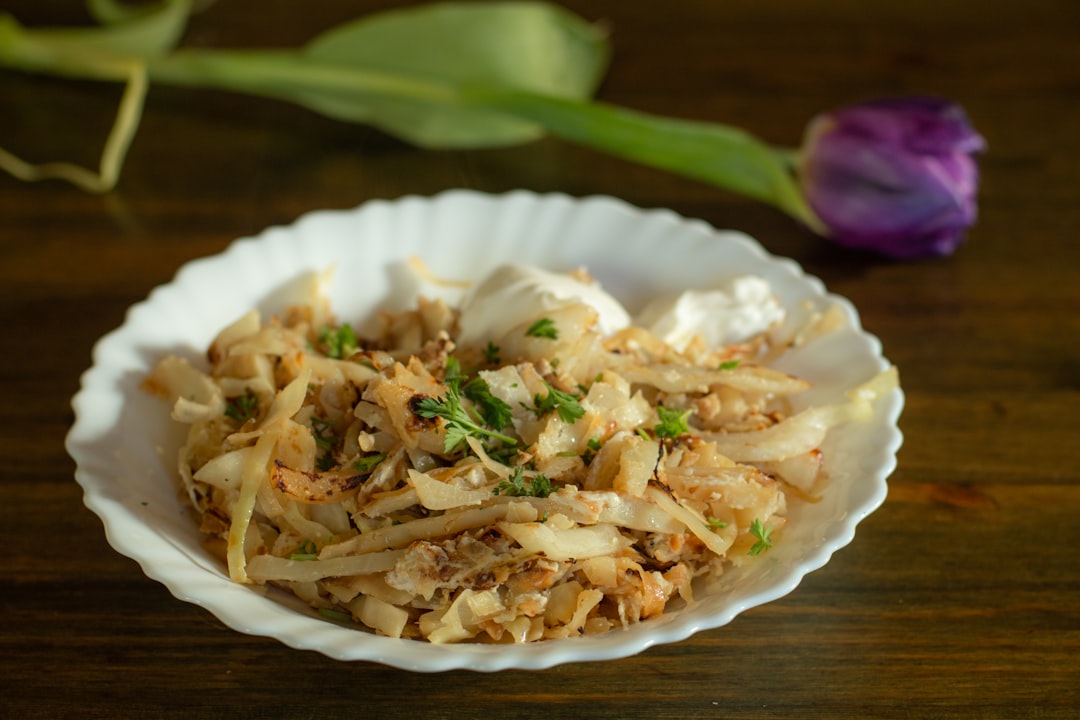
The Moisture Problem — Why Your Egg Rolls Get Soggy
Here’s the cause-and-effect chain nobody spells out clearly: excess moisture in the filling → steam builds inside the wrapper during frying → wrapper softens from the inside out → you get a greasy, limp egg roll instead of a crispy one. This is what happened to my friend, almost certainly.
The fix is a two-step process that takes maybe 15 extra minutes but completely changes the outcome:
- Salt your cabbage first. Toss shredded cabbage with about 1 teaspoon of kosher salt per 2 cups of cabbage, let it sit for 10 minutes, then squeeze out the water aggressively with a clean towel. You’ll be shocked how much liquid comes out — sometimes nearly half a cup.
- Cook the filling before wrapping. A raw filling releases moisture as it cooks inside the wrapper. Pre-cooking and then cooling the filling completely (spread it on a sheet pan, even refrigerate briefly) means the filling is already dry and stable before it goes anywhere near a wrapper.
- Don’t overfill. 2–3 tablespoons of filling per wrapper is plenty. More than that and you can’t seal it properly.
Wrapper Selection: Not All Brands Are Equal
This is where research actually pays off. In side-by-side tests documented by home cooking communities on platforms like Serious Eats and Reddit’s r/cooking, Nasoya and Twin Dragon egg roll wrappers consistently outperform generic store brands in blister formation and structural integrity. The key difference is thickness — you want wrappers labeled specifically “egg roll wrappers” (not spring roll wrappers), typically around 7-inch square, with egg listed as an ingredient. Wrappers without egg tend to stay pale and don’t develop that signature blistered surface.
Keep wrappers covered with a damp paper towel while you work — they dry out and crack in minutes if left exposed, which causes the dreaded burst-open-in-the-fryer situation.
Frying Temperature: The Number That Actually Matters
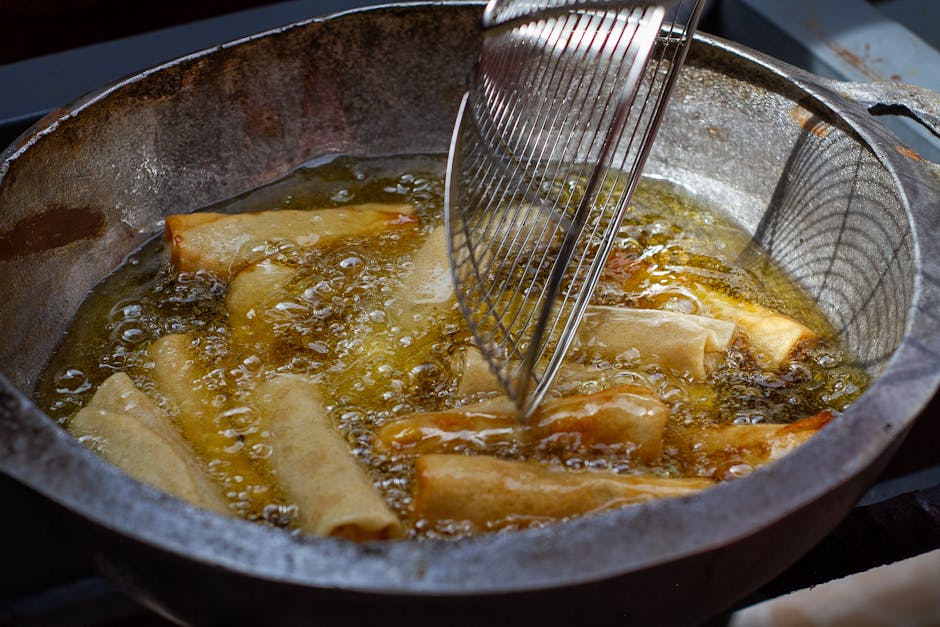
Oil temperature is not negotiable here. The target is 350°F (175°C) — measured with an actual thermometer, not guessed. Here’s why the range matters so specifically:
- Below 325°F: Egg rolls absorb oil before the exterior has time to set. Result: greasy, heavy, and never really crispy.
- 350–365°F: The sweet spot. Exterior sets quickly, moisture escapes as steam rather than being absorbed, blistering occurs naturally.
- Above 375°F: Exterior browns too fast, inside stays cold or underdone, wrappers can split from thermal shock.
Fry in small batches — 3 to 4 at a time in a standard Dutch oven. Dropping too many in at once tanks the oil temperature immediately, which puts you right back into the soggy zone. A 5–6 minute total fry time per batch, turning once or twice, is typical for properly sized rolls.
Baking and Air Frying: Honest Expectations
Let’s be real about the alternatives, because a lot of people ask about them. Air frying egg rolls is absolutely viable — brush or spray them generously with oil (don’t skip this), and cook at 390°F for about 12–14 minutes, flipping halfway through. The result is genuinely good: crispy exterior, cooked through, less oil overall. They won’t have the same deep, blistered texture as deep-fried, but they’re 80% of the way there and much less mess.
Baking at 425°F for 20–25 minutes produces an acceptable result but tends to be the weakest of the three methods — the wrappers can go from pale to overbrown quickly and the texture is more “baked bread” than “fried crunch.” If oven is your only option, brush liberally with oil and flip every 8 minutes.
The Dipping Sauce Equation
Classic pairing is sweet and sour or duck sauce, but a spicy soy-ginger dip (2 tbsp soy sauce, 1 tsp sesame oil, 1 tsp rice vinegar, 1 tsp chili garlic sauce, a tiny bit of honey) takes about 90 seconds to make and genuinely elevates homemade egg rolls above anything from a takeout box. It’s worth mentioning because the dipping experience is part of the whole thing.
Storing and Reheating Without Ruining Them
If you’re making a big batch (and you should — they freeze beautifully), here’s the workflow: fry them until just barely golden, let cool completely, freeze on a sheet pan uncovered for 2 hours, then transfer to a zip-lock bag. They keep well for up to 2 months. Reheat from frozen in an air fryer at 375°F for about 8–10 minutes or in an oven at 400°F for 12–15 minutes. Do not microwave — this is how egg rolls die.
📝 One Last Thought: Egg rolls reward patience more than skill. The steps themselves aren’t complicated — salt the cabbage, cool the filling completely, respect the oil temperature, and don’t crowd the pan. Once those four things click into place, the batch that frustrated my friend (and probably you at some point) suddenly becomes the thing people ask you to bring to every gathering. Start with the moisture control step alone and I’d bet your next batch already looks completely different.
📚 관련된 다른 글도 읽어 보세요
- 공식 스펙에 속지 마라: SLA vs SLS 3D 프린터 실전 성능 비교 2026 [현직 엔지니어 벤치마크]
- Build Your Own Home Lab Security Camera System in 2026: The Engineer’s No-BS Guide
- 현장 엔지니어가 직접 뜯어본 산업용 3D 프린터 브랜드 순위 TOP 7 – 스펙·가격·실패율 전부 까발림 2026
태그: egg rolls recipe, crispy egg rolls, homemade egg rolls, egg roll filling, deep frying tips, air fryer egg rolls, Chinese-American food
Leave a Reply