A friend of mine — someone who meal preps like a religion — texted me a photo last January. It was her fridge, perfectly stacked with color-coded containers, each labeled with the day and the macro count. I stared at it for about thirty seconds, then looked at my own fridge: half a wilted head of broccoli, some leftover takeout, and a mysterious container I was afraid to open. That photo was the moment I decided to actually figure out meal prep. Not just watch YouTube videos about it — actually do it.
What followed was three weeks of sad, mushy rice, chicken so dry it could sand a floor, and one genuinely impressive waste of a Sunday afternoon. If that sounds familiar, keep reading — because I eventually figured out where I was going wrong, and the difference was night and day.
Why Most People Quit Meal Prep in Week Two
Let’s be honest about the failure rate here. According to a 2023 survey by the International Food Information Council, roughly 58% of people who attempt structured meal prepping abandon it within 14 days. The reasons aren’t laziness — they’re almost always structural mistakes that nobody talks about upfront.
The biggest culprits? Overcooking variety (trying to prep five different meals when you’re a beginner), ignoring food texture degradation (some foods simply do not survive four days in a container), and underestimating prep time by a factor of two or three. If the process eats your entire Sunday, you’re not going to want to repeat it next week. Simple psychology.
- Mistake #1 — Prepping too much variety: Stick to 2–3 base proteins and 2 carb sources max when starting out. Complexity is the enemy of consistency.
- Mistake #2 — Ignoring texture science: Leafy greens wilt, fried foods go soggy, and cut avocado oxidizes. Store dressings separately, keep crunchy elements aside, and never pre-cut avocado.
- Mistake #3 — Wrong containers: Cheap containers leak and don’t seal well. Invest in glass or BPA-free airtight containers — brands like Pyrex, OXO Good Grips, and Prep Naturals are worth the upfront cost.
- Mistake #4 — No reheating strategy: Microwaving a full grain bowl often makes edges dry and center cold. Add a tablespoon of water before reheating, cover loosely, and heat in 60-second intervals.
- Mistake #5 — Prepping for 7 days straight: Most ingredients peak in quality at day 3–4. Plan for two prep sessions per week rather than one marathon session.
The Actual Math That Makes Meal Prep Worth It
Here’s where the data gets interesting — and honestly, a bit motivating. The average American spends roughly $13–$15 per meal when eating out or ordering delivery, according to the Bureau of Labor Statistics 2024 Consumer Expenditure data. A well-planned home-prepped meal? That lands between $2.50 and $4.50 per serving depending on protein choice and region.
Run those numbers across a five-day workweek, two meals per day: you’re looking at a potential saving of $85–$120 per week per person. Over a month, that’s $340–$480. That’s not pocket change — that’s a flight somewhere interesting.
But the non-financial ROI is equally real. A 2022 study published in the International Journal of Behavioral Nutrition and Physical Activity found that people who engaged in structured meal planning consumed significantly more vegetables and fiber, and had measurably lower rates of impulsive fast food consumption. The act of planning itself shifts decision-making from reactive (hungry now, order now) to proactive.
What a Realistic Beginner Prep Session Actually Looks Like
Forget the Instagram version where every container looks like it was assembled by a Michelin-star chef. Here’s a realistic 90-minute Sunday session that actually works in 2025:
Week One Template (serves 4–5 days of lunches and dinners):
- Protein: 2 lbs of boneless chicken thighs (not breasts — thighs reheat far better and cost less) baked at 400°F for 25 minutes with olive oil, garlic powder, smoked paprika, salt. Slice after cooling.
- Grain base: 2 cups dry rice or quinoa cooked in chicken broth instead of water — this alone makes a massive flavor difference.
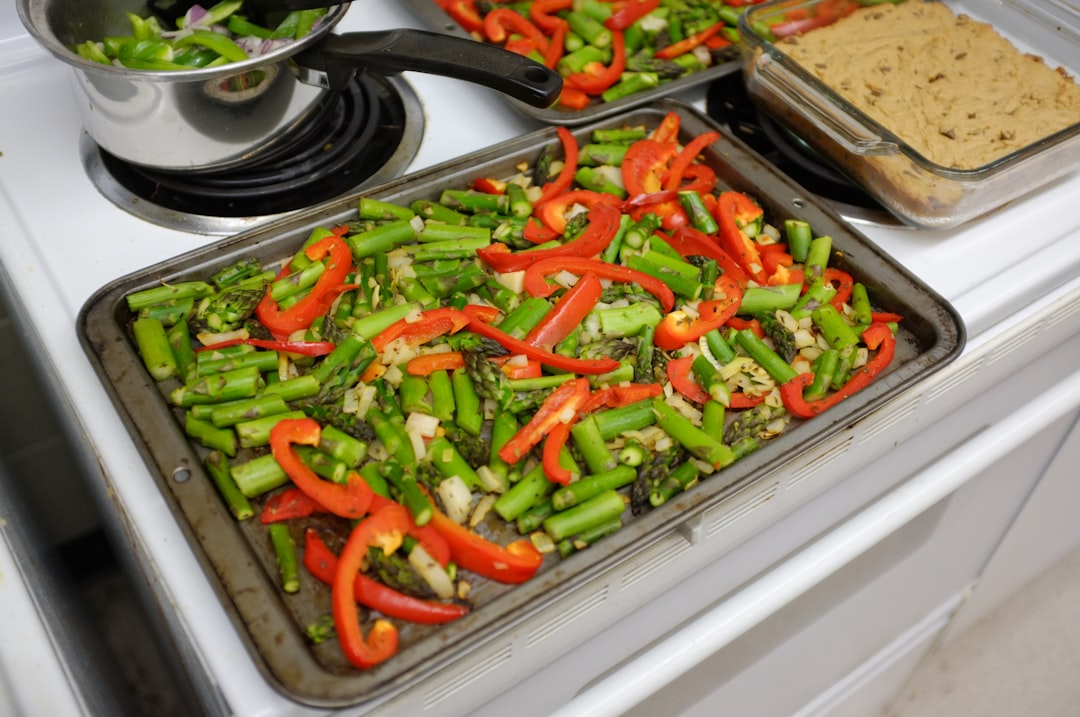
- Roasted vegetables: One sheet pan of whatever is cheapest and in season. Broccoli, bell peppers, zucchini, and sweet potato all roast well together at 425°F for 20–22 minutes.
- Sauce/dressing: Make one versatile sauce (tahini-lemon, teriyaki, or a basic vinaigrette) and store it separately in small containers.
- Snack batch: Hard-boiled eggs (6–8), portioned nuts, and pre-washed fruit that doesn’t oxidize quickly (grapes, blueberries, whole apples).
Total active prep time with efficient multitasking (oven running while you cook grains, chopping while chicken bakes): about 75–90 minutes. Cleanup included. That’s it.
Tools That Actually Earn Their Counter Space
I’ve tested a lot of kitchen gear through this journey, and here’s my honest shortlist of what genuinely speeds up meal prep versus what’s just gadget hype:
- Instant Pot or any multi-cooker: Game-changer for batch cooking grains, beans, and even hard-boiled eggs. The Instant Pot Duo (7-in-1) is around $80–$100 and has become a staple in countless meal prep routines — with good reason.
- Sheet pans with a wire rack: Elevating vegetables on a rack during roasting allows air circulation that gives you crispier results. Nordic Ware and USA Pan both make excellent options.
- A sharp chef’s knife: This sounds obvious, but a dull knife is both dangerous and slow. A Victorinox Fibrox 8-inch runs about $40 and outperforms knives three times its price in independent tests by America’s Test Kitchen.
- Digital kitchen scale: If you’re tracking macros or trying to eat to specific caloric targets, eyeballing is wildly inaccurate. An OXO digital scale ($50) removes all the guesswork.
- Reusable silicone bags: Stasher bags are pricier upfront (~$15 each) but replace hundreds of single-use zip bags annually — better for the planet, and they actually seal properly.
What Real People Are Actually Prepping in 2025
Scrolling through communities like Reddit’s r/MealPrepSunday (which has crossed 2.5 million members) and the broader #mealprep hashtag ecosystem, a few clear trends have emerged this year that are worth knowing about:
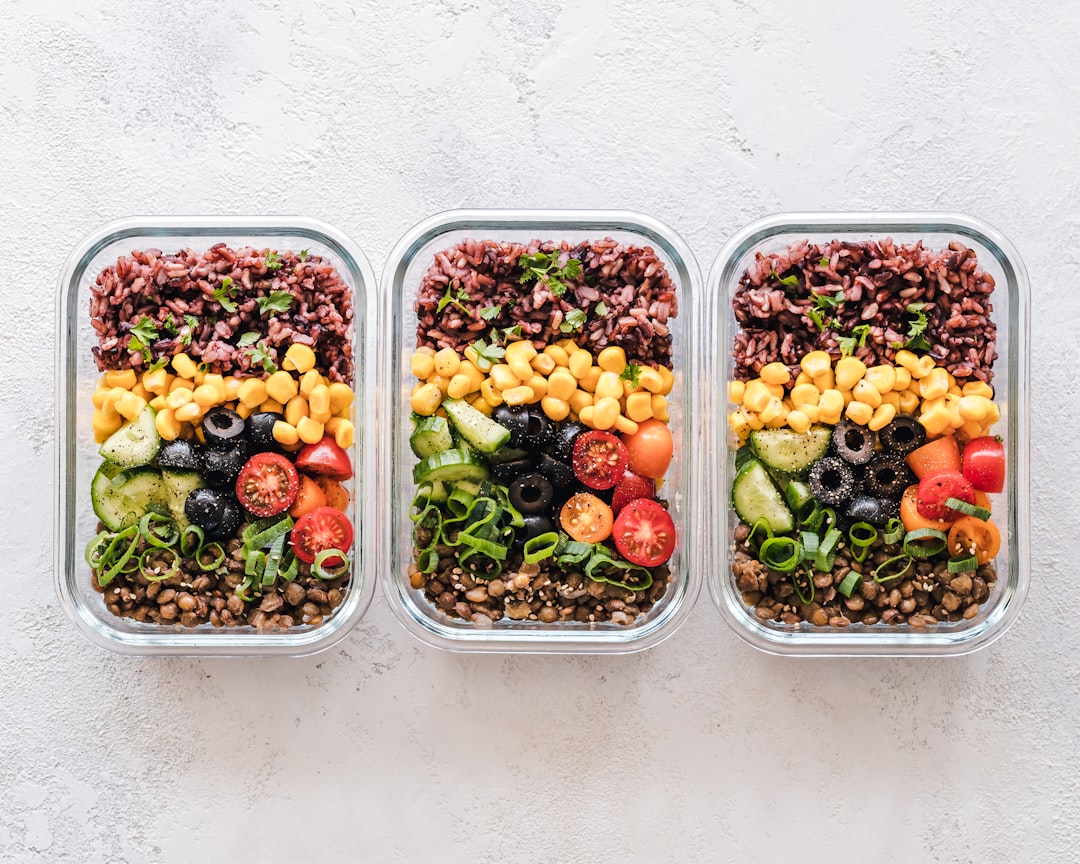
Anti-Inflammatory Bowls: The trend toward Mediterranean-adjacent eating has exploded. Think grain bases topped with chickpeas, cucumber, cherry tomatoes, feta, and a lemon-herb dressing. These hold up remarkably well through day four because none of the components are prone to sogginess.
Freezer-Friendly Batch Cooking: More people are prepping for the freezer rather than just the week. Soups, chilis, marinated raw proteins, and cooked grains all freeze beautifully. This takes weekly pressure completely off the table — you’re cooking for multiple future weeks simultaneously.
High-Protein Breakfast Prep: Egg muffins (essentially crustless mini quiches baked in a muffin tin) have become the breakfast default for meal-prep converts. They’re protein-dense, infinitely variable, freeze well, and reheat in 60 seconds. A batch of 12 takes about 30 minutes including bake time.
If Sundays Don’t Work for You — Realistic Alternatives
Here’s the thing nobody says loudly enough: meal prep doesn’t have to happen on Sunday. It doesn’t even have to be a single session. If your life is structured differently — shift work, kids’ schedules, irregular routines — force-fitting a Sunday prep session is a recipe for failure.
Consider a split prep model: 30 minutes on Wednesday evening to restock proteins and grains, plus 45 minutes on Sunday for vegetables and snacks. Or a component cooking approach where you never prep full meals — just ingredients. Cooked rice in the fridge. Seasoned ground beef cooked in bulk. Roasted vegetables in a container. You assemble meals fresh each day from components, which dramatically reduces the ‘boredom factor’ that kills consistency.
If your situation is high stress and low time, start with just one meal category — lunches only — for two weeks before adding dinners. If your situation is budget-focused above all, prioritize freezer meal prep over weekly prep since it leverages bulk buying and sale cycles more effectively.
Bottom line — meal prep isn’t a personality type, it’s a skill set. And like any skill, it gets dramatically easier once you move past the initial learning curve. The first three sessions will feel chaotic and longer than expected. By session five or six, your hands know the rhythm, your grocery list is half-memorized, and Sunday afternoons start feeling manageable rather than overwhelming. The key is not quitting during those first few rough attempts — because that’s where almost everyone gives up, right before it starts clicking.
📚 관련된 다른 글도 읽어 보세요
- 아직도 혼자 가세요? 2026 제주 현지인이 강추하는 남들 모르는 한적한 코스 7선
- 비싼 줄만 알았는데 — 2026년 기준 가성비 쩌는 싱글몰트 위스키 Top 3, 직접 열어봤습니다
- 어릴때 이것 키워주지 않으면 후회해도 소용없어요 — 2026년 기준 수학 사고력, 지금 안 잡으면 진짜 늦습니다
태그: meal prep, healthy eating, meal planning, food prep tips, weekly meal prep, beginner meal prep, healthy lifestyle
Leave a Reply