A neighbor of mine spent an entire weekend on his roof last spring, only to fire up his new solar system and watch it throw a Error 306: Grid Isolation Fault the moment he flipped the breaker. Three calls to the installer, two YouTube rabbit holes, and one very expensive electrician visit later — he finally had it running. That story stuck with me, because it’s not an edge case. It’s basically the rite of passage for DIY solar in 2025.
So let’s dig into what’s actually happening on the ground, what the numbers really look like, and how to avoid the landmines that the official documentation quietly glosses over.
The 2025 Solar Landscape: Costs, Incentives, and Realistic Payback
First, the honest numbers. As of 2025, the average installed cost for a residential solar system in the US sits around $3.00–$3.50 per watt before incentives. For a typical 8 kW system, that’s roughly $24,000–$28,000 upfront. After applying the federal Residential Clean Energy Credit (30% ITC), you’re looking at an effective cost closer to $16,800–$19,600.
Payback periods — the figure everyone actually cares about — range from 7 to 11 years depending on your local utility rate, roof orientation, and shading. In high-rate states like California (where PG&E averages $0.32/kWh in 2025) or Massachusetts ($0.29/kWh), payback can compress to 6–7 years. In low-rate states like Louisiana ($0.11/kWh), you might be looking at 12+ years. That’s not a dealbreaker, but it’s a number you need to know before you sign anything.
The Inverter Decision Is Where Most People Get It Wrong
Here’s a technical detail that manufacturers don’t exactly shout from the rooftops (pun intended): the inverter you choose fundamentally changes your system’s behavior, maintenance burden, and troubleshooting experience.
- String Inverters (e.g., SMA Sunny Boy, Fronius Primo): Cheapest option, $1,000–$2,000 for a whole-home system. Works great if your roof has zero shading. One shaded panel drags down the entire string — production losses of 20–40% are common in partial shade conditions.
- Microinverters (e.g., Enphase IQ8 series): ~$150–$200 per panel. Each panel operates independently, so shading one panel doesn’t tank the others. The IQ8 series even supports off-grid “sunlight backup” without a battery — a genuinely useful 2025 feature. More components means more potential failure points, but Enphase’s 25-year warranty is among the best in class.
- Power Optimizers + String Inverter (e.g., SolarEdge HD-Wave): Middle ground. Optimizers on each panel, single inverter. SolarEdge’s Error 25 (communication loss) is one of the most commonly reported installer headaches — usually caused by RS485 wiring polarity being reversed during setup. Swap the A/B terminals and it clears immediately.
- Hybrid Inverters (e.g., Growatt MIN TL-X, Solis RHI): If you’re adding battery storage now or planning to, a hybrid inverter is almost always worth the premium. Retrofitting battery capability to a non-hybrid system later typically costs $800–$1,500 in additional hardware and labor.
Permitting: The Step Nobody Talks About Until It Costs Them Two Months
In 2025, most US jurisdictions require a building permit, electrical permit, and utility interconnection agreement before your system can legally export power to the grid. The interconnection process alone — filing an application with your utility, waiting for approval, scheduling an inspection — averages 30–90 days in most states. California’s NEM 3.0 rules (which took effect in April 2023 and are now fully in force) have changed the export compensation math significantly: new solar customers get time-of-use export credits averaging $0.05–$0.08/kWh rather than the old near-retail rates. This makes battery storage far more attractive economically for California installations than it was even two years ago.
For permit submission, services like SolarApp+ (a NREL-developed tool now adopted by 200+ jurisdictions) can reduce permit approval time to under 24 hours for straightforward residential installs. Worth checking if your jurisdiction participates.
Real-World Case Studies: What Independent Installers Are Seeing
The team at EnergySage (energysage.com), which aggregates quotes from vetted installers nationally, published 2025 market data showing that the average consumer receives 3–5 competing quotes through their platform, with a median price spread of about $4,000 on an 8 kW system. That spread almost entirely comes from labor and overhead differences — the panels and inverters are largely commoditized at this point.
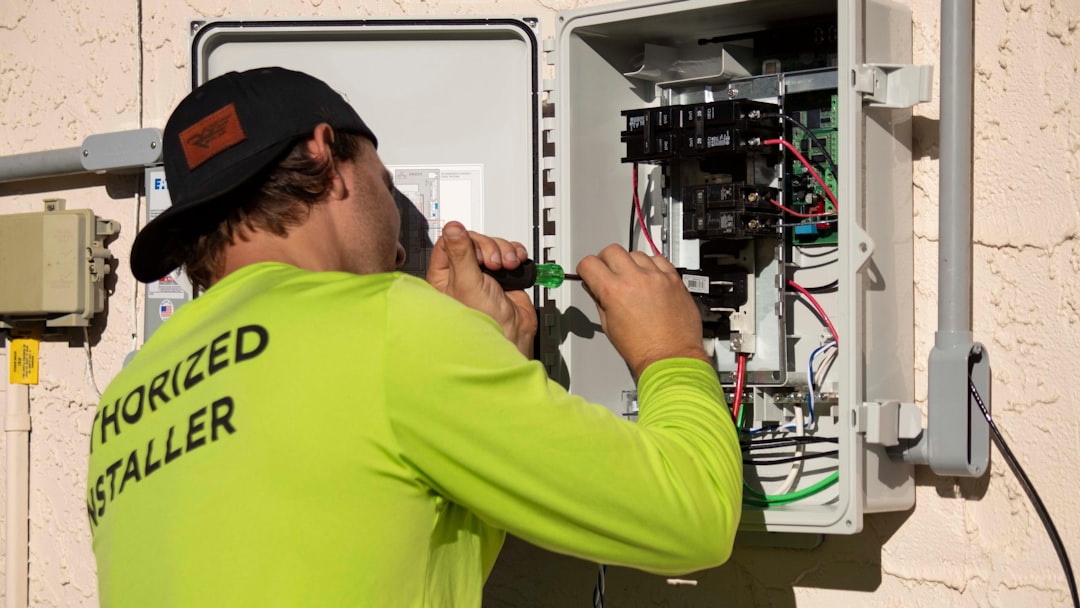
On the DIY side, the r/solar community (now over 400,000 members) consistently flags a specific issue with DIY hybrid system setups: incorrect CT clamp placement on the main panel’s service entrance conductors, which causes the system to export power when it thinks it’s consuming, or vice versa. The fix is straightforward — reverse the clamp orientation — but it’s rarely covered in quick-start guides.
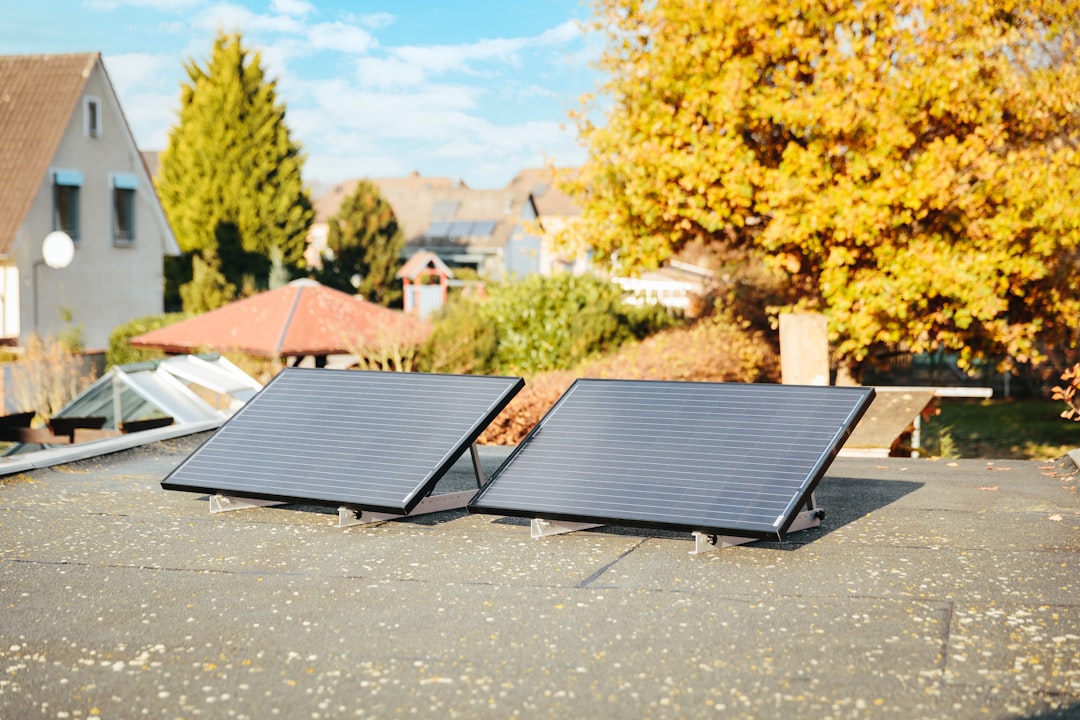
Internationally, Germany’s solar market (the most mature per-capita in the world) has moved heavily toward balcony power plants — plug-in 800W systems that require no permit under revised EU regulations. While US rules don’t yet have an equivalent simplified pathway, several states including Colorado and New Mexico are piloting “Tier 1 exemption” programs for systems under 2 kW. Worth watching in 2025.
Battery Storage: Worth It Now, or Still Too Early?
The economics shifted meaningfully in 2024–2025. With the ITC applying to battery storage (regardless of whether it’s paired with solar, thanks to the Inflation Reduction Act clarification), and with lithium iron phosphate (LFP) battery prices dropping to roughly $400–$600/kWh installed for residential systems, the conversation has changed.
A 13.5 kWh Tesla Powerwall 3 runs about $11,500 installed before incentives (~$8,050 after ITC). For homes in states with time-of-use rates or frequent outages, the value case is real. For homes in states with flat rates and reliable grids, the payback still stretches to 15+ years on the battery alone — honest truth.
If backup power during outages is your primary motivation, compare the Powerwall 3 against a Kohler or Generac whole-home generator ($4,000–$8,000 installed). The generator wins on upfront cost and runtime; the battery wins on silent operation, zero fuel cost, and the ability to cycle daily for rate arbitrage.
The Checklist I Wish I’d Had From Day One
- Pull your last 12 months of utility bills and calculate your actual annual kWh usage before sizing anything.
- Use NREL’s PVWatts Calculator (pvwatts.nrel.gov) to model production for your specific address, tilt, and azimuth — takes 5 minutes and is more accurate than any installer’s back-of-envelope estimate.
- Check your roof age and condition. Most installers won’t warrant their work on a roof with less than 10 years of remaining life. Re-roofing under an installed solar array costs 2–3x what it would on a bare roof.
- Confirm your main panel capacity. A 100A panel serving a 2,500 sq ft home often needs an upgrade to 200A before adding solar + EV charging + heat pump. Budget $2,000–$4,000 for this if needed.
- Get the utility interconnection application number before signing a contract. Some utilities (particularly in the Southeast) have multi-month queues.
- Ask any installer for their NABCEP certification number. The North American Board of Certified Energy Practitioners maintains a public lookup — it takes 30 seconds and tells you a lot.
Solar in 2025 is genuinely more accessible, better incentivized, and more technically mature than it’s ever been. But the gap between a smooth installation and a three-month headache almost always comes down to the details — inverter choice, permit timing, panel sizing, and understanding your utility’s specific interconnection rules before you commit. The good news: those details are all learnable, and the online community around this stuff (forums, YouTube teardowns, NREL tools) is remarkably good.
Editor’s note: If you’re still on the fence, start with the PVWatts estimate and one real quote from a NABCEP-certified local installer — no commitment required, just data. You’ll know within a week whether the numbers make sense for your specific roof, rate, and situation. That clarity alone is worth the hour it takes.
📚 관련된 다른 글도 읽어 보세요
- 공식 문서에 속지 마라 — Frigate + NVR 직접 구축으로 월 0원 달성한 2026 홈랩 보안 카메라 완전 가이드
- 현장 엔지니어가 밝히는 산업용 적층 제조 정밀도 향상 사례 TOP 5: ±0.02mm 달성한 실제 공정 비밀 [2026 최신]
- 공식 문서엔 없는 진실: SLS vs SLM vs DED 산업용 3D 프린팅 성능 비교 2026 완전 분석
태그: []
Leave a Reply