A friend of mine came back from a beach vacation last spring looking more exhausted than when she left. She’d booked a “snorkeling adventure” through a random beachside vendor, ended up in murky water with a cracked mask, and spent two days nursing coral cuts on her shins. “I thought I knew what I was doing,” she told me over coffee. “I’d watched YouTube videos.” That conversation is exactly what pushed me to put this guide together — because snorkeling looks deceptively simple until the current has other plans.
So let’s actually think through this together, from gear selection to reading a reef safely, with real numbers and practical details that most listicles completely gloss over.
Understanding the Reef Before You Ever Enter the Water
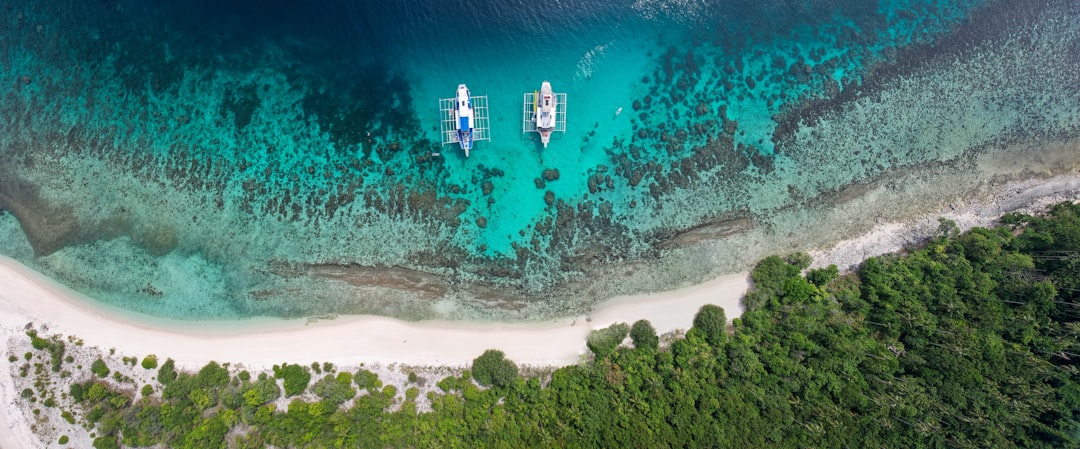
The single biggest mistake recreational snorkelers make in 2025 is treating the ocean like a swimming pool with pretty decor. Coral reefs are living ecosystems with defined zones, tidal rhythms, and hazard layers — and misreading them is how you end up with a sea urchin spine in your foot or caught in a rip current 80 meters offshore.
Here’s what actually matters before you enter:
- Tidal windows: Low tide exposes shallow coral heads that become shin-height hazards. At most tropical reef sites (Caribbean, Indo-Pacific, Red Sea), snorkeling is safest during the 1–2 hour window on either side of high tide, when visibility averages 8–15 meters vs. 2–4 meters at low tide.
- Current direction: Check the daily tidal chart on apps like Tide Alert or WindFinder. A current exceeding 0.5 knots (roughly 0.25 m/s) is noticeable; above 1 knot, it’s a fatigue multiplier that has caused drownings even among experienced swimmers.
- Water temperature: Below 24°C (75°F), consider a 3mm shorty wetsuit. Cold water accelerates muscle fatigue by 30–40% and increases the risk of cramp-related incidents.
- Visibility baseline: If surface visibility is under 4 meters — common after storms or in estuarine runoff zones — reschedule. Low visibility doubles the chance of accidentally contacting coral or marine life.
Gear That Actually Protects You (and the Reef)
The gear rental market at beach destinations is wildly inconsistent. In a 2023 survey by the Reef-World Foundation across 40 dive shops in Southeast Asia and the Caribbean, 62% of rental masks showed degraded silicone skirts causing chronic leak issues — which means swimmers constantly lift their heads, exhaust themselves, and make poor decisions near coral.
If you snorkel more than once a year, owning your own gear pays off fast. Here’s a realistic breakdown:
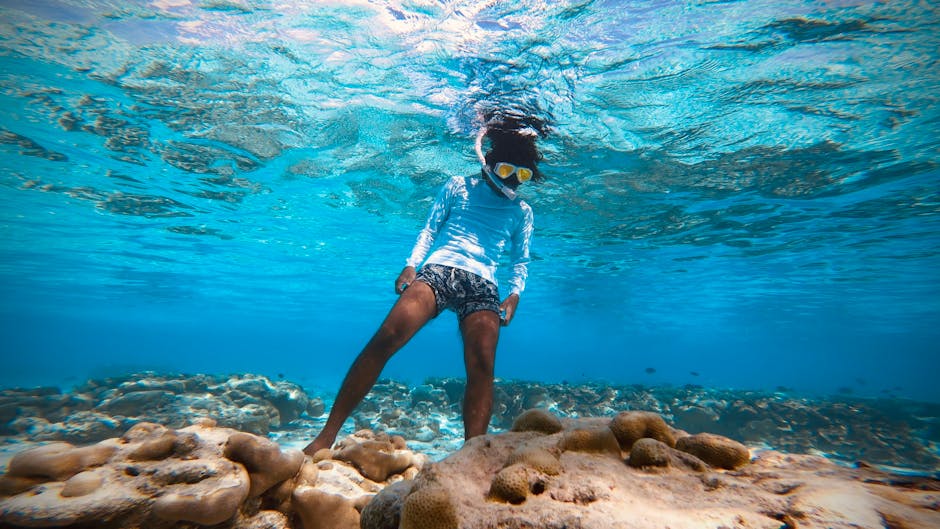
- Mask: Tempered glass lens is non-negotiable. Silicone skirt (not PVC — it hardens and leaks within 18 months). Brands like Cressi F1, Mares X-Vision, or Atomic Frameless run $45–$120 and last 5–8 years with proper rinse care.
- Snorkel: Dry-top vs. semi-dry matters less than purge valve quality. A failed purge in a 0.5-meter chop situation is miserable. The Aqua Lung Impulse 3 ($28) has proven reliable in field tests across multiple dive review sites.
- Fins: Open-heel adjustable fins for travel; full-foot for consistent conditions. Blade stiffness determines propulsion efficiency — softer blades (like Mares Avanti Quattro) reduce calf cramps on longer sessions exceeding 45 minutes.
- Reef-safe sunscreen: As of 2025, Hawaii, Palau, Bonaire, and the U.S. Virgin Islands legally prohibit oxybenzone and octinoxate. Mineral-based options (zinc oxide, titanium dioxide) from brands like Raw Elements or Stream2Sea are both legally compliant and ecologically sound.
- Safety signaling: A $12 surface marker buoy (SMB) and a dive whistle weigh almost nothing and have been credited in multiple Coast Guard incident reports as decisive in open-water self-rescue scenarios.
Reading a Reef Like a Local Guide Would
In 2025, the best snorkeling sites in destinations like the Maldives, the Great Barrier Reef, and Belize are increasingly managed under zoning systems. The Great Barrier Reef Marine Park Authority (GBRMPA), for instance, divides reef access into Green Zones (no-take, high protection) and Blue Zones (limited recreational access) — and rangers do issue on-the-spot fines of up to AUD $3,000 for coral contact or specimen collection.
What experienced local guides actually do — and what you can replicate — is observe the reef surface before submerging:
- Pale or white coral patches signal bleaching stress; these areas are ecologically fragile and structurally brittle (broken coral fragments create laceration risks).
- Fish aggregations near the surface, especially schooling silver fish, often indicate a drop-off or current boundary below — interesting for experienced snorkelers, dangerous for beginners.
- Surge patterns against rock faces repeat on 7–12 second intervals at most Pacific sites. Timing your entry and exit to the lull phase reduces impact risk by roughly 70% compared to random entry.
Global Site Benchmarks Worth Planning Around
To give you a realistic sense of what different snorkeling destinations actually offer versus what’s advertised, here’s a comparison based on field reports from sites like DiveAdvisor, Snorkeling Report, and the PADI Dive Site Database:
- Raja Ampat, Indonesia: Considered the world’s highest marine biodiversity zone (over 1,500 fish species documented). Best window: October–April. Entry fees as of 2025: IDR 1,000,000 (~$62 USD) for foreign visitors, 7-day permit. Currents can reach 2–3 knots in channel passages — guide mandatory in most operator packages.
- Hanauma Bay, Hawaii: One of the most studied and managed snorkeling sites globally. Daily visitor cap: 720 people (2025 reservation system via HanaumaBayReservations.com, $3 reservation + $25 entry for non-residents). Visibility averages 10–20 meters; the resident turtle population makes it genuinely spectacular.
- Silfra Fissure, Iceland: Freshwater snorkeling between tectonic plates. Water temperature: 2–4°C year-round — a drysuit is mandatory, not optional. Visibility exceeds 100 meters, making it arguably the clearest snorkeling site on Earth. Tours average $80–$150 USD with gear.
- Tubbataha Reef, Philippines: UNESCO World Heritage Site. Access strictly through licensed liveaboard operators only (approx. $1,200–$2,500 for 3–4 day trips). Snorkeling is secondary to diving here, but wall drifts in 5–10m depth are extraordinary.
When Things Go Wrong — And What to Actually Do
Most snorkeling incidents follow a predictable pattern: fatigue leads to water ingestion, which triggers panic, which causes poor decisions. A 2022 analysis of recreational water incident reports from the American Red Cross found that 78% of snorkeling-related rescue calls involved swimmers who had already covered distances greater than 300 meters from shore without a buddy or flotation device.
Practical protocols that break this chain:
- The “back-to-back” buddy check every 10–15 minutes — surface, make eye contact, give the OK signal before re-submerging.
- If caught in a rip current: resist swimming directly against it. Angle 45° diagonally toward shore or simply float and signal until the current dissipates (most coastal rips weaken within 50–80 meters of their origin).
- Coral cuts: rinse immediately with fresh water and apply topical antiseptic. Coral harbors bacteria including Vibrio species — untreated cuts can develop serious infections within 24–48 hours in tropical climates.
- Jellyfish contact (box jellyfish excluded): rinse with seawater, not fresh water. Remove tentacles with a card or shell fragment, not bare hands. Vinegar neutralizes nematocysts from most species; it’s standard first-aid kit content at Australian beaches.
Making the Most of Off-Season Snorkeling
Here’s the counterintuitive tip that budget-conscious travelers consistently overlook: shoulder season often delivers better conditions than peak season at many sites. At Cozumel, Mexico, for example, November sees 20–25% lower accommodation rates, smaller crowds on the reefs, and water temperatures still at a comfortable 27°C. The famous Palancar Reef wall retains full visibility (15–25m) right through December.
Similarly, the Maldives’ “wet season” (May–October) brings lower prices and lush, plankton-fed water that attracts whale sharks and manta rays — the trade-off is reduced visibility on some days, but experienced snorkelers consistently rate these encounters as more rewarding than a clear-water, wildlife-sparse peak-season day.
Reader note: Snorkeling is genuinely one of the most accessible ways to experience marine ecosystems — you don’t need diving certification, expensive equipment, or elite fitness. But it rewards preparation disproportionately. The difference between a magical two hours on a reef and a stressful, potentially dangerous one is almost entirely decided before you enter the water: checking conditions, having gear that fits, understanding basic reef behavior, and going with at least one other person. Start there, and the ocean tends to meet you halfway.
📚 관련된 다른 글도 읽어 보세요
- 공식 문서에 속지 마라 — Frigate + NVR 직접 구축으로 월 0원 달성한 2026 홈랩 보안 카메라 완전 가이드
- 공식 스펙에 속지 마라: 2026 산업용 3D 프린터 TOP 5 실전 비교 리뷰 (현장 엔지니어 직접 테스트)
- High-Precision SLA vs SLS 3D Printer Performance Showdown 2026: Which One Actually Delivers?
태그: snorkeling tips, reef safety, snorkeling gear guide, best snorkeling destinations, coral reef travel, marine conservation, underwater travel 2025
Leave a Reply