Author: likevinci

  • Why I Almost Gave Up on It — Honest Guide to Diamond Painting in 2025

    A friend of mine picked up diamond painting during a slow weekend last winter, mostly as a joke. She’d seen those glossy kits advertised online and thought, how hard can sticking tiny beads onto a canvas really be? Three hours later, she was hunched over her kitchen table, squinting at a color-coded chart under a desk lamp, muttering about ‘DMC 3752 versus 3753’ like a woman possessed. She didn’t stop for six hours. That story is basically how most people fall into this hobby — skeptical, then completely hooked.

    If you’re reading this, you’re probably somewhere between curious and already committed. Either way, let’s walk through what diamond painting actually involves, why it’s exploded in popularity heading into 2025, and — most importantly — the mistakes that turn a relaxing hobby into a frustrating mess.

    diamond painting kit, colorful canvas beads close-up

    What Diamond Painting Actually Is (And Why the Marketing Undersells It)

    Diamond painting sits at the intersection of paint-by-number and cross-stitch. You receive a canvas pre-printed with a color-coded adhesive grid, a set of small resin ‘drills’ (the ‘diamonds’), an applicator pen, and wax. You pick up each drill with the pen, match it to the corresponding symbol on the canvas, and press it down. Repeat a few hundred — or a few thousand — times.

    What the product photos don’t show you: the finished result genuinely looks impressive. The faceted resin drills catch light in a way that gives completed pieces a mosaic-like shimmer. A 40×50 cm canvas can take anywhere from 8 to 30+ hours depending on the design density and your pace. That range matters for setting expectations.

    The Numbers Behind the Boom

    The global diamond painting market was valued at approximately $450 million USD in 2023 and projections through 2025 suggest continued growth driven by the broader ‘therapeutic crafting’ trend that accelerated post-pandemic. Platforms like Etsy saw diamond painting kit listings increase by over 200% between 2020 and 2023. On Reddit’s r/diamondpainting (currently over 280,000 members), daily posts range from beginner unboxings to museum-quality custom portraits.

    Why does this matter to you as a buyer? Because market growth means more suppliers, more quality variance, and more marketing noise. In 2025, distinguishing a legitimate premium kit from a cheap knockoff requires knowing exactly what to look for.

    Round Drills vs. Square Drills — The Decision That Changes Everything

    This is the first real fork in the road, and getting it wrong is the most common beginner mistake.

    • Round drills: Easier to pick up and place, more forgiving with alignment, faster workflow. Gaps between drills are visible up close but nearly invisible from normal viewing distance. Best for beginners or anyone who values speed and reduced frustration.
    • Square drills: Fit edge-to-edge with no gaps, producing a cleaner mosaic look. The satisfying ‘snap’ when rows align is legitimately addictive. However, misalignment errors compound — one off-center drill can cascade across an entire row. Recommended once you’ve completed at least one round-drill project.
    • Special-shaped drills: Stars, hearts, flowers — primarily decorative, used as accent pieces. Not suitable for full-coverage projects.

    The practical advice: start with round drills on a canvas no larger than 30×40 cm. You’ll build the muscle memory and chart-reading fluency without burning out.

    Canvas Quality: Where Cheap Kits Fail

    The adhesive layer is the make-or-break component of any kit. Low-quality canvases use a single-layer peel-and-stick adhesive that dries out within hours of exposure. You’ll notice drills popping off weeks after completion — a devastating problem on a project you’ve invested 20+ hours in.

    Premium kits (brands like Diamond Art Club, Heartful Diamond, and Wizardi are consistently cited in hobbyist communities) use a double-adhesive or ‘AB drill-friendly’ coating that maintains tackiness longer and bonds more securely. The canvas itself should feel substantial — closer to thick cardstock than printer paper. If you can see light through the canvas when held up, walk away.

    A useful test before committing: check whether the kit specifies ‘full coverage’ versus ‘partial coverage.’ Full coverage means every square centimeter is filled with drills. Partial coverage leaves background areas blank. Neither is objectively better, but partial coverage kits are sometimes marketed at full-coverage prices — worth scrutinizing.
    diamond painting tools applicator pen wax tray organizer

    The Organization Problem Nobody Warns You About

    A typical medium-complexity canvas includes between 25 and 60 distinct colors. Each color arrives in a small resealable bag labeled with a DMC number (the standardized thread color system borrowed from embroidery). Without a storage system, you will mix colors, lose bags, and spend 20 minutes hunting for DMC blanc at 11pm.

    Solutions that actually work in 2025:

    • Multi-compartment bead organizers (28-slot or 64-slot boxes from any craft store, roughly $8–15 USD) — transfer drills at the start of a project, label each slot.
    • Pill organizers — genuinely useful for small projects, cheap, and widely available.
    • Dedicated diamond painting storage cases — brands like Artdot sell purpose-built cases with labeled slots; around $20–30 USD but worth it for anyone doing multiple simultaneous projects.
    • Label the DMC number on each compartment — this sounds obvious until you’re staring at four nearly identical shades of blue at midnight.

    Lighting and Ergonomics: The Underrated Variables

    Eye strain is a genuine issue. The symbols on a canvas can be as small as 2.5mm, and distinguishing similar colors under warm household lighting leads to errors and fatigue. A daylight-spectrum LED lamp (5000–6500K color temperature) positioned directly over your workspace changes the experience dramatically. Models from brands like TaoTronics or Brightech run $25–50 USD and are consistently recommended in the r/diamondpainting community.

    Ergonomically: a lap desk or angled easel reduces neck strain on longer sessions. If you’re working on a large canvas (50×70 cm or above), rolling it up with the unfinished side out and securing it with clips keeps completed sections from being disturbed.

    Sealing Your Finished Piece — Don’t Skip This

    Completed diamond paintings need to be sealed to prevent drills from eventually loosening. Two main approaches:

    • Brush-on sealant (Mod Podge Dimensional Magic or purpose-made diamond painting sealers): Applied with a soft brush, maintains some shine. Risk: applying too much causes cloudiness over the drills. Thin coats, fully dried between applications.
    • Spray sealant (Krylon or similar matte/gloss sprays): More even coverage, less risk of pooling. Matte finish reduces glare; gloss preserves the shimmer effect. Hold the can 30+ cm away and use multiple light coats.

    One note: some collectors deliberately skip sealing to preserve the ‘loose drill’ texture for sensory appeal. Valid choice, but expect some drill loss over time without a sealant layer.

    Where to Buy Kits in 2025 Without Getting Burned

    The honest landscape: Amazon listings vary enormously in quality, and the same product photos get reused across dozens of suppliers. Cross-referencing reviews with hobbyist communities (r/diamondpainting, Facebook groups like ‘Diamond Painting Addicts’) before purchasing is genuinely worth 10 minutes of your time.

    Trusted sources the community consistently returns to include Diamond Art Club (US-based, higher price point, exceptional canvas quality), Enjoy Diamond Painting (European focus, good mid-range option), and AliExpress direct from verified sellers for budget projects — just build in 3–4 weeks shipping time and accept that quality will be more variable.

    Custom portrait kits (upload your own photo, receive a kit) are a category of their own. Companies like Paint With Diamonds and Custom Diamond Painting have strong reputations for color conversion accuracy. Expect to pay $35–80 USD for a quality custom 40×50 cm kit and allow 2–3 weeks production time.

    Here’s the honest takeaway for 2025: Diamond painting rewards patience and a bit of upfront investment in the right tools. The hobby itself is genuinely meditative — there’s solid research backing the stress-reduction benefits of repetitive fine-motor tasks — but the experience lives or dies on canvas quality and your organization setup. Start smaller than you think you need to, invest in proper lighting before anything else, choose round drills for your first project, and resist the temptation to buy the cheapest kit available. The difference between a $12 kit and a $35 kit is almost always visible in the finished piece and in how much you enjoy the process getting there. Once you’ve finished that first canvas and propped it against the wall, catching the light just right — you’ll understand why my friend was still at that kitchen table at 2am.


    📚 관련된 다른 글도 읽어 보세요

    태그: diamond painting, diamond painting tips, diamond painting kits 2025, diamond art beginner guide, diamond painting drills, craft hobby guide, paint with diamonds


  • 어릴 때 이것 키워주지 않으면 후회해도 소용없어요 — 2026년 기준 수학 사고력 조기 교육 완전 정리

    솔직히 말할게요. 제 지인 중 한 명이 초등학교 5학년 아이 때문에 저한테 연락해 왔어요. ‘우리 애가 갑자기 수학을 너무 힘들어하는데, 지금이라도 학원 보내면 되지 않냐’는 거였죠. 근데 제가 물어봤어요. ‘혹시 아이가 블록 가지고 논 적 있어요? 퍼즐 맞춰본 적은요? 규칙 찾는 게임은요?’ 대답은 전부 ‘별로 없었던 것 같다’였습니다.

    그게 문제예요. 수학 학원이 문제가 아니라, 수학적 사고력이라는 ‘토대’를 쌓을 시기를 이미 지나쳐버렸을 가능성이 높은 거죠. 이 글은 그 토대가 뭔지, 언제 어떻게 키워줘야 하는지를 15년간 교육 콘텐츠를 분석하고, 실제 아이를 키우는 부모들의 사례를 모아 정리한 내용입니다. 2026년 기준 최신 커리큘럼 트렌드까지 반영했어요.

    child math learning blocks early education

    📋 목차 — 이것만 읽어도 방향이 보입니다

    • 🔢 수학 사고력이 뭔지부터 제대로 알아야 합니다
    • ⏰ 골든타임: 도대체 몇 살이 진짜 적기인가요?
    • 📊 연령별 수학 사고력 발달 비교표
    • 🏫 2026년 기준 국내외 수학 사고력 교육 프로그램 비교
    • 🚫 절대로 하지 말아야 할 실수 TOP 5
    • ✅ 집에서 당장 할 수 있는 사고력 훈련 체크리스트
    • ❓ FAQ — 부모들이 가장 많이 물어보는 것들

    🔢 수학 사고력이 뭔지부터 제대로 알아야 합니다

    수학 사고력(Mathematical Thinking)은 단순히 ‘연산을 빨리 하는 능력’이 아닙니다. 미국 국립수학교사협회(NCTM)는 수학적 사고력을 다음 5가지로 정의해요.

    • 패턴 인식(Pattern Recognition): 규칙을 발견하고 예측하는 능력
    • 공간 추론(Spatial Reasoning): 도형, 위치, 방향을 머릿속에서 조작하는 능력
    • 논리적 추론(Logical Reasoning): 조건을 분석하고 결론을 도출하는 능력
    • 수 감각(Number Sense): 숫자의 크기와 관계를 직관적으로 이해하는 능력
    • 문제 해결(Problem Solving): 낯선 문제를 전략적으로 접근하는 능력

    이 중에서 공간 추론과 패턴 인식은 만 7세 이전에 형성되는 비율이 전체의 약 65~70%에 달한다는 연구가 있어요(University of Chicago, Spatial Intelligence and Learning Center, 2021). 쉽게 말해, 이 능력은 초등 입학 전에 이미 ‘뼈대’가 세워져 있어야 합니다.

    spatial reasoning puzzle children cognitive development

    ⏰ 골든타임: 도대체 몇 살이 진짜 적기인가요?

    많은 부모들이 ‘초등학교 들어가면 시작하면 되겠지’라고 생각하는데, 솔직하게 말씀드릴게요. 그건 이미 골든타임의 후반부에 들어선 겁니다.

    뇌 과학적으로 봤을 때, 전전두엽(prefrontal cortex)의 논리 회로가 가장 활발하게 연결되는 시기는 만 3세~7세입니다. 이 시기의 뇌는 ‘스펀지’가 아니라 ‘굳어가는 콘크리트’에 더 가깝습니다. 지금 어떤 형태를 만들어주느냐가 나중에 그 형태로 굳는 거예요.

    • 만 3~4세: 분류, 비교, 순서 개념 형성. 블록, 퍼즐, 분류 놀이가 핵심.
    • 만 5~6세: 수 감각과 패턴 인식 폭발적 발달 시기. 보드게임, 수 세기 게임 도입 적기.
    • 만 7~8세 (초등 1~2학년): 논리 추론 회로 연결 시작. 사고력 수학 문제, 스토리텔링 수학 도입.
    • 만 9세 이후: 기존에 형성된 사고력 위에 ‘스킬’을 쌓는 단계. 이 시기에 토대가 없으면 연산만 반복해도 한계가 옵니다.

    결론: 가장 효과적인 개입 시기는 만 4세~6세. 늦어도 초등 2학년 이전에는 시작해야 합니다. 그 이후라도 불가능한 건 아니지만, 투입 대비 효율이 현저히 떨어집니다.

    📊 연령별 수학 사고력 발달 비교표

    연령 핵심 발달 영역 추천 활동 놓쳤을 때 영향 개입 시급도
    만 3~4세 분류, 비교, 순서 블록 쌓기, 모양 맞추기, 색깔 분류 기본 논리 구조 취약 ⭐⭐⭐⭐⭐
    만 5~6세 패턴 인식, 수 감각 보드게임, 규칙 찾기 게임, 수 세기 중학 방정식 이해 저하 ⭐⭐⭐⭐⭐
    만 7~8세 논리 추론, 문제 해결 사고력 수학, 스토리 수학, 코딩 입문 응용문제 회피 성향 ⭐⭐⭐⭐
    만 9~10세 추상 사고, 수학적 언어 수학 일기, 증명 입문, 경시 문제 고등 수학 개념화 어려움 ⭐⭐⭐
    만 11세 이후 메타인지, 전략 수립 오답 노트, 유형 분석, 멘탈 모델 훈련 수학 포기(수포자) 위험 ⭐⭐

    🏫 2026년 기준 국내외 수학 사고력 교육 프로그램 비교

    2026년 현재, 수학 사고력 교육 시장은 크게 세 가지 방향으로 나뉩니다: 오프라인 전문학원, 홈러닝 키트, AI 기반 앱. 각각의 실제 현황을 냉정하게 비교했어요.

    국내 주요 프로그램

    • CMS에듀 (창의수학): 사고력 수학의 대명사. 초등 저학년 대상 심화 과정이 강점. 월 수업료 약 15만~25만 원 수준. 단점은 선생님 편차가 크고, 지역별 수준 차이 있음.
    • 시매쓰: 놀이 수학에서 심화로 연결하는 커리큘럼. 만 5세~초등 저학년에 특화. 프랜차이즈 특성상 교육 퀄리티 일관성 이슈 있음.
    • 눈높이 수학 / 빨간펜: 반복 연산 중심이라 사고력 향상보다는 연산 속도 향상에 치중. 사고력 목적이라면 비추천.

    해외 기반 프로그램 (국내 도입 또는 직접 이용 가능)

    • 싱가포르 수학 (Singapore Math): CPA(구체물→그림→추상) 접근법. 국내에서도 교재 구매 가능. 실제로 PISA 수학 성취도 1~2위를 수십 년간 유지한 방법론의 핵심.
    • 칸 아카데미 Kids (Khan Academy Kids): 무료. 만 2~8세 대상. 영어 기반이지만 수학 섹션은 언어 장벽이 낮음. 수 감각과 패턴 인식에 탁월.
    • Beast Academy (Art of Problem Solving): 미국 수학 영재 교육 기관의 초등 커리큘럼. 영어 독해 가능한 아이라면 강력 추천. 월 $15 내외.
    프로그램 대상 연령 월 비용 사고력 강화 효과 단점 추천 대상
    CMS에듀 만 6세~초등 15~25만 원 ★★★★★ 비용 높음, 강사 편차 심화 목표 부모
    시매쓰 만 5세~초등 3 10~18만 원 ★★★★ 프랜차이즈 퀄리티 편차 입문용
    싱가포르 수학 교재 만 6세~ 2~5만 원 (교재) ★★★★★ 부모 개입 필요 자기주도 가정
    Khan Academy Kids 만 2~8세 무료 ★★★ 영어, 심화 부족 입문/보조용
    Beast Academy 만 7~12세 약 2만 원 ★★★★★ 영어 독해 필요 영어 가능 영재

    🚫 절대로 하지 말아야 할 실수 TOP 5

    이게 진짜 핵심입니다. 잘못된 방향으로 열심히 하는 게 안 하는 것보다 더 나쁠 수 있어요.

    • 실수 1 — ‘연산 드릴’을 사고력 훈련으로 착각하기: 받아쓰기 하듯 매일 100문제씩 연산 반복하는 건 계산 속도를 높여줄 뿐입니다. 수학 사고력과는 관계없어요. 심지어 수학에 대한 혐오감만 키울 수 있습니다.
    • 실수 2 — 정답 여부에만 집착하기: ‘왜 그렇게 생각했어?’를 물어보지 않고 ‘틀렸네’만 반복하면, 아이는 시도 자체를 두려워하게 됩니다. 사고 과정을 칭찬하는 습관을 들이세요.
    • 실수 3 — 너무 이른 선행 학습: 만 5세 아이에게 초등 2학년 수학을 가르치는 건, 콘크리트가 굳기 전에 무리한 하중을 얹는 것과 같습니다. 발달 단계에 맞지 않는 선행은 수학 불안(Math Anxiety)을 유발합니다.
    • 실수 4 — 학원만 보내고 끝낸다고 생각하기: 어떤 프로그램도 주 2~3시간 수업만으로 사고력을 키울 수 없습니다. 일상에서의 수학적 대화(요리할 때 계량, 마트에서 가격 비교 등)가 70%를 차지합니다.
    • 실수 5 — 시기를 놓쳐도 괜찮다는 낙관적 착각: ‘나중에 하면 되지’는 이 분야에서 통하지 않습니다. 앞서 언급한 것처럼 뇌 발달의 임계 시기가 있습니다. 만 9세 이후부터는 동일한 투자 대비 효과가 급격히 떨어집니다. 지금 이 글을 읽고 있다면, 지금이 가장 빠른 타이밍입니다.

    ✅ 집에서 당장 할 수 있는 사고력 훈련 체크리스트

    학원비 한 푼 안 쓰고도 집에서 할 수 있는 것들이 있어요. 진짜로요.

    • ☑️ 블록/레고 자유 조립 시간: 하루 20분. 설명서 없이 스스로 만들게 하세요. 공간 추론 능력이 폭발적으로 성장합니다.
    • ☑️ 보드게임 정기 플레이: ‘루미큐브’, ‘블로커스’, ‘러시아워 주니어’ 등 전략적 사고를 요구하는 게임. 주 2회 이상.
    • ☑️ ‘왜?’를 묻는 대화 습관: “왜 그렇게 생각해?”, “다른 방법은 없을까?” — 이 두 마디가 메타인지를 키웁니다.
    • ☑️ 요리·장보기 수학: “오렌지 7개에서 3개 먹으면 몇 개 남아?”, “이거 사면 용돈에서 얼마 남아?” 일상을 수학화하세요.
    • ☑️ 패턴 찾기 게임: 타일 바닥, 포장지 무늬에서 패턴을 찾게 하거나, 직접 스탬프로 패턴을 만들게 하기.
    • ☑️ 싱가포르 수학 교재 1권: 아마존 또는 국내 구매 가능. 부모가 함께 하루 1~2페이지만 풀어도 충분합니다.
    • ☑️ 오답 원인 대화: 틀린 문제를 혼내지 말고 “어디서 헷갈렸어?” 하고 같이 들여다보세요.

    ❓ FAQ

    Q1. 우리 애가 이미 초등 4학년인데 너무 늦은 건가요?

    늦었다고 포기할 필요는 전혀 없지만, 솔직히 초등 저학년보다 시간이 2~3배 더 걸린다고 생각하는 게 현실적입니다. 이 시기부터는 단순 사고력 훈련보다 ‘메타인지 훈련’이 더 효과적이에요. 오답 노트를 직접 분석하게 하고, 문제를 유형화하는 습관을 들이는 데 집중하세요. 포기하는 것보다 늦게라도 시작하는 게 훨씬 낫습니다.

    Q2. 사고력 수학이랑 일반 수학 학원의 차이가 뭔가요?

    일반 수학 학원은 ‘교과 진도 + 연산 반복’이 중심입니다. 시험 점수를 빠르게 올리는 데는 효과적이지만, 고등 수학에서 요구하는 개념적 이해와 문제 해결 전략을 키우기엔 부족해요. 사고력 수학은 ‘왜 이렇게 되는가’를 탐구하는 과정에 집중합니다. 단기 성적보다 장기 수학 역량을 목표로 한다면 사고력 수학이 맞습니다. 이상적으로는 사고력 수학을 토대로 깔고, 교과 연산은 따로 가볍게 관리하는 게 좋아요.

    Q3. 수학 사고력이 좋으면 수능 수학도 잘 볼 수 있나요?

    정확히는 ‘필요조건이지 충분조건은 아닙니다’. 수학 사고력이 높으면 수능 수학의 킬러 문항(준킬러 포함)을 해결하는 데 결정적으로 유리합니다. 하지만 수능은 시간 제한이 있는 시험이라, 사고력 위에 풀이 속도와 패턴 암기가 덧붙여져야 해요. 사고력이 없으면 아무리 연습해도 한계에 부딪히고, 사고력만 있고 훈련이 없으면 시간이 부족합니다. 둘 다 필요하되, 순서는 사고력이 먼저입니다.

    🏁 결론 — 한 줄 평과 마지막 조언

    수학 사고력은 ‘키우는 것’이 아니라 ‘막지 않는 것’에 더 가깝습니다. 아이는 원래 호기심 덩어리고, 패턴을 찾고 규칙을 발견하는 걸 즐깁니다. 문제는 그 시기에 정답만 강요하고, 틀리면 혼내고, 연산 드릴만 반복하면서 그 본능을 꺼버리는 거예요.

    주관적 평점: 수학 사고력 조기 교육의 중요성 — ★★★★★ (선택이 아니라 필수)

    2026년 현재, AI가 단순 계산을 다 해주는 세상에서 수학 교육의 핵심은 이미 ‘연산’에서 ‘사고력’으로 완전히 이동했습니다. 10년 후 아이들의 경쟁력은 얼마나 빠르게 푸느냐가 아니라, 얼마나 창의적으로 문제를 정의하느냐에 달려 있어요.

    꼭 기억하세요 — 오늘 이 글을 읽은 게 우연이 아닐 수 있습니다. 지금 아이의 나이를 확인하고, 발달 단계표에서 지금 어디쯤 있는지 체크해보세요. 놓친 게 있다면 지금 당장 시작하는 게 1년 후보다 낫습니다. 시간은 항상 지금이 가장 빠릅니다.


    📚 관련된 다른 글도 읽어 보세요

    태그: []

  • Why I Stopped Guessing at the Pump — Real Fuel Economy Math for {year}

    A friend of mine recently drove cross-country and came back absolutely baffled. He had a brand-new hybrid SUV with a sticker claiming 42 MPG combined, but his road-trip average came out closer to 29 MPG. He called me halfway through New Mexico, half-joking that the manufacturer had lied to him. Sound familiar? The gap between what’s printed on the window sticker and what actually happens when rubber meets road is one of the most persistent frustrations in car ownership — and in 2026, with fuel prices still bouncing unpredictably, that gap costs real money.

    Let me walk you through what I’ve learned after years of tracking every fill-up, digging into EPA test methodology, and comparing real-world owner data. No lectures — just the math and the context you actually need.

    Why the Sticker Number Is Almost Always Wrong

    The EPA’s current five-cycle test — which includes city, highway, high-speed, air conditioning, and cold temperature cycles — is genuinely more realistic than the old two-cycle method retired back in 2008. But it still runs on a dynamometer in a climate-controlled lab. Your commute does not happen in a climate-controlled lab.

    Here’s the core problem in plain numbers: EPA testing uses a standardized “reference fuel” with precisely controlled energy content. Real pump gasoline, especially E10 blends (the 10% ethanol mix that’s standard across most of North America), delivers roughly 3–4% less energy per gallon than the reference fuel. That alone shaves 1–2 MPG off a car rated at 35 MPG before you’ve even left the driveway.

    Stack on top of that:

    • Cold starts: Engine efficiency drops sharply below 40°F (4°C). A gasoline engine doesn’t reach peak thermal efficiency until coolant temperature hits roughly 195°F. Short trips under 5 miles may never fully warm up, tanking city MPG by 15–20%.
    • Tire pressure: Each 10 PSI underinflation costs approximately 0.5–1% fuel economy. It sounds trivial until you realize the average vehicle on U.S. roads is running 6–8 PSI low (NHTSA data, consistently replicated in AAA studies).
    • Roof racks and cargo boxes: An empty cargo box at highway speeds can reduce MPG by 6–17% depending on shape and speed — numbers confirmed by both SAE testing and Consumer Reports real-world evaluations.
    • Speed: Aerodynamic drag scales with the square of velocity. Going from 65 MPH to 80 MPH doesn’t increase drag by 23% — it nearly doubles it. For a typical sedan, that jump alone can cut highway economy from 38 MPG down to 30 MPG.
    • AC load: A full compressor load on a hot day pulls 5–7% of total engine output on most 4-cylinder engines. In stop-and-go traffic, that easily means 2–4 MPG lost.
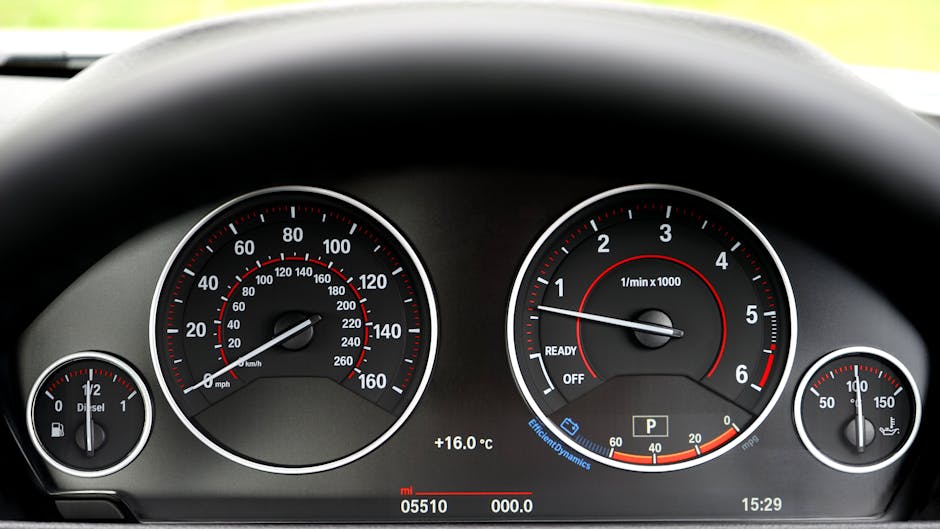
    fuel economy dashboard display, MPG meter real world driving

    The Real Numbers: Owner Data vs. EPA Ratings

    The best large-scale source of real-world fuel economy in North America is fueleconomy.gov’s “Your MPG” database, which aggregates self-reported fill-up data from hundreds of thousands of owners. It’s imperfect (self-reported data has bias), but the trends are consistent and valuable.

    Here’s a snapshot of how popular models have been performing in real-world owner reports versus their EPA combined rating:

    • Toyota RAV4 Hybrid AWD — EPA: 40 MPG combined. Owner average: ~36–37 MPG. Delta: –8 to –10%.
    • Honda Accord 1.5T — EPA: 33 MPG combined. Owner average: ~31–32 MPG. Delta: –3 to –6%.
    • Ford F-150 3.5L EcoBoost — EPA: 20 MPG combined. Owner average: ~17–18 MPG (with typical payload and trailer use). Delta: –10 to –15%.
    • Tesla Model 3 Long Range RWD — EPA equivalent: 132 MPGe. Real-world range typically runs 10–15% below EPA in winter conditions due to battery heating loads.
    • Toyota Corolla Hybrid — One of the closest to sticker in owner reports. Real-world average: ~47–49 MPG vs. EPA 52 MPG combined. Delta: –6 to –10%.

    The pattern holds across categories: expect a 5–15% real-world shortfall from the EPA combined number under normal mixed driving. Aggressive drivers, cold climates, or heavy haulers will see the high end of that range.

    How to Calculate Your Actual Fuel Cost (The Method That Works)

    Here’s the simple formula I use, and I wish someone had handed it to me ten years ago:

    Annual fuel cost = (Annual miles ÷ Real-world MPG) × Average price per gallon

    Let’s say you drive 15,000 miles per year, your car actually gets 30 MPG in mixed driving (not the sticker 36 MPG), and you’re paying $3.50/gallon:

    15,000 ÷ 30 × $3.50 = $1,750/year

    Now run it with the sticker number: 15,000 ÷ 36 × $3.50 = $1,458/year. That’s a $292 annual difference just from overestimating MPG. Over five years of ownership, you’ve mentally budgeted $1,460 less than you’ll actually spend. On a vehicle decision worth $35,000+, that math matters.

    Plug-In Hybrids: The Math Gets Trickier

    PHEVs (plug-in hybrids) introduce a new wrinkle. Their EPA ratings are calculated assuming a blend of electric and gasoline miles that may not reflect your real driving pattern. The Toyota RAV4 Prime, for example, has a combined EPA rating of 94 MPGe. But if you never plug it in — driving it purely as a conventional hybrid — you’ll see around 37–40 MPG. If you charge daily and most of your trips fall within its ~42-mile electric range, your “effective MPG” could be well over 100 MPGe.

    The honest conclusion: PHEV fuel economy numbers are basically meaningless without knowing your specific daily mileage and charging habits. I’d always recommend running both scenarios — “always charged” and “never charged” — when budgeting for a PHEV purchase.

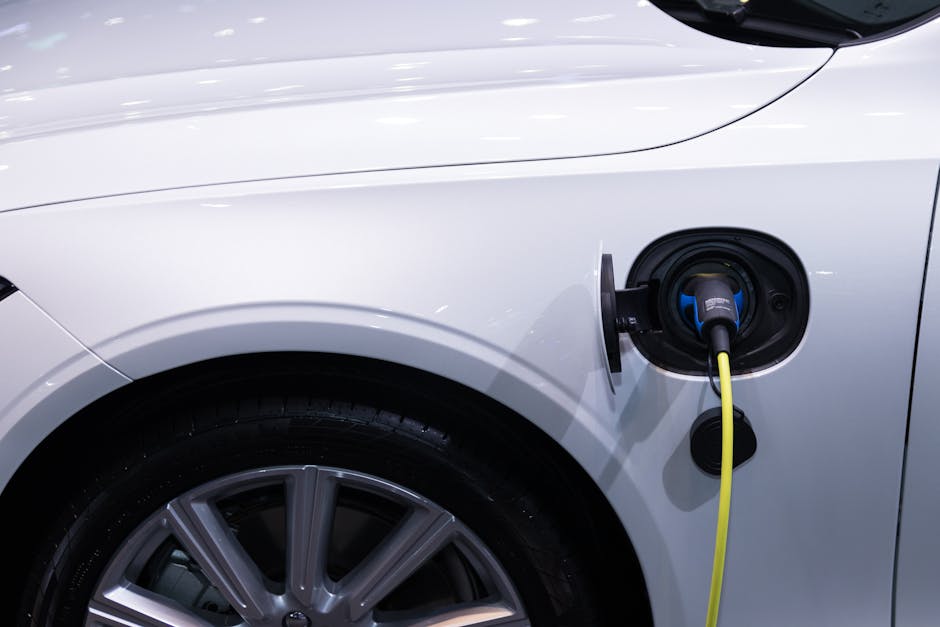
    plug-in hybrid charging station, PHEV fuel economy comparison chart

    Five Habits That Actually Move the Needle

    Forget the hypermiling extremes. These are the practical changes with measurable payoff:

    • Check tire pressure monthly — Takes 5 minutes, costs nothing. Set to the door placard spec, not the tire sidewall max.
    • Accelerate smoothly, not slowly — Contrary to popular belief, moderate brisk acceleration to highway speed is more efficient than excessively slow acceleration that keeps you at low gears longer. Get up to speed, then cruise.
    • Use cruise control on highways — Maintaining a steady 65 MPH vs. driver-controlled 62–72 MPH variation can recover 3–5% fuel economy. Modern adaptive cruise is even better since it anticipates slow-downs.
    • Remove roof cargo when not in use — Storing an empty rooftop box in the garage between ski trips is worth real money on every highway mile.
    • Plan cold starts — Combining short errands into one trip after the engine is warm is significantly more efficient than five separate cold starts. This is where hybrid advantages are most pronounced.

    When to Trust the Sticker — And When to Ignore It

    EPA ratings are still useful as a comparative tool when shopping between vehicles. If Car A is rated 28 MPG combined and Car B is 35 MPG combined, Car B will almost certainly be more efficient in your hands too — even if both underperform their stickers by 10%. The relative ranking is meaningful. The absolute number is not.

    For budgeting purposes, apply a conservative 10–12% real-world discount to the EPA combined rating unless you specifically drive a lot of highway miles in mild weather (in which case 5–7% is more realistic).

    If you want genuinely accurate real-world data for a specific model before buying, fueleconomy.gov’s user data, Fuelly.com (which has detailed fill-up logs from thousands of owners per model), and Consumer Reports’ Annual Auto Survey are the three sources I trust most. Cross-referencing all three gives you a solid picture.

    💬 If you’re tired of doing rough math at the pump, bookmark Fuelly.com and start logging your fill-ups — after just 3–4 tanks you’ll have your personal real-world average, and it’s one of the most clarifying numbers you’ll ever know about your vehicle.


    📚 관련된 다른 글도 읽어 보세요

    태그: fuel economy, MPG real world, car ownership costs, EPA fuel rating, hybrid fuel efficiency, gas mileage tips, PHEV efficiency

  • 2026년 가성비 쩌는 싱글몰트 위스키 Top3 — 이거 모르면 술값만 낭비하는 거예요

    얼마 전 위스키 막 입문했다는 지인이 카톡을 보내왔어. “형, 글렌피딕 12년 사면 돼요? 아니면 맥캘란 사야 해요?” 그 메시지 보고 나는 잠깐 멈칫했어. 글렌피딕이 나쁜 건 아닌데, 2026년 현재 같은 가격대에서 그것보다 훨씬 재미있는 선택지가 생겼거든. 맥캘란은… 가격이 이미 ‘가성비’라는 단어와 이별한 지 오래고. 6만 원짜리 위스키를 살 때 10만 원짜리 경험을 주는 병이 있고, 반대로 10만 원 내고 6만 원짜리 만족감을 받는 병도 있어. 오늘은 내가 직접 열어보고, 따라보고, 다 마셔본 것들 중에서 진짜 ‘돈이 아깝지 않았던’ 싱글몰트 3병을 골라봤어.

    • 🥃 왜 지금 이 3병인가? 2026년 싱글몰트 시장 간단 정리
    • 🥇 1위: 글렌알라키 10년 — 셰리 괴물이 이 가격에?
    • 🥈 2위: 벤리아크 12년 — 오크통 덕후들의 숨겨진 보물
    • 🥉 3위: 아녹 12년 — 스페이사이드 입문자에게 가장 친절한 병
    • 📊 3병 한눈에 비교 — 가격, 도수, 스타일 총정리
    • 🚫 위스키 처음 살 때 절대 하지 말아야 할 실수 5가지
    • ❓ FAQ — 독자들이 가장 많이 물어보는 것들
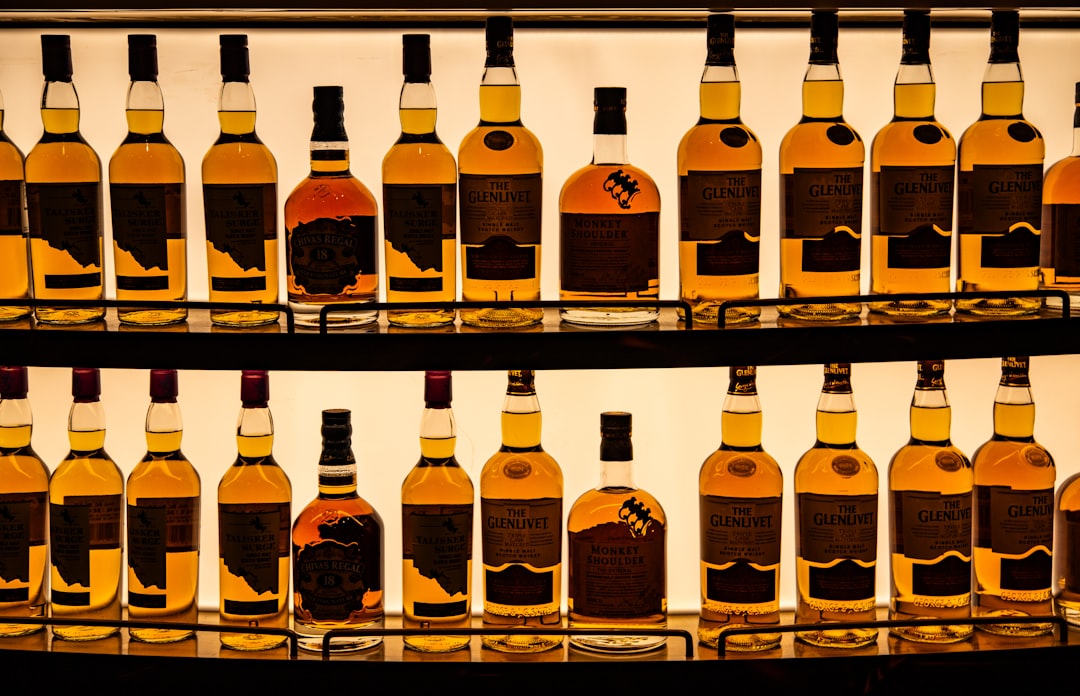
    single malt whisky bottles lineup, golden whisky glass warm light

    왜 지금 이 3병인가? 2026년 싱글몰트 시장 간단 정리

    2026년 기준 국내 위스키 시장은 재미있는 구도야. 하이볼 붐이 이미 몇 년째 이어지면서 블렌디드 위스키 소비는 여전히 강세지만, 동시에 ‘어차피 마실 거 제대로 마시자’는 싱글몰트 입문자층이 눈에 띄게 늘었어. 문제는 그 입문자들이 브랜드 인지도에 이끌려 맥캘란 12년 더블캐스크(국내 소비자가 기준 약 12~14만 원 선)나 글렌피딕 12년(약 6~7만 원)에 먼저 손이 간다는 거야.

    맥캘란이 나쁘다는 말이 아니야. 근데 같은 돈으로 셰리 캐스크 숙성 깊이나 복합미에서 맥캘란을 능가하는 병들이 이미 국내에 유통되고 있는데 모르고 지나치는 게 너무 아깝거든. 오늘 소개할 3병 모두 국내 정식 유통 혹은 공식 병행수입 루트로 구할 수 있고, 가격대는 5만 원 중반~9만 원 초반 사이야.

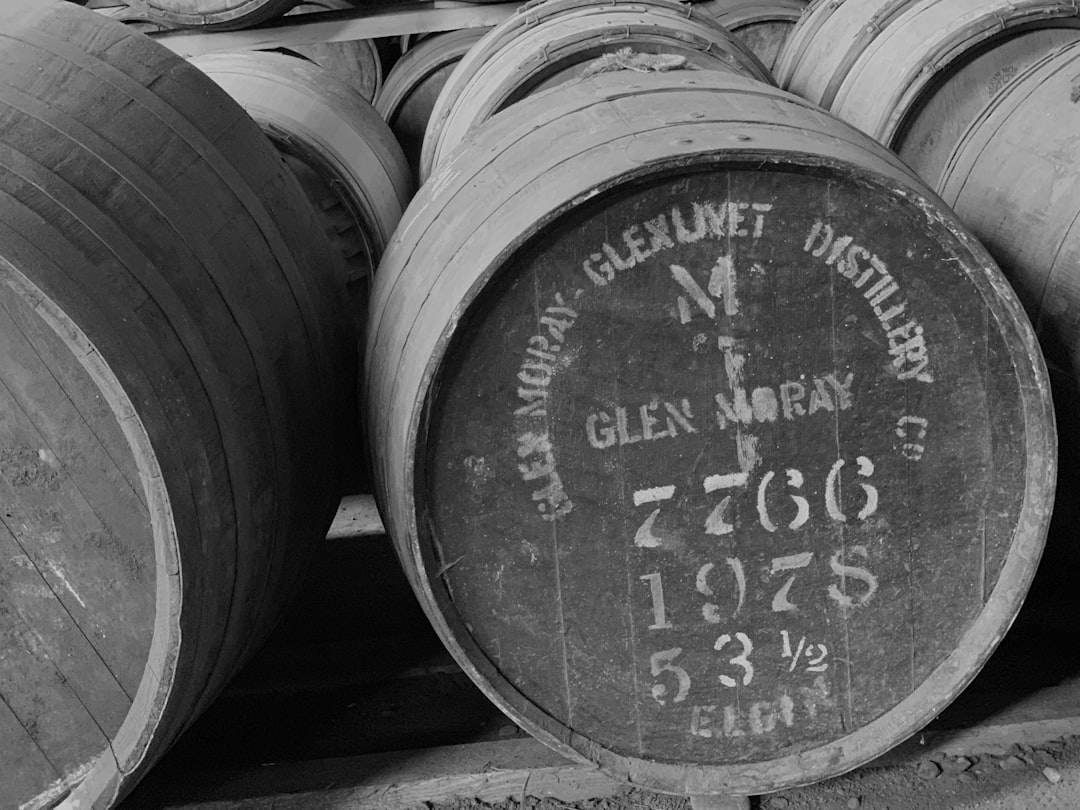
    whisky distillery barrel aging cellar Scotland

    🥇 1위: 글렌알라키(GlenAllachie) 10년 — 셰리 괴물이 이 가격에?

    Nose (향): 병을 열자마자 달콤한 셰리 폭탄이 먼저 치고 들어와. 건포도, 다크 초콜릿, 오렌지 껍질, 그리고 은근히 깔리는 향신료(시나몬, 올스파이스). 물 한 방울 떨어뜨리면 바나나 브레드 같은 따뜻한 과일향이 더 살아나. 맥캘란 12년 더블캐스크와 비교했을 때 셰리 강도는 글렌알라키가 훨씬 진해.

    Palate (맛): 46도인데 알코올 자극이 생각보다 부드러워. 입에 넣으면 진한 건자두, 스패니쉬 올로로소 셰리 캐스크 특유의 달콤쌉싸름한 타닌감이 혀를 코팅해. 중반부에 다크 베리류(블랙커런트, 체리)가 올라오고, 살짝 가죽 느낌도 있어서 심심하지 않아.

    Finish (피니시): 여운이 꽤 길어. 30초 이상 지속되는 드라이한 오크 타닌과 초콜릿 잔향. 고급 바에서 2~3배 비싼 가격에 마시던 셰리 폭탄 위스키들이 문득 생각나는 피니시야.

    가격: 국내 온라인 기준 약 7만~8만 5천 원 선 (750ml, 46%). 이 가격에 이 셰리 깊이는 솔직히 ‘이래도 되나’ 싶을 정도야. 빌리 워커(Billy Walker)가 글렌알라키 증류소를 인수하면서 품질 개선에 집중했고, 그 결과가 2026년 현재 확실히 시장에서 인정받고 있어. 위스키 전문 미디어 Whisky Advocate에서도 글렌알라키 라인업을 꾸준히 고득점으로 평가 중이야.

    🥈 2위: 벤리아크(BenRiach) 12년 — 오크통 덕후들의 숨겨진 보물

    Nose (향): 글렌알라키와 달리 벤리아크 12년은 훨씬 가볍고 과일 위주야. 신선한 사과, 배, 복숭아 같은 과수원 느낌. 거기다 바닐라 크림, 약한 토피 캔디. 셰리와 버번 캐스크를 혼합 숙성(삼중 캐스크)한 덕분에 어느 한쪽으로 치우치지 않는 균형감이 인상적이야.

    Palate (맛): 43도로 도수가 낮은 편인데, 수분감이 있어서 부담 없이 마시기 좋아. 허니 레몬, 흰 복숭아, 바닐라 빈. 중반부에 은은한 스파이스(생강, 백후추)가 지루하지 않게 끊어줘. 하이볼로 만들면 과일향이 배가 돼서 입문자에게 강력 추천하는 스타일이야.

    Finish (피니시): 짧은 편이야. 20초 내외. 깔끔하게 끝나는 스타일이라 음식이랑 페어링하기 좋아. 긴 여운을 원하는 사람에겐 살짝 아쉬울 수 있어.

    가격: 국내 기준 약 6만~7만 원 선 (700ml, 43%). 브라운포만(Brown-Forman)이 인수 후 품질 일관성이 올라갔다는 평이 중론이야. 스코틀랜드 스페이사이드 지역 위스키를 처음 탐험하고 싶다면 벤리아크 12년은 진입장벽이 낮으면서도 방향성을 보여주는 좋은 교과서야.

    🥉 3위: 아녹(anCnoc) 12년 — 스페이사이드 입문자에게 가장 친절한 병

    Nose (향): 레몬 커드, 라임 제스트, 가벼운 꿀. 전형적인 스페이사이드 향의 교과서 같아. 무겁거나 자극적이지 않아서 위스키를 처음 접하는 사람이 “아, 위스키가 이런 거구나” 하고 느낄 수 있는 향이야.

    Palate (맛): 40도 병입이지만 의외로 달달함이 있어. 꿀, 바닐라 아이스크림, 약한 보리 달콤함. 타닌이나 피트 같은 자극 요소가 거의 없어서 매우 편안하게 마실 수 있어. 반대로 이미 위스키 어느 정도 마신 사람한테는 “조금 밋밋하다”는 소리 들을 수 있어. 솔직히 말하면.

    Finish (피니시): 짧고 달콤하게 마무리. 레몬 허브 잔향. 헤비한 셰리나 피트를 원하는 사람에겐 맞지 않아.

    가격: 국내 기준 약 5만 5천~6만 5천 원 선 (700ml, 40%). 놉캐언(Knockdhu) 증류소에서 만드는 브랜드인데, 인지도가 낮아서 가격이 낮게 유지되는 ‘숨은 가성비’ 전형이야. 위스키 선물용으로도 손색없어.

    📊 3병 한눈에 비교 — 가격, 도수, 스타일 총정리

    항목 글렌알라키 10년 벤리아크 12년 아녹 12년
    가격 (국내 기준) 7~8.5만 원 6~7만 원 5.5~6.5만 원
    도수 46% 43% 40%
    캐스크 타입 올로로소 셰리 캐스크 버번 + 셰리 + 버진 오크 (삼중) 버번 캐스크
    향 스타일 셰리, 건과일, 다크초콜릿 과수원 과일, 바닐라, 허니 레몬, 꿀, 바닐라
    피니시 길이 길다 (30초+) 중간 (20초) 짧다 (15초 내외)
    추천 대상 셰리 캐스크 팬, 중급 이상 입문자 ~ 중급, 하이볼 선호 완전 입문자, 선물용
    가성비 점수 ⭐⭐⭐⭐⭐ ⭐⭐⭐⭐ ⭐⭐⭐⭐
    맥캘란 12 더블캐스크 대비 셰리 깊이: 글렌알라키 우위 균형감: 비슷, 가격 우위 가격 우위 (5만 원 이상 저렴)

    🚫 위스키 처음 살 때 절대 하지 말아야 할 실수 5가지

    • 브랜드 네임만 보고 산다: ‘맥캘란=무조건 좋은 위스키’라는 공식은 이미 깨졌어. 브랜드 가치가 가격에 과도하게 반영된 경우가 많아. 같은 예산으로 더 나은 경험을 줄 수 있는 병이 분명 있어.
    • 냉장 보관한다: 위스키는 냉장 보관하면 향이 닫혀버려. 서늘하고 직사광선 없는 곳, 상온 보관이 정답이야. 병을 눕히지 말고 세워서 보관해 (코르크 마개가 알코올에 녹아 이취 발생).
    • 한 번에 너무 많이 산다: 입문 초기에 ‘이건 다 좋겠지’ 싶어서 여러 병 사재기하다가 취향이랑 안 맞으면 그게 다 재고야. 일단 1병씩 열어보고 취향을 파악해.
    • 얼음을 잔뜩 넣는다: 온더록으로 마시는 건 좋아. 근데 얼음 너무 많이 넣으면 향이 완전히 죽어. 큰 얼음 1~2개 정도가 적당하고, 일단 니트(neat)로 먼저 한 모금 맛보고 온더록이나 물 추가를 결정해.
    • ‘숙성 연수 = 무조건 품질’로 오해한다: 18년짜리가 12년짜리보다 반드시 맛있는 건 아니야. 숙성 연수는 ‘이 위스키에 얼마나 시간이 걸렸나’를 뜻할 뿐이고, 어떤 오크통에서 어떻게 숙성됐는지가 훨씬 중요해.

    ❓ FAQ

    Q1. 글렌알라키 10년 vs 맥캘란 12년 더블캐스크, 선물용으론 어떤 게 나을까요?

    솔직하게 말할게. 선물 받는 사람이 위스키를 잘 안다면 글렌알라키 10년이 훨씬 인상적인 선물이야. 가격도 더 저렴하면서 셰리 깊이는 오히려 더 풍부하거든. 반면 위스키를 잘 모르는 사람에게 선물할 거라면 브랜드 인지도 면에서 맥캘란이 “오, 맥캘란이네!” 하는 반응을 이끌어내기엔 유리해. 용도에 따라 달리 접근해.

    Q2. 세 병 중 하이볼 만들기 가장 좋은 건 뭔가요?

    단연 벤리아크 12년이야. 과일향이 탄산과 만나면 굉장히 청량하고 화사해져. 글렌알라키는 하이볼로도 맛있지만 셰리 향이 탄산에 다소 묻히는 편이고, 아녹은 깔끔하지만 향 자체가 약해서 하이볼로 만들면 밋밋할 수 있어. 하이볼 목적이라면 벤리아크 12년이 정답이야.

    Q3. 위스키 입문자인데 이 세 병 중 딱 하나만 골라야 한다면?

    아녹 12년으로 시작해. 자극이 없고 달콤하면서 부담 없어서 위스키가 낯선 사람이 “이거 생각보다 맛있는데?” 하고 느낄 확률이 높아. 그다음 벤리아크로 과일향의 세계를 경험하고, 그 이후 글렌알라키로 셰리 캐스크의 세계에 발을 들이면 흐름이 자연스럽게 이어져. 순서대로 마시면 위스키 취향 파악하는 데 반년도 안 걸릴 거야.

    총평: 2026년 현재 10만 원 이하 싱글몰트 시장에서 이 3병은 진짜 몇 안 되는 ‘돈 낸 값어치를 하는’ 병들이야. 글렌알라키 10년은 이 가격대 셰리 캐스크 위스키 중 넘사벽 가성비, 벤리아크 12년은 균형감과 유연함, 아녹 12년은 입문의 친절함을 각각 대표해. 맥캘란 브랜드세에 돈 쓰는 게 아까운 사람이라면 이 3병이 훨씬 현명한 선택이야. ⭐⭐⭐⭐½ / 5

    한줄평이에요 : 브랜드 이름에 지갑 열지 말고, 오크통에 지갑 열어요. 그게 위스키 가성비의 시작이에요.


    📚 관련된 다른 글도 읽어 보세요

    태그: []

  • 집에서 바로 만드는 수제 버거 — 햄버거 가게 안 부러운 진짜 레시피 2026년 버전

    지인이 물어왔어. “수제버거 집에서 만들어봤는데 왜 이렇게 맛이 없냐”고. 패티는 딱딱하고, 번은 눅눅하고, 소스는 그냥 마트 케첩 냄새만 나고. 근데 솔직히 나도 처음엔 똑같았어. 유튜브 레시피대로 했는데 결과물이 처참해서 직접 수십 번 삽질하고 나서야 ‘아, 이게 포인트구나’를 알게 됐거든. 오늘은 그 삽질의 결과물을 전부 쏟아낼게.

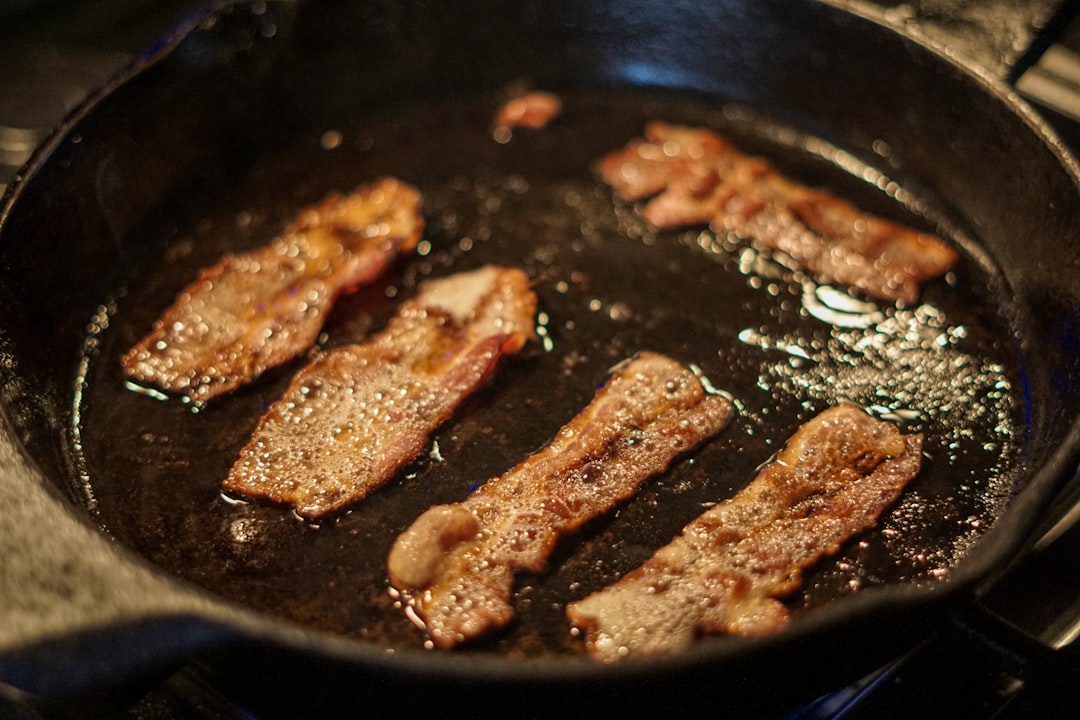
    homemade burger patty searing, cast iron skillet beef
    • 🍔 패티의 진짜 비밀 — 고기 배합비와 지방 함량이 전부다
    • 🍞 번 토스팅, 이 타이밍 놓치면 눅눅한 비극 시작
    • 🧅 스매시 버거 vs 클래식 버거 — 당신에게 맞는 선택은?
    • 🥗 소스 레시피 3종 — 맥도날드 ‘빅맥소스’ 재현 포함
    • ❌ 절대로 하지 말아야 할 실수 7가지
    • ❓ 자주 묻는 질문 FAQ

    🥩 패티의 진짜 비밀 — 고기 배합비와 지방 함량이 전부다

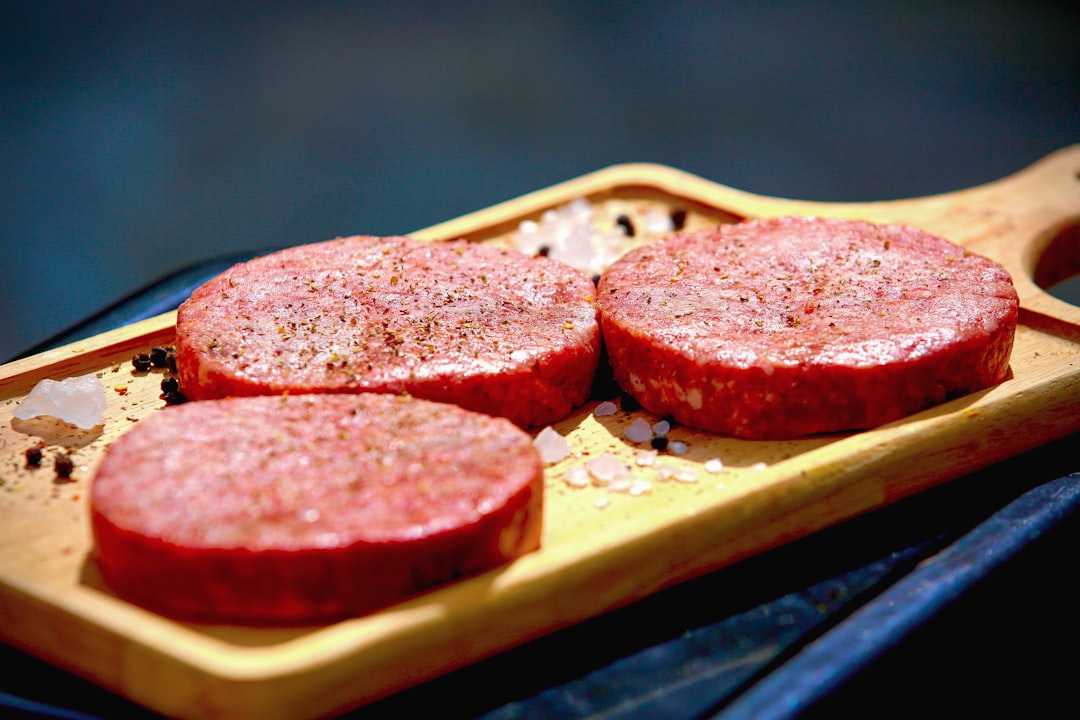
    패티가 맛없는 이유 1위는 고기 선택 실패야. 마트에서 “햄버거용 다짐육”이라고 팔리는 거 사면 십중팔구 지방 함량이 10% 이하야. 문제는 지방이 너무 적으면 구울 때 수분이 빠져나가면서 패티가 고무처럼 쫄깃해진다는 거야. 이건 기술 문제가 아니라 원재료 문제야.

    황금 배합비: 소고기 린 미트(목심/앞다리) 70% + 우삼겹(지방) 30%. 직접 정육점에서 두 부위를 따로 사서 집에서 갈거나, 정육점 사장님한테 부탁해서 합쳐서 갈아달라고 하면 돼. 이 30% 지방이 구울 때 패티를 촉촉하게 잡아주는 핵심이야.

    2026년 기준 서울 성수·망원 수제버거 전문점들이 공통적으로 쓰는 스펙은 패티 두께 1.5~2cm, 무게 130~150g이야. 집에서 만들 때도 이 기준을 지켜봐. 너무 두꺼우면 속이 안 익고, 너무 얇으면 퍽퍽해져.

    ground beef fat ratio burger patty, beef blend 80 20

    🍞 번 토스팅 — 이 타이밍 놓치면 눅눅한 비극 시작

    번을 그냥 올리면 절대 안 돼. 번의 단면을 버터 바르고 팬에 30~45초 눌러 토스팅하는 과정이 없으면 소스 수분이 번을 흠뻑 적셔버려. 특히 아래 번(바텀 번)은 소스와 직접 닿기 때문에 위 번보다 조금 더 구워야 해. 색깔로 기준을 잡으면 황금갈색(Golden Brown)이 목표야.

    번 선택도 중요한데, 브리오슈 번이 요즘 트렌드긴 하지만 집에서 만들 때는 세미 브리오슈나 일반 햄버거 번도 충분해. 브리오슈는 버터 함량이 높아서 토스팅 시 쉽게 타거든. 처음이라면 파리바게뜨나 뚜레쥬르에서 파는 햄버거 번으로 시작해서 토스팅 타이밍 감 잡는 게 먼저야.

    🔥 스매시 버거 vs 클래식 버거 — 어떤 게 더 나을까?

    요즘 유행인 스매시 버거를 도전하는 사람들이 많은데, 둘의 차이를 명확히 알고 선택해야 실패가 없어.

    구분 스매시 버거 클래식 버거
    패티 두께 얇음 (5~7mm) 두꺼움 (15~20mm)
    조리 도구 무거운 스패츌러 or 버거 프레스 필수 일반 집게로 충분
    메일라드 반응 매우 강함 (크러스트 형성) 보통 (겉면만)
    조리 시간 패티당 약 1분 30초 패티당 약 4~5분
    난이도 중 (타이밍이 핵심) 하 (초보자 적합)
    추천 상황 바삭한 크러스트 좋아하는 사람 육즙 강한 클래식 스타일 선호

    집에서 처음 도전한다면 클래식 버거부터 시작해. 스매시 버거는 팬 온도 컨트롤이 핵심인데, 가정용 인덕션으로는 화력이 부족해서 크러스트가 제대로 안 형성되는 경우가 많아. 주철 팬(Cast Iron Skillet) + 가스레인지 조합이라면 스매시도 충분히 가능해.

    🥫 소스 레시피 3종 — 집에서 재현 가능한 버전

    소스가 버거의 완성도를 결정한다고 해도 과언이 아니야. 아래 3가지는 직접 수십 번 테스트해서 정리한 레시피야.

    소스명 재료 (1인분 기준) 특징
    빅맥 소스 재현 마요네즈 3T + 머스타드 1t + 스위트 피클 다진 것 1T + 파프리카 파우더 0.5t + 식초 0.5t 달콤 새콤, 범용성 최고
    스모키 BBQ 소스 케첩 2T + 우스터 소스 1T + 훈제 파프리카 1t + 꿀 1t + 마늘가루 0.5t 깊은 훈연향, 두꺼운 패티에 잘 어울림
    갈릭 아이올리 마요네즈 3T + 다진 마늘 1t + 레몬즙 1t + 소금·후추 약간 고급스러운 풍미, 치킨 버거에도 최적

    🌍 국내외 수제버거 트렌드 — 2026년 기준 벤치마킹

    2026년 국내 수제버거 시장은 1조 원을 상회하는 규모로 성장했어 (외식산업 트렌드 리포트 기준). 성수동의 ‘다운타우너’, 홍대의 ‘이태원버거’, 그리고 미국 발 Five Guys 스타일이 국내에서도 꾸준히 인기인 이유는 단 하나야 — 커스터마이징의 자유로움.

    Five Guys의 핵심은 패티 2장 기본에 토핑을 15가지 이상 무료로 선택할 수 있다는 거야. 집에서 이걸 재현할 때 포인트는 재료 미리 세팅(Mise en Place)이야. 패티 굽기 전에 토핑과 소스를 전부 준비해놔야 패티가 식기 전에 완성할 수 있어. 패티 구운 후 우왕좌왕하다 식은 버거 먹는 거, 그게 집밥 버거가 가게 버거 못 따라간다는 오해를 만드는 주범이야.

    ❌ 절대로 하지 말아야 할 실수 7가지

    • 패티에 구멍 뚫기 금지 — 젓가락으로 찌르면 육즙이 전부 빠져나가. 절대 하지 마.
    • 반죽할 때 과도하게 치대기 금지 — 단백질이 결합되면서 질겨져. 가볍게 뭉치는 정도면 충분해.
    • 냉동 패티 바로 굽기 금지 — 겉만 타고 속은 날것이 돼. 냉장 해동 후 실온 10분 이상 두고 구워.
    • 팬 예열 부족 — 연기가 살짝 날 정도로 충분히 달궈야 메일라드 반응이 제대로 일어나.
    • 구우면서 눌러대기 금지 — 육즙 다 짜내는 행위야. 스매시 버거가 아니라면 절대 누르지 마.
    • 소금 간 너무 이른 시점에 하기 금지 — 굽기 직전 소금 치는 게 맞아. 미리 치면 수분이 빠져나와.
    • 번 토스팅 생략 — 위에서 말했지만 이게 눅눅한 버거의 주범이야. 귀찮아도 꼭 해.

    ❓ FAQ — 자주 묻는 질문

    Q1. 패티를 만들어서 냉동 보관해도 되나요?

    가능해. 만든 패티를 유산지로 하나씩 분리해서 지퍼백에 담아 냉동하면 약 2~3주 보관 가능해. 다만 해동할 때 전자레인지는 절대 금지. 냉장 해동(하루 전)이 기본이고, 급할 때는 흐르는 찬물에 지퍼백째로 담가두면 30분 내에 해동돼.

    Q2. 치즈는 어떤 걸 써야 가게 맛이 나나요?

    가장 범용적인 선택은 아메리칸 슬라이스 치즈(가공치즈)야. 녹는 온도가 낮아서 패티 위에 올리고 뚜껑 덮으면 10~15초 안에 완벽하게 녹아. 고급스러운 맛을 원하면 그뤼에르 치즈나 체다 치즈를 써봐. 단, 체다는 녹는 시간이 더 걸리니까 팬에 물 한 스푼 넣고 뚜껑 덮는 ‘스팀 멜팅’ 기법을 써야 해.

    Q3. 양파 어떻게 하면 가게처럼 맛있나요?

    두 가지 선택지가 있어. 첫 번째는 캐러멜라이즈드 어니언: 얇게 썬 양파를 버터에 약불로 20~30분 천천히 볶으면 달콤한 갈색 양파가 완성돼. 버거 풍미 레벨이 확 올라가. 두 번째는 생양파를 찬물에 10분 담가두기: 아린 맛이 빠지면서 아삭함은 살아있어. 취향 따라 골라.


    한 줄 평: 패티 배합비, 번 토스팅, 소스 이 세 가지만 제대로 잡으면 웬만한 가게 버거는 집에서 충분히 이겨. 재료비 기준으로 보면 1인당 5,000~7,000원 수준으로 15,000~20,000원짜리 버거 경험이 가능하니까 가성비도 말 다했지.

    이 레시피, 한 번만 제대로 따라해봐. 두 번째부터는 눈 감고도 만들게 되는 거 내가 보장함.


    📚 관련된 다른 글도 읽어 보세요

    태그: 수제버거 레시피, 집에서 햄버거 만들기, 버거 패티 만들기, 스매시버거, 빅맥소스 레시피, 수제버거 소스, 홈버거

  • Why I Almost Gave Up on NFTs — Then Found What Actually Works in 2025

    A friend of mine — let’s call him Marcus — spent about $4,000 on NFTs back when everyone was talking about them at dinner parties. Last month, he called me half-frustrated, half-curious: ‘Are these things still worth anything, or did I just buy expensive JPEGs?’ That conversation sent me down a rabbit hole I hadn’t visited in a while, and honestly? The landscape in 2025 looks nothing like what most people remember from the hype cycle.

    So let’s think through this together — not with the unbridled optimism of 2021, and not with the cynical dismissal that followed the crash. There’s a more nuanced, data-backed story here worth unpacking.

    NFT digital art marketplace 2025, blockchain token ownership

    Where the NFT Market Actually Stands in 2025

    Here’s the honest data picture. After peaking at roughly $25 billion in total NFT trading volume in 2021, the market contracted sharply — monthly volumes on platforms like OpenSea dropped over 97% by late 2023. But here’s where it gets interesting: the survivors aren’t the random profile-picture projects that flooded the market. What remained and grew are NFTs with embedded utility.

    According to DappRadar’s 2025 tracking data, NFT trading volume has stabilized around $600–$900 million per month, but the composition has shifted dramatically:

    • Gaming assets (in-game items, characters, land) now account for ~38% of transactions
    • Music and ticketing NFTs grew from near-zero to roughly 15% of volume
    • Speculative collectibles (the old model) dropped from ~70% to under 30%
    • RWA-linked NFTs (real-world assets like real estate tokens) are emerging as a new category, with platforms like Propbase and Lofty showing consistent activity

    So the market didn’t die — it matured. Or more precisely, the useless part collapsed while useful applications quietly expanded.

    The Risk Side Nobody Talks About Honestly

    Let’s not bury this. If you’re thinking about buying NFTs in 2025 purely as a speculative store of value, here are the specific conditions under which you lose money:

    • Liquidity trap: Floor prices on most NFT collections are highly illiquid. If ETH or SOL drops 30%, your NFT’s floor price often drops 50–70% because buyers dry up faster than in token markets.
    • Platform dependency risk: If the marketplace or the project’s smart contract is abandoned (and this has happened to 60%+ of 2021-era projects per Chainalysis data), your asset becomes functionally worthless even if you hold the token.
    • Wash trading inflation: A 2024 Nansen report found that approximately 40–60% of reported volume on smaller platforms involved suspicious wallet behavior. Price discovery is still genuinely broken in many corners of this market.
    • Royalty enforcement collapse: Post-2023, most marketplaces made creator royalties optional. This gutted the business model for many legitimate projects.

    Marcus’s $4,000? It’s probably worth $200–400 today in resale, depending on the project. That’s the base case for undifferentiated speculation.

    Where It Actually Makes Sense in 2025

    Here’s where my perspective shifted during this research. The question isn’t really “are NFTs worth it?” — it’s “which NFT use case matches your actual goal?”

    Let me break this down conditionally:

    • If your goal is gaming: Axie Infinity learned hard lessons, but Illuvium and Pixels (on Ronin) showed in late 2024 that game-first, NFT-second design actually creates sustainable player economies. Look for games where the NFT is the item, not the point.
    • If your goal is supporting creators: Music NFTs via Sound.xyz or Royal allow you to own a fractional royalty stake in songs. Kings of Leon’s experiment was a proof of concept; now smaller independent artists use this to fund albums without labels.
    • If your goal is event access: GET Protocol powers NFT ticketing for over 700 venues globally as of 2025. Resale is tracked on-chain, scalping is structurally harder, and fans actually see value.
    • If your goal is speculation: Be honest with yourself that this is closer to gambling than investing. Set a hard limit (no more than 1–2% of your portfolio), favor blue-chip collections with real community (CryptoPunks, Bored Apes still trade, though at a fraction of peak), and never assume you can time an exit.
    NFT utility gaming tokens music royalties blockchain 2025

    The Technical Layer Worth Understanding

    One thing that confuses newcomers: not all NFTs are created equally from a technical standpoint, and this affects their long-term viability significantly.

    Most 2021-era NFTs stored the actual image off-chain — meaning an IPFS link or even a centralized server hosted the JPG. If that server goes down, you own a pointer to nothing. In 2025, better-designed projects use on-chain storage (like Art Blocks’ fully on-chain generative art, or Nouns DAO) where the asset is inscribed directly into the blockchain. Bitcoin Ordinals, launched in 2023, brought this concept to BTC — by mid-2025, over 70 million inscriptions have been recorded, creating a new permanence-focused NFT ecosystem.

    If permanence matters to you, the checklist is simple:

    • Is the metadata stored on-chain or via IPFS?
    • Is the smart contract verified and audited (check Etherscan or Solscan)?
    • Does the project have a DAO or decentralized governance that survives the founders?
    • What’s the 30-day and 90-day trading volume trend (not just all-time high)?

    International Case Studies: What’s Working

    South Korea’s Kakao-backed Klaytn blockchain pivoted aggressively toward enterprise NFT partnerships — their collaboration with Hyundai for vehicle history NFTs is a genuinely interesting real-world case. In Japan, LINE’s DOSI marketplace has built a K-pop and anime NFT ecosystem with actual recurring user bases rather than speculative flippers. In Europe, UEFA’s fan token partnerships (via Socios) blend NFT-adjacent ownership with real stadium access perks.

    None of these make headlines the way ‘monkey JPEG sells for $3 million’ did. But they represent NFTs functioning as what they technically are: verifiable digital ownership certificates attached to something people actually want.

    My Honest Take for 2025

    NFTs as pure speculation? The window for easy gains closed, and what remains is high-risk with poor risk/reward for most retail participants. But NFTs as a technology layer for ownership, access, and provenance? That story is still being written, and some chapters are genuinely promising.

    If you’re sitting on underwater bags like Marcus, the realistic options are: hold if the project has active development (check their GitHub commits and Discord activity), accept the loss and reallocate to liquid assets, or look for community buybacks which some DAO-governed projects offer. Don’t average down into collections with declining volume — that’s the specific condition where losses compound.

    The smarter play in 2025 isn’t chasing the next generative art drop. It’s understanding which specific utility NFTs solve a real problem you care about — and treating everything else as high-variance entertainment spending, capped accordingly.

    💬 Have you held NFTs through the full cycle, or are you just now looking at entering? Drop your situation in the comments — happy to think through the specific use case with you.


    📚 관련된 다른 글도 읽어 보세요

    태그: []

  • 2026년 가성비 쩌는 싱글몰트 위스키 Top3 — 10만 원대로 이걸 마실 수 있다고?

    얼마 전 위스키 입문한 지인이 카톡으로 물어봤다. “형, 글렌피딕 12년 말고 좀 더 특별한 거 없어요? 근데 너무 비싸면 안 되고요.” 그 질문에 나도 모르게 30분 넘게 답장을 썼다. 그러다 생각했다. ‘이거 그냥 글로 써버리자.’

    사실 싱글몰트 위스키 시장은 2026년 기준으로 엄청나게 넓어졌다. 일본 위스키가 가격 폭등하면서 스카치, 아이리시, 심지어 대만·인도 위스키까지 대안으로 떠오르고 있고, 10만 원대 이하에서 ‘이게 이 가격이라고?’ 싶은 것들이 분명히 존재한다. 근데 정보가 너무 파편화돼 있어서 입문자들이 결국 마트에서 글렌피딕만 집어 들고 오는 거다.

    오늘은 직접 테이스팅하고, 국내외 위스키 커뮤니티 데이터까지 뒤져서 2026년 현재 ‘가성비 최상위 싱글몰트 3종’을 골랐다. 기준은 딱 두 가지다. 정가 15만 원 이하 + 맛의 완성도. 화이트&매켄지 같은 블렌디드는 제외하고, 순수 싱글몰트만 다룬다.

    • 🥃 가성비 싱글몰트 선정 기준 — 숫자로 보는 필터링
    • 🏆 Top 3 상세 테이스팅 노트 (Nose / Palate / Finish)
    • 📊 3종 스펙 & 가격 비교표
    • 🌍 국내외 위스키 커뮤니티가 말하는 ‘현재 트렌드’
    • 🚫 입문자가 저지르는 구매 실수 5가지
    • ❓ FAQ — 댓글로 가장 많이 물어보는 것들
    • ✅ 결론 및 한 줄 평
    single malt whisky bottles lineup flat lay, golden amber whisky glass light

    가성비 싱글몰트 선정 기준 — 숫자로 보는 필터링

    “가성비”라는 말은 주관적이라서 기준을 먼저 세웠다. 위스키 가격 대비 만족도를 수치화하는 방법으로 국제 테이스팅 커뮤니티 Whiskybase와 국내 위스키 갤러리, 네이버 주류 카페의 평점을 크로스체크했다.

    • 가격 기준: 국내 정상 유통가 기준 15만 원 이하 (면세점 제외)
    • 평점 기준: Whiskybase 평균 평점 83점 이상 (100점 만점)
    • 접근성: 이마트, 홈플러스, 또는 주요 온라인몰에서 구매 가능
    • ABV: 40% 이상 (저도수 희석 제품 제외)
    • 숙성 연도: 가능하면 NAS(No Age Statement)보다 연도 표기 제품 우선

    이 기준을 통과한 후보군이 약 11개였고, 최종 3개를 골랐다. 탈락한 것들도 나중에 따로 다룰 예정이다.

    whisky tasting notes notebook scorecard, scotch whisky distillery barrel warehouse

    🏆 Top 1 — 글렌모렌지 오리지널 10년 (Glenmorangie Original 10Y)

    싱글몰트 입문 추천 리스트에서 빠지는 법이 없는 녀석인데, 사실 이걸 추천하면 ‘뻔하다’고 할 수 있다. 근데 뻔한 데는 이유가 있다. 2026년 기준 국내 유통가 약 6~7만 원대에 이 완성도는 진짜 이상하다.

    Nose: 첫 향은 복숭아, 오렌지 제스트, 그리고 살짝 바닐라 크림. 자극적이지 않고 우아하게 퍼지는 플로럴 노트가 인상적이다. 알코올 코를 찌르는 날카로움이 거의 없어서 입문자도 부담 없이 향을 즐길 수 있다.

    Palate: 입에 머금으면 꿀, 살구, 약간의 민트가 교차된다. 바디감은 미디엄으로 너무 가볍지도 무겁지도 않은 딱 중간. 스코틀랜드 하이랜드 특유의 깔끔한 맥아 베이스가 잘 느껴진다. 가장 긴 목 형태의 포트 스틸(포트 스틸 높이 약 5.14m)에서 나오는 섬세함이라고 증류소는 자랑하는데, 맛으로 실제로 납득이 된다.

    Finish: 여운은 미디엄~롱. 오크 탄닌과 함께 약간의 생강 스파이스가 마지막에 살짝 올라오면서 깔끔하게 정리된다. 강렬한 여운을 원하는 사람에겐 심심할 수 있지만, ‘편하게 마시는 위스키’로는 최고다.

    총평: Whiskybase 평균 평점 84.2점, 국내 후기 1,200개 이상 평균 별점 4.4/5. 선물용으로도 민망하지 않고 혼술로도 지루하지 않다.

    🏆 Top 2 — 글렌드로나크 12년 오리지널 (GlenDronach 12Y Original)

    이건 좀 다른 결이다. 셰리 캐스크 숙성 위스키를 경험하고 싶다면, 맥켈란 12년을 사기 전에 이걸 먼저 마셔봐야 한다. 가격은 10~12만 원대인데, 솔직히 맥켈란 12년(현재 정가 기준 약 15만 원대)보다 이게 더 낫다는 사람이 커뮤니티에서 꽤 많다.

    Nose: 향을 열자마자 건포도, 다크 초콜릿, 그리고 묵직한 셰리의 달콤한 포도 향이 쏟아진다. 조금 기다리면 시나몬, 정향 같은 스파이스도 올라온다. 셰리 폭탄 계열 위스키 특유의 ‘케익 반죽 냄새’가 정직하게 난다.

    Palate: 리치(건자두), 오렌지 껍질 절임, 오크, 다크 초콜릿. 바디감이 풀(Full)에 가깝고 점도도 느껴진다. 물 한 방울 떨어뜨리면 오히려 과일향이 더 열리면서 좀 더 밸런스 잡힌 느낌. 물 추가 추천한다.

    Finish: 롱 피니시. 오크 탄닌과 쓴 초콜릿이 목에 오래 남는다. 단순히 달콤하게 끝나는 게 아니라 씁쓸함이 밸런스를 잡아주는 구조가 묵직하다. 이게 싫으면 이 위스키는 안 맞는 거다.

    총평: Whiskybase 평균 평점 87.1점. 국내 수입사는 하이트진로에서 담당하고 있어 AS 및 수급이 안정적이다. 아버딘셔 지방의 소규모 증류소 출신이지만 2026년 현재 글로벌 위스키 커뮤니티 내에서 ‘과소평가된 보석’이라는 평이 지배적이다.

    🏆 Top 3 — 캐바란 클래식 싱글몰트 (Kavalan Classic Single Malt)

    대만 위스키를 목록에 넣으면 스코틀랜드 전통주의자들이 싫어하는데, 그냥 넣는다. 맛으로 승부하면 충분히 자격 있다. 2006년 첫 출시 이후 WWA(World Whiskies Awards)에서 수차례 수상한 이력이 있고, 2026년 현재 국내 유통가 기준 9~11만 원대다.

    Nose: 열대과일 파티다. 망고, 파파야, 바나나, 여기에 바닐라 아이스크림 향이 섞인다. 처음 맡으면 ‘이게 위스키야?’ 싶을 정도로 과일 포워드. 대만의 고온 다습한 기후 덕분에 오크 숙성이 스코틀랜드보다 3~5배 빠르게 진행되어 이런 강렬한 캐릭터가 나온다.

    Palate: 망고 젤리, 코코넛, 약간의 버터스카치. 바디감은 미디엄 플러스. 알코올 자극이 적고 달콤한 맛이 지배적이라 ‘달달한 위스키 좋아하는 분’들한테는 정말 최고다. 반대로 스모키하거나 드라이한 것 좋아하는 분들은 취향이 아닐 수 있다.

    Finish: 미디엄 피니시. 달콤한 여운이 남고 오크 타닌 스파이스로 마무리된다. 다소 짧게 끝난다는 느낌이 있는데, 그게 오히려 ‘한 잔 더’를 부르는 구조다. 조심해야 한다.

    총평: Whiskybase 평균 평점 85.8점. 위스키 비입문자 선물로도 매우 유효하다. 향이 친절해서 평소 와인 마시는 분들이 위스키 처음 입문할 때 특히 반응이 좋다.

    📊 3종 스펙 & 가격 비교표

    항목 글렌모렌지 오리지널 10Y 글렌드로나크 12Y 오리지널 캐바란 클래식
    원산지 스코틀랜드 (하이랜드) 스코틀랜드 (하이랜드) 대만 (이란현)
    숙성 연도 10년 12년 NAS (단기 고속숙성)
    캐스크 타입 아메리칸 화이트 오크 올로로소 셰리 캐스크 아메리칸 오크 + 셰리 혼합
    ABV 40% 43% 40%
    국내 유통가 (2026) 6~7만 원 10~12만 원 9~11만 원
    Whiskybase 평점 84.2점 87.1점 85.8점
    맛 스타일 플로럴, 과일, 라이트 셰리, 초콜릿, 풀바디 열대과일, 달콤, 미디엄
    추천 대상 입문자, 매일 마시는 데일리용 셰리 캐스크 팬, 선물용 달달한 거 좋아하는 분, 와인 애호가
    아이스/니트 추천 니트 또는 가수 니트 (약간 가수) 니트 (아이스도 가능)

    🌍 국내외 위스키 커뮤니티가 말하는 2026년 트렌드

    2026년 위스키 시장의 가장 큰 변화는 ‘일본 위스키 거품 이탈’이다. 산토리 히비키 하모니가 국내 정가 기준 20만 원을 넘어서면서, 가성비를 찾는 소비자들이 대거 스카치와 아이리시로 이동했다. 국내 최대 주류 커뮤니티 ‘위스키 갤러리(디시인사이드)’와 네이버 카페 ‘위스키 러버스’ 내 2026년 상반기 추천 게시물 분석 결과, 언급량 상위권에 글렌드로나크, 스프링뱅크, 캐바란이 일제히 올랐다.

    해외의 경우, 영국 위스키 전문 매체 The Whisky Exchange 블로그와 Malt Review에서는 2026년 키워드로 ‘오버프라이스드 재팬, 언더레이티드 타이완’을 꼽고 있다. 캐바란의 경우 2025년부터 국내 수입량이 전년 대비 약 35% 증가했고, 대형마트 입점도 늘어나는 추세다.

    또 하나의 흐름은 ‘캐스크 스트렝스’ 입문 장벽 완화다. 예전엔 60% 이상짜리는 고수들만 마신다는 인식이 있었는데, 가수(물 한 방울)를 통해 더 다채로운 향미를 즐기는 방식이 커뮤니티에서 대중화되고 있다. 글렌드로나크 CS 배치 시리즈 같은 제품이 그 덕을 보고 있다.

    🚫 입문자가 저지르는 구매 실수 5가지

    • 1. 연산(年産) 높을수록 무조건 좋다는 착각 — 12년이 10년보다 무조건 좋은 게 아니다. 캐스크 타입, 증류소 특성, ABV에 따라 10년짜리가 훨씬 풍부할 수 있다. 연산은 참고 지표지 절대 기준이 아니다.
    • 2. 첫 위스키를 아이스로 마시는 것 — 얼음이 들어가면 향미가 닫힌다. 처음엔 니트(상온 그대로)로 향을 먼저 맡고, 물 몇 방울 추가하면서 열어가는 방식이 훨씬 많은 걸 경험하게 해준다.
    • 3. 면세점 가격만 보고 국내 가격에 실망하는 것 — 면세 가격은 유통 구조상 반드시 싸다. 국내 정상 유통 제품도 마진율과 세금 구조가 달라 ‘바가지’가 아니다. 단, 같은 제품을 국내에서 면세 대비 1.5배 이상 받는다면 재고 가격이거나 편의점 프리미엄일 가능성이 있으니 가격 비교 앱 활용을 권장.
    • 4. 피트(Peat) 위스키를 처음부터 도전하는 것 — 아드벡, 라프로익 같은 강한 피트 위스키는 소방서 냄새, 병원 소독약 향이 난다. 이게 매력이지만 입문 첫 위스키로 집었다가 위스키 전체를 싫어하게 되는 케이스가 꽤 많다. 플로럴 또는 과일 계열 먼저 잡아라.
    • 5. 가격만 보고 블렌디드를 싱글몰트라고 착각하는 것 — 마트에서 5만 원 이하에 팔리는 스카치 대부분은 블렌디드다. 싱글몰트는 반드시 라벨에 ‘Single Malt’가 명시되어 있다. 확인 필수.

    ❓ FAQ

    Q1. 글렌드로나크 12년이 맥켈란 12년보다 정말 낫나요?

    맥켈란 12년 더블 캐스크 기준으로 비교하면, 둘 다 셰리 캐스크 중심이지만 글렌드로나크가 셰리 비중이 더 높고 풍미가 더 진하다. Whiskybase 기준 글렌드로나크 12년이 평균 87점대, 맥켈란 12년 더블 캐스크가 84점대로 전자가 더 높다. 가격도 글렌드로나크가 저렴하다. 단, 맥켈란은 브랜드 파워와 선물 포장 퀄리티에서 앞서기 때문에 ‘선물’이 목적이라면 맥켈란이 오해 없이 좋다는 점도 현실적으로 인정해야 한다.

    Q2. 위스키 보관은 어떻게 해야 하나요? 냉장고에 넣으면 안 되나요?

    냉장고는 금물이다. 위스키는 세워서 서늘한 실온(15~20도)에 직사광선 피해 보관하는 게 기본이다. 눕혀서 보관하면 코르크 마개가 알코올에 지속적으로 닿아 변질될 수 있다. 개봉 후에는 가급적 6개월~1년 내 소비를 권장하며, 병 안에 위스키가 1/3 이하로 줄면 산화가 빨라지므로 작은 공병에 옮겨 담거나 질소 스프레이를 활용하는 게 좋다.

    Q3. 캐바란이 NAS인데 숙성 연도 안 적혀 있으면 믿어도 되나요?

    대만은 아열대성 기후 특성상 평균 기온이 높아 오크 추출 속도가 스코틀랜드보다 최대 5배 빠르다는 연구 데이터가 있다(대만 위스키 증류소 연구 보고서, 2022 기준). 그래서 3~5년 숙성 NAS가 스코틀랜드 10년산과 유사한 복잡도를 낼 수 있다. 물론 NAS라고 다 좋은 건 아니고, 캐바란 클래식처럼 글로벌 품평에서 검증된 제품만 믿을 수 있다. 이름 없는 신생 NAS는 주의가 필요하다.

    ✅ 결론 및 한 줄 평

    2026년 현재, 10만 원대 안팎으로 이 세 가지 위스키는 가격 대비 경험의 밀도가 가장 높다. 입문자라면 글렌모렌지 → 캐바란 → 글렌드로나크 순으로 경험을 쌓아가는 루트를 추천한다. 맛의 스펙트럼을 넓혀가는 순서로 딱이다.

    셋 중 개인적인 원픽을 하나만 고르라면 글렌드로나크 12년이다. 셰리 캐스크가 주는 그 복잡하고 풍성한 경험은 한 번 맛보면 플로럴 계열로 돌아가기 어렵다. ‘깊이 있는 위스키가 뭔지 알고 싶다’는 분들께 단호하게 권한다.

    위스키에 진심인 당신을 위한 코멘트: 마트에서 매번 같은 거 집어 들지 말고, 이번엔 한 번만 용기 내서 다른 거 사봐라. 위스키 세계는 생각보다 훨씬 넓고, 지금 당신이 모르는 맛이 10만 원 안에 있다.


    📚 관련된 다른 글도 읽어 보세요

    태그: []

  • Why My Solar Setup Backfired — The Real 2025 Guide to Solar Panel Efficiency and Output

    A buddy of mine spent nearly $18,000 installing a rooftop solar array last spring, convinced he’d slash his electricity bill to near zero. Three months later, he called me frustrated — his panels were generating barely 60% of what the spec sheet promised. Sound familiar? This story is more common than the solar industry likes to admit, and it pushed me deep into the real numbers behind solar panel efficiency and output. Let’s dig into what actually determines how much power you get — and what can quietly sabotage your investment.

    solar panel rooftop installation, efficiency testing

    What ‘Efficiency’ Actually Means on That Spec Sheet

    When a manufacturer says a panel is “22% efficient,” that number is measured under Standard Test Conditions (STC): 1,000 W/m² irradiance, 25°C cell temperature, and 1.5 air mass. Real-world conditions almost never match STC. The more honest metric is PVOUT (photovoltaic power output), which factors in your actual location’s solar irradiance data from tools like the Global Solar Atlas.

    • Monocrystalline PERC panels: Typical real-world efficiency 18–21%, e.g., LG NeON R at 22.1% STC drops to ~18.5% on a hot summer afternoon.
    • TOPCon panels (2025 mainstream): Jinko Tiger Neo and LONGi Hi-MO 6 hitting 22–23% STC; real-world ~19–21% — currently the sweet spot for cost vs. performance.
    • Heterojunction (HJT) panels: Panasonic EverVolt and REC Alpha hitting up to 23.6% STC; lower temperature coefficient (~0.25%/°C) means they hold efficiency better in heat.
    • Bifacial panels: Can add 5–15% extra yield from rear-side albedo reflection — but only if mounted with sufficient ground clearance (ideally >0.5m) and a light-colored surface beneath.

    The Hidden Output Killers: Temperature, Shading, and Mismatch

    Here’s the cause-effect relationship that stung my friend: his panels were installed flush against a dark roof, and summer cell temperatures hit 65–70°C. The temperature coefficient on his panels was -0.35%/°C. That means at 65°C (40°C above STC), he was losing 14% of rated output just from heat. At a 400W panel rating, that’s already down to ~344W before any other losses.

    Then there’s shading. With traditional string inverter systems, a single shaded cell in a string can drop the entire string’s output by 30–70% — this is the “Christmas light” problem. The fix is either microinverters (Enphase IQ8 series) or DC power optimizers (SolarEdge S440), which isolate each panel. In 2025, microinverters have dropped in cost enough that for most residential installs under 15kW, they’re often worth the ~$0.15–0.20/W premium.

    Mismatch loss — when panels in a string have slightly different outputs due to manufacturing variance or partial soiling — can silently steal another 1–3% annually. Regular thermal imaging inspections (services like DroneBase or local PV inspection firms) can catch hotspots and mismatch early.

    Real Output Benchmarks: What to Expect by Region in 2025

    Using PVGIS and NREL PVWatts data, here’s what a standard 6kW residential system (22 x 275W panels — older spec, or 15 x 400W modern) realistically produces annually:

    • Phoenix, AZ (high irradiance, hot): ~9,200–9,800 kWh/year — heat losses partially offset the excellent sun hours (~5.8 peak sun hours/day).
    • Seattle, WA (low irradiance): ~6,200–6,800 kWh/year — lower heat loss actually helps panel performance; the limiting factor is simply fewer sun hours (~3.5/day).
    • Chicago, IL (moderate): ~7,400–8,000 kWh/year with proper south-facing tilt of 35–40°.
    • Germany (Freiburg, one of Europe’s sunniest): ~6,500–7,200 kWh/year — comparable to the US Midwest, confirming Germany’s solar success relies more on policy than geography.

    The industry rule of thumb — 1 kW of installed capacity generates 1,100–1,800 kWh/year depending on location — is a useful sanity check when a sales rep gives you overly optimistic projections.

    solar irradiance map, PVGIS output data chart

    Degradation: The Slow Leak in Your 25-Year Warranty

    Most premium panels carry a “linear power output warranty” guaranteeing no more than 0.5–0.7% degradation per year, down to 80–87% of rated output at year 25. But a 2023 NREL study tracking 50,000+ panels found real-world median degradation of 0.5%/year for monocrystalline and 0.8%/year for older polycrystalline — meaning your 400W panel is realistically a 370W panel by year 15 under best conditions. Budget this into your 20-year ROI calculations, not the rosy straight-line projections most installers hand you.

    Inverter Efficiency and System-Level Losses You Can’t Ignore

    Panel efficiency gets all the press, but your inverter’s CEC efficiency rating matters enormously. A string inverter with 96% CEC efficiency vs. one at 98% sounds trivial — but on a 10kW system over 25 years, that 2% gap represents roughly 4,000–5,000 kWh lost, or $600–800 at average US electricity prices. Top performers in 2025: SMA Sunny Boy (97.6% CEC), Fronius Primo (97.7%), and Enphase IQ8+ at 97.6% per microinverter.

    Full system losses (wiring resistance, soiling, inverter clipping if undersized, temperature) typically run 14–23% of theoretical output. PVWatts defaults to 14% system loss, which is optimistic for a real install. I’d model at 18–20% for a realistic projection.

    If Your Situation Is A vs. B: Matching Technology to Your Needs

    • If your roof is unshaded and south-facing: TOPCon panels + standard string inverter = best $/W value in 2025. Target installers quoting $2.50–$3.20/W installed.
    • If you have partial shading from trees or chimneys: Spend the extra $300–600 on Enphase microinverters or SolarEdge optimizers. The yield gain pays back in 2–4 years.
    • If you’re in a hot climate (Arizona, Texas, Florida): Prioritize low temperature coefficient — HJT panels like REC Alpha or Panasonic justify their ~15% price premium.
    • If you want battery storage too: Consider SolarEdge Home Battery (48V, 9.7kWh) or the Tesla Powerwall 3, which now integrates inverter + battery in a single unit and simplifies installation significantly.
    • If budget is tight: A well-installed system with tier-1 TOPCon panels and a quality string inverter will outperform a premium panel brand with a cheap inverter and sloppy wiring every single time.

    Practical Steps Before You Sign Any Install Contract

    Run your address through NREL’s PVWatts Calculator yourself — it’s free and takes 10 minutes. If the installer’s projected output is more than 10% above PVWatts, push back and ask them to justify the delta. Also request the system’s Performance Ratio (PR) target — a well-designed system should hit PR 0.75–0.82. Anything above 0.85 being promised is a red flag.

    Get at least three quotes and compare not just price but the specific panel model, inverter model, and warranty terms. The ITC (Investment Tax Credit) remains at 30% through 2032 under the Inflation Reduction Act — so crunch your post-credit cost carefully.

    Honestly, the solar pitch almost always sounds better than reality — but that doesn’t mean solar isn’t worth it. It absolutely can be, if you go in with realistic output expectations, choose the right technology for your specific roof and climate, and don’t let an aggressive sales rep paper over the physics. Run the numbers yourself, insist on a PR guarantee in your contract, and you’ll be in a much stronger position than my friend was. The sun isn’t going anywhere — but your return on investment depends entirely on the details.


    📚 관련된 다른 글도 읽어 보세요

    태그: solar panel efficiency, solar output 2025, TOPCon panels, residential solar installation, microinverters vs string inverters, PVGIS solar calculator, solar ROI

  • Why I Almost Missed My Flight Trusting Old Advice — Real 2025 Guide to Cheap Flights

    A friend of mine — let’s call her Maya — spent three weeks obsessively refreshing flight prices last spring. She’d read somewhere that Tuesday at 1 AM was the magic window to book cheap flights. She set alarms. She skipped sleep. And in the end, she paid $40 more than her coworker who just booked casually on a Thursday afternoon. That story stuck with me, because I’ve been there too.

    So let’s actually dig into what works in 2025 — not the recycled myths from 2017 blog posts, but the current mechanics of airline pricing algorithms, the tools that are genuinely useful right now, and the traps that will burn you if you’re not careful.

    cheap flights booking strategy, airline fare tracker dashboard

    The Myth of the ‘Magic Booking Day’ — What the Data Actually Says

    The Tuesday myth persists because it was partially true around 2010–2013, when airlines would release fare sales on Monday nights and competitors would match by Tuesday morning. In 2025, that dynamic is essentially dead. Airlines now use dynamic pricing engines — tools like Pros Revenue Management and Amadeus Altea — that update fares dozens of times per day based on real-time demand signals, competitor pricing, and even your search history.

    According to a 2024 analysis by Google Flights’ internal team (referenced in their Travel Insights blog), the price difference between the cheapest and most expensive day to book the same route has narrowed significantly. What actually matters more is how far in advance you book, not which day of the week:

    • Domestic US flights: Lowest fares typically appear 3–6 weeks before departure. Booking 6+ months out is rarely cheaper than 4 weeks out.
    • Transatlantic routes (e.g., NYC to London): The sweet spot is 2–6 months out. Inside 3 weeks, prices spike 40–70% on average.
    • Asia-Pacific routes: More volatile — budget 3–5 months and set price alerts rather than bulk-booking early.
    • Last-minute deals: These exist but are statistically rare and require insane flexibility (think: departing in 48 hours, any destination).

    The Tools That Actually Work in 2025

    Let me be direct: Google Flights is still the best free starting point, but it’s not the endpoint. Here’s the honest breakdown of what each tool does well and where it falls short:

    Google Flights: Excellent for date-grid views and price trend graphs. The ‘Track Prices’ feature sends real alerts. Weakness — it doesn’t always surface budget carrier fares (Ryanair, Wizz Air, AirAsia) because those airlines often don’t share data with GDS aggregators.

    Skyscanner: Better for budget carrier coverage globally. Use the ‘Everywhere’ destination feature if you’re flexible. Warning: some displayed prices don’t include checked baggage, which can add $40–$80 per leg on budget airlines — always click through to the carrier site to verify the all-in cost.

    Hopper: Uses historical price data to predict whether to book now or wait. In 2025, Hopper’s prediction accuracy has improved, but treat its recommendations as a second opinion, not gospel. It’s been known to recommend waiting when prices were already near their floor.

    Going (formerly Scott’s Cheap Flights): This one genuinely delivers. The free tier sends occasional mistake-fare and deal alerts. The paid tier ($49/year as of early 2025) sends more frequent alerts including business class deals. If you fly internationally 2+ times per year, the math makes sense.

    flight price comparison tools, Google Flights date grid interface

    Incognito Mode — Does It Actually Help?

    Short answer: probably not in the way most people think, but it’s still worth using. Airlines and OTAs (online travel agencies) do use cookies to track repeated searches, and there’s documented evidence of prices being shown slightly higher on return visits — this is more common on hotel booking sites than airlines, but it happens. Using incognito mode or clearing cookies costs you nothing, so do it. Just don’t expect it to suddenly reveal a $200 fare that was $800 seconds ago.

    The Hidden City Ticketing Play — High Reward, Real Risk

    This strategy — booking a flight with a layover at your actual destination and not boarding the final leg — can save serious money. Example: flying New York to Chicago might cost $280, but New York to Minneapolis with a layover in Chicago might be $160. You get off in Chicago. Done.

    Sites like Skiplagged and Kiwi.com help find these. But here’s the honest risk profile:

    • Airlines can and occasionally do cancel your return ticket if they detect a pattern. United famously sued Skiplagged in 2014, though the case was dismissed.
    • You cannot check luggage — it will go to the final destination.
    • Don’t use your frequent flyer number. Airlines monitor this.
    • Best for one-way trips with no elite status at stake.

    If you’re a casual traveler with no airline loyalty program investment, this is a legitimate strategy. If you’re building status with Delta or United, skip it — the risk to your account isn’t worth it.

    Budget Airlines in 2025 — When They’re Worth It and When They’ll Wreck You

    Spirit, Frontier, Allegiant in the US; Ryanair, easyJet in Europe; AirAsia in Southeast Asia — these carriers can save you 50–70% on base fares. But the fee structure is genuinely aggressive. Here’s a realistic cost example for a Spirit flight:

    • Base fare: $49
    • Carry-on bag (larger than personal item): $79 if added at the gate
    • Seat selection: $12–$25 (or you get randomly assigned)
    • Checked bag (1st): $69 pre-paid, $99 at airport
    • All-in realistic cost: $140–$180

    Compare that to a Southwest fare at $160 with two free checked bags and free changes — suddenly the math flips. The rule of thumb: budget airlines make sense for short-haul trips where you’re traveling light with just a personal item and you have total schedule flexibility.

    Positioning Your Search Around Hubs and ‘Error Fares’

    Positioning flights — flying to a cheaper nearby hub and then taking a short bus or train — is underused. Example: instead of flying directly from your regional airport to Paris, fly to London Heathrow (often $200–$400 cheaper) and take a £30 Eurostar train. The 3-hour train becomes free money if the fare gap is $300+.

    Error fares are another beast entirely. These are genuine pricing mistakes — someone at an airline fat-fingers a fare or a currency conversion glitch creates a $400 business class fare to Tokyo. They’re real, they get honored about 60–70% of the time, and the best way to catch them is through Going (formerly Scott’s Cheap Flights), Secret Flying, or the r/churning and r/travel subreddits. If you see one, book immediately, then decide whether you want to go. The window is usually 2–6 hours before the airline catches it.

    The Credit Card Angle — Points You’re Leaving on the Table

    This section could fill its own post, but the short version: if you’re paying for flights with a debit card or a cashback card with no travel category, you’re leaving meaningful money behind. In 2025, the Chase Sapphire Preferred ($95/year) and the Capital One Venture X ($395/year, offset by a $300 travel credit) remain the two most practical entry points for flight-focused rewards in the US. The Amex Platinum ($695/year) makes sense only if you heavily value lounge access and transfer partners like ANA or Air France/KLM Flying Blue — where sweet spots still exist for business class redemptions.

    Key point: transferable points (Chase Ultimate Rewards, Amex Membership Rewards, Capital One Miles) are almost always more flexible and valuable than airline-specific miles, which devalue quietly and frequently.

    If your situation is ‘I fly 1–2 times a year domestically,’ the Chase Sapphire Preferred is the move. If your situation is ‘I fly internationally 3+ times per year and value flexibility,’ the Capital One Venture X or Amex Platinum ecosystem makes more sense — but only if you’ll actually use the credits.

    Bottom line from someone who’s made every mistake on this list: Cheap flights in 2025 aren’t about finding a single magic trick — they’re about stacking small advantages. Use Google Flights for the date-grid view. Set Going alerts for your target routes. Travel light on budget carriers or not at all. Consider positioning flights when the gap is $200+. And seriously evaluate a travel credit card if you’re flying more than twice a year. None of these alone will blow your mind, but combined? Maya’s coworker wasn’t lucky — she was just applying a few of these without overthinking it.


    📚 관련된 다른 글도 읽어 보세요

    태그: cheap flights, flight booking tips, travel hacks 2025, budget airlines, flight price tracker, travel credit cards, Google Flights

  • 비싼 거 사면 무조건 좋다고? 2026년 기준 가성비 쩌는 싱글몰트 위스키 Top 3

    지난달에 위스키 갓 입문한 후배가 카톡을 보냈어. ‘형, 30만 원짜리 맥캘란이랑 8만 원짜리 글렌리벳이랑 뭐가 달라요?’ 솔직히 웃음이 먼저 나왔는데, 생각해보니 나도 처음엔 그 질문을 무서워서 못 했거든. 위스키 세계는 ‘가격 = 품질’이라는 공식이 통하는 것처럼 보이지만, 2026년 현재 원화 약세와 주세 인상 여파로 수입 위스키 가격이 전반적으로 15~20% 오른 상황에서 무작정 비싼 거 사는 건 진짜 돈 낭비다. 8~15만 원 구간에서 10만 원짜리 감동을 주는 병들이 분명히 존재하고, 오늘은 그걸 직접 열어보고, 마셔보고, 심지어 친구들한테 블라인드 테스트까지 해본 결과를 공유할게.

    single malt whisky bottles lineup, whisky tasting glass amber
    • 🥃 왜 지금 ‘가성비 싱글몰트’인가 — 2026년 위스키 시장 현황
    • 📊 Top 3 선정 기준 및 비교표 (가격·점수·캐릭터)
    • 🏆 1위: 글렌모렌지 오리지널 10년 — 하이랜드의 기본기, 근데 이게 왜 이렇게 맛있지
    • 🥈 2위: 아벨라워 12년 더블 캐스크 — 셰리 폭탄인데 가격은 폭탄 아닌 것
    • 🥉 3위: 글렌리벳 파운더스 리저브 — 입문자 킬러, 어디서나 구할 수 있는 현실 챔피언
    • 🚫 절대로 하지 말아야 할 위스키 구매 실수 5가지
    • ❓ FAQ — 독자들이 가장 많이 묻는 것들

    왜 지금 ‘가성비 싱글몰트’인가 — 2026년 위스키 시장 현황

    2026년 기준, 국내 위스키 시장은 꽤 흥미로운 변곡점에 서 있다. 관세청 통계에 따르면 2025년 스카치 위스키 수입량은 전년 대비 약 8% 줄었는데, 역설적으로 수입 단가는 12% 올랐다. 이유는 간단해. 원/달러 환율이 1,350~1,380원대에서 등락을 반복하면서 수입사들이 원가 방어에 들어갔고, 물가 연동 인상까지 겹쳤거든.

    실제로 마트에서 맥캘란 12년 더블 캐스크 기준으로 2023년에는 11만 원대였던 게 2026년 현재 14~15만 원대를 찍고 있어. 그렇다면 ‘그 돈 아껴서 더 좋은 가성비 병을 두 번 마시자’는 전략이 완전히 합리적이 되는 거지. 오늘 소개할 세 병은 모두 국내 기준 7만~13만 원대로 구성했고, 실구매가 기준이야 (면세점 제외).

    whisky price tag retail store, scotch whisky shelf supermarket

    Top 3 선정 기준 및 비교표

    선정 기준은 딱 세 가지였어. ① 맛 (Nose·Palate·Finish 균형), ② 구매 접근성 (쿠팡·마트·주류 전문점), ③ 가격 대비 감동 지수. 블라인드 테스트는 위스키 경력 2~10년 사이 5명이 참여했고, 점수는 100점 만점으로 환산했어.

    위스키 증류소/지역 숙성 국내 시중가 (2026년 기준) 블라인드 평균점수 추천 대상
    글렌모렌지 오리지널 10년 하이랜드 10년 버번 캐스크 약 7~9만 원 88/100 입문~중급, 과일향 선호
    아벨라워 12년 더블 캐스크 스페이사이드 12년 버번+셰리 캐스크 약 10~13만 원 91/100 중급, 달콤·묵직함 선호
    글렌리벳 파운더스 리저브 스페이사이드 NAS (버번+오크 캐스크) 약 6~8만 원 83/100 입문자, 부드러운 첫 경험

    🏆 1위: 글렌모렌지 오리지널 10년 — 하이랜드의 기본기, 근데 이게 왜 이렇게 맛있지

    솔직히 말할게. 처음 이 병 샀을 때 ‘에이, 10년짜리가 얼마나 하겠어’라고 약간 낮게 봤거든. 완전히 틀렸어.

    Nose (향): 첫 코에서 잘 익은 복숭아와 망고 향이 확 올라와. 버번 캐스크 특유의 바닐라와 꿀 향이 베이스에 깔려 있어서 부담이 없고, 오히려 달콤한 향수처럼 느껴질 정도야. 알코올 자극은 최소화. 40%짜리라는 게 믿겨지지 않을 정도로 열려 있어.

    Palate (미각): 입에 넣는 순간 과일 크림처럼 부드럽게 퍼져. 시트러스(오렌지 껍질)와 살짝 아몬드 느낌이 교차하고, 중반부에 생강 같은 미세한 스파이시함이 등장해서 단조롭지 않아. 바디감은 미디엄으로, 너무 가볍지도 무겁지도 않은 딱 적당한 자리.

    Finish (여운): 깔끔하게 끝나는데 생각보다 길어. 바닐라와 오크 탄닌이 목 넘김 후 30초 이상 맴돌아. 잔향이 깨끗해서 다음 모금이 당기는 구조. 음식과의 페어링은 연어 카나페나 화이트 초콜릿이 찰떡이야.

    증류소 특성상 스코틀랜드에서 가장 긴 포트스틸(Pot Still)을 쓰기 때문에 증류 과정에서 구리 접촉이 많아 황 성분이 제거되고 가벼우면서도 복합적인 프루티함이 나온다는 게 공식 설명인데, 실제로 마셔보면 그 말이 허풍이 아니야.

    🥈 2위: 아벨라워 12년 더블 캐스크 — 셰리 폭탄인데 가격은 폭탄 아닌 것

    이 병은 사실 내가 제일 좋아하는 거라 1위 줄까 고민했어. 근데 가격이 10만 원을 넘어가는 경우가 많아서 가성비 관점에서 2위로 뒀어. 가격 부담 없이 구할 수 있다면 사실상 동률 1위야.

    Nose (향): 병 따는 순간부터 셰리 캐스크 특유의 건포도, 다크 초콜릿, 크리스마스 케이크 향이 진하게 올라와. 하지만 버번 캐스크도 함께 숙성했기 때문에 무겁지 않고, 바닐라와 캐러멜이 셰리 향을 잡아줘서 밸런스가 훌륭해. 실내에서 20분 정도 열어두면 향이 훨씬 더 활짝 피어나.

    Palate (미각): 미디엄-풀 바디. 입 안 전체를 감싸는 느낌이 나고, 말린 자두, 오렌지 껍질 설탕 절임, 다크 체리가 순서대로 스쳐 지나가. 중반부에 약간의 오크 탄닌 쌉쌀함이 단맛을 잡아주는데, 이 부분이 이 위스키를 단순한 ‘달달한 술’에서 ‘복합적인 경험’으로 끌어올리는 포인트야.

    Finish (여운): 길고 따뜻해. 목을 타고 내려가는 느낌이 뜨거운 게 아니라 진짜 ‘따뜻한’ 거야. 여운이 1분 이상 지속되는 편이고, 끝에 살짝 생강 쿠키 느낌이 남아. 겨울 밤에 혼자 마시기 최적.

    스페이사이드 증류소 중 아벨라워(Aberlour)는 상대적으로 국내 인지도가 맥캘란이나 글렌리벳보다 낮아서 가격이 덜 올랐어. 같은 스페이사이드 스타일인 맥캘란 12년 더블 캐스크(14~15만 원)와 직접 비교했을 때 75~85% 가격에 90% 이상의 만족감이라는 게 블라인드 참가자들의 공통 의견이었어.

    🥉 3위: 글렌리벳 파운더스 리저브 — 입문자 킬러, 어디서나 구할 수 있는 현실 챔피언

    이건 포지션이 명확해. ‘처음으로 싱글몰트를 사주고 싶은 사람이 생겼을 때’ 집어드는 병이야. NAS(No Age Statement)라서 숙성 연수를 안 밝히는 게 단점처럼 보이지만, 실제로는 다양한 연수 원액을 블렌딩해서 일관된 품질을 유지하는 방식이고, 글렌리벳의 마스터 디스틸러가 ‘진입장벽을 낮추면서도 브랜드 철학을 유지하기 위해’ 만든 라인업이야.

    Nose (향): 가볍고 신선해. 꽃(아카시아), 바닐라, 약간의 레몬 크림 향. 위스키 특유의 오크 자극이 거의 없어서 처음 마시는 사람도 거부감 없이 코를 갖다 댈 수 있어.

    Palate (미각): 라이트-미디엄 바디. 달콤하고 부드러워서 ‘위스키가 이렇게 마시기 편해도 되나?’라는 생각이 들 정도야. 복숭아, 배, 크리미한 버터스카치가 주를 이루고, 피트(스모키함)는 전혀 없어서 아이리시 위스키 좋아하는 사람한테도 잘 맞아.

    Finish (여운): 짧고 깔끔해. 미디엄 바디 위스키 마니아 입장에서는 ‘아쉽다’고 느낄 수 있는데, 이게 장점이기도 해. 음식이랑 먹을 때 전혀 방해가 안 되고, 하이볼로 만들면 진짜 맛있어.

    이마트, 홈플러스, 쿠팡 모두에서 6~8만 원에 구할 수 있다는 현실적인 접근성이 최고 강점이야. 2026년 기준 국내 대형마트 싱글몰트 판매 1위를 유지 중인 이유가 다 있어.

    🚫 절대로 하지 말아야 할 위스키 구매 실수 5가지

    • ❌ 가격만 보고 선택하기: 30만 원짜리 위스키가 8만 원짜리보다 반드시 맛있는 건 아니야. 특히 위스키 초보 시절엔 미각이 아직 그 차이를 구별하지 못하는 경우가 많아. 입맛이 충분히 발달하기 전에 비싼 거 사는 건 돈 낭비야.
    • ❌ 아이스 넣은 온더락으로 첫 잔 마시기: 얼음이 온도를 급격히 낮춰서 향이 닫혀버려. 첫 잔은 반드시 니트(Neat, 아무것도 안 섞은 상태)로 마시거나, 물 2~3방울만 첨가해서 마셔봐. 그래야 그 위스키 본연의 캐릭터를 파악할 수 있어.
    • ❌ 할인행사 때 경험 없는 병 대량 구매: 세일한다고 한 번도 안 먹어본 병을 세 병씩 사면 반드시 후회하는 케이스가 생겨. 무조건 한 병 먼저 경험하고 마음에 들면 그때 사재기해.
    • ❌ 개봉 후 반년 이상 방치: 병이 70% 이상 차 있을 때와 30% 미만일 때는 산화도가 달라. 특히 라이트 바디 위스키(글렌리벳 계열)는 산화에 더 민감해. 개봉 후 6개월~1년 안에 다 마시는 게 맞아.
    • ❌ 쿠팡 최저가만 믿기: 2026년 기준 가품(복제품) 위스키 적발 사례가 꾸준히 나오고 있어. 공식 수입사(디아지오코리아, 페르노리카코리아 등) 인증 마크가 없는 초저가 판매자는 반드시 피해. ‘정품 확인’ 스티커 위치가 이상하거나 색상이 탁하면 의심해야 해.

    FAQ

    Q1. 위스키 처음인데 셋 중에 뭐부터 마셔야 해요?

    무조건 글렌리벳 파운더스 리저브부터 시작해. 이걸 좋아하게 됐다면 다음 단계는 글렌모렌지 오리지널 10년으로 넘어가고, 거기서도 ‘더 진하고 복잡한 걸 원해’가 되면 아벨라워 12년으로 가는 거야. 이 순서대로 마시면 스페이사이드와 하이랜드 스타일 차이도 자연스럽게 체득돼.

    Q2. 하이볼 만들기 좋은 건 뭔가요?

    글렌리벳 파운더스 리저브가 단연 최고야. 라이트하고 깔끔한 바디감이 탄산과 만났을 때 가장 청량하게 살아나. 아벨라워는 셰리 향이 강해서 탄산에 묻힐 수 있고, 글렌모렌지는 하이볼도 맛있지만 아까운 느낌이 있어. 비율은 위스키 1 : 탄산수 3~4가 기본이야.

    Q3. 아벨라워가 12만 원이면 맥캘란 12년이랑 비교하면 어때요?

    솔직히 말할게. 블라인드 테스트에서 5명 중 3명이 아벨라워를 골랐어. 물론 맥캘란은 브랜드 가치, 선물용 포장, ‘이름 값’이 있어서 선물용으로는 여전히 맥캘란이 맞아. 근데 본인이 마실 거라면, 지금 가격 차이(2~3만 원)가 맛의 차이를 정당화하느냐고 물으면 ‘아니오’야. 2026년 현재 아벨라워 12년은 진짜 가성비 깡패야.


    한 줄 평: 비싼 위스키는 나중에 마셔도 돼. 지금 이 세 병만 제대로 탐험해도 위스키 입문 1년치 공부는 끝나.

    🥃 직접 마셔봤습니다: 오늘 소개한 세 병 다 현재 내 위스키 보관함에 있어. 아벨라워는 현재 두 번째 병 뜯는 중이야. 믿어도 돼.


    📚 관련된 다른 글도 읽어 보세요

    태그: 싱글몰트 위스키 추천, 가성비 위스키 2026, 글렌모렌지 오리지널, 아벨라워 12년, 글렌리벳 파운더스 리저브, 위스키 입문, 스카치 위스키