Author: likevinci

  • Industrial Additive Manufacturing Materials in 2026: The Breakthroughs Quietly Reshaping How Things Are Made

    A few months ago, I was chatting with a materials engineer at a small aerospace supplier in Stuttgart. She was telling me how, just two years prior, her team had to reject a client’s design because no printable alloy could handle the thermal cycling requirements. Then, almost overnight, a new high-entropy alloy powder hit the market — and suddenly the part was not only buildable but outperformed the traditionally machined version. That story stuck with me, because it captures exactly what’s happening in industrial additive manufacturing (AM) materials right now: the material science is finally catching up to the ambition of the machines.

    So let’s dig into what’s actually changing in 2026, what the data tells us, and — critically — what this means if you’re deciding whether to invest, retool, or simply stay curious.

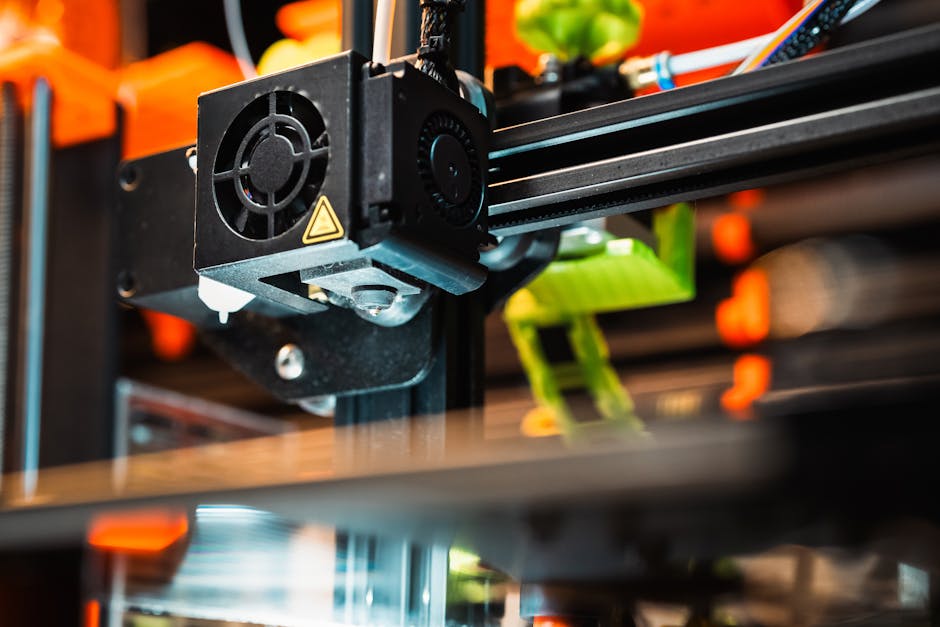
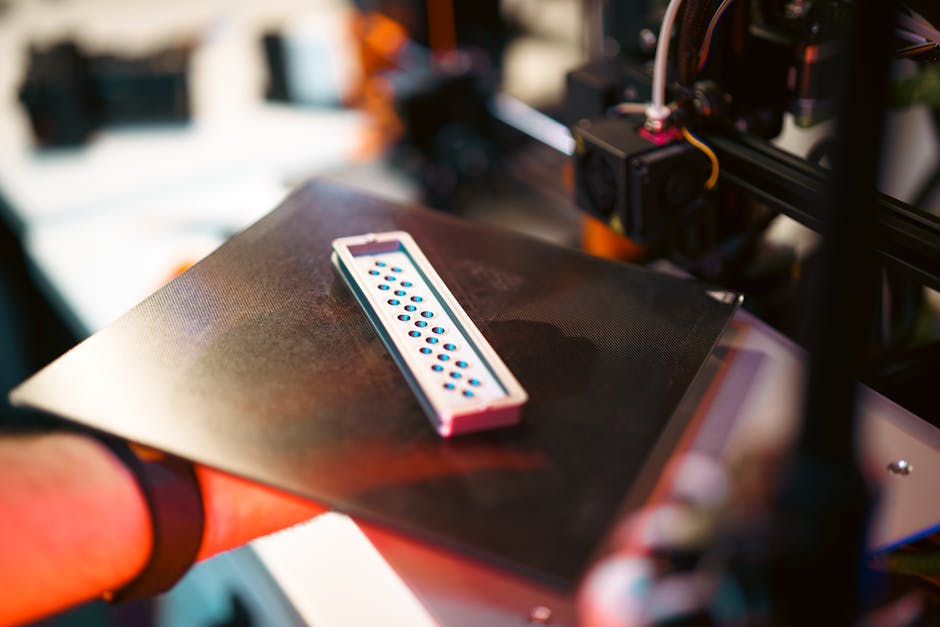
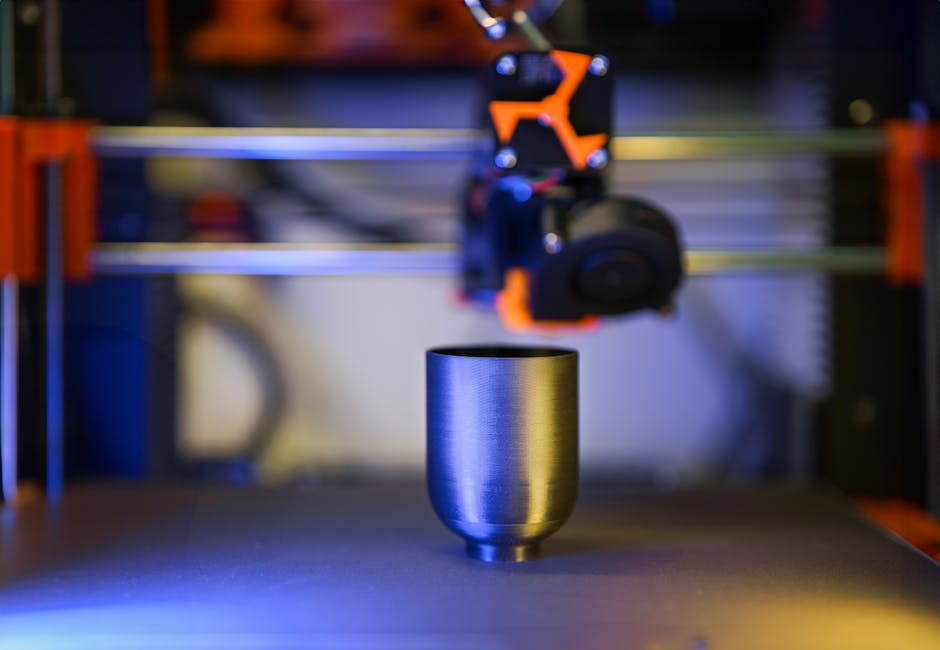
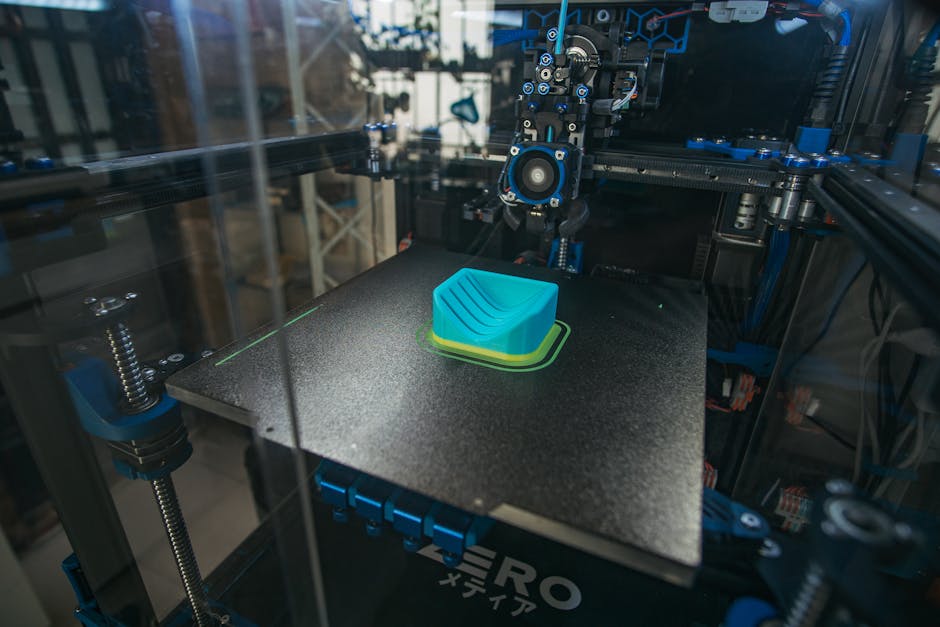
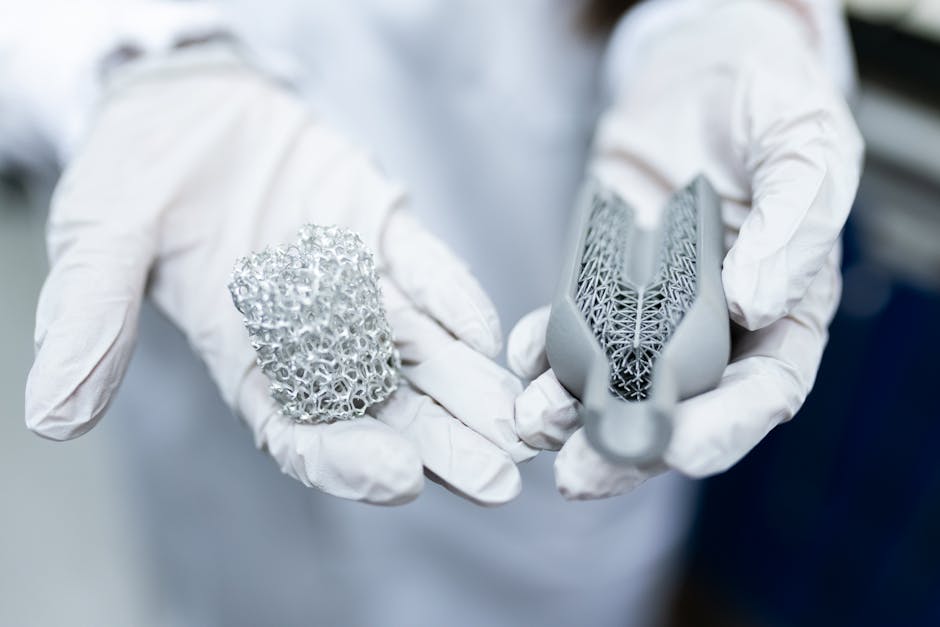
    industrial 3D printing metal powder aerospace manufacturing 2026

    The Numbers Don’t Lie: Where the Market Stands in 2026

    According to the latest industry analysis from SmarTech Analysis and Wohlers Associates, the global market for AM materials alone is projected to cross $8.2 billion USD in 2026, up from roughly $5.4 billion in 2023. That’s not just printer sales — that’s feedstock: powders, filaments, resins, and bio-inks. The materials segment is now growing faster than hardware, which is a telling signal that the industry is maturing from experimentation into production-scale deployment.

    What’s driving this? Three converging forces:

    • Supply chain resilience pressure: Post-pandemic and post-geopolitical disruption, manufacturers want on-demand, localized part production — and that requires reliable, certified AM materials.
    • Sustainability mandates: The EU’s updated industrial decarbonization framework (effective January 2026) has pushed manufacturers to adopt near-net-shape processes that minimize waste. AM, by nature, fits perfectly.
    • Performance parity — and beyond: In several categories, AM-produced parts now match or exceed the mechanical properties of wrought or cast equivalents.

    Metal Powders: High-Entropy Alloys and Refractory Materials Take Center Stage

    If there’s one material category dominating R&D conversations in 2026, it’s High-Entropy Alloys (HEAs). Unlike conventional alloys built around one dominant element (think: stainless steel is mostly iron, titanium alloys are mostly titanium), HEAs consist of five or more principal elements in roughly equal proportions. The result? Extraordinary combinations of strength, corrosion resistance, and thermal stability that were previously impossible to achieve simultaneously.

    Companies like Höganäs (Sweden) and Carpenter Additive (USA) have rolled out atomized HEA powder grades specifically optimized for Laser Powder Bed Fusion (LPBF) and Directed Energy Deposition (DED) processes. Early adopters in the aerospace and energy sectors are reporting fatigue life improvements of 15–30% over traditional Inconel 718 in high-temperature applications.

    Meanwhile, refractory materials — tungsten, molybdenum, and their composites — are gaining traction for defense and semiconductor tooling applications. The challenge has always been their extreme melting points (tungsten melts at over 3,400°C), but advances in Electron Beam Powder Bed Fusion (EB-PBF) processing parameters are making these materials genuinely printable at scale.

    Polymers and Composites: PEEK Isn’t the Ceiling Anymore

    For years, PEEK (Polyether ether ketone) was the gold standard for high-performance polymer AM — praised for its chemical resistance, biocompatibility, and thermal stability. In 2026, it’s still excellent, but it’s no longer the ceiling.

    PAEK-family materials (Polyaryletherketone) including PEKK and PEKKEK are now commercially available in filament and powder form from suppliers like Solvay and Evonik. These offer slightly superior stiffness-to-weight ratios and, crucially, better processability on Multi Jet Fusion (MJF) platforms — opening up high-throughput production that wasn’t feasible with traditional PEEK.

    The real excitement, though, is in continuous fiber-reinforced composites. Markforged’s X7 platform and Continuous Composites’ CF3D technology have both received significant industrial adoption in 2026, particularly in automotive and industrial robotics end-use parts. We’re talking about carbon fiber, fiberglass, and even Kevlar being deposited in continuous strands — not just chopped filler — resulting in parts with structural properties that genuinely compete with aluminum for many applications.

    continuous fiber reinforced 3D printed composite part industrial application

    Real-World Examples: Who’s Actually Doing This?

    Let’s ground this in reality, because the hype-to-deployment gap in manufacturing can be enormous.

    • Siemens Energy (Germany/Global): Has been using DED-printed turbine blade repair with IN738 superalloy powder since 2024, but in 2026 expanded to full blade manufacturing using a new proprietary powder blend, cutting lead time from 18 weeks to under 4 weeks.
    • POSCO (South Korea): The steel giant launched a dedicated AM materials division in late 2025, producing custom stainless and tool steel powders optimized for Korean defense and shipbuilding clients — a clear signal that traditional materials producers are pivoting toward AM feedstock as a revenue stream.
    • Relativity Space (USA): Their Terran R rocket, in active development, uses an updated aluminum-lithium alloy (developed in partnership with Elementum 3D) that’s been reformulated for their large-format DED system. The alloy achieves aerospace-grade strength while remaining printable at scale — something that was genuinely unsolved just three years ago.
    • KAIST & Hyundai Motor (South Korea): A joint research program published findings in early 2026 on gradient-composition titanium parts for EV structural components — where the material composition actually changes continuously through the part to optimize stiffness where needed and dampen vibration elsewhere. This is called Functionally Graded Materials (FGM), and it’s moving from the lab toward the production floor.

    The Certification Bottleneck — and How It’s Being Solved

    Here’s the honest reality check: having a great material means very little if it isn’t certified for your industry. Aerospace (AS9100), medical (ISO 13485), and automotive (IATF 16949) all require rigorous qualification. And traditionally, qualifying a new AM material has taken 3–5 years and millions of dollars.

    Two developments in 2026 are beginning to crack this open:

    • Digital material twins: Companies like Ansys and Seurat Technologies are using physics-based simulation to pre-validate material behavior, significantly shortening experimental qualification cycles. The FAA and EASA have both issued updated guidance acknowledging simulation-assisted qualification pathways — a regulatory shift that was years in the making.
    • AM material databases: NIST’s AM Material Database (AMMD), expanded significantly in late 2025, now includes standardized test data for over 400 material-process combinations. This shared infrastructure means a material qualified at one facility has a much clearer path to acceptance at another.

    Realistic Alternatives: What Should You Actually Do With This Information?

    Not everyone reading this is running an aerospace OEM. So let’s be practical about how to engage with these developments based on where you are:

    • If you’re a small/mid-size manufacturer: You probably don’t need to develop your own powder alloys. Focus on qualifying one or two well-supported materials (17-4PH stainless, AlSi10Mg, or PEEK) on a certified service bureau platform before chasing exotic materials. Get the fundamentals right first.
    • If you’re in R&D or product development: This is the moment to prototype with composite filaments and HEA powders through service providers like Xometry or Protolabs, which now offer these materials on-demand. You can evaluate performance without capital investment.
    • If you’re an investor or strategist: The materials segment — not the hardware — is where durable value is being created. Powder atomization, material informatics, and certification support services are all underserved relative to printer OEMs.
    • If you’re a student or early-career engineer: Material informatics and process-structure-property relationships in AM are genuinely hot skills in 2026. Consider coursework or projects at the intersection of alloy design and machine learning — it’s a rare combination that’s in high demand.

    The trajectory is clear: industrial AM is no longer waiting for better materials — in many categories, the materials are now ahead of the widespread adoption. The challenge has shifted from “can we print this?” to “how do we qualify, scale, and economically justify printing this?” That’s actually a much more interesting problem to solve.

    Editor’s Comment : What excites me most about where we are in 2026 isn’t any single breakthrough alloy or composite — it’s the maturation of the ecosystem around them. Certification frameworks, shared databases, simulation-assisted qualification: these are the unglamorous infrastructure pieces that turn a laboratory curiosity into something a factory floor can rely on. If you’re in any part of the industrial manufacturing world, the time to build literacy in AM materials is now — not because everything will change tomorrow, but because the companies that understand these materials deeply today will have a quietly enormous advantage in the next five years.

    태그: [‘industrial additive manufacturing’, ‘AM materials 2026’, ‘metal powder 3D printing’, ‘high entropy alloys’, ‘continuous fiber composites’, ‘PEEK alternatives additive manufacturing’, ‘additive manufacturing trends 2026’]


    📚 관련된 다른 글도 읽어 보세요

  • 2026년 산업용 적층 제조 소재 최신 개발 동향 — 금속부터 바이오 복합재까지, 지금 무슨 일이 일어나고 있나

    얼마 전 한 항공우주 엔지니어링 컨퍼런스에서 흥미로운 장면이 있었다고 해요. 발표자가 손바닥 위에 작은 터빈 블레이드 하나를 올려놓고 이렇게 말했다는 거죠. “이 부품은 단 하나의 소재로 만들어진 게 아닙니다.” 니켈 합금 기반 구조 안에 세라믹 코팅이 그라디언트(gradient) 방식으로 녹아 있고, 내부 냉각 채널까지 한 번의 프린팅으로 완성됐다는 설명에 청중이 술렁였다고 하더군요. 이 이야기가 단순한 기술 자랑처럼 들릴 수도 있지만, 사실 2026년 현재 산업용 적층 제조(AM, Additive Manufacturing) 소재 분야가 바로 이 방향으로 빠르게 진화하고 있다는 걸 보여주는 상징적인 장면이라고 봅니다.

    3D 프린팅이라는 단어가 더 이상 낯설지 않은 시대가 됐지만, 정작 ‘어떤 소재로 무엇을 만들 수 있는가’에 대한 이해는 여전히 일반 독자에게 멀게 느껴지는 영역이에요. 오늘은 그 간극을 조금이나마 좁혀보려 합니다.

    industrial additive manufacturing metal powder 3D printing 2026

    📊 숫자로 보는 2026년 AM 소재 시장 — 얼마나 커졌나

    글로벌 시장조사 기관들의 최신 데이터를 종합해 보면, 2026년 전체 적층 제조 소재 시장 규모는 약 48억 달러(약 6조 4천억 원) 수준으로 추정되고 있어요. 2022년 대비 연평균 성장률(CAGR)이 약 19~21%에 달한다는 점이 눈에 띕니다. 특히 소재별로 성장 속도에 차이가 있는데요.

    • 금속 분말(Metal Powder) 소재: 시장 점유율 약 38%. 타이타늄(Ti-6Al-4V), 인코넬(Inconel 625/718), 알루미늄 합금(AlSi10Mg)이 3대 주력 소재로, 항공·의료·방산 분야 수요가 견인하고 있어요.
    • 고성능 폴리머 소재: PEEK(폴리에테르에테르케톤), PEKK 계열의 수요가 2023년 대비 약 34% 증가. 특히 척추 임플란트와 항공기 내장재 분야에서 급성장 중입니다.
    • 세라믹 및 복합재: 알루미나, 지르코니아 기반 세라믹이 치과·반도체 분야를 중심으로 연간 22% 성장률을 보이고 있어요.
    • 바이오 소재 및 하이드로겔: 조직공학과 약물전달 시스템 적용을 목적으로 한 소재 개발이 2025~2026년을 기점으로 본격 상용화 단계에 진입했다는 평가를 받고 있습니다.

    흥미로운 점은 단일 소재보다 멀티 머티리얼(Multi-material) 프린팅 관련 소재 개발 투자가 전년 대비 약 47% 급증했다는 거예요. 하나의 빌드 챔버 안에서 기계적 특성이 다른 소재들을 동시에, 혹은 순차적으로 적층하는 기술이 현실화되면서, 소재 개발의 방향 자체가 ‘단일 성능 극대화’에서 ‘이종 소재 간 결합 최적화’로 무게중심이 이동하고 있는 것 같습니다.

    🌍 국내외 주요 개발 사례 — 연구실을 벗어나 공장으로

    해외 사례부터 살펴보면, 독일의 소재 기업 Evonik Industries는 2025년 말 PEEK 계열 신소재인 VESTAKEEP® iC4600 AM의 업그레이드 버전을 공개했어요. 기존 대비 층간 결합 강도(interlayer bonding strength)를 약 31% 향상시켰고, 멸균 공정에서도 물성 저하가 거의 없다는 점에서 의료기기 분야의 주목을 받고 있습니다. 미국의 6K Additive는 플라즈마 구형화(UniMelt® 공정) 기술로 재활용 금속 스크랩을 고품질 프린팅용 구형 분말로 재생산하는 공정을 2026년 초 대규모로 확장했는데, 이는 소재 원가를 최대 40% 낮추는 동시에 탄소 발자국을 줄인다는 점에서 지속 가능성 트렌드와도 맞닿아 있어요.

    국내 상황을 보면, 한국재료연구원(KIMS)이 2025년부터 추진해온 ‘기능성 경사조성 소재(FGM, Functionally Graded Material)’ 프로젝트가 2026년 상반기에 의미 있는 성과를 냈습니다. 티타늄과 스테인리스강을 연속적으로 조성 비율을 바꿔가며 적층하는 기술을 통해, 두 이종 금속 간 열팽창 계수 차이로 인한 계면 크랙 문제를 상당 부분 해소했다는 보고가 있어요. 또한 국내 소재 기업 티씨케이(TCK)와 일부 스타트업들이 반도체 공정용 고순도 세라믹 AM 소재 국산화에 속도를 내고 있는데, 이는 공급망 리스크를 줄이려는 산업계의 요구와 맞물려 상당한 추진력을 얻고 있는 것 같습니다.

    PEEK polymer biocomposite 3D printing medical aerospace material

    🔬 2026년 주목해야 할 소재 기술 키워드 3가지

    • 1. 고엔트로피 합금(HEA, High-Entropy Alloy) 분말: 5가지 이상의 원소를 거의 동등한 비율로 혼합한 합금으로, 기존 단일 합금 대비 월등한 내열성·내부식성을 보입니다. AM 공정에서의 적용 연구가 2025~2026년을 기점으로 폭발적으로 증가하고 있어요.
    • 2. 광경화성 세라믹 레진(Photocurable Ceramic Resin): DLP(디지털 광처리) 방식으로 정밀도 높은 세라믹 부품을 제작할 수 있게 해주는 소재예요. 소결(sintering) 후 수축률을 예측·보정하는 알고리즘과 결합하면서 치과 크라운부터 반도체 지그까지 응용 범위가 넓어지고 있습니다.
    • 3. 자가 치유 폴리머(Self-healing Polymer): 미세 균열이 발생했을 때 특정 조건(열, 빛, 습기)에서 스스로 결합을 복원하는 소재예요. 아직 산업용 AM에서의 상용화는 초기 단계이지만, 유지보수 비용 절감 가능성 때문에 장기 연구 투자가 상당히 집중되고 있는 분야라고 봅니다.

    💡 현실적 대안 — 중소 제조업체는 지금 무엇을 해야 할까

    여기까지 읽으면서 “우리 회사 규모에서 고엔트로피 합금이나 자가 치유 폴리머를 쓰는 건 먼 이야기 아닌가”라는 생각이 드셨을 수도 있어요. 그 생각, 충분히 타당합니다.

    현실적으로 중소 규모의 제조업체가 당장 주목할 만한 영역은 크게 두 가지라고 봐요. 첫째는 범용 엔지니어링 폴리머(PA12, PA-CF, PETG 등)의 공정 파라미터 최적화입니다. 비싼 신소재를 도입하기 전에, 현재 사용 중인 소재를 프린팅 온도·속도·레이어 높이 조합을 정밀하게 튜닝하는 것만으로도 기계적 물성을 15~25% 끌어올릴 수 있다는 실험 결과들이 꾸준히 보고되고 있거든요. 둘째는 소재 공급사와의 직접 협업 채널 확보입니다. 대형 소재 기업들은 자사 신소재의 레퍼런스 케이스를 만들기 위해 파일럿 파트너를 적극적으로 찾고 있어요. 공식 파트너십을 맺으면 소재를 시중가보다 저렴하게 공급받으면서 최신 소재를 먼저 테스트해 볼 기회를 얻을 수 있습니다.

    적층 제조 소재의 세계는 빠르게 움직이고 있지만, 모든 것을 한꺼번에 따라잡으려 하면 오히려 길을 잃기 쉬워요. 자신의 산업군에 가장 영향력 있는 소재 트렌드 하나를 먼저 깊게 파고드는 전략이 현실적으로 더 효과적인 것 같습니다.

    에디터 코멘트 : 2026년 AM 소재 트렌드의 핵심 키워드는 결국 ‘이종 결합’‘순환 가능성’이라고 봐요. 더 강하게, 더 가볍게 만드는 것을 넘어서, 서로 다른 소재를 얼마나 자연스럽게 연결하고 또 얼마나 지속 가능하게 순환시킬 수 있느냐가 앞으로 소재 경쟁력의 기준이 될 것 같습니다. 당장 최첨단 소재를 도입하지 않더라도, 이 흐름을 이해하고 있는 것 자체가 제조 현장에서 중요한 판단 기준이 될 거예요.

    태그: [‘적층제조소재’, ‘산업용3D프린팅’, ‘금속분말AM’, ‘PEEK고성능폴리머’, ‘멀티머티리얼프린팅’, ‘고엔트로피합금’, ‘2026제조트렌드’]


    📚 관련된 다른 글도 읽어 보세요

  • Best Low-Power Home Lab Servers in 2026: Cut Your Electricity Bill Without Cutting Corners

    Let me paint you a picture. It’s late 2025, and my friend Marcus — a self-described “weekend tinkerer” — proudly showed me his home lab setup: four repurposed enterprise servers humming away in his spare bedroom. Cool setup, right? Then his electricity bill arrived. $180 extra per month. His partner was… not thrilled. Fast forward to today in 2026, and Marcus has completely rebuilt his lab around low-power hardware, slashed that bill down to under $25/month, and honestly? His setup is more capable than before. That’s the story we’re unpacking today.

    Whether you’re running Proxmox, self-hosting services like Nextcloud or Plex, or just experimenting with Kubernetes at home, your server’s idle wattage is the silent budget killer nobody warns you about. Let’s think through this together — logically, practically, and without spending a fortune.

    low power home lab server mini PC setup desk

    Why Idle Power Draw Is the Real Enemy

    Here’s the math most people skip. A server drawing 150W idle running 24/7 costs roughly:

    • 150W × 24h × 365 days = 1,314 kWh/year
    • At the 2026 U.S. average of ~$0.17/kWh, that’s ~$223/year just sitting there doing nothing intensive
    • In South Korea (where our original keyword originates), with rates around ₩150/kWh, that’s roughly ₩197,000/year (~$145 USD)

    Now flip it: a machine drawing 10–15W idle? You’re looking at $22–33/year. That’s the difference between a hardware upgrade fund and a bill you resent every month.

    Top Low-Power Home Lab Picks for 2026

    Let’s get specific. The market has matured beautifully — here are the categories worth your attention right now:

    • Intel N100 / N305 Mini PCs (e.g., Beelink EQ12, Minisforum UN305) — The N100 chip is a genuine 2026 sweetheart. At 6–12W idle with full virtualization support (VT-x, VT-d), it’s ideal for running 3–5 lightweight VMs or containers. Typical price: $150–$220.
    • AMD Ryzen 7840U / 8840U Mini PCs (e.g., Minisforum UM890 Pro) — If you need GPU passthrough for transcoding, the integrated Radeon 780M is surprisingly capable. Idles around 8–15W. Price: $350–$450.
    • Raspberry Pi 5 (8GB) Cluster — Still a fantastic edge case for pure ARM workloads. A single Pi 5 idles at ~3–5W. Running three in a cluster for distributed services? Still under 20W total. Price per unit: ~$80.
    • Arm-based SBCs: Orange Pi 5 Plus / Rock 5B — The RK3588 chip delivers 8-core performance at ~8W idle. Great for NAS duties or lightweight Docker hosts. Price: $90–$130.
    • Refurbished Thin Clients: HP t740 / Lenovo ThinkCentre M75q Gen 5 — Often overlooked in 2026, but these machines offer enterprise reliability, low wattage (10–18W idle), and NVMe support. You can find them refurbished for $100–$180.

    Real-World Examples: How People Are Actually Building in 2026

    Let’s look beyond the spec sheets. In South Korea’s active 홈서버 (home server) community on Naver Cafe and Reddit’s r/homelab, a consistent pattern has emerged this year:

    The “Korean All-in-One” setup trending in 2026 combines a single Beelink EQ12 (N100) running Proxmox with LXC containers for AdGuard Home, Jellyfin (light transcoding), and Nextcloud. Total monthly power cost reported by multiple users: ₩2,500–₩4,000/month (~$1.80–$2.90 USD). Remarkable.

    In Europe, where electricity rates have stabilized but remain high (averaging €0.28/kWh in Germany in 2026), homelab enthusiasts on the HomeServerHobbyist.de forums favor the HP t740 thin client for its certified low-power profile and easy RAM expansion. Running TrueNAS Scale with two drives, it reportedly costs under €4/month in electricity.

    In North America, the r/homelab community in 2026 increasingly debates whether the Minisforum UM890 Pro justifies its higher cost — and the consensus is: only if you need GPU transcoding for 4K Plex. Otherwise, the N100 class wins on pure efficiency math.

    electricity bill comparison home server power consumption chart 2026

    Factors to Weigh Before You Buy

    • RAM ceiling matters: The N100 maxes out at 16GB DDR5. If you’re planning serious VM density (10+ VMs), you’ll want a platform supporting 32GB+ like the Ryzen 8840U options.
    • Storage flexibility: Look for at least two NVMe slots or SATA ports. A great CPU with no room for drives becomes a bottleneck fast.
    • ECC memory needs: Running a NAS with critical data? ECC support is largely absent in mini PC territory. Consider the ASRock Industrial or a used Supermicro X11SCL-F (which, yes, is still efficient with Xeon D chips) if data integrity is paramount.
    • Noise levels: Low power often means quieter fans, but verify this — some budget mini PCs have notoriously annoying fan profiles under even light load.
    • Wake-on-LAN / scheduled power: If your workloads aren’t 24/7, this feature alone can cut consumption by 40–60%. Not all mini PCs implement it reliably.

    Realistic Alternatives for Different Budgets

    Not everyone is starting from zero, so let’s be practical:

    • Already own an old desktop? Before buying anything new, install a smart plug with energy monitoring (like the Kasa EP25 or Tapo P115) and measure actual idle draw. A Core i5-8400 machine might idle at 35–45W — not terrible, and potentially good enough if you already own it.
    • Tight budget ($100 or under)? A used Raspberry Pi 4 (8GB) or an Orange Pi 5 can host surprisingly functional setups with Docker. Limited but real.
    • Mid-range sweet spot ($150–$300)? The N100 mini PC class is almost certainly your answer in 2026. The ecosystem of guides, community support, and compatibility is mature.
    • Want room to grow? The Ryzen 8840U platform with 32GB RAM running Proxmox gives you genuine headroom for years, and at 8–15W idle, it’s still dramatically better than any used enterprise server.

    The bottom line is this: building a home lab in 2026 doesn’t require choosing between capability and your electricity bill. The hardware available today makes that a false choice. Think carefully about your actual workload requirements — not aspirational ones — match the platform to those needs, and you’ll end up with something Marcus-before-the-bill would have envied, at a fraction of the running cost.

    Editor’s Comment : The best home lab server is the one that doesn’t make you wince every time the utility bill arrives. In 2026, the N100 mini PC ecosystem has hit a genuinely sweet spot of price, power, and performance that’s hard to argue against for most use cases. But honestly? Start by measuring what you already own before spending anything. A $15 smart plug with energy monitoring might just change your entire perspective — and save you from a decision you’ll regret.

    태그: [‘low power home lab server 2026’, ‘home server electricity savings’, ‘N100 mini PC Proxmox’, ‘homelab power consumption’, ‘self-hosting low wattage’, ‘best mini PC home server 2026’, ‘reduce server electricity bill’]


    📚 관련된 다른 글도 읽어 보세요