Category: Uncategorized

  • Used Server Home Lab Setup Guide 2026: How to Build a Powerful Lab Without Breaking the Bank

    A few years ago, a friend of mine — a software engineer living in a modest apartment — showed me a rack-mounted Dell PowerEdge humming quietly in his hallway closet. He’d picked it up for under $80 on eBay. On it, he was running a full Kubernetes cluster, a Plex media server, a VPN, and a self-hosted Nextcloud instance. I was floored. That moment sent me down a rabbit hole that fundamentally changed how I think about home infrastructure. If you’ve ever felt the pull of building your own home lab but thought it was too expensive or too complicated — this guide is for you.

    In 2026, the used server market has never been more accessible. Enterprise data centers are cycling through hardware at a faster pace than ever, and what gets decommissioned often still has years of useful life left in it. Let’s think through this together — what to buy, what to avoid, and how to make it work for your actual situation.

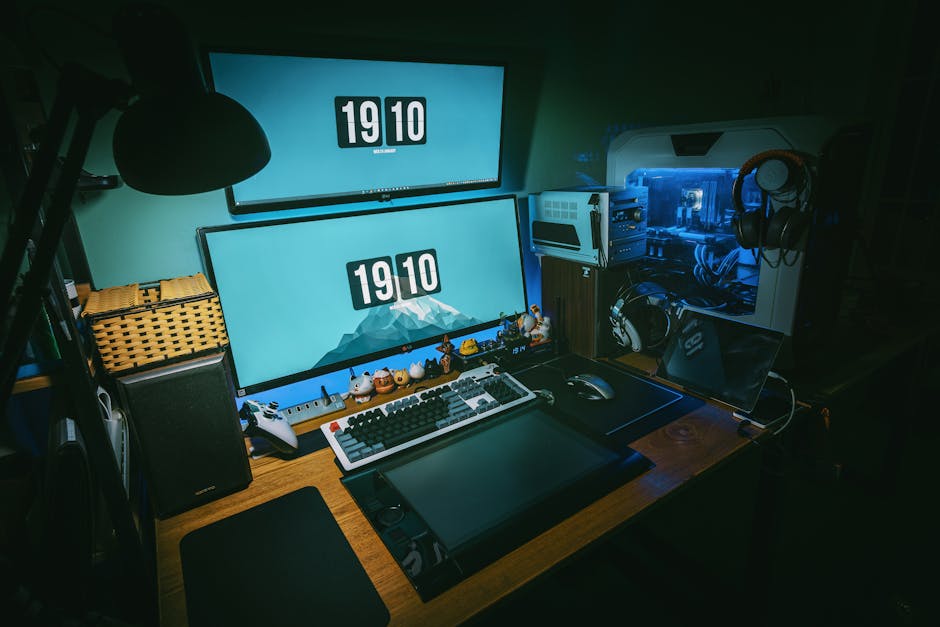
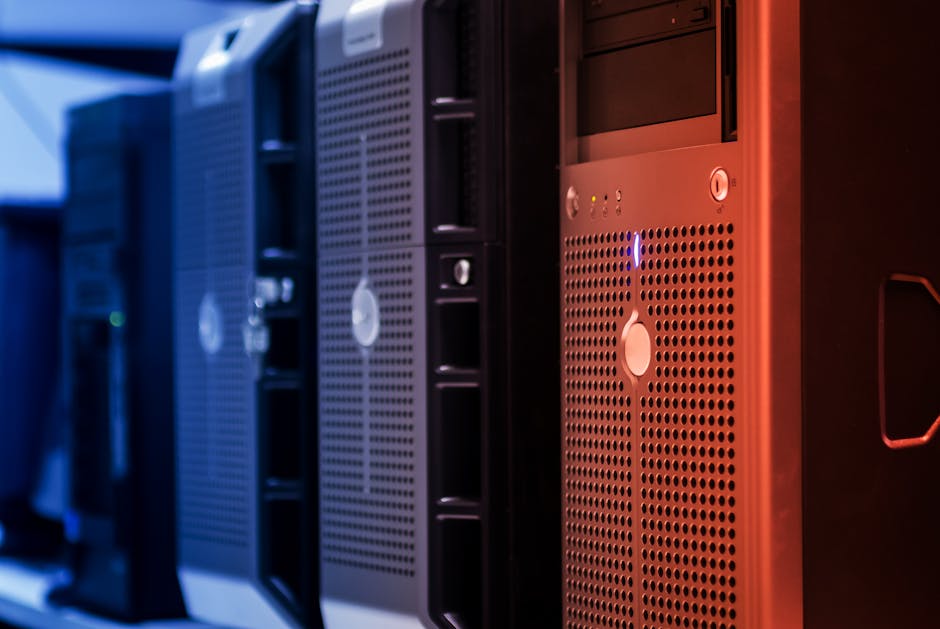
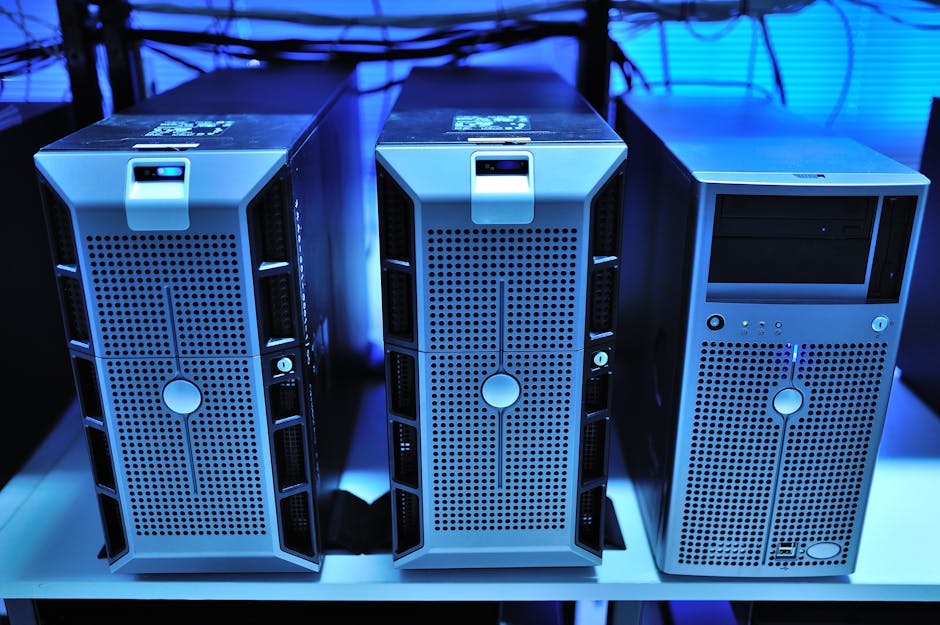
    used rack server home lab setup dell poweredge homelab 2026

    Why Home Labs Are Booming in 2026

    The home lab community has exploded, and for good reason. Cloud costs have continued to climb — AWS, Azure, and GCP have seen consistent price increases since 2023. For developers, students, and IT professionals who need to test, learn, or self-host services, paying recurring cloud bills just doesn’t make sense long-term. A one-time hardware investment that pays itself off in 6–12 months is simply smarter math.

    Additionally, privacy-conscious consumers are increasingly self-hosting services like email (Mailcow), password managers (Vaultwarden), and file sync (Nextcloud) rather than trusting third-party providers. A used server is the backbone of all of this.

    Understanding the Used Server Market: Key Specs to Know

    Before you dive into eBay, ServerMonkey, or your local Facebook Marketplace, you need to understand a few key hardware generations and what they mean for your wallet and your electricity bill.

    • Dell PowerEdge R710 / R720: These are the “golden oldies” of the home lab world. Cheap (often $50–$150), plentiful, and well-documented. However, they use older Xeon processors (Westmere/Sandy Bridge era) and can draw 200–400W under load. In 2026, electricity costs make these less economical unless you’re in a low-rate region.
    • Dell PowerEdge R730 / R740: The sweet spot right now. Broadwell and Skylake Xeons, better memory bandwidth, NVMe support on R740, and significantly better power efficiency. Prices range from $150–$400 depending on configuration.
    • HPE ProLiant DL380 Gen9 / Gen10: HPE’s equivalent lineup. Excellent reliability, great iLO (Integrated Lights-Out) remote management. Gen10 units are hitting the used market in large numbers in 2026 as enterprises upgrade to Gen11.
    • Lenovo ThinkSystem SR630 / SR650: Newer entrants to the used market. Excellent performance-per-watt ratio. Look for these if you want something from the 2018–2021 era at a reasonable price.
    • Supermicro X10/X11 platforms: Popular with the DIY crowd. Modular, flexible, and often sold as bare-bones boards you can populate yourself. Steeper learning curve but maximum customization.

    Real-World Cost Analysis: What Does a Home Lab Actually Cost in 2026?

    Let’s run the numbers honestly, because this is where many guides let you down. Here’s a realistic breakdown for a mid-range home lab built around a used Dell R740:

    • Dell PowerEdge R740 (2x Xeon Gold 6130, 128GB RAM): ~$320–$450 used
    • Additional RAM upgrade to 256GB: ~$80–$120 (DDR4 ECC RDIMMs are very affordable now)
    • Storage (4x 2TB SAS drives): ~$60–$100 used
    • NVMe SSD for OS/cache: ~$40–$70 new
    • Network switch (used Cisco SG300 or UniFi): ~$40–$80
    • Total hardware investment: ~$540–$820

    Now for the operational cost: an R740 idles around 80–120W. At the US average electricity rate of approximately $0.17/kWh in early 2026, that’s roughly $10–$17/month at idle. Compare that to a modest VPS rental of $40–$80/month for equivalent compute resources. Your break-even point is around 8–12 months. After that, it’s essentially free computing.

    Global and Domestic Examples: How People Are Actually Using This

    In South Korea, where this topic (중고 서버 홈랩) has a passionate community on platforms like CLIEN and PPomppu, hobbyists frequently build home labs for NAS alternatives, running Proxmox VE for virtualization, and setting up private gaming servers. The Korean market benefits from affordable bulk server liquidations from major tech companies headquartered in the Seoul metro area.

    In Germany, where data privacy regulations (GDPR) are strictly enforced and cloud skepticism runs high, self-hosting has become almost a cultural value among tech-savvy users. Communities like the German-language r/homelab equivalent regularly feature builds based on HP and Fujitsu enterprise hardware liquidated from German banks and insurance companies.

    In the United States, platforms like ServerMonkey, Labgopher (which aggregates eBay listings), and local data center liquidation auctions (search “data center liquidation auction [your city] 2026”) are goldmines. Many US homelabbers also tap into the /r/homelab subreddit’s weekly “What did you get” thread to gauge fair market prices before buying.

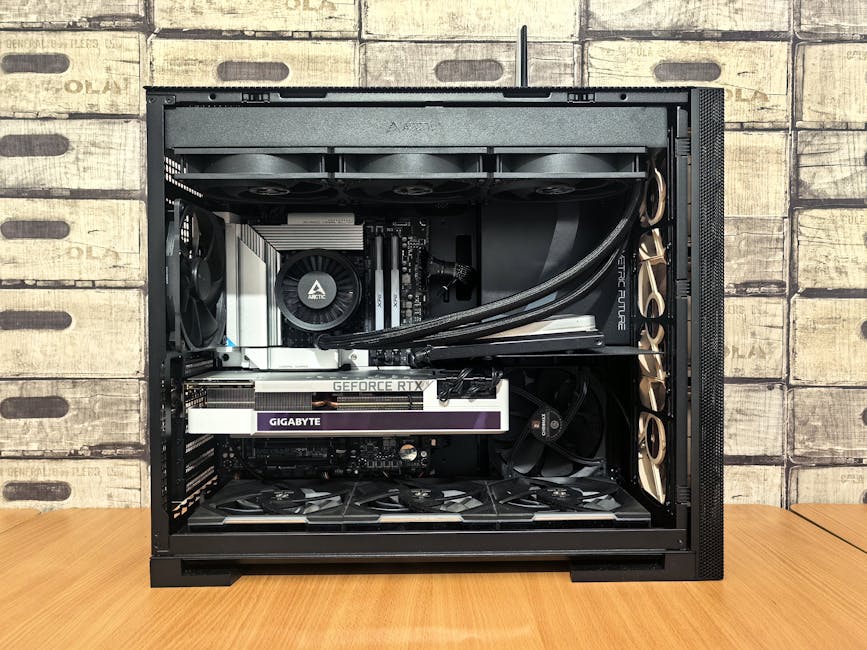
    home lab rack setup proxmox virtualization self-hosted server room 2026

    What to Watch Out For: Common Pitfalls for First-Time Buyers

    • No iDRAC/iLO license: Remote management is essential for headless operation. Make sure the enterprise license is included or budget $10–$20 for a used license key.
    • Missing rails or bezel: Not critical, but rack mounting without proper rails is a safety hazard. Confirm what’s included.
    • Proprietary SAS backplanes: Some configs require specific drive sizes or connector types. Check before buying drives separately.
    • Fan noise: Enterprise servers are NOT quiet. An R710 at full spin sounds like a jet engine. If you live in an apartment, consider acoustically damping the space or opting for quieter workstation-class alternatives.
    • Firmware and driver compatibility: Older servers may struggle with very new operating systems. Check community forums (ServeTheHome is gold) before committing.

    Realistic Alternatives: When a Full Server Might Not Be Right for You

    Here’s where I want to be genuinely honest with you — a full rack-mounted server isn’t for everyone, and that’s completely okay. Let’s think through some alternatives based on your situation:

    • If noise and heat are your main concerns: Look at used workstations like the HP Z440 or Dell Precision T7910. Similar Xeon power in a quieter, desktop form factor. Slightly less expandable but far more apartment-friendly.
    • If you’re just starting out: A used Intel NUC (10th or 11th gen) or a mini PC like the Beelink SER series gives you a taste of home labbing without the commitment. Great for running Proxmox with a couple of VMs.
    • If power efficiency is critical: ARM-based mini servers like the Raspberry Pi 5 cluster or the newer Orange Pi 5 Max are extremely low power (~5–15W per node) and surprisingly capable for lightweight workloads.
    • If you want storage above all else: A used Synology or QNAP NAS (4-bay or 8-bay) paired with a separate compute unit might be cleaner than trying to do everything on one noisy server.

    The key insight is this: match the hardware to your actual workload and living situation, not to what looks impressive in a Reddit post. A $60 mini PC that runs 24/7 and doesn’t annoy your partner is worth infinitely more than a $400 server that sits unplugged in a corner.

    If you do go the full server route, start with Proxmox VE as your hypervisor — it’s free, powerful, and has an incredibly active community in 2026. Pair it with TrueNAS Scale for storage, and you’ll have a professional-grade setup that rivals what many small businesses pay thousands for.

    The used server market in 2026 is genuinely one of the best-kept secrets in the tech enthusiast world. With a bit of research, patience, and honest self-assessment of your needs, you can build something remarkable for very little money. The community is welcoming, the documentation is rich, and the satisfaction of running your own infrastructure is hard to describe until you’ve experienced it.

    Editor’s Comment : I’ve helped a few readers walk through their first server purchases over the past year, and the single most common mistake I see is overbying — grabbing a 2U beast when a small form-factor machine would have done the job better. Before you spend anything, write down your top three use cases. Everything else follows from that. Start small, experiment freely, and scale when you genuinely need to. Your future self — the one with a fully self-hosted digital life — will thank you.

    태그: [‘used server home lab’, ‘homelab 2026’, ‘Proxmox VE setup’, ‘Dell PowerEdge used’, ‘self-hosted server guide’, ‘중고 서버 홈랩’, ‘home server build guide’]


    📚 관련된 다른 글도 읽어 보세요

  • 중고 서버 홈랩 완전 정복: 2026년 최신 구매 가이드 & 실전 활용법

    어느 날 IT 커뮤니티 게시판에 이런 글이 올라왔어요. “월 2만 원짜리 클라우드 쓰다가 한계를 느꼈는데, 중고 서버 사면 진짜 내 것처럼 쓸 수 있나요?” 댓글이 수십 개 달리며 갑론을박이 벌어졌죠. 한쪽에서는 “전기세 폭탄 맞는다”고 하고, 다른 쪽에서는 “한 번 세팅해두면 클라우드보다 훨씬 자유롭다”며 서로 다른 경험담을 쏟아냈습니다. 사실 둘 다 맞는 말이에요. 중고 서버 홈랩(Home Lab)은 제대로 알고 접근하면 개발자, 학생, 네트워크 엔지니어 모두에게 강력한 학습 및 실험 환경이 됩니다. 하지만 아무 서버나 덥석 집어 들었다가는 시끄럽고, 뜨겁고, 전기만 잡아먹는 고철 덩어리가 될 수도 있어요. 오늘은 그 경계선을 어떻게 넘느냐에 대해 함께 고민해 보겠습니다.

    used server rack home lab setup

    1. 홈랩이란 무엇이고, 왜 중고 서버인가?

    홈랩은 말 그대로 집(또는 개인 공간)에 구축하는 IT 실험 환경입니다. 가상화, 컨테이너 오케스트레이션, 네트워크 시뮬레이션, NAS 구성 등 엔터프라이즈 환경을 집에서 미니어처로 재현하는 셈이죠. 클라우드(AWS, GCP 등)를 쓰면 되지 않냐고요? 물론 가능하지만, 클라우드는 “빌린 땅에 집을 짓는 것”이라 루트 수준의 하드웨어 접근이 제한되고, 학습 목적으로 수십 개의 VM을 마음껏 켰다 끄면 비용이 급격히 올라갑니다.

    그렇다면 왜 새 서버가 아니라 중고 서버인가? 답은 가격 대비 성능 비율(Price-to-Performance Ratio)에 있습니다.

    • 가격: 신품 엔트리급 서버(예: Dell PowerEdge T150)의 권장 소비자가는 2026년 기준 약 120~150만 원 선이지만, 3~5년 된 중고 랙 서버는 동급 또는 그 이상의 스펙을 10~40만 원대에 구할 수 있습니다.
    • 스펙 여유: 기업에서 퇴역한 서버는 보통 Xeon 프로세서, ECC RAM, 엔터프라이즈급 RAID 컨트롤러를 기본 탑재하고 있어, 홈랩 용도로는 과분할 정도의 스펙인 경우가 많습니다.
    • 학습 가치: iDRAC, iLO 같은 원격 관리 인터페이스(BMC)를 직접 다뤄볼 수 있어 실무 감각을 익히기에 최적입니다.

    2. 구체적인 수치로 살펴보는 모델별 스펙 분석

    중고 서버 시장에서 홈랩 용도로 가장 자주 추천되는 라인업을 수치 중심으로 정리해 봤습니다. 2026년 3월 기준 국내 중고 거래 플랫폼(중고나라, 번개장터, 당근) 및 해외(eBay, Serverpartdeals) 평균 시세를 참고했습니다.

    • Dell PowerEdge R720 (2세대 Xeon, 2012~2013년산)
      • 중고 시세: 15~30만 원 (국내 기준)
      • 스펙 예시: Intel Xeon E5-2670 × 2 (16코어/32스레드), DDR3 ECC 64~128GB, 3.5인치 SAS 베이 8개
      • 소비 전력: 풀로드 시 약 300~400W — 홈랩 기준 전기세 주의 필요
      • 소음: 약 60~65dB. 거실 사용은 사실상 불가, 별도 공간 권장
      • 추천 용도: Proxmox VE 기반 다중 VM, Kubernetes 클러스터 학습
    • Dell PowerEdge R730 / HPE ProLiant DL380 Gen9 (2014~2016년산)
      • 중고 시세: 30~70만 원
      • 스펙 예시: Xeon E5-2680 v4 계열, DDR4 ECC 지원, NVMe 지원 모델 존재
      • 소비 전력: 유휴 시 약 80~120W로 이전 세대보다 효율 개선
      • 추천 용도: VMware vSphere 실습, Ceph 스토리지 클러스터, CI/CD 파이프라인 자체 호스팅
    • Dell PowerEdge R640 / HPE ProLiant DL360 Gen10 (2017~2019년산)
      • 중고 시세: 80~180만 원
      • 스펙 예시: Xeon Scalable(Skylake/Cascade Lake), DDR4, PCIe 3.0 NVMe 슬롯 다수
      • 소비 전력: 유휴 시 약 50~80W로 홈랩 전기세 부담이 크게 줄어듭니다
      • 추천 용도: 고성능 요구 환경, GPU 연산 실험(적절한 라이저 카드 필요)
    • 미니 서버 대안 — HP ProLiant MicroServer Gen10 Plus / Fujitsu Primergy TX1310
      • 중고 시세: 20~60만 원
      • 특징: 소음 30~40dB, 소비 전력 15~30W, 거실·서재 설치 가능
      • 한계: 확장성 제한, 고집적 VM 실험에는 부족할 수 있음

    3. 구매 전 반드시 확인해야 할 체크리스트

    중고 시장에서 서버를 살 때 가장 흔히 하는 실수가 “스펙만 보고 산다”는 것입니다. 서버는 소비자용 PC와 달리 부품 호환성, 펌웨어 버전, 라이선스 문제가 복잡하게 얽혀 있어요.

    • iDRAC / iLO 라이선스 확인: 원격 KVM(키보드·비디오·마우스) 기능을 쓰려면 Enterprise 라이선스가 필요한 경우가 있습니다. 중고 구매 시 라이선스가 살아 있는지 꼭 확인하세요.
    • PSU(파워 서플라이) 이중화 여부: 홈랩에서는 하나만 있어도 되지만, 혹시 PSU가 하나만 장착된 상태인지 확인하고 전압이 국내 규격(220V)에 맞는지 체크해야 합니다.
    • HDD/SSD 포함 여부: 서버는 SAS 규격 드라이브를 사용하는 경우가 많아, SATA SSD를 그냥 꽂으면 인식 안 되는 경우가 있습니다. SAS-to-SATA 호환 여부나 인터포저 카드 필요 유무를 사전에 확인하는 게 좋아요.
    • RAID 컨트롤러 캐시 배터리(BBU): BBU가 방전된 채 방치된 서버가 많습니다. 이 경우 RAID 성능이 급격히 저하될 수 있으니, BBU 상태나 교체 비용을 미리 파악해 두세요.
    • 소음 및 설치 환경: 1U/2U 랙 서버의 팬 소음은 비행기 이륙 소음 수준(65dB 이상)에 달하기도 합니다. 방음이 가능한 별도 공간이 없다면 타워형 서버나 미니 서버를 고려하는 게 현실적입니다.
    • 전력 계산: 한국전력 기준 2026년 주택용 전기 요금 3단계(월 사용량 200kWh 초과)는 kWh당 약 280원 내외입니다. 300W짜리 서버를 24시간 돌리면 월 약 60,000원의 전기 요금이 추가됩니다. 이 점을 반드시 사전에 계산해 두세요.
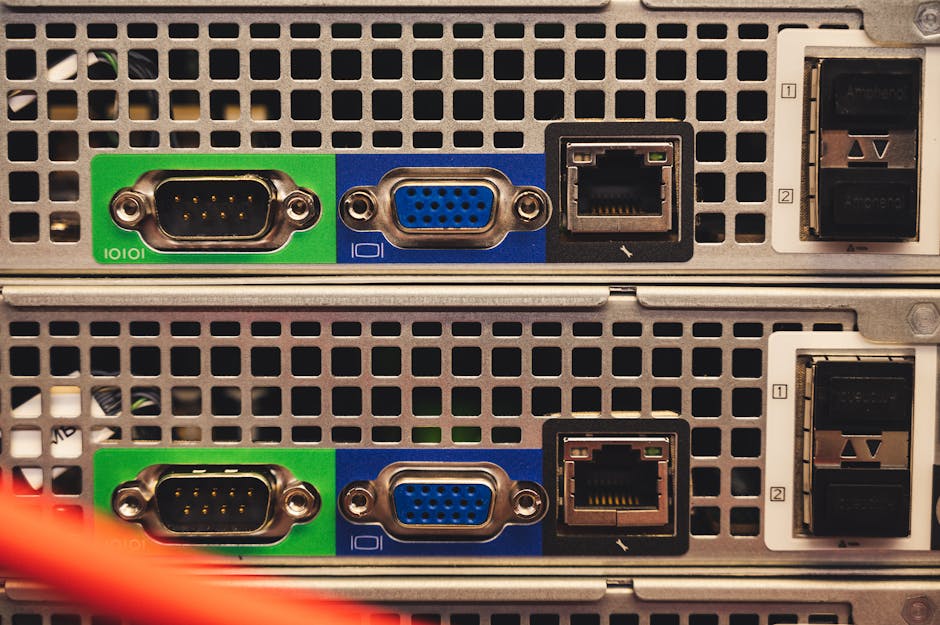
    server rack homelab proxmox virtualization

    4. 국내외 홈랩 커뮤니티 사례

    Reddit의 r/homelab 커뮤니티는 2026년 기준 가입자 130만 명을 넘어선 세계 최대 홈랩 커뮤니티입니다. 해당 커뮤니티에서 반복적으로 등장하는 성공 사례를 보면, 대부분 “처음에는 Dell R720으로 시작해서 전기세 고통을 겪고, 이후 Gen10 이상으로 업그레이드하는 패턴”을 따른다고 봅니다. 이른바 ‘홈랩 입문 세례’라고 불리는 경험이죠.

    국내에서도 상황은 비슷합니다. 디시인사이드 서버 갤러리나 클리앙 IT 게시판을 보면, Proxmox VE를 기반으로 TrueNAS(NAS 용도), Ubuntu Server(개발 환경), Windows Server(Active Directory 실습)를 한 서버에 올려 돌리는 이른바 ‘올인원 홈랩’ 구성이 대세를 이루고 있어요. 특히 2025년 하반기부터는 AI/ML 모델 로컬 호스팅 수요가 늘면서, GPU 장착이 가능한 R730/R740xd 계열에 대한 관심이 부쩍 높아졌다고 합니다.

    해외 유튜브 채널 ServeTheHome이나 Lawrence Systems에서도 꾸준히 중고 서버 리뷰를 올리고 있는데, 이들이 공통적으로 강조하는 포인트는 “세대(Generation)에 집착하지 말고 TDP(열설계전력)와 플랫폼 지원 기간을 보라

    태그: []


    📚 관련된 다른 글도 읽어 보세요

  • Bio 3D Printing Artificial Organs in 2026: What’s Actually Working (And What’s Still Science Fiction)

    Imagine waking up one day and learning that your kidneys are failing — and instead of waiting five to seven years on a transplant list, your doctor tells you a lab-grown replacement could be ready in a matter of months, printed layer by layer from your own cells. Sounds like something out of a Netflix sci-fi series, right? Well, in 2026, we’re closer to that reality than most people realize — but we’re not quite there yet, and the nuances matter enormously.

    I’ve been following the bio 3D printing space for years now, and what’s happening in 2026 is genuinely exciting — not in a hype-cycle way, but in a “wait, this is actually progressing” kind of way. Let’s dig in together.

    bio 3d printing organ lab bioink cells laboratory 2026

    What Exactly Is Bio 3D Printing? (A Quick Grounding)

    Before we get into the news, let’s make sure we’re on the same page. Bio 3D printing — also called bioprinting — is the process of using a specialized printer to deposit layers of bioink (a mixture of living cells, growth factors, and biomaterials like hydrogels) to build tissue structures. Think of it like inkjet printing, but instead of ink, you’re using living cells, and instead of paper, you’re building 3D biological structures.

    The core challenge has always been vascularization — getting blood vessels to thread through printed tissue so cells can receive oxygen and nutrients. Without that, printed tissue dies. This is the wall that researchers have been hammering at for over a decade.

    2026 Breakthroughs: What the Data Actually Shows

    Here’s where things get genuinely interesting. Several milestones reported in early 2026 are shifting the conversation:

    • Vascularized Kidney Tissue (Wake Forest Institute): Researchers published results showing lab-printed kidney organoids with functional micro-vasculature surviving beyond 90 days in animal models — a major leap from the previous 30-day ceiling. The tissue showed measurable filtration activity, though full organ-scale replication remains years away.
    • Liver Tissue Drug Testing (Organovo & FDA Collaboration): Organovo’s printed liver tissue is now being actively used by the FDA as a drug toxicity testing platform, reducing reliance on animal models. This is not a transplantable organ — but it’s a massive commercial and scientific validation of the technology.
    • Heart Patch Implants in South Korea: Seoul National University Hospital reported early-phase human trials of printed cardiac patches — small pieces of heart muscle tissue used to repair damage after myocardial infarctions. Results showed improved ejection fraction in 68% of participants at the 6-month follow-up.
    • Ear and Trachea Reconstruction: These simpler, avascular (no blood vessels needed) structures are already seeing clinical applications in 2026, particularly in pediatric reconstructive surgery in Germany and Japan.
    • Bioink Innovation: Companies like CELLINK (now part of Bico Group) have introduced next-generation bioinks with embedded growth factor slow-release technology, dramatically improving cell survival rates post-printing — some formulations now showing over 85% cell viability at 72 hours.

    Global Players Shaping the Field in 2026

    The bioprinting landscape is no longer just a U.S.-dominated story. Let’s look at who’s doing what:

    United States: Still the research epicenter, with institutions like MIT, Stanford, and Wake Forest leading fundamental science. The NIH allocated $340 million to the Tissue Engineering and Regenerative Medicine Initiative in 2025-2026, signaling sustained federal commitment.

    South Korea: Rapidly emerging as a clinical application leader. The Korean government’s BioNEXT 2030 initiative has funneled significant resources into translating lab findings into hospital-ready solutions. The cardiac patch trials mentioned earlier are a direct result of this program.

    European Union: Germany and the Netherlands are leading in regulatory framework development — arguably as important as the science itself. The EU’s updated Advanced Therapy Medicinal Products (ATMP) guidelines now include a specific bioprinted tissue pathway, which is a huge deal for commercialization.

    China: Publishing at an extraordinary volume — Chinese research institutions produced approximately 38% of global bioprinting papers in 2025. Translating that output into clinically approved products remains the challenge, but the pipeline is substantial.

    bioprinting artificial organ research global laboratory team 2026

    What’s Still Science Fiction (Let’s Be Honest)

    I think it’s important to be realistic here, because hype does real harm when patients or families make decisions based on inflated expectations.

    • Full transplantable kidneys or livers: Despite the progress, we are realistically looking at 10-15 years before a fully functional, transplantable printed kidney is clinically available. The vascularization problem at organ scale is still unsolved.
    • Printing on-demand in hospitals: The idea of a hospital printing an organ overnight remains firmly in the realm of science fiction for complex organs.
    • Cost accessibility: Even the current applications — cardiac patches, organoids for drug testing — cost tens of thousands of dollars per unit. Broad patient access is a long-term goal, not a near-term reality.

    Realistic Alternatives Worth Knowing Right Now

    So if you or someone you know is navigating organ failure or tissue damage in 2026, what’s actually actionable?

    • Xenotransplantation: Genetically modified pig organs (particularly kidneys and hearts) have seen remarkable progress. Several xenotransplant recipients in the U.S. have now surpassed 12 months of survival. This is arguably the more immediate bridge solution.
    • Bioprinted tissue for drug personalization: If you have a complex condition like drug-resistant cancer, some research centers now use bioprinted tumor organoids made from your own cells to test drug sensitivity before committing to a treatment plan. Ask your oncologist if this is available at your institution.
    • Staying on and optimizing transplant lists: National kidney and liver registries have improved matching algorithms significantly. Paired exchange programs, living donor chains — these are mature, proven pathways worth fully exploring.
    • Clinical trial enrollment: Platforms like ClinicalTrials.gov list active bioprinting-adjacent trials. Cardiac patch trials, for instance, are actively enrolling in multiple countries.

    The field is moving fast, but “fast” in biomedical science still means years to decades for most applications. The honest, empowering approach is knowing what’s real today versus what’s coming — and making the best possible decisions with the tools that exist right now.

    Editor’s Comment : What genuinely excites me about the 2026 bioprinting landscape isn’t the headline-grabbing “we printed a heart” claims — it’s the quieter, steadier progress happening in cardiac patches, organoid drug testing, and regulatory frameworks. Science rarely moves in dramatic leaps; it moves in thousands of small, verified steps. The steps being taken right now are solid, and that’s worth celebrating with clear eyes. If you’re personally affected by organ disease, please work with your medical team and don’t wait for future technology when today’s options deserve your full attention.

    태그: [‘bio 3D printing 2026’, ‘artificial organ bioprinting’, ‘bioprinting breakthroughs 2026’, ‘3D printed organs news’, ‘organ transplant alternatives’, ‘bioink technology’, ‘regenerative medicine 2026’]


    📚 관련된 다른 글도 읽어 보세요

  • 바이오 3D 프린팅 인공 장기 2026년 최신 뉴스 — 진짜 ‘출력’되는 심장이 온다

    몇 해 전만 해도 SF 영화 속 장면으로만 여겼던 일이 있었어요. 수술실 한편에 놓인 프린터에서 환자 맞춤형 장기가 한 층씩 쌓여 나오는 장면이요. 그런데 2026년인 지금, 그 이야기가 점점 현실의 언어로 번역되고 있습니다. 최근 한 지인이 “3D 프린터로 신장을 만든다는 게 진짜예요?”라고 물어왔을 때, 저도 잠깐 멈칫했어요. ‘아직 멀지 않았을까?’라는 생각과 ‘생각보다 훨씬 가까워졌을지도’라는 기대가 동시에 들었거든요. 오늘은 그 궁금증을 같이 파헤쳐 보려 합니다.

    bioprinting artificial organ 3D printer laboratory 2026

    📊 숫자로 읽는 바이오 3D 프린팅 시장 — 2026년 현재 어디까지 왔나

    글로벌 시장조사 기관들의 최신 리포트를 종합해 보면, 2026년 전 세계 바이오프린팅(Bioprinting) 시장 규모는 약 28억~32억 달러(한화 약 3조 7천억~4조 2천억 원) 수준으로 추정되고 있어요. 2022년 대비 약 2배 이상 성장한 수치라는 점에서, 이 분야가 얼마나 빠르게 팽창하고 있는지를 가늠할 수 있습니다.

    특히 주목할 만한 지표가 있는데요. 전 세계 장기이식 대기자 수는 여전히 연간 수십만 명에 달하고, 그중 상당수가 적합한 공여 장기를 얻지 못한 채 생을 마감합니다. 미국 UNOS(장기공유연합) 데이터에 따르면 미국에서만 매일 약 17명이 이식을 기다리다 사망하는 것으로 알려져 있어요. 이 숫자가 바이오 3D 프린팅에 대한 연구 투자를 가속화하는 가장 강력한 동기라고 봅니다.

    기술적으로도 의미 있는 변화가 생기고 있어요. 초기 바이오프린팅은 단순 세포 배열 수준이었다면, 2026년 현재는 혈관 네트워크(Vascularization)와 신경 조직을 함께 프린팅하는 연구가 임상 전(前) 단계(pre-clinical stage)까지 진입한 사례들이 나오고 있습니다. 이는 ‘살아 있는 구조체’를 만드는 데 있어 핵심적인 난제였던 만큼, 작지 않은 진전이라고 봅니다.

    🌍 국내외 주요 사례 — 어느 나라, 어느 팀이 앞서가고 있나

    🇺🇸 미국 — 와이스 연구소·콜로라도 대학의 심장 조직 프린팅
    하버드 와이스 바이오인스피어드 연구소(Wyss Institute)와 콜로라도 대학 공동 연구팀은 2025년 말 박동하는 심장 조직 패치를 바이오프린팅으로 구현하고 동물 모델에 이식하는 데 성공했다는 연구 결과를 발표했어요. 완전한 심장 장기라기보다는 손상된 심근을 보완하는 ‘패치’ 형태지만, 이식 후 12주 이상 안정적으로 기능했다는 점이 주목받았습니다. 2026년 현재는 영장류 대상 실험이 진행 중인 것으로 알려져 있어요.

    🇮🇱 이스라엘 — 텔아비브 대학의 소형 심장 완성체
    이스라엘 텔아비브 대학 탈 드비르(Tal Dvir) 교수팀은 환자 본인의 지방 세포에서 추출한 바이오잉크(Bio-ink)를 활용해 혈관까지 갖춘 소형 심장 구조체를 프린팅하는 연구를 이어가고 있는데요. 2026년 들어 이 연구팀이 확보한 추가 연구비는 약 6,500만 달러 규모로, 이스라엘 정부와 민간 벤처캐피털이 공동 투자한 형태라고 합니다. 면역 거부반응을 최소화하는 ‘자가 유래 세포 프린팅’이 이 팀의 핵심 전략이에요.

    🇰🇷 한국 — POSTECH·연세대 공동 연구의 성과
    국내에서도 반가운 소식이 있습니다. 포항공과대학교(POSTECH)와 연세대학교 의과대학 공동 연구팀은 2026년 초, 생분해성 바이오잉크를 활용한 연골 조직 프린팅 결과를 국제 학술지 Advanced Materials에 게재했어요. 연골 조직은 혈관이 없어 상대적으로 구현 난이도가 낮다는 평가도 있지만, 국내 기술이 세계 수준의 학술지에서 인정받았다는 점에서 의미 있는 성과라고 봅니다. 또한 식품의약품안전처(MFDS)는 2026년 바이오프린팅 제품에 대한 별도 허가 심사 트랙을 신설해 기술 상용화의 제도적 기반을 마련 중입니다.

    South Korea bioprinting research lab scientist tissue engineering

    🔬 바이오 3D 프린팅, 핵심 기술은 무엇인가

    이 분야를 처음 접하시는 분들을 위해 핵심 개념을 간단히 짚어볼게요. 바이오 3D 프린팅은 일반 3D 프린팅과 원리는 비슷하지만, ‘잉크’ 대신 살아있는 세포와 생체 재료가 혼합된 바이오잉크를 사용합니다. 이 바이오잉크를 층층이 쌓아 원하는 조직이나 장기의 형태를 만드는 방식이에요.

    • 압출 방식(Extrusion-based Bioprinting): 가장 보편적인 방식으로, 주사기처럼 바이오잉크를 밀어내며 구조물을 형성합니다. 비용이 낮고 다양한 재료를 사용할 수 있지만, 해상도(resolution)가 상대적으로 낮은 편이에요.
    • 잉크젯 방식(Inkjet Bioprinting): 가정용 잉크젯 프린터와 유사한 원리로, 세포 방울을 정밀하게 분사합니다. 해상도가 높지만 고점도 재료 사용이 어려운 단점이 있어요.
    • 광경화 방식(Stereolithography/DLP Bioprinting): 빛을 이용해 광경화성 바이오잉크를 굳히는 방식으로, 정밀도가 가장 높습니다. 복잡한 혈관 구조 구현에 유리하다는 평가를 받아요.
    • 레이저 지원 방식(Laser-Assisted Bioprinting): 레이저로 세포를 특정 위치에 정밀하게 배치하는 방식입니다. 세포 손상을 최소화할 수 있지만 비용이 높습니다.
    • 바이오잉크 소재 다양화: 2026년 현재는 히알루론산, 젤라틴 메타크릴레이트(GelMA), 피브린 등 천연 유래 소재뿐만 아니라 AI 설계 기반 합성 바이오소재 개발이 활발히 이루어지고 있어요.

    ⚠️ 아직 넘어야 할 산들 — 현실적인 시각으로 보기

    솔직하게 말씀드리자면, ‘완전한 인공 장기 이식’은 아직 임상 적용까지 상당한 시간이 필요하다는 게 전문가들의 중론인 것 같습니다. 몇 가지 핵심 과제가 여전히 남아 있거든요.

    첫째, 혈관화(Vascularization) 문제입니다. 장기 내부 세포들이 살아있으려면 산소와 영양분을 공급하는 미세혈관망이 필수인데, 이를 정교하게 구현하는 일이 아직도 가장 어려운 숙제예요. 둘째, 세포 생존율과 기능 유지입니다. 프린팅 과정에서 기계적 스트레스를 받는 세포들이 얼마나 오래, 얼마나 정상적으로 기능할 수 있는지가 관건이에요. 셋째, 면역 거부반응입니다. 자가 세포를 사용하더라도 지지체(scaffold) 재료에 대한 면역 반응 가능성은 남아 있습니다. 마지막으로 규제와 윤리적 프레임의 정비도 함께 가야 한다는 점을 빼놓을 수 없어요.

    💡 가까운 미래, 우리 생활에는 어떤 변화가 올까

    완전한 장기 이식이 아니더라도, 바이오 3D 프린팅은 이미 우리 삶에 변화를 가져오고 있어요. 신약 개발 과정에서 동물 실험을 대체하는 ‘장기-온-칩(Organ-on-a-Chip)’ 기술과 결합하거나, 피부 이식용 조직, 뼈·연골 재건, 치과 임플란트 보조 재료 등 비교적 단순한 구조의 조직에서는 이미 임상 적용 사례들이 나오고 있습니다. 이 분야의 진보는 먼 훗날의 이야기가 아니라, 10~15년 안에 우리의 의료 패러다임을 바꿀 수도 있다고 봅니다.


    에디터 코멘트 : 바이오 3D 프린팅 인공 장기는 ‘언제 완성되느냐’보다 ‘어느 단계까지 왔느냐’를 보는 시각이 더 중요한 것 같아요. 2026년 현재, 이 기술은 연구실의 성과를 현실로 옮기는 결정적인 중간 단계에 놓여 있습니다. 단기적으로는 신약 개발용 조직 모델이나 소규모 이식 조직 분야에서 먼저 우리 삶에 닿을 가능성이 높고, 완전한 맞춤형 장기 이식이라는 목표는 그다음 챕터에서 펼쳐질 이야기라고 봅니다. 지금 이 분야에 관심을 갖는다는 것 자체가, 의료의 미래를 한 발 앞서 내다보는 일이라고 생각해요.

    태그: [‘바이오3D프린팅’, ‘인공장기’, ‘바이오프린팅2026’, ‘장기이식대체기술’, ‘바이오잉크’, ‘재생의학’, ‘의료기술트렌드’]


    📚 관련된 다른 글도 읽어 보세요

  • DIY NAS vs Synology in 2026: Which One Actually Makes Sense for You?

    A few months ago, a friend of mine — a freelance video editor juggling 4K RAW footage and client deliverables — called me in a mild panic. His external drives were failing one by one, and he needed a real storage solution fast. The question he kept circling back to: should he build his own NAS from scratch, or just grab a Synology unit and be done with it?

    It’s a question more people are asking in 2026, especially as home offices have matured, content creation is at an all-time high, and the price gap between DIY components and off-the-shelf NAS devices has shifted in interesting ways. Let’s think through this together — because the “right” answer genuinely depends on who you are.

    DIY NAS build vs Synology NAS comparison setup desk 2026

    🔧 What Do We Mean by “DIY NAS”?

    A DIY (self-built) NAS typically means taking a mini-ITX or microATX board, pairing it with a CPU like Intel’s N100 or an AMD Ryzen 5 series, loading it up with ECC or non-ECC RAM, and running an open-source OS — most commonly TrueNAS SCALE, Unraid, or OpenMediaVault. You control every component, every config, every dollar spent.

    Synology, on the other hand, is a Taiwanese company that sells purpose-built NAS hardware pre-loaded with its proprietary DiskStation Manager (DSM) operating system. As of 2026, Synology’s lineup ranges from the budget-friendly DS223j all the way up to enterprise-grade rack units. Their latest consumer flagships — the DS1624xs+ and the newer DS923+ — continue to dominate buyer guides globally.

    📊 Cost Breakdown: Where Does the Money Actually Go in 2026?

    Let’s get into the numbers, because this is where a lot of online comparisons get lazy. Prices below reflect current USD market averages as of Q1 2026:

    • DIY NAS (4-bay, mid-range build): Motherboard + CPU combo (Intel N100 mini-ITX) ~$180 | 16GB DDR5 RAM ~$55 | Case (Jonsbo N3 or similar) ~$110 | 2x 4TB WD Red Plus HDDs ~$160 | TrueNAS SCALE (free) = Total: ~$505 before drives, ~$665 with 2 drives
    • Synology DS923+ (4-bay): Unit alone ~$599 | 2x 4TB Seagate IronWolf ~$180 = Total: ~$779
    • Synology DS723+ (2-bay, popular starter): Unit ~$369 | 2x 4TB drives ~$180 = Total: ~$549

    On paper, DIY looks cheaper for a 4-bay setup — but here’s the thing my friend discovered the hard way: time has a cost too. A DIY build can take 10–20 hours to configure properly, especially if you’re new to ZFS pools, SMB shares, or Docker containers on TrueNAS.

    🌍 What Real Users Are Choosing in 2026

    Looking at communities like r/homelab and r/DataHoarder (with a combined active base of over 2.1 million members as of early 2026), the split is telling:

    • Power users and homelabbers overwhelmingly favor DIY + TrueNAS or Unraid. The flexibility to run VMs, Plex Media Server, Pi-hole, and Nextcloud simultaneously on one box is a massive draw.
    • Small business owners in South Korea and Japan (two of Synology’s biggest markets in Asia) consistently choose Synology DSM for its Hybrid Share and Active Backup for Business features — enterprise-grade tools wrapped in a GUI anyone can use.
    • Content creators and prosumers in the US and Europe are increasingly split. In 2026, with Synology’s DSM 7.2.x now supporting more third-party Docker apps natively, the gap has narrowed significantly.

    One notable example: a mid-sized YouTube production company in Berlin publicly documented their 2025→2026 storage migration, moving from a 6-bay Synology DS1621+ to a custom TrueNAS SCALE box with dual 10GbE — cutting their per-TB cost by 38% while handling simultaneous 4K proxy editing for 4 editors. Impressive — but they also had a dedicated IT person on staff.

    Synology DSM 7.2 interface dashboard home server storage 2026

    ⚖️ The Real Trade-offs: A Brutally Honest List

    • Ease of setup: Synology wins, no contest. DSM is polished, wizard-driven, and beginner-friendly. DIY requires comfort with command line, BIOS configuration, and network concepts like VLANs.
    • Flexibility & customization: DIY wins. You’re not locked into Synology’s app ecosystem or their controversial 2024–2026 push to prioritize Synology-branded HDDs for warranty support.
    • Long-term support: Synology provides 5–7 years of DSM updates for most models. TrueNAS SCALE is actively developed by iXsystems, but community-driven — support depends on your own troubleshooting skill.
    • Data redundancy & RAID: Both handle RAID well, but TrueNAS’s ZFS offers superior data integrity checking (scrubbing, checksums) that consumer Synology units with SHR (Synology Hybrid RAID) simply don’t match at the filesystem level.
    • Energy efficiency: Synology ARM-based units (like the DS223j) use as little as 8–12W idle. A DIY x86 build typically idles at 20–45W. Over a year, that’s a real electricity cost difference.
    • Ecosystem lock-in: Synology’s ecosystem (Moments, Drive, Surveillance Station, etc.) is genuinely excellent — but migrating away later is painful. DIY keeps your options open.

    🎯 So, Who Should Choose What?

    Here’s where I want to be genuinely practical rather than just listing pros and cons:

    Go with Synology if: You want a plug-and-play experience, you run a small business needing reliable backup solutions, you’re not interested in tinkering, or you need solid mobile app integration (Synology’s iOS/Android apps are genuinely best-in-class in 2026).

    Go DIY if: You have basic IT literacy and enjoy the learning curve, you need maximum flexibility to run multiple services simultaneously, you’re managing large media libraries (10TB+), or you want the best long-term cost-per-gigabyte ratio.

    Consider a middle path: The QNAP TS-464 or the newer TerraMaster F4-424 Pro (both competitive in 2026) offer x86 architecture with more open OS options than Synology, while still being pre-built appliances. They let you run Docker containers more freely without committing to a full DIY build.


    Editor’s Comment : My friend the video editor? He ended up going with a Synology DS923+ — and six months later, he told me it was the right call for him. He didn’t want to spend weekends debugging ZFS pool configurations; he wanted to edit videos. But if I were setting up my own homelab tomorrow? I’d be building with TrueNAS SCALE in a heartbeat. The best NAS isn’t the most powerful one — it’s the one you’ll actually maintain. Know your lifestyle before you open your wallet.

    태그: [‘DIY NAS vs Synology 2026’, ‘best NAS for home 2026’, ‘TrueNAS vs Synology DSM’, ‘home server storage solution’, ‘Synology DS923+ review’, ‘NAS buying guide 2026’, ‘self-hosted storage setup’]


    📚 관련된 다른 글도 읽어 보세요

  • NAS 자작 vs 시놀로지 비교 2026: 비용·성능·편의성 총정리

    얼마 전 지인이 이런 말을 했어요. “NAS 하나 사려고 알아보다가 오히려 더 모르겠다”고요. 시놀로지 DS923+를 살까, 아니면 미니 PC에 TrueNAS를 올려서 자작할까 고민하다가 결국 아무것도 못 하고 몇 주를 흘려보냈다는 거예요. 사실 이 고민, NAS에 관심을 가진 분이라면 한 번쯤은 거쳐가는 통과의례 같은 것이라고 봅니다. 2026년 현재 NAS 시장은 시놀로지·QNAP 같은 완제품 진영과 Proxmox·TrueNAS 기반의 자작 진영으로 꽤 뚜렷하게 나뉘어 있는 상황이에요. 그래서 오늘은 이 두 선택지를 비용부터 유지보수까지 꼼꼼하게 뜯어보려고 합니다.

    NAS home server setup comparison 2026

    💰 1. 초기 비용 비교: 숫자로 보는 현실

    먼저 가장 현실적인 질문인 “얼마냐”부터 짚어볼게요. 2026년 3월 기준 국내 시장 가격을 기준으로 정리해 봤습니다.

    시놀로지 DS923+ (4베이, 케이스+OS 포함)의 본체 가격은 약 55~60만 원대에 형성되어 있어요. 여기에 램 업그레이드(DDR4 32GB 추가 시 약 6~8만 원)와 NVMe 캐시 SSD(1TB 기준 약 8~12만 원)까지 더하면 풀 세팅 기준 약 75만 원 안팎이 됩니다. HDD는 별도 비용이에요.

    자작 NAS (Intel N100 기반 미니 PC + TrueNAS SCALE)의 경우, N100 미니 PC 본체가 약 15~25만 원대로 구입 가능합니다. 다만 베이 확장을 위해 PCIe SATA 카드(약 2~5만 원)나 외장 HDD 도크를 추가하면 총 20~35만 원 선에서 기본 구성이 가능해요. 물론 4베이 이상의 전용 케이스와 파워, 마더보드를 모두 새로 맞추는 풀 자작의 경우 50~80만 원 이상으로 올라갈 수 있습니다. 자작이 무조건 싸다는 건 반은 맞고 반은 틀린 말인 것 같습니다.

    ⚡ 2. 성능 비교: 같은 돈으로 무엇을 더 얻나

    시놀로지 DS923+는 AMD Ryzen R1600 듀얼코어에 4GB ECC RAM이 기본 탑재되어 있어요. DSM(DiskStation Manager) 7.2 이상의 운영체제 위에서 Docker, Plex, Surveillance Station 같은 패키지를 돌리는 데는 충분한 성능이지만, 4K 트랜스코딩처럼 CPU를 집중적으로 쓰는 작업에서는 한계가 느껴질 수 있습니다.

    반면 자작 기반에서 Intel N100을 선택하면 내장 GPU(Intel UHD Graphics 24EU)를 활용한 하드웨어 트랜스코딩이 가능해요. Plex나 Jellyfin에서 4K HDR 콘텐츠를 다수 동시 스트리밍하는 용도라면 자작 쪽이 확연히 유리합니다. 물론 훨씬 상위 기종인 시놀로지 DS1823xs+나 FlashStation 시리즈를 쓴다면 얘기가 달라지지만, 동일 가격대 비교라는 전제하에서는 자작의 성능 효율이 높다고 봅니다.

    🛠️ 3. 편의성 및 생태계: DSM의 가치는 진짜인가

    여기서부터가 본론인 것 같아요. 시놀로지를 선택하는 가장 큰 이유는 결국 DSM의 완성도입니다. 설치 후 웹 UI만으로 대부분의 설정이 완결되고, Active Backup for Business, Hyper Backup, QuickConnect 같은 기능들이 별도 설정 없이 동작해요. IT 비전공자도 30분이면 RAID 구성과 클라우드 동기화까지 마칠 수 있다는 게 현실적인 장점입니다.

    TrueNAS SCALE이나 Proxmox 기반 자작은 기능의 폭이 넓지만, 그만큼 러닝커브(learning curve)가 존재해요. ZFS 풀 설정, Jailbreak 컨테이너 관리, SMB/NFS 퍼미션 구성 같은 개념에 익숙하지 않다면 초기 세팅에만 수 주가 걸리는 경우도 있습니다. 다만 한번 익히고 나면 가상화, 쿠버네티스 클러스터 등 사실상 엔터프라이즈 수준의 활용도 가능하다는 점은 분명한 매력이에요.

    🔒 4. 보안 및 장기 지원: 간과하기 쉬운 요소

    2026년 들어 NAS 보안 이슈가 다시 주목받고 있어요. 시놀로지는 DSM 정기 업데이트와 함께 제품 EOL(End of Life) 정책을 공식적으로 고지하기 때문에 지원 종료 시점을 예측할 수 있습니다. DS923+의 경우 현재 기준 2031년까지 DSM 업데이트 지원이 예정되어 있는 것으로 알려져 있어요.

    TrueNAS SCALE은 오픈소스 프로젝트인 만큼 커뮤니티와 iXsystems의 업데이트 사이클을 따라가야 합니다. 최근 TrueNAS SCALE 24.10 “Electric Eel” 버전이 배포되며 안정성이 크게 올라왔다는 평가가 많지만, 특정 하드웨어에서의 드라이버 호환성 문제는 여전히 존재할 수 있어요.

    📊 5. 국내외 사용자들의 선택 트렌드

    Reddit의 r/homelab, r/DataHoarder 커뮤니티에서는 2025년 이후 시놀로지의 HAT 시리즈 전용 HDD 정책에 대한 비판이 이어졌어요. DSM 7.2부터 비공식 HDD 사용 시 경고 메시지가 뜨는 방식이 도입되면서 “WD Red나 씨게이트 IronWolf를 못 쓰게 막는다”는 우려가 있었는데, 실제로는 기능 제한이 아닌 경고 표시에 그치고 있습니다. 그럼에도 자작 NAS로의 이탈 흐름을 자극한 것은 사실인 것 같아요.

    국내 클리앙·뽐뿌 등 커뮤니티에서는 여전히 시놀로지의 점유율이 높지만, N100·N305 기반 자작 미니 NAS 후기가 2026년 들어 눈에 띄게 늘고 있습니다. 특히 1인 가구나 소규모 홈 오피스를 운영하는 분들 사이에서 “저전력 + 충분한 성능”이라는 이유로 자작을 선택하는 케이스가 많아진 것 같습니다.

    Synology NAS vs custom built NAS pros cons chart

    ✅ 어떤 사람에게 무엇이 맞을까

    • 시놀로지 추천 대상: IT 설정에 익숙하지 않지만 안정적인 클라우드 대체 솔루션이 필요한 분 / 중소기업 파일 서버나 백업 서버로 쓸 분 / “설치 후 잊고 살고 싶은” 분
    • 자작 NAS 추천 대상: 리눅스 또는 ZFS 기본 지식이 있는 분 / 4K Plex 서버, 가상화, Docker 앱 서버 등 다목적 활용을 원하는 분 / 같은 예산으로 더 높은 CPU·RAM 성능을 원하는 분
    • 절충안을 원하는 분께: QNAP TS-464C2(Intel Celeron N5105 탑재)처럼 하드웨어 트랜스코딩을 지원하면서도 완제품 NAS의 편의성을 갖춘 중간 지점 제품도 2026년 현재 충분히 좋은 선택지라고 봅니다.
    • 비용 최우선이라면: N100 미니 PC + TrueNAS SCALE 조합이 20~30만 원 초반대에서 가장 좋은 성능 효율을 제공합니다. 단, 초기 세팅에 시간 투자를 각오해야 해요.

    🔚 결론

    “자작이 더 싸고 시놀로지가 더 편하다”는 말은 2026년에도 여전히 유효하지만, 이제는 그 경계가 조금 더 복잡해졌어요. 자작 NAS의 소프트웨어 환경은 TrueNAS SCALE의 성숙과 함께 진입장벽이 꽤 낮아졌고, 시놀로지는 하드웨어 종속성 논란으로 인해 맹목적인 신뢰를 주기 어려워진 면도 있습니다. 결국 중요한 건 “내가 얼마나 직접 다루고 싶은가”와 “어떤 용도로 쓸 것인가”라는 두 가지 질문에 솔직하게 답하는 것이라고 봅니다.

    에디터 코멘트 : 개인적으로는 NAS가 처음이라면 시놀로지 DS723+ 또는 DS923+로 시작해서 6개월~1년 정도 사용해 보는 걸 권해드려요. NAS가 내 생활에 얼마나 필요한지, 어떤 기능을 주로 쓰는지 파악한 뒤에 자작을 고려해도 절대 늦지 않거든요. 반대로 이미 리눅스 서버를 다뤄본 경험이 있다면, N100 자작 + TrueNAS SCALE 조합을 강력히 추천합니다. 2026년 현재 이 조합의 가성비와 안정성은 정말 인상적인 수준이에요.

    태그: [‘NAS자작’, ‘시놀로지비교’, ‘TrueNAS’, ‘홈서버2026’, ‘NAS추천2026’, ‘시놀로지DS923’, ‘자작NAS’]


    📚 관련된 다른 글도 읽어 보세요

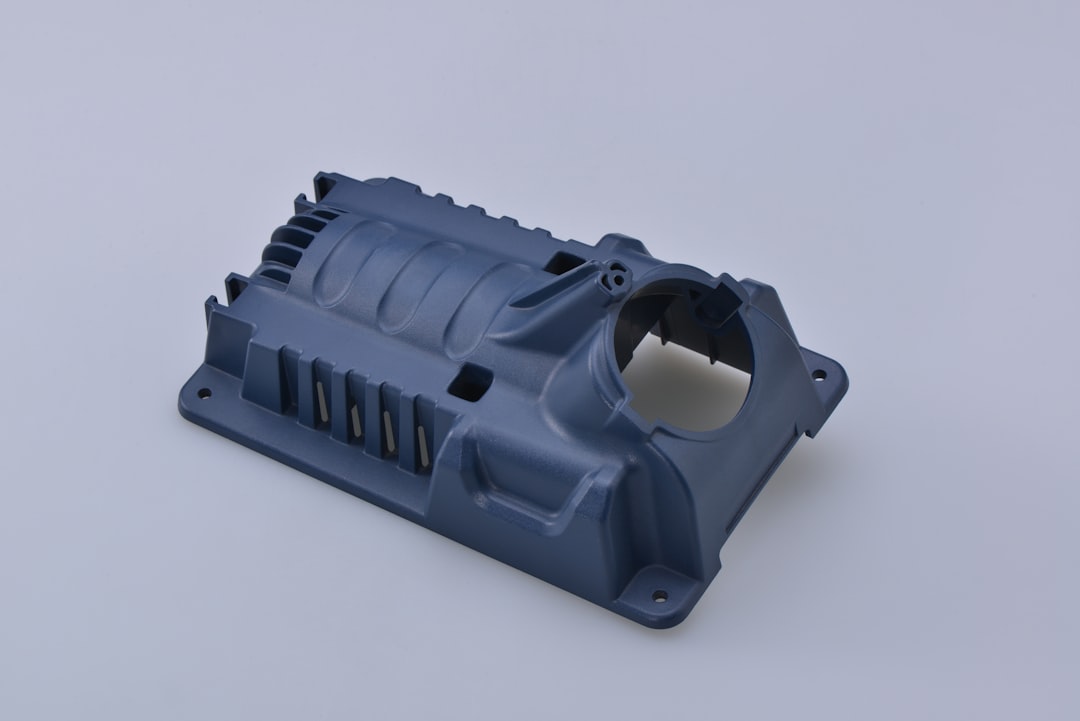
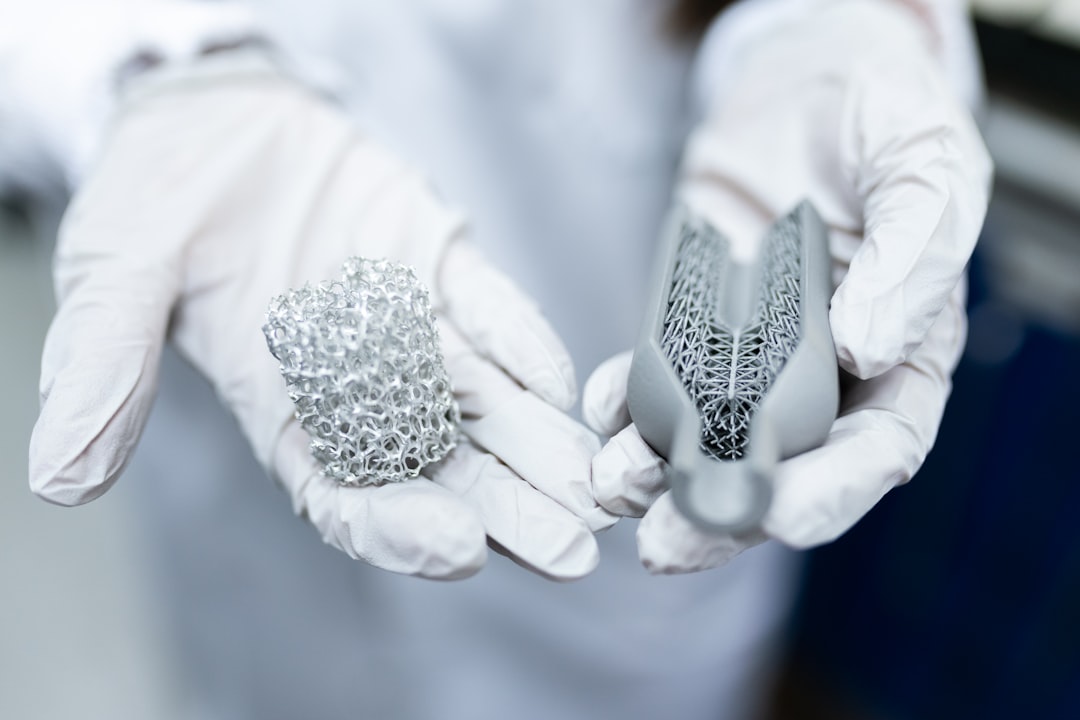
  • Additive Manufacturing Quality Control & Post-Processing in 2026: What Actually Works (And What Doesn’t)

    A colleague of mine — a senior process engineer at a mid-sized aerospace supplier in Stuttgart — told me something that stuck with me last month: “We spent six figures on a metal 3D printer, and our biggest headache isn’t the machine. It’s everything that happens before and after the print button.” That sentence perfectly captures where the additive manufacturing (AM) industry finds itself in 2026. The hardware has matured dramatically, but quality control and post-processing? That’s where the real battle is being fought.

    If you’re working in manufacturing, product design, or even prototyping, you’ve probably run into this gap yourself. Let’s think through it together — what the current landscape looks like, what the data tells us, and what realistic options you have depending on your budget and workflow.

    additive manufacturing quality control inspection metal 3D printing industrial 2026

    Why Quality Control in AM Is a Different Beast

    Traditional subtractive manufacturing (think CNC milling) removes material from a known, homogeneous block. You measure as you go. Additive manufacturing, by contrast, builds layer by layer — sometimes hundreds or thousands of layers — meaning defects can be buried mid-structure, invisible to the naked eye and even to many conventional inspection tools.

    According to a 2026 industry report by Wohlers Associates, approximately 34% of metal AM parts in production environments still require some form of rework or scrapping due to quality issues — a figure that has improved from 41% in 2023, but is still commercially uncomfortable. The most common defect categories include:

    • Porosity: Micro-voids formed during powder fusion, often caused by inconsistent laser parameters or contaminated feedstock
    • Residual stress and warping: Thermal gradients during the build cycle cause internal stresses that deform the part post-build
    • Delamination: Layer adhesion failures, especially common in FDM (Fused Deposition Modeling) polymer parts under mechanical load
    • Surface roughness: Ra values in metal AM typically range from 10–30 µm as-built, often 5–10× rougher than machined surfaces
    • Dimensional deviation: Thermal shrinkage and support structure removal can shift critical tolerances by 0.1–0.5 mm on larger parts

    The 2026 QC Toolkit: In-Process vs. Post-Process Inspection

    Here’s where things get genuinely exciting. The QC approach has bifurcated into two philosophies, and honestly, the best operations are using both simultaneously.

    In-Process Monitoring is the newer frontier. Systems like EOS’s EOSTATE suite, Sigma Labs’ PrintRite3D, and Zeiss’s AM monitoring platform use real-time melt pool imaging and thermal cameras to detect anomalies as each layer is deposited. The data these systems generate is staggering — a single metal powder bed fusion build can produce over 1 TB of sensor data. The challenge in 2026 isn’t data collection; it’s meaningful interpretation. AI-driven anomaly detection models (trained on datasets from hundreds of thousands of builds) have reduced false-positive alert rates from ~22% in 2024 to around 8% today, which makes them actually usable in a production setting without drowning your team in noise.

    Post-Process Inspection remains essential because in-process monitoring isn’t yet certified for all applications — particularly in aerospace and medical device sectors where regulatory frameworks (AS9100, ISO 13485) demand traceable, standardized inspection methods. The gold standard here is industrial Computed Tomography (CT scanning), which can detect internal voids as small as 10 µm. A full CT scan of a complex aerospace bracket used to cost $800–$1,200 per part in 2022. Increased competition and faster scanning hardware have pushed that to roughly $300–$600 in 2026 — still not cheap for high-volume production, but viable for flight-critical components.

    Post-Processing: The Hidden Time and Cost Sink

    Let’s be honest — post-processing is the part of the AM workflow that gets the least glamorous coverage, but it often accounts for 30–60% of total part cost. Understanding your options here can genuinely transform your ROI.

    The major post-processing categories in 2026 include:

    • Support removal: Still largely manual for complex metal parts; robotic support removal using force-feedback arms has emerged but remains niche
    • Heat treatment: Stress relief annealing is virtually mandatory for metal AM parts — typically 2–4 hours at 600–900°C depending on alloy — to release residual stresses before any machining
    • HIP (Hot Isostatic Pressing): Closes internal porosity by applying simultaneous heat (~1,100°C for titanium) and high pressure (~100–200 MPa). Increases fatigue life by 15–40% in titanium alloys. Expensive but increasingly required in aerospace contracts
    • CNC machining: Finish-machining of functional surfaces to achieve tight tolerances (±0.02 mm) and low roughness — nearly always required for mating/sealing surfaces
    • Surface finishing: Abrasive flow machining, electrochemical polishing, vibratory finishing, and media blasting each serve different geometry and roughness requirements
    • Coating and plating: PVD coatings, anodizing, and electroless nickel plating add corrosion resistance and wear properties

    International Case Studies: Who’s Getting This Right in 2026

    Let’s look at some real-world examples that illustrate both ends of the spectrum.

    GE Aerospace (USA) has arguably the most mature AM quality system in the world for the LEAP engine fuel nozzles — parts that have accumulated over 100 million flight hours. Their integrated approach combines in-situ monitoring, mandatory HIP, CT inspection of 100% of flight parts, and a digital thread that links every build parameter to the finished part’s serial number. What’s instructive here is that this level of QC took over a decade to develop and certify. It’s genuinely world-class, but it’s also a reminder that robust AM quality systems require sustained institutional investment.

    Trumpf and Fraunhofer ILT (Germany) have been collaborating on a closed-loop quality control system where in-process thermal data is fed back to adjust laser power parameters in real time — effectively a self-correcting build. In 2026 trials on Inconel 718 parts, this approach reduced porosity rates by approximately 60% compared to fixed-parameter builds. The technology is still transitioning from research to commercial deployment, but it represents a compelling near-term future.

    HD Hyundai’s shipbuilding division (South Korea) has taken an interesting middle path: rather than investing in sophisticated in-process monitoring, they’ve focused on rigorous digital twin validation before printing. Using simulation software (primarily Autodesk Netfabb and Simufact), they predict residual stress patterns and optimize part orientation and support structures computationally. Their finding: 70% of warping issues can be prevented before the machine even starts. For organizations with budget constraints, this compute-first approach is highly practical.

    Renishaw’s UK medical device clients have demonstrated that for titanium orthopedic implants, a standardized post-processing protocol — stress relief → HIP → bead blast → electrochemical polish → CT inspection — consistently achieves the mechanical properties and surface specifications required for ISO 10993 biocompatibility. The protocol adds roughly £180–£250 per implant but has essentially eliminated field failures in their customer base since 2024.

    post-processing additive manufacturing heat treatment surface finishing CT scanning industrial workflow

    Realistic Alternatives Based on Your Situation

    Here’s where I want to have a frank conversation about what’s actually appropriate for your context, because a one-size-fits-all QC strategy is a fast track to wasted budget.

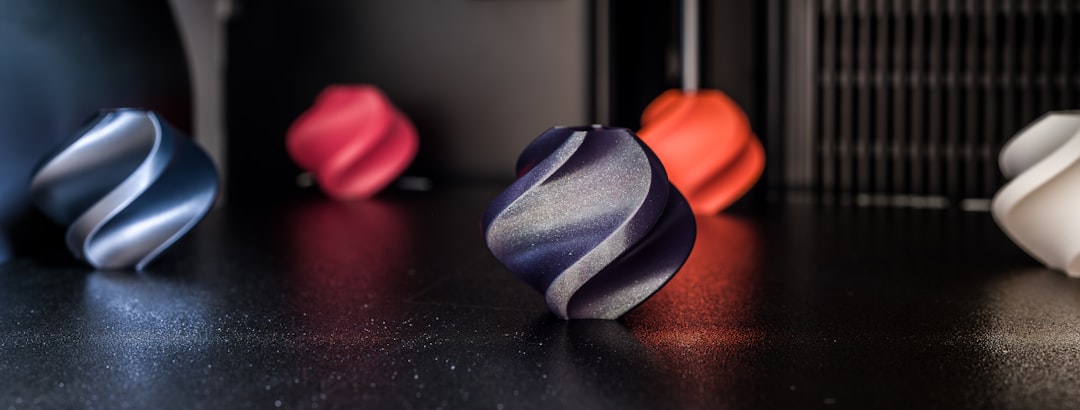
    If you’re a small design studio or product development team doing prototype work in polymer (FDM, SLA, or MJF), you honestly don’t need a CT scanner. Invest instead in: a calibrated digital caliper set, a basic surface profilometer (desktop models now start around $2,000–$3,000), and — critically — consistent material storage with moisture control for hygroscopic resins and nylons. Most prototype failures I’ve seen in small studios trace back to degraded filament, not machine parameters.

    If you’re a medium-sized manufacturer moving AM parts into low-to-medium criticality production (tooling, fixtures, end-use plastic housings), a practical QC investment is: statistical process control (SPC) on your key build parameters, coordinate measuring machine (CMM) spot-checking on a 10–20% sample basis, and partnership with a third-party CT scanning service for first-article inspection of new geometries. This hybrid approach captures 80% of the QC benefit at 30–40% of the cost of a fully in-house system.

    If you’re targeting aerospace, defense, or medical applications, there is no shortcut — but there are smart prioritization strategies. Start your certification journey early (AS9100 Rev D or ISO 13485 qualification takes 18–36 months minimum), partner with an accredited material testing lab rather than building that capability in-house initially, and prioritize CT inspection of 100% of initial production builds even if you move to sampling later as your process matures. The cost of a field failure in these sectors dwarfs any QC savings.

    For polymer AM at any scale, one underrated investment is process simulation before printing. Tools like Materialise Magics and Autodesk Fusion’s AM workspace now include simulation modules that predict warping and identify optimal part orientation in minutes. This is genuinely accessible at $200–$600/month subscription and prevents a large proportion of geometric failures without any physical inspection cost.

    The Emerging Standards Landscape in 2026

    One more thing worth flagging: the standards environment has matured considerably. ISO/ASTM 52941 (covering acceptance testing for powder bed fusion systems) and the expanded ASTM F42 committee standards now provide much clearer guidance on qualification testing requirements. The FDA’s 2025 final guidance on AM medical devices has also clarified post-processing validation requirements for the US market. If you’re navigating regulatory compliance, investing in a regulatory consultant with AM-specific experience has an ROI that consistently surprises people — the certification path is significantly shorter when you don’t have to learn it by making expensive mistakes.

    The bottom line? Additive manufacturing quality and post-processing in 2026 is genuinely solvable — but it requires matching your investment level to your application’s criticality, leveraging simulation to catch problems before they’re physical, and thinking of post-processing not as an afterthought but as an integrated design constraint from day one.

    Editor’s Comment : What consistently fascinates me about the AM quality space is that the technology gap has largely closed — the machines are capable — but the process knowledge gap is still wide. The teams winning in this space aren’t necessarily the ones with the most expensive hardware; they’re the ones who’ve treated QC and post-processing as engineering disciplines worthy of serious systematic investment. If you’re just starting out, resist the urge to spend everything on the printer itself. Budget 30–40% of your total AM investment for QC infrastructure and post-processing capability, and you’ll find your actual part quality — and your client relationships — will thank you for it.

    태그: [‘additive manufacturing quality control’, ‘3D printing post-processing’, ‘metal AM inspection 2026’, ‘industrial CT scanning’, ‘powder bed fusion defects’, ‘AM post-processing techniques’, ‘additive manufacturing certification’]


    📚 관련된 다른 글도 읽어 보세요

  • 적층 제조 품질 관리 완벽 가이드 2026 | 후처리 기술부터 불량률 제로까지

    얼마 전 지인이 운영하는 소규모 3D 프린팅 스타트업을 방문했을 때의 일이에요. 한쪽 구석에 쌓인 폐기 출력물 더미가 눈에 띄었는데, 알고 보니 레이어 분리(delamination) 불량과 표면 거칠기 문제로 납품을 거절당한 파트들이었어요. 그 모습을 보면서 ‘적층 제조(Additive Manufacturing, AM)’가 단순히 “출력만 잘 하면 되는 기술”이 아니라는 걸 다시 한번 실감했습니다. 2026년 현재, 글로벌 AM 시장이 항공·의료·자동차 산업 깊숙이 침투하면서 품질 관리(QC)와 후처리(Post-processing) 기술이 사실상 적층 제조의 경쟁력을 좌우하는 핵심 변수가 됐다고 봅니다. 오늘은 이 두 가지 주제를 함께 파헤쳐 볼게요.

    additive manufacturing quality control 3D printing inspection process

    본론 1. 숫자로 보는 적층 제조 품질 관리의 현주소

    ① 글로벌 AM 시장과 불량률 – 얼마나 심각한 문제인가?

    시장조사기관 IDTechEx의 2026년 보고서에 따르면, 글로벌 적층 제조 시장 규모는 약 310억 달러(약 41조 원)에 달하며, 2030년까지 연평균 성장률(CAGR) 18.4%로 확대될 것으로 전망됩니다. 문제는 성장 속도만큼 품질 이슈도 함께 커지고 있다는 점이에요.

    산업용 FDM(열용융 적층) 및 SLS(선택적 레이저 소결) 방식에서 보고되는 평균 불량률은 공정 변수 미최적화 시 12~18%에 달한다는 연구 결과가 있어요(Fraunhofer IPA, 2025). 이 수치는 대량생산 기준 사출성형의 불량률(<1%)과 비교하면 여전히 큰 격차입니다. 특히 다음과 같은 결함 유형이 전체 불량의 약 70%를 차지한다고 봅니다:

    • 레이어 분리(Delamination): 레이어 간 접합력 부족으로 발생, FDM 공정에서 가장 흔하며 전체 불량의 약 28% 차지
    • 워핑(Warping): 열수축에 의한 변형, 베드 온도·소재 특성 불일치가 주원인 (약 22%)
    • 내부 기공(Porosity): 금속 AM(LPBF, DED) 공정에서 치명적, 피로 강도를 최대 40%까지 저하 (약 20%)
    • 치수 편차(Dimensional deviation): 허용 공차 초과, 정밀 부품 납품 거절의 주요 원인 (약 15%)
    • 표면 거칠기(Surface roughness): Ra 값이 기능성 요구 조건을 초과하는 경우 (약 15%)

    ② 인라인 모니터링(In-line Monitoring)의 부상 – 사후 검사에서 실시간 감지로

    전통적인 품질 관리는 출력이 끝난 뒤 CMM(좌표 측정기)이나 CT 스캔으로 사후 검사하는 방식이었어요. 하지만 이 방법은 불량을 이미 완성된 파트에서 발견한다는 치명적 한계가 있죠. 2026년 현재 주목받는 접근법은 인라인 공정 모니터링입니다.

    머신 비전(Machine Vision)과 AI 기반 이상 탐지 알고리즘을 결합하면, 레이어 단위로 실시간 결함을 감지하고 공정 파라미터를 자동 보정할 수 있어요. EOS, Renishaw 등 주요 장비 메이커는 자사 금속 AM 장비에 광학 토모그래피(Optical Tomography) 모듈을 기본 내장하기 시작했고, 이를 통해 불량률을 기존 대비 최대 60~70% 저감했다는 사례가 보고되고 있습니다.

    ③ 공정 파라미터 최적화 – 데이터 기반 접근의 위력

    레이저 출력, 스캔 속도, 레이어 두께, 해칭 거리(hatch spacing) 등 금속 LPBF(레이저 분말 층상 용융) 공정에서 관리해야 할 파라미터는 수십 가지에 달합니다. 이를 전통적인 DOE(실험 계획법)로만 최적화하려면 수백 번의 시험 출력이 필요해요. 반면, 베이지안 최적화(Bayesian Optimization)머신러닝 기반 서로게이트 모델을 활용하면 시험 횟수를 80% 이상 줄이면서도 최적 파라미터 구간을 빠르게 도출할 수 있다고 봅니다.

    본론 2. 국내외 선도 사례 – 후처리 기술의 진화

    후처리, 왜 이렇게 중요한가?

    적층 제조로 만든 파트는 ‘출력 완료 = 완제품’이 아니에요. 서포트 제거, 표면 처리, 열처리(응력 완화), 기계 가공 등 후처리 공정이 최종 품질의 30~50%를 결정한다고 해도 과언이 아닙니다. 특히 의료용 임플란트나 항공 부품처럼 기능 안전이 중요한 분야에서는 후처리가 단순 마감이 아닌 필수 인증 요건이에요.

    🌐 해외 사례 – GE Aerospace의 적층 제조 품질 체계

    GE Aerospace는 항공기 엔진 연료 노즐을 LPBF 방식으로 생산하면서, 기존 20개 부품을 단 1개로 통합(부품 통합, Parts Consolidation)하는 데 성공했습니다. 핵심은 엄격한 품질 체계에 있어요. 출력 후 HIP(열간 등압 성형, Hot Isostatic Pressing)을 통해 내부 기공을 제거하고, 이후 CT 검사로 100% 전수 검사를 시행합니다. 이 공정 덕분에 연료 노즐의 피로 수명이 기존 대비 5배 이상 향상됐다고 알려져 있어요.

    🇰🇷 국내 사례 – 항공우주 분야의 도전, 한국항공우주산업(KAI)과 국내 AM 생태계

    국내에서도 의미 있는 움직임이 있어요. 한국항공우주산업(KAI)은 2025년부터 티타늄 합금(Ti-6Al-4V) 브래킷 파트를 적층 제조로 전환하는 파일럿 프로젝트를 진행 중이며, 후처리 단계에서 국내 열처리 전문기업과의 협업을 통해 잔류 응력 제거 및 조직 균질화 공정을 표준화하고 있습니다. 또한 재료연구원(KIMS)은 금속 AM 소재의 미세조직-기계적 특성 상관관계 데이터베이스를 구축해 국내 중소기업들이 이를 활용할 수 있도록 개방형 플랫폼 형태로 운영 중이에요.

    주목할 후처리 기술 트렌드 2026

    • 전기화학적 연마(Electrochemical Polishing): 복잡한 내부 채널의 표면 거칠기를 Ra 0.2㎛ 이하로 낮추는 기술. 의료·유체 장치 분야에서 채택 확대 중
    • 레이저 표면 처리(Laser Surface Treatment): 표면 경도 및 내마모성을 선택적으로 향상, 별도 코팅 공정 대체 가능
    • 자동화 서포트 제거(Automated Support Removal): 협동 로봇(Cobot)과 비전 시스템을 결합해 수작업 의존도를 낮추는 방향으로 발전 중
    • DED(직접 에너지 적층) + CNC 하이브리드: 출력과 절삭 가공을 한 장비에서 반복 수행해 치수 정밀도를 ±0.05mm 이내로 제어
    • 화학적 평활화(Chemical Smoothing): 폴리머 AM 파트 대상, 용제 증기 처리로 표면을 빠르게 평활화. 단, 독성 관리가 과제
    metal 3D printing post-processing surface treatment quality inspection

    결론 – 품질 관리와 후처리, 어디서부터 시작할까?

    적층 제조의 기술적 가능성은 이미 충분히 증명됐지만, 그것을 실제 산업 현장에서 신뢰성 있게 구현하는 건 여전히 도전 과제인 것 같아요. 결국 품질은 출력 버튼을 누르는 순간이 아니라, 소재 선정부터 공정 파라미터 설계, 인라인 모니터링, 그리고 후처리 전 과정의 유기적인 연결에서 나온다고 봅니다.

    지금 당장 모든 것을 갖출 수 없다면, 현실적으로 다음 순서로 접근하는 걸 권장해요:

    • 단기: 공정 파라미터 데이터 로깅 체계 구축 → 불량 발생 시 원인 추적 가능한 구조 만들기
    • 중기: 주요 불량 유형에 특화된 인라인 모니터링 도입 (예: 카메라 기반 레이어 검사)
    • 장기: 설계-공정-후처리를 통합한 DfAM(Design for Additive Manufacturing) 프로세스 내재화 및 디지털 트윈 연계

    에디터 코멘트 : 적층 제조 품질 문제의 70~80%는 사실 “알고 있었는데 관리하지 못한” 파라미터에서 비롯되는 경우가 많아요. 거창한 AI 솔루션보다 먼저, 지금 내 공정에서 어떤 데이터를 측정하고 기록하고 있는지 점검하는 것이 가장 빠른 품질 개선의 출발점이 아닐까 싶습니다. 화려한 장비보다 꼼꼼한 기록 습관이 때로는 더 강력한 품질 무기가 된다는 걸 기억해 주세요.

    태그: [‘적층제조품질관리’, ‘3D프린팅후처리’, ‘금속AM공정’, ‘인라인모니터링’, ‘적층제조불량률’, ‘DfAM설계’, ‘적층제조2026’]


    📚 관련된 다른 글도 읽어 보세요

  • Proxmox VE Home Server Setup Tutorial 2026: Run Multiple VMs on One Machine Like a Pro

    Picture this: it’s a lazy Saturday afternoon, and a friend of mine — a software developer who’d been running three separate old laptops just to keep his home lab, media server, and NAS going — texts me: “There has to be a better way.” He was right. Three machines humming away, three power bills, three times the cable clutter. That’s exactly the kind of problem that Proxmox VE was built to solve. Within a weekend, he consolidated everything onto a single refurbished workstation, and honestly? He’s never looked back.

    If you’ve been curious about home server virtualization but felt intimidated by enterprise-level tools, this tutorial is your friendly guided walkthrough. We’re going to reason through the whole setup together — hardware considerations, installation, network config, and even some realistic alternatives if Proxmox turns out not to be your perfect match.

    proxmox home server rack setup hardware 2026

    What Exactly Is Proxmox VE — and Why Does It Matter in 2026?

    Proxmox Virtual Environment (VE) is a free, open-source server virtualization platform based on Debian Linux. It supports two virtualization technologies simultaneously:

    • KVM (Kernel-based Virtual Machine) — for full virtual machines running any OS (Windows, Linux, BSD, etc.)
    • LXC (Linux Containers) — for lightweight, OS-level virtualization with near-native performance

    As of 2026, Proxmox VE 8.x is the stable release, and it’s remarkably polished. The web-based management interface runs over HTTPS on port 8006, meaning you can manage your entire home lab from any browser on your network. No need to install a separate management app.

    According to community stats from the Proxmox forums in early 2026, the platform has surpassed 1.2 million registered installations worldwide, with a significant chunk being home lab enthusiasts — not just enterprise admins. That tells you something: this tool has crossed the barrier from “intimidating server room tech” into genuinely hobbyist-friendly territory.

    Minimum Hardware Requirements: What You Actually Need

    Let’s be realistic here. Proxmox itself is lean, but your VMs and containers will need resources. Here’s a practical breakdown:

    • CPU: Any 64-bit processor with virtualization support (Intel VT-x or AMD-V). Check your BIOS/UEFI — it must be enabled. In 2026, even mid-range CPUs from 2018 onward almost universally support this.
    • RAM: 8GB minimum to run a couple of containers; 16–32GB is the sweet spot for a capable home lab with 3–5 VMs.
    • Storage: A dedicated SSD for the Proxmox OS install (as small as 32GB works, but 120GB+ is recommended). Separate storage for VM disks — an NVMe SSD gives excellent performance.
    • Network: A single Gigabit NIC works fine. A second NIC enables more advanced configurations like dedicated storage or VM traffic separation.
    • Boot Media: A USB drive of at least 1GB for the installer.

    A popular budget approach in 2026 is using refurbished mini PCs — the Beelink SER series or an Intel NUC equivalent. These offer surprisingly capable specs (Ryzen 7, 32GB RAM, 512GB NVMe) for under $300 USD, making them perfect Proxmox hosts.

    Step-by-Step Installation: Getting Proxmox Running

    Let’s walk through this together, step by step.

    Step 1 — Download the ISO: Head to proxmox.com/downloads and grab the latest Proxmox VE 8.x ISO. Always verify the SHA256 checksum — it takes 30 seconds and confirms the file isn’t corrupted.

    Step 2 — Create a Bootable USB: Use Rufus (Windows) or Balena Etcher (cross-platform) to flash the ISO to your USB drive. Select DD mode in Rufus if prompted — this matters.

    Step 3 — Boot and Install: Boot your target machine from the USB. The Proxmox installer is graphical and guided. Key decisions here:
    Target disk: Select your dedicated SSD. Warning — this will be wiped.
    File system: For home use, ext4 is simple and reliable. ZFS is powerful (with built-in RAID and snapshots) but RAM-hungry — ZFS ideally wants 1GB RAM per 1TB of storage.
    Network config: Assign a static IP address. Something like 192.168.1.100 with your router as the gateway. This is crucial — you don’t want your server’s IP changing.

    Step 4 — First Login: Once installed and rebooted, open your browser on another machine and go to https://[your-server-ip]:8006. Accept the self-signed certificate warning (normal for home setups), and log in with root and the password you set during install.

    Step 5 — Fix the Subscription Repository (Important!): Proxmox by default points to an enterprise update repository that requires a paid subscription. For home use, you’ll want to switch to the no-subscription repository. In the web UI, go to your node → Shell, and run these commands:

    sed -i 's|enterprise.proxmox.com|download.proxmox.com/debian|g' /etc/apt/sources.list.d/pve-enterprise.list
    echo "deb http://download.proxmox.com/debian/pve bookworm pve-no-subscription" > /etc/apt/sources.list.d/pve-no-subscription.list
    apt update && apt dist-upgrade -y

    This gives you free, community-supported updates — perfectly functional for home use.

    Creating Your First VM and Container

    Now the fun part. In the Proxmox web UI:

    • To create a VM: Click “Create VM” → give it a name, select your ISO (upload it to local storage first via Datacenter → Storage → Upload), set RAM, CPU cores, and disk size. Boot it up and install the OS as you normally would.
    • To create an LXC Container: Click “Create CT” → download a container template from the built-in template repository (Ubuntu, Debian, Alpine, etc. — all available with one click). Containers start in seconds and use a fraction of the resources a full VM would.

    A practical home lab setup might look like: one Ubuntu Server VM running Docker for apps like Jellyfin or Home Assistant, one Windows VM for occasional compatibility needs, and several lightweight LXC containers for services like Pi-hole (network ad-blocking), Nginx Proxy Manager, or a personal VPN.

    proxmox web interface VM dashboard containers 2026

    Real-World Examples: How People Are Using This in 2026

    Let’s ground this in reality with some concrete examples from the community:

    The Korean Home Lab Community (국내 사례): On popular Korean tech communities like CLIEN and SLR Club, Proxmox-based home servers have become a trending topic in 2026. Many users are running Proxmox on repurposed office workstations (think: Dell OptiPlex or HP EliteDesk) to consolidate NAS functions, self-hosted cloud storage (Nextcloud), and media serving — all on one machine pulling about 35–65W under normal load.

    International Home Lab Enthusiasts (r/homelab, ServeTheHome): In communities like r/homelab on Reddit, “Proxmox first timers” posts are consistently among the most upvoted each month in 2026. A common success story: someone replacing three Raspberry Pis running separate services with a single Proxmox host running those same services as containers — saving power and gaining a centralized management interface.

    Small Business Micro-Virtualization: In 2026, a growing trend among small IT shops is using Proxmox as a cost-free alternative to VMware ESXi (which shifted to a fully paid model). A single Proxmox node can host a business’s firewall VM (pfSense or OPNsense), a Windows Server VM for Active Directory, and several Linux application servers — at zero licensing cost.

    Networking Tips: Getting VMs to Talk to the World

    By default, Proxmox creates a Linux bridge called vmbr0 connected to your physical NIC. VMs attached to this bridge get full LAN access — they appear as separate devices on your network, each with their own IP (great for home use). Think of vmbr0 as a virtual switch.

    For more advanced setups, you can configure VLANs, create separate bridges for storage traffic, or set up SDN (Software Defined Networking) — but for a starter home server, the default bridge is all you need.

    Realistic Alternatives: When Proxmox Might Not Be the Right Fit

    Let’s be honest — Proxmox isn’t for everyone. Here’s how to reason through alternatives:

    • If you just want a NAS: TrueNAS Scale (also free, also Debian-based) is purpose-built for storage, with virtualization as a secondary feature. If 80% of your use case is file storage, start there.
    • If you’re totally new to Linux: Unraid has a gentler learning curve and a strong community, though it costs $59–$129 USD. It’s a legitimate choice if you value ease of setup over cost.
    • If you need a single-purpose media server: A dedicated Raspberry Pi 5 running Jellyfin might be simpler and quieter than a full virtualization host.
    • If you have budget and want enterprise reliability: VMware vSphere Essentials (now Broadcom’s product) is still an option, though licensing costs have made it less attractive for home use in 2026.

    The key question to ask yourself: How many separate services do I realistically want to run? If the answer is more than three, Proxmox’s consolidation benefits kick in strongly. If it’s one or two, a simpler solution might serve you better.

    Common Pitfalls to Avoid

    • Not assigning a static IP during setup — you’ll lose access to the web UI if your router reassigns the IP. Either set it in Proxmox or reserve it in your router’s DHCP settings.
    • Forgetting to enable IOMMU in BIOS — required for PCI passthrough (passing a GPU or NIC directly to a VM). Without it, you can’t do GPU virtualization.
    • Installing Proxmox on a spinning HDD — technically possible, but painfully slow. Always use an SSD for the OS drive.
    • Skipping backups — Proxmox has a built-in backup scheduler. Set it up on day one. Schedule weekly backups to a local disk or network share. You’ll thank yourself later.

    Editor’s Comment : Proxmox in 2026 sits in a genuinely sweet spot — it’s professional enough to handle serious workloads, yet accessible enough that a determined weekend experimenter can have a fully functional home lab running in an afternoon. The free tier removes the biggest barrier that enterprise virtualization tools have always had. My honest take? Don’t let the Linux underpinning scare you off. The web UI handles 90% of what you’ll ever need, and the community documentation is exceptional. Start simple: one VM, one container, get comfortable — then expand. The biggest mistake most beginners make is trying to architect everything perfectly before they understand how it actually feels to use. Just start, and let your real needs guide how your setup evolves.

    태그: [‘Proxmox VE’, ‘home server virtualization’, ‘Proxmox tutorial 2026’, ‘home lab setup’, ‘KVM LXC containers’, ‘self-hosted server’, ‘Proxmox installation guide’]


    📚 관련된 다른 글도 읽어 보세요

  • 2026년 Proxmox 가상화 홈서버 설치 완벽 튜토리얼 | 초보자도 따라하는 단계별 가이드

    얼마 전 지인 한 분이 이런 고민을 털어놨어요. “NAS 하나로 쓰던 집 서버가 슬슬 부족해지는데, 가상머신이랑 컨테이너를 한 번에 관리하고 싶은데 어디서 시작해야 할지 모르겠어.\

    태그: []


    📚 관련된 다른 글도 읽어 보세요