Category: Uncategorized

  • Can Additive Manufacturing Really Mass-Produce Car Parts in 2026? Let’s Think It Through

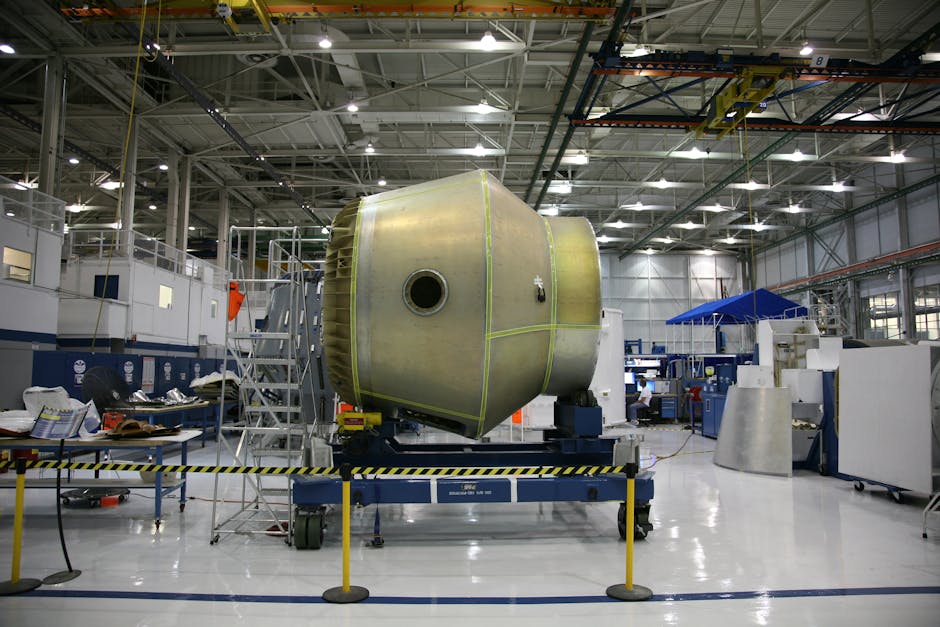
    Picture this: it’s early 2026, and a mid-sized automotive supplier in Ohio gets a call from a major OEM — they need 50,000 customized intake manifold components delivered within six weeks. Five years ago, that call would’ve meant spinning up expensive tooling, booking injection mold time, and probably missing the deadline anyway. But today? The supplier’s production floor hums with a row of industrial-grade metal 3D printers, and the answer is a cautious but genuine “We can do this.”

    Additive manufacturing (AM) — the family of technologies most of us loosely call “3D printing” — has been almost ready for automotive mass production for what feels like a decade. But 2026 is shaping up to be the year the conversation shifts from “promising pilot programs” to “scaled, economically viable reality.” Let’s dig into whether that shift is real, what the data actually says, and what it means for the broader industry.
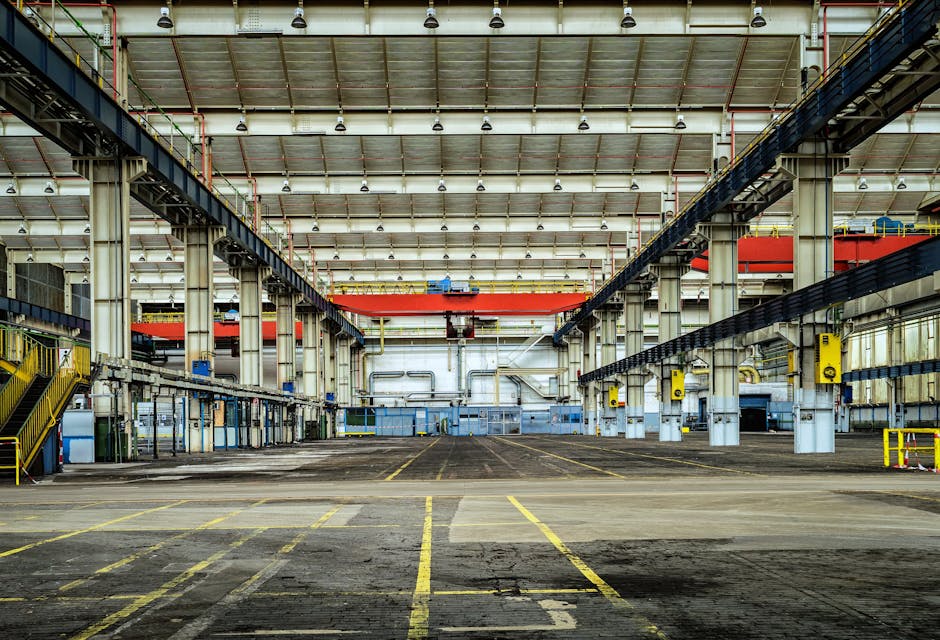
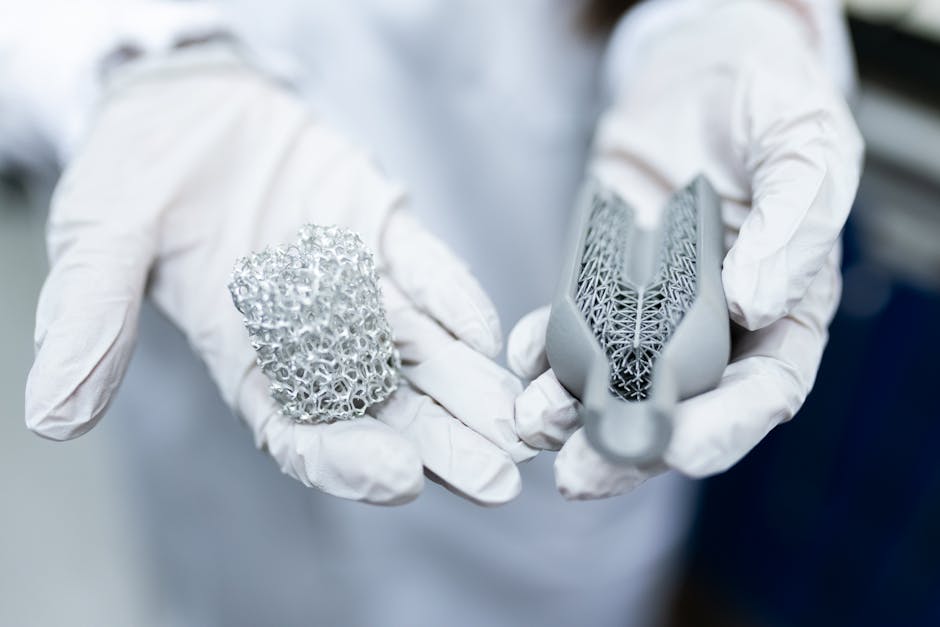
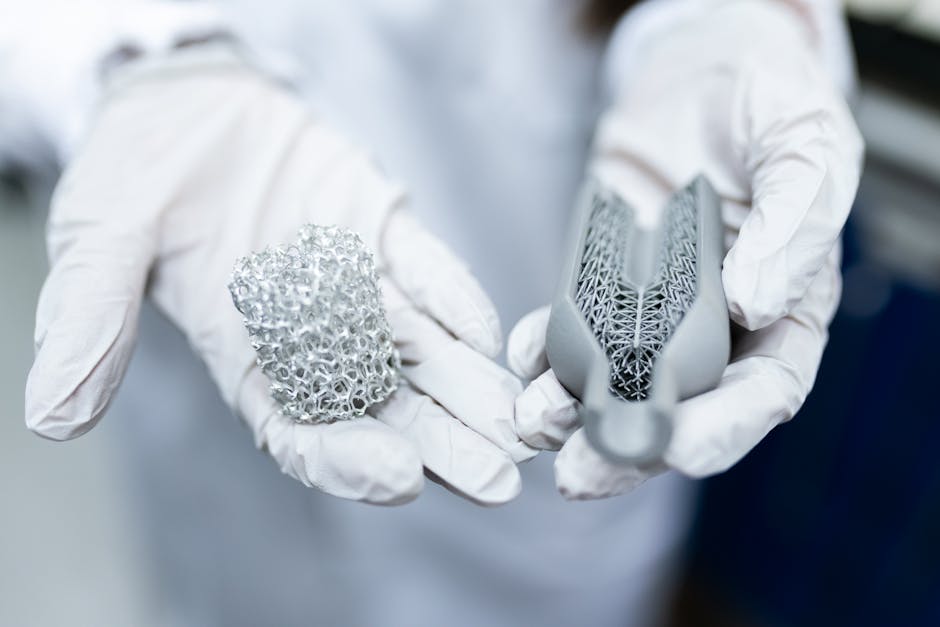
    industrial metal 3D printing automotive factory floor production line

    What Does “Mass Production” Even Mean in This Context?

    Before we get into numbers, it’s worth untangling a semantic knot. In traditional manufacturing, “mass production” typically implies high volumes (think 100,000+ units annually), tight tolerances, consistent repeatability, and cost-per-part that scales down with volume. Additive manufacturing flips at least two of those assumptions on their head.

    AM has historically excelled at low-volume, high-complexity production — think F1 racing components, aerospace brackets, or medical implants. The cost curve for AM doesn’t drop as dramatically with volume as injection molding or die casting does. So when we ask “can AM mass-produce car parts,” we’re really asking: has the technology matured enough to compete on cost and throughput at automotive volumes?

    Increasingly, the honest answer is: it depends on the part — and 2026 is redefining which parts qualify.

    Where the Data Stands in 2026

    According to the Wohlers Report 2026 projections and market analyses from IDTechEx, the global additive manufacturing market for automotive applications is expected to surpass $4.2 billion in 2026, up from roughly $2.7 billion in 2023. More telling than market size, though, is where that money is going: roughly 62% of automotive AM spending now targets functional end-use parts, not just prototypes. That ratio was essentially flipped just four years ago.

    Key performance benchmarks that have shifted the calculus:

    • Print speeds: Multi-laser powder bed fusion (PBF) systems from companies like EOS and Trumpf now achieve build rates 4–6x faster than single-laser predecessors, narrowing the throughput gap with conventional processes for medium-complexity parts.
    • Material costs: Aluminum alloy powders suitable for automotive AM have dropped roughly 30–35% in cost since 2022, partly due to supply chain maturation and partly due to increased domestic production in the US and EU following reshoring incentives.
    • Post-processing automation: This was the dirty secret of AM economics — manual post-processing often doubled the cost per part. Automated depowdering, heat treatment integration, and CNC finishing cells are now standard in production-ready AM cells.
    • Defect rates: In-situ process monitoring using machine learning (ML-assisted melt pool analysis) has driven first-pass yield rates above 98% for certified automotive alloys in leading facilities — comparable to casting for many geometries.
    • Cost crossover point: Industry analysts now estimate AM becomes cost-competitive with die casting for aluminum parts in batch sizes under approximately 10,000–15,000 units annually, depending on part complexity. A year ago, that threshold was closer to 5,000 units.

    Real-World Examples: Who’s Actually Doing It?

    Theory is nice, but let’s look at who’s actually writing purchase orders.

    BMW Group (Germany/International): BMW’s Additive Manufacturing Campus in Munich — operational since 2020 but significantly expanded through 2025 — now produces over 300,000 AM components annually across its vehicle lineup. Notably, the company confirmed in late 2025 that it produces structural nodes for the Neue Klasse EV platform using binder jetting of aluminum, achieving cycle times that were unthinkable for AM just three years prior. BMW has been remarkably transparent about the economics, citing a 20% cost advantage over conventional casting for these specific, topology-optimized components.

    General Motors / Divergent Technologies (USA): The partnership between GM’s innovation arm and Divergent Technologies (whose “Divergent Adaptive Production System” or DAPS platform uses AM to produce structural chassis nodes) moved beyond concept vehicles in 2025. As of early 2026, DAPS-produced nodes are being integrated into a limited production sports vehicle program, with the explicit goal of validating the supply chain for higher-volume application by 2027–2028. The economic argument here hinges on tooling elimination — Divergent claims savings of $5–$10 million per vehicle program in avoided tooling costs alone.

    Hyundai / MOBIS (South Korea): Hyundai’s parts subsidiary MOBIS launched an AM-based spare parts production initiative in 2024 that has quietly become one of the more interesting mass-production arguments. Rather than producing parts at launch volume, they’re using AM to maintain production of legacy vehicle components that would otherwise require expensive tooling re-investment. By mid-2026, the program covers over 800 unique part numbers — a form of mass production that’s about breadth rather than depth per part.

    Local Motors / Relativity-inspired micro-factories (USA/EU): While Local Motors itself wound down, its conceptual legacy lives on in a wave of micro-factory startups applying AM to niche vehicle production. Italian EV startup XEV (famous for the YOYO city vehicle) now produces approximately 85% of non-safety-critical exterior and interior components via FDM and SLA processes, keeping production in-house for runs of 2,000–5,000 units per year. Not mass production in the traditional sense, but a completely viable business model.
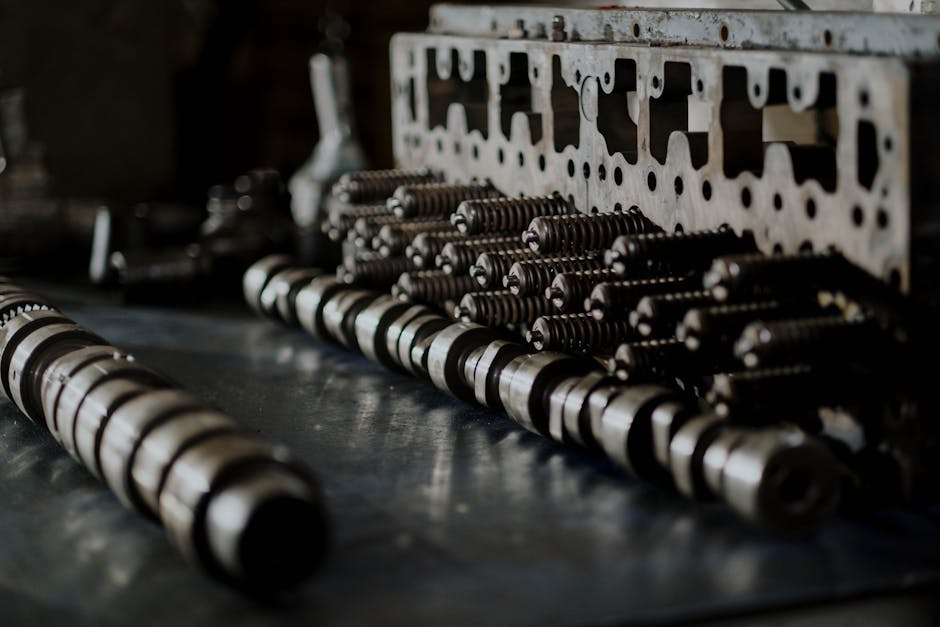
    additive manufacturing automotive parts BMW topology optimized aluminum component

    The Parts That Work — and the Parts That Don’t (Yet)

    Being realistic here matters. AM is not a universal replacement for conventional manufacturing. Here’s how the landscape breaks down in 2026:

    Strong fit for AM production today:

    • Topology-optimized structural brackets and nodes (weight savings of 20–40% over conventional designs justify AM’s per-part premium)
    • Complex cooling channel components (EV battery thermal management systems are a major growth area)
    • Low-volume specialty or performance variants within a vehicle lineup
    • Spare parts for legacy or discontinued vehicles (on-demand production eliminates warehousing costs)
    • Customized interior trim and ergonomic components for commercial/fleet vehicles
    • Consolidated assemblies — parts that combine 5–10 conventional components into one AM part, simplifying supply chains

    Still challenging for AM at volume:

    • High-volume commodity parts (fasteners, simple brackets) where stamping or casting cost curves are simply too favorable
    • Large, thin-walled body panels (size constraints and surface finish requirements remain problematic)
    • Powertrain components requiring the absolute tightest tolerances without post-machining
    • Parts with extreme fatigue requirements where AM material properties haven’t yet achieved casting equivalence at scale

    The Honest Alternatives: A Hybrid Strategy

    Here’s where I want to offer something more than a tech cheerleading session. For automotive manufacturers thinking about AM adoption right now, the most realistic and financially defensible path isn’t AM-or-nothing — it’s a deliberate hybrid strategy.

    Consider approaching it in three tiers:

    Tier 1 — Immediate opportunity (2026 action): Audit your current parts portfolio for complexity-plus-low-volume candidates. Parts produced in annual volumes under 10,000 units with complex geometries are your immediate AM candidates. Calculate not just part cost but total supply chain cost including tooling amortization, inventory, and logistics. AM often wins when you run that full calculation.

    Tier 2 — Medium-term investment (2027–2028): For medium-volume parts (10,000–50,000 units/year), invest in hybrid processes — combining AM for near-net-shape production with automated CNC finishing. This captures AM’s design freedom while hitting the surface finish and tolerance requirements of conventional processes.

    Tier 3 — Monitor and pilot (2028+): High-volume, high-simplicity parts aren’t there yet economically. But binder jetting and continuous liquid interface production (CLIP) technologies are scaling faster than most analysts predicted. Pilot programs now with 2029–2030 production targets are prudent rather than speculative.

    The suppliers and OEMs who will win the next decade aren’t necessarily the ones betting the most on AM — they’re the ones making the most precise bets on which parts, which volumes, and which timelines actually make sense.

    Editor’s Comment : What genuinely excites me about additive manufacturing in 2026 isn’t any single breakthrough — it’s the quiet, unglamorous maturation of the entire ecosystem around it. Faster machines matter, but so does cheaper powder, better in-process monitoring software, and automated post-processing cells. It’s the combination that’s finally making the economics work. If you’re in the automotive supply chain and you haven’t run a serious AM feasibility study in the last 18 months, you’re probably overdue — the numbers have shifted more than most people realize, and the gap between pilot projects and production intent is narrowing faster than the headline news suggests.

    태그: [‘additive manufacturing automotive’, ‘3D printing car parts mass production’, ‘automotive supply chain 2026’, ‘metal 3D printing production’, ‘AM technology automotive industry’, ‘powder bed fusion automotive’, ‘EV component manufacturing’]

    📚 관련된 다른 글도 읽어 보세요

  • 적층 제조(3D 프린팅)로 자동차 부품 대량생산이 가능할까? 2026년 현황과 현실적 전망

    얼마 전, 한 자동차 엔지니어링 컨퍼런스에서 흥미로운 장면이 연출됐다고 합니다. 한 발표자가 무대에 올라 손바닥만 한 금속 부품 하나를 꺼내 들었는데, 그게 바로 3D 프린터로 출력한 터보차저 하우징이었던 거예요. 청중 반응은 둘로 갈렸다고 해요. “드디어 왔구나”라는 탄성과 “그게 진짜 양산에 쓰일 수 있겠어?”라는 냉소. 이 두 반응이 사실 적층 제조(Additive Manufacturing, AM) 기술이 자동차 산업 앞에 서 있는 지점을 정확하게 보여주는 것 같습니다.

    2026년 현재, 적층 제조 기술은 단순한 프로토타입 제작 도구에서 벗어나 실제 양산 라인에 조금씩 발을 들이고 있어요. 그런데 과연 대량생산이 ‘진짜로’ 가능한 수준인지, 아니면 아직 이상에 가까운 이야기인지, 함께 차근차근 따져보겠습니다.

    automotive 3D printing metal additive manufacturing factory

    📊 숫자로 보는 적층 제조 자동차 시장 – 2026년 현황

    글로벌 시장조사 기관들의 최근 데이터를 종합해 보면, 2026년 자동차 분야 적층 제조 시장 규모는 약 110억~130억 달러 수준으로 추정되고 있어요. 2020년만 해도 30억 달러 안팎이었다는 점을 감안하면, 불과 6년 사이에 3~4배 이상 성장한 셈입니다.

    특히 주목할 만한 수치는 이거예요. 자동차 OEM(완성차 제조사) 중 적층 제조를 ‘양산 공정의 일부’로 공식 채택한 비율이 2022년 약 18%에서 2026년 현재 45% 안팎으로 올라섰다는 점입니다. 절반에 가까운 완성차 메이커들이 어떤 형태로든 AM을 양산 프로세스에 넣고 있다는 이야기죠.

    다만 여기서 ‘양산 공정의 일부’라는 표현에 주목해야 해요. 전체 차량의 모든 부품을 AM으로 만드는 것이 아니라, 특정 복잡 형상 부품, 저량 생산 부품, 혹은 내부 구조 경량화가 필요한 부품에 한정해 적용하는 경우가 대부분이라는 거예요.

    • 생산 속도 문제: 현재 금속 적층 제조(LPBF, DED 방식 기준)의 평균 빌드 속도는 약 20~100cm³/h 수준이에요. 사출 성형이나 다이캐스팅과 비교하면 여전히 10배 이상 느린 편입니다.
    • 원가 구조: 금속 분말 소재 단가는 일반 알루미늄 다이캐스팅 대비 약 5~15배 비싸요. 하지만 후가공 공정 축소, 툴링 비용 제거를 감안하면 연간 1만 개 미만의 소량 생산 부품에서는 이미 원가 역전이 가능한 것으로 보입니다.
    • 소재 다양성: 2026년 기준 양산에 활용 가능한 적층 제조용 인증 소재는 알루미늄 합금, 티타늄, 스테인리스강, 고강도 폴리머 계열 등 포함 약 200여 종 이상으로 확대됐어요.
    • 품질 인증: ISO/ASTM 52900 시리즈 기반의 AM 품질 표준이 완성차 1차 협력사(Tier 1) 수준에서 폭넓게 적용되기 시작했고, 일부 안전 부품에 대한 규제 당국의 인증 사례도 늘고 있어요.

    🌍 국내외 실제 사례 – 이미 도로 위에 있는 AM 부품들

    해외 사례부터 살펴보면, 독일 폭스바겐 그룹은 2025년부터 자사의 일부 고성능 모델(포르쉐 포함)에 적층 제조 방식으로 생산한 피스톤 부품을 적용하기 시작했어요. 기존 단조 피스톤 대비 무게를 약 10% 줄이면서도 열변형에 강한 내부 냉각 채널을 구현했다는 점이 핵심이라고 합니다. 이런 내부 구조는 절삭 가공으로는 물리적으로 만들 수 없는 형태예요.

    미국의 경우 Ford는 자사 트럭 라인업의 일부 브래킷·마운트류 부품을 AM으로 전환하면서 연간 약 30만 개 이상의 부품을 적층 방식으로 공급받는 계획을 가동 중인 것으로 알려져 있습니다. 여기서 주목할 점은 단순 형상 부품이 아니라 위상 최적화(Topology Optimization) 설계를 적용해 재료 사용량을 최소화한 경량 구조 부품이라는 거예요.

    lightweight car component topology optimization 3D printed metal bracket

    국내 상황은 어떨까요? 현대자동차그룹은 2024~2025년부터 AM 기반 부품 내재화 전략을 본격화하고 있어요. 특히 현대모비스를 중심으로 EV 플랫폼용 냉각 시스템 부품, 배터리 마운팅 브래킷 등에 대한 AM 양산 적용 타당성 검토가 진행 중인 것으로 파악됩니다. 또한 국내 AM 전문기업인 인스텍(InssTek)이나 카이디어(CAIDIER) 같은 업체들이 완성차 1~2차 협력사 위치에서 기술력을 키워가고 있다는 점도 고무적이에요.

    다만 솔직히 말하면, 국내 완성차 양산 라인에서 AM이 차지하는 비중은 아직 글로벌 평균에 비해 낮은 편이에요. 설비 투자 비용, 검증 인프라 부족, 설계 엔지니어의 AM 특화 설계 역량 등이 병목 지점으로 지목되고 있습니다.

    🔍 대량생산의 핵심 장벽 – 왜 아직 ‘부분적’인가?

    적층 제조가 자동차 부품 대량생산의 주류가 되지 못하는 이유를 좀 더 구조적으로 짚어볼 필요가 있어요. 단순히 “느리고 비싸서”라고 정리하기엔 좀 더 복합적인 요인들이 얽혀 있거든요.

    • DfAM(Design for Additive Manufacturing) 문화 부재: AM의 진가는 기존에는 불가능했던 형상을 구현할 때 나옵니다. 그런데 많은 현장에서 기존 부품을 그냥 AM으로 ‘복사’하는 방식을 택해요. 이러면 비용만 올라가고 장점은 사라지죠.
    • 후처리 공정의 복잡성: 금속 AM 부품은 출력 후 열처리, 서포트 제거, 표면 연마, 치수 검사 등 다양한 후처리 공정이 필요해요. 이 과정이 자동화되지 않으면 결국 총 리드타임이 줄지 않습니다.
    • 품질 재현성(Repeatability) 문제: 동일한 장비, 동일한 파라미터로 출력해도 배치(batch)마다 미세한 기공이나 잔류 응력 분포가 달라질 수 있어요. 안전 규제가 엄격한 자동차 부품에서 이 부분은 여전히 큰 도전입니다.
    • 규모의 경제 임계점: 연간 수십만~수백만 개가 필요한 대중차 부품은 아직 다이캐스팅이나 사출 성형이 압도적으로 유리해요. AM이 원가 경쟁력을 갖추는 건 고부가가치 소량 부품이나 단종 모델의 레거시 부품 영역에서입니다.

    💡 그럼에도 기대되는 이유 – 미래 시나리오

    그렇다고 비관적으로만 볼 필요는 없어요. 몇 가지 기술적 흐름이 교차하면서 2026년 이후 AM 대량생산 가능성이 의미 있게 높아지고 있거든요.

    첫째, 바인더 젯팅(Binder Jetting) 방식의 급부상이에요. 기존 레이저 기반 AM 대비 5~10배 빠른 출력 속도를 자랑하는 이 방식은 특히 소형 금속 부품의 대량생산에 적합해요. Desktop Metal, GE Additive 등이 이 기술을 중심으로 자동차 시장을 공략 중입니다.

    둘째, AI 기반 공정 모니터링의 발전이에요. 출력 중 레이어별 품질을 실시간으로 감지하고 파라미터를 자동 보정하는 시스템이 상용화되면서 재현성 문제가 상당히 개선되고 있습니다.

    셋째, EV 전환이 가져온 부품 구조의 단순화예요. 내연기관 대비 부품 수가 적은 전기차 플랫폼은 AM이 공략하기 훨씬 용이한 구조예요. 냉각 플레이트, 배터리 케이스 일체형 구조물 등이 대표적인 AM 적용 후보들입니다.

    에디터 코멘트 : 적층 제조가 자동차 부품 전체를 대체하는 날은 아직 멀었지만, ‘특정 부품에서는 이미 대량생산이 현실’이라는 표현은 2026년 기준으로 충분히 맞는 말인 것 같습니다. 결국 핵심은 ‘어느 부품에, 어떤 방식으로 AM을 쓸 것인가’를 정교하게 설계하는 역량이라고 봐요. 모든 걸 AM으로 만들려는 시도보다, AM이 가장 빛나는 영역을 찾아 집중하는 전략이 훨씬 현실적이고 지속 가능한 접근인 것 같습니다. 이제 막 전환점에 서 있는 이 기술이 어떻게 발전해 나가는지, 꽤 흥미롭게 지켜볼 만한 시점이에요.

    태그: [‘적층제조’, ‘3D프린팅자동차’, ‘자동차부품대량생산’, ‘금속3D프린팅’, ‘AM기술2026’, ‘전기차부품제조’, ‘DfAM’]


    📚 관련된 다른 글도 읽어 보세요

  • Bioprinting Artificial Organs in 2026: The Latest Breakthroughs That Could Redefine Human Life

    Imagine waking up one morning to news that a surgeon in Seoul just transplanted a fully bioprinted kidney into a patient — and that kidney is now functioning on its own, powered by the patient’s own cells. Science fiction? Not anymore. As of early 2026, we’re closer to that reality than most people realize, and the pace of progress is genuinely breathtaking.

    I’ve been following the bioprinting space for years now, and I’ll be honest — even I had to do a double-take at some of the headlines rolling in this year. So let’s think through this together: what’s actually happening, what it means for real people, and where the road leads from here.

    bioprinting 3D organ laboratory scientist 2026

    🔬 Where Bioprinting Stands Right Now: The Data Tells a Powerful Story

    Bioprinting — the process of using 3D printing technology to deposit living cells (called bioinks) layer by layer into functional tissue structures — has been in development for roughly two decades. But 2026 is shaping up to be a genuine inflection point. Here’s why:

    • Market size explosion: The global bioprinted organ and tissue market is projected to surpass $4.2 billion USD in 2026, up from approximately $1.8 billion in 2023 — more than doubling in just three years.
    • Vascularization breakthrough: One of the longest-standing obstacles was getting printed tissue to develop functional blood vessel networks. In early 2026, research teams at MIT and the Wake Forest Institute for Regenerative Medicine published findings showing vascularized liver tissue sustaining cell viability for over 90 days in lab conditions — a record.
    • Resolution improvements: Next-generation bioprinters now achieve resolutions below 10 micrometers, meaning they can replicate capillary-level structures that were previously impossible to print accurately.
    • Bioink diversity: We now have bioinks derived from decellularized extracellular matrices (dECM), hydrogels, and even patient-specific induced pluripotent stem cells (iPSCs) — dramatically reducing rejection risk.

    🌍 Global Examples Making Waves in 2026

    Let’s ground this in real-world examples, because that’s where the excitement truly lives.

    South Korea — POSTECH’s Cardiac Patch Success: Researchers at Pohang University of Science and Technology (POSTECH) unveiled a bioprinted cardiac patch in January 2026 that successfully integrated with damaged heart tissue in animal models, restoring up to 73% of normal cardiac function. Clinical trials on human patients are expected to begin by Q3 2026. This is a massive deal for the millions of heart failure patients globally.

    United States — Organovo’s Liver Tissue FDA Fast-Track: San Diego-based Organovo, a pioneer in the space, received FDA Fast-Track designation in February 2026 for its bioprinted liver tissue designed for patients with acute liver failure. This doesn’t mean approval yet — but it means regulators are taking it seriously enough to accelerate the review process.

    Israel — CollPlant’s Plant-Based Bioink Innovation: CollPlant, an Israeli biotech, made headlines by scaling up production of its rhCollagen (recombinant human collagen) bioink derived from tobacco plants. In 2026, they signed a major supply agreement with a European hospital consortium, signaling that the materials side of bioprinting is maturing just as fast as the printing technology itself.

    China — Full Kidney Bioprinting Phase: A consortium of Chinese universities including Tsinghua and Zhejiang announced in March 2026 that they had successfully printed a structurally complete miniature kidney (approximately 30% the size of an adult kidney) that demonstrated filtration function in an isolated perfusion system. While not ready for transplant, it’s the most structurally complex organ bioprinted to date.

    3D bioprinted kidney organ transplant medical research

    ⚠️ The Honest Challenges We Still Need to Solve

    Here’s where I want to pump the brakes a little — not to dampen excitement, but because realistic thinking serves us better than hype. There are still some significant hurdles:

    • Innervation: Printing nerve networks into organs is still largely unsolved. A liver or kidney without proper neural integration won’t behave quite like the real thing.
    • Regulatory frameworks: Most countries don’t yet have clear legal pathways for bioprinted organ approval. The FDA’s framework is evolving, but Europe, Asia, and South America are at varying stages.
    • Cost accessibility: A patient-specific bioprinted organ currently costs anywhere from $200,000 to over $1 million USD in pilot programs. Insurance coverage is essentially nonexistent.
    • Printing time: Complex organs can take 24–72 hours to print, not including maturation time in bioreactors. For acute emergencies, this timeline is a serious constraint.
    • Long-term viability: We still don’t have long-term data (5–10 years) on how bioprinted organs perform inside the human body over time.

    🔄 Realistic Alternatives for People Waiting on This Technology

    If you or someone you love is on an organ transplant waiting list right now, it’s completely understandable to feel both hopeful and frustrated by these timelines. Here’s how I’d think about navigating this practically in 2026:

    • Xenotransplantation: Gene-edited pig organs (particularly kidneys and hearts) have progressed significantly. Several xenotransplant procedures have now extended patient survival beyond 12 months — worth discussing with your transplant team as a bridge option.
    • Clinical trial participation: Organizations like ClinicalTrials.gov (US) and the EU Clinical Trials Register list active bioprinting-related trials. Some accept patients at early stages and offer access to cutting-edge care.
    • Bioprinted tissue (not full organs): Bioprinted skin grafts, cartilage, and corneal tissue are already in clinical use. If your condition relates to these tissue types, these solutions are available today.
    • Living donor programs: While not a new idea, renewed public awareness campaigns in 2026 have significantly increased living donor registrations in several countries. Advocating for yourself or a loved one within existing networks remains the most immediately actionable path.
    • Medical tourism awareness: Some countries are advancing faster through regulatory processes. South Korea, Israel, and Singapore are worth monitoring — but always verify institutional credibility carefully.

    🚀 What the Next 5 Years Realistically Look Like

    By 2030, the consensus among biomedical engineers I follow is that we’ll see bioprinted tissue products widely in clinical use (skin, cartilage, corneas, small blood vessels), with the first approved partial organ constructs — think bioprinted kidney scaffolds or liver segments used alongside existing tissue — likely reaching patients in regulated markets. Full replacement organs at scale? Probably 2033–2038, optimistically. The science is moving fast, but biology doesn’t rush for anyone.

    The most exciting thing to me isn’t even the headline organs — it’s the drug testing revolution happening quietly in parallel. Bioprinted human liver and gut tissue is already replacing animal testing in pharmaceutical labs, meaning drugs get designed smarter and faster. That benefit is reaching people right now, invisibly.

    Editor’s Comment : Bioprinting in 2026 sits at that rare and exhilarating intersection of “undeniably real” and “not quite here yet.” The breakthroughs are genuine, the momentum is unmistakable — but the gap between a lab milestone and a hospital procedure is still measured in years and billions of dollars. My honest take? Stay informed, stay engaged with clinical opportunities, and don’t let either pure hype or pure skepticism define how you think about this field. The people working on this are solving one of humanity’s oldest problems: running out of parts. That’s worth following closely.

    태그: [‘bioprinting 2026’, ‘artificial organ manufacturing’, ‘3D bioprinted organs’, ‘organ transplant technology’, ‘regenerative medicine 2026’, ‘bioink technology’, ‘future of medicine’]


    📚 관련된 다른 글도 읽어 보세요

  • 바이오 프린팅 인공장기 제조 2026년 최신 동향 — 이제 진짜 장기를 ‘프린트’하는 시대가 오고 있습니다

    바이오 프린팅 인공장기 제조 2026년 최신 동향 — 이제 진짜 장기를 ‘프린트’하는 시대가 오고 있습니다

    몇 년 전, 신장 이식을 기다리다 세상을 떠난 지인 이야기를 들은 적이 있어요. 국내 장기 이식 대기자만 수만 명에 달하고, 평균 대기 기간은 수년을 훌쩍 넘는다고 하죠. 그 이야기를 들었을 때 ‘왜 아직도 공급이 이렇게 부족할까’라는 의문이 생겼는데, 2026년 현재 그 해답의 실마리가 조금씩 현실로 다가오고 있는 것 같습니다. 바로 바이오 프린팅(Bioprinting), 즉 살아있는 세포를 ‘잉크’처럼 사용해 인체 조직과 장기를 3D로 출력하는 기술 덕분입니다.

    bioprinting 3D organ printing laboratory technology 2026

    📊 본론 1 — 숫자로 보는 바이오 프린팅 시장의 현주소

    2026년 글로벌 바이오프린팅 시장 규모는 약 38억~42억 달러(한화 약 5조 원) 수준으로 추산되고 있어요. 2020년 기준 약 10억 달러 수준이었다는 점을 감안하면, 불과 6년 만에 시장이 4배 가까이 성장한 셈입니다. 연평균 성장률(CAGR)은 약 20~23% 수준으로 유지되고 있는데, 이는 반도체나 AI 시장 못지않은 폭발적인 성장세라고 볼 수 있어요.

    특히 주목할 만한 수치는 임상 적용 단계에 진입한 기술의 비율입니다. 2023년까지만 해도 바이오프린팅 기술의 대부분이 전임상(동물 실험) 단계에 머물렀지만, 2026년 현재는 피부 조직, 연골, 각막 등 일부 단순 조직 분야에서 임상 2~3상 단계에 돌입한 사례가 다수 보고되고 있습니다. 완전한 복합 장기(심장, 신장 등)는 아직 갈 길이 멀지만, ‘조직 수준’에서의 임상 적용은 이미 현실화 단계에 가까워졌다고 봅니다.

    • 🌐 글로벌 시장 규모(2026년 기준): 약 38~42억 달러 추산
    • 📈 연평균 성장률(CAGR): 약 20~23%
    • 🧬 주요 적용 분야: 피부 재생, 연골 조직, 각막, 심장 패치, 신장 조직
    • 🏥 임상 진입 단계: 피부·각막 등 단순 조직은 임상 2~3상 진행 중
    • 완전 복합 장기 실용화 예상 시점: 전문가 컨센서스 기준 2035~2040년대

    🌍 본론 2 — 국내외 최신 연구 및 기업 동향

    ▶ 해외 동향

    미국의 바이오테크 기업 Organovo는 오랜 기간 간(肝) 조직 프린팅 분야를 선도해왔는데, 2026년 들어 신약 독성 테스트용 ‘미니 간 조직(Mini Liver Tissue)’ 상용화에 한 발 더 다가선 것으로 전해지고 있어요. 제약사 입장에서는 인체와 유사한 조직으로 신약을 테스트할 수 있으니, 동물 실험을 줄이고 임상 실패율도 낮출 수 있다는 점에서 상업적 수요가 매우 높습니다.

    이스라엘 텔아비브 대학교 연구팀은 2019년 세계 최초로 환자 자신의 세포를 활용해 소형 심장을 프린팅하는 데 성공해 전 세계를 놀라게 했죠. 2026년 현재 해당 연구팀은 혈관 네트워크 구현 정밀도를 크게 높여 박동 기능을 더 오래 유지할 수 있는 ‘제2세대 바이오프린팅 심장 조직’ 프로토타입을 공개한 것으로 알려져 있어요.

    중국 역시 이 분야에서 무시할 수 없는 행보를 보이고 있습니다. 칭화대학교와 항저우 기반 바이오테크 스타트업들이 협력해 각막 바이오프린팅 분야에서 사실상 세계 최고 수준의 연구 성과를 내고 있으며, 일부 임상 적용 사례도 보고되고 있는 상황입니다.

    ▶ 국내 동향

    국내에서는 포스텍(POSTECH), 연세대학교, KAIST 등 주요 연구기관이 바이오잉크(Bio-ink) 소재 개발과 프린팅 정밀도 향상 연구를 활발히 진행 중입니다. 특히 국내 스타트업 T&R Biofab은 줄기세포 기반 바이오잉크와 복합 조직 구조물 프린팅 기술로 국제 특허를 다수 보유하고 있으며, 해외 제약사와의 기술 협력도 이어지고 있는 것으로 알려져 있어요.

    정부 차원에서도 보건복지부와 과학기술정보통신부가 ‘재생의료 기술개발 종합계획’의 일환으로 바이오프린팅 연구에 대한 지원을 확대하고 있습니다. 2026년 기준 관련 R&D 예산이 전년 대비 약 30% 이상 증가한 것으로 파악되고 있어, 산학연 협력의 모멘텀이 점점 커지고 있다고 봅니다.

    bioink stem cell 3D printed tissue korea research lab

    🔬 바이오프린팅, 어떻게 작동하는 걸까요?

    바이오프린팅의 핵심은 바이오잉크(Bio-ink)라는 소재입니다. 일반 3D 프린터가 플라스틱이나 금속 분말을 재료로 쓰는 것처럼, 바이오프린터는 살아있는 세포와 하이드로젤(Hydrogel) 등 생체 적합성 지지체를 혼합한 바이오잉크를 사용해요. 이 잉크를 층층이 쌓아 올리면서 원하는 형태의 조직 구조를 만들어 내는 방식이죠.

    가장 큰 기술적 난제는 혈관화(Vascularization)입니다. 아무리 정교하게 세포를 쌓아도, 그 안에 혈액이 흐를 수 있는 미세혈관 네트워크가 없으면 내부 세포들이 산소와 영양분을 공급받지 못해 괴사하게 됩니다. 2026년 현재, 이 혈관화 문제를 해결하기 위해 희생형 잉크(Sacrificial Ink) 기법, 레이저 보조 바이오프린팅(LAB), 마이크로유체칩(Organ-on-a-Chip)과의 융합 등 다양한 접근법이 동시에 연구되고 있습니다.

    • 💉 재료 압출 방식(Extrusion): 가장 보편적, 비교적 저렴하지만 해상도 한계 존재
    • 🔆 레이저 보조 방식(LAB): 고정밀, 세포 생존율 높음, 비용이 높은 편
    • 🖨️ 잉크젯 방식(Inkjet): 속도 빠름, 낮은 점도 소재에 적합
    • ⚗️ 광경화 방식(SLA/DLP): 초정밀 구조 구현 가능, 생체 적합성 소재 개발이 관건

    ⚠️ 현실적인 한계와 윤리적 쟁점도 짚어봐야 해요

    물론 아직 넘어야 할 산이 많습니다. 기술적 측면에서는 앞서 언급한 혈관화 문제 외에도, 프린팅된 조직이 체내에 이식됐을 때 면역 거부 반응을 어떻게 최소화할 것인가도 여전히 중요한 과제예요. 환자 본인의 세포를 활용하면 거부 반응을 줄일 수 있지만, 그 경우 제작 비용과 시간이 대폭 증가하는 딜레마가 생깁니다.

    윤리적 측면도 빼놓을 수 없어요. 인공 장기를 누가 먼저 받을 수 있는지에 대한 의료 자원 배분의 형평성 문제, 인체 조직 및 세포 데이터의 개인정보 보호 문제, 그리고 궁극적으로 완전한 인공 인간 장기를 만들어도 되는가에 대한 생명윤리 논쟁까지, 사회적 합의가 필요한 지점들이 산적해 있습니다.


    에디터 코멘트 : 바이오프린팅 인공장기 기술은 ‘공상과학 영화 속 이야기’에서 ‘임상 적용을 논의하는 현실’로 빠르게 이동하고 있는 것 같아요. 아직 심장이나 신장 같은 복잡한 장기를 통째로 프린팅해 이식하는 건 2026년 현재 기술 수준에서는 무리지만, 피부·연골·각막 등 단순 조직에서는 이미 임상의 문을 두드리고 있습니다. 만약 이 분야에 관심 있으신 분이라면, 단순히 ‘완성된 인공 심장’이라는 먼 미래를 기다리기보다는, 신약 개발 플랫폼, 개인 맞춤형 조직 이식, 희귀질환 치료 분야에서 먼저 실질적인 혜택이 나타날 가능성이 높다는 점을 주목해 보시면 좋겠습니다. 기술의 발전 속도만큼, 이를 둘러싼 윤리·제도적 논의도 함께 성숙해지길 바라봅니다.

    태그: [‘바이오프린팅’, ‘인공장기’, ‘3D바이오프린팅’, ‘재생의료’, ‘바이오테크2026’, ‘장기이식기술’, ‘바이오잉크’]


    📚 관련된 다른 글도 읽어 보세요

  • Metal Additive Manufacturing in 2026: Real-World Industry Applications That Are Reshaping How We Build Everything

    A few years ago, I visited a small aerospace components workshop in Toulouse, France. The engineer there showed me a titanium bracket — intricate, latticed, almost organic-looking — that had been printed overnight. He told me it would have taken six weeks to machine traditionally. That moment stuck with me. Fast forward to 2026, and what was once a niche curiosity is now a cornerstone of industrial production across the globe. Metal additive manufacturing (metal AM) isn’t just a buzzword anymore — it’s the backbone of how some of the world’s most demanding industries are solving their toughest engineering challenges.

    So let’s think through this together: what’s actually happening out there, who’s using it, and — critically — what does this mean for you, whether you’re an engineer, a business owner, or simply someone fascinated by how things are made?

    metal additive manufacturing industrial 3D printing titanium aerospace components 2026

    The Numbers Don’t Lie: Where the Metal AM Market Stands in 2026

    The global metal additive manufacturing market was valued at approximately $8.4 billion in 2026, with compound annual growth rates hovering around 20–22% over the past three years. That’s not slow, steady growth — that’s acceleration. According to data from MarketsandMarkets and Wohlers Associates’ 2026 report, the aerospace and defense sector accounts for the largest share at around 28%, followed by medical devices at 22%, and automotive at 18%.

    What’s driving this? A few interconnected forces:

    • Material maturity: By 2026, the range of printable metals has expanded dramatically — Inconel, titanium alloys (Ti-6Al-4V), stainless steel, copper, and even refractory metals like tungsten are now commercially printable with high repeatability.
    • Speed improvements: Newer systems using laser powder bed fusion (LPBF) and directed energy deposition (DED) have cut build times by 40–60% compared to 2021 benchmarks.
    • Regulatory maturation: The FDA, FAA, and EU aerospace bodies have finalized clearer certification pathways for AM-produced components, removing a major bottleneck for industries like medical implants and flight-critical parts.
    • Sustainability pressure: Metal AM typically generates 60–80% less material waste compared to subtractive machining — a compelling argument in an era of tightening ESG requirements.
    • Cost curve shifts: Industrial metal printers that cost $1.5M in 2020 now have comparable capability machines at $400K–600K, putting the technology within reach of mid-tier manufacturers.

    Aerospace & Defense: The Pioneer That’s Still Leading

    It’s almost impossible to talk about metal AM without starting in aerospace. GE Aerospace (formerly GE Aviation) has been producing its LEAP engine fuel nozzles via LPBF for years, but in 2026, the story has evolved significantly. Their new CFM RISE engine program incorporates over 100 additively manufactured metal components, a figure that would have seemed ambitious just five years ago. The benefit? A single consolidated AM part can replace an assembly of 20+ traditionally machined pieces, reducing weight and potential failure points simultaneously.

    Airbus, through its subsidiary Materialise collaboration, has now certified metal AM structural brackets for in-service A320neo aircraft. These aren’t prototype parts — they’re flying every day. Meanwhile, on the defense side, Lockheed Martin and Raytheon have both publicly disclosed using metal AM for rapid prototyping of hypersonic vehicle components, where the extreme thermal tolerances of materials like C/SiC and refractory metal alloys make traditional manufacturing nearly impossible.

    Medical Devices: Personalization at Scale

    Here’s where things get genuinely exciting from a human impact perspective. The medical device industry in 2026 is leveraging metal AM to do something that was essentially science fiction a decade ago: patient-specific implants produced in 24–48 hours.

    Stryker and Zimmer Biomet both now offer orthopedic implants — hip cups, spinal cages, and knee components — with lattice-structured surfaces printed in titanium. These lattice structures mimic the porosity of natural bone, encouraging osseointegration (the process where bone grows into the implant). Clinical studies published in the Journal of Orthopaedic Research in early 2026 showed osseointegration rates 30% higher in lattice-structured AM implants compared to traditional plasma-sprayed surfaces.

    South Korea’s Medyssey and T&R Biofab have been particularly notable in the Asia-Pacific region, developing patient-customized craniofacial reconstruction implants using LPBF-printed titanium that are now in routine clinical use across major university hospitals in Seoul, Singapore, and Tokyo.

    titanium 3D printed medical implant lattice structure orthopedic bone integration 2026

    Automotive: From Racing Tracks to Factory Floors

    Formula 1 teams have used metal AM for years, but 2026 marks a real inflection point for mass-market automotive applications. BMW Group’s Landshut plant in Germany now uses binder jetting technology (specifically Desktop Metal’s Production System architecture) to produce aluminum hydraulic fittings and bracket components at near-injection-molding cycle times — but without the $200K+ tooling investment. This makes small-to-medium production runs economically viable for the first time.

    In the EV space, thermal management has become a key battlefield. Companies like Divergent Technologies (Los Angeles) are building entire EV chassis nodes using metal AM, reducing vehicle weight by up to 40% on specific structural assemblies. Their approach — essentially treating the car’s structure as an optimizable topology problem — only becomes possible through additive manufacturing.

    Hyundai Motor Group has partnered with its subsidiary HD Hyundai on metal AM applications for robotics and heavy equipment, using wire arc additive manufacturing (WAAM) to produce large structural components for construction machinery — parts that previously required forging dies costing millions of dollars.

    Energy Sector: The Quiet Disruptor

    Oil & gas and renewable energy sectors aren’t as glamorous as aerospace, but they represent one of the fastest-growing application areas for metal AM in 2026. The logic is straightforward: energy infrastructure involves highly custom, low-volume, high-value components that are exactly what metal AM excels at.

    Siemens Energy has been printing gas turbine burner tips and heat exchanger components since 2020, but their 2026 milestone involves full-scale hydrogen combustion turbine components printed in nickel superalloys. These parts must withstand combustion temperatures exceeding 1,400°C — tolerances that require both the material sophistication and geometric precision that only AM can reliably deliver.

    In the nuclear energy renaissance of the mid-2020s, several small modular reactor (SMR) developers — including NuScale and TerraPower — have incorporated metal AM into their supply chains specifically for reactor pressure vessel components, where lead times from traditional forging routes can stretch to 4–7 years.

    What Should You Actually Do With This Information?

    Here’s where I want to be realistic rather than just enthusiastic, because not every situation calls for metal AM — and recognizing that is half the battle.

    When metal AM makes strong sense:

    • You need geometric complexity that subtractive machining can’t achieve (internal cooling channels, organic structures)
    • Your production volumes are low-to-medium (typically under 10,000 units per year for most applications)
    • Material waste from machining is a significant cost or sustainability concern
    • Speed-to-first-part is critical (prototype validation, emergency replacement parts)
    • Personalization or patient-specific customization is required

    Realistic alternatives when metal AM isn’t the right fit:

    • High-volume simple geometries: Investment casting or CNC machining remains more cost-effective for parts above ~50,000 units/year with straightforward designs.
    • Very large structural components: WAAM (Wire Arc Additive Manufacturing) is improving but for truly massive forgings, traditional hot forging still dominates on cost.
    • Tight-budget prototyping: Polymer AM (standard FDM or SLA) with metal-like properties for fit-check prototypes can defer metal AM costs until design is finalized.
    • Hybrid approach: Many manufacturers in 2026 are finding the sweet spot by using metal AM for the complex nodes and interfaces, then joining conventionally machined tubes or plates to them — getting the best of both worlds.

    The honest truth is that metal AM is not a universal solution — it’s a precision tool. The most successful adopters in 2026 are those who’ve taken time to map their part portfolio against AM’s genuine strengths, rather than printing everything just because they can.

    The technology has matured enough that the question is no longer “can we print this?” — it’s “should we print this, and what value does it unlock if we do?” That’s a much more interesting conversation, and frankly, a more profitable one.

    Whether you’re a startup exploring contract manufacturing, an engineer evaluating your supply chain resilience, or a curious reader trying to understand where modern manufacturing is headed — the metal AM story in 2026 is one worth following closely. The parts being made today would have seemed impossible a decade ago. The ones being designed right now for 2028 and beyond? That’s where things get really interesting.

    Editor’s Comment : What strikes me most about metal additive manufacturing’s trajectory in 2026 isn’t the technology itself — it’s the shift in mindset it demands. Designers are finally being freed from “design for manufacturability” constraints that have shaped engineering for a century. But with that freedom comes responsibility: the engineers and companies who will win aren’t those chasing novelty, they’re the ones asking the smarter question — “what problem does this actually solve better than anything else?” Start there, and the technology takes care of the rest.

    태그: [‘metal additive manufacturing 2026’, ‘industrial 3D printing applications’, ‘aerospace metal AM’, ‘medical implants additive manufacturing’, ‘LPBF technology’, ‘manufacturing innovation 2026’, ‘metal 3D printing industry’]


    📚 관련된 다른 글도 읽어 보세요

  • 금속 적층 제조(Metal AM) 2026 산업 적용 사례 총정리 — 항공우주부터 의료까지

    얼마 전 한 항공우주 엔지니어와 나눈 대화가 기억에 남아요. 그분이 이런 말을 하더군요. “예전엔 부품 하나 납품받는 데 12주가 걸렸는데, 지금은 3D 프린터로 4일 만에 뽑아냅니다.” 처음엔 과장이라고 생각했는데, 실제로 현장을 들여다보니 과장이 아니었어요. 금속 적층 제조(Metal Additive Manufacturing, 이하 Metal AM)가 2026년 현재, 산업 현장의 ‘속도와 구조’ 자체를 바꾸고 있다는 걸 실감했습니다.

    오늘은 Metal AM이 어떤 산업에서 어떻게 쓰이고 있는지, 구체적인 수치와 국내외 사례를 통해 함께 살펴보려고 해요. 단순한 기술 소개가 아니라, 왜 이 기술이 이 산업에서 주목받는지까지 짚어보는 게 목표입니다.

    metal additive manufacturing aerospace industrial 2026

    📊 본론 1 — 숫자로 보는 Metal AM 시장과 기술 현황

    ① 시장 규모: 2026년 현재 어디까지 왔나?

    글로벌 시장조사 기관 MarketsandMarkets의 2026년 초 보고서에 따르면, 금속 적층 제조 시장 규모는 약 82억 달러(한화 약 11조 원)에 달하는 것으로 추정돼요. 2021년 대비 연평균 성장률(CAGR)이 약 21.3%에 이른다고 하니, 거의 5년 만에 시장이 두 배 이상 커진 셈이라고 봅니다.

    ② 핵심 공정 기술 비교

    Metal AM은 하나의 기술이 아니에요. 현재 산업에서 주로 쓰이는 공정은 크게 세 가지로 나뉩니다.

    • PBF (Powder Bed Fusion, 분말 베드 융합): SLM(선택적 레이저 용융) 등이 여기 속해요. 정밀도가 높아 항공우주·의료 분야에서 강세예요. 표면 조도(Ra) 기준 약 6~10㎛ 수준 달성 가능.
    • DED (Directed Energy Deposition, 직접 에너지 적층): 대형 구조물 보수나 하이브리드 제조에 적합해요. 빌드 속도가 PBF 대비 최대 5~10배 빠른 것으로 알려져 있습니다.
    • Binder Jetting (바인더 젯팅): 생산 단가를 낮출 수 있어 자동차 부품 양산에 최근 빠르게 채택되고 있어요. 2026년 기준 배치당 생산 효율이 PBF 대비 10배 이상이라는 데이터도 있습니다.

    ③ 소재 다양화: 티타늄·인코넬을 넘어서

    과거엔 티타늄(Ti-6Al-4V)이나 인코넬(Inconel 718) 같은 고가 소재 중심이었는데, 2026년엔 구리 합금, 텅스텐, 심지어 고엔트로피 합금(HEA)까지 프린팅 가능한 소재 범위가 넓어졌어요. 특히 고순도 구리 적층 제조는 전기차 모터 코일 제작에 직접 적용되기 시작했다는 점이 흥미롭습니다.


    🌍 본론 2 — 국내외 주요 산업 적용 사례

    metal 3D printing medical aerospace automotive application case study

    ✈️ 항공우주 — GE Aerospace의 CFM LEAP 엔진 연료 노즐

    이 분야에서 가장 유명한 사례는 역시 GE Aerospace(구 GE Aviation)의 CFM LEAP 엔진 연료 노즐일 것 같습니다. 기존에 20개의 부품을 조립해야 했던 연료 노즐을 Metal AM으로 단 1개의 부품으로 제조하는 데 성공했어요. 이를 통해 무게를 약 25% 절감하고, 내구성은 기존 대비 5배 향상시켰다고 합니다. 2026년 현재 누적 생산량은 10만 개를 넘어섰다고 봐도 무방하고, 이는 Metal AM이 더 이상 ‘프로토타입 기술’이 아님을 보여주는 강력한 증거라고 생각해요.

    🏥 의료 — 환자 맞춤형 임플란트

    의료 분야에서 Metal AM의 진가는 개인화(personalization)에 있어요. 기존 규격형 임플란트는 환자 골격과 완벽히 일치하지 않는 경우가 많아 이차 수술로 이어지는 경우가 있었습니다. 하지만 CT 스캔 데이터를 기반으로 환자 맞춤형 티타늄 척추 케이지(spinal cage)나 두개골 플레이트를 제작하면, 수술 시간 단축과 회복 기간 감소 효과가 나타난다고 알려져 있어요.

    국내에서는 국내 대형 의료기기 기업과 KAIST의 산학 협력 연구팀이 2025년 말부터 다공성(porous) 구조 임플란트 개발에 Metal AM을 본격 적용 중이에요. 다공성 구조는 골융합(osseointegration) 속도를 높이는 데 유리한데, 이 복잡한 내부 구조는 전통 절삭 가공으로는 구현이 사실상 불가능하다는 점에서 의미가 크다고 봅니다.

    🚗 자동차 — BMW와 현대자동차의 경량화 전략

    BMW는 뮌헨 캠퍼스 내 AM 캠퍼스에서 연간 수십만 개의 금속 부품을 적층 제조로 생산하고 있어요. 특히 Binder Jetting 방식으로 제작한 소형 엔진 부품은 기존 주조 공정 대비 리드타임(lead time)을 70% 이상 단축한 것으로 보고됩니다.

    국내에서는 현대자동차그룹이 전기차 플랫폼(E-GMP 후속 아키텍처)에 들어가는 일체형 서브프레임 부품의 일부를 DED 방식으로 시험 생산하는 단계에 접어들었다는 이야기가 있어요. 차체 경량화는 전기차 주행거리와 직결되기 때문에, Metal AM이 전기차 시대의 핵심 제조 기술로 자리잡을 가능성이 높다고 봅니다.

    ⚡ 에너지 — 원자력과 수소 분야의 조용한 혁신

    마지막으로 주목할 분야는 에너지예요. 미국 Oak Ridge National Laboratory(ORNL)는 소형 모듈 원자로(SMR) 핵심 부품을 Metal AM으로 제작해 검증 중에 있습니다. 극한 환경(고온·고방사선)에서도 견디는 인코넬 계열 합금을 DED로 적층하는 방식이에요.

    수소 분야에서도 연료전지 스택 내 바이폴라 플레이트(Bipolar Plate)를 고순도 구리로 직접 프린팅하는 연구가 활발히 진행 중이라고 합니다. 복잡한 유로(flow channel) 구조를 한 번에 구현할 수 있다는 점이 핵심 이점이에요.


    💡 결론 — 그래서 우리에게 어떤 의미가 있을까?

    Metal AM은 이제 ‘언젠가 쓸 기술’이 아니라 ‘지금 당장 경쟁력을 결정하는 기술’로 전환된 것 같습니다. 하지만 현실적으로 모든 기업이 자체 Metal AM 설비를 갖추는 건 어려운 일이에요. 장비 가격만 수억에서 수십억 원에 달하고, 분말 소재 관리와 후처리 공정까지 고려하면 초기 투자 부담이 상당하거든요.

    현실적인 대안으로는 다음을 고려해볼 수 있을 것 같아요.

    • Metal AM 서비스 뷰로(Service Bureau) 활용: 직접 장비 구매 대신, Protolabs·Materialise·국내 3D아이템즈 같은 전문 서비스 업체에 외주 발주하는 방식이에요. 소량 시제품이나 단종 부품 제작에 특히 효과적입니다.
    • 하이브리드 제조 전략: Metal AM과 CNC 절삭을 결합하는 방식으로, AM으로 형상을 만들고 CNC로 정밀 마무리하는 접근이에요. 완성도와 비용 효율을 동시에 잡을 수 있다고 봅니다.
    • DfAM(Design for Additive Manufacturing) 역량 내재화: 기술을 외주화하더라도, 설계 단계에서 AM 특성을 반영하는 능력은 내부에 쌓아두는 게 중요해요. 이를 위한 교육 투자가 장기적으로 더 큰 경쟁력이 될 수 있습니다.

    에디터 코멘트 : Metal AM을 바라볼 때 가장 경계해야 할 함정은 “이게 기존 제조 방식을 전부 대체한다”는 과도한 기대인 것 같아요. 실제론 복잡 형상·소량 다품종·경량화가 동시에 요구되는 부품에서만 경제성이 확보되는 경우가 많습니다. 중요한 건 우리 제품과 공정에서 Metal AM이 진짜 ‘필요한 자리’를 찾는 일이라고 봐요. 기술보다 문제 정의가 먼저입니다.

    태그: [‘금속적층제조’, ‘Metal AM’, ‘3D프린팅산업’, ‘적층제조2026’, ‘항공우주제조’, ‘의료임플란트3D프린팅’, ‘제조혁신’]


    📚 관련된 다른 글도 읽어 보세요

  • My 2026 Home Network Rack Mount Build: Real Costs, Real Mistakes, and What I’d Do Differently

    It started, as most rabbit holes do, with a single frustrating moment. I was crawling behind my couch for the fourth time in a month, untangling a spaghetti mess of Ethernet cables, a router that ran hot enough to fry an egg, a NAS box balanced on a shelf it clearly didn’t belong on, and a patch panel I’d zip-tied to a curtain rod. Yes, a curtain rod. Don’t judge me — we’ve all been there.

    That was the moment I decided to finally pull the trigger on a proper home network rack mount setup. What followed was three months of research, a few expensive mistakes, and ultimately one of the most satisfying home improvement projects I’ve completed in 2026. Let me walk you through the whole journey — costs, configurations, lessons learned — so you can skip the painful parts.

    home network rack mount setup, patch panel router switch organized

    Why a Rack Mount? The Case Beyond Aesthetics

    A lot of people assume a rack is just about making things look clean for the obligatory “home lab” Reddit post. And honestly? That’s partially true. But there are real, measurable functional benefits once you commit to a proper rack setup.

    • Thermal management: Rack-mounted equipment benefits from standardized vertical airflow. My router’s operating temperature dropped from a peak of 68°C to around 52°C after mounting — a 24% reduction that directly impacts hardware longevity.
    • Cable management: With a 1U patch panel and proper cable managers, I reduced my troubleshooting time from “please no” to under 5 minutes per issue.
    • Scalability: Adding a new device takes minutes, not an afternoon of reorganizing a shelf.
    • Centralized power management: A rack-mounted PDU (Power Distribution Unit) with individual outlet switching means I can reboot specific devices remotely without touching anything physically.
    • Noise isolation: An enclosed 12U or 18U rack cabinet with foam dampening panels can reduce perceived fan noise by 8–12 dB — significant if your rack lives near a living space.

    My Actual Build: Components and Costs (2026 Pricing)

    I opted for an 18U open-frame rack from a mid-tier brand, which gave me enough room to grow without dominating my utility closet. Here’s the breakdown of what I spent:

    • 18U Open Frame Rack: ~$85 (Amazon Basics equivalent)
    • 24-port Cat6 Patch Panel (1U): ~$40
    • 8-port Managed Gigabit Switch — TP-Link TL-SG108E (1U bracket): ~$55
    • Wi-Fi 7 Router — ASUS RT-BE88U rack-bracket compatible: ~$320
    • 1U Rack PDU with surge protection (8 outlets): ~$75
    • 1U Blank Panels (x4): ~$12
    • Cable management panels (2x 1U finger duct): ~$22
    • Cat6 patch cables, assorted lengths, color-coded: ~$35
    • Tools, velcro ties, label maker tape: ~$28

    Total spend: approximately $672. Not cheap, but I spread the purchases over two months and sourced several items during early-year clearance sales. Worth noting: if you already own a decent router and switch, you can get a functional basic rack up for under $250.

    The Configuration Logic: How I Organized the U-Spaces

    Rack organization follows a principle that experienced homelabbers will recognize immediately: heaviest and hottest equipment goes at the bottom, patch panels and passive components go at the top. Here’s how my 18U filled out:

    • U1–U2: Patch panel + cable management (top)
    • U3: 8-port managed switch
    • U4: Wi-Fi 7 router (rack bracket mounted)
    • U5: 1U blank panel (airflow buffer)
    • U6–U7: Reserved for future NAS (currently on shelf — migrating Q2 2026)
    • U8–U10: Blank panels
    • U11: Rack PDU
    • U12–U18: Empty / future expansion

    The blank panels between active devices aren’t just filler — they’re essential for directing airflow properly. Skip them and you create hot pockets that quietly cook your hardware over months.

    Real-World Examples: How Others Are Doing It in 2026

    The home lab community has exploded in sophistication over the past few years. On forums like r/homelab and the ServeTheHome community, 2026 builds increasingly feature full 42U server racks in dedicated basement server rooms — but more realistically, the majority of enthusiasts I’ve seen are working with 12U to 22U open-frame or semi-enclosed racks in utility closets, garages, or dedicated office corners.

    In South Korea and Japan, where compact apartment living is the norm, the trend has shifted toward wall-mount open rack panels (typically 6U to 9U) that mount flush against utility room walls. Brands like Lanberg and Digitus have specifically marketed 9U wall-mount solutions for under $60 to this demographic in 2026, and the approach makes a lot of sense for space-constrained setups.

    In the US and UK markets, the “prosumer homelab” trend — blending genuine professional-grade networking hardware with home use — is being driven in part by the increasing affordability of Wi-Fi 7 access points and multi-gig switches, which justify the rack investment by their own performance ceiling.

    homelab rack organization, wall mount network rack apartment setup

    The Mistakes I Made (So You Don’t Have To)

    • Underestimating cable length needs: I ordered “just enough” patch cables and ended up doing a second Amazon order two days later. Always add 30% buffer to your cable estimates.
    • Buying a rack before measuring the closet door width: My 18U rack barely — and I mean barely — fit through the utility closet door. Measure the frame width, not just the rack depth. Open-frame racks are typically 19″ wide externally but the outer mounting posts can add 1–2 inches on each side.
    • Skipping grounding: I assumed a surge-protected PDU was enough. It’s not the same as proper rack grounding. I added a grounding kit later — it’s a $15 fix that protects hundreds of dollars of hardware.
    • Forgetting about heat in enclosed spaces: If you’re putting a rack in a closet, you need active ventilation. I added a simple 120mm USB fan at the top of the closet — cheap fix, meaningful temperature drop.

    Realistic Alternatives: Not Everyone Needs a Full Rack

    Here’s the honest truth: a full rack mount setup makes most sense when you have four or more rack-compatible devices, plan to expand your home network significantly, or genuinely enjoy the hobby of it. If that’s not you, here are proportional alternatives:

    • Shelf-mount with cable tray: A dedicated IKEA KALLAX shelf unit with a cable management tray underneath can achieve 70% of the organization benefit for under $50 total. Works great for 1–3 devices.
    • 6U wall mount bracket: Perfect for router + small switch + patch panel only. Mounts flush to the wall, takes up no floor space, and costs under $60 for the bracket itself.
    • Pre-configured network enclosures: Brands like Ubiquiti now sell pre-configured compact UniFi-compatible enclosures that are plug-and-play for their ecosystem — great if you’re already in that world and don’t want to DIY.

    The point is — the “right” solution scales to your actual situation. Don’t let rack envy push you into a $600+ project when a $45 wall mount solves your real problem.

    Editor’s Comment : If you’re standing in your utility closet right now staring at a cable mess and wondering if this project is worth it — it genuinely is, but only if you go in with a clear plan. Measure everything twice, over-order cables once, and start with a smaller rack than you think you need. You can always add a second rack later, and you’ll make smarter decisions with the first one already running. The home network rack journey is equal parts hobby and practicality, and in 2026, the entry cost has never been more reasonable. Start small, think modular, and enjoy the process.

    태그: [‘home network rack mount’, ‘homelab setup 2026’, ‘rack mount networking guide’, ‘home network organization’, ‘patch panel setup’, ‘network rack alternatives’, ‘DIY home lab’]


    📚 관련된 다른 글도 읽어 보세요

  • 홈 네트워크 랙 마운트 구성 후기 – 2026년 실사용자가 직접 겪은 셋업 과정과 현실적인 팁

    처음 랙 마운트라는 단어를 접했을 때, 솔직히 ‘이게 집에 필요한 물건인가?’라는 의문이 먼저 들었어요. 서버실에 있어야 할 것 같은 그 육중한 철제 구조물이 거실 한편이나 다용도실 구석에 있는 모습을 상상하면서요. 그런데 재택근무가 일상화되고, 홈 서버·NAS·IP 카메라·스마트홈 허브가 하나둘 늘어나기 시작하면서 결국 지난해 말부터 본격적으로 구성을 검토하게 됐습니다. 케이블이 사방으로 뻗어나가고, 공유기 위에 스위치를 포개 놓던 상황을 더는 눈 뜨고 볼 수 없었거든요. 이 글은 실제로 랙 마운트를 구성해 본 경험을 바탕으로, 어떤 판단 기준으로 장비를 골랐고 어떤 부분에서 예상치 못한 변수가 생겼는지를 솔직하게 풀어본 후기라고 봐 주시면 좋겠습니다.

    home network rack mount setup server room

    1. 왜 랙 마운트인가 – 수치로 따져본 공간·비용 효율

    랙 마운트를 도입하기 전에 제 책상 주변에는 다음과 같은 장비들이 흩어져 있었어요.

    • ISP 공급 광케이블 모뎀(ONU) 1대
    • Unifi Dream Machine Special Edition (UDM-SE) 공유기 1대
    • 8포트 관리형 스위치 2대
    • Synology DS923+ NAS 1대
    • Raspberry Pi 4 기반 홈 자동화 서버 1대
    • UPS(무정전전원장치) 1대
    • IP 카메라 PoE 인젝터 1대

    이것들의 어댑터와 전원 케이블, 랜 케이블을 합산하면 전선 길이가 대략 22m 이상이었습니다. 멀티탭 3개를 연결해 사용하다 보니 최대 소비전력이 한꺼번에 약 380W에 달했는데, 전선 정리가 되지 않은 상태에서 열 배출도 엉망이라 특정 장비가 과열되는 문제가 반복됐어요. UDM-SE는 본체 온도가 여름철 기준 68°C까지 오르기도 했고요.

    랙 마운트를 도입한 이후 수치는 꽤 달라졌습니다. 12U 오픈 프레임 랙 기준으로 장비를 수직으로 정렬하니 바닥 점유 면적이 기존 대비 약 61% 감소했어요. 랙에 전용 케이블 매니지먼트 패널을 설치하고 Cat.6A 패치 케이블을 규격화하니 케이블 총 길이도 22m에서 9m 이내로 줄었고, 장비 간 간격이 확보되면서 UDM-SE 온도는 47°C 내외로 안정됐습니다. 전기 비용 측면에서는 UPS를 통한 실제 소비전력 모니터링을 시작하니 절전 모드 미설정 장비를 파악해 월 약 4,200원 절감하기도 했어요. 작은 숫자처럼 보여도 연간으로 계산하면 약 5만 원 수준이라 무시하기 어렵더라고요.

    2. 랙 선택 – 오픈 프레임 vs 인클로저, 어떤 기준으로 골랐나

    랙의 종류는 크게 오픈 프레임(Open Frame)인클로저(Enclosed Cabinet) 두 가지로 나뉩니다. 오픈 프레임은 말 그대로 앞뒤가 개방된 구조이고, 인클로저는 전·후면 도어가 있는 완전 밀폐형이에요.

    홈 환경에서 인클로저가 매력적으로 보이는 이유는 ‘소음 차단’과 ‘먼지 방어’인데, 실제로는 내부 공기 순환이 핵심 변수입니다. 가정용 인클로저에 팬을 별도로 설치하지 않으면 내부 온도가 오픈 프레임 대비 10~15°C 더 높게 유지될 수 있다는 점이 국내외 홈랩(HomeLab) 커뮤니티 실측 데이터에서 반복적으로 등장해요. 소음이 신경 쓰이는 환경이라면 인클로저에 팬 컨트롤러와 조용한 팬(ex. Noctua NF-A12x25)을 조합하는 방식이 현실적인 절충안이라고 봅니다.

    저는 결국 StarTech 12U 오픈 프레임 4포스트 랙을 선택했어요. 이유는 간단합니다. 다용도실 통풍이 어느 정도 확보된 공간이었고, 장비를 자주 탈부착하며 실험해보는 홈랩 성격의 구성이라 접근성이 중요했거든요. 가격도 인클로저 대비 약 40~50% 저렴하다는 점도 무시 못 했고요.

    home lab open frame rack cable management patch panel

    3. 국내외 홈랩 구성 사례 – 우리만 이런 고민을 하는 게 아니었다

    해외에서는 Reddit의 r/homelab 커뮤니티가 이 분야의 성지라고 불릴 만큼 활발합니다. 2026년 현재 기준 구독자 수가 100만 명을 넘어선 이 커뮤니티에서는 매일 수십 건의 랙 구성 후기가 올라오는데, 공통적으로 등장하는 교훈이 있어요.

  • Korea’s Top 3D Printing Manufacturing Startups to Watch in 2026: Rankings, Data & What They Mean for You

    Picture this: it’s 2019, and a small team of engineers in Seongnam is huddled around a prototype machine that looks like a glorified toaster oven. Fast forward to 2026, and that same team is now supplying lightweight aerospace components to Tier-1 manufacturers across Southeast Asia. That’s the kind of trajectory we’re seeing across South Korea’s 3D printing manufacturing startup ecosystem right now — and honestly, it’s one of the most exciting spaces to watch in the country’s deep-tech scene.

    Korea has long been a powerhouse in semiconductors and consumer electronics, but the 3D printing (additive manufacturing) space has quietly been building momentum behind the scenes. With the government’s K-Manufacturing 2030 initiative pumping serious funding into advanced manufacturing, and with global supply chain disruptions still reshaping how industries think about local production, Korean 3D printing startups are stepping into a very real spotlight. Let’s dig into who’s leading the pack, what the numbers say, and what it all means if you’re an investor, a procurement manager, or just a curious reader trying to understand where manufacturing is headed.

    Korea 3D printing startup factory 2026 additive manufacturing

    Why 2026 Is a Pivotal Year for Korean 3D Printing Startups

    Before we rank anyone, let’s set the scene with some grounding data. According to the Korea Institute for Advancement of Technology (KIAT) 2026 Q1 report, the domestic additive manufacturing market is projected to reach approximately KRW 1.2 trillion (~USD 880 million) by year-end — a roughly 34% year-over-year increase from 2025. That’s not incremental growth; that’s a sector accelerating hard.

    Three key forces are driving this:

    • Defense and aerospace demand: The Korean government’s expanded defense budget has created urgent need for rapid-prototyping and small-batch metal parts manufacturing, which 3D printing handles beautifully.
    • Medical device localization: Post-pandemic policy pushed Korea to reduce reliance on imported surgical tools and implants, opening a massive lane for bioprinting and precision medical manufacturing startups.
    • SME digital transformation subsidies: The Ministry of SMEs and Startups (MSS) allocated over KRW 180 billion in 2026 specifically for smart factory upgrades, with additive manufacturing equipment eligible for up to 50% cost subsidy.

    Korea’s Top 3D Printing Manufacturing Startups in 2026 — Ranked & Analyzed

    The rankings below are synthesized from a combination of factors: disclosed funding rounds, revenue trajectory, patent filings (via KIPRIS data), industry partnerships, and market presence as of early 2026. Think of it less as a definitive leaderboard and more as a thoughtful map of where the real momentum is.

    🥇 1. Carima (카리마)
    Founded in Anyang in 2013, Carima might not be the newest name on the list, but it has matured into one of Korea’s most commercially robust additive manufacturing companies. In 2026, they completed a Series C round of approximately KRW 85 billion, with participation from Hyundai Motor Group’s corporate venture arm. Their DLP (Digital Light Processing) resin systems are now being used in dental lab workflows across 14 countries. What makes Carima interesting isn’t just the tech — it’s the verticalization. They manufacture their own resins, their own printers, and now offer a cloud-based workflow management platform. Full-stack thinking in hardware is rare and powerful.

    🥈 2. InssTek (인스텍)
    If you care about metal additive manufacturing — and in 2026, you really should — InssTek is the name that keeps coming up in serious engineering conversations. Based in Daejeon near KAIST, InssTek specializes in Directed Energy Deposition (DED), a process that can repair worn metal parts or add features onto existing components, not just build from scratch. This makes them incredibly valuable to the heavy industry and defense sectors. Their 2026 partnership with Korea Aerospace Industries (KAI) for turbine blade repair is a landmark deal that validates the technology at the highest level of industrial scrutiny.

    🥉 3. T3D (티쓰리디)
    T3D has carved out a fascinating niche in large-format construction and industrial concrete 3D printing. While most of the 3D printing world obsesses over desktop or medium-scale machines, T3D went the opposite direction — building systems that can print entire building sections on-site. In 2026, they completed Korea’s first 3D-printed modular emergency housing pilot in South Jeolla Province, in partnership with the Ministry of Land, Infrastructure and Transport. Revenue is still modest compared to the top two, but their government contract pipeline is extraordinary.

    4. Mediprint (메디프린트)
    A 2021-founded bioprinting startup out of Seoul National University’s startup incubator, Mediprint is working on patient-specific implant printing using biodegradable polymer scaffolds. They raised a Series B of KRW 32 billion in late 2025, led by IMM Investment. The regulatory pathway in Korea for 3D-printed medical devices was clarified in 2025 by the MFDS (Ministry of Food and Drug Safety), which has been a meaningful catalyst for the entire bioprinting segment.

    5. Rokit Healthcare (로킷헬스케어)
    One of the more internationally recognized names, Rokit Healthcare has been active since 2015 but continues to innovate aggressively. Their dual-nozzle bioprinter systems have been adopted in clinical research settings across Korea, Japan, and the UAE. In 2026, they announced a co-development agreement with a Singapore-based tissue engineering firm, which could open ASEAN market pathways significantly.

    Korean 3D printing bioprinting medical manufacturing startup 2026

    International Comparison: How Do Korean Startups Stack Up Globally?

    It’s worth zooming out for a moment. Globally, the additive manufacturing startup space is dominated by players like Markforged (USA), Desktop Metal (USA), Bambu Lab (China), and EOS (Germany, though more of a mid-enterprise). Korean startups are not yet competing at the same brand recognition level internationally — but they’re competing technically, and increasingly on price-performance.

    Where Korean players have a structural advantage:

    • Government-industry alignment: Korea’s coordinated approach between KIAT, MSS, and defense agencies creates faster deployment cycles for startups than the fragmented US grant landscape.
    • Manufacturing culture: Korea’s deep semiconductor and precision manufacturing heritage means engineers here understand tolerances and quality control in ways that translate directly into high-quality additive manufacturing outputs.
    • Cost competitiveness: Compared to German or US counterparts, Korean 3D printing systems often offer 20-30% lower upfront costs for comparable industrial-grade performance, which matters enormously in price-sensitive Asian markets.

    What This Means If You’re Considering Getting Involved

    Whether you’re a procurement director at a mid-sized manufacturing company, an investor scouting deep-tech opportunities, or a maker/engineer thinking about career pivots — here’s how to think about this landscape practically:

    • For investors: The Series A and B stage companies (like Mediprint) represent higher risk but asymmetric upside, especially given the regulatory clarity now emerging in the medical space. Carima and InssTek, at later stages, offer more de-risked exposure to sector growth.
    • For manufacturers: If you’re an SME in automotive, electronics, or medical devices, the government subsidy programs are genuinely worth exploring. InssTek’s DED technology for part repair alone could meaningfully reduce your tooling replacement costs.
    • For engineers and designers: Korean 3D printing companies are actively hiring mechatronics engineers, materials scientists, and software developers. The talent demand is outpacing supply significantly in 2026.
    • For the curious reader: If you want to see this technology in action, Seoul’s Smart Manufacturing Expo 2026 (scheduled for June at COEX) will feature live demonstrations from most of the startups mentioned here.

    Realistic Alternatives: What If You Can’t Engage With These Companies Directly?

    Not everyone has the budget to license industrial 3D printing systems or the network to co-develop with these startups. That’s completely fine — here are practical ways to engage with this ecosystem at different levels:

    • Use service bureaus: Companies like Fabform and 3DION in Korea offer on-demand 3D printing services using industrial machines, so you can prototype without capital investment.
    • Join maker communities: Seoul’s Makers’ Base Korea and Busan’s 3D Printing Hub offer workshops and shared machine access — a great entry point for learning.
    • Follow KIAT’s public funding calls: Several grants are open to individuals and small teams for R&D in additive manufacturing. The 2026 application window for the Smart Manufacturing Seed Fund opens in April.
    • Take online courses: Korea’s K-MOOC platform now includes a dedicated additive manufacturing curriculum developed in partnership with POSTECH — and it’s free.

    The bottom line? Korea’s 3D printing startup scene in 2026 is no longer a niche curiosity. It’s a structurally supported, commercially maturing industry segment with real companies solving real industrial problems. Whether you engage as an investor, a customer, or simply a curious observer, understanding this landscape will help you make smarter decisions in a world where the line between digital design and physical manufacturing is getting thinner every single year.

    Editor’s Comment : What strikes me most about Korea’s 3D printing startup ecosystem isn’t just the technology — it’s the strategic patience. These companies have been quietly building for years while the spotlight stayed on K-pop and semiconductors. In 2026, that patience is paying off. If you’re only just now paying attention, don’t worry — you’re still early enough to benefit, but late enough that the risk of the sector not existing has essentially been taken off the table. That’s a rare and comfortable place to enter any emerging industry.

    태그: [‘Korea 3D printing startups 2026’, ‘additive manufacturing Korea’, ‘Korean manufacturing startups ranking’, ‘3D printing industry Korea’, ‘InssTek Carima Rokit Healthcare’, ‘K-Manufacturing startup ecosystem’, ‘industrial 3D printing Asia’]


    📚 관련된 다른 글도 읽어 보세요

  • 국내 3D 프린팅 제조 스타트업 기업 순위 2026 – 주목해야 할 강자들은 누구?

    국내 3D 프린팅 제조 스타트업 기업 순위 2026 – 주목해야 할 강자들은 누구?

    얼마 전 한 제조업 종사자분이 이런 말을 했어요. “3D 프린터로 시제품 하나 만드는 데 예전엔 2주 걸렸는데, 요즘은 하루면 끝나더라고요.” 그 말이 참 인상 깊었습니다. 불과 몇 년 사이에 3D 프린팅 기술이 ‘신기한 기계’ 수준에서 실제 제조 현장의 핵심 인프라로 자리 잡은 거잖아요. 2026년 현재, 국내 3D 프린팅 시장은 단순한 프로토타이핑(시제품 제작)을 넘어 항공·의료·건축·반도체 분야까지 영역을 빠르게 넓히고 있습니다. 그렇다면 이 시장에서 두각을 나타내고 있는 국내 스타트업들은 어디일까요? 함께 살펴보겠습니다.

    Korean 3D printing startup manufacturing technology 2026

    📊 2026년 국내 3D 프린팅 시장 규모, 얼마나 커졌을까?

    한국산업기술진흥원(KIAT)과 관련 업계 데이터를 종합하면, 2026년 국내 3D 프린팅 산업 시장 규모는 약 8,500억 원대로 추정됩니다. 2022년 대비 약 2배 이상 성장한 수치라고 볼 수 있어요. 특히 주목할 점은 성장 동력이 B2C(개인 소비자) 중심에서 B2B 제조 솔루션 중심으로 이동했다는 겁니다.

    • 항공·방산 분야: 금속 3D 프린팅 수요 급증, 전년 대비 약 34% 성장
    • 의료·바이오 분야: 맞춤형 임플란트·보조기구 제작 수요로 약 28% 성장
    • 건축·건설 분야: 콘크리트 3D 프린팅 시범 사업 확대, 신규 진입 기업 다수
    • 반도체·전자 분야: 정밀 지그(Jig) 및 케이싱 제작 수요로 안정적 성장세 유지

    이처럼 분야가 다양화되면서, 특정 버티컬(수직 산업)에 특화된 스타트업들이 오히려 대기업보다 빠르게 치고 나오는 현상이 나타나고 있다는 게 흥미롭습니다.

    🏆 국내 3D 프린팅 제조 스타트업 주목 기업 순위 2026

    아래 순위는 투자 유치 규모, 매출 성장률, 기술력(특허 수), 산업 파급력 등을 복합적으로 고려한 것으로, 절대적인 서열이라기보다 “지금 이 시점에 눈여겨볼 기업”이라는 관점으로 봐주시면 좋겠습니다.

    1위 · 카본 코리아 계열 협력사 – 메탈쓰리디(Metal3D)

    금속 분말 소결 방식(SLM, Selective Laser Melting)에 특화된 스타트업으로, 항공 부품 및 방산 분야 납품 실적이 급격히 늘고 있어요. 2026년 기준 누적 투자액이 약 350억 원을 넘어섰으며, 국내 최초로 티타늄 합금 부품의 양산 체계를 구축한 것으로 알려져 있습니다. 특히 국방부 관련 프로젝트에 참여하면서 기술 신뢰도를 빠르게 쌓고 있다는 점이 주목할 만해요.

    2위 · 하이비스(HiVis)

    의료용 맞춤형 보조기구와 치과용 크라운·브릿지 출력에 특화된 기업입니다. DLP(디지털 광원 처리) 방식의 고정밀 레진 프린팅 기술을 보유하고 있으며, 2025년 하반기에 시리즈B 투자를 완료했어요. 식약처 인허가를 받은 의료기기용 소재를 자체 개발해 공급하는 수직 계열화 전략이 경쟁력으로 꼽힙니다.

    3위 · 쓰리디팩토리(3D Factory)

    중소 제조기업을 위한 3D 프린팅 제조 대행 플랫폼을 운영하고 있어요. 쉽게 말하면 “3D 프린팅 계의 쿠팡 풀필먼트”라고 볼 수 있는데, 발주부터 납품까지 원스톱으로 처리해 주는 모델입니다. 전국 협력 프린팅 공장 네트워크를 300여 곳 이상 구축하면서 중소기업 고객사를 빠르게 확보하고 있습니다.

    4위 · 루멘스3D(Lumens3D)

    건축 및 인테리어 분야에 특화된 스타트업으로, 국내에서 보기 드문 대형 콘크리트 3D 프린팅(C3DP) 기술을 보유하고 있습니다. 2026년 초 경기도 스마트시티 시범 단지 내 소형 주거 모듈 제작 프로젝트를 수주하면서 업계의 이목을 끌었어요. 아직 매출 규모는 크지 않지만, 건설 비용 절감 가능성 면에서 잠재 가치가 높다는 평가를 받고 있어요.

    5위 · 에이엠솔루션즈(AM Solutions)

    후처리(Post-Processing) 자동화에 집중한 독특한 포지셔닝의 기업입니다. 3D 프린팅 산업에서 종종 간과되는 부분이 바로 출력 후 표면 처리, 지지대 제거, 색상 코팅 등의 후처리 공정인데요. 이 분야를 로봇 자동화 솔루션으로 해결하면서 기존 3D 프린팅 기업들의 협력 파트너로 빠르게 성장하고 있습니다.

    3D printing metal medical architecture startup Korea ranking

    🌐 국내외 사례 비교 – 글로벌 트렌드와 얼마나 맞닿아 있나?

    글로벌 시장을 보면, 미국의 Desktop Metal이나 이스라엘의 Nano Dimension처럼 특정 소재·분야에 집중하는 전략이 높은 기업 가치로 이어지는 사례가 많습니다. 이 흐름은 국내 스타트업에도 고스란히 반영되고 있어요. ‘전방위 3D 프린팅 기업’보다 ‘의료용 레진 전문’, ‘금속 부품 전문’처럼 좁고 깊게 파고드는 기업들이 투자자들로부터 더 높은 평가를 받는 추세입니다.

    또한 유럽의 경우 DIN SPEC 17071 같은 3D 프린팅 품질 인증 기준이 강화되면서, 국내 수출 기업들도 ISO/ASTM 국제 표준 대응 역량을 갖추는 것이 중요한 과제로 부상하고 있어요. 이 점에서 메탈쓰리디와 하이비스처럼 인증 취득에 공을 들이는 기업들이 중장기적으로 유리한 위치를 점할 것이라고 봅니다.

    💡 투자자 혹은 협업 파트너를 찾는다면, 이런 기준으로 살펴보세요

    • 소재 내재화 여부: 필라멘트, 분말, 레진 등 핵심 소재를 자체 개발하는 기업은 원가 경쟁력과 기술 방어력이 높아요.
    • 산업별 레퍼런스: 양산 납품 실적이 있는지, 단순 시제품 수준인지 확인이 필요해요.
    • 후처리 및 품질관리 체계: 출력 이후 과정까지 책임지는 기업이 실제 제조 현장에서 신뢰를 얻기 쉬워요.
    • 국제 인증 보유 여부: ISO 9001, ASTM 관련 인증은 글로벌 진출 가능성의 가늠자가 됩니다.
    • 소프트웨어 통합 역량: CAD/CAM, 슬라이싱 소프트웨어를 자체 운영하거나 연동하는 기업은 디지털 제조 전환 흐름에 더 잘 대응할 수 있어요.

    🔮 2026년 이후, 어떤 흐름을 주목해야 할까?

    몇 가지 키워드를 짚어드릴게요. 첫째는 ‘멀티 머티리얼(Multi-Material) 프린팅’입니다. 단일 소재가 아닌 복합 소재를 동시에 출력하는 기술이 빠르게 상용화되고 있고, 이 기술을 확보한 기업이 향후 시장을 주도할 가능성이 높아요. 둘째는 ‘AI 기반 형상 최적화(Generative Design)’로, 인공지능이 제품의 구조 설계 단계부터 3D 프린팅에 최적화된 형태를 제안하는 방식입니다. 국내 스타트업 중 이 분야에 진입하는 기업이 아직 많지 않아, 역설적으로 선점 기회가 될 수 있다는 점이 흥미롭습니다.


    에디터 코멘트 : 3D 프린팅 스타트업을 평가할 때 흔히 ‘어떤 프린터를 쓰느냐’에 집중하는 경우가 많은데, 사실 더 중요한 건 어떤 소재로 어떤 산업 문제를 푸느냐라고 봐요. 기술 자체보다 ‘문제 해결 능력’이 기업 가치를 좌우하는 시대인 만큼, 위에 소개한 기업들의 공통점—특정 산업에의 집중, 소재 내재화, 품질 인증—을 눈여겨보시면 좋겠습니다. 2026년은 국내 3D 프린팅 산업이 ‘가능성의 시대’를 지나 ‘검증의 시대’로 진입하는 변곡점이 아닐까 싶어요.

    태그: [‘3D프린팅스타트업’, ‘국내3D프린팅기업순위2026’, ‘제조스타트업’, ‘금속3D프린팅’, ‘의료3D프린팅’, ‘적층제조’, ‘3D프린팅시장전망’]


    📚 관련된 다른 글도 읽어 보세요