Category: Uncategorized

  • SLS vs SLA vs FDM: The Ultimate 2026 Guide to Industrial 3D Printing Technologies (With Real-World Tradeoffs)

    A few months ago, a mid-sized automotive parts manufacturer in Stuttgart reached out to a 3D printing consultancy with a seemingly simple question: “We need to prototype a complex fluid manifold โ€” which printing method should we use?” What followed was a three-hour conversation about tolerances, material behavior, post-processing costs, and lead times. That conversation is exactly what this post is about. Because the truth is, choosing between SLS, SLA, and FDM isn’t a simple checklist โ€” it’s a strategic decision that can make or break your production timeline and budget.

    Let’s think through this together, step by step.
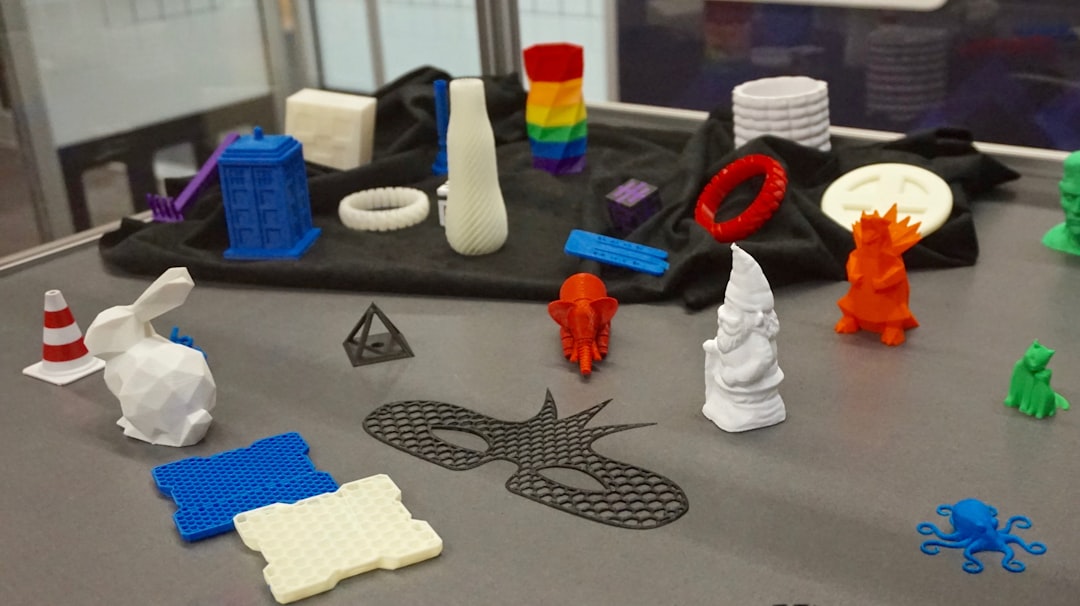
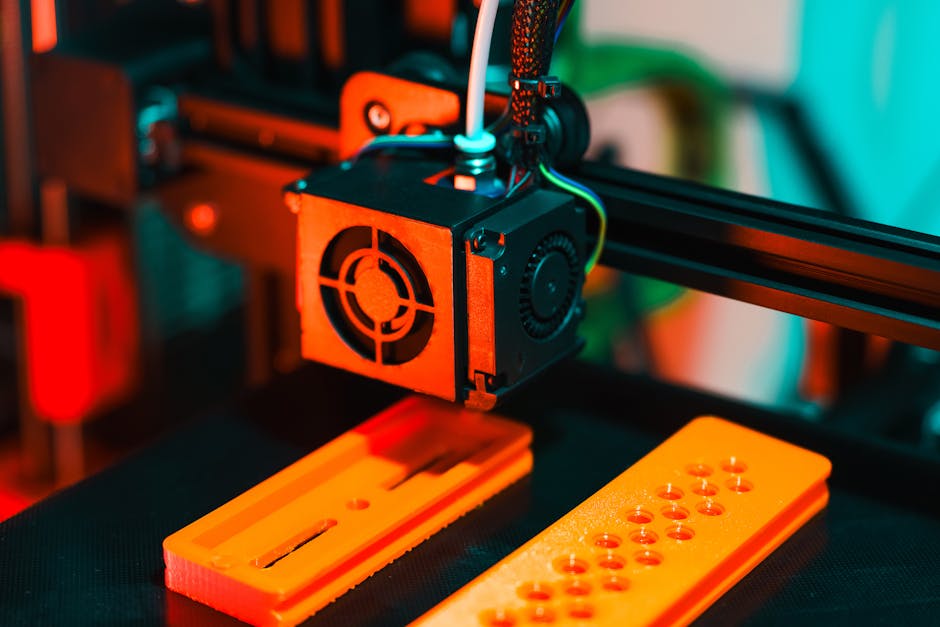
    industrial 3D printing SLS SLA FDM comparison workshop 2026

    ๐Ÿ”ท What Are We Actually Talking About? A Quick Primer

    Before diving into the numbers, let’s ground ourselves in what each technology actually does:

    • FDM (Fused Deposition Modeling): Melts thermoplastic filament and deposits it layer by layer. Think of a very precise hot glue gun. It’s the most widely adopted method globally.
    • SLA (Stereolithography): Uses a UV laser to cure liquid photopolymer resin layer by layer. One of the oldest 3D printing methods โ€” patented back in the 1980s โ€” but its precision has made it enduringly relevant.
    • SLS (Selective Laser Sintering): Uses a high-powered laser to fuse powdered materials (usually nylon, TPU, or even metal powders in some variants) into solid structures. No support structures needed โ€” a game changer for complex geometries.

    ๐Ÿ“Š Breaking Down the Performance Data: Where Each Technology Wins

    Let’s get specific. Based on industry benchmarking data compiled through early 2026 across aerospace, medical, and consumer electronics sectors, here’s how the three technologies stack up on key metrics:

    • Dimensional Accuracy: SLA leads with tolerances as tight as ยฑ0.05mm. SLS follows at ยฑ0.1โ€“0.3mm, and FDM typically ranges from ยฑ0.25โ€“0.5mm depending on the machine and filament quality.
    • Surface Finish (Ra value): SLA produces the smoothest surfaces (Ra ~1.5โ€“3 ยตm), critical for optical or aesthetic components. FDM is the roughest (Ra ~10โ€“30 ยตm), often requiring significant post-processing.
    • Build Speed: FDM wins for large, simple parts โ€” especially with multi-nozzle industrial systems from Stratasys or Markforged. SLS is moderate but excels in batch production because the powder bed supports multiple nested parts simultaneously.
    • Material Diversity: SLS has the edge for functional parts โ€” engineering-grade nylons (PA12, PA11), TPU, glass-filled composites, and even aluminum-infused powders. SLA is largely limited to photopolymers, though high-performance resins have expanded significantly in 2026. FDM supports PLA, ABS, PETG, Nylon, carbon fiber composites, and PEEK.
    • Cost per Part (industrial scale): FDM is cheapest for simple, low-volume parts. SLS becomes cost-competitive at medium volumes (20โ€“200 units) due to batch efficiency. SLA is often the most expensive per part when post-processing (washing, UV curing, support removal) is factored in.

    ๐Ÿญ Real-World Examples: Who’s Using What and Why

    Theory is great, but let’s look at how actual companies are deploying these technologies in 2026.

    Airbus (Toulouse, France) โ€” SLS for cabin components: Airbus has been using SLS-printed PA12 components for interior cabin fixtures since the late 2010s, and by 2026, their Toulouse facility has expanded this to over 50 certified flight-ready part types. Why SLS? The ability to produce lightweight, complex ducting and bracket geometries without support structures โ€” and the material’s flame-retardant certifiable properties โ€” makes it indispensable for aviation applications.

    Invisalign / Align Technology (San Jose, USA) โ€” SLA at scale: Align Technology remains one of the most remarkable SLA success stories. They produce over 800,000 unique SLA-printed dental molds per day across their global facilities. The micron-level precision of SLA is non-negotiable when you’re fitting something inside a human mouth. This is a case where surface accuracy directly translates to patient outcomes.

    Hyundai Mobis (South Korea) โ€” FDM for rapid tooling: Hyundai’s parts-manufacturing subsidiary has integrated FDM printing (primarily using Stratasys F900 systems with ULTEM 9085) into their prototyping pipeline for jigs, fixtures, and short-run tooling. In 2025, they reported a 34% reduction in tooling lead times by replacing CNC-machined fixtures with FDM equivalents in non-critical applications. By 2026, this practice has spread across their Asan and Ulsan facilities.

    Materialise (Leuven, Belgium) โ€” Hybrid SLS + SLA approach: This Belgian 3D printing services giant often uses SLS for structural functional parts and SLA for the visual/presentation versions of the same design โ€” a dual-method approach that’s becoming increasingly common among product development teams who need both form and function prototypes simultaneously.
    SLS nylon powder sintering industrial part aerospace medical application

    โš–๏ธ The Hidden Costs Nobody Talks About

    Here’s where I want to push back against overly simplified comparisons. The sticker price of a print is rarely the real cost. Let’s reason through the full picture:

    • SLA post-processing: Every SLA part needs an IPA wash bath and UV curing station. At industrial scale, this adds both equipment cost (~$5,000โ€“$50,000 for proper curing chambers) and labor time. Photopolymer resins also degrade with UV exposure over time, meaning SLA parts aren’t ideal for outdoor or long-lifecycle applications.
    • SLS powder management: SLS machines require careful powder refresh ratios (typically 50/50 virgin-to-recycled powder for PA12) to maintain mechanical consistency. Improper powder management leads to part inconsistency โ€” something smaller shops often underestimate. The machines themselves are also significantly more expensive ($100,000โ€“$800,000+ for industrial SLS systems).
    • FDM warping and delamination: For large engineering parts in ABS or high-temp materials, FDM requires controlled enclosure environments. Layer adhesion (Z-axis strength) remains FDM’s Achilles heel โ€” parts can be 40โ€“60% weaker in the Z direction compared to XY, which is critical to account for in structural applications.

    ๐ŸŽฏ Matching Technology to Your Actual Situation

    Rather than telling you which is “best” (because there genuinely isn’t a universal answer), let’s map common use cases to logical choices:

    • You need a high-fidelity visual prototype for investor demos or consumer testing: โ†’ SLA. The surface finish is unmatched, and resin colors can be post-painted beautifully.
    • You’re producing functional end-use parts under mechanical or thermal stress: โ†’ SLS (for nylon-based needs) or FDM with PEEK/ULTEM (for extreme heat resistance).
    • You need low-cost rapid iteration in early design stages: โ†’ FDM. Get a design on the desk in hours for a fraction of the cost. Fail fast and cheaply.
    • You’re running a batch of 50โ€“200 identical functional parts: โ†’ SLS wins on cost-per-part due to powder bed nesting. A single SLS build can contain hundreds of small parts simultaneously.
    • You’re in the dental, hearing aid, or jewelry industry: โ†’ SLA or its cousin DLP (Digital Light Processing) โ€” the resolution and biocompatible resin availability make it the standard choice.
    • Budget is the primary constraint for non-critical applications: โ†’ FDM, especially with open-source machines or third-party filament. Desktop FDM from brands like Bambu Lab or Prusa has reached remarkable quality levels by 2026.

    ๐Ÿ”ฎ Where Is Industrial 3D Printing Heading in 2026?

    A few trends worth noting as you plan your technology investments:

    • Multi-material SLA and DLP are gaining traction, allowing rigid and flexible zones within a single print โ€” something that previously required assembly.
    • AI-assisted print parameter optimization is now built into industrial FDM and SLS systems from EOS, 3D Systems, and HP’s Multi Jet Fusion platform, reducing failure rates significantly.
    • Binder Jetting (from companies like Desktop Metal and ExOne) is quietly eating into SLS market share for metal applications, and it’s worth watching as a potential fourth major technology in this conversation.
    • Sustainability is a growing differentiator โ€” SLS powder recyclability and bio-based FDM filaments (PLA from corn starch, etc.) are becoming procurement criteria for ESG-conscious manufacturers in Europe and South Korea.

    โœ… Conclusion: There’s No “Best” โ€” There’s Only “Right for Your Context”

    If the Stuttgart automotive manufacturer story taught us anything, it’s that the right answer depends on a constellation of factors: geometry complexity, material requirements, production volume, budget, timeline, and post-processing capacity. For their fluid manifold? They ended up going SLS for the functional prototype and SLA for the design review model โ€” a hybrid approach that served two different stakeholders simultaneously.

    My honest recommendation: before committing to a technology or purchasing equipment, run a small pilot batch through a service bureau like Materialise, Protolabs, or Shapeways. The real-world data you get from your specific geometry and material will be worth more than any spec sheet comparison.

    And if you’re a small business without the budget for industrial hardware? FDM desktop machines in 2026 are genuinely remarkable โ€” don’t sleep on them for early-stage development.

    Editor’s Comment : The 3D printing landscape has matured to the point where choosing a technology is less about “which is better” and more about matching tools to jobs โ€” much like choosing between a scalpel and a bandsaw. The most sophisticated manufacturers in 2026 aren’t loyal to one method; they’re fluent in all three. If you’re just starting your additive manufacturing journey, my single biggest piece of advice is this: talk to the engineers at a service bureau before you spend a dollar on equipment. They’ve seen thousands of projects fail for predictable reasons, and that knowledge is often free for the asking.


    ๐Ÿ“š ๊ด€๋ จ๋œ ๋‹ค๋ฅธ ๊ธ€๋„ ์ฝ์–ด ๋ณด์„ธ์š”

    ํƒœ๊ทธ: [‘industrial 3D printing 2026’, ‘SLS vs SLA vs FDM’, ‘additive manufacturing comparison’, ‘3D printing technology guide’, ‘SLS nylon printing’, ‘SLA resin printing industrial’, ‘FDM manufacturing applications’]
  • SLS vs SLA vs FDM, ์‚ฐ์—…์šฉ 3D ํ”„๋ฆฐํŒ… ๋ฐฉ์‹๋ณ„ ์žฅ๋‹จ์  ์™„์ „ ์ •๋ฆฌ (2026๋…„ ์ตœ์‹ ํŒ)

    SLS vs SLA vs FDM, ์‚ฐ์—…์šฉ 3D ํ”„๋ฆฐํŒ… ๋ฐฉ์‹๋ณ„ ์žฅ๋‹จ์  ์™„์ „ ์ •๋ฆฌ (2026๋…„ ์ตœ์‹ ํŒ)

    ์–ผ๋งˆ ์ „, ๊ตญ๋‚ด ํ•œ ์ค‘์†Œ ์ œ์กฐ์—…์ฒด ๋Œ€ํ‘œ๋‹˜์ด ์ด๋Ÿฐ ๊ณ ๋ฏผ์„ ํ„ธ์–ด๋†“์€ ์ ์ด ์žˆ์–ด์š”. ์‹œ์ œํ’ˆ์„ ๋น ๋ฅด๊ฒŒ ๋ฝ‘์•„์•ผ ํ•˜๋Š”๋ฐ, 3D ํ”„๋ฆฐํŒ… ์—…์ฒด๋งˆ๋‹ค ์„œ๋กœ ๋‹ค๋ฅธ ๋ฐฉ์‹์„ ๊ถŒํ•˜๋‹ค ๋ณด๋‹ˆ ๋ญ˜ ์„ ํƒํ•ด์•ผ ํ• ์ง€ ๋„์ €ํžˆ ๋ชจ๋ฅด๊ฒ ๋‹ค๋Š” ๊ฑฐ์˜€์Šต๋‹ˆ๋‹ค. FDM์œผ๋กœ ๋ฝ‘์€ ์ƒ˜ํ”Œ์€ ์ธต์ธต์ด ์„ ์ด ๋ณด์ด๊ณ , SLA๋Š” ๊น”๋”ํ•œ๋ฐ ๊ฐ•๋„๊ฐ€ ๊ฑฑ์ •๋˜๊ณ , SLS๋Š” ๊ฐ€๊ฒฉ์ด ๋ถ€๋‹ด์Šค๋Ÿฝ๊ณ . ๊ฒฐ๊ตญ ๋ฐฉ์‹๋งˆ๋‹ค ๋ญ˜ ํฌ๊ธฐํ•˜๊ณ  ๋ญ˜ ์–ป๋Š”์ง€๋ฅผ ๋ช…ํ™•ํžˆ ์•Œ์•„์•ผ ์ œ๋Œ€๋กœ ๋œ ์„ ํƒ์„ ํ•  ์ˆ˜ ์žˆ๋‹ค๋Š” ๊ฒฐ๋ก ์— ์ด๋ฅด๋ €๋‹ค๊ณ  ํ•˜๋”๊ตฐ์š”.

    2026๋…„ ํ˜„์žฌ, ์‚ฐ์—…์šฉ 3D ํ”„๋ฆฐํŒ… ์‹œ์žฅ์€ ์—ฐ๊ฐ„ 20% ์ด์ƒ์˜ ์„ฑ์žฅ๋ฅ ์„ ์œ ์ง€ํ•˜๋ฉฐ ๋น ๋ฅด๊ฒŒ ํ™•์žฅ๋˜๊ณ  ์žˆ์–ด์š”. ํ•˜์ง€๋งŒ ๊ธฐ์ˆ ์ด ๋ฐœ์ „ํ• ์ˆ˜๋ก ๋ฐฉ์‹์˜ ์„ ํƒ์ง€๋„ ๋Š˜์–ด๋‚˜๊ณ , ๊ทธ๋งŒํผ ํ˜ผ๋ž€๋„ ์ปค์ง€๋Š” ๊ฒŒ ์‚ฌ์‹ค์ž…๋‹ˆ๋‹ค. ์˜ค๋Š˜์€ ๊ฐ€์žฅ ๋„๋ฆฌ ์“ฐ์ด๋Š” ์„ธ ๊ฐ€์ง€ ๋ฐฉ์‹ โ€” FDM(Fused Deposition Modeling), SLA(Stereolithography), SLS(Selective Laser Sintering) โ€” ์„ ๊ธฐ์ค€์œผ๋กœ ์–ด๋–ค ์ƒํ™ฉ์—์„œ ์–ด๋–ค ๋ฐฉ์‹์„ ๊ณจ๋ผ์•ผ ํ•˜๋Š”์ง€ ํ•จ๊ป˜ ๋”ฐ์ ธ๋ณด๊ฒ ์Šต๋‹ˆ๋‹ค.


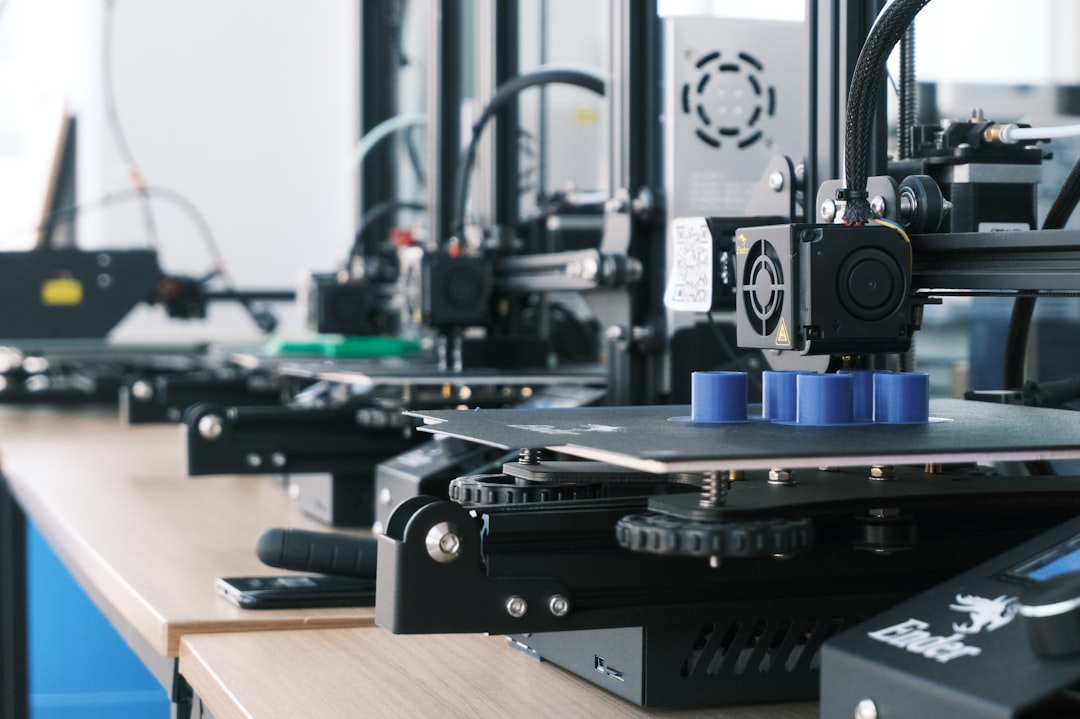
    industrial 3D printing SLS SLA FDM comparison process

    ๋จผ์ €, ์„ธ ๋ฐฉ์‹์ด ์–ด๋–ป๊ฒŒ ๋‹ค๋ฅธ์ง€๋ถ€ํ„ฐ

    ์ด ์„ธ ๊ฐ€์ง€๋Š” ๋ชจ๋‘ ‘์ ์ธต ์ œ์กฐ(Additive Manufacturing)’๋ผ๋Š” ํฐ ํ‹€ ์•ˆ์— ์žˆ์ง€๋งŒ, ์žฌ๋ฃŒ๋ฅผ ๊ตณํžˆ๋Š” ๋ฐฉ์‹์ด ๊ทผ๋ณธ์ ์œผ๋กœ ๋‹ฌ๋ผ์š”. ๊ฐ„๋‹จํžˆ ์ •๋ฆฌํ•˜๋ฉด ์ด๋ ‡์Šต๋‹ˆ๋‹ค.

    • FDM: ํ”Œ๋ผ์Šคํ‹ฑ ํ•„๋ผ๋ฉ˜ํŠธ๋ฅผ ์—ด๋กœ ๋…น์—ฌ ํ•œ ์ธต์”ฉ ์Œ“๋Š” ๋ฐฉ์‹. ๊ฐ€์žฅ ๋Œ€์ค‘์ ์ด๊ณ  ์ ‘๊ทผ์„ฑ์ด ๋†’์€ ๋ฐฉ์‹์ด์—์š”.
    • SLA: ๊ด‘๊ฒฝํ™”์„ฑ ์ˆ˜์ง€(๋ ˆ์ง„)์— ์ž์™ธ์„  ๋ ˆ์ด์ €๋ฅผ ์˜์•„ ๊ตณํžˆ๋Š” ๋ฐฉ์‹. ํ‘œ๋ฉด ํ’ˆ์งˆ์ด ํƒ์›”ํ•ฉ๋‹ˆ๋‹ค.
    • SLS: ๋ถ„๋ง ์†Œ์žฌ(์ฃผ๋กœ ๋‚˜์ผ๋ก  ๊ณ„์—ด)์— ๊ณ ์ถœ๋ ฅ ๋ ˆ์ด์ €๋ฅผ ์กฐ์‚ฌํ•ด ์†Œ๊ฒฐ(sintering)ํ•˜๋Š” ๋ฐฉ์‹. ์„œํฌํŠธ ์—†์ด๋„ ๋ณต์žกํ•œ ํ˜•์ƒ ๊ตฌํ˜„์ด ๊ฐ€๋Šฅํ•ด์š”.

    ๋ณธ๋ก  1. ์ˆ˜์น˜๋กœ ๋ณด๋Š” ๋ฐฉ์‹๋ณ„ ๋น„๊ต ๋ถ„์„

    โ‘  ์ถœ๋ ฅ ์ •๋ฐ€๋„ (Resolution & Tolerance)

    ์ •๋ฐ€๋„๋Š” ์ œํ’ˆ์˜ ์šฉ๋„๋ฅผ ๊ฒฐ์ •ํ•˜๋Š” ํ•ต์‹ฌ ์ง€ํ‘œ๋ผ๊ณ  ๋ด…๋‹ˆ๋‹ค. ์ผ๋ฐ˜์ ์œผ๋กœ ์‚ฐ์—… ํ˜„์žฅ์—์„œ ํ†ต์šฉ๋˜๋Š” ์ˆ˜์น˜๋ฅผ ๊ธฐ์ค€์œผ๋กœ ๋ณด๋ฉด, SLA๊ฐ€ ๊ฐ€์žฅ ์šฐ์ˆ˜ํ•œ ํŽธ์ด์—์š”.

    • FDM: ๋ ˆ์ด์–ด ๋‘๊ป˜ ์•ฝ 100~300ฮผm, ์น˜์ˆ˜ ๊ณต์ฐจ ยฑ0.3~0.5mm ์ˆ˜์ค€
    • SLA: ๋ ˆ์ด์–ด ๋‘๊ป˜ 25~100ฮผm, ์น˜์ˆ˜ ๊ณต์ฐจ ยฑ0.1~0.2mm๋กœ ์„ธ๋ฐ€ํ•œ ํ‘œํ˜„ ๊ฐ€๋Šฅ
    • SLS: ๋ ˆ์ด์–ด ๋‘๊ป˜ 80~120ฮผm, ์น˜์ˆ˜ ๊ณต์ฐจ ยฑ0.2~0.3mm ์ˆ˜์ค€์ด๋‚˜ ๋ณต์žก ํ˜•์ƒ์— ๊ฐ•์ 

    โ‘ก ์ถœ๋ ฅ ์†๋„์™€ ๋น„์šฉ ๊ตฌ์กฐ

    2026๋…„ ๊ธฐ์ค€์œผ๋กœ ๊ตญ๋‚ด ์‚ฐ์—…์šฉ 3D ํ”„๋ฆฐํŒ… ์„œ๋น„์Šค ๋‹จ๊ฐ€๋ฅผ ๊ธฐ์ค€์œผ๋กœ ๋ณด๋ฉด, FDM์ด ๊ฐ€์žฅ ๊ฒฝ์ œ์ ์ธ ์„ ํƒ์ง€์ธ ๊ฒฝ์šฐ๊ฐ€ ๋งŽ์Šต๋‹ˆ๋‹ค.

    • FDM: ์†Œ์žฌ ๋‹จ๊ฐ€ ์•ฝ 2~5๋งŒ์›/kg(PLA, ABS ๊ธฐ์ค€). ์žฅ๋น„ ๊ฐ€๊ฒฉ๋„ ์ˆ˜๋ฐฑ๋งŒ ์› ๋Œ€๋ถ€ํ„ฐ ์‹œ์ž‘ํ•ด ์ ‘๊ทผ์ด ์‰ฌ์šด ํŽธ์ด์—์š”.
    • SLA: ๊ด‘๊ฒฝํ™” ๋ ˆ์ง„ ์†Œ์žฌ๋Š” ์•ฝ 8~25๋งŒ์›/L ์ˆ˜์ค€. ํ›„์ฒ˜๋ฆฌ(์„ธ์ฒ™, UV ๊ฒฝํ™”) ๊ณต์ •์ด ์ถ”๊ฐ€๋˜์–ด ์‹œ๊ฐ„์ด ๋” ์†Œ์š”๋ฉ๋‹ˆ๋‹ค.
    • SLS: ๋‚˜์ผ๋ก  ํŒŒ์šฐ๋” ์†Œ์žฌ ์•ฝ 6~15๋งŒ์›/kg์ด์ง€๋งŒ, ์žฅ๋น„ ์ž์ฒด๊ฐ€ 1์–ต ์› ์ด์ƒ์œผ๋กœ ๋‚ด์žฌํ™” ๋น„์šฉ์ด ๋†’์•„์š”. ์œ„ํƒ ์ถœ๋ ฅ ์„œ๋น„์Šค ๋‹จ๊ฐ€๋Š” FDM ๋Œ€๋น„ 3~5๋ฐฐ ์ˆ˜์ค€์ด๋ผ๊ณ  ๋ณด๋ฉด ๋ฉ๋‹ˆ๋‹ค.

    โ‘ข ๊ธฐ๊ณ„์  ๋ฌผ์„ฑ (Mechanical Properties)

    ์ตœ์ข… ์ œํ’ˆ์˜ ๋‚ด๊ตฌ์„ฑ๊ณผ ์ง๊ฒฐ๋˜๋Š” ๋ถ€๋ถ„์ด๋ผ ์‹ ์ค‘ํ•˜๊ฒŒ ๋ด์•ผ ํ•ด์š”.

    • FDM: ๋ ˆ์ด์–ด ๋ฐฉํ–ฅ์— ๋”ฐ๋ผ ์ธ์žฅ๊ฐ•๋„ ํŽธ์ฐจ๊ฐ€ ํฌ๊ณ , ์ด๋ฐฉ์„ฑ(anisotropy)์ด ๋šœ๋ ทํ•ฉ๋‹ˆ๋‹ค. Z์ถ• ๋ฐฉํ–ฅ ๊ฐ•๋„๊ฐ€ XY ๋Œ€๋น„ 20~40% ๋‚ฎ์€ ๊ฒฝ์šฐ๊ฐ€ ์ผ๋ฐ˜์ ์ด์—์š”.
    • SLA: ๋“ฑ๋ฐฉ์„ฑ์— ๊ฐ€๊น์ง€๋งŒ, ์žฅ๊ธฐ์ ์œผ๋กœ UV ๋…ธ์ถœ ์‹œ ํ™ฉ๋ณ€(yellowing)์ด๋‚˜ ์ทจ์„ฑ(brittleness) ์ฆ๊ฐ€ ๋ฌธ์ œ๊ฐ€ ์žˆ์Šต๋‹ˆ๋‹ค.
    • SLS: ๋‚˜์ผ๋ก  ๊ณ„์—ด ์†Œ์žฌ ๊ธฐ์ค€์œผ๋กœ ์ธ์žฅ๊ฐ•๋„ 45~50MPa ์ˆ˜์ค€์„ ์•ˆ์ •์ ์œผ๋กœ ๊ตฌํ˜„ํ•˜๋ฉฐ, ์ด๋ฐฉ์„ฑ๋„ ์ƒ๋Œ€์ ์œผ๋กœ ๋‚ฎ์•„ ๊ธฐ๋Šฅ์„ฑ ๋ถ€ํ’ˆ์— ๊ฐ€์žฅ ์ ํ•ฉํ•œ ๋ฐฉ์‹์ด๋ผ๊ณ  ๋ด…๋‹ˆ๋‹ค.

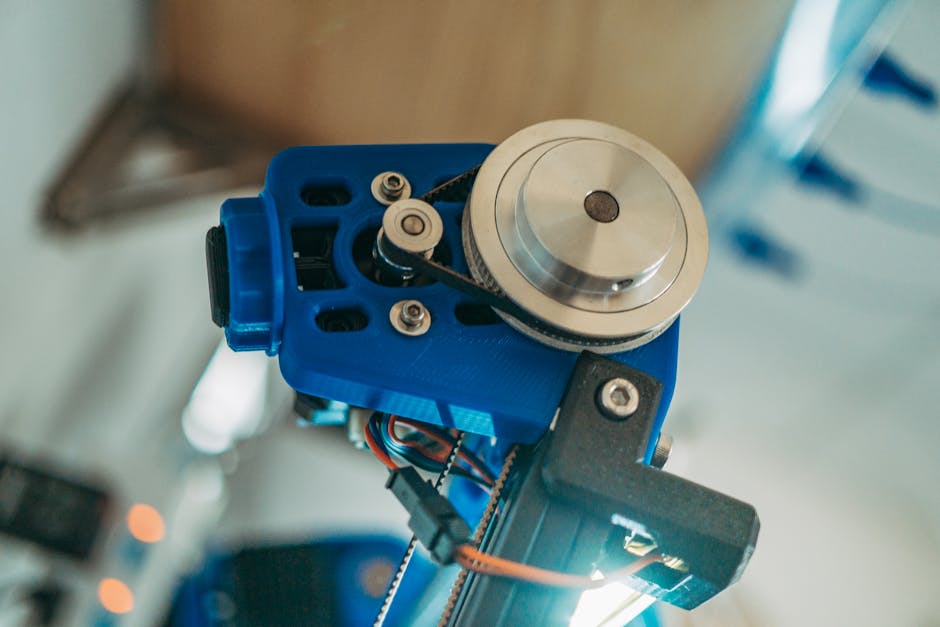
    SLS nylon powder sintering industrial parts prototype manufacturing

    ๋ณธ๋ก  2. ๊ตญ๋‚ด์™ธ ์‹ค์ œ ์ ์šฉ ์‚ฌ๋ก€๋กœ ๋ณด๋Š” ๋ฐฉ์‹ ์„ ํƒ์˜ ๊ธฐ์ค€

    FDM โ€” ๊ต์œกยท์‹œ์ œํ’ˆ ๊ฒ€ํ†  ๋ถ„์•ผ์˜ ๊ฐ•์ž
    ๊ตญ๋‚ด ํ•œ ์™„์„ฑ์ฐจ ๋ถ€ํ’ˆ 1์ฐจ ํ˜‘๋ ฅ์‚ฌ๋Š” ์‹ ๊ทœ ํŒŒ์Šค๋„ˆ(fastener) ํ˜•์ƒ ๊ฒ€ํ†  ์‹œ FDM ๋ฐฉ์‹์„ ํ™œ์šฉํ•ด ๊ฐœ๋ฐœ ๊ธฐ๊ฐ„์„ ๊ธฐ์กด ๋Œ€๋น„ ์•ฝ 40% ๋‹จ์ถ•ํ–ˆ๋‹ค๋Š” ์‚ฌ๋ก€๊ฐ€ ์žˆ์–ด์š”. ์ดˆ๊ธฐ ๋””์ž์ธ ๋ฆฌ๋ทฐ(Design Review) ๋ชฉ์ ์ด๋ผ๋ฉด FDM์˜ ๋น„์šฉ ๋Œ€๋น„ ํšจ์œจ์€ ํƒ€์˜ ์ถ”์ข…์„ ๋ถˆํ—ˆํ•ฉ๋‹ˆ๋‹ค.

    SLA โ€” ์ •๋ฐ€ ์˜๋ฃŒ๊ธฐ๊ธฐยท์ฃผ์–ผ๋ฆฌยท์น˜๊ณผ ๋ถ„์•ผ
    ๋…์ผ์˜ ์น˜๊ณผ์šฉ 3D ํ”„๋ฆฐํŒ… ๊ธฐ์—… EnvisionTEC(ํ˜„ Desktop Health)์€ ๊ณ ์ •๋ฐ€ SLA ๋ฐฉ์‹์œผ๋กœ ์น˜๊ณผ ํฌ๋ผ์šด ๋ฐ ๊ต์ • ์žฅ์น˜๋ฅผ ๋Œ€๋Ÿ‰ ์ƒ์‚ฐํ•˜๊ณ  ์žˆ์–ด์š”. ๊ตญ๋‚ด์—์„œ๋„ 2026๋…„ ํ˜„์žฌ ์—ฌ๋Ÿฌ ์น˜๊ณผ ๊ธฐ๊ณต์†Œ๋“ค์ด DLP(SLA์˜ ํŒŒ์ƒ ๋ฐฉ์‹)๋ฅผ ๋„์ž…ํ•ด ๋งž์ถคํ˜• ๋ณด์ฒ ๋ฌผ์„ ์ œ์ž‘ํ•˜๋Š” ์‚ฌ๋ก€๊ฐ€ ๋น ๋ฅด๊ฒŒ ๋Š˜๊ณ  ์žˆ์Šต๋‹ˆ๋‹ค. ํ‘œ๋ฉด ์ •๋ฐ€๋„๊ฐ€ ํ•ต์‹ฌ ๊ฒฝ์Ÿ๋ ฅ์ธ ๋ถ„์•ผ์—์„œ๋Š” SLA๊ฐ€ ์‚ฌ์‹ค์ƒ ํ‘œ์ค€์ฒ˜๋Ÿผ ์ž๋ฆฌ์žก์•„ ๊ฐ€๋Š” ๊ฒƒ ๊ฐ™์•„์š”.

    SLS โ€” ํ•ญ๊ณตยท๋ฐฉ์‚ฐยท๋ณต์žก ๊ธฐ๋Šฅ ๋ถ€ํ’ˆ
    ๋ฏธ๊ตญ์˜ ํ•ญ๊ณต์šฐ์ฃผ๊ธฐ์—… GE Aerospace๋Š” SLS๋ฅผ ๊ธฐ๋ฐ˜์œผ๋กœ ํ•œ ์ ์ธต ์ œ์กฐ ๊ณต์ •์œผ๋กœ ์—”์ง„ ์—ฐ๋ฃŒ ๋…ธ์ฆ ๋ถ€ํ’ˆ์„ ์ƒ์‚ฐํ•˜๋ฉฐ, ๊ธฐ์กด ์ฃผ์กฐ ๋Œ€๋น„ ๋ถ€ํ’ˆ ์ˆ˜๋ฅผ 20๊ฐœ์—์„œ 1๊ฐœ๋กœ ํ†ตํ•ฉํ•˜๋Š” ์„ฑ๊ณผ๋ฅผ ๊ฑฐ๋’€์Šต๋‹ˆ๋‹ค. ์ด์ฒ˜๋Ÿผ ๋ณต์žกํ•œ ๋‚ด๋ถ€ ์ฑ„๋„์ด๋‚˜ ์„œํฌํŠธ ์ œ๊ฑฐ๊ฐ€ ์–ด๋ ค์šด ํ˜•์ƒ์—์„œ๋Š” SLS๊ฐ€ ๋‹ค๋ฅธ ๋ฐฉ์‹๋“ค๊ณผ ๋น„๊ต ์ž์ฒด๊ฐ€ ๋ฌด์˜๋ฏธํ•  ์ •๋„๋กœ ์••๋„์ ์ด์—์š”. ๊ตญ๋‚ด์—์„œ๋„ ๋ฐฉ์‚ฐ ๋ถ„์•ผ์˜ ์ผ๋ถ€ ํ˜‘๋ ฅ์—…์ฒด๋“ค์ด SLS ์œ„ํƒ ์ถœ๋ ฅ์„ ํ†ตํ•ด ์†Œ๋Ÿ‰ ๋‹คํ’ˆ์ข… ๋ถ€ํ’ˆ ์กฐ๋‹ฌ์„ ํ•ด๊ฒฐํ•˜๊ณ  ์žˆ์Šต๋‹ˆ๋‹ค.


    ํ•œ๋ˆˆ์— ๋ณด๋Š” ๋ฐฉ์‹๋ณ„ ์ถ”์ฒœ ์ƒํ™ฉ ์ •๋ฆฌ

    • โœ… FDM ์ถ”์ฒœ: ์˜ˆ์‚ฐ์ด ์ œํ•œ์ ์ธ ์‹œ์ œํ’ˆ ๊ฒ€ํ†  / ๊ต์œก์šฉ ๋ชฉ์—… / ๋น ๋ฅธ ๋ฐ˜๋ณต ์„ค๊ณ„(Iteration)๊ฐ€ ํ•„์š”ํ•  ๋•Œ
    • โœ… SLA ์ถ”์ฒœ: ํ‘œ๋ฉด ํ’ˆ์งˆ์ด ์ตœ์šฐ์„ ์ธ ์ œํ’ˆ / ์†Œํ˜• ์ •๋ฐ€ ํŒŒํŠธ / ์น˜๊ณผยท์˜๋ฃŒยท์ฃผ์–ผ๋ฆฌยท์†Œ๋น„์žฌ ๋””์ž์ธ ์ƒ˜ํ”Œ
    • โœ… SLS ์ถ”์ฒœ: ์„œํฌํŠธ ์—†์ด ๋ณต์žกํ•œ ํ˜•์ƒ์ด ํ•„์š”ํ•œ ๊ธฐ๋Šฅ์„ฑ ๋ถ€ํ’ˆ / ๋‚ด๊ตฌ์„ฑ์ด ์ค‘์š”ํ•œ ์—”๋“œ์œ ์ฆˆ(End-use) ํŒŒํŠธ / ์†Œ๋Ÿ‰ ๋‹คํ’ˆ์ข… ์ƒ์‚ฐ

    ๊ฒฐ๋ก : ๋ฐฉ์‹ ์„ ํƒ๋ณด๋‹ค ์ค‘์š”ํ•œ ๊ฑด ‘๋ชฉ์ ์˜ ๋ช…ํ™•ํ™”’์ž…๋‹ˆ๋‹ค

    ๊ฒฐ๊ตญ SLS, SLA, FDM ์ค‘ ์–ด๋А ๋ฐฉ์‹์ด ์ ˆ๋Œ€์ ์œผ๋กœ ์šฐ์›”ํ•˜๋‹ค๊ณ  ๋‹จ์–ธํ•˜๊ธฐ๋Š” ์–ด๋ ต์Šต๋‹ˆ๋‹ค. ์˜คํžˆ๋ ค ๊ฐ™์€ ์˜ˆ์‚ฐ์ด๋ผ๋„ ๋ชฉ์ ์— ๋งž๋Š” ๋ฐฉ์‹์„ ์„ ํƒํ•˜๋А๋ƒ์— ๋”ฐ๋ผ ๊ฒฐ๊ณผ๋ฌผ์˜ ํ’ˆ์งˆ ์ฐจ์ด๊ฐ€ ๊ทน๋ช…ํ•˜๊ฒŒ ๊ฐˆ๋ฆฐ๋‹ค๋Š” ๊ฒŒ ํ•ต์‹ฌ์ด์—์š”.

    ๋งŒ์•ฝ ์ฒ˜์Œ 3D ํ”„๋ฆฐํŒ…์„ ๋„์ž…ํ•˜๋ ค๋Š” ์ค‘์†Œ๊ธฐ์—…์ด๋ผ๋ฉด, ์ดˆ๊ธฐ์—” FDM์œผ๋กœ ๋””์ž์ธ ๊ฒ€์ฆ ํ๋ฆ„์„ ์žก๊ณ  โ†’ ํ‘œ๋ฉด ํ’ˆ์งˆ์ด๋‚˜ ๊ธฐ๋Šฅ์„ฑ ํ…Œ์ŠคํŠธ๊ฐ€ ํ•„์š”ํ•œ ๋‹จ๊ณ„์—์„œ SLA ๋˜๋Š” SLS ์œ„ํƒ ์ถœ๋ ฅ ์„œ๋น„์Šค๋ฅผ ๋ณ‘ํ–‰ํ•˜๋Š” ์ „๋žต์ด ํ˜„์‹ค์ ์ด๋ผ๊ณ  ๋ด์š”. ์žฅ๋น„๋ฅผ ๋จผ์ € ๊ตฌ๋งคํ•˜๊ธฐ๋ณด๋‹ค ๊ตญ๋‚ด 3D ํ”„๋ฆฐํŒ… ์œ„ํƒ ์ถœ๋ ฅ ์„œ๋น„์Šค(์˜ˆ: ์บ๋ฆฌ๋งˆ, ๋กœํ‚ทํ—ฌ์Šค์ผ€์–ด ๊ณ„์—ด ์„œ๋น„์Šค, ๊ฐ ์†Œ์žฌ์‚ฌ ํŒŒํŠธ๋„ˆ ์ถœ๋ ฅ์†Œ)๋ฅผ ์ ๊ทน ํ™œ์šฉํ•˜๋Š” ๊ฒƒ๋„ ์ข‹์€ ์„ ํƒ์ง€์ž…๋‹ˆ๋‹ค.

    ์—๋””ํ„ฐ ์ฝ”๋ฉ˜ํŠธ : 3D ํ”„๋ฆฐํŒ…์€ ‘๋ญ˜ ์“ฐ๋А๋ƒ’๋ณด๋‹ค ‘์™œ ์“ฐ๋А๋ƒ’๋ฅผ ๋จผ์ € ์ •ํ•ด์•ผ ํ•˜๋Š” ๊ธฐ์ˆ ์ด์—์š”. ๋ฐฉ์‹๋ณ„ ์žฅ๋‹จ์ ์„ ์™ธ์šฐ๋ ค ํ•˜๊ธฐ๋ณด๋‹ค, ๋‚ด ์ œํ’ˆ์˜ ์š”๊ตฌ ์‚ฌ์–‘(์ •๋ฐ€๋„, ๊ฐ•๋„, ์ˆ˜๋Ÿ‰, ์˜ˆ์‚ฐ)์„ ๋จผ์ € ๋ฆฌ์ŠคํŠธ์—…ํ•ด๋ณด์‹œ๊ธธ ๊ถŒํ•ฉ๋‹ˆ๋‹ค. ๊ทธ ๋ฆฌ์ŠคํŠธ๊ฐ€ ๊ณง ์ตœ์ ์˜ ๋ฐฉ์‹์„ ๊ฐ€๋ฆฌํ‚ค๋Š” ๋‚˜์นจ๋ฐ˜์ด ๋  ๊ฑฐ์˜ˆ์š”.


    ๐Ÿ“š ๊ด€๋ จ๋œ ๋‹ค๋ฅธ ๊ธ€๋„ ์ฝ์–ด ๋ณด์„ธ์š”

    ํƒœ๊ทธ: [‘3Dํ”„๋ฆฐํŒ…๋ฐฉ์‹๋น„๊ต’, ‘SLS์žฅ๋‹จ์ ’, ‘SLA์žฅ๋‹จ์ ’, ‘FDM์žฅ๋‹จ์ ’, ‘์‚ฐ์—…์šฉ3Dํ”„๋ฆฐํŒ…’, ‘์ ์ธต์ œ์กฐ’, ‘์‹œ์ œํ’ˆ์ œ์ž‘๋ฐฉ๋ฒ•’]

  • Proxmox Home Server Virtualization Setup Tutorial 2026: Build Your Own Powerhouse Lab on a Budget

    Picture this: it’s a lazy Sunday afternoon in 2026, and your friend shows up to your place raving about how he’s been running five different operating systems, a personal cloud storage, a media server, and a VPN โ€” all from one dusty old desktop sitting in his closet. You stare at him, half-impressed, half-jealous, wondering if you need a computer science degree to pull that off. Spoiler alert: you absolutely don’t. That friend of yours is running Proxmox VE, and today we’re going to walk through exactly how you can do the same thing.

    Proxmox Virtual Environment (VE) has become the go-to choice for home lab enthusiasts in 2026, and for good reason. It’s free, it’s open-source, it’s enterprise-grade, and the community around it has never been more vibrant. Whether you’re a curious beginner or a seasoned tinkerer, let’s think through this together โ€” step by step, no fluff, just the good stuff.

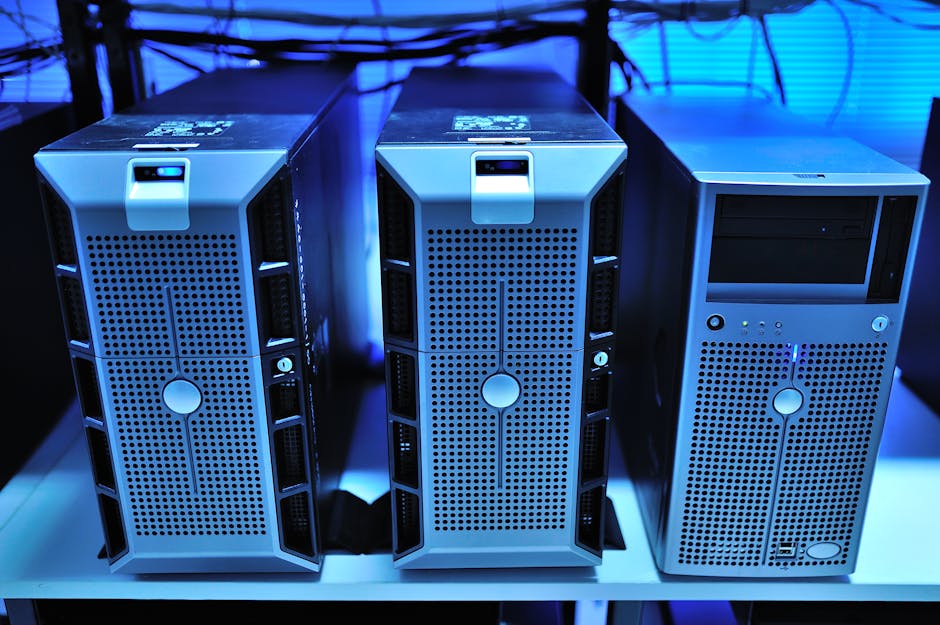
    Proxmox home server setup rack desktop 2026 virtualization lab

    What Exactly Is Proxmox VE โ€” and Why Should You Care in 2026?

    Proxmox VE is a Type 1 hypervisor โ€” meaning it runs directly on your hardware (bare metal), not on top of an existing OS like Windows or macOS. Think of it as a lightweight Linux operating system whose entire purpose is to efficiently run multiple virtual machines (VMs) and containers simultaneously.

    Here’s where it gets interesting compared to alternatives:

    • VMware ESXi: Once the gold standard for home labs, but Broadcom’s acquisition in late 2023 essentially killed the free tier by mid-2024. In 2026, most home users have migrated away entirely.
    • Microsoft Hyper-V: Great if you’re Windows-centric, but licensing costs and overhead make it less attractive for mixed-workload home environments.
    • Proxmox VE 8.x (current in 2026): Based on Debian Linux, supports both KVM (full virtualization) and LXC (Linux Containers), with a polished web UI that genuinely rivals commercial solutions.

    According to community data from the r/homelab subreddit and platforms like Self-Hosted.show, Proxmox adoption among home users jumped over 340% between 2023 and 2026 โ€” largely driven by VMware refugees looking for a powerful, cost-free alternative.

    Hardware Requirements: What You Actually Need (Not What Vendors Claim)

    Let’s be realistic here. You don’t need a rack-mounted server with dual Xeon processors to start. Here’s a practical breakdown for 2026:

    • Minimum viable setup: Intel Core i5 (8th gen or later) or AMD Ryzen 5 3000 series, 16GB RAM, 256GB SSD. This comfortably runs 3โ€“4 lightweight VMs or containers.
    • Sweet spot for most users: Intel Core i7/i9 or AMD Ryzen 7/9, 32โ€“64GB RAM, 1TB NVMe SSD + secondary HDD for storage. Runs 8โ€“12 VMs without breaking a sweat.
    • Power users / mini homelabs: Refurbished workstations like the Dell OptiPlex 7080 or HP EliteDesk 800 G6 โ€” available for under $200 in 2026 โ€” are wildly popular in the community for their balance of power efficiency and performance.
    • CPU Virtualization Support: Make sure Intel VT-x or AMD-V is enabled in your BIOS/UEFI. Without this, KVM won’t work. Most CPUs from 2015 onward support this natively.
    • Network: A basic gigabit Ethernet port is sufficient for most setups. Dual NICs open up more advanced networking options like pfSense or OPNsense as a VM firewall.

    Step-by-Step Installation Guide: Proxmox VE in 2026

    Alright, let’s get our hands dirty. Here’s the streamlined process โ€” I’ll flag where beginners typically get stuck so you can avoid those pitfalls.

    Step 1 โ€” Download the ISO: Head over to proxmox.com/downloads and grab the latest Proxmox VE 8.x ISO. As of April 2026, we’re looking at Proxmox VE 8.3 stable release. Always go with the stable build for a home server.

    Step 2 โ€” Create a Bootable USB: Use Ventoy or Balena Etcher to flash the ISO onto a USB stick (8GB minimum). Ventoy is particularly handy because it lets you store multiple ISOs on one drive โ€” very useful when you’re experimenting with different OS installations later.

    Step 3 โ€” Boot and Install: Plug the USB into your target machine, boot from it (usually F12 or DEL to access boot menu), and select the Proxmox ISO. The graphical installer is clean and straightforward in 2026’s version. Key decisions here:

    • Target disk: Choose your primary SSD. Proxmox itself takes about 15โ€“20GB, so a 256GB drive gives you plenty of room.
    • Network configuration: Assign a static IP address โ€” this is crucial. You’ll access your Proxmox web interface through this IP, and having it change on you is a headache. Something like 192.168.1.100 works fine for most home networks.
    • Password & Email: Set a strong root password and enter an email (it’s used for system notifications).

    Step 4 โ€” Access the Web UI: Once installed and rebooted, open a browser on any device on your network and go to https://[YOUR-STATIC-IP]:8006. You’ll get a security warning (self-signed certificate โ€” totally normal), proceed anyway, and log in with username root and the password you set.

    Step 5 โ€” Disable the Subscription Nag (Legally Free): Proxmox shows a nag screen about their enterprise repository. Run this command in the Proxmox shell to switch to the free community repository:

    sed -i 's|enterprise.proxmox.com|download.proxmox.com/debian|g' /etc/apt/sources.list.d/pve-enterprise.list

    Then run apt update && apt upgrade -y. You now have a fully updated, fully functional Proxmox installation. No license needed for personal use.

    Proxmox VE web UI dashboard virtual machine management 2026

    Creating Your First Virtual Machine โ€” Let’s Make It Practical

    Theory is great, but let’s spin up something useful. A popular first VM choice in 2026 home labs is Ubuntu Server 24.04 LTS for running self-hosted apps, or TrueNAS Scale for a NAS setup.

    • In the Proxmox web UI, click Create VM in the top right.
    • Upload your OS ISO to local storage via Datacenter โ†’ local โ†’ ISO Images โ†’ Upload.
    • Allocate resources conservatively at first: 2 CPU cores, 4GB RAM, 32GB disk for a basic Ubuntu server.
    • Enable the QEMU Guest Agent option โ€” this gives Proxmox better visibility into your VM’s state (like proper IP reporting and graceful shutdowns).
    • After creation, start the VM and click Console to interact with it directly from your browser. It’s genuinely seamless.

    LXC Containers vs. VMs: Choosing the Right Tool

    Here’s something beginners often overlook: Proxmox also supports LXC containers, which are dramatically more lightweight than full VMs. Think of containers as isolated Linux environments that share the host kernel โ€” they start in seconds and use a fraction of the RAM a full VM would.

    The fantastic community scripts repository (community-scripts.github.io/ProxmoxVE) โ€” which has exploded in popularity through 2025 and 2026 โ€” lets you deploy fully pre-configured containers for services like:

    • Home Assistant OS (smart home automation)
    • Nextcloud (personal Google Drive replacement)
    • Pi-hole (network-wide ad blocking)
    • Jellyfin (self-hosted Netflix alternative)
    • Portainer (Docker management UI)

    These one-liner scripts have genuinely lowered the barrier to entry for home server hobbying in 2026. A deployment that took an afternoon in 2022 now takes under five minutes.

    Real-World Examples: How People Are Using Proxmox at Home in 2026

    Let’s ground this in reality. In South Korea, the homelab community on communities like clien.net and various Naver tech cafes has seen a surge of Proxmox setups built on Intel N100/N200 mini PCs โ€” silent, low-power machines that draw as little as 8โ€“12W under typical load, making them ideal for always-on home servers in apartments where noise and electricity bills matter.

    In the US and Europe, platforms like YouTube channels Techno Tim and DB Tech have covered Proxmox extensively, with their 2026 tutorials consistently ranking among the most-watched homelab content. The consensus? The learning curve is real but conquerable โ€” most people report feeling genuinely comfortable within two to three weekends of tinkering.

    A particularly inspiring example: a small team of independent developers in Berlin used a single Proxmox node running on a $150 refurbished workstation to host their entire development infrastructure โ€” staging environments, CI/CD runners, and a shared Gitea instance โ€” saving them roughly โ‚ฌ180/month in cloud hosting fees.

    Common Pitfalls to Avoid (Learn From Others’ Pain)

    • Not setting a static IP: We mentioned this, but it bears repeating. DHCP reservation in your router settings is an acceptable alternative if you don’t want to configure it in Proxmox directly.
    • Overcommitting RAM from day one: It’s tempting to spin up everything at once. Start with 2โ€“3 VMs and observe actual usage before adding more.
    • Skipping backups: Proxmox has a built-in backup tool (PBS โ€” Proxmox Backup Server). Set up scheduled backups early. You’ll thank yourself later.
    • Using the OS drive for VM storage: If possible, add a secondary drive specifically for VM disk images. This keeps your system snappy and your data organized.
    • Ignoring updates: Run apt update && apt upgrade regularly. The Proxmox team pushes security patches frequently.

    Realistic Alternatives If Proxmox Feels Like Too Much Right Now

    Not everyone wants to dive straight into a bare-metal hypervisor, and that’s completely valid. Here are some sensible stepping stones depending on your situation:

    • If you’re on Windows 11 Pro/Enterprise: Hyper-V is already built in and surprisingly capable for running 2โ€“3 VMs. Great for learning VM concepts before committing to dedicated hardware.
    • If you just want self-hosted apps without the VM complexity: Umbrel or CasaOS (both popular in 2026) run on top of a standard Linux install and give you a beautiful app store for self-hosted services. Much gentler learning curve.
    • If cloud is genuinely easier for your use case: Oracle Cloud’s always-free tier still offers a surprisingly generous VM allowance in 2026. Not self-hosted, but legitimately free and zero-maintenance.
    • If you want virtualization but fear the command line: VirtualBox on your existing desktop is still a perfectly legitimate learning tool. Less powerful, but zero risk to your main system.

    The honest truth? Proxmox rewards patience. The first weekend can feel overwhelming, but by the second or third session, something clicks โ€” and the feeling of having a fully functional virtual lab humming away quietly in your home is genuinely satisfying.


    Editor’s Comment : Proxmox in 2026 is less of a hobbyist curiosity and more of a legitimate home infrastructure platform โ€” especially as cloud costs continue to rise and privacy-conscious self-hosting becomes mainstream. If you have even modestly capable hardware collecting dust, there’s almost no better use for it. Start small: one VM, one service, one weekend. You’ll be shocked how quickly that turns into a full personal cloud setup you’re genuinely proud of. The community is welcoming, the documentation is excellent, and the price is right (free). There’s never been a better time to own your own infrastructure.


    ๐Ÿ“š ๊ด€๋ จ๋œ ๋‹ค๋ฅธ ๊ธ€๋„ ์ฝ์–ด ๋ณด์„ธ์š”

    ํƒœ๊ทธ: [‘Proxmox 2026’, ‘Home Server Virtualization’, ‘Proxmox VE Installation Guide’, ‘Homelab Setup 2026’, ‘Self-Hosted Server’, ‘KVM Virtualization’, ‘Proxmox Beginner Tutorial’]

  • Proxmox ํ™ˆ์„œ๋ฒ„ ๊ฐ€์ƒํ™” ์„ค์น˜ ํŠœํ† ๋ฆฌ์–ผ 2026 โ€“ ์ดˆ๋ณด์ž๋„ ๋”ฐ๋ผํ•˜๋Š” ์™„๋ฒฝ ๊ฐ€์ด๋“œ

    Proxmox ํ™ˆ์„œ๋ฒ„ ๊ฐ€์ƒํ™” ์„ค์น˜ ํŠœํ† ๋ฆฌ์–ผ 2026 โ€“ ์ดˆ๋ณด์ž๋„ ๋”ฐ๋ผํ•˜๋Š” ์™„๋ฒฝ ๊ฐ€์ด๋“œ

    ์–ผ๋งˆ ์ „ ์ง€์ธ ํ•œ ๋ถ„์ด ํ‡ด๊ทผ ํ›„ ์œ ํŠœ๋ธŒ๋ฅผ ๋ณด๋‹ค๊ฐ€ ‘์ง‘์— ๋‚จ๋Š” ๊ตฌํ˜• ๋…ธํŠธ๋ถ์œผ๋กœ NAS ๊ฒธ ๊ฐœ์ธ ์„œ๋ฒ„๋ฅผ ์šด์˜ํ•œ๋‹ค’๋Š” ์˜์ƒ์„ ๋ณด๊ณ  ์—ฐ๋ฝ์„ ํ•ด์™”์–ด์š”. “๊ทธ๊ฑฐ ์ง„์งœ ๋˜๋Š” ๊ฑฐ์•ผ? ๋‚˜๋„ ํ•ด๋ณด๊ณ  ์‹ถ์€๋ฐ ์–ด๋””์„œ๋ถ€ํ„ฐ ์‹œ์ž‘ํ•ด์•ผ ํ•ด?”๋ผ๋Š” ์งˆ๋ฌธ๊ณผ ํ•จ๊ป˜์š”. ๊ทธ ์งˆ๋ฌธ์ด ์ด ๊ธ€์˜ ์ถœ๋ฐœ์ ์ด ๋์Šต๋‹ˆ๋‹ค. ํ™ˆ์„œ๋ฒ„์— ๊ด€์‹ฌ์€ ์žˆ๋Š”๋ฐ ์–ด๋””์„œ๋ถ€ํ„ฐ ์†์„ ๋Œ€์•ผ ํ• ์ง€ ๋ง‰๋ง‰ํ•œ ๋ถ„๋“ค, ํŠนํžˆ Proxmox VE(Virtual Environment)๋ผ๋Š” ์ด๋ฆ„์€ ๋“ค์–ด๋ดค์ง€๋งŒ ๋ญ”์ง€ ์ž˜ ๋ชจ๋ฅด๊ฒ ๋Š” ๋ถ„๋“ค์„ ์œ„ํ•ด 2026๋…„ ํ˜„์žฌ ๊ธฐ์ค€์œผ๋กœ ๊ฐ€์žฅ ์ตœ์‹  ํ™˜๊ฒฝ์— ๋งž์ถฐ ์ •๋ฆฌํ•ด ๋ดค์Šต๋‹ˆ๋‹ค.

    ๊ฒฐ๋ก ๋ถ€ํ„ฐ ๋ง์”€๋“œ๋ฆฌ์ž๋ฉด, Proxmox๋Š” ๋ฌด๋ฃŒ์ด๊ณ , ์ƒ๊ฐ๋ณด๋‹ค ์„ค์น˜๊ฐ€ ์–ด๋ ต์ง€ ์•Š์œผ๋ฉฐ, ํ•œ ๋Œ€์˜ ๋ฌผ๋ฆฌ ์„œ๋ฒ„์—์„œ ์—ฌ๋Ÿฌ ๊ฐœ์˜ ์šด์˜์ฒด์ œ๋ฅผ ๋™์‹œ์— ๋Œ๋ฆด ์ˆ˜ ์žˆ๋Š” ๋งค์šฐ ๊ฐ•๋ ฅํ•œ ๋„๊ตฌ๋ผ๊ณ  ๋ด…๋‹ˆ๋‹ค. ์ž, ํ•จ๊ป˜ ์ฐจ๊ทผ์ฐจ๊ทผ ๋”ฐ๋ผ๊ฐ€ ๋ณด์‹ค๊นŒ์š”?


    ๐Ÿ“Œ Proxmox VE๋ž€ ๋ฌด์—‡์ธ๊ฐ€์š”?

    Proxmox VE๋Š” ๋…์ผ ๊ธฐ์—… Proxmox Server Solutions GmbH๊ฐ€ ๊ฐœ๋ฐœํ•œ ์˜คํ”ˆ์†Œ์Šค ํ•˜์ดํผ๋ฐ”์ด์ €(Hypervisor) ํ”Œ๋žซํผ์ž…๋‹ˆ๋‹ค. ์‰ฝ๊ฒŒ ๋งํ•ด, ํ•œ ๋Œ€์˜ ์‹ค์ œ ์ปดํ“จํ„ฐ(๋ฒ ์–ด๋ฉ”ํƒˆ) ์œ„์—์„œ ์—ฌ๋Ÿฌ ๊ฐœ์˜ ๊ฐ€์ƒ ์ปดํ“จํ„ฐ(VM)๋‚˜ ์ปจํ…Œ์ด๋„ˆ(CT)๋ฅผ ๋™์‹œ์— ์‹คํ–‰ํ•  ์ˆ˜ ์žˆ๊ฒŒ ํ•ด์ฃผ๋Š” ์†Œํ”„ํŠธ์›จ์–ด์˜ˆ์š”.

    ๊ธฐ์ˆ ์ ์œผ๋กœ๋Š” KVM(Kernel-based Virtual Machine)๊ณผ LXC(Linux Containers)๋ฅผ ๊ธฐ๋ฐ˜์œผ๋กœ ์ž‘๋™ํ•˜๋Š”๋ฐ, KVM์€ Windows๋‚˜ ๋‹ค์–‘ํ•œ Linux ๋ฐฐํฌํŒ์„ ์™„์ „ํ•œ ๊ฐ€์ƒ ๋จธ์‹ ์œผ๋กœ ๊ตฌ๋™ํ•  ๋•Œ ์“ฐ์ด๊ณ , LXC๋Š” ๋” ๊ฐ€๋ณ๊ฒŒ Linux ๊ธฐ๋ฐ˜ ์ปจํ…Œ์ด๋„ˆ๋ฅผ ์‹คํ–‰ํ•  ๋•Œ ํ™œ์šฉ๋œ๋‹ค๊ณ  ๋ณด๋ฉด ๋ฉ๋‹ˆ๋‹ค.

    Proxmox VE dashboard homeserver virtualization 2026

    ๐Ÿ” ๋ณธ๋ก  1 โ€“ ๊ตฌ์ฒด์ ์ธ ์ˆ˜์น˜๋กœ ๋ณด๋Š” Proxmox์˜ ์žฅ์ 

    โ‘  ๋น„์šฉ ์ ˆ๊ฐ ํšจ๊ณผ โ€“ ์—ฐ๊ฐ„ ์ˆ˜๋ฐฑ๋งŒ ์›๋Œ€ ์ ˆ์•ฝ ๊ฐ€๋Šฅ

    ์ƒ์šฉ ํ•˜์ดํผ๋ฐ”์ด์ €์™€ ๋น„๊ตํ–ˆ์„ ๋•Œ Proxmox์˜ ๊ฒฝ์Ÿ๋ ฅ์€ ์ˆซ์ž๋กœ ํ™•์‹คํžˆ ๋“œ๋Ÿฌ๋‚ฉ๋‹ˆ๋‹ค.

    • VMware vSphere Essentials Plus: ์—ฐ๊ฐ„ ๋ผ์ด์„ ์Šค ์•ฝ $1,500~$3,000 (์•ฝ 200~400๋งŒ ์›) ์ˆ˜์ค€
    • Microsoft Hyper-V (Windows Server ํฌํ•จ): Standard ์—๋””์…˜ ๊ธฐ์ค€ ์•ฝ $1,000 ์ด์ƒ
    • Proxmox VE ์ปค๋ฎค๋‹ˆํ‹ฐ ๋ฒ„์ „: ์™„์ „ ๋ฌด๋ฃŒ (๊ตฌ๋… ์—†์ด ๋ชจ๋“  ๊ธฐ๋Šฅ ์‚ฌ์šฉ ๊ฐ€๋Šฅ, ๋‹จ ์—”ํ„ฐํ”„๋ผ์ด์ฆˆ ์—…๋ฐ์ดํŠธ ์ €์žฅ์†Œ ์ œ์™ธ)

    ํ™ˆ ์œ ์ € ๊ธฐ์ค€์œผ๋กœ๋Š” ๋ฌด๋ฃŒ ์ปค๋ฎค๋‹ˆํ‹ฐ ์ €์žฅ์†Œ๋งŒ์œผ๋กœ๋„ ์ตœ์‹  ์—…๋ฐ์ดํŠธ๋ฅผ ๋ฐ›์„ ์ˆ˜ ์žˆ์–ด ์‚ฌ์‹ค์ƒ ๋น„์šฉ ๋ถ€๋‹ด์ด ์—†๋Š” ํŽธ์ด์—์š”. 2026๋…„ ๊ธฐ์ค€ ์ตœ์‹  ๋ฒ„์ „์€ Proxmox VE 8.x ๊ณ„์—ด๋กœ, Debian 12(Bookworm) ๊ธฐ๋ฐ˜ ์œ„์—์„œ ์•ˆ์ •์ ์œผ๋กœ ๋™์ž‘ํ•˜๊ณ  ์žˆ์Šต๋‹ˆ๋‹ค.

    โ‘ก ์ตœ์†Œ ํ•˜๋“œ์›จ์–ด ์‚ฌ์–‘๊ณผ ํ˜„์‹ค์ ์ธ ๊ถŒ์žฅ ์ŠคํŽ™

    Proxmox๋ฅผ ์„ค์น˜ํ•˜๋Š” ๋ฐ ์ตœ์‹  ๊ณ ์‚ฌ์–‘ ์žฅ๋น„๊ฐ€ ํ•„์ˆ˜๋Š” ์•„๋‹™๋‹ˆ๋‹ค. ์•„๋ž˜๋ฅผ ์ฐธ๊ณ ํ•ด ๋ณด์„ธ์š”.

    • ์ตœ์†Œ ์‚ฌ์–‘: CPU 64๋น„ํŠธ(x86-64), RAM 2GB, ์ €์žฅ๊ณต๊ฐ„ 16GB
    • ํ™ˆ์„œ๋ฒ„ ๊ถŒ์žฅ ์‚ฌ์–‘: Intel Core i5/i7 ๋˜๋Š” AMD Ryzen 5 ์ด์ƒ, RAM 16GB~32GB, SSD 128GB ์ด์ƒ (OS์šฉ) + ์ถ”๊ฐ€ HDD/SSD (VM ๋ฐ์ดํ„ฐ์šฉ)
    • ๋ฏธ๋‹ˆPC ํ™œ์šฉ ์‹œ: Intel N100 ์นฉ์…‹ ๊ธฐ๋ฐ˜ ๋ฏธ๋‹ˆPC (์•ฝ 10~15๋งŒ ์›๋Œ€) + RAM 16GB ์กฐํ•ฉ์ด 2026๋…„ ํ˜„์žฌ ๊ฐ€์„ฑ๋น„ ํ™ˆ์„œ๋ฒ„์˜ ๊ตญ๋ฏผ ์กฐํ•ฉ์œผ๋กœ ์ž๋ฆฌ์žก๊ณ  ์žˆ์–ด์š”.

    โ‘ข ์›น UI ๊ธฐ๋ฐ˜ ๊ด€๋ฆฌ โ€“ ๋ณ„๋„ ํด๋ผ์ด์–ธํŠธ ๋ถˆํ•„์š”

    Proxmox๋Š” ์„ค์น˜ ํ›„ ๋ธŒ๋ผ์šฐ์ €์—์„œ https://[์„œ๋ฒ„IP]:8006์œผ๋กœ ์ ‘์†ํ•˜๋ฉด ๋ชจ๋“  ๊ด€๋ฆฌ๊ฐ€ ๊ฐ€๋Šฅํ•ฉ๋‹ˆ๋‹ค. ๋ณ„๋„์˜ ๊ด€๋ฆฌ ํด๋ผ์ด์–ธํŠธ ์†Œํ”„ํŠธ์›จ์–ด๋ฅผ ์„ค์น˜ํ•  ํ•„์š”๊ฐ€ ์—†๋‹ค๋Š” ์ ์ด ํฐ ์žฅ์ ์ด๋ผ๊ณ  ๋ด…๋‹ˆ๋‹ค.


    ๐ŸŒ ๋ณธ๋ก  2 โ€“ ๊ตญ๋‚ด์™ธ ํ™ˆ์„œ๋ฒ„ ์ปค๋ฎค๋‹ˆํ‹ฐ ํ™œ์šฉ ์‚ฌ๋ก€

    ํ•ด์™ธ์—์„œ๋Š” Reddit์˜ r/homelab ์ปค๋ฎค๋‹ˆํ‹ฐ(2026๋…„ ๊ธฐ์ค€ ์•ฝ 70๋งŒ ๋ช… ์ด์ƒ ๊ตฌ๋…์ž)์—์„œ Proxmox๊ฐ€ ์‚ฌ์‹ค์ƒ ํ™ˆ๋žฉ์˜ ํ‘œ์ค€ ํ”Œ๋žซํผ์œผ๋กœ ์ทจ๊ธ‰๋˜๊ณ  ์žˆ์–ด์š”. ๊ฐ€์žฅ ํ”ํžˆ ๋ณด์ด๋Š” ํ™œ์šฉ ์‚ฌ๋ก€๋Š” ๋‹ค์Œ๊ณผ ๊ฐ™์Šต๋‹ˆ๋‹ค.

    • Proxmox ์œ„์— TrueNAS Scale VM์„ ์˜ฌ๋ ค NAS + ๊ฐ€์ƒํ™”๋ฅผ ๋™์‹œ์— ์šด์˜
    • Pi-hole ๋˜๋Š” AdGuard Home LXC ์ปจํ…Œ์ด๋„ˆ๋กœ ์ „ ๊ฐ€์ • ๊ด‘๊ณ  ์ฐจ๋‹จ ๊ตฌ์„ฑ
    • Home Assistant OS VM์œผ๋กœ ์Šค๋งˆํŠธํ™ˆ ํ—ˆ๋ธŒ ๊ตฌ์ถ•
    • ๊ฐœ์ธ VPN ์„œ๋ฒ„(WireGuard) ์ปจํ…Œ์ด๋„ˆ ์šด์˜

    ๊ตญ๋‚ด์—์„œ๋„ ํด๋ฆฌ์•™, ๋ฝ๋ฟŒ, ๊ทธ๋ฆฌ๊ณ  ๋„ค์ด๋ฒ„ ์นดํŽ˜ ‘NAS ์—ฐ๊ตฌ์†Œ’ ๋“ฑ์—์„œ Proxmox ๊ด€๋ จ ๊ฒŒ์‹œ๋ฌผ์ด 2025๋…„๋ถ€ํ„ฐ ๊ธ‰๊ฒฉํžˆ ๋Š˜์–ด๋‚˜๋Š” ์ถ”์„ธ์ž…๋‹ˆ๋‹ค. ํŠนํžˆ Intel N100 ๊ธฐ๋ฐ˜ ๋ฏธ๋‹ˆPC์— Proxmox๋ฅผ ์˜ฌ๋ฆฌ๊ณ  ๊ทธ ์œ„์— Home Assistant + ๊ฐœ์ธ ํด๋ผ์šฐ๋“œ(Nextcloud)๋ฅผ ๋™์‹œ์— ๋Œ๋ฆฌ๋Š” ๊ตฌ์„ฑ์ด ์ธ๊ธฐ๋ฅผ ๋Œ๊ณ  ์žˆ์–ด์š”. ์ „๋ ฅ ์†Œ๋น„๊ฐ€ ํ’€๋กœ๋“œ ์‹œ์—๋„ 15~20W ์ˆ˜์ค€์ด๋ผ ์ „๊ธฐ์š”๊ธˆ ๋ถ€๋‹ด๋„ ์ ๋‹ค๋Š” ํ›„๊ธฐ๊ฐ€ ๋งŽ์Šต๋‹ˆ๋‹ค.

    Proxmox install USB boot screen setup step by step

    ๐Ÿ› ๏ธ ์‹ค์ „ ์„ค์น˜ ๊ฐ€์ด๋“œ โ€“ ๋‹จ๊ณ„๋ณ„๋กœ ๋”ฐ๋ผํ•˜๊ธฐ

    STEP 1. Proxmox VE ISO ๋‹ค์šด๋กœ๋“œ

    ๊ณต์‹ ์‚ฌ์ดํŠธ proxmox.com/downloads์—์„œ ์ตœ์‹  ISO ํŒŒ์ผ์„ ๋ฐ›์œผ์„ธ์š”. 2026๋…„ 4์›” ๊ธฐ์ค€ ๊ถŒ์žฅ ๋ฒ„์ „์€ Proxmox VE 8.3 ๊ณ„์—ด์ž…๋‹ˆ๋‹ค.

    STEP 2. ๋ถ€ํŒ… USB ๋งŒ๋“ค๊ธฐ

    Rufus(Windows ํ™˜๊ฒฝ) ๋˜๋Š” Balena Etcher(macOS/Linux)๋ฅผ ์‚ฌ์šฉํ•ด 8GB ์ด์ƒ USB์— ISO๋ฅผ ๊ตฝ์Šต๋‹ˆ๋‹ค. Rufus ์‚ฌ์šฉ ์‹œ ํŒŒํ‹ฐ์…˜ ๊ตฌ์„ฑ์€ GPT, ๋Œ€์ƒ ์‹œ์Šคํ…œ์€ UEFI(๋น„CSM)์œผ๋กœ ์„ค์ •ํ•˜๋Š” ๊ฑธ ๊ถŒ์žฅํ•ด์š”.

    STEP 3. BIOS ์„ค์ •

    ์„œ๋ฒ„๋กœ ์‚ฌ์šฉํ•  PC์˜ BIOS์— ์ง„์ž…ํ•ด ๋‹ค์Œ ํ•ญ๋ชฉ์„ ํ™•์ธํ•˜์„ธ์š”.

    • Secure Boot: Disabled
    • Virtualization Technology (VT-x / AMD-V): Enabled
    • IOMMU (Intel VT-d / AMD IOMMU): Enabled (GPU ํŒจ์Šค์Šค๋ฃจ ๋“ฑ์„ ๋‚˜์ค‘์— ์“ธ ๊ณ„ํš์ด๋ผ๋ฉด ํ•„์ˆ˜)
    • Boot Order: USB๋ฅผ ์ฒซ ๋ฒˆ์งธ๋กœ

    STEP 4. Proxmox ์„ค์น˜ ์ง„ํ–‰

    USB๋กœ ๋ถ€ํŒ… ํ›„ ์„ค์น˜ ๋งˆ๋ฒ•์‚ฌ๋ฅผ ๋”ฐ๋ผ๊ฐ€๋ฉด ๋ฉ๋‹ˆ๋‹ค. ์ฃผ์š” ์„ค์ • ํฌ์ธํŠธ๋Š” ์•„๋ž˜์™€ ๊ฐ™์•„์š”.

    • Target Disk: OS๊ฐ€ ์„ค์น˜๋  SSD ์„ ํƒ. ๊ฐ€๋Šฅํ•˜๋ฉด VM ๋ฐ์ดํ„ฐ์šฉ ๋””์Šคํฌ์™€ ๋ถ„๋ฆฌํ•˜๋Š” ๊ฒŒ ์ข‹์Šต๋‹ˆ๋‹ค.
    • Country/Timezone: Korea, Asia/Seoul ์„ ํƒ
    • Hostname: pve.local ํ˜•ํƒœ๋กœ ์„ค์ • (FQDN ํ˜•์‹ ๊ถŒ์žฅ)
    • IP ์ฃผ์†Œ: ๊ณต์œ ๊ธฐ์—์„œ ๊ณ ์ • IP๋ฅผ ๋ฏธ๋ฆฌ ํ• ๋‹นํ•ด ๋‘๊ฑฐ๋‚˜, ์„ค์น˜ ์ค‘์— ๊ณ ์ • IP๋กœ ์ง์ ‘ ์ž…๋ ฅํ•˜์„ธ์š”. ์˜ˆ: 192.168.1.100/24, Gateway: 192.168.1.1

    STEP 5. ์ฒซ ์ ‘์† ๋ฐ ์ปค๋ฎค๋‹ˆํ‹ฐ ์ €์žฅ์†Œ ์„ค์ •

    ์„ค์น˜ ์™„๋ฃŒ ํ›„ ๋ธŒ๋ผ์šฐ์ €์—์„œ https://192.168.1.100:8006 ์ ‘์† โ†’ ๋กœ๊ทธ์ธ(root / ์„ค์น˜ ์‹œ ์„ค์ •ํ•œ ํŒจ์Šค์›Œ๋“œ). ์ฒ˜์Œ์—” ๋ณด์•ˆ ๊ฒฝ๊ณ ๊ฐ€ ๋œจ๋Š”๋ฐ, ์ž์ฒด ์„œ๋ช… ์ธ์ฆ์„œ ๋•Œ๋ฌธ์ด๋‹ˆ ๋ฌด์‹œํ•˜๊ณ  ์ง„ํ–‰ํ•ด๋„ ๋ฉ๋‹ˆ๋‹ค.

    ๋กœ๊ทธ์ธ ํ›„ ์œ ๋ฃŒ ๊ตฌ๋… ์—†์ด ์—…๋ฐ์ดํŠธ๋ฅผ ๋ฐ›์œผ๋ ค๋ฉด ์—”ํ„ฐํ”„๋ผ์ด์ฆˆ ์ €์žฅ์†Œ๋ฅผ ๋น„ํ™œ์„ฑํ™”ํ•˜๊ณ  ์ปค๋ฎค๋‹ˆํ‹ฐ(no-subscription) ์ €์žฅ์†Œ๋ฅผ ์ถ”๊ฐ€ํ•ด์•ผ ํ•ฉ๋‹ˆ๋‹ค. Shell์—์„œ ์•„๋ž˜ ๋ช…๋ น์–ด๋ฅผ ์‹คํ–‰ํ•˜์„ธ์š”.

    # ์—”ํ„ฐํ”„๋ผ์ด์ฆˆ ์ €์žฅ์†Œ ๋น„ํ™œ์„ฑํ™”
    sed -i 's/^deb/# deb/' /etc/apt/sources.list.d/pve-enterprise.list

    # ์ปค๋ฎค๋‹ˆํ‹ฐ ์ €์žฅ์†Œ ์ถ”๊ฐ€
    echo "deb http://download.proxmox.com/debian/pve bookworm pve-no-subscription\


    ๐Ÿ“š ๊ด€๋ จ๋œ ๋‹ค๋ฅธ ๊ธ€๋„ ์ฝ์–ด ๋ณด์„ธ์š”

    ํƒœ๊ทธ: []

  • Bio 3D Printing Artificial Organs in 2026: The Latest Research That Could Redefine Human Health

    Imagine waking up one day to news that a patient in Seoul just received a fully functional kidney โ€” not from a donor, not from a transplant waiting list that stretches years long, but from a printer. Not a science fiction film, not a speculative Ted Talk. An actual, biological, working kidney, printed layer by layer using that person’s own cells. That moment is closer than most people realize, and the research landscape in 2026 is making it feel less like a dream and more like an inevitability.

    I’ve been following bio 3D printing (also called bioprinting) for a while now, and every few months something drops that makes me pause and genuinely reconsider what “medicine” even means. So let’s think through where this technology actually stands right now, what the real breakthroughs look like, and โ€” because I believe in being honest โ€” where the hurdles still are.

    bio 3D printing artificial organ laboratory bioink 2026

    What Exactly Is Bioprinting? A Quick Grounding

    Before we dive into the latest news, let me quickly set the stage for anyone who’s newer to this field. Bioprinting is essentially the process of using a specialized 3D printer to deposit biological materials โ€” called bioink โ€” in precise, layered patterns to construct tissue structures. Bioink is typically made from a combination of living cells, growth factors, and scaffold materials like hydrogels (think of hydrogels as a kind of biological scaffolding that holds cells in place while they self-organize).

    The dream, of course, is full organ transplantability. But even before we get there, bioprinted tissues are already being used for drug testing, disease modeling, and surgical training โ€” which is already a massive deal in itself.

    The 2026 Research Landscape: What’s Actually Happening

    This year has been particularly active. Here are some of the most significant developments making waves across research institutions globally:

    • Vascularization breakthroughs: One of the longest-standing roadblocks in bioprinting has been creating functional blood vessel networks inside printed tissue. Without them, cells deeper than a few millimeters starve of oxygen and die. In early 2026, researchers at MIT’s Media Lab and collaborators at ETH Zurich published findings on a technique called sacrificial templating with coaxial extrusion, which successfully created hierarchical vascular channels in liver tissue constructs โ€” sustaining cell viability for over 30 days in vitro. That’s a significant jump from previous benchmarks.
    • Heart tissue patches in clinical trials: A team at the Weizmann Institute of Science in Israel, building on their earlier pioneering work, has moved into Phase II human trials in 2026 with bioprinted cardiac patches โ€” sections of heart muscle tissue designed to repair damage after myocardial infarctions (heart attacks). Early safety data is reportedly encouraging, with minimal immune rejection thanks to the use of patient-derived iPSC cells (induced pluripotent stem cells).
    • Korea’s push in kidney bioprinting: South Korea’s Institute for Basic Science (IBS), in collaboration with Yonsei University Medical Center, released a landmark study in Q1 2026 demonstrating a bioprinted kidney organoid capable of filtering waste products in a simulated physiological environment. It’s not a transplantable kidney yet โ€” let’s be clear โ€” but it’s the most functionally sophisticated kidney model ever constructed through bioprinting.
    • AI-assisted design integration: Perhaps the less-discussed but equally important story of 2026 is how artificial intelligence is supercharging bioprinting design. Companies like Organovo (USA) and Cyfuse Biomedical (Japan) are now using generative AI models to optimize cell placement patterns, predict structural integrity, and reduce print failure rates by up to 40% compared to 2023 baselines.
    • Regulatory momentum: The FDA in the U.S. finalized its updated framework for bioprinted tissue products in February 2026, creating clearer pathways for clinical evaluation. The EU followed suit with provisional bioprinting guidelines under EMA in March. This regulatory clarity is genuinely important โ€” it signals that the field is maturing beyond pure research.

    Real-World Examples That Illustrate the Stakes

    Let me ground this in human terms, because raw data only goes so far.

    Consider this: globally, over 2 million people are currently on organ transplant waiting lists. In the U.S. alone, approximately 20 people die every single day waiting for an organ that never arrives. In South Korea, the average kidney transplant wait time hovers around 6โ€“8 years. These aren’t abstract statistics โ€” they’re the context that makes every bioprinting milestone feel urgent.

    The Weizmann cardiac patch trials I mentioned earlier are particularly meaningful because cardiovascular disease remains the world’s leading cause of death. If bioprinted patches can reliably restore function to damaged heart muscle โ€” even partially โ€” the downstream impact on quality of life and healthcare costs would be staggering.

    Meanwhile, in Japan, Cyfuse Biomedical’s Kenzan method (a needle-array bioprinting technique) has been used to create tracheal cartilage structures that were implanted in compassionate-use cases, with some patients showing measurable functional improvement. Japan’s more flexible regulatory environment for regenerative medicine has allowed them to move faster into compassionate and early clinical use than many Western counterparts.

    bioprinted organ transplant research team laboratory cells microscope

    Where Are the Honest Limitations?

    I think it’s important we don’t just get swept up in the excitement here โ€” because there are genuine, significant challenges still standing between current research and widespread clinical reality:

    • Innervation: Organs don’t just need blood vessels โ€” they need nerves. Bioprinting functional neural networks into organ constructs remains an extremely difficult open problem. Without proper innervation, organs can’t receive or send the right signals to work correctly in the body.
    • Long-term in vivo survival: Even when bioprinted tissues survive and function well in lab conditions, behavior inside a living human body is far more complex. Immune dynamics, mechanical stress, and hormonal environments all interact in ways that are hard to fully replicate in vitro testing.
    • Cost and scalability: Right now, producing even a small bioprinted tissue construct can cost tens of thousands of dollars. Scaling this to clinical volumes while reducing cost is a manufacturing challenge that the field is only beginning to seriously address.
    • Regulatory and ethical complexity: While 2026 has seen positive regulatory movement, the ethical questions around bioprinting โ€” particularly concerning chimeric models and the use of stem cells โ€” remain actively debated across bioethics communities worldwide.

    Realistic Alternatives and What This Means for You Right Now

    If you or someone you know is navigating organ disease today, bioprinted organ transplants are not yet a readily accessible option for most people โ€” and it’s important to be honest about that timeline. Full, transplantable bioprinted organs are likely still 10โ€“15 years away from broad clinical use, even with accelerating progress.

    However, here’s what is realistically accessible and meaningful right now:

    • Bioprinted tissue models for drug development: If you have a rare disease, research programs using bioprinted tissue models of your specific condition are increasingly able to test drug candidates faster and more accurately than ever. It’s worth exploring whether clinical trials at institutions like Mayo Clinic, Johns Hopkins, or university hospitals in Seoul or Tokyo incorporate these models.
    • Staying informed on iPSC banking: Some forward-thinking medical centers are offering induced pluripotent stem cell banking โ€” essentially storing your own cells now so they could potentially be used for future personalized regenerative treatments, including bioprinting. It’s worth asking your physician about this option.
    • Advocating for organ donation: Given that transplant shortages remain the immediate, deadly reality, registered organ donation still saves lives today, right now, while bioprinting research matures.
    • Following institutional research: Institutions like Wake Forest Institute for Regenerative Medicine, the Wyss Institute at Harvard, IBS Korea, and Osaka University’s Institute for Academic Initiatives are doing legitimate, world-class work. Following their publications can help you stay informed with credible information rather than hype.

    The story of bio 3D printing artificial organs in 2026 is one of genuine, measurable momentum โ€” not science fiction, but also not tomorrow’s headline surgical routine. It’s the middle chapter of something profound, and understanding where we actually are helps us make better decisions, ask better questions, and โ€” perhaps most importantly โ€” hold appropriate hope without naรฏve impatience.

    Editor’s Comment : What strikes me most about the 2026 bioprinting landscape isn’t any single breakthrough โ€” it’s the convergence. AI design tools, better bioinks, regulatory clarity, and improved vascularization techniques are all maturing simultaneously, and that simultaneous maturation is what actually accelerates fields like this. If I had to place a bet, I’d say the first routinely transplantable bioprinted human organ won’t be a kidney or heart โ€” it’ll be something structurally simpler, like a bladder or tracheal segment, serving as the proof-of-concept that unlocks the floodgates. Either way, we’re living through a genuinely historic chapter in medicine, and that’s worth paying attention to.


    ๐Ÿ“š ๊ด€๋ จ๋œ ๋‹ค๋ฅธ ๊ธ€๋„ ์ฝ์–ด ๋ณด์„ธ์š”

    ํƒœ๊ทธ: [‘bio 3D printing 2026’, ‘artificial organ research’, ‘bioprinting technology’, ‘3D printed organs latest news’, ‘organ transplant innovation’, ‘regenerative medicine 2026’, ‘bioink tissue engineering’]

  • ๋ฐ”์ด์˜ค 3D ํ”„๋ฆฐํŒ… ์ธ๊ณต์žฅ๊ธฐ ์—ฐ๊ตฌ 2026 ์ตœ์‹  ๋™ํ–ฅ โ€” ์ง„์งœ ์žฅ๊ธฐ ์ด์‹์˜ ์‹œ๋Œ€๊ฐ€ ์˜ค๊ณ  ์žˆ์„๊นŒ?

    ๋ช‡ ๋…„ ์ „, ํ•œ ๋‹คํ๋ฉ˜ํ„ฐ๋ฆฌ์—์„œ ์‹ ์žฅ ์ด์‹์„ ๊ธฐ๋‹ค๋ฆฌ๋‹ค ์„ธ์ƒ์„ ๋– ๋‚œ ํ™˜์ž์˜ ์ด์•ผ๊ธฐ๋ฅผ ๋ณธ ์ ์ด ์žˆ์–ด์š”. ์ „ ์„ธ๊ณ„์ ์œผ๋กœ ์žฅ๊ธฐ ๊ธฐ์ฆ์ž๋Š” ํ„ฑ์—†์ด ๋ถ€์กฑํ•˜๊ณ , ๋Œ€๊ธฐ ๋ช…๋‹จ์€ ์ˆ˜๋…„์งธ ์ค„์–ด๋“ค ๊ธฐ๋ฏธ๋ฅผ ๋ณด์ด์ง€ ์•Š์Šต๋‹ˆ๋‹ค. ๊ทธ๋Ÿฐ๋ฐ ์ตœ๊ทผ ๋“ค์–ด ์ด ๋ฌธ์ œ๋ฅผ ์ •๋ฉด์œผ๋กœ ๋ŒํŒŒํ•˜๋ ค๋Š” ๊ธฐ์ˆ ์ด ์ ์  ํ˜„์‹ค์— ๊ฐ€๊นŒ์›Œ์ง€๊ณ  ์žˆ์–ด์š”. ๋ฐ”๋กœ ๋ฐ”์ด์˜ค 3D ํ”„๋ฆฐํŒ…(Bio 3D Printing)์„ ํ™œ์šฉํ•œ ์ธ๊ณต์žฅ๊ธฐ ์—ฐ๊ตฌ์ž…๋‹ˆ๋‹ค. 2026๋…„ ํ˜„์žฌ, ์ด ๋ถ„์•ผ๋Š” ๋‹จ์ˆœํ•œ ‘์‹คํ—˜์‹ค์˜ ๊ฟˆ’์„ ๋„˜์–ด ์ž„์ƒ ์ ์šฉ ๊ฐ€๋Šฅ์„ฑ์„ ๋…ผ์˜ํ•˜๋Š” ๋‹จ๊ณ„์— ์ง„์ž…ํ–ˆ๋‹ค๊ณ  ๋ด๋„ ๋ฌด๋ฐฉํ•  ๊ฒƒ ๊ฐ™์Šต๋‹ˆ๋‹ค.

    ์˜ค๋Š˜์€ ์ตœ์‹  ์—ฐ๊ตฌ ๋™ํ–ฅ์„ ํ•จ๊ป˜ ์‚ดํŽด๋ณด๋ฉด์„œ, ์‹ค์ œ๋กœ ์–ผ๋งˆ๋‚˜ ์™”๋Š”์ง€, ๊ทธ๋ฆฌ๊ณ  ์–ด๋–ค ๊ณผ์ œ๋“ค์ด ๋‚จ์•„ ์žˆ๋Š”์ง€ ์ฐจ๊ทผ์ฐจ๊ทผ ์งš์–ด๋ณผ๊ฒŒ์š”.

    bio 3D printing organ research laboratory 2026

    ๐Ÿ“Š ์ˆซ์ž๋กœ ๋ณด๋Š” ๋ฐ”์ด์˜ค 3D ํ”„๋ฆฐํŒ… ์‹œ์žฅ โ€” ์–ผ๋งˆ๋‚˜ ๋น ๋ฅด๊ฒŒ ์„ฑ์žฅํ•˜๊ณ  ์žˆ๋‚˜์š”?

    ๋จผ์ € ์‹œ์žฅ ๊ทœ๋ชจ๋ถ€ํ„ฐ ์‚ดํŽด๋ณด๋ฉด, ๊ธ€๋กœ๋ฒŒ ๋ฐ”์ด์˜ค 3D ํ”„๋ฆฐํŒ… ์‹œ์žฅ์€ 2026๋…„ ๊ธฐ์ค€ ์•ฝ 38์–ต ๋‹ฌ๋Ÿฌ(ํ•œํ™” ์•ฝ 5์กฐ ์›) ๊ทœ๋ชจ์— ๋‹ฌํ•œ ๊ฒƒ์œผ๋กœ ์ถ”์‚ฐ๋˜๊ณ  ์žˆ์–ด์š”. 2020๋…„ ๋Œ€๋น„ ์•ฝ 3๋ฐฐ ์ด์ƒ ์„ฑ์žฅํ•œ ์ˆ˜์น˜์ธ๋ฐ, ์—ฐํ‰๊ท  ์„ฑ์žฅ๋ฅ (CAGR)์ด 15~18% ์ˆ˜์ค€์œผ๋กœ ์œ ์ง€๋˜๊ณ  ์žˆ๋‹ค๋Š” ์ ์ด ์ธ์ƒ์ ์ž…๋‹ˆ๋‹ค.

    ํŠนํžˆ ์ฃผ๋ชฉํ•  ๋งŒํ•œ ์ˆ˜์น˜๋Š” ๋ฐ”๋กœ ์„ธํฌ ์ƒ์กด์œจ(Cell Viability)์ž…๋‹ˆ๋‹ค. ์ดˆ๊ธฐ ๋ฐ”์ด์˜คํ”„๋ฆฐํŒ… ๊ธฐ์ˆ ์—์„œ๋Š” ํ”„๋ฆฐํŒ… ๊ณผ์ • ์ค‘ ์„ธํฌ๊ฐ€ ์†์ƒ๋˜์–ด ์ƒ์กด์œจ์ด 50~60%์— ๊ทธ์ณค๋Š”๋ฐ, 2026๋…„ ์ตœ์‹  ๊ธฐ์ˆ ์„ ์ ์šฉํ•œ ์—ฐ๊ตฌ์—์„œ๋Š” 90% ์ด์ƒ์˜ ์„ธํฌ ์ƒ์กด์œจ์„ ๊ธฐ๋กํ•œ ์‚ฌ๋ก€๋“ค์ด ๋ณด๊ณ ๋˜๊ณ  ์žˆ์–ด์š”. ์ด๊ฒŒ ์™œ ์ค‘์š”ํ•˜๋ƒ๋ฉด, ํ”„๋ฆฐํŒ… ์ดํ›„ ์ด์‹๋œ ์กฐ์ง์ด ์‹ค์ œ๋กœ ๊ธฐ๋Šฅํ•˜๋ ค๋ฉด ์‚ด์•„์žˆ๋Š” ์„ธํฌ๊ฐ€ ์ถฉ๋ถ„ํžˆ ๋‚จ์•„ ์žˆ์–ด์•ผ ํ•˜๊ฑฐ๋“ ์š”. 90%๋ผ๋Š” ์ˆ˜์น˜๋Š” ์‹ค์šฉํ™”์— ํ•œ ๋ฐœ ๋” ๋‹ค๊ฐ€์„  ์˜๋ฏธ ์žˆ๋Š” ์ด์ •ํ‘œ๋ผ๊ณ  ๋ด…๋‹ˆ๋‹ค.

    ๋˜ํ•œ ๋ฏธ๊ตญ FDA๋Š” 2025๋…„ ๋ง, ๋ฐ”์ด์˜คํ”„๋ฆฐํŒ… ๊ธฐ๋ฐ˜ ์กฐ์งยท์žฅ๊ธฐ์— ๋Œ€ํ•œ ๊ทœ์ œ ํ”„๋ ˆ์ž„์›Œํฌ ์ดˆ์•ˆ(Regulatory Framework Draft)์„ ๊ณต๊ฐœํ–ˆ๊ณ , ์ด๋Š” 2026๋…„ ๋ณธ๊ฒฉ ๋…ผ์˜์— ๋“ค์–ด๊ฐ„ ์ƒํ™ฉ์ž…๋‹ˆ๋‹ค. ๊ทœ์ œ๊ฐ€ ๋งŒ๋“ค์–ด์ง„๋‹ค๋Š” ๊ฑด ๊ธฐ์ˆ ์ด ๊ทธ๋งŒํผ ํ˜„์‹ค์— ๊ฐ€๊นŒ์›Œ์กŒ๋‹ค๋Š” ๋ฐฉ์ฆ์ด๊ธฐ๋„ ํ•˜์ฃ .

    ๐ŸŒ ๊ตญ๋‚ด์™ธ ์ฃผ์š” ์—ฐ๊ตฌ ์‚ฌ๋ก€ โ€” ์–ด๋””๊นŒ์ง€ ์™”์„๊นŒ์š”?

    ํ•ด์™ธ ์‚ฌ๋ก€: ๋ฏธ๊ตญ Wake Forest ์žฌ์ƒ์˜ํ•™์—ฐ๊ตฌ์†Œ & Organovo
    ๋ฏธ๊ตญ ์›จ์ดํฌ ํฌ๋ ˆ์ŠคํŠธ ์žฌ์ƒ์˜ํ•™์—ฐ๊ตฌ์†Œ(WFIRM)๋Š” ๋ฐ”์ด์˜คํ”„๋ฆฐํŒ… ๋ถ„์•ผ์˜ ๋Œ€ํ‘œ์ ์ธ ์„ ๋‘์ฃผ์ž์˜ˆ์š”. ์ด ์—ฐ๊ตฌ์†Œ๋Š” 2026๋…„ ์ดˆ, ๋ฐ”์ด์˜คํ”„๋ฆฐํŒ…๋œ ์‹ ์žฅ ์กฐ์ง(renal organoid)์„ ์˜์žฅ๋ฅ˜ ๋ชจ๋ธ์— ์ด์‹ํ•˜์—ฌ ๋‹จ๊ธฐ๊ฐ„ ๊ธฐ๋Šฅ ์œ ์ง€์— ์„ฑ๊ณตํ–ˆ๋‹ค๋Š” ์—ฐ๊ตฌ ๊ฒฐ๊ณผ๋ฅผ ๋ฐœํ‘œํ–ˆ์Šต๋‹ˆ๋‹ค. ์™„์ „ํ•œ ์‹ ์žฅ ๊ธฐ๋Šฅ์„ ๋Œ€์ฒดํ•˜๋Š” ๋‹จ๊ณ„๋Š” ์•„๋‹ˆ์ง€๋งŒ, ๋…์†Œ ํ•„ํ„ฐ๋ง ๊ธฐ๋Šฅ์˜ ์ผ๋ถ€๋ฅผ ์ˆ˜ํ–‰ํ–ˆ๋‹ค๋Š” ์ ์—์„œ ํ•™๊ณ„์˜ ํฐ ์ฃผ๋ชฉ์„ ๋ฐ›์•˜์–ด์š”.

    ๋ฐ”์ด์˜คํ”„๋ฆฐํŒ… ๊ธฐ์—… Organovo๋Š” ๊ฐ„ ์กฐ์ง(liver tissue) ๋ชจ๋ธ์„ ์‹ ์•ฝ ๋…์„ฑ ํ…Œ์ŠคํŠธ์— ์ƒ์šฉํ™”ํ•œ ๊ฒƒ์œผ๋กœ ์œ ๋ช…ํ•œ๋ฐ, 2026๋…„์—๋Š” ์ด๋ฅผ ํ™•์žฅํ•˜์—ฌ ๊ฐ„ ๋ณด์กฐ ์žฅ์น˜(liver assist device)๋กœ์˜ ์‘์šฉ ๊ฐ€๋Šฅ์„ฑ์„ ํƒ์ƒ‰ ์ค‘์ด๋ผ๊ณ  ๋ด…๋‹ˆ๋‹ค.

    ๊ตญ๋‚ด ์‚ฌ๋ก€: ํฌ์Šคํ…ยท์—ฐ์„ธ๋Œ€ยทKAIST์˜ ํ˜‘๋ ฅ ์—ฐ๊ตฌ
    ๊ตญ๋‚ด์—์„œ๋„ ์˜๋ฏธ ์žˆ๋Š” ํ–‰๋ณด๊ฐ€ ์ด์–ด์ง€๊ณ  ์žˆ์–ด์š”. ํฌํ•ญ๊ณต๊ณผ๋Œ€ํ•™๊ต(POSTECH) ์—ฐ๊ตฌํŒ€์€ 2026๋…„ 1๋ถ„๊ธฐ, ํ˜ˆ๊ด€ ๋„คํŠธ์›Œํฌ๊ฐ€ ๋‚ด์žฌ๋œ ์‹ฌ๊ทผ ํŒจ์น˜(vascularized cardiac patch) ํ”„๋ฆฐํŒ…์— ์„ฑ๊ณตํ•˜๋ฉฐ ๊ตญ์ œ ํ•™์ˆ ์ง€์— ๊ฒŒ์žฌ๋˜์—ˆ์Šต๋‹ˆ๋‹ค. ์ด ๊ธฐ์ˆ ์˜ ํ•ต์‹ฌ์€ ๋‹จ์ˆœํžˆ ์„ธํฌ๋ฅผ ์Œ“๋Š” ๊ฒƒ์—์„œ ๋ฒ—์–ด๋‚˜, ์‹ค์ œ ์žฅ๊ธฐ์ฒ˜๋Ÿผ ์‚ฐ์†Œ์™€ ์˜์–‘๋ถ„์„ ๊ณต๊ธ‰ํ•  ์ˆ˜ ์žˆ๋Š” ๋ฏธ์„ธํ˜ˆ๊ด€ ๊ตฌ์กฐ๋ฅผ ํ•จ๊ป˜ ํ”„๋ฆฐํŒ…ํ–ˆ๋‹ค๋Š” ์ ์ด์—์š”. ์‹ฌ์žฅ ์ด์‹ ๋Œ€๊ธฐ ํ™˜์ž๋“ค์—๊ฒŒ ๋ณด์กฐ์  ์น˜๋ฃŒ ์ˆ˜๋‹จ์œผ๋กœ ์“ฐ์ผ ๊ฐ€๋Šฅ์„ฑ์ด ์žˆ๋‹ค๊ณ  ์—ฐ๊ตฌํŒ€์€ ๋ฐํ˜”์Šต๋‹ˆ๋‹ค.

    ์—ฐ์„ธ๋Œ€ํ•™๊ต ์˜๊ณผ๋Œ€ํ•™๊ณผ KAIST๊ฐ€ ๊ณต๋™์œผ๋กœ ์ง„ํ–‰ ์ค‘์ธ ์—ฐ๊ตฌ์—์„œ๋Š” ํ•˜์ด๋“œ๋กœ์ ค ๋ฐ”์ด์˜ค์ž‰ํฌ(hydrogel bio-ink)์˜ ๋ฌผ์„ฑ์„ ์ตœ์ ํ™”ํ•ด ์—ฐ๊ณจ ๋ฐ ์ถ”๊ฐ„ํŒ(intervertebral disc) ์žฌ์ƒ์— ์ ์šฉํ•˜๋Š” ์ž„์ƒ ์ „ ๋‹จ๊ณ„ ์—ฐ๊ตฌ๊ฐ€ ํ™œ๋ฐœํžˆ ์ง„ํ–‰ ์ค‘์ž…๋‹ˆ๋‹ค.

    bioprinting vascularized tissue cardiac patch Korea research

    ๐Ÿ”ฌ ๋ฐ”์ด์˜ค 3D ํ”„๋ฆฐํŒ…์˜ ํ•ต์‹ฌ ๊ธฐ์ˆ  ํ‚ค์›Œ๋“œ โ€” ์•Œ์•„๋‘๋ฉด ๋‰ด์Šค๊ฐ€ ๋” ์ž˜ ์ฝํ˜€์š”

    • ๋ฐ”์ด์˜ค์ž‰ํฌ(Bio-ink): ์‚ด์•„์žˆ๋Š” ์„ธํฌ๋ฅผ ํฌํ•จํ•œ ํ”„๋ฆฐํŒ… ์žฌ๋ฃŒ์˜ˆ์š”. ํ•˜์ด๋“œ๋กœ์ ค, ์ฝœ๋ผ๊ฒ, ํ”ผ๋ธŒ๋ฆฌ๋…ธ๊ฒ ๋“ฑ ๋‹ค์–‘ํ•œ ์†Œ์žฌ๊ฐ€ ํ™œ์šฉ๋ฉ๋‹ˆ๋‹ค. ์„ธํฌ๊ฐ€ ์‚ด ์ˆ˜ ์žˆ๋Š” ํ™˜๊ฒฝ์„ ๋งŒ๋“ค์–ด์ฃผ๋Š” ๊ฒŒ ํ•ต์‹ฌ์ด์—์š”.
    • ์Šค์บํด๋“œ(Scaffold): ์„ธํฌ๊ฐ€ ๋ถ™์–ด์„œ ์ž๋ž„ ์ˆ˜ ์žˆ๋Š” ์ง€์ง€์ฒด ๊ตฌ์กฐ๋ฌผ์ด์—์š”. ๋งˆ์น˜ ๊ฑด๋ฌผ์˜ ์ฒ ๊ณจ์ฒ˜๋Ÿผ, ์„ธํฌ๊ฐ€ 3์ฐจ์›์œผ๋กœ ์ž๋ž„ ์ˆ˜ ์žˆ๊ฒŒ ํ‹€์„ ์žก์•„์ค๋‹ˆ๋‹ค.
    • ์˜ค๊ฐ€๋…ธ์ด๋“œ(Organoid): ์‹ค์ œ ์žฅ๊ธฐ์™€ ์œ ์‚ฌํ•œ ๊ตฌ์กฐ์™€ ๊ธฐ๋Šฅ์„ ๊ฐ€์ง„ ์†Œํ˜• ์žฅ๊ธฐ ๋ชจ๋ธ์ด์—์š”. ์™„์ „ํ•œ ์ด์‹์šฉ ์žฅ๊ธฐ๋ณด๋‹ค ๋จผ์ € ์‹ ์•ฝ ํ…Œ์ŠคํŠธ๋‚˜ ์งˆ๋ณ‘ ๋ชจ๋ธ๋ง์— ์“ฐ์ด๊ณ  ์žˆ์–ด์š”.
    • ํ˜ˆ๊ด€ํ™”(Vascularization): ํ”„๋ฆฐํŒ…๋œ ์กฐ์ง ๋‚ด๋ถ€์— ํ˜ˆ๊ด€ ๋„คํŠธ์›Œํฌ๋ฅผ ๋งŒ๋“œ๋Š” ๊ธฐ์ˆ ๋กœ, ํ˜„์žฌ ๋ฐ”์ด์˜คํ”„๋ฆฐํŒ…์˜ ๊ฐ€์žฅ ํฐ ๊ธฐ์ˆ ์  ๋‚œ์ œ ์ค‘ ํ•˜๋‚˜์ž…๋‹ˆ๋‹ค. ์ด๊ฒŒ ํ•ด๊ฒฐ๋˜์–ด์•ผ ๋‘๊บผ์šด ์กฐ์ง๋„ ๊ดด์‚ฌ ์—†์ด ์‚ด์•„๋‚จ์„ ์ˆ˜ ์žˆ์–ด์š”.
    • DLP/SLA ๋ฐ”์ด์˜คํ”„๋ฆฐํŒ…: ๊ด‘๊ฒฝํ™” ๋ฐฉ์‹์˜ ํ”„๋ฆฐํŒ… ๊ธฐ์ˆ ๋กœ, ๊ธฐ์กด ์••์ถœ ๋ฐฉ์‹๋ณด๋‹ค ํ•ด์ƒ๋„๊ฐ€ ํ›จ์”ฌ ๋†’๊ณ  ์„ธํฌ ์†์ƒ์ด ์ ์–ด 2026๋…„ ํ˜„์žฌ ์ฃผ๋ชฉ๋ฐ›๋Š” ๋ฐฉ์‹์ด์—์š”.
    • ์ž๊ฐ€์œ ๋ž˜ ์„ธํฌ(Autologous cells): ์ด์‹๋ฐ›์„ ํ™˜์ž ๋ณธ์ธ์˜ ์„ธํฌ๋ฅผ ์‚ฌ์šฉํ•˜๋Š” ๋ฐฉ์‹์œผ๋กœ, ๋ฉด์—ญ ๊ฑฐ๋ถ€ ๋ฐ˜์‘์„ ์ตœ์†Œํ™”ํ•  ์ˆ˜ ์žˆ๋Š” ํ•ต์‹ฌ ์ „๋žต์ž…๋‹ˆ๋‹ค.
    • 4D ๋ฐ”์ด์˜คํ”„๋ฆฐํŒ…: 3D ํ”„๋ฆฐํŒ…์— ‘์‹œ๊ฐ„’ ๊ฐœ๋…์„ ์ถ”๊ฐ€ํ•œ ๊ธฐ์ˆ ์ด์—์š”. ์˜จ๋„ยท์Šต๋„ ๋“ฑ ํ™˜๊ฒฝ ๋ณ€ํ™”์— ๋ฐ˜์‘ํ•ด ํ˜•ํƒœ๊ฐ€ ๋ณ€ํ•˜๋Š” ๊ตฌ์กฐ๋ฌผ์„ ๋งŒ๋“ค ์ˆ˜ ์žˆ์–ด, ์„ฑ์žฅํ•˜๋Š” ์กฐ์ง ๋ชจ์‚ฌ์— ํ™œ์šฉ๋ฉ๋‹ˆ๋‹ค.

    โš ๏ธ ์•„์ง ๋„˜์–ด์•ผ ํ•  ์‚ฐ๋“ค โ€” ํ˜„์‹ค์ ์œผ๋กœ ์งš์–ด๋ณผ๊ฒŒ์š”

    ๋ฌผ๋ก  ์žฅ๋ฐ‹๋น› ์ „๋ง๋งŒ ์žˆ๋Š” ๊ฑด ์•„๋‹ˆ์—์š”. ๋ฐ”์ด์˜ค 3D ํ”„๋ฆฐํŒ…์ด ์‹ค์ œ ์ด์‹ ๊ฐ€๋Šฅํ•œ ์žฅ๊ธฐ๋กœ ์ด์–ด์ง€๊ธฐ๊นŒ์ง€๋Š” ์—ฌ์ „ํžˆ ๋ช‡ ๊ฐ€์ง€ ์ค‘์š”ํ•œ ๊ณผ์ œ๊ฐ€ ๋‚จ์•„ ์žˆ๋‹ค๊ณ  ๋ด…๋‹ˆ๋‹ค.

    ์ฒซ์งธ๋Š” ์•ž์„œ ์–ธ๊ธ‰ํ•œ ํ˜ˆ๊ด€ํ™” ๋ฌธ์ œ์˜ˆ์š”. ์–‡์€ ์กฐ์ง(ํ”ผ๋ถ€, ์—ฐ๊ณจ)์€ ์ด๋ฏธ ์ž„์ƒ ์ ์šฉ์ด ๋˜๊ณ  ์žˆ์ง€๋งŒ, ์‹ ์žฅยท๊ฐ„ยท์‹ฌ์žฅ์ฒ˜๋Ÿผ ๋‘๊ป๊ณ  ๋ณต์žกํ•œ ์žฅ๊ธฐ๋Š” ๋‚ด๋ถ€๊นŒ์ง€ ํ˜ˆ์•ก์ด ๊ณต๊ธ‰๋˜์–ด์•ผ ์‚ด ์ˆ˜ ์žˆ๊ฑฐ๋“ ์š”. ์ด ๋ฌธ์ œ๊ฐ€ ์™„์ „ํžˆ ํ•ด๊ฒฐ๋˜์ง€ ์•Š์œผ๋ฉด ๋‘๊บผ์šด ์žฅ๊ธฐ ํ”„๋ฆฐํŒ…์€ ์—ฌ์ „ํžˆ ์–ด๋ ค์šด ์ƒํ™ฉ์ด์—์š”.

    ๋‘˜์งธ๋Š” ์žฅ๊ธฐ์ ์ธ ๊ธฐ๋Šฅ ์œ ์ง€์ž…๋‹ˆ๋‹ค. ํ”„๋ฆฐํŒ… ์งํ›„ ๊ธฐ๋Šฅํ•œ๋‹ค๊ณ  ํ•ด๋„, ์ˆ˜๊ฐœ์›”~์ˆ˜๋…„๊ฐ„ ์ •์ƒ์ ์œผ๋กœ ์ž‘๋™ํ•˜๋Š”์ง€๋ฅผ ํ™•์ธํ•˜๋Š” ์žฅ๊ธฐ ์ถ”์  ๋ฐ์ดํ„ฐ๊ฐ€ ์•„์ง ๋ถ€์กฑํ•ฉ๋‹ˆ๋‹ค.

    ์…‹์งธ๋Š” ์œค๋ฆฌ ๋ฐ ๊ทœ์ œ ๋ฌธ์ œ์˜ˆ์š”. ์ค„๊ธฐ์„ธํฌ ๊ธฐ๋ฐ˜ ๋ฐ”์ด์˜ค์ž‰ํฌ ์‚ฌ์šฉ, ๋™๋ฌผ ์‹คํ—˜์˜ ๋ฒ”์œ„, ์ด์‹ ์‹œ์ˆ ์˜ ํ—ˆ๊ฐ€ ๊ธฐ์ค€ ๋“ฑ ์•„์ง ์‚ฌํšŒ์ ์œผ๋กœ ํ•ฉ์˜๋˜์ง€ ์•Š์€ ๋ถ€๋ถ„์ด ๋งŽ์Šต๋‹ˆ๋‹ค.

    ๐Ÿ’ก ๊ฒฐ๋ก  โ€” ์ง€๊ธˆ ์šฐ๋ฆฌ๊ฐ€ ์ด ๋‰ด์Šค๋ฅผ ์–ด๋–ป๊ฒŒ ๋ฐ›์•„๋“ค์—ฌ์•ผ ํ• ๊นŒ์š”?

    ๋ฐ”์ด์˜ค 3D ํ”„๋ฆฐํŒ… ์ธ๊ณต์žฅ๊ธฐ ์—ฐ๊ตฌ๋Š” ๋ถ„๋ช…ํžˆ ๋น ๋ฅธ ์†๋„๋กœ ๋ฐœ์ „ํ•˜๊ณ  ์žˆ๊ณ , 2026๋…„ ํ˜„์žฌ ์—ฐ๊ณจ, ํ”ผ๋ถ€, ํ˜ˆ๊ด€ ๋“ฑ ๋‹จ์ˆœ ์กฐ์ง์—์„œ์˜ ์ž„์ƒ ์ ์šฉ์€ ์ด๋ฏธ ํ˜„์‹คํ™” ๋‹จ๊ณ„์— ๋“ค์–ด์„ฐ๋‹ค๊ณ  ๋ด๋„ ์ข‹์„ ๊ฒƒ ๊ฐ™์•„์š”. ์‹ ์žฅ์ด๋‚˜ ๊ฐ„ ๊ฐ™์€ ๋ณต์žกํ•œ ์žฅ๊ธฐ๋Š” ์•„์ง 5~10๋…„ ๋” ๊ฑธ๋ฆด ์ˆ˜ ์žˆ๋‹ค๋Š” ์ „๋ฌธ๊ฐ€ ์˜๊ฒฌ์ด ๋งŽ์ง€๋งŒ, ๊ทธ ๋ฐฉํ–ฅ์„ฑ ์ž์ฒด๋Š” ๋งค์šฐ ๋ช…ํ™•ํ•ด์กŒ์Šต๋‹ˆ๋‹ค.

    ์ง€๊ธˆ ๋‹น์žฅ ์ด์‹ ๋Œ€๊ธฐ ๋ฌธ์ œ๊ฐ€ ํ•ด๊ฒฐ๋˜์ง€๋Š” ์•Š๊ฒ ์ง€๋งŒ, ๋ฐ”์ด์˜คํ”„๋ฆฐํŒ… ๊ธฐ๋ฐ˜์˜ ์‹ ์•ฝ ํ…Œ์ŠคํŠธ์šฉ ์˜ค๊ฐ€๋…ธ์ด๋“œ๋‚˜ ๋ณด์กฐ ์น˜๋ฃŒ ํŒจ์น˜๋Š” ์ด๋ฏธ ํ™˜์ž๋“ค์—๊ฒŒ ๊ฐ„์ ‘์ ์ธ ํ˜œํƒ์„ ์ฃผ๊ณ  ์žˆ์–ด์š”. ์ด ๊ธฐ์ˆ ์„ ๋จผ ๋ฏธ๋ž˜์˜ SF๋กœ๋งŒ ๋ณผ ๊ฒŒ ์•„๋‹ˆ๋ผ, ์ง€๊ธˆ ๋‹จ๊ณ„์—์„œ ์–ด๋–ค ์‹ค์šฉ์  ๊ฐ€์น˜๊ฐ€ ์žˆ๋Š”์ง€ ์ฃผ๋ชฉํ•˜๋Š” ์‹œ๊ฐ์ด ํ•„์š”ํ•  ๊ฒƒ ๊ฐ™์Šต๋‹ˆ๋‹ค.

    ์—๋””ํ„ฐ ์ฝ”๋ฉ˜ํŠธ : ๋ฐ”์ด์˜ค 3D ํ”„๋ฆฐํŒ… ์†Œ์‹์„ ์ ‘ํ•  ๋•Œ๋งˆ๋‹ค ‘์•„์ง ๋ฉ€์—ˆ๊ฒ ์ง€’๋ผ๊ณ  ์ƒ๊ฐํ•˜๊ธฐ ์‰ฌ์šด๋ฐ, ์‹ค์ œ๋กœ ์—ฐ๊ตฌ ์†๋„๋ฅผ ๋”ฐ๋ผ๊ฐ€๋‹ค ๋ณด๋ฉด ์ƒ๊ฐ๋ณด๋‹ค ํ›จ์”ฌ ๊ฐ€๊นŒ์ด ์™€ ์žˆ๋‹ค๋Š” ๊ฑธ ๋А๋ผ๊ฒŒ ๋ผ์š”. ํŠนํžˆ ๊ตญ๋‚ด ์—ฐ๊ตฌํŒ€๋“ค์˜ ์„ฑ๊ณผ๊ฐ€ ๋น ๋ฅด๊ฒŒ ๊ตญ์ œ ๋ฌด๋Œ€์—์„œ ์ธ์ •๋ฐ›๊ณ  ์žˆ๋Š” ์ ์€ ์ •๋ง ๊ณ ๋ฌด์ ์ž…๋‹ˆ๋‹ค. ์žฅ๊ธฐ ๊ธฐ์ฆ ๋“ฑ๋ก์„ ์ƒ๊ฐํ•ด๋ณธ ์  ์žˆ๋‹ค๋ฉด, ์ง€๊ธˆ ์ด ์‹œ๋Œ€์— ๊ทธ ๊ฒฐ์ •์ด ๋”์šฑ ์˜๋ฏธ ์žˆ๋Š” ์ด์œ ๋„ ๋ฐ”๋กœ ์ด๋Ÿฐ ๊ธฐ์ˆ ์˜ ๋ฐœ์ „ ๋•๋ถ„์ด๋ผ๊ณ  ๋ด…๋‹ˆ๋‹ค. ๊ธฐ์ˆ ์ด ์™„์„ฑ๋  ๋•Œ๊นŒ์ง€ ์‚ด์•„์žˆ๋Š” ์‚ฌ๋žŒ๋“ค์„ ์ด์–ด์ฃผ๋Š” ๊ฑด ๊ฒฐ๊ตญ ์‚ฌ๋žŒ์ด๋‹ˆ๊นŒ์š”.


    ๐Ÿ“š ๊ด€๋ จ๋œ ๋‹ค๋ฅธ ๊ธ€๋„ ์ฝ์–ด ๋ณด์„ธ์š”

    ํƒœ๊ทธ: []

  • Best DIY NAS Hardware Recommendations for 2026: Build Your Own Powerhouse Home Server

    A couple of years ago, a friend of mine โ€” let’s call him Marcus โ€” was paying nearly $15 a month for cloud storage because his photo library had ballooned to over 4TB. Then one weekend, he built his own NAS (Network Attached Storage) system from scratch for about $380. Today, he streams 4K home videos, backs up three laptops automatically, and hasn’t paid a cloud subscription since. That story stuck with me, and honestly, it’s exactly why DIY NAS builds have surged in popularity heading into 2026.

    If you’ve been on the fence about building your own NAS, let’s think through this together โ€” from picking the right CPU platform to choosing drives that won’t let you down at 3 AM when your backup job is running.

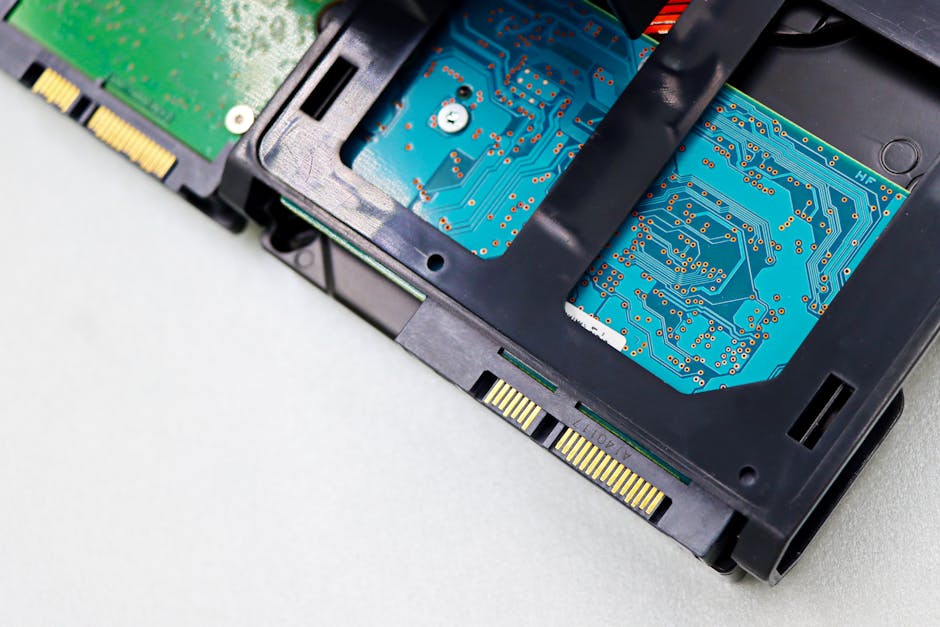
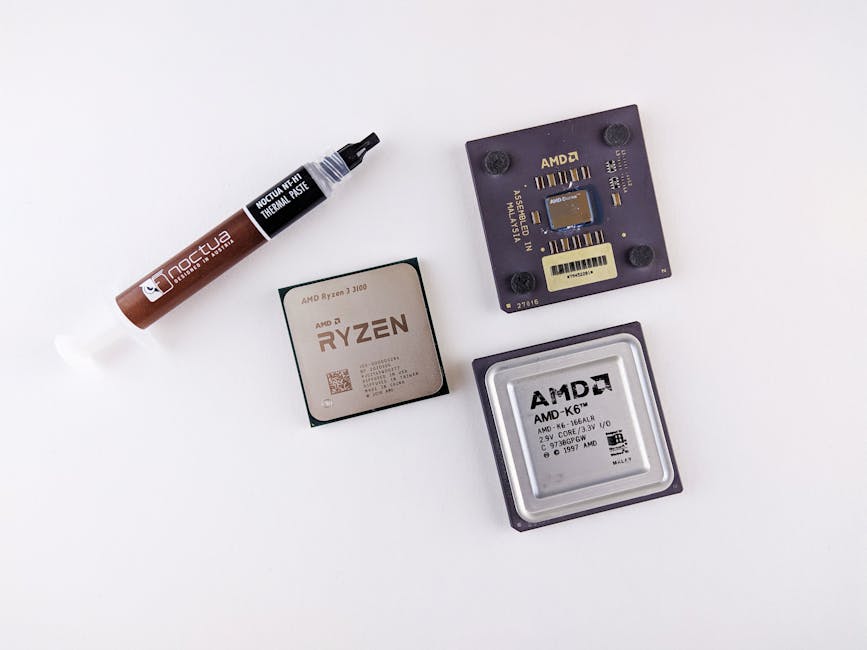
    DIY NAS home server build 2026 hardware components

    Why 2026 Is Actually a Great Year to Build a DIY NAS

    The hardware landscape in 2026 has matured beautifully for home server enthusiasts. DDR5 RAM prices have finally normalized, PCIe Gen 5 NVMe drives are available at reasonable price points for caching, and energy-efficient ARM-based mini-ITX boards have become genuinely viable alternatives to x86 platforms. Meanwhile, HDD manufacturers have pushed capacities to 24TBโ€“28TB per drive on consumer-grade CMR platters, making storage density per dollar better than ever.

    Choosing the Right CPU Platform: The Foundation of Your Build

    The CPU platform is arguably your most important decision because it shapes your upgrade path, power consumption, and software compatibility. Here’s how the main contenders stack up in 2026:

    • Intel N100 / N305 (Alder Lake-N): The undisputed budget king. The N100 draws just 6W TDP and handles Plex transcoding for 2โ€“3 streams comfortably at 1080p. Boards like the CWWK N100 mini-ITX or ASRock N100DC-ITX retail around $120โ€“$150. Perfect for beginners who want low electricity bills.
    • AMD Ryzen 7 8700G (Phoenix, APU): If you want hardware transcoding for 4K HDR content and plan to run VMs or Docker containers heavily, the 8700G’s integrated Radeon 780M GPU is a legitimate workhorse. Pair it with a B650 mini-ITX board like the ASRock B650I Lightning WiFi (~$180) for a compact build.
    • Intel Core i3-N305 (Boards like CWWK or Topton): The sweet spot between the N100 and full desktop CPUs. Eight E-cores, ~15W TDP, and surprisingly capable for light containerized workloads. Great middle-ground choice.
    • Raspberry Pi 5 / ARM SBC builds: For ultra-minimalist single-drive or two-drive setups, the Pi 5 with a HAT+ NVMe expansion board is a legitimate 2026 option. Not for media servers, but excellent for personal cloud (Nextcloud), ad-blocking, and lightweight file sharing.

    Case Selection: Where Practicality Meets Drive Bay Count

    Your case determines how many drives you can fit โ€” and therefore your total storage ceiling. In 2026, these are the standout options:

    • Jonsbo N4 / N3: The Jonsbo N4 fits 8 x 3.5″ drives in a compact Mini-ITX footprint. It’s become almost a default recommendation in the TrueNAS community for builds under $500. Around $100โ€“$120 shipped.
    • Fractal Design Node 804: A dual-chamber design with room for up to 10 HDDs. Excellent airflow, quiet operation, and it’s been a community favorite for half a decade for good reason.
    • Inter-Tech IPC 4U-4129L (Rack-mount): For the enthusiast going full homelab rack, this 4U chassis supports 12 large-form-factor bays and proper hot-swap backplanes. Overkill for most, but worth mentioning.
    • Topton / CWWK N100 all-in-one NAS boards: Some boards come in their own mini cases with 4โ€“6 SATA ports built-in. These are essentially NAS appliances you assemble yourself โ€” a great entry point if you’re intimidated by full builds.

    RAM: How Much Do You Actually Need?

    This depends heavily on your operating system of choice. If you’re running TrueNAS SCALE (which is the most popular open-source NAS OS in 2026 by a wide margin), the ZFS filesystem is memory-hungry. A practical guideline: allocate 1GB of RAM per 1TB of raw storage you plan to manage, with a minimum of 8GB. For Docker containers and VMs on top of that, 32GB is a comfortable sweet spot. DDR4 SO-DIMMs for N100 platforms are around $30โ€“$50 for a 16GB stick in 2026 โ€” genuinely affordable.

    Storage Drives: CMR vs SMR โ€” Still Matters in 2026

    This conversation hasn’t gone away. SMR (Shingled Magnetic Recording) drives remain problematic for NAS RAID arrays because their write performance degrades dramatically during rebuild operations. Always verify CMR (Conventional Magnetic Recording) before purchasing. In 2026, safe CMR bets include:

    • Seagate IronWolf Pro 20TB/24TB: Purpose-built for NAS, CMR confirmed, 7200 RPM, rated for 24/7 operation. Around $280โ€“$380 per drive.
    • WD Red Pro 22TB: WD’s CMR NAS line, similar pricing to IronWolf Pro. The “Red” (non-Pro) line still mixes CMR and SMR depending on capacity โ€” double-check before buying.
    • Toshiba N300 20TB: Often overlooked, but the N300 line is CMR, NAS-rated, and typically $20โ€“$30 cheaper than comparable Seagate/WD options.
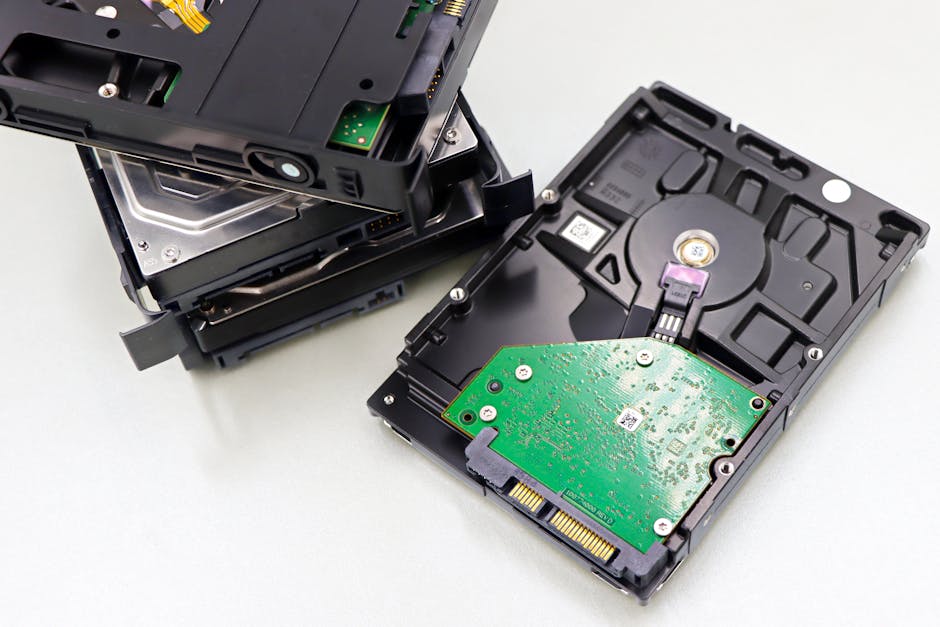
    NAS hard drive comparison CMR vs SMR 2026 storage

    Real-World Build Examples: What the Community Is Actually Building

    Looking at popular NAS communities like r/HomeServer, ServeTheHome forums, and the TrueNAS community in early 2026, a few build archetypes keep appearing:

    The “Frugal Four-Bay” (~$380 total): CWWK N100 board with built-in case, 16GB DDR4, four Toshiba N300 12TB drives in RAIDZ1. Total usable storage: ~36TB. Monthly power draw: ~18โ€“22W at idle. This is Marcus’s build, essentially.

    The “Family Media Server” (~$750โ€“$900): ASRock B650I Lightning WiFi + Ryzen 7 8700G, 32GB DDR5, Jonsbo N4 case, six Seagate IronWolf Pro 20TB in RAIDZ2. Runs TrueNAS SCALE with Plex, Nextcloud, and Immich (photo management). Hardware transcodes 4K HDR to three simultaneous streams without breaking a sweat.

    The “Homelab Rack Enthusiast” ($1,500+): Repurposed Dell PowerEdge R730 (available used for ~$400โ€“$600 in 2026), populated with eight 20TB drives, running Proxmox VE with TrueNAS in a VM. Overkill? Absolutely. Satisfying? Apparently yes.

    Software OS: TrueNAS SCALE vs Unraid vs OpenMediaVault

    Hardware without software is just an expensive paperweight, so let’s quickly touch on the OS layer:

    • TrueNAS SCALE: Best ZFS implementation, excellent for data integrity, native Docker/Kubernetes support. Steeper learning curve but most robust for serious data protection.
    • Unraid: More flexible drive mixing (no matched-size requirement), beginner-friendly UI, great Docker app store (Community Applications). $59โ€“$129 one-time license fee.
    • OpenMediaVault (OMV): Debian-based, completely free, lighter resource footprint โ€” ideal for low-power N100 builds where you want maximum RAM available for ZFS.

    Realistic Alternatives: When a DIY NAS Might Not Be Right for You

    Let’s be honest โ€” a DIY NAS isn’t for everyone, and that’s okay. Here are situations where you might want a different approach:

    • If you have less than 2TB of data: A Synology DS223j (~$180) or QNAP TS-233 gets you a working 2-bay NAS out of the box with zero assembly. The total cost of your time might exceed the hardware savings on a small build.
    • If downtime is unacceptable: Commercial NAS units from Synology or QNAP offer professional support and pre-validated hardware compatibility. DIY means you’re the IT department.
    • If you rent or move frequently: A large NAS build is heavy, bulky, and awkward to transport. Consider a 2-bay commercial unit or a hybrid approach (small local NAS + Backblaze B2 cloud backup at ~$6/TB/month).
    • Pure media consumption with no backup needs: Honestly, a used Synology DS923+ on eBay (~$280) might serve you better than a complex DIY build.

    The sweet spot for a DIY NAS is someone with 4TB+ of data, a willingness to spend a weekend learning, and a genuine interest in having full control over their storage ecosystem. If that’s you, 2026 hardware makes it more accessible than ever.


    Editor’s Comment : Building a NAS in 2026 feels less like a hardcore enthusiast project and more like a reasonable life decision โ€” especially as cloud storage costs quietly compound year after year. The N100 platform in particular has genuinely democratized home servers. My personal take: start with a four-bay build, TrueNAS SCALE, and two drives in a mirror. You can always expand. The worst DIY NAS mistake isn’t choosing the wrong CPU โ€” it’s choosing no backup strategy. Remember: RAID is not a backup. Run the 3-2-1 rule (3 copies, 2 media types, 1 offsite) from day one, and your future self will thank you.


    ๐Ÿ“š ๊ด€๋ จ๋œ ๋‹ค๋ฅธ ๊ธ€๋„ ์ฝ์–ด ๋ณด์„ธ์š”

    ํƒœ๊ทธ: [‘DIY NAS 2026’, ‘home server hardware’, ‘TrueNAS SCALE’, ‘NAS build guide’, ‘self-hosted storage’, ‘network attached storage’, ‘homelab 2026’]

  • ์ž์ž‘ NAS ํ•˜๋“œ์›จ์–ด ์ถ”์ฒœ 2026 โ€” ์˜ˆ์‚ฐ๋ณ„ ์ตœ์  ๊ตฌ์„ฑ ์™„์ „ ๊ฐ€์ด๋“œ

    ์–ผ๋งˆ ์ „ ์ง€์ธ ํ•œ ๋ถ„์ด ์ด๋Ÿฐ ๊ณ ๋ฏผ์„ ํ„ธ์–ด๋†“์•˜์–ด์š”. “ํด๋ผ์šฐ๋“œ ๊ตฌ๋…๋ฃŒ๊ฐ€ ๋งค๋‹ฌ ๋‚˜๊ฐ€๋Š” ๊ฒŒ ์•„๊น๊ธด ํ•œ๋ฐ, ๋ง‰์ƒ NAS๋ฅผ ์ง์ ‘ ๋งŒ๋“ค๋ ค๋‹ˆ ์–ด๋””์„œ๋ถ€ํ„ฐ ์‹œ์ž‘ํ•ด์•ผ ํ• ์ง€ ๋ชจ๋ฅด๊ฒ ๋‹ค”๊ณ ์š”. ์‚ฌ์‹ค ์ €๋„ ์ฒ˜์Œ์—” ๊ทธ๋žฌ์Šต๋‹ˆ๋‹ค. CPU ์„ ํƒ๋ถ€ํ„ฐ ์ผ€์ด์Šค, ์šด์˜์ฒด์ œ๊นŒ์ง€ ๊ณ ๋ คํ•  ๊ฒŒ ํ•œ๋‘ ๊ฐ€์ง€๊ฐ€ ์•„๋‹ˆ๊ฑฐ๋“ ์š”. ๊ทธ๋Ÿฐ๋ฐ ๋ง‰์ƒ ๊ตฌ์„ฑ์„ ํ•˜๋‚˜์”ฉ ์žก์•„๊ฐ€๋‹ค ๋ณด๋ฉด, ์ƒ์šฉ NAS ๋Œ€๋น„ ํ›จ์”ฌ ์œ ์—ฐํ•˜๊ณ  ์žฅ๊ธฐ์ ์œผ๋กœ ๋น„์šฉ ํšจ์œจ์ ์ธ ์„ ํƒ์ด๋ผ๋Š” ๊ฑธ ์•Œ๊ฒŒ ๋ผ์š”. 2026๋…„ ํ˜„์žฌ ๋ถ€ํ’ˆ ๊ฐ€๊ฒฉ๊ณผ ํ”Œ๋žซํผ ๋ณ€ํ™”๋ฅผ ๋ฐ˜์˜ํ•ด์„œ, ์˜ˆ์‚ฐ๋ณ„๋กœ ํ˜„์‹ค์ ์ธ ์ž์ž‘ NAS ํ•˜๋“œ์›จ์–ด ๊ตฌ์„ฑ์„ ๊ฐ™์ด ์‚ดํŽด๋ณด๊ฒ ์Šต๋‹ˆ๋‹ค.

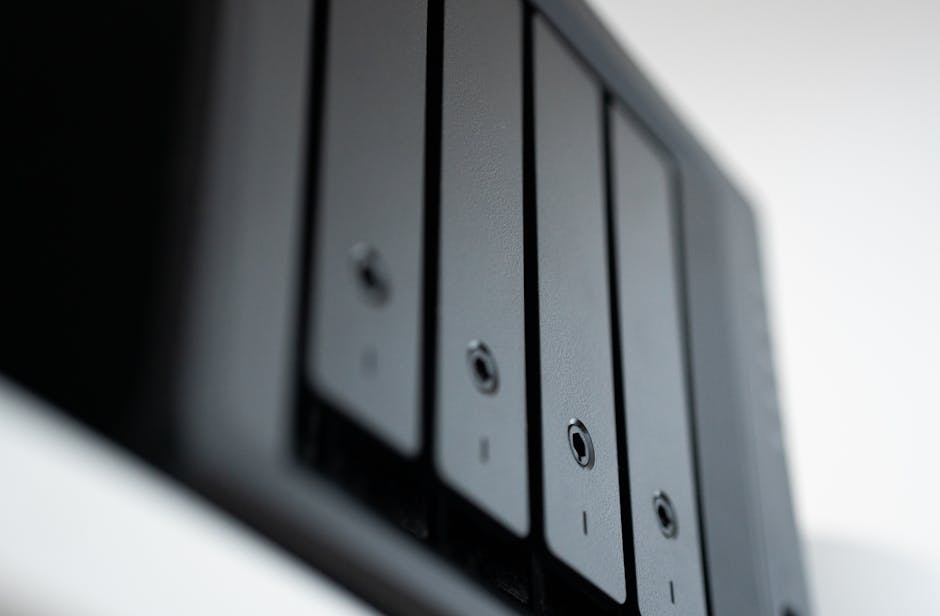
    DIY NAS build hardware components 2026

    ๐Ÿ” ์™œ ์ง€๊ธˆ ์ž์ž‘ NAS์ธ๊ฐ€? โ€” 2026๋…„ ์‹œ์žฅ ๋ณ€ํ™” ๋ถ„์„

    2026๋…„ ๊ธฐ์ค€์œผ๋กœ Synology, QNAP ๊ฐ™์€ ์ƒ์šฉ NAS์˜ ์ง„์ž… ๋น„์šฉ์€ ๊พธ์ค€ํžˆ ์˜ฌ๋ผ๊ฐ€๊ณ  ์žˆ์–ด์š”. 4๋ฒ ์ด ์ค‘๊ธ‰ ๋ชจ๋ธ ๊ธฐ์ค€ ๊ตญ๋‚ด ์‹œ์žฅ๊ฐ€๊ฐ€ 60~80๋งŒ ์›๋Œ€๋ฅผ ํ˜•์„ฑํ•˜๊ณ  ์žˆ๊ณ , ์—ฌ๊ธฐ์— ๋ณ„๋„ RAM ์—…๊ทธ๋ ˆ์ด๋“œ๋‚˜ NVMe ์บ์‹œ ์Šฌ๋กฏ ํ™•์žฅ ๋น„์šฉ์„ ๋”ํ•˜๋ฉด 100๋งŒ ์›์„ ํ›Œ์ฉ ๋„˜๊ธฐ๋Š” ๊ฒฝ์šฐ๋„ ์ƒ๊น๋‹ˆ๋‹ค. ๋ฐ˜๋ฉด ์ž์ž‘ NAS๋Š” ๋™์ผ ์˜ˆ์‚ฐ ๋Œ€๋น„ ์•ฝ 1.5~2๋ฐฐ ์ด์ƒ์˜ ์„ฑ๋Šฅ๊ณผ ํ™•์žฅ์„ฑ์„ ํ™•๋ณดํ•  ์ˆ˜ ์žˆ๋‹ค๊ณ  ๋ณด๋Š” ์‹œ๊ฐ์ด ๋งŽ์•„์š”.

    ํŠนํžˆ 2025๋…„ ํ•˜๋ฐ˜๊ธฐ๋ถ€ํ„ฐ Intel N100/N150 ๊ณ„์—ด ์ €์ „๋ ฅ ๋ฏธ๋‹ˆ ITX ๋ณด๋“œ ๊ฐ€๊ฒฉ์ด ๊ตญ๋‚ด์—์„œ 10๋งŒ ์›๋Œ€ ์ดˆ๋ฐ˜๊นŒ์ง€ ๋‚ด๋ ค์˜ค๋ฉด์„œ, ์ €์˜ˆ์‚ฐ ์ž์ž‘ NAS์˜ ์ง„์ž… ์žฅ๋ฒฝ์ด ํฌ๊ฒŒ ๋‚ฎ์•„์กŒ์Šต๋‹ˆ๋‹ค. ์ „์„ฑ๋น„(์ „๋ ฅ ๋Œ€๋น„ ์„ฑ๋Šฅ) ์ธก๋ฉด์—์„œ๋„ N100 ๊ธฐ๋ฐ˜ ํ”Œ๋žซํผ์€ ํ’€๋กœ๋“œ ์‹œ TDP 6W ์ˆ˜์ค€์œผ๋กœ, 24์‹œ๊ฐ„ 365์ผ ์šด์˜ํ•˜๋”๋ผ๋„ ์—ฐ๊ฐ„ ์ „๊ธฐ์š”๊ธˆ์ด 2~3๋งŒ ์›๋Œ€์— ๊ทธ์น  ์ˆ˜ ์žˆ์–ด์š”.

    ๐Ÿ’ก ์˜ˆ์‚ฐ๋ณ„ ์ž์ž‘ NAS ํ•˜๋“œ์›จ์–ด ์ถ”์ฒœ ๊ตฌ์„ฑ

    โ‘  ์ž…๋ฌธํ˜• โ€” ์˜ˆ์‚ฐ 30~50๋งŒ ์› (์ €์ „๋ ฅยท์†Œํ˜• ๊ตฌ์„ฑ)

    ํ™ˆ ๋ฏธ๋””์–ด ์„œ๋ฒ„๋‚˜ ๊ฐœ์ธ ๋ฐฑ์—… ์šฉ๋„๋ผ๋ฉด ์ด ๊ตฌ์„ฑ์œผ๋กœ ์ถฉ๋ถ„ํ•˜๋‹ค๊ณ  ๋ด…๋‹ˆ๋‹ค.

    • ๋ฉ”์ธ๋ณด๋“œ/CPU ์ผ์ฒดํ˜•: ASRock N150DC-ITX ๋˜๋Š” CWWK N100 4๋ฒ ์ด ์ „์šฉ ๋ณด๋“œ (10~15๋งŒ ์›๋Œ€) โ€” N100/N150์€ ์ธํ…” 12์„ธ๋Œ€ ์•„ํ‚คํ…์ฒ˜ ๊ธฐ๋ฐ˜์œผ๋กœ ํ•˜๋“œ์›จ์–ด ํŠธ๋žœ์Šค์ฝ”๋”ฉ(QSV)์„ ์ง€์›ํ•ด์š”.
    • RAM: DDR5 SO-DIMM 16GB ๋‹จ์ผ (์ €์ „๋ ฅ ํ”Œ๋žซํผ์€ ๋‹จ์ฑ„๋„๋กœ๋„ ์ถฉ๋ถ„) โ€” ์•ฝ 4~5๋งŒ ์›
    • ๋ถ€ํŠธ ๋“œ๋ผ์ด๋ธŒ: SATA SSD 128GB ๋˜๋Š” M.2 NVMe 256GB โ€” ์•ฝ 2~3๋งŒ ์›
    • ์ผ€์ด์Šค: Jonsbo N2 (5๋ฒ ์ด ์ง€์›, ๋ฏธ๋‹ˆํƒ€์›Œ ํผํŒฉํ„ฐ) โ€” ์•ฝ 8~10๋งŒ ์›
    • ํŒŒ์›Œ์„œํ”Œ๋ผ์ด: ํ”ผ์ฝ”PSU 120W DC-DC ์–ด๋Œ‘ํ„ฐ ์„ธํŠธ โ€” ์•ฝ 4~5๋งŒ ์›
    • HDD: WD Red Plus 4TB ร— 2๊ฐœ (๋ฏธ๋Ÿฌ๋ง ๊ตฌ์„ฑ ์‹œ ์‹ค ์šฉ๋Ÿ‰ 4TB) โ€” ๊ฐ 12๋งŒ ์› ๋‚ด์™ธ

    ์ด ์˜ˆ์‚ฐ ์•ฝ 45~55๋งŒ ์› ์„ ์—์„œ ๊ตฌ์„ฑ ๊ฐ€๋Šฅํ•˜๋ฉฐ, OS๋Š” TrueNAS SCALE ๋˜๋Š” Proxmox + TrueNAS VM ์กฐํ•ฉ์„ ๋งŽ์ด ์“ฐ๋Š” ์ถ”์„ธ์˜ˆ์š”.

    โ‘ก ์ค‘๊ธ‰ํ˜• โ€” ์˜ˆ์‚ฐ 80~130๋งŒ ์› (PlexยทVM ๋ณ‘ํ–‰ ์šด์˜)

    Plex ๋ฏธ๋””์–ด ์„œ๋ฒ„ ํŠธ๋žœ์Šค์ฝ”๋”ฉ์ด๋‚˜ ์†Œ๊ทœ๋ชจ ๊ฐ€์ƒ๋จธ์‹ ๊นŒ์ง€ ํ•จ๊ป˜ ๋Œ๋ฆฌ๊ณ  ์‹ถ๋‹ค๋ฉด ์—ฌ๊ธฐ์„œ๋ถ€ํ„ฐ๊ฐ€ ํ˜„์‹ค์ ์ธ ์„ ํƒ์ด๋ผ๊ณ  ๋ด์š”.

    • CPU: AMD Ryzen 5 8600G (๋‚ด์žฅ GPU ํƒ‘์žฌ, ์†Œํ”„ํŠธ์›จ์–ด ํŠธ๋žœ์Šค์ฝ”๋”ฉ์— ์—ฌ์œ  ์žˆ์Œ) โ€” ์•ฝ 22๋งŒ ์›
    • ๋ฉ”์ธ๋ณด๋“œ: ASRock B650M-HDV/M.2 ๋˜๋Š” MSI PRO B650M-B โ€” ์•ฝ 13~15๋งŒ ์›
    • RAM: DDR5 32GB (16GB ร— 2, ๋“€์–ผ์ฑ„๋„) โ€” ์•ฝ 9~10๋งŒ ์›
    • ์ผ€์ด์Šค: Fractal Design Node 804 ๋˜๋Š” SilverStone CS351 (8๋ฒ ์ด ์ด์ƒ ์ง€์›) โ€” ์•ฝ 10~15๋งŒ ์›
    • PSU: Seasonic FOCUS GX-550 (80PLUS Gold) โ€” ์•ฝ 10๋งŒ ์›
    • HDD: WD Red Plus 8TB ร— 4๊ฐœ (RAID-Z2 ๊ตฌ์„ฑ ์‹œ ์‹ค ์šฉ๋Ÿ‰ ์•ฝ 16TB) โ€” ๊ฐ 22๋งŒ ์› ๋‚ด์™ธ
    • ์บ์‹œ์šฉ NVMe: Samsung 990 EVO 1TB โ€” ์•ฝ 8๋งŒ ์›

    ์ด ๊ตฌ์„ฑ์€ ZFS์˜ ARC ์บ์‹ฑ๊ณผ NVMe L2ARC๋ฅผ ํ•จ๊ป˜ ํ™œ์šฉํ•˜๋ฉด ์ฝ๊ธฐ ์„ฑ๋Šฅ์ด GB/s ๋‹จ์œ„๋กœ ์˜ฌ๋ผ๊ฐ€๊ธฐ ๋•Œ๋ฌธ์—, 10GbE ๋„คํŠธ์›Œํฌ ํ™˜๊ฒฝ์—์„œ๋„ ์ถฉ๋ถ„ํžˆ ๋Œ€์—ญํญ์„ ์ฑ„์šธ ์ˆ˜ ์žˆ์–ด์š”.

    โ‘ข ๊ณ ๊ธ‰ํ˜• โ€” ์˜ˆ์‚ฐ 200๋งŒ ์› ์ด์ƒ (ํ™ˆ ์„œ๋ฒ„ยท์†Œ๊ทœ๋ชจ ์‚ฌ๋ฌด์†Œ ์ˆ˜์ค€)
    • CPU: Intel Core Ultra 7 265 (Arrow Lake, E์ฝ”์–ด ํ™œ์šฉ์œผ๋กœ ์œ ํœด ์ „๋ ฅ ์ตœ์†Œํ™”)
    • ๋ฉ”์ธ๋ณด๋“œ: Supermicro X13SAE-F ๊ณ„์—ด (IPMI ์›๊ฒฉ ๊ด€๋ฆฌ ์ง€์›)
    • RAM: ECC DDR5 64GB โ€” ZFS๋Š” ECC ๋ฉ”๋ชจ๋ฆฌ๋ฅผ ๊ถŒ์žฅํ•˜๋Š” ํ”Œ๋žซํผ์ด์—์š”
    • HBA ์นด๋“œ: LSI 9300-8i (IT ๋ชจ๋“œ ํ”Œ๋ž˜์‹ฑ ํ›„ HDD ์ง๊ฒฐ) โ€” RAID ์ปจํŠธ๋กค๋Ÿฌ๋ฅผ ๋ผ์šฐ๋ฉด ZFS์˜ ์ง์ ‘ ๋””์Šคํฌ ์ œ์–ด๋ฅผ ๋ฐฉํ•ดํ•  ์ˆ˜ ์žˆ์–ด์„œ HBA ๋ฐฉ์‹์ด ์ •์„์ž…๋‹ˆ๋‹ค
    • HDD: Seagate Exos X20 20TB ร— 6๊ฐœ ์ด์ƒ
    • 10GbE NIC: Intel X710-DA2 ๋˜๋Š” Mellanox ConnectX-4 Lx

    home server rack NAS ZFS setup

    ๐ŸŒ ๊ตญ๋‚ด์™ธ ์ž์ž‘ NAS ์ปค๋ฎค๋‹ˆํ‹ฐ ํŠธ๋ Œ๋“œ

    ํ•ด์™ธ Reddit์˜ r/homelab, r/DataHoarder ์ปค๋ฎค๋‹ˆํ‹ฐ์—์„œ๋Š” 2026๋…„ ํ˜„์žฌ Proxmox VE 8.x ์œ„์— TrueNAS SCALE์„ VM์œผ๋กœ ์˜ฌ๋ฆฌ๋Š” ์ด๋ฅธ๋ฐ” “Proxmox + TrueNAS” ์ด์ค‘ ๋ ˆ์ด์–ด ๊ตฌ์„ฑ์ด ํ‘œ์ค€์ฒ˜๋Ÿผ ์ž๋ฆฌ ์žก๊ณ  ์žˆ์–ด์š”. ์Šคํ† ๋ฆฌ์ง€์™€ ๊ฐ€์ƒํ™”๋ฅผ ํ•˜๋‚˜์˜ ๋จธ์‹ ์—์„œ ๋ถ„๋ฆฌํ•ด์„œ ๊ด€๋ฆฌํ•  ์ˆ˜ ์žˆ๋‹ค๋Š” ๊ฒŒ ๊ฐ€์žฅ ํฐ ์žฅ์ ์ด๋ผ๊ณ  ๋ด…๋‹ˆ๋‹ค.

    ๊ตญ๋‚ด์—์„œ๋Š” ํด๋ฆฌ์•™ ํ•˜๋“œ์›จ์–ด ๊ฒŒ์‹œํŒ๊ณผ SLRclub์„ ์ค‘์‹ฌ์œผ๋กœ CWWK ๊ณ„์—ด N100/N150 ๋ณด๋“œ์— ๋Œ€ํ•œ ์‚ฌ์šฉ๊ธฐ๊ฐ€ ๊พธ์ค€ํžˆ ์˜ฌ๋ผ์˜ค๊ณ  ์žˆ์–ด์š”. ํŠนํžˆ PCIe ์Šฌ๋กฏ์„ ํ†ตํ•ด 10GbE NIC๋‚˜ HBA ์นด๋“œ๋ฅผ ์ถ”๊ฐ€ํ•  ์ˆ˜ ์žˆ๋Š” ๋ณด๋“œ ๋ชจ๋ธ์— ๋Œ€ํ•œ ์ˆ˜์š”๊ฐ€ ๋†’์•„์ง€๋Š” ์ถ”์„ธ์ž…๋‹ˆ๋‹ค. ํ•ด์™ธ ์ง๊ตฌ ๋Œ€๋น„ ๊ตญ๋‚ด ๋ณ‘ํ–‰ ์œ ํ†ต ๊ฐ€๊ฒฉ์ด ์ ์ฐจ ์ขํ˜€์ง€๊ณ  ์žˆ๋Š” ์ ๋„ ๊ธ์ •์ ์ด์—์š”.

    โš ๏ธ ์ž์ž‘ NAS ๊ตฌ์„ฑ ์‹œ ๋†“์น˜๊ธฐ ์‰ฌ์šด ํฌ์ธํŠธ

    • UPS(๋ฌด์ •์ „ ์ „์›์žฅ์น˜) ํ•„์ˆ˜: ๊ฐ‘์ž‘์Šค๋Ÿฌ์šด ์ •์ „ ์‹œ ZFS ํ’€ ์†์ƒ ๊ฐ€๋Šฅ์„ฑ์ด ์žˆ์–ด์š”. APC BE600M1 ๊ฐ™์€ ๋ณด๊ธ‰ํ˜• UPS๋„ ์ถฉ๋ถ„ํ•œ ๋ณดํ˜ธ๊ฐ€ ๋ฉ๋‹ˆ๋‹ค.
    • 3-2-1 ๋ฐฑ์—… ์›์น™: NAS ์ž์ฒด๊ฐ€ ๋ฐฑ์—… ๋ชฉ์ ์ง€๋ผ ํ•ด๋„, ์›๋ณธ 3๊ฐœยท๋‹ค๋ฅธ ๋งค์ฒด 2๊ฐœยท์˜คํ”„์‚ฌ์ดํŠธ 1๊ฐœ ์›์น™์€ ์ง€ํ‚ค๋Š” ๊ฒŒ ์ข‹์•„์š”. Backblaze B2 ๋˜๋Š” ๊ตญ๋‚ด ๊ธฐ์ค€ ๋„ค์ด๋ฒ„ ํด๋ผ์šฐ๋“œ Object Storage๋ฅผ ์˜คํ”„์‚ฌ์ดํŠธ๋กœ ํ™œ์šฉํ•˜๋Š” ๊ตฌ์„ฑ์ด ๋งŽ์Šต๋‹ˆ๋‹ค.
    • HDD ๊ตฌ๋งค ์‹œ๊ธฐ: WDยทSeagate์˜ CMR(Conventional Magnetic Recording) ๋ฐฉ์‹ ๋“œ๋ผ์ด๋ธŒ๋ฅผ ์„ ํƒํ•˜์„ธ์š”. SMR ๋ฐฉ์‹์€ RAID ๋ฆฌ๋นŒ๋“œ ์‹œ ์‹ฌ๊ฐํ•œ ์„ฑ๋Šฅ ์ €ํ•˜๊ฐ€ ๋ฐœ์ƒํ•  ์ˆ˜ ์žˆ์–ด์š”.
    • ์ผ€์ด์Šค ์—์–ดํ”Œ๋กœ์šฐ: HDD ๋‹ค์ˆ˜๋ฅผ ์žฅ์ฐฉํ•˜๋ฉด ๋ฐœ์—ด ๊ด€๋ฆฌ๊ฐ€ ์ƒ๊ฐ๋ณด๋‹ค ์ค‘์š”ํ•ด์ ธ์š”. ๋“œ๋ผ์ด๋ธŒ ์˜จ๋„๊ฐ€ 40ยฐC ์ด์ƒ ์ง€์†๋˜๋ฉด ์ˆ˜๋ช…์— ์˜ํ–ฅ์„ ์ค„ ์ˆ˜ ์žˆ์–ด์š”.
    • OS ๋“œ๋ผ์ด๋ธŒ ์ด์ค‘ํ™”: TrueNAS SCALE์€ ๋ถ€ํŠธ ํ’€์„ ๋ฏธ๋Ÿฌ๋งํ•  ์ˆ˜ ์žˆ์–ด์š”. OS ๋“œ๋ผ์ด๋ธŒ๋ฅผ ๋‹จ์ผ๋กœ ๊ตฌ์„ฑํ•˜๋ฉด ์žฅ์•  ์‹œ ์„ค์ •์ด ๋‚ ์•„๊ฐˆ ์ˆ˜ ์žˆ์Šต๋‹ˆ๋‹ค.

    โœ… ๊ฒฐ๋ก  โ€” ๋‚˜์—๊ฒŒ ๋งž๋Š” ๊ตฌ์„ฑ์„ ๊ณ ๋ฅด๋Š” ๊ธฐ์ค€

    ์ž์ž‘ NAS๋Š” “๋ฌด์กฐ๊ฑด ๊ณ ์‚ฌ์–‘์ด ์ข‹๋‹ค\


    ๐Ÿ“š ๊ด€๋ จ๋œ ๋‹ค๋ฅธ ๊ธ€๋„ ์ฝ์–ด ๋ณด์„ธ์š”

    ํƒœ๊ทธ: []

  • Can 3D Printing Really Mass-Produce Car Parts? A 2026 Reality Check

    Picture this: it’s early 2026, and a small automotive startup in Detroit just rolled out a batch of 500 custom suspension brackets โ€” not from a traditional stamping press, but straight from a row of industrial 3D printers humming quietly in a converted warehouse. No expensive tooling. No six-month lead time. Just digital files turned into functional metal parts in days. Science fiction? Not anymore. But is this story the exception or the rule? Let’s think through this together, because the answer is far more nuanced โ€” and honestly more exciting โ€” than the headlines suggest.

    3D printing automotive metal parts factory production line 2026

    Where 3D Printing Stands in Automotive Manufacturing Right Now

    To understand the mass-production question, we first need to separate the technology into its relevant categories. In 2026, automotive-grade additive manufacturing broadly falls into three camps:

    • Polymer-based FDM/SLA: Great for interior trims, prototypes, and non-structural components. Cheap, fast, but limited in mechanical strength under sustained load.
    • Metal AM (SLM/DMLS/Binder Jetting): Used for structural brackets, exhaust components, and EV battery housings. High strength, but historically slow and expensive per part.
    • Continuous Fiber Reinforcement (CFR) Printing: An emerging category that combines thermoplastics with carbon or glass fibers โ€” bridging the gap between polymer convenience and metal-like rigidity.

    According to the 2026 Additive Manufacturing in Automotive Report by Wohlers Associates, the global automotive AM market is projected to cross $7.2 billion USD by end of 2026, up from roughly $4.1 billion in 2023. That’s meaningful growth, but here’s the catch: the vast majority of that value still sits in prototyping, tooling, and low-volume specialty parts โ€” not true mass production at the millions-of-units scale traditional OEMs operate at.

    The Economics: Where the Math Gets Interesting

    Let’s talk numbers, because this is where logic really kicks in. Traditional injection molding or metal stamping carries massive upfront tooling costs โ€” often $50,000 to $500,000 per mold โ€” but the per-unit cost drops dramatically as volume increases. 3D printing flips this model: near-zero tooling cost, but a relatively flat (and still high) per-unit cost.

    For a metal bracket produced via Selective Laser Melting (SLM), industry benchmarks in 2026 put the cost at roughly $15โ€“$80 per part depending on geometry and material, versus $2โ€“$8 for an equivalent stamped steel part at high volume. The crossover point โ€” where AM becomes cost-competitive โ€” typically sits below 10,000 units per year for complex metal components. Above that threshold, traditional manufacturing still wins on pure cost.

    However, this calculation changes when you factor in:

    • Elimination of warehousing costs for slow-moving spare parts
    • Localized on-demand production reducing logistics overhead
    • Topology-optimized designs that reduce material use by 20โ€“40%
    • Integration of multiple components into a single printed part (part consolidation)

    Real-World Examples Proving the Concept

    Theory is great, but let’s ground this in what’s actually happening globally and domestically in 2026.

    Stellantis (International): Since 2024, Stellantis has operated an on-demand 3D printing hub in Turin specifically for legacy vehicle spare parts โ€” components for models discontinued over 15 years ago. By early 2026, the program covers over 1,400 part numbers, reducing spare parts inventory costs by an estimated 34%. This is a brilliant use case: low-volume, high-complexity, where traditional re-tooling would simply be uneconomical.

    Hyundai Motor Group (Domestic โ€” South Korea): Hyundai’s Namyang R&D Center has been running a hybrid production line since late 2025 where binder-jet printed aluminum subframe nodes are integrated with traditionally welded steel structures for their Genesis EV lineup. The printed nodes allow for geometries impossible with casting, improving torsional rigidity by 18% while reducing weight by 12%. This hybrid approach โ€” 3D printing where it excels, traditional methods where they’re superior โ€” is arguably the most pragmatic model emerging in 2026.

    Local Motors (USA): Though the company faced restructuring, its foundational concept of printing entire vehicle structures has been inherited by startups like Divergent Technologies, which in 2026 is supplying 3D-printed structural nodes to two Tier-1 suppliers for performance vehicle applications. Their Divergent Adaptive Production System (DAPS) can produce over 100,000 nodes per year per facility โ€” nudging AM closer to genuine mid-volume production territory.

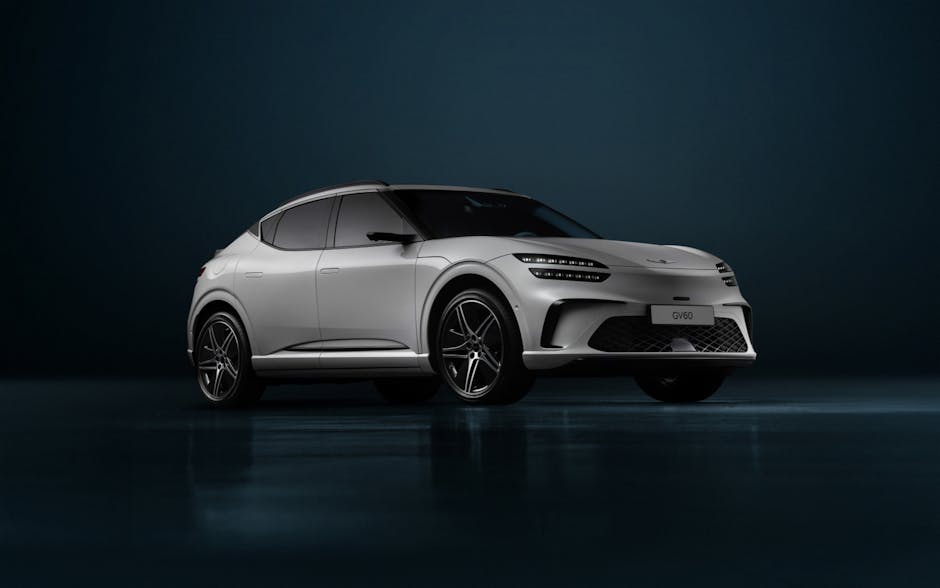
    Hyundai Genesis EV 3D printed aluminum subframe topology optimized automotive parts

    The Bottlenecks Still Holding Back True Mass Production

    Being honest here matters. Despite the progress, several structural challenges remain in 2026:

    • Speed: Even the fastest industrial metal AM systems print orders of magnitude slower than stamping or die casting. A stamping press can produce a door panel in under 10 seconds; an SLM machine might take 4โ€“8 hours for a comparable volume of material.
    • Post-processing burden: Most metal printed parts require heat treatment, support removal, and surface finishing โ€” adding time, cost, and labor that don’t scale as elegantly as the printing itself.
    • Quality consistency: Achieving Six Sigma-level defect rates across millions of printed parts is still a frontier challenge. Porosity, residual stress, and anisotropic mechanical properties require sophisticated in-process monitoring.
    • Material certification: Automotive OEMs require rigorous material qualification. Getting a new AM alloy or process certified for safety-critical components can take 3โ€“5 years โ€” a significant lag behind technology development.
    • Workforce and IP: Operating large AM fleets requires specialized talent, and digital part files raise complex intellectual property concerns around file security and unauthorized reproduction.

    Realistic Alternatives and Strategic Pathways for 2026 and Beyond

    So where does this leave us? Rather than asking “can 3D printing replace mass production?” โ€” which is the wrong question โ€” let’s reframe it: where should 3D printing fit in a smart automotive supply chain?

    Here’s the framework I’d recommend thinking through:

    • Spare parts on demand: Highest ROI today. Eliminate slow-moving inventory and re-tool obsolete parts without dies. Every OEM should have a digital warehouse strategy by now.
    • Tooling and fixtures: Print the tools, not the part. AM-produced jigs, fixtures, and inspection gauges can slash tooling lead times from months to days โ€” and this ROI is immediate and proven.
    • Complex, low-volume, high-value parts: Performance vehicles, motorsport, EVs with unique thermal management geometries โ€” these are the sweet spots where AM’s design freedom justifies its cost premium.
    • Hybrid manufacturing for structural nodes: Follow the Hyundai playbook. Identify specific joints or brackets where topology optimization unlocks performance gains, and integrate AM strategically rather than wholesale.
    • Localized micro-factories: As EV adoption fragments vehicle platforms, distributed AM micro-factories near assembly plants can produce regional variants cost-effectively without retooling central facilities.

    The companies that will win aren’t those betting everything on AM replacing stamping lines โ€” they’re those building the intelligence to know when and where to deploy each manufacturing method.

    Editor’s Comment : After digging into all of this, what strikes me most is that the question of “mass production” is really the wrong lens for 3D printing in automotive right now. The technology isn’t trying to out-stamp a stamping press โ€” it’s redefining what’s possible at the edges: the legacy spare part that would otherwise become unavailable, the titanium bracket that’s 30% lighter because it could be designed without manufacturing constraints, the micro-run of regional variants that would never justify traditional tooling. In 2026, the smartest automotive manufacturers aren’t choosing between 3D printing and traditional manufacturing โ€” they’re building supply chains fluid enough to use both where each shines. That’s not a compromise; that’s engineering maturity. And honestly? That’s a much more exciting future than simply replacing one machine with another.


    ๐Ÿ“š ๊ด€๋ จ๋œ ๋‹ค๋ฅธ ๊ธ€๋„ ์ฝ์–ด ๋ณด์„ธ์š”

    ํƒœ๊ทธ: [‘3D printing automotive parts’, ‘additive manufacturing mass production 2026’, ‘metal AM car manufacturing’, ‘automotive supply chain innovation’, ‘Hyundai 3D printed EV components’, ‘Stellantis spare parts on demand’, ‘topology optimization automotive’]

  • 3D ํ”„๋ฆฐํŒ… ์ž๋™์ฐจ ๋ถ€ํ’ˆ ์–‘์‚ฐ, 2026๋…„ ์ง€๊ธˆ์€ ํ˜„์‹ค์ด ๋  ์ˆ˜ ์žˆ์„๊นŒ?

    ์–ผ๋งˆ ์ „ ์ง€์ธ ์ค‘ ํ•œ ๋ช…์ด ์˜ค๋ž˜๋œ ์ˆ˜์ž…์ฐจ๋ฅผ ํƒ€๊ณ  ์žˆ๋Š”๋ฐ, ๋‹จ์ข…๋œ ๋ถ€ํ’ˆ ํ•˜๋‚˜๋ฅผ ๊ตฌํ•˜์ง€ ๋ชปํ•ด ๋ช‡ ๋‹ฌ์งธ ์ฐจ๋ฅผ ์„ธ์›Œ๋’€๋‹ค๋Š” ์ด์•ผ๊ธฐ๋ฅผ ๋“ค์—ˆ์–ด์š”. ๋”œ๋Ÿฌ์— ๋ฌธ์˜ํ•˜๋‹ˆ ‘๋ณธ๊ตญ์—์„œ๋„ ์žฌ๊ณ ๊ฐ€ ์—†๋‹ค’๋Š” ๋‹ต๋ณ€๋งŒ ๋Œ์•„์™”๋‹ค๊ณ  ํ•˜๋”๋ผ๊ณ ์š”. ๊ทธ๋Ÿฐ๋ฐ ๊ทธ ์นœ๊ตฌ๊ฐ€ ๊ฒฐ๊ตญ ์ฐพ์•„๋‚ธ ํ•ด๊ฒฐ์ฑ…์ด ๋ฐ”๋กœ 3D ํ”„๋ฆฐํŒ…์œผ๋กœ ์ œ์ž‘ํ•œ ๋Œ€์ฒด ๋ถ€ํ’ˆ์ด์—ˆ์Šต๋‹ˆ๋‹ค. ๋ฌผ๋ก  ๊ฐ„๋‹จํ•œ ๋ธŒ๋ž˜ํ‚ท ๋ถ€ํ’ˆ์ด๊ธด ํ–ˆ์ง€๋งŒ, ์ด ๊ฒฝํ—˜์ด ์ €๋ฅผ ํ•œ ๊ฐ€์ง€ ์งˆ๋ฌธ์œผ๋กœ ์ด๋Œ์—ˆ์–ด์š”.

    “3D ํ”„๋ฆฐํŒ…์ด ์ž๋™์ฐจ ๋ถ€ํ’ˆ์„ ‘ํ•œ๋‘ ๊ฐœ’ ๋งŒ๋“œ๋Š” ์ˆ˜์ค€์„ ๋„˜์–ด, ์ง„์งœ ‘์–‘์‚ฐ(Mass Production)’ ์ฒด๊ณ„๋กœ ๋“ค์–ด์˜ฌ ์ˆ˜ ์žˆ์„๊นŒ?”

    ์˜ค๋Š˜์€ ์ด ์งˆ๋ฌธ์„ ํ•จ๊ป˜ ํŒŒ๊ณ ๋“ค์–ด ๋ณด๋ ค๊ณ  ํ•ฉ๋‹ˆ๋‹ค. ๋‹จ์ˆœํ•œ ๊ธฐ์ˆ  ์†Œ๊ฐœ๊ฐ€ ์•„๋‹ˆ๋ผ, ์‹ค์ œ ์ˆ˜์น˜์™€ ์‚ฌ๋ก€๋ฅผ ๋ฐ”ํƒ•์œผ๋กœ ๊ฐ€๋Šฅ์„ฑ๊ณผ ํ•œ๊ณ„๋ฅผ ๋ƒ‰์ •ํ•˜๊ฒŒ ์งš์–ด๋ณผ๊ฒŒ์š”.


    3D printing automotive parts manufacturing factory

    ๐Ÿ“Š ์ˆซ์ž๋กœ ๋ณด๋Š” 3D ํ”„๋ฆฐํŒ… ์ž๋™์ฐจ ๋ถ€ํ’ˆ ์‹œ์žฅ โ€” ๊ธฐ๋Œ€ ์ด์ƒ์ž…๋‹ˆ๋‹ค

    ๊ธ€๋กœ๋ฒŒ ์‹œ์žฅ์กฐ์‚ฌ ๊ธฐ๊ด€๋“ค์˜ ์ตœ๊ทผ ๋ฐ์ดํ„ฐ๋ฅผ ์ข…ํ•ฉํ•ด ๋ณด๋ฉด, 2026๋…„ ํ˜„์žฌ ์ž๋™์ฐจ ๋ถ„์•ผ์˜ 3D ํ”„๋ฆฐํŒ…(์ ์ธต ์ œ์กฐ, Additive Manufacturing) ์‹œ์žฅ ๊ทœ๋ชจ๋Š” ์•ฝ 70์–ต ๋‹ฌ๋Ÿฌ(ํ•œํ™” ์•ฝ 9์กฐ 5์ฒœ์–ต ์›) ์ˆ˜์ค€์— ๊ทผ์ ‘ํ•œ ๊ฒƒ์œผ๋กœ ์ถ”์‚ฐ๋ฉ๋‹ˆ๋‹ค. 2020๋…„ ๋Œ€๋น„ ์•ฝ 3๋ฐฐ ์ด์ƒ ์„ฑ์žฅํ•œ ์ˆ˜์น˜๋ผ๊ณ  ๋ด…๋‹ˆ๋‹ค.

    ๋” ์ฃผ๋ชฉํ•  ๋งŒํ•œ ์ˆ˜์น˜๋“ค์„ ์‚ดํŽด๋ณด๋ฉด ๋‹ค์Œ๊ณผ ๊ฐ™์•„์š”.

    • ๋ฆฌ๋“œํƒ€์ž„(Lead Time) ๋‹จ์ถ•: ์ „ํ†ต ์‚ฌ์ถœ ๊ธˆํ˜• ๋ฐฉ์‹ ๋Œ€๋น„ ์‹œ์ œํ’ˆ ์ œ์ž‘ ๊ธฐ๊ฐ„์ด ํ‰๊ท  60~80% ๋‹จ์ถ•๋ฉ๋‹ˆ๋‹ค. ๊ธˆํ˜• ์ œ์ž‘์— 4~8์ฃผ๊ฐ€ ๊ฑธ๋ฆฌ๋˜ ์ž‘์—…์ด 3D ํ”„๋ฆฐํŒ…์œผ๋กœ๋Š” ์ˆ˜์ผ ๋‚ด ๊ฐ€๋Šฅํ•ด์ง„ ๊ฒƒ์ด์ฃ .
    • ์†Œ์žฌ ๋‹ค์–‘ํ™”: ์ดˆ๊ธฐ์—๋Š” ํ”Œ๋ผ์Šคํ‹ฑ(PLA, ABS) ์ค‘์‹ฌ์ด์—ˆ์ง€๋งŒ, ํ˜„์žฌ๋Š” ํ‹ฐํƒ€๋Š„, ์•Œ๋ฃจ๋ฏธ๋Š„ ํ•ฉ๊ธˆ, ํƒ„์†Œ์„ฌ์œ  ๊ฐ•ํ™” ๋ณตํ•ฉ์†Œ์žฌ(CFRP) ๋“ฑ ์‹ค์ œ ์ฐจ๋Ÿ‰ ํƒ‘์žฌ ๊ฐ€๋Šฅํ•œ ์†Œ์žฌ๊ฐ€ ๋Œ€๊ฑฐ ํ™•๋ณด๋์Šต๋‹ˆ๋‹ค.
    • ๋‹จ๊ฐ€ ์ž„๊ณ„์  ๋ณ€ํ™”: ์‚ฐ์—…์šฉ ๊ธˆ์† 3D ํ”„๋ฆฐํ„ฐ(SLM/DMLS ๋ฐฉ์‹)์˜ ๋‹จ๊ฐ€๋Š” 2020๋…„ ๋Œ€๋น„ ์•ฝ 35~40% ํ•˜๋ฝํ•œ ๊ฒƒ์œผ๋กœ ์•Œ๋ ค์ ธ ์žˆ์–ด์š”. ์ง„์ž… ์žฅ๋ฒฝ์ด ๋‚ฎ์•„์ง€๊ณ  ์žˆ๋‹ค๋Š” ์‹ ํ˜ธ์ž…๋‹ˆ๋‹ค.
    • ๋ถ€ํ’ˆ ๊ฒฝ๋Ÿ‰ํ™” ํšจ๊ณผ: ์œ„์ƒ ์ตœ์ ํ™”(Topology Optimization) ์„ค๊ณ„๋ฅผ ์ ์šฉํ•˜๋ฉด ๋™์ผ ๊ฐ•๋„ ๊ธฐ์ค€์œผ๋กœ ์ค‘๋Ÿ‰์„ 20~50% ์ ˆ๊ฐํ•  ์ˆ˜ ์žˆ๊ณ , ์ด๋Š” ์ „๊ธฐ์ฐจ(EV)์˜ ์ฃผํ–‰ ๊ฑฐ๋ฆฌ ํ–ฅ์ƒ๊ณผ ์ง๊ฒฐ๋ฉ๋‹ˆ๋‹ค.
    • ์–‘์‚ฐ ์†์ต๋ถ„๊ธฐ์ : ํ˜„์žฌ ๊ธฐ์ˆ  ์ˆ˜์ค€์—์„œ 3D ํ”„๋ฆฐํŒ…์ด ๊ฒฝ์ œ์„ฑ์„ ํ™•๋ณดํ•˜๋Š” ๊ตฌ๊ฐ„์€ ๋Œ€๋žต ์—ฐ๊ฐ„ 1๋งŒ ๊ฐœ ์ดํ•˜์˜ ์†Œ๋Ÿ‰ ๋‹คํ’ˆ์ข… ๋ถ€ํ’ˆ์ธ ๊ฒƒ์œผ๋กœ ์—…๊ณ„๋Š” ๋ณด๊ณ  ์žˆ์Šต๋‹ˆ๋‹ค. ๋Œ€๋Ÿ‰ ์–‘์‚ฐ์—๋Š” ์•„์ง ๊ฒฉ์ฐจ๊ฐ€ ์žˆ์–ด์š”.

    ์ด ์ˆ˜์น˜๋“ค์ด ๋งํ•ด์ฃผ๋Š” ๊ฒƒ์€ ๋ช…ํ™•ํ•ฉ๋‹ˆ๋‹ค. ‘์™„์ „ํ•œ ๋Œ€์ฒด’๋Š” ์•„์ง ์ด๋ฅด์ง€๋งŒ, ‘๋ณด์™„์žฌ์ด์ž ์ „๋žต์  ๋„๊ตฌ’๋กœ์„œ์˜ ์œ„์น˜๋Š” ์ด๋ฏธ ํ™•๊ณ ํ•ด์กŒ๋‹ค๊ณ  ๋ณผ ์ˆ˜ ์žˆ์–ด์š”.


    ๐ŸŒ ๊ตญ๋‚ด์™ธ ์‹ค์ œ ์ ์šฉ ์‚ฌ๋ก€ โ€” ์ด๋ฏธ ๋„๋กœ ์œ„๋ฅผ ๋‹ฌ๋ฆฌ๊ณ  ์žˆ์Šต๋‹ˆ๋‹ค

    ์ด๋ก ์ด ์•„๋‹Œ ์‹ค์ œ ์‚ฌ๋ก€๋ฅผ ๋ณด๋ฉด ํ›จ์”ฌ ์‹ค๊ฐ์ด ๋‚ฉ๋‹ˆ๋‹ค.

    โ–ถ BMW (๋…์ผ)
    BMW๋Š” 2026๋…„ ํ˜„์žฌ ๋ฎŒํ—จ ๊ณต์žฅ ๋‚ด์— ์ „์šฉ ์ ์ธต ์ œ์กฐ ์„ผํ„ฐ๋ฅผ ์šด์˜ ์ค‘์ž…๋‹ˆ๋‹ค. ํŠนํžˆ ๋กค์Šค๋กœ์ด์Šค ๋ชจ๋ธ์— ํƒ‘์žฌ๋˜๋Š” ์ปค์Šคํ…€ ์—์–ด ๋ฒคํŠธ, ์ธํ…Œ๋ฆฌ์–ด ํŠธ๋ฆผ ๋ถ€ํ’ˆ์€ 3D ํ”„๋ฆฐํŒ…์œผ๋กœ ์ œ์ž‘ํ•ด ๊ณ ๊ฐ ๋งž์ถค ์˜ต์…˜์œผ๋กœ ์ œ๊ณตํ•˜๊ณ  ์žˆ์–ด์š”. ๋˜ํ•œ i ์‹œ๋ฆฌ์ฆˆ ์ „๊ธฐ์ฐจ์˜ ๋ƒ‰๊ฐ ์‹œ์Šคํ…œ ๋ธŒ๋ž˜ํ‚ท ์ผ๋ถ€๋„ ๊ธˆ์† 3D ํ”„๋ฆฐํŒ…์œผ๋กœ ์–‘์‚ฐ ์ ์šฉ ์ค‘์ธ ๊ฒƒ์œผ๋กœ ์•Œ๋ ค์ ธ ์žˆ์Šต๋‹ˆ๋‹ค.

    โ–ถ ํฌ๋ฅด์‰ (๋…์ผ)
    ํฌ๋ฅด์‰๋Š” ํด๋ž˜์‹ ๋ชจ๋ธ์˜ ๋‹จ์ข… ๋ถ€ํ’ˆ์„ 3D ํ”„๋ฆฐํŒ…์œผ๋กœ ์žฌ์ƒ์‚ฐํ•˜๋Š” ํ”„๋กœ๊ทธ๋žจ์„ ๊ณต์‹ํ™”ํ–ˆ์Šต๋‹ˆ๋‹ค. 50๋…„ ์ด์ƒ ๋œ ์ฐจ๋Ÿ‰์˜ ํฌ๊ท€ ๋ถ€ํ’ˆ์„ ๋””์ง€ํ„ธ ์Šค์บ” ํ›„ ์žฌํ˜„ํ•˜๋Š” ๋ฐฉ์‹์œผ๋กœ, ์ด๋ฅธ๋ฐ” ‘๋””์ง€ํ„ธ ์›จ์–ดํ•˜์šฐ์Šค(Digital Warehouse)’ ๊ฐœ๋…์„ ์‹คํ˜„ํ•˜๊ณ  ์žˆ์–ด์š”. ๋ฌผ๋ฆฌ์  ์žฌ๊ณ  ์—†์ด ํ•„์š”ํ•  ๋•Œ ํ”„๋ฆฐํŒ…ํ•˜๋Š” ๋ฐฉ์‹์ž…๋‹ˆ๋‹ค.

    โ–ถ ๋กœ์ปฌ ๋ชจํ„ฐ์Šค (๋ฏธ๊ตญ, ์‚ฌ๋ก€ ์—ฐ๊ตฌ)
    ๋‹ค์†Œ ์‹คํ—˜์ ์ธ ์‹œ๋„์˜€์ง€๋งŒ, ์ฐจ์ฒด ๊ตฌ์กฐ๋ฌผ ์ž์ฒด๋ฅผ ๋Œ€ํ˜• 3D ํ”„๋ฆฐํ„ฐ๋กœ ์ถœ๋ ฅํ•œ ‘์˜ฌ๋ฆฌ(Olli)’ ์ž์œจ์ฃผํ–‰ ์…”ํ‹€ ๋ฒ„์Šค ํ”„๋กœ์ ํŠธ๋Š” ์ž๋™์ฐจ ์ œ์กฐ ํŒจ๋Ÿฌ๋‹ค์ž„ ์ž์ฒด๋ฅผ ํ”๋“ค์—ˆ์Šต๋‹ˆ๋‹ค. ๋น„๋ก ์ƒ์—…์  ์–‘์‚ฐ์—๋Š” ํ•œ๊ณ„๋ฅผ ๋ณด์˜€์ง€๋งŒ, ๊ธฐ์ˆ ์  ๊ฐ€๋Šฅ์„ฑ์˜ ๋ฒ”์œ„๋ฅผ ํฌ๊ฒŒ ๋„“ํ˜”๋‹ค๊ณ  ๋ด…๋‹ˆ๋‹ค.

    โ–ถ ๊ตญ๋‚ด ํ˜„๋Œ€์ž๋™์ฐจ ๊ทธ๋ฃน
    ํ˜„๋Œ€์ฐจ ๊ทธ๋ฃน์€ ์‹ฑ๊ฐ€ํฌ๋ฅด ๊ธ€๋กœ๋ฒŒ ํ˜์‹  ์„ผํ„ฐ(HMGICS)๋ฅผ ์ค‘์‹ฌ์œผ๋กœ 3D ํ”„๋ฆฐํŒ… ๊ธฐ๋ฐ˜์˜ ์†Œ๋Ÿ‰ ์ƒ์‚ฐ ๋ผ์ธ ์—ฐ๊ตฌ๋ฅผ ์ง„ํ–‰ ์ค‘์ž…๋‹ˆ๋‹ค. ํŠนํžˆ ์•„์ด์˜ค๋‹‰ ์‹œ๋ฆฌ์ฆˆ์˜ ์ผ๋ถ€ ์ต์Šคํ…Œ๋ฆฌ์–ด ํ”„๋กœํ† ํƒ€์ž… ๋ถ€ํ’ˆ๊ณผ ์ง€๊ทธยท์น˜๊ตฌ(์ƒ์‚ฐ์šฉ ๋ณด์กฐ ๋„๊ตฌ) ์ œ์ž‘์— ๊ด‘๋ฒ”์œ„ํ•˜๊ฒŒ ํ™œ์šฉํ•˜๊ณ  ์žˆ์–ด์š”. ๊ตญ๋‚ด ํ˜‘๋ ฅ์‚ฌ ์ค‘์—์„œ๋„ ์ž๋™์ฐจ์šฉ 3D ํ”„๋ฆฐํŒ… ์†Œ์žฌ๋ฅผ ์ „๋ฌธ์œผ๋กœ ํ•˜๋Š” ์Šคํƒ€ํŠธ์—…๋“ค์ด ๋น ๋ฅด๊ฒŒ ์„ฑ์žฅํ•˜๊ณ  ์žˆ๋Š” ์ƒํ™ฉ์ž…๋‹ˆ๋‹ค.

    electric vehicle 3D printed lightweight components design

    โš ๏ธ ์–‘์‚ฐ์˜ ๋ฒฝ โ€” ์†”์งํ•˜๊ฒŒ ์งš์–ด๋ด์•ผ ํ•  ํ•œ๊ณ„๋“ค

    ๊ธ์ •์ ์ธ ๋ฉด๋งŒ ๋ณด๋Š” ๊ฑด ์ •์งํ•˜์ง€ ์•Š๊ฒ ์ฃ . ์–‘์‚ฐ ๊ฐ€๋Šฅ์„ฑ์„ ๋…ผํ•  ๋•Œ ๋ฐ˜๋“œ์‹œ ์งš๊ณ  ๋„˜์–ด๊ฐ€์•ผ ํ•  ํ˜„์‹ค์ ์ธ ํ•œ๊ณ„๊ฐ€ ์žˆ์Šต๋‹ˆ๋‹ค.

    • ์†๋„์˜ ๋ฌธ์ œ: ํ˜„์žฌ ๊ฐ€์žฅ ๋น ๋ฅธ ์‚ฐ์—…์šฉ ๊ธˆ์† 3D ํ”„๋ฆฐํ„ฐ(๋ฐ”์ธ๋” ์ œํŒ… ๋ฐฉ์‹)๋„ ์ „ํ†ต ๋‹ค์ด์บ์ŠคํŒ… ๋Œ€๋น„ ์ƒ์‚ฐ ์†๋„์—์„œ ์—ฌ์ „ํžˆ ๋’ค์ฒ˜์ง‘๋‹ˆ๋‹ค. ์‹œ๊ฐ„๋‹น ์ƒ์‚ฐ ๊ฐ€๋Šฅ ์ˆ˜๋Ÿ‰์ด ์ƒ๋‹นํ•œ ๊ฒฉ์ฐจ๊ฐ€ ์žˆ์–ด์š”.
    • ํ›„์ฒ˜๋ฆฌ(Post-Processing) ๋น„์šฉ: ๊ธˆ์† ์ถœ๋ ฅ ํ›„ ํ•„์š”ํ•œ ์—ด์ฒ˜๋ฆฌ, ํ‘œ๋ฉด ์—ฐ๋งˆ, ์ง€์ง€๋Œ€ ์ œ๊ฑฐ ๋“ฑ์˜ ํ›„์ฒ˜๋ฆฌ ๊ณต์ •์ด ์ „์ฒด ๋น„์šฉ์˜ 30~50%๋ฅผ ์ฐจ์ง€ํ•˜๊ธฐ๋„ ํ•ฉ๋‹ˆ๋‹ค. ์™„์ „ ์ž๋™ํ™”๊ฐ€ ์•„์ง ์–ด๋ ต๋‹ค๋Š” ์ ์ด ๋ณ‘๋ชฉ ๊ตฌ๊ฐ„์ด์—์š”.
    • ํ’ˆ์งˆ ๊ท ์ผ์„ฑ(Consistency): ๋Œ€๋Ÿ‰ ์ƒ์‚ฐ ์‹œ ๋งค ์ œํ’ˆ์˜ ๋ฌผ์„ฑ์น˜๊ฐ€ ๋™์ผํ•˜๊ฒŒ ์œ ์ง€๋˜๋Š”์ง€์— ๋Œ€ํ•œ ๊ฒ€์ฆ ์ฒด๊ณ„๊ฐ€ ์•„์ง ์™„์„ฑ ๋‹จ๊ณ„๊ฐ€ ์•„๋‹™๋‹ˆ๋‹ค. ์ž๋™์ฐจ ์•ˆ์ „ ๋ถ€ํ’ˆ์€ ํŠนํžˆ ์—„๊ฒฉํ•œ ๊ณต์ฐจ ๊ด€๋ฆฌ๊ฐ€ ํ•„์š”ํ•˜๋‹ˆ๊นŒ์š”.
    • ์ธ์ฆ ๋ฐ ๊ทœ์ œ: ๊ตญ๋‚ด์™ธ ์ž๋™์ฐจ ์•ˆ์ „ ์ธ์ฆ(FMVSS, UN-R ๋“ฑ) ์ฒด๊ณ„๊ฐ€ 3D ํ”„๋ฆฐํŒ… ๋ถ€ํ’ˆ์„ ์œ„ํ•œ ๋ณ„๋„ ๊ธฐ์ค€์„ ์™„์ „ํžˆ ๋งˆ๋ จํ•˜์ง€ ๋ชปํ•œ ๋ถ€๋ถ„์ด ์žˆ์–ด, ๋ฒ•์  ์–‘์‚ฐ ์ ์šฉ ๋ฒ”์œ„์— ์ œ์•ฝ์ด ์žˆ์Šต๋‹ˆ๋‹ค.

    ๐Ÿ”ฎ 2026๋…„ ์ดํ›„, ์–ด๋–ค ๋ฐฉํ–ฅ์œผ๋กœ ๊ฐ€๊ฒŒ ๋ ๊นŒ์š”?

    ์—…๊ณ„ ์ „๋ฌธ๊ฐ€๋“ค ์‚ฌ์ด์—์„œ๋Š” 3D ํ”„๋ฆฐํŒ…์ด ์ „ํ†ต ์–‘์‚ฐ ๋ฐฉ์‹์„ ‘์™„์ „ ๋Œ€์ฒด’ํ•˜๋Š” ๊ฒŒ ์•„๋‹ˆ๋ผ, ‘ํ•˜์ด๋ธŒ๋ฆฌ๋“œ ์ œ์กฐ(Hybrid Manufacturing)’ ๋ฐฉ์‹์œผ๋กœ ํ†ตํ•ฉ๋  ๊ฒƒ์ด๋ผ๋Š” ์‹œ๊ฐ์ด ์ง€๋ฐฐ์ ์ธ ๊ฒƒ ๊ฐ™์Šต๋‹ˆ๋‹ค. ์ฆ‰, ํ•ต์‹ฌ ๊ตฌ์กฐ ๋ถ€ํ’ˆ์€ ๊ธฐ์กด ๋ฐฉ์‹์œผ๋กœ, ๋ณต์žกํ•œ ๋‚ด๋ถ€ ํ˜•์ƒยท๊ฒฝ๋Ÿ‰ํ™” ๋ถ€ํ’ˆยท์†Œ๋Ÿ‰ ๋งž์ถคํ˜• ๋ถ€ํ’ˆ์€ 3D ํ”„๋ฆฐํŒ…์œผ๋กœ ๋ณ‘ํ–‰ํ•˜๋Š” ๊ตฌ์กฐ์ž…๋‹ˆ๋‹ค.

    ํŠนํžˆ ์ „๊ธฐ์ฐจ ์‹œ์žฅ์˜ ์„ฑ์žฅ์€ 3D ํ”„๋ฆฐํŒ…์— ์œ ๋ฆฌํ•œ ํ™˜๊ฒฝ์„ ๋งŒ๋“ค๊ณ  ์žˆ์–ด์š”. ํ”Œ๋žซํผ ๋‹ค์–‘ํ™”, ์งง์•„์ง„ ๋ชจ๋ธ ์‚ฌ์ดํด, ๋ฐฐํ„ฐ๋ฆฌ ํŒฉ ์ฃผ๋ณ€ ๋ณต์žก ๋ถ€ํ’ˆ ์ˆ˜์š” ์ฆ๊ฐ€ ๋“ฑ์ด ๋งž๋ฌผ๋ฆฌ๋ฉด์„œ, ์†Œ๋Ÿ‰ ๋‹คํ’ˆ์ข…์ด๋ผ๋Š” 3D ํ”„๋ฆฐํŒ…์˜ ๊ฐ•์ ์ด ๋”์šฑ ๋น›์„ ๋ฐœํ•˜๋Š” ๊ตฌ์กฐ๊ฐ€ ๋˜๊ณ  ์žˆ๊ฑฐ๋“ ์š”.


    ์—๋””ํ„ฐ ์ฝ”๋ฉ˜ํŠธ : ์†”์งํžˆ ๋งํ•˜๋ฉด, “3D ํ”„๋ฆฐํŒ…์ด ์ž๋™์ฐจ ๋ถ€ํ’ˆ ์–‘์‚ฐ์„ ๋ฐ”๊พผ๋‹ค”๋Š” ๋ง์€ ์•„์ง ์ ˆ๋ฐ˜๋งŒ ๋งž๋Š” ์ด์•ผ๊ธฐ์ธ ๊ฒƒ ๊ฐ™์•„์š”. ์ง€๊ธˆ ๋‹น์žฅ ์—ฐ๊ฐ„ ์ˆ˜์‹ญ๋งŒ ๊ฐœ์งœ๋ฆฌ ๋ณผํŠธ๋‚˜ ๋ธŒ๋ ˆ์ดํฌ ํŒจ๋“œ๋ฅผ 3D ํ”„๋ฆฐํ„ฐ๋กœ ์ฐ์–ด๋‚ด๋Š” ๊ฑด ๊ฒฝ์ œ์„ฑ๋„, ์†๋„๋„ ๋งž์ง€ ์•Š์Šต๋‹ˆ๋‹ค. ํ•˜์ง€๋งŒ ๋‹จ์ข… ๋ถ€ํ’ˆ ๋ณต์›, EV ๊ฒฝ๋Ÿ‰ํ™” ๋ถ€ํ’ˆ, ๊ณ ๊ธ‰ ๋งž์ถคํ˜• ํŠธ๋ฆผ, ๊ทธ๋ฆฌ๊ณ  ๋ฌด์—‡๋ณด๋‹ค ์ง€๊ทธยท์น˜๊ตฌ ๊ฐ™์€ ์ƒ์‚ฐ ๋ณด์กฐ ๋„๊ตฌ ์˜์—ญ์—์„œ๋Š” ์ด๋ฏธ ๊ฒŒ์ž„ ์ฒด์ธ์ €๊ฐ€ ๋˜๊ณ  ์žˆ์–ด์š”. ํ˜„์‹ค์ ์ธ ์ „๋žต์€ ์ด๋ ‡์Šต๋‹ˆ๋‹ค: ์ง€๊ธˆ ๋‹น์žฅ “์ „๋ฉด ์ „ํ™˜”์ด ์•„๋‹Œ, ์šฐ๋ฆฌ ์ œํ’ˆ ๋ผ์ธ์—…์—์„œ 3D ํ”„๋ฆฐํŒ…์ด ์ง„์งœ ์ด๋“์„ ์ค„ ์ˆ˜ ์žˆ๋Š” ํ‹ˆ์ƒˆ ์˜์—ญ์„ ๋จผ์ € ์ฐพ๋Š” ๊ฒƒ. ๊ทธ ํ‹ˆ์ƒˆ์—์„œ ์Œ“์€ ๊ฒฝํ—˜๊ณผ ๋ฐ์ดํ„ฐ๊ฐ€ ๊ฒฐ๊ตญ ๋” ํฐ ์–‘์‚ฐ์œผ๋กœ ๊ฐ€๋Š” ์‹ค์งˆ์ ์ธ ๋ฐœํŒ์ด ๋  ๊ฑฐ๋ผ๊ณ  ๋ด…๋‹ˆ๋‹ค.


    ๐Ÿ“š ๊ด€๋ จ๋œ ๋‹ค๋ฅธ ๊ธ€๋„ ์ฝ์–ด ๋ณด์„ธ์š”

    ํƒœ๊ทธ: [‘3Dํ”„๋ฆฐํŒ…์ž๋™์ฐจ๋ถ€ํ’ˆ’, ‘์ ์ธต์ œ์กฐ์–‘์‚ฐ’, ‘์ž๋™์ฐจ๋ถ€ํ’ˆ์ œ์กฐ2026’, ‘3Dํ”„๋ฆฐํŒ…EV๋ถ€ํ’ˆ’, ‘์ž๋™์ฐจ์ œ์กฐํ˜์‹ ’, ‘๊ธˆ์†3Dํ”„๋ฆฐํŒ…’, ‘ํ•˜์ด๋ธŒ๋ฆฌ๋“œ์ œ์กฐ’]