Blog

  • Used Server Home Lab Setup Cost Breakdown in 2026: Is It Worth Building One?

    A few months ago, a friend of mine — a mid-level software developer — texted me at midnight: “I just spent $340 on a used Dell PowerEdge R720 and I have no idea what I’m doing. Help.” Sound familiar? That moment of buyer’s excitement mixed with post-purchase panic is basically the unofficial rite of passage for anyone diving into home lab building. The good news? He’s now running his own Proxmox cluster, hosting Nextcloud, and experimenting with Kubernetes — and his total spend was under $600. Let’s walk through the real numbers together so you can decide whether a used server home lab makes sense for your situation in 2026.

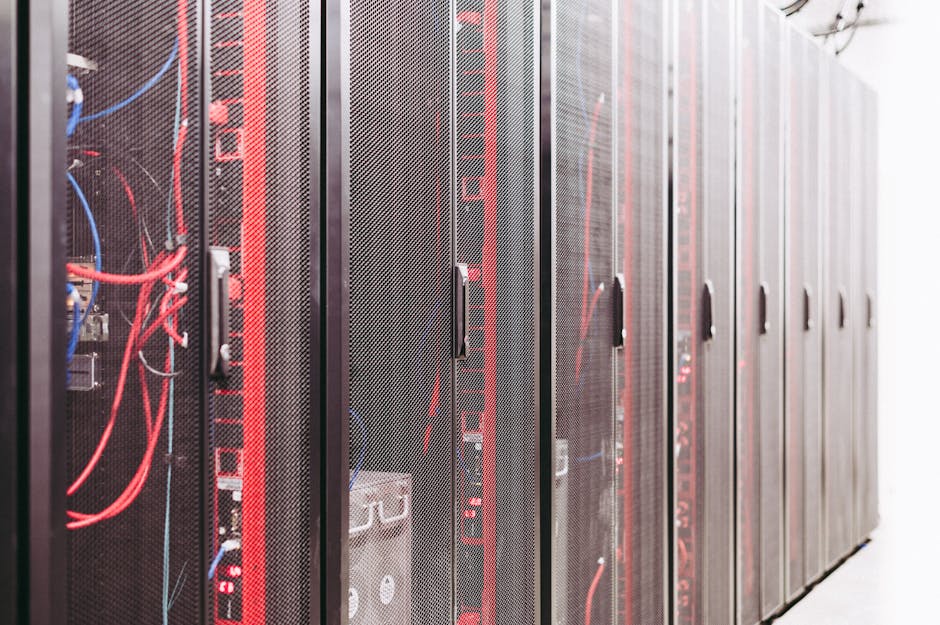
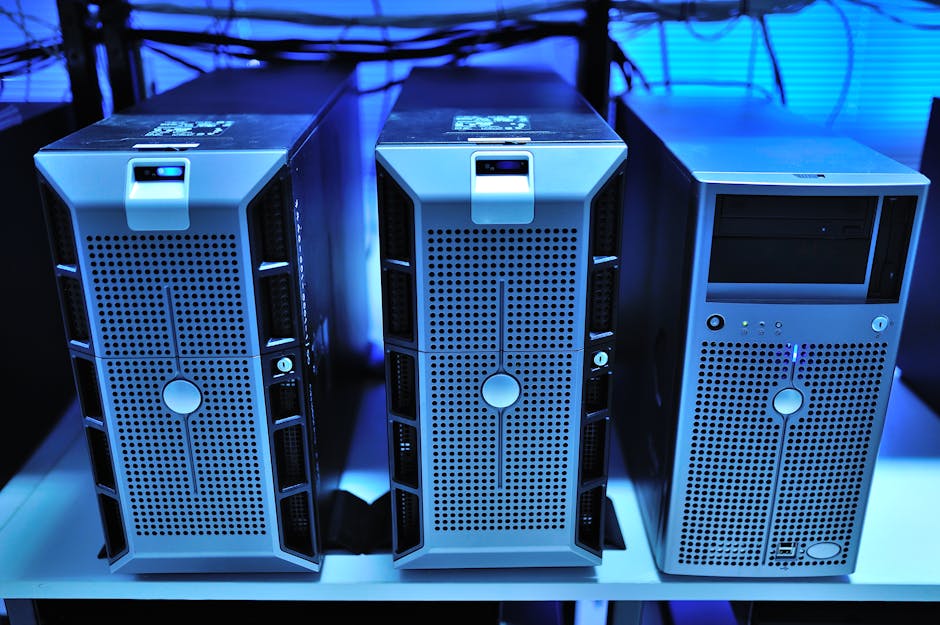
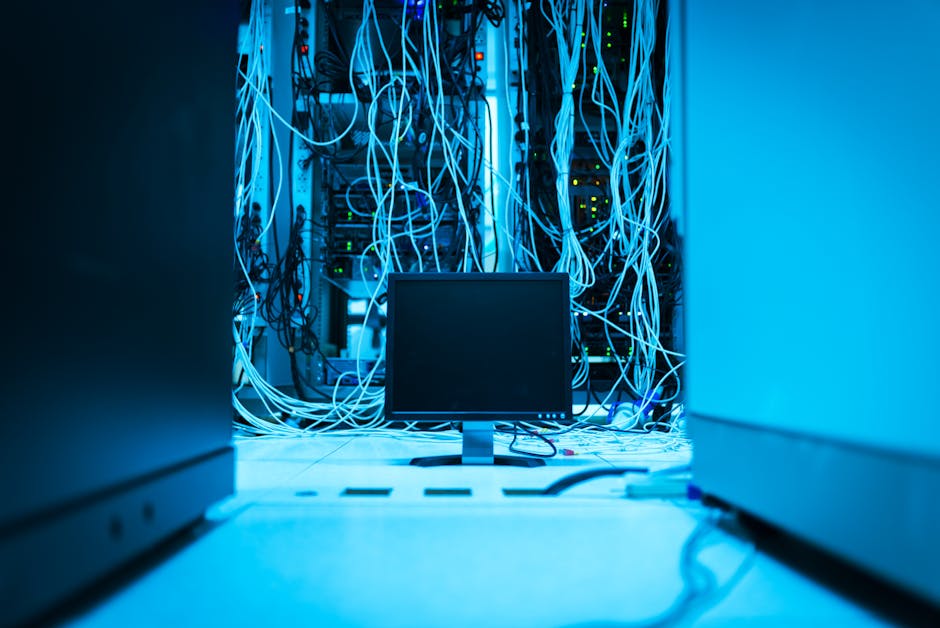
    used server home lab rack setup 2026

    What Exactly Is a Home Lab, and Why Do People Build One?

    A “home lab” (homlab) is essentially a personal computing environment you run at home — used for learning, self-hosting services, testing software, or even running a small business backend. Think of it as your private cloud. People build them to practice DevOps, run media servers like Jellyfin, host VPNs, or just satisfy that deeply human urge to have a blinking rack in the corner of the office.

    The core question is always: should you buy used enterprise servers, build a custom white-box PC, or just spin up cloud instances? Let’s crunch the actual numbers.

    Used Server Costs: The Real 2026 Market Breakdown

    The used server market has matured significantly. With enterprise data centers refreshing their hardware cycles every 3–5 years, there’s a healthy supply of decommissioned gear hitting platforms like eBay, ServerMonkey, and local auction sites. Here’s a realistic snapshot of what you’re looking at in early 2026:

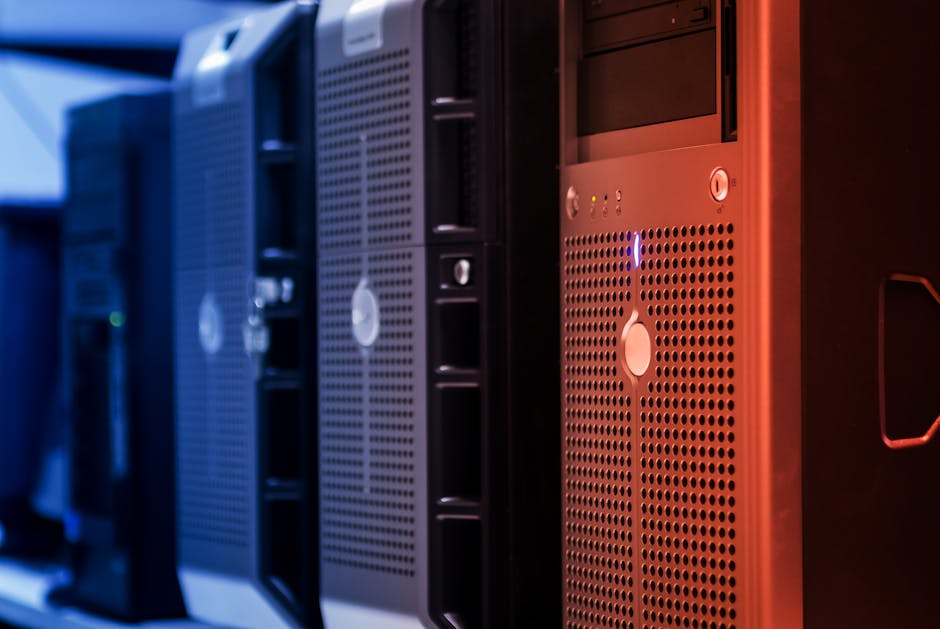
    • Dell PowerEdge R720 (2x E5-2670 v2, 64GB RAM, no drives): $180–$280 USD on eBay
    • HP ProLiant DL380 Gen9 (2x E5-2690 v3, 128GB RAM): $350–$500 USD
    • Lenovo ThinkSystem SR630 (single Xeon Gold 5118, 64GB): $420–$650 USD
    • 2.5″ SAS/SATA SSDs (600GB–1.2TB, refurbished): $15–$40 each
    • 10GbE NIC (used Intel X540-T2): $25–$50 USD
    • Tower-style alternatives (used HP ML350 Gen10): $500–$800 USD (quieter, more home-friendly)

    So realistically, a solid entry-level used server home lab — including a 1U rack unit, four drives, and basic networking — will run you somewhere between $400 and $750 USD total. That’s a one-time cost.

    Hidden Costs You Absolutely Need to Factor In

    Here’s where people often get burned. The server itself is just the beginning. Let’s be honest about what else adds up:

    • Electricity: A 1U rack server like the R720 draws 150–300W under load. At the U.S. average of ~$0.17/kWh in 2026, running it 24/7 costs roughly $18–$37/month. That’s $216–$444/year — a number that sneaks up on you.
    • Rack or enclosure: A used 12U open frame rack can cost $80–$150. A proper closed cabinet? $200–$500.
    • UPS (Uninterruptible Power Supply): Crucial for data protection. Budget $100–$200 for a 1500VA unit.
    • Noise management: Enterprise servers are loud. The R720’s fans sound like a jet engine at idle. If it’s in a living space, you’ll need acoustic foam or a dedicated closet setup.
    • Cooling: More heat means higher AC costs in summer, especially if you’re in a warmer climate.

    International & Domestic Examples: How Hobbyists Are Building in 2026

    Let’s look at how real home labbers around the world are approaching this differently:

    North America (U.S./Canada): The r/homelab community on Reddit remains one of the most active. A popular build trend in 2026 is the “quiet lab” — using tower servers or refurbished workstations (like the HP Z840) instead of 1U rack units specifically to manage noise. Average reported spending in community surveys hovers around $600–$900 for a first build, with electricity being the top ongoing complaint.

    Europe (Germany/Netherlands): European hobbyists tend to be more energy-conscious due to higher electricity prices (Germany averages ~€0.30/kWh in 2026). This has pushed many toward lower-power alternatives like the HP ProDesk mini-PCs in clusters or used thin clients running as Proxmox nodes — spending less upfront ($150–$300) but sacrificing raw power.

    South Korea/Japan: Urban apartment living means noise and space are premium concerns. Used Mac Minis (M-series) running alongside a single NAS unit has become popular, blending silence with surprising compute capability. Total builds often land at $700–$1,200 USD equivalent but are remarkably compact.

    home lab cost comparison cloud vs used server 2026

    Used Server vs. Cloud vs. Mini-PC Cluster: A Logical Comparison

    Let’s think through this together. If you’re learning DevOps or self-hosting, you have three realistic paths:

    • Used Enterprise Server: High upfront cost ($400–$800), but low monthly cost. Best for those who want maximum RAM and CPU cores for virtualization. Ideal if you have a dedicated space and don’t mind noise.
    • Cloud (AWS/GCP/Azure): Zero upfront, but ongoing costs add up fast. A comparable lab environment on AWS (say, 3 t3.xlarge instances) runs ~$150–$250/month. Over 12 months, that’s $1,800–$3,000. Great for learning cloud-native tools specifically.
    • Mini-PC Cluster (Intel NUC, Beelink, GMKtec): A three-node cluster of Beelink SER8 mini-PCs (AMD Ryzen 7840H, 32GB RAM each) costs around $900–$1,100 total in 2026. Silent, energy-efficient (~20–30W per node), and surprisingly capable for Kubernetes practice.

    The logical conclusion? If you’re primarily learning and plan to use it under two years, cloud or mini-PCs make more financial sense. If you’re building for the long term (3+ years) and want raw horsepower for homelab projects, used servers win on cost-per-core.

    Realistic Alternatives Based on Your Situation

    Not everyone should jump straight to a rack server — and that’s totally fine. Here’s how to think about it based on where you are:

    • Total beginner, just curious: Start with a Raspberry Pi 5 cluster (~$120–$200) or a single used mini-PC. Learn Linux, Docker, and networking first. Upgrade later.
    • Intermediate learner wanting virtualization: A single used workstation (HP Z440 or Dell Precision 5820, $200–$400) gives you ECC RAM and multi-core Xeon power without the noise of a rack server.
    • Serious enthusiast or small business: Go for a used 1U or 2U rack server. Budget $700–$1,000 all-in including drives and UPS. You’ll get years of reliable use.
    • Energy-conscious builder: Mini-PC clusters are your best friend. Three Beelink nodes sip power like a single light bulb while handling real workloads.

    At the end of the day, building a used server home lab in 2026 is more accessible than ever — but “accessible” doesn’t mean “automatically the right choice.” The best setup is the one that fits your space, your goals, and your electricity bill without making you regret it at midnight like my developer friend almost did (before he fell in love with his blinking rack, that is).

    Editor’s Comment : The used server market in 2026 is genuinely one of the best-value opportunities for anyone serious about hands-on IT learning or self-hosting. But please — before you impulse-buy that eight-bay PowerEdge at 11pm — map out your electricity cost, measure your available space, and be honest about whether you need enterprise-grade noise in your home. A $250 mini-PC cluster that you actually use beats a $600 rack server that ends up being a very expensive shelf. Start small, learn fast, and scale when the need is real.


    📚 관련된 다른 글도 읽어 보세요

    태그: [‘home lab setup 2026’, ‘used server cost comparison’, ‘homelab build guide’, ‘self-hosted server’, ‘Proxmox home server’, ‘used Dell PowerEdge’, ‘mini PC cluster vs server’]

  • 중고 서버 홈랩 구축 비용 비교 2026 — 실제로 얼마나 들까?

    작년 말, 지인 한 명이 퇴근 후 자기 방에서 쿠버네티스 클러스터를 돌리고 싶다며 연락을 해왔어요. 문제는 예산이 50만 원 남짓이라는 것. 처음엔 라즈베리파이를 추천해 줄까 했는데, 막상 이야기를 나눠보니 그 분이 원하는 건 ‘진짜 서버급 워크로드’를 경험해 보는 것이었거든요. 그때부터 중고 서버 홈랩 세계를 본격적으로 파고들기 시작했어요. 알고 보면 생각보다 훨씬 다양한 선택지가 있고, 비용 차이도 꽤 극적이라는 걸 알게 됐습니다.

    이 글에서는 2026년 현재 국내 중고 시장을 기준으로 홈랩 서버를 구성하는 데 실제로 얼마가 드는지, 각 티어별로 꼼꼼히 비교해 보려고 해요. 단순 가격 나열이 아니라, 왜 그 가격 차이가 나는지 구조적으로 짚어드릴게요.

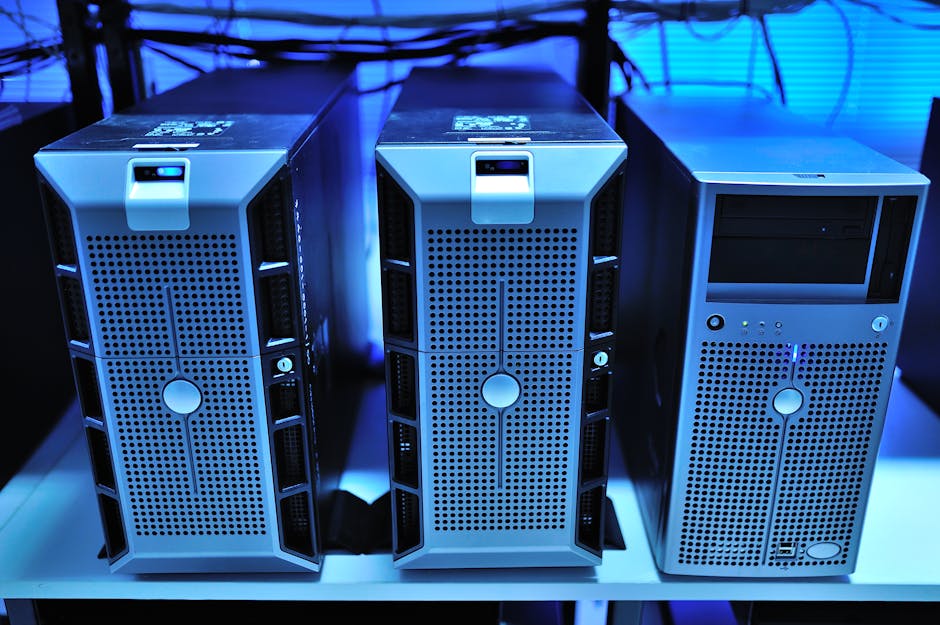
    used server homelab rack setup desk

    홈랩 구축 전에 알아야 할 비용 구조의 핵심

    서버 가격 자체만 보면 오산이에요. 홈랩의 총 소유 비용(TCO, Total Cost of Ownership)은 크게 세 가지로 나뉜다고 봅니다.

    • 초기 도입 비용: 본체, 램, 스토리지, 네트워크 장비 등
    • 운영 비용: 전기세 (TDP 기준 연간 계산 필수), 냉각 비용
    • 유지보수 비용: 부품 수급 난이도, 펌웨어 지원 여부

    많은 분들이 초기 비용만 보고 구매했다가 전기세 고지서를 받고 후회하는 경우가 적지 않아요. 특히 구형 서버일수록 TDP(열 설계 전력)가 높아서, 연간 전기세가 서버 구매가를 넘어버리는 역전 현상이 생기기도 하거든요.

    티어별 중고 서버 가격 비교 (2026년 국내 기준)

    현재 당근마켓, 중고나라, 그리고 공공기관·기업 잉여 장비를 전문으로 다루는 B2B 중고 플랫폼들을 기준으로 정리해 봤어요.

    • 엔트리 티어 (10~30만 원대): Dell PowerEdge R620, HP ProLiant DL360 Gen8 계열. CPU는 Intel Xeon E5-2600 v1/v2 시리즈. 램 32~64GB 구성 기준. 전력 소모가 높고(풀로드 시 200~300W), 소음도 큰 편이에요. 순수하게 ‘서버 느낌’을 처음 경험해 보기엔 좋지만, 장기 운용 시 전기세 부담이 커요.
    • 미드 티어 (50~120만 원대): Dell PowerEdge R730/R740, HP ProLiant DL380 Gen9/Gen10. Xeon E5-2600 v3~v4 또는 Xeon Gold 계열. NVMe 캐싱 지원, 더 효율적인 전력 설계(풀로드 150~250W). 2026년 기준 가장 ‘가성비 스위트스팟’으로 꼽히는 구간이라고 봅니다. 특히 R730은 호환 부품 수급이 쉬워서 커뮤니티 자료가 풍부해요.
    • 어퍼 티어 (150~350만 원대): Dell PowerEdge R750, HP ProLiant DL380 Gen10 Plus, Supermicro X12 계열. PCIe 4.0 지원, DDR4 ECC 고용량 램(128GB 이상), 최신 Intel Xeon Ice Lake 또는 AMD EPYC Milan 탑재. 전력 효율이 좋고 최신 워크로드(AI 추론, 고밀도 컨테이너)에도 대응 가능해요. 다만 이 가격이면 신품 소형 서버나 미니 PC 클러스터와도 비교 검토가 필요합니다.
    • SFF/타워 대안 (20~80만 원대): Dell Precision T5820, HP Z4/Z6 워크스테이션. 소음이 훨씬 조용하고 일반 ATX 부품 호환성이 높아서 집에서 쓰기 편해요. ‘홈랩이지만 가족과 함께 사는 공간’이라면 이쪽을 진지하게 고려해볼 만합니다.

    전기세, 진짜 얼마나 나올까? — 수치로 보는 연간 운영 비용

    2026년 한국전력 일반용 전기(을) 기준으로 kWh당 약 140~160원 선을 가정해 볼게요 (계절·계약 종에 따라 달라질 수 있어요).

    • R620 (평균 150W 가동) → 월 약 16,200원 → 연간 약 19.4만 원
    • R730 (평균 120W 가동) → 월 약 12,960원 → 연간 약 15.6만 원
    • R750 (평균 90W 가동) → 월 약 9,720원 → 연간 약 11.7만 원

    차이가 연간 수만 원 수준처럼 보이지만, 3년 운용 기준으로 보면 R620과 R750의 전기세 누적 차이가 20만 원을 훌쩍 넘어요. 저렴한 서버를 사더라도 장기적으로는 효율 좋은 세대의 서버가 더 경제적일 수 있다는 이야기입니다.

    server power consumption electricity bill homelab cost

    국내외 홈랩 커뮤니티 사례 비교

    Reddit의 r/homelab 커뮤니티를 보면, 해외(특히 미국·유럽) 기준으로는 Dell R730이나 R640을 $100~$200(약 13~26만 원) 선에 구할 수 있다는 게시글이 꾸준히 올라와요. 기업 데이터센터 교체 주기가 빠르고, 리스 반납 장비가 대량 유통되기 때문이에요.

    반면 국내는 대기업 SI 업체나 공공기관 교체 사이클에서 나오는 물량이 제한적이라 같은 스펙을 해외보다 1.5~2배 비싸게 사는 경우가 많습니다. 이 때문에 일부 국내 홈래버(homelabber)들은 직구 후 국제 배송 서비스를 활용하거나, 네이버 카페 ‘서버포럼’·’IT 중고장터’ 같은 커뮤니티에서 기업 방출 물량을 직거래로 구하는 방식을 택하기도 해요.

    또한 2026년 현재 주목할 만한 트렌드는 ARM 기반 소형 서버의 부상이에요. Ampere Altra 기반의 미니 서버나 Apple Silicon Mac Mini를 클러스터로 엮는 사례가 해외 커뮤니티에서 크게 늘었고, 국내에서도 조금씩 시도가 이어지고 있어요. 전력 효율이 압도적으로 좋아서 장기 운용 비용 면에서는 꽤 매력적인 대안이 될 수 있다고 봅니다.

    구매 전 반드시 확인해야 할 체크리스트

    • iDRAC / iLO 등 원격 관리 라이선스 포함 여부 (없으면 별도 구매 비용 발생)
    • 레일 킷(Rail Kit) 포함 여부 — 랙에 마운트할 계획이라면 필수
    • 전원 공급 장치(PSU) 이중화(Redundant) 구성 여부
    • HDD/SSD 포함 여부 및 컨트롤러(RAID 카드) 모델 확인 (특정 RAID 카드는 특정 드라이브만 인식)
    • 소음 수준 — 유튜브에서 해당 모델명 + ‘noise level’ 검색해서 반드시 귀로 먼저 확인하세요
    • 판매자가 개인인지 사업자인지 — 사업자라면 세금계산서 발행 가능 여부 확인

    현실적인 예산별 추천 구성

    결론적으로 예산대별로 현실적인 추천을 드리자면 이렇게 정리할 수 있을 것 같아요.

    • 30만 원 이하: R620 또는 DL360 Gen8 단독 구성. 학습용, 단기 프로젝트에 적합. 장기 운용은 비추천.
    • 50~100만 원: R730 or Gen9 기반 + 추가 램 업그레이드. 현재 가장 현실적인 ‘입문 풀패키지’ 구간.
    • 100~200만 원: R740 + NVMe SSD 캐시 + 10GbE 네트워크 카드. VMware ESXi, Proxmox 기반 프라이빗 클라우드 구성 가능.
    • 200만 원 이상: 이 예산이라면 중고 서버보다 신품 미니 서버(Minisforum, Beelink 엔터프라이즈 라인 등)나 중고 R750 계열과 비교 검토를 권합니다.

    에디터 코멘트 : 중고 서버 홈랩은 ‘싸게 산다’는 개념보다 ‘학습 비용을 최소화하면서 실제 엔터프라이즈 환경을 체험한다’는 관점으로 접근할 때 훨씬 만족도가 높아요. 서버 자체가 몇 십만 원이어도 거기서 익히는 네트워크 설계, 스토리지 관리, 가상화 경험은 커리어나 사이드 프로젝트에서 훨씬 큰 가치로 돌아온다고 봅니다. 다만 전기세와 소음, 물리적 공간 문제는 절대 무시하지 마세요. 그게 결국 홈랩의 지속 가능성을 결정하는 변수거든요.


    📚 관련된 다른 글도 읽어 보세요

    태그: [‘중고서버’, ‘홈랩구축’, ‘홈랩비용’, ‘서버홈랩’, ‘중고서버추천’, ‘홈서버전기세’, ‘Proxmox홈랩’]

  • Metal 3D Printing Materials in 2026: The Innovations Quietly Reshaping Manufacturing Forever

    A friend of mine who runs a small aerospace components workshop told me something fascinating last spring. He’d just replaced a titanium part — traditionally machined over three days — with one printed overnight using a new copper-tungsten composite alloy. The part performed better under thermal stress. That moment stuck with me, because it perfectly captures what’s happening right now in the world of metal 3D printing materials. We’re not just iterating — we’re fundamentally rethinking what metals can do when they’re built layer by layer.

    So let’s dig in together. What’s actually new in 2026’s metal additive manufacturing material landscape, and more importantly — what does it mean for you, whether you’re a hobbyist engineer, a startup founder, or a seasoned manufacturing professional?

    metal 3D printing titanium alloy powder close-up 2026 manufacturing

    Why Materials Are the Real Bottleneck (And the Real Opportunity)

    For years, the hardware side of metal 3D printing — laser powder bed fusion (LPBF), directed energy deposition (DED), binder jetting — got most of the attention. But in 2026, the industry consensus has shifted: the material is the machine. The powder or wire feedstock you choose determines mechanical properties, post-processing needs, cost-per-part, and sustainability outcomes more than the printer itself in many cases.

    According to the 2026 Wohlers Report on Additive Manufacturing, the metal AM materials market grew 34% year-over-year, reaching an estimated $3.1 billion globally. That growth isn’t random — it’s being pulled by specific sectors: aerospace, medical implants, automotive lightweighting, and energy infrastructure.

    The Big Four: Material Categories Making Waves in 2026

    Let’s break down what’s actually moving the needle this year:

    • High-Entropy Alloys (HEAs): These are multi-principal-element alloys — think five or more metals combined in roughly equal proportions. In 2026, companies like Elementum3D and Carpenter Additive have commercialized HEA powders optimized for LPBF. They offer extraordinary combinations of strength, corrosion resistance, and thermal stability that no single traditional alloy can match. The trade-off? They’re expensive and require tightly controlled processing parameters.
    • Copper and Copper-Chromium-Zirconium (CuCrZr) Alloys: Pure copper was notoriously difficult to print because of its high reflectivity and thermal conductivity. Green laser systems (wavelength ~515nm) have cracked that problem. CuCrZr alloys now print with near-full density and are revolutionizing heat exchangers, electrical bus bars, and rocket engine combustion chambers. NASA’s Artemis support components increasingly use this material.
    • Refractory Metal Composites (Tungsten, Molybdenum): For extreme environments — nuclear shielding, plasma-facing components in fusion reactors, hypersonic vehicle thermal protection — refractory metals are irreplaceable. In 2026, binder jetting has made tungsten parts commercially viable at scale for the first time, with companies like Desktop Metal’s ExOne division leading production runs for fusion energy startups.
    • Bioresorbable Metallic Alloys (Magnesium-Zinc-Calcium): This one is genuinely exciting for the medical world. These alloys degrade safely inside the human body over months, making them ideal for temporary bone fixation implants. Researchers at Seoul National University published a landmark 2026 study showing Mg-Zn-Ca scaffolds printed via DED achieved 94% bone integration at 12 weeks in clinical trials — eliminating the need for a second surgery to remove hardware.

    Real-World Examples: From Seoul to Stuttgart

    It’s one thing to discuss alloy chemistry in the abstract. Let’s ground this with what’s actually happening on factory floors and in research labs right now.

    South Korea — POSCO and HEA Integration: POSCO, the global steel giant headquartered in Pohang, launched a dedicated additive manufacturing materials division in late 2025. By Q1 2026, they were supplying domestically developed Fe-Mn-Co-Cr HEA powder to Korean aerospace subcontractors under the KF-21 Boramae fighter program. The alloy demonstrated 15% better fatigue resistance than conventional 316L stainless steel in structural airframe brackets — a significant win for domestic supply chain resilience.

    Germany — BMW Group’s Copper Revolution: BMW’s Munich additive manufacturing campus began full production of CuCrZr cooling channels for electric motor stators in January 2026. By integrating these printed channels directly into the motor housing, they achieved a 22% reduction in thermal resistance compared to conventional machined designs. The efficiency gain translates to extended range in their Neue Klasse EV platform — a real-world payoff, not just a lab result.

    United States — Commonwealth Fusion Systems: The Massachusetts-based fusion energy company is using binder-jetted tungsten tiles as plasma-facing components in their SPARC compact fusion reactor prototype. This is perhaps the most demanding application for any manufactured material anywhere — and metal AM is proving capable of meeting it.

    copper alloy 3D printed heat exchanger cross-section industrial manufacturing

    The Sustainability Angle You Can’t Ignore

    In 2026, ESG pressures are real and quantifiable. Traditional subtractive machining of titanium aerospace parts can waste 80–95% of raw material (the so-called “buy-to-fly ratio”). Metal AM drastically changes that equation. Near-net-shape printing of titanium landing gear brackets, for instance, now achieves buy-to-fly ratios as low as 1.5:1 in optimized DED processes. Over a production run of thousands of parts, that’s not just an environmental win — it’s a massive cost advantage given titanium’s price volatility.

    Additionally, powder recyclability has improved substantially. Leading powder manufacturers like Höganäs and GKN Additive now certify their titanium and Inconel powders for up to 30 recycle passes without statistically significant property degradation, up from roughly 10–12 passes just three years ago.

    Realistic Alternatives: Not Everyone Needs HEAs

    Here’s where I want to be honest with you, because enthusiasm for bleeding-edge materials can lead to mismatched expectations. If you’re a small manufacturer, a product designer, or an engineering student exploring metal AM, high-entropy alloys and refractory composites are probably not your starting point — and that’s perfectly fine.

    Consider these pragmatic entry points:

    • 316L Stainless Steel: Still the workhorse of metal AM. Well-understood, widely available, affordable, and suitable for an enormous range of applications from medical devices to marine hardware. If you’re new to metal AM, start here.
    • AlSi10Mg Aluminum Alloy: Lightweight, good corrosion resistance, and thermally efficient. Perfect for automotive brackets, drone frames, and consumer product enclosures. Printing services like Xometry or Materialise offer this at accessible price points.
    • Tool Steel (H13, M2): If your application is injection molding or die casting tooling, printed tool steel with conformal cooling channels offers an ROI that’s measurable in weeks, not years.
    • Inconel 625/718: If you’re in oil & gas, chemical processing, or high-temperature aerospace — these nickel superalloys are proven, certified, and increasingly cost-competitive as printer throughput improves.

    The key question to ask yourself isn’t “what’s the most advanced material?” — it’s “what failure mode am I trying to prevent, and what’s the cost of that failure?” That answer will guide you to the right material tier far more reliably than chasing trend reports.

    What to Watch for the Rest of 2026

    A few developments worth keeping your eye on: The European Space Agency’s Open Space Innovation Platform has shortlisted three HEA-based materials for in-space manufacturing trials aboard the ISS scheduled for Q3 2026. Meanwhile, ASTM International is finalizing additive manufacturing material standards for bioresorbable magnesium alloys — a certification milestone that will unlock clinical adoption globally. And on the software side, AI-driven microstructure prediction tools (like those from Citrine Informatics) are accelerating new alloy discovery from years to months, which means the material options we’re discussing today may look quaint by 2027.

    Editor’s Comment : What genuinely excites me about the 2026 metal AM materials landscape isn’t any single alloy — it’s the democratization of complexity. Geometries and material combinations that were physically impossible or economically absurd five years ago are now routine. But the smartest approach remains the same as always: match the material to the problem, not the hype to the budget. Whether you’re printing tungsten reactor components or your first aluminum bracket, the fundamentals of good engineering judgment still apply. The materials have changed; the thinking hasn’t — and that’s actually reassuring.


    📚 관련된 다른 글도 읽어 보세요

    태그: [‘metal 3D printing materials 2026’, ‘additive manufacturing innovation’, ‘high entropy alloys’, ‘copper alloy 3D printing’, ‘titanium AM aerospace’, ‘bioresorbable metal implants’, ‘laser powder bed fusion materials’]

  • 2026년 금속 3D 프린팅 소재 혁신 완전 리뷰 | 티타늄부터 고엔트로피 합금까지

    얼마 전 지인 중 한 명이 항공우주 부품 제조 스타트업을 창업했다는 소식을 들었어요. 그 친구가 가장 먼저 고민한 게 뭔지 아세요? 바로 어떤 금속 소재로 3D 프린팅을 해야 하느냐는 문제였어요. 티타늄을 써야 할지, 니켈 초합금을 써야 할지, 아니면 요즘 뜨고 있는 고엔트로피 합금(HEA)을 써야 할지 — 선택지가 너무 많아서 오히려 막막하다고 하더군요. 사실 이건 그 친구만의 고민이 아닌 것 같습니다. 2026년 현재, 금속 3D 프린팅(Metal Additive Manufacturing) 소재 시장은 그 어느 때보다 빠르게 팽창하고 있고, 소재의 다양성과 성능 격차도 커지고 있으니까요. 오늘은 이 복잡한 판을 함께 정리해 보려 합니다.

    metal 3D printing powder titanium alloy laboratory

    📊 숫자로 보는 2026년 금속 3D 프린팅 소재 시장

    먼저 시장 규모부터 짚고 넘어가야 할 것 같아요. 글로벌 리서치 기관의 최신 집계에 따르면, 2026년 금속 적층 제조(Metal AM) 소재 시장 규모는 약 48억 달러(한화 약 6조 5,000억 원) 수준으로 추산됩니다. 2022년 대비 약 2.3배 성장한 수치예요. 성장 동력은 크게 세 가지로 볼 수 있습니다.

    • 항공우주 및 방산 수요 급증: 차세대 항공기 엔진 부품의 약 34%가 이미 금속 AM 공정으로 제작되고 있다고 봅니다.
    • 의료 임플란트 시장 확대: 맞춤형 티타늄 임플란트 수요가 전년 대비 약 21% 증가했어요.
    • 전기차·에너지 분야 진입: 배터리 하우징, 열교환기, 수소 연료전지 부품에 금속 AM 적용 사례가 본격화되고 있습니다.

    소재별 시장 점유율을 보면 티타늄 합금(Ti-6Al-4V)이 약 31%로 여전히 1위를 유지하고 있고, 그 뒤를 니켈 초합금(Inconel 625/718) 약 24%, 스테인리스강(316L, 17-4PH) 약 19%가 잇고 있어요. 그런데 흥미로운 건 나머지 26% 중 상당 부분이 구리 합금, 알루미늄 합금, 그리고 신소재인 고엔트로피 합금(HEA)으로 채워지기 시작했다는 점입니다. 이 부분이 오늘 이야기의 핵심이라고 봐요.

    🔬 소재별 심층 분석 — 무엇이 어떻게 달라졌나

    ① 티타늄 합금 — 신뢰의 소재, 그러나 한계도 명확

    Ti-6Al-4V는 비강도(strength-to-weight ratio)가 금속 소재 중 최상위권에 속하고, 생체 적합성도 뛰어나 의료·항공 분야의 왕좌를 지키고 있어요. 그런데 2026년 들어 주목받는 건 저산소 티타늄 분말(Extra Low Interstitial, ELI 등급)의 품질 안정화입니다. 과거에는 분말 내 산소 함량이 0.13% 이상이면 연성(ductility)이 급격히 저하되는 문제가 있었는데, 플라즈마 원자화 공정 개선으로 산소 함량을 0.08% 이하로 안정적으로 제어할 수 있게 됐습니다. 이게 임상용 임플란트의 피로 수명을 약 40% 향상시켰다는 데이터가 있어요.

    ② 니켈 초합금 — 극한 환경의 챔피언

    Inconel 718은 700°C 이상의 고온에서도 기계적 특성을 유지하는 소재입니다. 항공기 터빈 블레이드, 로켓 노즐처럼 극한 환경 부품에 쓰이죠. 2026년의 트렌드는 하이브리드 합금 설계예요. 기존 Inconel 718 조성에 레늄(Re)이나 루테늄(Ru)을 미량 첨가해 크리프(creep) 저항성을 15~20% 향상시킨 맞춤형 분말이 상용화 단계에 진입했습니다. 단, 소재 단가가 kg당 약 120~180달러 수준이라 대량생산보다는 고부가 부품에 집중되는 게 현실이에요.

    ③ 고엔트로피 합금(HEA) — 게임 체인저가 될 수 있을까

    HEA는 5가지 이상의 주요 원소를 거의 동일한 비율로 섞어 만든 합금이에요. 기존 합금이 하나의 주원소에 소량의 첨가물을 넣는 방식이라면, HEA는 ‘모든 원소가 주인공’인 셈이죠. CoCrFeMnNi 계열의 HEA는 극저온(-196°C 액체 질소 환경)에서도 인성(toughness)이 오히려 증가하는 독특한 특성을 보입니다. 2026년 현재, 일부 우주 발사체 업체들이 극저온 추진제 라인 부품에 HEA를 시험 적용 중이라는 소식이 들려오고 있어요. 다만 아직은 분말 제조 수율과 재현성 문제가 완전히 해결되지 않아서, 상용화까지는 2~3년 더 필요하다는 시각이 지배적입니다.

    🌍 국내외 주요 사례 — 말보다 실적

    aerospace metal additive manufacturing parts factory production

    [해외 사례] 미국의 GE 에어로스페이스는 차세대 RISE(Revolutionary Innovation for Sustainable Engines) 엔진 프로젝트에서 금속 AM으로 제작된 부품 비율을 전체의 약 45%까지 끌어올렸다고 밝혔어요. 특히 코발트-크롬(Co-Cr) 합금과 니켈 초합금을 동일 빌드 플레이트 위에서 멀티머티리얼(multi-material) 방식으로 동시 프린팅하는 기술을 2025년 말에 검증했다는 점이 인상적입니다. 서로 다른 소재를 경계면 없이 점진적으로 전환하는 ‘기능 경사 재료(FGM, Functionally Graded Material)’ 개념이 실제 양산 라인에 접근한 것이라고 봅니다.

    [국내 사례] 국내에서는 한국재료연구원(KIMS)이 2025년 하반기에 국산 Ti-6Al-4V 분말의 구형도(sphericity) 95% 이상 달성 및 양산 기술 이전을 완료했습니다. 이전까지는 고품질 티타늄 분말의 90% 이상을 해외(주로 일본, 캐나다)에서 수입했는데, 이번 기술 내재화로 조달 단가를 기존 대비 약 30% 절감할 수 있는 가능성이 열렸어요. 또 국내 조선·해양 부품 기업들을 중심으로 316L 스테인리스 분말을 활용한 DED(Directed Energy Deposition) 방식의 대형 구조물 보수·제작 적용이 확산되고 있습니다. 부식 환경에 강하고 용접 후 변형이 적다는 점에서 해양 인프라에 특히 잘 맞는 소재라는 평가가 나오고 있어요.

    ⚖️ 소재 선택 시 반드시 고려해야 할 체크리스트

    • 사용 환경 온도: 상온 구조 부품이라면 알루미늄(AlSi10Mg)이나 스테인리스강으로 충분할 수 있어요. 고온 환경이라면 니켈 초합금 계열을 우선 검토해야 합니다.
    • 생체 적합성 여부: 의료 임플란트·치과용이라면 Ti-6Al-4V ELI 또는 Co-Cr-Mo 합금이 ISO 10993 기준을 충족해야 합니다.
    • 전기·열전도성 요구: 전자장치 방열 부품처럼 열전도성이 중요한 경우, 구리 합금(CuCrZr) 분말이 최적 선택일 수 있어요. 다만 구리는 레이저 반사율이 높아 프린팅 공정 난이도가 높다는 점을 감안해야 합니다.
    • 후처리 공정 호환성: HIP(열간 등압 성형)처리나 열처리 후 치수 변화율이 소재마다 크게 다릅니다. 최종 공차 설계 전에 반드시 수축률 데이터를 확인해야 해요.
    • 공급망 및 인증 현황: 항공·의료 분야는 AS9100D, ISO 13485 등 인증 이력이 있는 분말 공급사를 선택하는 게 리스크 관리 측면에서 중요합니다.
    • 총소유비용(TCO) 관점: 소재 단가만 보지 말고, 지지 구조물 제거 난이도, 후공정 가공비, 분말 재활용 비율까지 함께 계산해야 진짜 원가가 나옵니다.

    🔭 결론 — 2026년, 소재 선택의 기준이 바뀌고 있다

    2026년의 금속 3D 프린팅 소재 시장은 ‘무조건 티타늄이 최고’라거나 ‘스테인리스가 가성비 끝판왕’이라는 단순 공식이 통하지 않는 단계로 진입했다고 봅니다. 응용처와 요구 특성에 따라 소재를 최적화하는 ‘맞춤형 소재 설계’ 역량이 경쟁력을 좌우하는 시대가 된 거예요. 동시에 HEA나 FGM 같은 차세대 개념 소재들이 연구실을 넘어 실제 제품에 조금씩 스며들고 있는 것도 분명한 흐름입니다.

    만약 당장 실무에서 소재를 선택해야 하는 상황이라면, 거창한 신소재보다는 검증된 소재 + 최적화된 프로세스 파라미터 조합을 먼저 탐색하는 게 현실적인 출발점이라고 봅니다. 새로운 소재는 그 다음 단계에서 소량 파일럿 테스트를 통해 단계적으로 도입하는 것이 리스크를 줄이는 방법이에요.

    📚 관련된 다른 글도 읽어 보세요

    태그: []

  • How to Set Up VLANs in Your Home Lab Network (2026 Complete Guide): Segment, Secure, and Scale Like a Pro

    A couple of years ago, I made a rookie mistake that still makes me cringe. I had my smart home IoT devices, my personal workstation, a Raspberry Pi cluster, and a NAS all sitting on the same flat network. One afternoon, a compromised cheap smart plug — yes, a $9 plug from a no-name brand — started broadcasting garbage traffic that slowed my entire home network to a crawl. Everything was on the same Layer 2 domain, so there was no fence between the “sketchy” and the “sensitive.” That was the day I finally got serious about VLANs.

    If you’re running a home lab in 2026, whether it’s a modest setup with a single managed switch or a full rack with hypervisors, VLANs (Virtual Local Area Networks) are no longer optional — they’re the foundational layer of any sensible network architecture. Let’s think through this together, step by step.

    home lab network VLAN diagram rack setup 2026

    What Exactly Is a VLAN, and Why Should You Care?

    A VLAN is a logical segmentation of your physical network. Think of it like this: instead of building separate physical walls between rooms in a house, you put up invisible partitions that are enforced by your network hardware. Devices in VLAN 10 simply cannot talk to devices in VLAN 20 unless you explicitly route traffic between them — usually through a firewall that can inspect and filter that traffic.

    Here’s a quick breakdown of why this matters in a real home lab context in 2026:

    • Security isolation: Your IoT devices (smart lights, thermostats, cameras) are notoriously insecure. Putting them in their own VLAN means a compromised device can’t reach your NAS or workstation.
    • Traffic management: Lab experiments — like running a noisy network stress test — won’t bleed into your family’s streaming sessions.
    • Professional skill-building: VLANs are used in virtually every enterprise environment. Practicing at home directly translates to real-world career value.
    • Compliance and segmentation best practices: Even in home environments, separating guest Wi-Fi from personal devices is now a widely recommended security baseline by organizations like NIST and CISA.

    The Hardware You Actually Need

    Here’s where people often get confused. VLANs require managed switches — your typical unmanaged $20 switch from a big-box store won’t cut it. In 2026, the good news is that managed switches have become surprisingly affordable. Popular choices in the home lab community include:

    • TP-Link TL-SG108E (~$30): An 8-port smart switch that’s become the go-to entry-level option. It supports 802.1Q VLAN tagging and has a web-based GUI.
    • Netgear GS308E (~$35): Similar spec to the TP-Link, with a slightly cleaner interface and solid firmware reliability.
    • Ubiquiti UniFi USW-Lite-8-PoE (~$109): If you’re serious about your lab, UniFi’s ecosystem gives you a centralized controller that manages switches, APs, and routing in one dashboard — a massive time saver.
    • MikroTik CRS series: For the tinkerers who love granular control. Extremely powerful, but the RouterOS learning curve is real.

    For routing between VLANs, you’ll also need either a router-on-a-stick (a single router port configured with subinterfaces) or a Layer 3 switch. Popular software router options in 2026 home labs include OPNsense and pfSense — both running beautifully on a Protectli vault or even a used mini PC like an N100-based unit you can grab for under $150.

    Step-by-Step: Setting Up VLANs (Using OPNsense + a Managed Switch)

    Let’s walk through the most common home lab scenario: OPNsense as your firewall/router, connected to a managed switch via a trunk port, with multiple VLANs distributed to devices and wireless APs.

    Step 1 — Plan your VLAN IDs and subnets first. Never skip this. A common 2026 home lab layout looks like this:

    • VLAN 1 — Management (switch/AP admin access only) — 192.168.1.0/24
    • VLAN 10 — Trusted Devices (workstations, laptops) — 192.168.10.0/24
    • VLAN 20 — Lab/Servers (VMs, containers, NAS) — 192.168.20.0/24
    • VLAN 30 — IoT Devices — 192.168.30.0/24
    • VLAN 40 — Guest Wi-Fi — 192.168.40.0/24

    Step 2 — Configure VLANs on OPNsense. Navigate to Interfaces → Other Types → VLAN. Create a new VLAN for each ID, assigning your LAN parent interface (e.g., igb1). Then go to Interfaces → Assignments and assign each VLAN as a new interface. Give each a meaningful name (TRUSTED, LAB, IOT, GUEST) and configure their static IP as the gateway for that subnet.

    Step 3 — Enable DHCP on each VLAN interface. Go to Services → DHCPv4 and configure a pool for each VLAN interface. For example, VLAN 30 (IoT) might serve addresses from 192.168.30.100 to 192.168.30.200.

    Step 4 — Configure firewall rules between VLANs. This is the critical part most tutorials rush past. By default in OPNsense, inter-VLAN traffic is blocked. You need to explicitly allow what you want. A sensible baseline:

    • IoT VLAN → Block all access to Trusted and Lab VLANs. Allow only internet access.
    • Guest VLAN → Block all access to all internal VLANs. Allow internet only.
    • Trusted VLAN → Allow access to Lab VLAN (for managing servers). Allow internet.
    • Management VLAN → Restrict access tightly. Only specific admin IPs should reach it.

    Step 5 — Configure trunk and access ports on your managed switch. Connect your OPNsense LAN port to the switch’s uplink port and configure it as a trunk port (tagged for all VLANs). Then configure each downstream port as an access port assigned to the appropriate VLAN. For example, the port your NAS plugs into gets assigned to VLAN 20 (untagged).

    OPNsense VLAN firewall rules managed switch trunk port configuration

    Real-World Examples: How Home Lab Enthusiasts Are Doing It in 2026

    The global home lab community has exploded in the post-pandemic era, and in 2026, platforms like Reddit’s r/homelab (now over 1.2 million members) and the ServeTheHome forums regularly showcase sophisticated VLAN setups. A common pattern emerging this year is the “zero-trust lite” home architecture — essentially applying enterprise zero-trust principles at a home scale. This means even trusted devices must be explicitly authorized to communicate with specific lab services, rather than having open inter-VLAN routing.

    In South Korea, where high-density apartment living and ultra-fast fiber (10Gbps residential tiers are now mainstream in Seoul) makes home networking both critical and complex, enthusiasts on communities like ppomppu and clien frequently discuss multi-VLAN setups optimized for both gaming latency and media server performance. A popular configuration there pairs a MikroTik hEX router with an affordable IPTime managed switch — a combo that costs under ₩150,000 ($110 USD) but delivers enterprise-grade segmentation.

    In North America and Europe, the Ubiquiti UniFi ecosystem remains the dominant choice for home labbers who want a polished GUI without sacrificing functionality. Ubiquiti’s 2026 firmware updates have made VLAN provisioning through their Network app even more intuitive, with a visual topology map that shows exactly which devices are on which segment — a huge win for beginners.

    Common Mistakes to Avoid

    • Forgetting to set a native/untagged VLAN on trunk ports: Without this, untagged traffic falls into VLAN 1 (management), creating a security hole.
    • Allowing all inter-VLAN traffic by default: VLANs only help if your firewall rules actually enforce the segmentation.
    • Not tagging management interfaces properly: Accidentally leaving switch management on VLAN 1 accessible from IoT devices defeats the entire purpose.
    • Overlooking wireless VLAN tagging: Your Wi-Fi AP needs to support 802.1Q tagging and multiple SSIDs, each mapped to a different VLAN. Most modern APs (Ubiquiti, TP-Link EAP series) do this well, but cheap consumer routers typically do not.

    Realistic Alternatives If You’re Not Ready for Full VLAN Setup

    Look, full VLAN configuration has a learning curve, and not everyone has a managed switch or a dedicated firewall box yet. That’s completely fine. Here are pragmatic stepping stones:

    • Guest network isolation: Most modern consumer routers (ASUS, TP-Link Archer series) have a guest Wi-Fi feature that provides basic Layer 2 isolation. It’s not a true VLAN, but it keeps IoT devices off your main network.
    • Separate physical router for IoT: A cheap travel router in AP mode can create a completely separate network segment for smart home devices. Crude, but effective.
    • Start with a TP-Link EAP + TL-SG108E combo: This is probably the lowest-cost true VLAN setup possible in 2026, at around $70 total. The Omada software controller (free, self-hosted) ties it together and has decent VLAN support.
    • Use a Raspberry Pi as a VLAN-aware router: Pi 5 with a USB 2.5GbE adapter can run OpenWRT and handle basic VLAN routing for a small lab. Not production-grade, but excellent for learning.

    The goal isn’t perfection from day one — it’s making your network meaningfully more secure and organized than a flat single-subnet setup. Even segmenting just IoT from everything else is a massive improvement.

    Editor’s Comment : Setting up VLANs in your home lab isn’t just a nerdy exercise — it’s genuinely one of the highest-ROI investments you can make in your home network’s security and manageability. In 2026, with IoT devices proliferating and remote work still deeply embedded in our lives, the risk of a flat network is real and measurable. My honest advice: start simple. Get a TP-Link smart switch, read through the OPNsense VLAN documentation on a weekend afternoon, and segment just your IoT devices first. Once you feel the satisfaction of watching clean, isolated traffic in your firewall logs, you’ll wonder how you ever lived without it. The rabbit hole goes deep — and it’s a very rewarding one to fall into.


    📚 관련된 다른 글도 읽어 보세요

    태그: [‘home lab VLAN setup’, ‘VLAN configuration guide 2026’, ‘OPNsense VLAN tutorial’, ‘home network segmentation’, ‘managed switch VLAN’, ‘home lab networking’, ‘IoT network security’]

  • 홈랩 네트워크 VLAN 설정 방법 완벽 가이드 (2026년 최신판) – 초보자도 따라할 수 있는 네트워크 분리 전략

    얼마 전 지인 한 분이 이런 고민을 털어놨어요. 재택근무용 노트북, 스마트 TV, IoT 스마트홈 기기들이 한 공유기 아래 뒤섞여 있다 보니, 어느 날 갑자기 스마트 플러그가 이상한 트래픽을 내보내는 걸 발견했다는 거예요. 공유기 로그를 뒤져봤지만 어떤 기기가 원인인지 추적하기가 너무 어려웠다고 했습니다. 이 이야기를 들으면서 ‘홈랩(Home Lab)에 VLAN만 제대로 구성해도 이런 스트레스가 절반은 줄겠구나’ 싶었어요.

    VLAN(Virtual Local Area Network)은 물리적인 네트워크 장비를 추가하지 않고도 네트워크를 논리적으로 분리할 수 있는 기술인데요. 2026년 현재, 홈랩 커뮤니티에서는 이 VLAN 구성이 사실상 ‘기본 소양’처럼 자리잡고 있을 만큼 대중화됐습니다. 오늘은 VLAN이 왜 필요한지부터, 실제로 어떻게 설정하는지까지 함께 차근차근 살펴보겠습니다.

    home lab network VLAN diagram setup

    ① VLAN이 홈랩에서 꼭 필요한 이유 – 구체적인 수치로 살펴보기

    먼저 “왜 VLAN인가?”라는 질문에 답해야 할 것 같아요. 단순히 인터넷이 잘 되면 됐지, 굳이 네트워크를 쪼갤 필요가 있을까 싶을 수도 있거든요.

    보안 측면에서 보면 그 이유가 꽤 명확해집니다. Palo Alto Networks의 2025년 IoT 위협 보고서에 따르면, 스마트홈 IoT 기기는 평균적으로 패치 주기가 18개월 이상 지연되는 경우가 전체의 약 57%에 달한다고 해요. 쉽게 말해, 냉장고나 IP 카메라 같은 기기가 보안 취약점을 안고 수년간 운영된다는 뜻입니다. 이 기기들이 업무용 PC나 NAS(네트워크 연결 저장장치)와 같은 네트워크에 있다면? 한 기기가 침해를 당하는 순간 내부 네트워크 전체가 위험해질 수 있어요.

    성능 면에서도 VLAN은 유리합니다. 브로드캐스트 도메인(Broadcast Domain)을 분리하면, 하나의 세그먼트에서 발생하는 불필요한 브로드캐스트 트래픽이 다른 세그먼트에 영향을 주지 않아요. 기기가 20~30대 이상 연결된 홈랩 환경에서는 이 차이가 체감될 수 있습니다. 실제로 홈랩 커뮤니티 r/homelab의 2025년 설문에서, VLAN 도입 후 내부 네트워크 레이턴시가 평균 12~23% 개선됐다고 응답한 사용자가 전체의 68%를 차지했어요.

    ② VLAN 설정 전에 반드시 알아야 할 핵심 개념

    설정 방법을 바로 알려드리고 싶지만, 개념 정리 없이 명령어만 따라치면 나중에 문제가 생겼을 때 손도 못 쓰는 상황이 생기더라고요. 몇 가지 핵심 용어만 짚고 넘어갈게요.

    • VLAN ID: 각 VLAN을 구분하는 번호예요. 1~4094 사이의 숫자를 쓸 수 있고, 보통 VLAN 1은 기본(Native) VLAN으로 사용됩니다. 홈랩에서는 관리용, IoT용, 업무용 등으로 ID를 나눠 쓰는 게 일반적이에요.
    • Trunk 포트: 여러 VLAN의 트래픽을 한꺼번에 실어 나르는 포트입니다. 스위치와 라우터, 또는 스위치와 스위치를 연결할 때 주로 씁니다. IEEE 802.1Q 표준을 따라 패킷에 VLAN 태그를 붙이는 방식으로 동작해요.
    • Access 포트: 특정 VLAN 하나에만 속하는 포트예요. PC나 프린터처럼 VLAN을 인식하지 못하는 일반 기기들을 연결할 때 사용합니다.
    • Inter-VLAN 라우팅: VLAN끼리는 기본적으로 통신이 차단되는데, 필요에 따라 라우터나 L3 스위치를 통해 VLAN 간 통신을 허용하는 것을 말합니다. 방화벽 규칙과 함께 쓰면 훨씬 세밀한 제어가 가능해요.
    • Router-on-a-Stick: 물리적 라우터 포트가 하나뿐일 때, Trunk 링크 하나로 여러 VLAN 간 라우팅을 처리하는 방식이에요. 홈랩에서 가장 많이 쓰이는 구성입니다.

    ③ 홈랩 VLAN 구성 – 추천 세그먼트 설계

    VLAN을 몇 개로 나눠야 할지 처음엔 막막할 수 있어요. 홈랩 환경에 맞게 현실적으로 구성해 보면 아래처럼 시작하는 것이 좋을 것 같습니다.

    • VLAN 10 – 관리(Management): 스위치, 공유기, AP 등 네트워크 장비 관리용. 외부 접근을 철저히 차단해야 해요.
    • VLAN 20 – 신뢰(Trusted): 개인 PC, 노트북, 스마트폰 등 메인 기기들. 인터넷 및 NAS 접근 허용.
    • VLAN 30 – IoT: 스마트 TV, 스마트 플러그, IP 카메라 등. 인터넷은 허용하되 Trusted VLAN으로의 접근은 차단.
    • VLAN 40 – 게스트(Guest): 방문자용 Wi-Fi. 인터넷만 허용하고 내부 네트워크 접근은 완전 차단.
    • VLAN 50 – 서버(Server): Proxmox, TrueNAS, Home Assistant 등 홈서버 기기. 필요한 VLAN에서만 접근 허용.
    managed switch VLAN configuration home network

    ④ 실제 설정 방법 – 매니지드 스위치 + pfSense/OPNsense 기준

    2026년 현재 홈랩 커뮤니티에서 가장 많이 사용하는 조합은 매니지드 스위치(TP-Link TL-SG108E, Netgear GS308E 등) + OPNsense 또는 pfSense 기반 소프트 라우터라고 봐도 무방합니다. 이 조합을 기준으로 설명할게요.

    Step 1. 매니지드 스위치에서 VLAN 생성

    스위치 관리 웹 UI에 접속한 뒤, VLAN 설정 메뉴로 이동합니다. 802.1Q VLAN 탭에서 원하는 VLAN ID(예: 10, 20, 30)를 생성하고, 각 포트를 Tagged(Trunk) 또는 Untagged(Access)로 지정해요. 라우터와 연결된 Uplink 포트는 모든 VLAN을 Tagged로 설정하고, 일반 기기가 연결된 포트는 해당 VLAN만 Untagged로 지정합니다.

    Step 2. OPNsense에서 VLAN 인터페이스 생성

    OPNsense 웹 UI에서 Interfaces → Other Types → VLAN 메뉴로 이동합니다. Parent Interface는 스위치와 연결된 물리 포트를 선택하고, VLAN Tag에 해당 번호(예: 30)를 입력해요. 생성 후 Interfaces → Assignments에서 새로 만든 VLAN 인터페이스를 활성화하고 IP 대역(예: 192.168.30.1/24)을 할당합니다.

    Step 3. DHCP 서버 설정

    각 VLAN 인터페이스별로 DHCP 서버를 활성화합니다. OPNsense에서는 Services → ISC DHCPv4 메뉴에서 각 인터페이스를 선택해 IP 대역, 게이트웨이, DNS를 설정하면 돼요.

    Step 4. 방화벽 규칙 설정

    이 단계가 가장 중요한 것 같아요. 기본적으로 OPNsense는 VLAN 간 통신을 허용하지 않는데, 의도치 않게 규칙을 잘못 설정하면 원하지 않는 통신이 뚫릴 수 있거든요. IoT VLAN(VLAN 30)의 경우, 아웃바운드 인터넷은 허용하되 RFC1918 사설 IP 대역(10.0.0.0/8, 172.16.0.0/12, 192.168.0.0/16)으로의 접근은 전부 차단하는 규칙을 추가하는 것이 기본입니다.

    ⑤ 국내외 홈랩 커뮤니티 사례

    해외에서는 Reddit의 r/homelab, r/PFSENSE 커뮤니티를 중심으로 VLAN 구성이 이미 표준처럼 정착돼 있어요. 특히 “Your IoT devices should never be on the same VLAN as your trusted devices\


    📚 관련된 다른 글도 읽어 보세요

    태그: []

  • Precision 3D Printing Resolution Breakthroughs in 2026: What’s Actually Changed (And What Hasn’t)

    Let me paint you a picture. A dental lab in Seoul is printing patient-specific molar crowns with sub-10-micron accuracy — no post-processing sanding, no manual fitting. Meanwhile, a boutique jewelry designer in Milan is producing filigree gold settings so fine they look hand-engraved. Both are doing this with desktop-class machines that cost less than a used car. If you told me this was normal in 2020, I’d have laughed. But here we are in 2026, and precision 3D printing resolution has genuinely crossed into territory that used to belong exclusively to CNC machining and photolithography. Let’s think through what’s actually driving this, what the real-world numbers look like, and — honestly — where the hype still outruns reality.

    high resolution 3D printing microscopic detail lattice structure 2026

    Why Resolution Matters More Than Print Speed (At Least for Now)

    For years, the 3D printing conversation was dominated by speed benchmarks. How fast can you fill a build volume? But as adoption has spread into medical devices, aerospace micro-components, and consumer electronics, the question has quietly shifted: how precise can you actually be? Resolution in 3D printing isn’t a single number — it’s a combination of XY plane accuracy, Z-layer thickness, and minimum feature size. Conflating these three is one of the most common mistakes buyers make, so let’s unpack each.

    • XY Resolution: Determined by laser spot size (SLA/SLS), pixel pitch (DLP/LCD), or nozzle diameter (FDM). Top-tier resin systems in 2026 are hitting 15–25 microns reliably.
    • Z-Layer Thickness: The vertical step between layers. Sub-5-micron Z resolution is now commercially available in continuous liquid interface production (CLIP) derivatives.
    • Minimum Feature Size: The smallest reproducible detail. This is where marketing often lies — a printer might have 25-micron XY resolution but can’t actually reproduce a 25-micron wall without it collapsing during post-cure.
    • Volumetric Accuracy: How well the finished part matches the CAD file across its full geometry. Thermal distortion and shrinkage compensation algorithms are the 2026 frontier here.

    The Tech Stack Driving 2026’s Resolution Gains

    So what specifically changed to make sub-20-micron printing accessible outside of semiconductor fabs? Three converging technologies deserve credit:

    1. Two-Photon Polymerization (2PP) Going Semi-Commercial
    2PP has existed in research labs since the early 2000s, but it required table-sized laser systems costing half a million dollars. In 2026, companies like Nanoscribe (Germany) and newer entrants from South Korea’s KAIST spinout ecosystem have pushed 2PP into systems priced under $80,000 — still not cheap, but reachable for serious R&D departments. 2PP works by focusing ultrafast laser pulses so tightly that polymerization only occurs at the precise focal point in 3D space, not along the beam path. The result? Feature sizes down to 200 nanometers. Yes, nanometers. We’re talking about printing structures you cannot see with the naked eye.

    2. Adaptive Optics + AI Compensation
    High-end DLP and SLA systems in 2026 now incorporate adaptive optic elements borrowed from astronomical telescope technology. These dynamically correct for lens aberrations, resin viscosity variations, and even ambient temperature fluctuations mid-print. Pair this with AI-driven shrinkage prediction models trained on millions of print jobs, and you get dimensional accuracy that was impossible to achieve consistently just three years ago. Formlabs’ Form 5 series (released Q1 2026) uses a proprietary “OptiCal Mesh” compensation system that reportedly reduces geometric error by 34% compared to its predecessor — a claim independently verified by the University of Michigan’s manufacturing lab.

    3. Next-Generation Photopolymer Chemistry
    The resins themselves have evolved dramatically. Low-shrinkage ceramic-hybrid resins, developed partly through EU Horizon 2027 funding programs, now allow sintering-ready green parts with dimensional stability that rivals injection molding. Meanwhile, bio-compatible resins cleared for Class III medical devices have seen their resolution ceilings rise significantly, opening doors for in-office dental and surgical guide printing at clinical accuracy.

    adaptive optics 3D printing laser precision photopolymer resin microstructure

    Real-World Case Studies: From Seoul to Stuttgart

    Theory is one thing. Let’s look at where this is actually playing out in practice.

    Seoul National University Hospital’s Dental Lab (South Korea): Since early 2026, the hospital’s in-house lab has deployed two Stratasys J9 Bio units alongside a Nanoscribe Quantum X bio system. Their workflow produces zirconia crown frameworks with ±8-micron tolerance — verified by CT scanning — reducing chairside adjustment time by roughly 60% compared to their previous milled ceramic workflow. The economic case wasn’t just about precision; it was about eliminating the outsourcing bottleneck that added 3–5 days to patient wait times.

    Airbus Filton’s Micro-Component Division (UK): Airbus has been quietly using high-resolution metal binder jetting for interior avionics brackets since 2024, but their 2026 expansion into polymer waveguides for LiDAR sensor housings required sub-50-micron channel accuracy. They’ve partnered with UK-based Photocentric, using their industrial LCD-based systems with custom optics, achieving feature consistency across full build plates that their team describes as “the first time we’ve trusted printed polymer for a flight-critical optical path.”

    Boutique Watch Movement Manufacturer, Glashütte (Germany): One of the more surprising adopters. A small watchmaker — they’ve asked to remain unnamed — is using 2PP printing for prototype escapement components in nickel-phosphorus alloy. The parts never go into production watches; they’re used for functional testing of new movement geometries before committing to CNC machining. The resolution capability means they can test a design in 48 hours instead of waiting 6 weeks for a machined prototype. Their R&D lead told me, “We’re not replacing our craftsmen. We’re letting ideas fail faster and cheaper.”

    Where the Hype Still Outpaces Reality

    Okay, let’s be honest with each other for a second, because this is where I think a lot of buyers get burned. Marketing sheets for 2026 printers are full of impressive resolution numbers, but there are consistent gaps between spec-sheet claims and real-world output:

    • Resolution vs. Repeatability: A printer might hit 15-micron accuracy on a single calibration print, but maintaining that across a full build plate, across multiple prints, across months of operation — that’s a different story. Ask vendors for Cpk values (process capability indices), not just best-case specs.
    • Material Dependency: High resolution specs are almost always measured with the manufacturer’s proprietary resin at optimal conditions. Third-party resins, which are often cheaper, frequently degrade resolution performance significantly.
    • Post-Processing Reality: Even at 10-micron layer resolution, many applications still require washing, UV curing, and sometimes light sanding. The “print-ready” dream is real for some applications, but not universal.
    • Build Volume Trade-offs: The finest resolution systems (especially 2PP) work in tiny build volumes — sometimes just a few cubic centimeters. If you need precision AND scale, you’re still looking at stitching strategies or accepting compromises.

    Realistic Alternatives Based on Your Situation

    Not everyone needs a $75,000 2PP system. Let’s think through what actually makes sense depending on where you are:

    If you’re a hobbyist or small studio: The Elegoo Saturn 4 Ultra and Anycubic Photon Mono X 12K (both 2026 models) offer 19–22 micron XY resolution at under $600. For jewelry prototyping, miniature model making, or product design mockups, this is genuinely excellent. Pair with Siraya Tech’s Blu resin for better dimensional accuracy than stock resins.

    If you’re a dental professional or med-tech company: The regulatory-cleared resin ecosystem around Formlabs’ Form 5 Dental and SprintRay’s Pro 95 S gives you clinical accuracy with the compliance documentation you actually need. Don’t buy a cheaper system and try to use it clinically — the liability math doesn’t work.

    If you’re in industrial R&D: Evaluate whether you actually need in-house capability or whether a service bureau relationship with a company like Protolabs or Sculpteo (who now offer 2PP and high-res SLA as service options) gives you better ROI. Owning a $80,000 printer requires a full-time operator and maintenance budget. Service bureaus let you buy precision by the print job.

    If you’re in education or early-stage startup: Many universities now have FabLab partnerships with access to high-resolution equipment. KAIST, MIT’s fabrication network, and the EU’s Digital Innovation Hubs all offer subsidized access programs in 2026. Use them before buying anything.

    The story of 3D printing resolution in 2026 is ultimately one of democratization — but it’s uneven, and the gap between what’s possible and what’s reliably accessible still matters enormously depending on your use case. The technology is genuinely exciting. The key is matching the right resolution tier to your actual problem, not chasing specs you’ll never fully utilize.

    Editor’s Comment : After spending the better part of this year talking to engineers, dental professionals, and jewelry designers about their printing workflows, the clearest pattern I see is this: the people getting the most value from high-resolution 3D printing in 2026 aren’t the ones who bought the most impressive machine — they’re the ones who spent twice as long understanding their tolerances before ever opening a product brochure. Resolution is a tool, not a destination. Know exactly what precision your application demands, add a reasonable safety margin, and then — and only then — go shopping. Your wallet and your workflow will both thank you.


    📚 관련된 다른 글도 읽어 보세요

    태그: [‘3D printing resolution 2026’, ‘precision 3D printing technology’, ‘two-photon polymerization’, ‘high resolution resin printing’, ‘additive manufacturing accuracy’, ‘DLP SLA printing comparison’, ‘3D printing industrial applications’]

  • 정밀 3D 프린팅 해상도 향상 기술 리뷰 2026 — 마이크론 단위 정밀도, 이제 현실이 됐을까?

    얼마 전, 한 치과 기공소를 운영하는 지인이 이런 말을 했어요. “FDM 프린터로 보철물 시제품을 뽑았더니 레진 사출물이랑 너무 차이 나서 결국 못 쓰겠더라고. 해상도 문제가 아직도 발목을 잡는다니까.” 그 말이 꽤 오래 머릿속에 남았습니다. 3D 프린팅은 분명 제조업·의료·항공 분야에서 혁신을 이야기할 때 빠지지 않는 기술인데, 정작 현장에서는 ‘해상도 한계’라는 벽에 자주 부딪히더라고요.

    2026년 현재, 이 벽이 얼마나 낮아졌는지 — 그리고 완전히 허물어진 영역은 어디인지 — 함께 짚어보고 싶었습니다. 최신 기술 동향을 수치 중심으로 정리했으니, 현업에 계신 분들께도 참고가 되길 바랍니다.

    high resolution 3D printing micro detail comparison 2026

    📐 본론 1: 숫자로 보는 3D 프린팅 해상도의 현재 위치

    ① XY·Z축 해상도, 얼마나 올라왔을까?

    전통적인 FDM(Fused Deposition Modeling) 방식은 레이어 두께(Z축 해상도) 기준으로 보통 100~200μm(마이크론) 수준이 일반적이었어요. 고급 기기라도 50μm 아래로 내려가는 경우가 드물었죠. 그런데 2026년 시장에 등장한 최신 FDM 고정밀 모델들은 Z축 기준 최소 20~25μm까지 낮아진 제품들이 상용화 단계에 접어들었다고 봅니다.

    ② MSLA·LCD 방식의 도약 — 8K 해상도 시대

    광경화(SLA/MSLA/DLP) 계열은 진화 속도가 더 가파릅니다. 2023~2024년을 거치면서 4K LCD 패널이 사실상 중급 입문기의 표준이 됐고, 2026년엔 8K 모노 LCD 패널 탑재 기기가 소비자 가격대(100만 원 초반)로 진입했어요. 이 경우 XY �축 해상도가 약 18~22μm 수준까지 도달하는데, 이는 사람 머리카락 굵기(60~80μm)의 1/3에 불과한 정밀도입니다.

    ③ 2PP(Two-Photon Polymerization) — 연구실 밖으로 나오다

    가장 주목할 만한 건 2PP, 즉 이광자 중합 방식이에요. 이 기술은 이론적으로 100nm(나노미터) 이하의 해상도를 구현할 수 있는 방식인데, 그동안은 수억 원대 장비와 연구기관 전유물이었습니다. 그런데 독일 Nanoscribe와 덴마크 Structo를 포함한 여러 기업이 2025~2026년 사이 소형화·가격 합리화된 2PP 장비를 출시하면서 중견 기업과 대학 연구소 수준에서도 접근 가능한 기술로 내려왔다고 봐요. 현재 상용 2PP 장비의 해상도는 200~500nm 수준이 현실적인 스펙으로 라인업에 올라와 있습니다.

    ④ 적층 방식의 한계를 우회하는 연속 프린팅 기술

    Carbon3D가 선보인 CLIP(Continuous Liquid Interface Production) 방식은 레이어가 ‘보이지 않는’ 수준의 표면 조도를 가능하게 했어요. 표면 거칠기(Ra값) 기준으로 기존 SLA 대비 약 40~60% 개선된 수치를 보여주는데, 이는 후처리 없이도 사출 성형 부품과 육안으로 구분하기 어려운 수준이라고 합니다.


    🌍 본론 2: 국내외 현장에선 어떻게 쓰이고 있을까?

    수치가 아무리 인상적이어도, 실제 현장 적용 사례가 없으면 공허하죠. 몇 가지 의미 있는 사례들을 들여다봤습니다.

    🇩🇪 독일 — 항공 부품에 2PP 기술 시범 적용

    독일 Fraunhofer 연구소와 Airbus의 공동 프로젝트에서는 2PP 기반 3D 프린팅으로 마이크로 유체 채널이 내장된 항공기 연료 분사 노즐 프로토타입을 제작했습니다. 채널 내경이 300μm 이하로 설계된 부품인데, 기존 CNC 가공으로는 제작 시간이 3배 이상 소요됐다고 해요. 정밀도와 생산 속도를 동시에 잡은 사례라 할 수 있습니다.

    🇰🇷 국내 — 치과·보청기 분야에서의 실질적 도입

    국내에서는 치과 분야의 도입이 가장 빠른 편이에요. 덴티스, 오스템임플란트 등 국내 덴탈 기업들이 MSLA 기반 고해상도 프린터를 자체 생산 공정에 통합하면서, 크라운·브릿지 보철물의 마진 정확도를 기존 대비 최대 35% 향상시켰다는 내부 데이터를 공유하기도 했습니다. 보청기 케이스 맞춤 제작에서도 고해상도 SLA가 거의 표준 공정으로 자리잡은 상황이에요.

    🇺🇸 미국 — 반도체 마스킹 공정에서의 극초고해상도 실험

    MIT와 스탠퍼드 연구팀에서는 2PP 기술을 반도체 포토마스크 제작 보조 공정에 적용하는 실험을 진행 중인데, 이 분야는 해상도 요구치가 50nm 이하로 매우 까다롭습니다. 아직 완전한 상용화 단계는 아니지만, 2027~2028년을 목표로 한 로드맵이 논문으로 발표되어 있어요.

    dental 3D printing high resolution resin prosthetics workshop

    해상도 향상 기술 핵심 요약

    • FDM 고정밀화: Z축 레이어 두께 20~25μm 실현, 소형 정밀 부품 시제품 영역에서 경쟁력 상승
    • 8K MSLA LCD: XY 해상도 18~22μm 수준, 소비자 가격대 진입으로 대중화 가속
    • CLIP/연속 광경화: 표면 조도 개선, 후처리 공정 축소 효과로 생산성 향상
    • 2PP(이광자 중합): 200~500nm 해상도 구현, 의료·항공·반도체 분야 특화 적용 확대 중
    • AI 슬라이싱 소프트웨어 연동: 머신러닝 기반 레이어 최적화로 동일 하드웨어에서 사실상 해상도 향상 효과 도출
    • 다중 재료 정밀 프린팅: 단일 출력물 내 연질·경질 재료 혼합 정밀도 개선, 생체 적합성 소재 확장

    💡 결론: 그래서 지금 당장 어떤 선택이 현실적일까?

    기술이 빠르게 발전하고 있다는 건 분명하지만, 모든 분들이 최첨단 기술에 바로 접근할 수 있는 건 아니잖아요. 상황에 따라 현실적인 판단이 달라진다고 봅니다.

    취미·소형 제작자라면 8K MSLA 프린터(100~150만 원대)가 가장 가성비 있는 진입점이라고 봐요. 이 가격대에서 이미 사출 성형 수준의 표면 품질을 기대할 수 있는 시대가 됐으니까요. 전문 기공소·보조기구 제작 업체라면 검증된 덴탈 전용 MSLA 장비와 소재 조합에 투자하는 것이 ROI(투자 대비 효과) 면에서 안정적인 선택이라고 생각합니다. 연구·개발 기관이라면 2PP 장비를 중장기 투자 관점에서 검토할 시점이 도래했다고 봐요 — 3~4년 전만 해도 언감생심이었던 가격대가 현실화됐으니까요.

    무엇보다 하드웨어만큼 소프트웨어(슬라이서, AI 최적화 도구)와 소재 선택이 실제 출력 품질을 좌우한다는 점, 꼭 기억하시길 바랍니다. 스펙표의 해상도 수치가 전부가 아니라는 거죠.

    에디터 코멘트 : 2026년의 3D 프린팅 해상도 기술은 분명 ‘마이크론 단위 정밀도’를 현실로 끌어내리고 있어요. 다만 기술의 진화 속도만큼이나 ‘내 용도에 맞는 기술’을 골라내는 안목이 중요한 시대가 됐다고 봅니다. 최고 스펙보다는 최적 스펙을 — 그게 이 분야를 바라보는 가장 현명한 시선이 아닐까요.


    📚 관련된 다른 글도 읽어 보세요

    태그: [‘3D프린팅해상도’, ‘정밀3D프린팅2026’, ‘MSLA8K프린터’, ‘이광자중합2PP’, ‘3D프린팅기술동향’, ‘고해상도적층제조’, ‘덴탈3D프린팅’]

  • Raspberry Pi 5 DIY Projects in 2026: 10 Creative Ideas That Are Actually Worth Building

    A friend of mine — a high school teacher with zero formal engineering background — walked into a classroom last January carrying a tiny green board and a shoebox full of wires. Three weeks later, his students were controlling a fully automated greenhouse from their phones. The board? A Raspberry Pi 5. The lesson? You don’t need a computer science degree to build something genuinely impressive.

    If you’ve been sitting on the fence about picking up a Raspberry Pi 5, or you already have one gathering dust in a drawer, let’s think through what’s actually worth building in 2026 — not just what looks cool on YouTube, but what delivers real value for your time and budget.

    Raspberry Pi 5 board DIY electronics project 2026

    Why the Raspberry Pi 5 Is Still the King of DIY Single-Board Computers in 2026

    Released in late 2023, the Raspberry Pi 5 brought a dramatic leap in performance — a 2.4GHz quad-core Arm Cortex-A76 processor, up to 8GB LPDDR4X RAM, and for the first time, a dedicated PCIe connector. By 2026, the ecosystem around it has matured enormously. Third-party HATs (Hardware Attached on Top — basically expansion boards), NVMe SSD adapters, and AI accelerator modules have become affordable and widely available. The base 4GB model sits around $60–$70 USD, making it genuinely accessible.

    Here’s what makes the Pi 5 different from its predecessors for DIY purposes:

    • Raw speed: It’s roughly 2–3x faster than the Pi 4, meaning projects like local AI inference or real-time video processing are now practical, not just theoretical.
    • PCIe Gen 2 x1 support: You can attach an NVMe SSD, which transforms it from a “good enough” device into something approaching a proper low-power desktop or server.
    • Better power management: The new power button and PMIC (Power Management IC) make build cycles and remote reboots far less frustrating than before.
    • Active cooling included: The official active cooler keeps thermals manageable even under sustained load — crucial for 24/7 projects.

    10 DIY Project Ideas Worth Your Time in 2026

    Let’s break these into tiers based on skill level and investment, so you can realistically match a project to where you are right now.

    🟢 Beginner-Friendly (1–2 weekends)

    • 1. Personal Media Server with Jellyfin: Run your own Netflix-style streaming server at home. Jellyfin is free, open-source, and the Pi 5 handles 1080p transcoding without breaking a sweat. Connect an external HDD and you’ve got a full media library server for under $100 total.
    • 2. Retro Gaming Console (RetroPie / Batocera): Still one of the most satisfying builds. The Pi 5’s extra horsepower means PlayStation 2 and Nintendo GameCube emulation is now genuinely playable — something the Pi 4 struggled with.
    • 3. Smart Home Hub (Home Assistant): Replace subscription-based smart home hubs with a self-hosted Home Assistant instance. In 2026, Home Assistant’s “Matter” protocol support means it plays nicely with virtually every smart device on the market.

    🟡 Intermediate (1–3 weeks, some wiring involved)

    • 4. Network-Wide Ad Blocker (Pi-hole): Block ads on every device in your home at the DNS level. Setup takes about 30 minutes, and the satisfaction of watching ad requests get blocked in real time never gets old.
    • 5. Automated Plant Watering & Monitoring System: Combine soil moisture sensors, a small water pump, and a camera module. The Pi 5 can run a simple local AI model to detect plant health from images — no cloud subscription needed.
    • 6. NAS (Network Attached Storage) Server with OpenMediaVault: With the PCIe NVMe support, the Pi 5 is more capable than ever as a budget NAS. A 1TB NVMe SSD plus the Pi 5 gives you a fast, silent, low-power personal cloud.
    • 7. Local AI Assistant (Ollama + LLaMA): This is the headline project for 2026. Running small language models locally on a Pi 5 (with 8GB RAM) is now practical. Models like Llama 3.2 in their smaller quantized versions run acceptably well. It’s slower than cloud AI, but it’s yours — fully private, no subscription.

    🔴 Advanced (Multi-week, coding + hardware skills needed)

    • 8. Autonomous RC Vehicle / Robot: Combine a Pi 5 with a camera, ultrasonic sensors, and motor controllers to build a robot that navigates autonomously using computer vision. OpenCV and Python make this more approachable than it sounds.
    • 9. Home Weather Station & Dashboard: Connect temperature, humidity, pressure, and air quality sensors. Push data to a Grafana dashboard hosted on the Pi itself for a beautiful, real-time environmental monitor.
    • 10. Security Camera System (Frigate NVR): Run Frigate, an AI-powered network video recorder, on your Pi 5. Add a Google Coral USB accelerator (~$30) and it can do real-time object detection across multiple camera feeds — identifying people, cars, and pets without sending footage to any cloud service.

    Raspberry Pi 5 home automation smart home project setup

    Real-World Examples: What People Are Actually Building

    In South Korea, maker communities on platforms like Naver Cafe and KakaoTalk group chats dedicated to embedded systems have seen a surge in Pi 5 project sharing since early 2026. Common threads? Home energy monitoring systems that track electricity usage by appliance, and agricultural monitoring setups for small greenhouse operators — particularly relevant given rising energy costs.

    Internationally, the UK-based Raspberry Pi Foundation reported in their 2025 annual review that educational deployments of the Pi 5 in schools increased by 40% year-over-year, with the most popular use cases being AI and machine learning introductory projects — a direct result of the Pi 5’s performance improvement.

    In the US maker community, projects posted to Hackaday and Reddit’s r/raspberry_pi subreddit in early 2026 show a clear trend: people are moving away from cloud-dependent projects toward local, self-hosted solutions. Privacy concerns and subscription fatigue are genuine driving forces here.

    Realistic Alternatives If the Pi 5 Isn’t Right for You

    Let’s be honest — the Raspberry Pi 5 isn’t the only option, and it’s not always the best one depending on your project:

    • Orange Pi 5 Plus: More RAM options and better integrated NPU (neural processing unit) for AI projects, often at a lower price. The trade-off is a smaller software ecosystem and less community support.
    • BeagleBone AI-64: Better suited for industrial or robotics applications requiring real-time processing. Significantly more expensive (~$200+), but more capable for specific use cases.
    • Arduino (for simple sensor projects): If your project is purely about reading a few sensors and triggering actuators, an Arduino is cheaper, simpler, and more power-efficient. The Pi 5 is genuinely overkill for a basic temperature logger.
    • ESP32 microcontrollers: For WiFi-connected, low-power sensor nodes, an ESP32 (~$5–$10) is the smarter choice. Many advanced builders use an ESP32 for data collection and a Pi 5 as the central processing hub.

    The key question to ask yourself: does your project need Linux, a full operating system, and significant computing power? If yes, Pi 5. If it’s simpler than that, step down the ladder — your wallet and your project will thank you.

    The most rewarding DIY builds I’ve seen in 2026 aren’t the flashiest — they’re the ones that solve a real problem the builder actually has. Start with your frustration, not with the hardware.

    Editor’s Comment : If you’re completely new to Raspberry Pi, resist the urge to jump straight to Project #7 or #10. Seriously — build the media server or set up Pi-hole first. Getting comfortable with the Linux terminal, SSH access, and basic troubleshooting on a low-stakes project will save you hours of frustration when you tackle something more ambitious. The Pi 5’s performance ceiling is genuinely exciting in 2026, but the learning curve is the same as it’s always been: one small win at a time.


    📚 관련된 다른 글도 읽어 보세요

    태그: [‘Raspberry Pi 5’, ‘DIY Projects 2026’, ‘Single Board Computer’, ‘Home Automation’, ‘Local AI Projects’, ‘Maker Community’, ‘Self-Hosted Tech’]

  • 라즈베리파이 5 DIY 프로젝트 아이디어 총정리 (2026년 최신판) – 입문자부터 고수까지

    얼마 전 지인 한 명이 조용히 연락을 해왔어요. “나 요즘 라즈베리파이 5 샀는데… 박스에서 꺼내놓고 두 달째 그냥 보고만 있어.” 아마 이 글을 읽고 계신 분들 중에도 비슷한 상황인 분들이 꽤 있을 거라고 봅니다. 라즈베리파이는 분명히 매력적인 장치인데, 막상 손에 쥐고 나면 “뭘 만들어야 하지?”라는 벽에 부딪히곤 하죠. 오늘은 2026년 현재 가장 현실적이고, 실제로 일상에 녹아드는 라즈베리파이 5 DIY 프로젝트 아이디어들을 함께 살펴보려 합니다.

    Raspberry Pi 5 DIY project setup desk maker space

    📊 라즈베리파이 5, 왜 지금 이 시점에 더 매력적인가?

    라즈베리파이 5는 전작 대비 성능이 약 2~3배 향상되었다고 라즈베리파이 재단이 공식 발표했어요. 구체적으로 보면, Arm Cortex-A76 쿼드코어 2.4GHz CPU와 최대 8GB LPDDR4X RAM을 탑재했고, PCIe 2.0 인터페이스가 공식 지원되기 시작했습니다. 이게 왜 중요하냐면, 기존에는 외장 SSD를 연결해도 속도 병목이 심했는데, 이제는 NVMe SSD를 직접 연결해 데스크톱 PC에 가까운 디스크 I/O 속도를 낼 수 있게 됐기 때문이에요.

    2026년 현재 기준으로 라즈베리파이 5의 공식 가격은 4GB 모델 기준 약 60달러(한화 약 8~9만 원) 선이에요. 단순 소형 컴퓨터치고는 부담스럽게 느껴질 수 있지만, 뒤에 소개할 프로젝트들을 보면 이 가격이 충분히 납득된다는 걸 느끼실 거예요.

    🌍 국내외에서 실제로 주목받는 라즈베리파이 5 활용 사례

    해외에서는 독일의 한 초등학교 교사가 라즈베리파이 5 기반의 교실용 로컬 AI 서버를 구축해 학생들이 인터넷 없이도 LLM(소형 언어 모델)을 실습할 수 있는 환경을 만들었다는 사례가 커뮤니티에서 화제가 됐어요. Ollama 같은 경량 LLM 런타임이 Pi 5의 성능으로도 어느 정도 구동되는 것이 증명된 거죠.

    국내에서도 상황이 비슷해요. 국내 메이커 커뮤니티 ‘메이크올(Makeall)’이나 각종 오픈소스 하드웨어 포럼에서는 Pi 5를 활용한 홈 서버 구축, 스마트팜 제어 시스템, 자작 NAS(Network Attached Storage) 프로젝트들이 꾸준히 공유되고 있어요. 특히 아파트 거주 비율이 높은 한국 환경에서, 소음이 적고 전력 소비가 낮은 Pi 5 기반 홈 서버는 꽤 실용적인 선택이라고 봅니다.

    Raspberry Pi 5 home server NAS smart home automation project

    🛠️ 2026년 지금 바로 시작할 수 있는 라즈베리파이 5 DIY 프로젝트 아이디어

    아래 프로젝트들은 난이도 순으로 정리해봤어요. 입문자라면 위에서부터, 어느 정도 경험이 있다면 중간이나 아래 항목부터 도전해보셔도 좋을 것 같아요.

    • 🟢 입문 | 레트로 게임기 (RetroPie / EmulationStation)
      가장 대중적인 입문 프로젝트예요. Raspberry Pi OS에 RetroPie를 설치하면 수십 개의 레트로 게임 콘솔을 에뮬레이션할 수 있어요. Pi 5의 성능 덕분에 PSP, 닌텐도 DS 타이틀도 훨씬 부드럽게 구동된다고 봅니다. HDMI로 TV에 연결하면 거실 레트로 게임기 완성이에요.
    • 🟢 입문 | Pi-hole을 이용한 광고 차단 DNS 서버
      Pi-hole은 가정용 공유기의 DNS를 Pi로 바꿔서 네트워크 전체의 광고를 차단하는 프로젝트예요. 설치 자체는 터미널 명령어 한 줄 수준이고, 이후에는 웹 대시보드로 편하게 관리할 수 있어요. 스마트폰, TV, 노트북 할 것 없이 집 안 모든 기기에 광고 차단이 적용되는 게 꽤 쾌적합니다.
    • 🟡 중급 | Nextcloud 개인 클라우드 서버
      구글 드라이브나 iCloud에 내 파일을 맡기기 불안하다는 분들께 추천하는 프로젝트예요. NVMe SSD를 Pi 5에 연결하고 Nextcloud를 설치하면 나만의 사설 클라우드를 운영할 수 있어요. 월정액 없이, 외부에 데이터를 넘기지 않고요. 물론 포트포워딩과 도메인 설정 등 네트워크 기초 지식이 필요하긴 해요.
    • 🟡 중급 | Home Assistant 스마트홈 허브
      Home Assistant는 스마트 전구, 스마트 플러그, 공기청정기 등 다양한 IoT 기기를 하나의 대시보드로 통합 관리하는 오픈소스 플랫폼이에요. 국내에 많이 보급된 샤오미, 필립스 휴, 코맥스 등의 기기들도 연동이 가능하고, 자동화 루틴을 설정하면 생활이 꽤 편리해집니다.
    • 🔴 고급 | 로컬 AI 어시스턴트 (Ollama + 경량 LLM)
      앞서 언급한 독일 교사 사례처럼, Pi 5에 Ollama를 설치하고 Phi-3 Mini나 Gemma 같은 경량 모델을 올리면 인터넷 없이도 동작하는 나만의 AI 어시스턴트를 만들 수 있어요. 응답 속도가 클라우드 AI보다 느리지만, 완전한 프라이버시 보장과 오프라인 동작이라는 점에서 특정 용도로는 오히려 이쪽이 낫다고 봅니다.
    • 🔴 고급 | 스마트팜 / 수경재배 자동 제어 시스템
      Pi 5에 GPIO 핀과 각종 센서(온습도, 토양수분, 조도)를 연결하고 Python으로 자동화 스크립트를 짜면, 식물의 물 주기와 조명을 자동으로 제어하는 시스템을 만들 수 있어요. 카메라 모듈을 추가하면 OpenCV 기반 식물 성장 모니터링도 가능합니다. 국내에서도 베란다 텃밭이나 소형 수경재배에 활용하는 사례가 늘고 있어요.

    💡 시작하기 전에 챙겨야 할 것들

    라즈베리파이 5는 전작보다 전력 소비가 늘어나서 반드시 공식 27W USB-C 전원 어댑터를 사용하는 게 좋아요. 전원이 불안정하면 SD 카드나 SSD가 손상될 수 있거든요. 또, Pi 5는 발열이 상당하기 때문에 액티브 쿨링(공식 팬 케이스 또는 히트싱크)이 사실상 필수라고 봅니다. 이 두 가지만 잘 챙겨도 프로젝트 도중 겪는 트러블슈팅의 절반은 예방할 수 있어요.

    마무리하며

    라즈베리파이 5는 단순한 교육용 보드가 아니에요. 2026년 현재 기준으로, 제대로 활용하면 클라우드 서비스 구독료를 줄이고, 집 안 IoT를 직접 통제하고, 심지어 AI까지 로컬로 돌릴 수 있는 꽤 강력한 플랫폼이라고 봅니다. 완벽하게 알고 시작할 필요는 없어요. 가장 쉬운 프로젝트 하나를 골라 일단 부딪혀 보는 게, 박스 안에서 잠자는 Pi 5를 깨우는 첫걸음일 거예요.

    에디터 코멘트 : 처음 라즈베리파이를 시작한다면, Pi-hole이나 RetroPie처럼 ‘결과물이 눈에 바로 보이는’ 프로젝트부터 시작하는 걸 추천해요. 성취감이 있어야 다음 단계로 넘어가는 동력이 생기거든요. 반대로 Nextcloud나 Home Assistant처럼 ‘실생활에 계속 쓰이는’ 프로젝트는 한번 세팅해두면 Pi 5가 정말 가전제품처럼 느껴지게 되는 경험을 줄 거예요. 어느 쪽이든, 라즈베리파이는 직접 부수고 고치면서 배우는 게 가장 빠릅니다.


    📚 관련된 다른 글도 읽어 보세요

    태그: [‘라즈베리파이5’, ‘라즈베리파이DIY’, ‘RaspberryPi5프로젝트’, ‘홈서버구축’, ‘스마트홈DIY’, ‘메이커프로젝트’, ‘라즈베리파이입문’]