Blog

  • 3D Printing Is Rewriting the Rules of Auto Parts Manufacturing in 2026 — Here’s How

    Picture this: it’s 2019, and a small automotive supplier in Stuttgart is staring down a six-month lead time for a single titanium bracket — one tiny component holding up an entire production line. Fast-forward to today, and that same bracket rolls off a metal 3D printer in roughly 14 hours, with better structural integrity than the original cast version. That shift didn’t happen overnight, but in 2026, it’s no longer a novelty — it’s the new competitive baseline for serious automotive manufacturers.

    So what exactly changed, and what does it mean for the industry — and honestly, for consumers like you and me? Let’s think through this together.

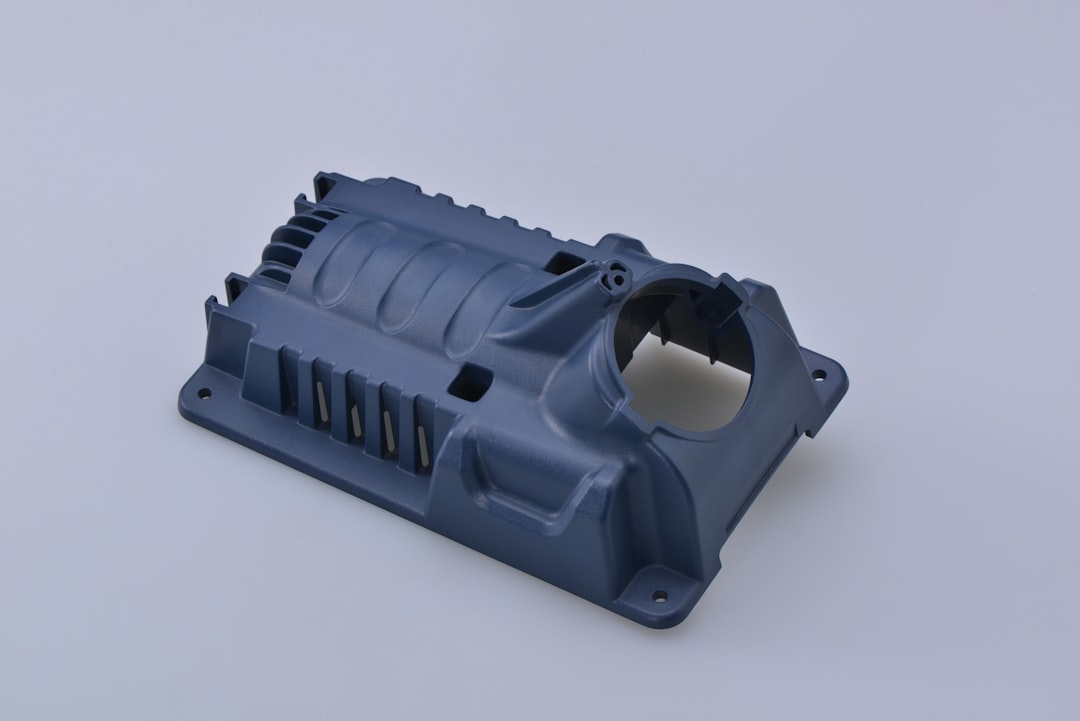
    3D printed car parts metal printing automotive factory 2026

    The Numbers Don’t Lie: Where 3D Printing Stands in Automotive Manufacturing Right Now

    The global automotive 3D printing market crossed the $12.8 billion mark in 2025, and industry analysts at MarketsandMarkets project it will surpass $21 billion by 2028. That’s not speculative hype — it reflects actual capital being deployed by OEMs (Original Equipment Manufacturers, meaning the big carmakers) and their Tier 1 suppliers.

    More telling are the efficiency metrics:

    • Lead time reduction: Traditional casting and tooling for complex brackets can take 12–26 weeks. Additive manufacturing (the technical term for 3D printing) routinely cuts this to 1–3 weeks for prototypes and 2–6 weeks for production runs.
    • Weight savings: Topology-optimized 3D-printed components — meaning the software removes every gram of unnecessary material while maintaining strength — achieve 20–45% weight reduction versus traditional equivalents. In EVs, that directly translates to extended range.
    • Tooling cost elimination: For low-volume or custom parts, skipping the mold-making phase saves anywhere from $50,000 to $500,000 per component family.
    • Waste reduction: Subtractive manufacturing (milling, cutting) wastes up to 80% of raw material. Metal powder-bed fusion printing uses roughly 95–98% of the input material.

    The Technologies Actually Doing the Heavy Lifting

    Not all 3D printing is equal — this is where a lot of people get confused. In automotive contexts, we’re mostly talking about three technologies:

    • Selective Laser Sintering (SLS): Great for functional plastic components like air ducts, housings, and interior trim. BMW uses this extensively at its Additive Manufacturing Campus in Munich.
    • Direct Metal Laser Sintering (DMLS) / Laser Powder Bed Fusion (LPBF): The workhorse for structural metal parts — think titanium suspension brackets, aluminum heat exchangers, or stainless steel brake components.
    • Binder Jetting: Increasingly popular for high-volume metal parts because it’s significantly faster than LPBF. Desktop Metal and ExOne have pushed this into production-scale territory as of 2025–2026.

    Real-World Innovation Cases: Who’s Actually Doing This?

    Let’s move from theory to proof points, because the case studies in 2026 are genuinely impressive.

    BMW Group (Germany/USA): BMW’s Additive Manufacturing Campus in Oberschleißheim now produces over 300,000 3D-printed parts annually, ranging from plastic window guide rails to metal components for the M series. Their i-series electric vehicles use topology-optimized brackets that are printed in aluminum and are structurally superior to cast alternatives — while being 30% lighter.

    Hyundai Motor Group (South Korea): Hyundai’s collaboration with Stratasys has resulted in printed jigs, fixtures, and increasingly, end-use production parts for the IONIQ lineup. Their Ulsan plant integrated polymer 3D printing into assembly workflows in 2024, and by early 2026, they’ve scaled it to cover over 40 distinct component categories. The ROI on tooling savings alone reportedly exceeded ₩85 billion within 18 months.

    Bugatti / Porsche (Luxury Segment): Bugatti famously 3D-printed a titanium brake caliper — the largest printed titanium automotive component at the time — back in 2018. By 2026, Porsche is printing limited-run pistons in aluminum alloy for the 911 GT2 RS, with internal cooling channels that would be geometrically impossible to manufacture any other way. That’s the key insight: 3D printing doesn’t just replicate existing parts cheaper — it enables geometries that previously didn’t exist.

    Local Motors / NAIS Consortium (USA): While Local Motors famously shut down, their legacy lives on in the NAIS (National Additive Integration for Sustainability) consortium, which in 2026 is focused on printing structural body panels for low-volume specialty and emergency vehicles — ambulances, utility trucks — where traditional stamping tooling costs are prohibitive.

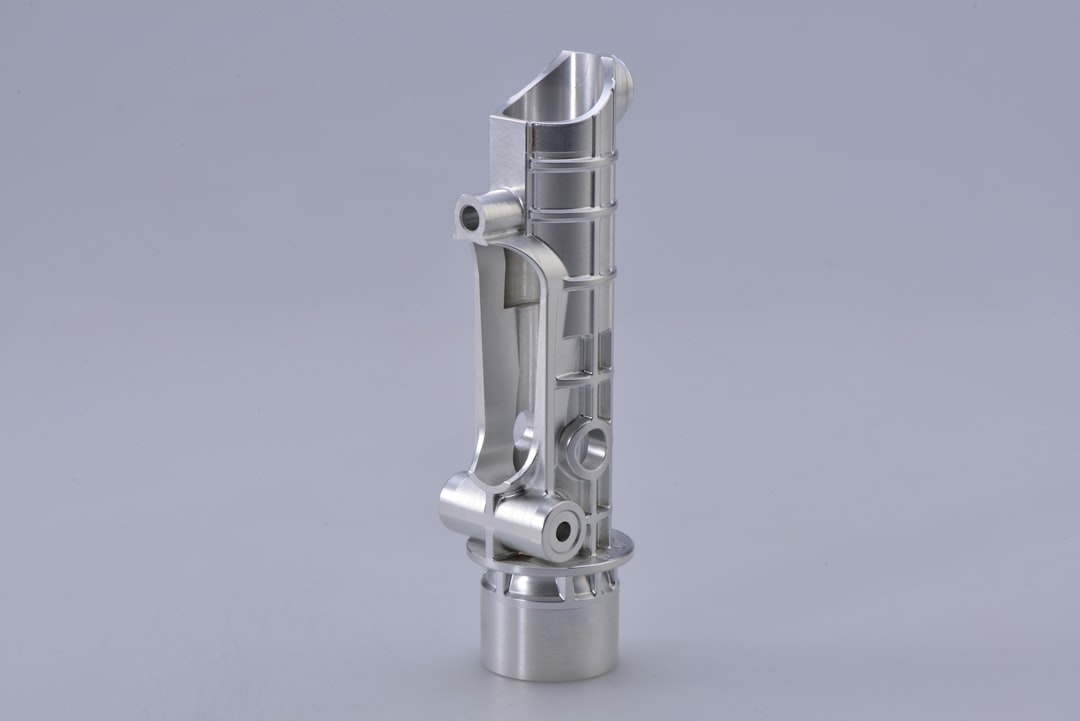
    topology optimized 3D printed titanium bracket automotive lightweight design

    The Challenges Nobody Talks About Enough

    Look, it’s not all glossy success stories. Let’s be honest about the friction points:

    • Post-processing is expensive: Most metal printed parts require heat treatment, surface finishing, and machining of critical interfaces. This adds 40–60% to the raw print cost.
    • Certification and validation: For safety-critical parts — anything in the steering, braking, or suspension system — regulatory approval is slow and expensive. This is why most production 3D-printed structural parts remain in the premium/low-volume segment.
    • Material consistency: Powder batch variability can affect mechanical properties. Quality assurance protocols (CT scanning, destructive testing of sample parts) add overhead that smaller suppliers struggle to absorb.
    • Skilled workforce gap: DfAM (Design for Additive Manufacturing) is a genuinely different skill set from traditional CAD. There simply aren’t enough engineers who think additively yet — though this is improving rapidly with university programs.

    Realistic Alternatives and the Hybrid Manufacturing Path

    Here’s where I want to be practical with you, especially if you’re a small or medium supplier wondering whether to invest. The answer in 2026 is almost never “go fully additive” — it’s “go strategically hybrid.”

    What does that look like in practice? Consider these approaches based on your situation:

    • If you’re a Tier 2/3 supplier with limited capital: Partner with a service bureau (companies like Materialise, Protolabs, or Xometry) rather than buying machines. Use additive for prototypes and low-volume runs while keeping traditional processes for high-volume bread-and-butter parts.
    • If you’re an OEM design team: Integrate DfAM training now. The biggest leverage point isn’t the machine — it’s redesigning components from scratch with additive constraints in mind. A part designed for 3D printing from day one outperforms a converted traditional design every time.
    • If you’re in the aftermarket/restoration space: This is arguably where 3D printing’s democratization story is most compelling. Printing obsolete or discontinued parts for classic cars, specialty vehicles, or rare imports is genuinely viable today at small scales — even with desktop metal printers for non-structural components.

    The smart play in 2026 isn’t to replace your entire supply chain with printers. It’s to identify the 5–15% of your component portfolio where additive manufacturing delivers outsized advantages — complex geometry, low volume, long lead time, high tooling cost — and go deep there.


    Editor’s Comment : What strikes me most about the 3D printing story in automotive isn’t the technology itself — it’s the shift in design philosophy it forces. For decades, engineers designed around manufacturing constraints: “What can a milling machine or a die-cast mold actually produce?” Additive manufacturing flips that question to “What does this part actually need to do, structurally and functionally?” That’s a profound change in how we think about objects. Whether you’re a manufacturer weighing a capital investment or just a curious reader who wants to understand why your next car might feel slightly different to drive — lighter, stiffer, quieter — the answer increasingly starts in a powder bed at 1,000°C.


    📚 관련된 다른 글도 읽어 보세요

    태그: [‘3D printing automotive’, ‘additive manufacturing car parts’, ‘automotive innovation 2026’, ‘metal 3D printing’, ‘EV lightweight components’, ‘DfAM design for additive manufacturing’, ‘automotive supply chain technology’]

  • 3D 프린팅 자동차 부품 제조 혁신 사례 2026 – 공장을 바꾸는 적층 제조의 현재

    3D 프린팅 자동차 부품 제조 혁신 사례 2026 – 공장을 바꾸는 적층 제조의 현재

    몇 해 전만 해도 ‘3D 프린팅’이라고 하면 아이들이 플라스틱 장난감을 뽑아내는 취미용 기기 정도로 여겨졌죠. 그런데 2026년 현재, 자동차 업계의 분위기는 완전히 달라졌어요. 한 독일의 완성차 제조사 엔지니어가 인터뷰에서 이런 말을 했다고 합니다. “우리는 이제 부품을 ‘주문’하지 않아요. 필요할 때 ‘출력’합니다.” 다소 과장처럼 들릴 수 있지만, 실제로 이 말이 현실에 가까워지고 있다는 게 놀라운 점이라고 봅니다.

    적층 제조(Additive Manufacturing), 즉 3D 프린팅 기술이 자동차 부품 생산 현장에 깊숙이 파고들면서 기존 제조 방식의 근본적인 패러다임이 흔들리고 있어요. 오늘은 그 혁신의 구체적인 사례들을 함께 살펴보고, 우리가 이 흐름에서 어떤 인사이트를 얻을 수 있을지 고민해 보려 합니다.


    3D printing automotive parts factory manufacturing 2026

    본론 1. 숫자로 보는 3D 프린팅 자동차 산업의 규모

    📊 시장 규모: 더 이상 ‘실험적 기술’이 아니다

    글로벌 시장조사기관의 2026년 최신 리포트에 따르면, 자동차 분야의 3D 프린팅 시장 규모는 약 85억 달러(한화 약 11조 4천억 원)에 달하는 것으로 추산돼요. 2020년 기준 약 18억 달러였던 것과 비교하면 6년 만에 약 4.7배 성장한 셈입니다. 연평균 성장률(CAGR)은 약 25~28% 수준으로, 전통 자동차 제조업의 성장률을 압도하는 수치라고 볼 수 있어요.

    ⏱️ 납기 단축: 18주 → 72시간

    전통적인 금형(Die Casting) 방식으로 신규 부품을 개발하면 금형 설계부터 시제품 완성까지 평균 14~18주가 소요됩니다. 반면 금속 3D 프린팅(DMLS, Direct Metal Laser Sintering) 방식을 활용하면 동일한 복잡도의 부품을 48~72시간 내에 생산할 수 있어요. 단순 계산으로도 납기가 최대 98% 단축되는 셈이죠. 이는 특히 소량 다품종 생산이나 단종 차량의 레거시 부품 수급 문제를 해결하는 데 엄청난 강점이라고 봅니다.

    💰 비용 구조의 변화: 고정비 → 변동비

    기존 제조 방식은 금형 제작에만 수천만 원에서 억 단위의 초기 비용이 들어가요. 3D 프린팅은 초기 금형 비용이 사실상 ‘0’에 가깝습니다. 물론 장비 투자비와 소재비가 있지만, 소량 생산(1~500개 수준)에서는 단가 경쟁력이 전통 방식 대비 30~60% 낮게 형성된다는 분석이 많아요. 다만 대량 생산 구간(10만 개 이상)에서는 여전히 전통 방식이 유리하기 때문에, 무조건적인 전환보다는 ‘하이브리드 제조 전략’이 현실적이라고 봅니다.


    본론 2. 국내외 혁신 사례 – 실제로 어디서 쓰이고 있나요?

    🌍 해외 사례 1 – BMW의 ‘AM Campus’

    BMW 그룹은 뮌헨 인근에 적층 제조 전용 캠퍼스(AM Campus)를 운영하고 있어요. 이곳에서는 연간 수십만 개의 부품을 3D 프린팅으로 생산하는데, 특히 맞춤형 지그(Jig)·픽스처(Fixture)와 같은 생산 보조 도구뿐만 아니라, Rolls-Royce 차량의 고객 맞춤형 내장 파츠까지 출력해 납품하고 있습니다. 2026년 현재 BMW는 누적 3D 프린팅 부품 생산량이 300만 개를 돌파했다고 공식 발표한 바 있어요.

    🌍 해외 사례 2 – 포르쉐의 단종 부품 프로젝트

    포르쉐는 단종된 클래식카 모델의 부품 수급 문제를 3D 프린팅으로 해결하는 프로젝트를 진행 중이에요. 예를 들어 포르쉐 959와 같은 희귀 모델의 클러치 레버나 방열판 커버 같은 금속 부품을 소량으로 출력해 오너들에게 공급하고 있죠. 금형을 다시 만들면 수억 원이 드는 부품을 건당 단가 중심으로 해결할 수 있다는 점에서, 클래식카 시장에서의 3D 프린팅 활용도는 앞으로 더 커질 것이라고 봅니다.

    🇰🇷 국내 사례 – 현대자동차그룹 & 국내 부품사

    현대자동차그룹도 이 흐름에서 빠지지 않아요. 현대차는 남양연구소 내 AM 전담 조직을 통해 시제품 개발 사이클을 대폭 줄이고 있으며, 특히 전기차(EV) 플랫폼 전환 과정에서 3D 프린팅으로 제작된 배터리 케이스 프로토타입이 개발 기간 단축에 크게 기여했다고 알려져 있어요. 국내 1차 부품사인 현대모비스 역시 경량화 부품 개발에 금속 적층 제조 기술을 접목하는 연구를 이어가고 있습니다.


    metal 3D printing car parts EV battery lightweight component

    3D 프린팅이 자동차 제조에 가져오는 핵심 변화들

    • 경량화 설계 자유도 극대화:: 위상 최적화(Topology Optimization) 알고리즘과 결합하면, 기존 절삭 가공으로는 불가능한 내부 격자 구조(Lattice Structure)를 구현해 동일 강도 대비 무게를 최대 40~60% 줄일 수 있어요.
    • 부품 통합(Part Consolidation): 기존에 수십 개의 부품을 조립해야 했던 어셈블리를 단일 출력물로 대체할 수 있어요. 조립 공정 감소 → 불량률 감소 → 유지보수 비용 절감으로 이어지는 선순환 구조입니다.
    • 온디맨드(On-Demand) 공급망 구축: 부품을 물리적으로 재고로 쌓아두는 대신, 디지털 파일(CAD 데이터)로 보관했다가 필요할 때 가장 가까운 제조 거점에서 출력하는 ‘분산형 제조’ 모델이 현실화되고 있어요.
    • 소재 다양화: 초기의 폴리머(플라스틱) 중심에서 벗어나, 티타늄·알루미늄 합금·스테인리스강은 물론, 탄소섬유 복합재료(CFRP) 적층 제조까지 영역이 넓어지고 있습니다.
    • 탄소발자국 감소: 필요한 만큼만 소재를 사용하는 특성상 재료 낭비가 기존 절삭 가공 대비 최대 80% 줄어들 수 있어요. ESG 경영 기조와도 맞닿아 있는 부분이라고 봅니다.

    결론 – 모든 공장이 3D 프린터로 대체될까요?

    결론부터 말씀드리면, ‘대체’보다는 ‘공존과 역할 분담’이 더 현실적인 그림이라고 생각해요. 대량 생산 체제에서 금형 기반 사출·주조 방식의 효율은 여전히 3D 프린팅이 쉽게 넘기 어려운 영역이에요. 하지만 소량·맞춤형·고복잡도·긴급 생산 영역에서는 이미 3D 프린팅이 압도적인 경쟁력을 보이고 있죠.

    자동차 산업 전반이 내연기관에서 전동화로 전환되는 이 시점은 3D 프린팅 기술에는 절호의 기회이기도 해요. 전기차는 부품 수가 내연기관차 대비 30~40% 적고, 플랫폼 변화 속도가 빠르기 때문에, 유연한 소량·시제품 생산에 강한 적층 제조 기술이 빛을 발할 수밖에 없는 구조거든요.

    개인적으로 주목하는 포인트는 ‘디지털 재고(Digital Inventory)’ 개념의 확산이에요. 물리적 부품을 창고에 쌓는 것이 아니라, 설계 파일을 클라우드에 보관하고 전 세계 어느 거점에서든 즉시 출력하는 방식은 공급망 리스크 관리의 새로운 패러다임이 될 가능성이 높다고 봅니다.

    에디터 코멘트 : 3D 프린팅 기술을 막연히 ‘미래 기술’로만 바라보던 시선은 이제 내려놓아야 할 것 같아요. 2026년 현재, 이 기술은 이미 여러분이 타고 다니는 차의 어딘가에 조용히 녹아들어 있을지도 모릅니다. 완성차 업체나 부품사에 종사하고 계신 분이라면, 사내 적층 제조 도입 로드맵을 한 번쯤 진지하게 검토해 보시길 권하고 싶어요. 경쟁사가 먼저 움직이는 걸 보고 나서 뒤따라가기엔, 이 기술의 학습 곡선이 생각보다 가파를 수 있거든요.


    📚 관련된 다른 글도 읽어 보세요

    태그: [‘3D프린팅자동차’, ‘적층제조’, ‘자동차부품제조혁신’, ‘금속3D프린팅’, ‘자동차경량화’, ‘온디맨드제조’, ‘전기차부품생산’]

  • How to Build Your Own Home Lab Security Camera System in 2026 (Without Handing Your Data to Big Tech)

    A few months ago, my neighbor called me in a mild panic. Someone had tampered with his car overnight, and when he rushed to pull footage from his cloud-connected security camera, the app was down for “scheduled maintenance.” The footage he needed was locked behind a paywall subscription he’d let lapse. Sound familiar? This exact scenario — and the growing unease around who actually owns your camera footage — is exactly why the DIY home lab security camera movement has exploded in 2026.

    Let’s think through this together: if your camera streams directly to a third-party server in a data center you’ve never seen, maintained by a company whose privacy policy runs 47 pages long… are you really in control of your home security? Probably not. So let’s fix that.

    home lab security camera rack setup Raspberry Pi NVR server 2026

    Why Self-Hosted Security Cameras Make Sense in 2026

    The market data backs up the frustration. According to a 2026 IoT Security Landscape report by Claroty, over 63% of consumer-grade IP cameras still transmit data to external servers by default, and roughly 28% of those have had at least one documented vulnerability in the past two years. Meanwhile, subscription costs for cloud camera services have risen an average of 34% since 2023, with major players like Ring and Nest now charging premium tiers just to access 30-day footage history.

    A self-hosted system, by contrast, keeps every frame of footage on hardware you physically own. No monthly fees. No data harvesting. No outages during exactly the moment you need the footage most.

    The Core Components You’ll Actually Need

    Building a home lab security camera setup doesn’t require a server room or an IT degree. Here’s the practical breakdown:

    • IP Cameras (PoE preferred): Power over Ethernet cameras like the Reolink RLC-810A or Hikvision DS-2CD2T47G2 are workhorses. They’re powered and transmit data through a single cable — elegant and reliable. Budget: $40–$120 per camera.
    • Network Video Recorder (NVR) software: This is the brain of your system. Options like Frigate (open-source, AI-powered object detection), Shinobi, or Blue Iris (Windows-based, very feature-rich) are the community favorites in 2026. Frigate in particular has become the gold standard for homelab setups because it integrates beautifully with Home Assistant.
    • Server hardware: A repurposed mini PC (like an Intel NUC or Beelink SER series) running Linux handles this job perfectly for 4–8 cameras. If you want AI object detection without melting your CPU, consider adding a Google Coral USB Accelerator — it offloads machine learning inference at a fraction of the power cost.
    • PoE Network Switch: A managed PoE switch (TP-Link TL-SG1008PE is a popular budget pick) powers your cameras and keeps camera traffic isolated on a dedicated VLAN (Virtual Local Area Network — basically a separate, segmented network lane).
    • Storage: For continuous recording, budget roughly 1TB per camera per month at 1080p. A 4TB NAS drive or a dedicated HDD inside your server works well. RAID isn’t strictly necessary for a home setup, but a backup copy of critical footage to a local NAS adds peace of mind.

    The VLAN Isolation Strategy — Don’t Skip This

    Here’s where many beginners make a critical mistake: they plug their IP cameras straight into their main home network. This means a compromised camera has potential access to your laptops, phones, and smart devices. The smarter move is to place all cameras on a dedicated, internet-blocked VLAN. Your NVR server sits between the camera network and your main LAN, pulling footage in but never letting cameras reach outward. This is standard practice in enterprise environments, and in 2026, routers like the Ubiquiti UniFi lineup or even consumer options like the Firewalla Gold make this genuinely accessible for home users.

    Real-World Examples: How People Are Doing It

    In Germany, a Berlin-based homelab community called Heimnetz Kollektiv documented their 12-camera Frigate deployment across a shared apartment building in a 2025 case study. They achieved full local AI person-detection (no cloud, no subscriptions) using a single Beelink mini PC and two Coral accelerators. Total hardware cost: under €800 for the whole building.

    Stateside, the r/homelab and r/selfhosted communities on Reddit consistently showcase builds where hobbyists in the US have replaced Nest or Arlo systems entirely. One frequently cited 2026 build uses Home Assistant OS as the base, Frigate as the NVR, and Tailscale (a zero-config VPN tool) to securely access live footage remotely without exposing any ports to the public internet. That last part — no open ports — is genuinely the gold standard for home security camera remote access in 2026.

    Frigate NVR dashboard Home Assistant security camera footage interface

    Step-by-Step: Getting Your First Camera Online Locally

    Let’s walk through the logical sequence so you’re not overwhelmed:

    • Step 1 — Plan your camera placement: Identify 2–4 key zones (front door, driveway, back entrance). Start small. You can always expand.
    • Step 2 — Set up your server: Install Proxmox or straight Debian Linux on your mini PC. Deploy Frigate as a Docker container — the official Frigate documentation in 2026 is excellent and beginner-friendly.
    • Step 3 — Configure your PoE switch and VLAN: Assign your cameras to a dedicated VLAN (e.g., 192.168.20.x) with no internet access. Allow only traffic to your NVR server’s IP.
    • Step 4 — Connect and configure cameras: Access each camera’s web interface to set a static IP, disable cloud features, and point the RTSP stream (Real Time Streaming Protocol — the standard way cameras broadcast video) to your Frigate server.
    • Step 5 — Set up remote access via Tailscale: Install Tailscale on your NVR and your phone. You’ll get encrypted remote access without poking holes in your firewall. This is the single best practice upgrade you can make.
    • Step 6 — Configure alerts: Frigate’s object detection can push notifications to your phone via Home Assistant or ntfy.sh when a person, car, or animal is detected. No cloud AI required.

    Realistic Alternatives If Full DIY Feels Like Too Much

    Not everyone has the time or inclination to go full homelab mode — and that’s completely valid. Here are tiered alternatives worth considering:

    • Middle ground — Reolink or Amcrest with local NAS: Some modern Reolink cameras support direct RTSP streaming to a local NAS with no cloud account required. It’s not as powerful as Frigate, but it’s a significant privacy improvement over full cloud dependency with minimal setup.
    • Privacy-first commercial option: In 2026, Eufy’s HomeBase 3 system stores footage locally by default and has improved its end-to-end encryption significantly after their 2022 controversy. It’s not self-hosted, but it’s a step above fully cloud-dependent systems.
    • Start with one camera and Frigate: You don’t have to rebuild your whole network on day one. A single PoE camera pointed at your front door, feeding into a Raspberry Pi 5 running Frigate, is a completely functional proof-of-concept that costs under $150 total.

    The logical path forward really depends on your threat model (who or what are you protecting against?), your technical comfort level, and how much time you want to invest. But even small steps toward local data ownership are meaningful ones.

    Editor’s Comment : The best home security system is one that actually works when you need it — and in 2026, that increasingly means one you control yourself. Building a home lab security camera setup used to feel intimidating, but the tooling (Frigate, Tailscale, Docker, affordable PoE hardware) has matured to the point where a determined weekend project can genuinely replace a cloud subscription service with something more private, more reliable, and ultimately more yours. Start with one camera. See how it feels. The rabbit hole is deep, but the view from the bottom is pretty great.


    📚 관련된 다른 글도 읽어 보세요

    태그: [‘home lab security camera’, ‘self-hosted NVR 2026’, ‘Frigate NVR setup’, ‘DIY home security system’, ‘local camera storage no cloud’, ‘home network security VLAN’, ‘Raspberry Pi security camera’]

  • 홈랩 보안 카메라 자체 구축 방법 2026 완벽 가이드 | Frigate·NVR로 클라우드 없이 운영하기

    작년 말, 지인이 꽤 유명한 클라우드 기반 홈캠 서비스를 쓰다가 황당한 경험을 했다고 하더군요. 어느 날 갑자기 서비스 약관이 바뀌면서 영상 저장 기간이 절반으로 줄고, 그마저도 월정액을 올려야 유지된다는 공지를 받은 거예요. 게다가 “우리 서버에 영상이 저장된다\


    📚 관련된 다른 글도 읽어 보세요

    태그: []

  • 3D Printing Material Revolution 2026: High-Strength Polymers & Metal Alloys That Are Changing Everything

    A few years back, I visited a small aerospace startup in Munich that was printing turbine components — not prototypes, but actual flight-ready parts. The engineer handed me a bracket printed from a titanium-aluminum alloy, and I nearly dropped it expecting it to be heavy. It wasn’t. That moment stuck with me, because it wasn’t just cool engineering — it was a signal that 3D printing materials had quietly crossed a threshold most of us hadn’t noticed yet.

    Fast forward to 2026, and that threshold is now a highway. The materials science behind additive manufacturing has genuinely leveled up, and if you’ve been following the industry casually, you may have missed just how dramatic the shift has been. Let’s think through this together.

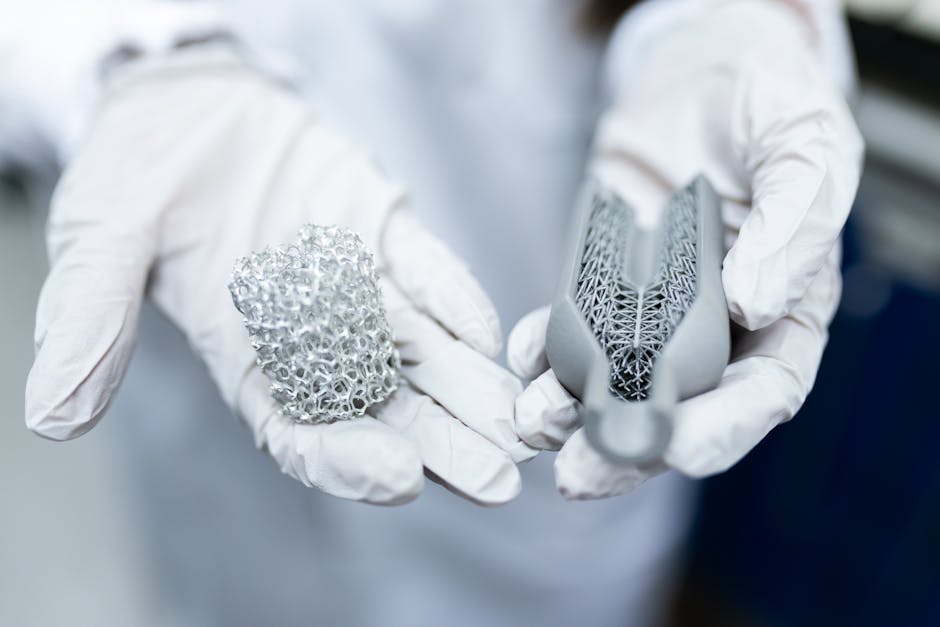
    high-strength polymer 3D printing industrial part close-up 2026

    Why Materials Were Always the Bottleneck

    For most of the 2010s, 3D printing’s biggest limitation wasn’t the machines — it was what you put in them. Early FDM (Fused Deposition Modeling) printers used basic PLA and ABS plastics that were great for trinkets and prototypes but would crack under real mechanical stress. Metal printing existed but was obscenely expensive and limited to simple geometries. The gap between “printed part” and “functional engineering part” was enormous.

    That gap is closing fast, and the data backs it up. According to Wohlers Associates’ 2026 Additive Manufacturing Report, the advanced materials segment — covering high-performance polymers, metal composites, and ceramic hybrids — now represents 43% of total 3D printing market revenue, up from just 22% in 2021. That’s not incremental growth. That’s a structural shift in what the industry actually does.

    High-Strength Polymers: Not Your Grandpa’s Plastic

    Let’s start with polymers, because this is where the most democratized innovation is happening — meaning you don’t need a million-dollar sintering machine to benefit.

    The real stars in 2026 are PEEK (Polyether ether ketone), PEKK (Polyetherketoneketone), and a newer class called high-flow PAEK blends. These aren’t new chemicals per se, but what’s new is our ability to print them reliably at scale. Here’s why they matter:

    • Tensile strength: Industrial PEEK printed parts now routinely achieve 100–110 MPa tensile strength — comparable to aluminum alloys used in non-critical aerospace brackets.
    • Thermal resistance: PEKK maintains structural integrity at continuous temperatures above 250°C, making it viable for under-hood automotive and chemical processing applications.
    • Biocompatibility: Medical-grade PEEK is now FDA-cleared for spinal implants printed directly to patient CT scans — a genuine revolution in personalized medicine.
    • Chemical resistance: These polymers resist acids, hydrocarbons, and solvents that would destroy conventional engineering plastics like nylon or polycarbonate.
    • Weight advantage: Compared to metal alternatives, PEEK composites are 40–60% lighter while maintaining comparable stiffness in many applications.

    One development I find particularly exciting is the emergence of carbon-fiber-reinforced PEEK filaments from companies like Evonik and Solvay. The short-fiber variants have been around for a while, but 2025–2026 saw continuous fiber reinforcement become printable with desktop-scale machines, pushing specific stiffness values into territory previously reserved for aerospace composites.

    Metal Printing: From Lab Curiosity to Factory Floor

    Metal additive manufacturing has three main approaches worth knowing: LPBF (Laser Powder Bed Fusion), DED (Directed Energy Deposition), and the rapidly growing binder jetting process. Each has its sweet spot, but binder jetting is stealing the spotlight in 2026 for production-scale metal parts.

    Why binder jetting? Speed and cost. Traditional LPBF is layer-by-layer laser melting — precise, but slow and expensive. Binder jetting deposits a binding agent across a powder bed, prints an entire layer almost simultaneously, then sinters the part in a furnace. Companies like Desktop Metal (now merged with Markforged under the unified “FormAlloy” brand after their 2025 consolidation) and ExOne have pushed cycle times down by 40–70% compared to 2022 benchmarks.

    The alloys themselves are also getting interesting:

    • Copper-chromium alloys: Now printable with >95% density, enabling heat exchangers with internal geometries impossible to machine — critical for EV battery thermal management.
    • Refractory metals (tungsten, molybdenum): Finally printable at industrial scale, opening doors for nuclear shielding and hypersonic vehicle components.
    • Amorphous metal glasses: A frontier material — technically not crystalline — being trialed for surgical tools and precision sensors because of near-zero wear characteristics.
    • Aluminum-scandium alloys: Adding just 0.2% scandium dramatically improves weldability and fatigue life; printable variants are now certified for Airbus A320 family secondary structures.
    metal powder bed fusion 3D printing industrial aerospace alloy part

    Real-World Examples Across Industries

    Let’s ground this in what’s actually happening globally.

    South Korea — Hyundai Motor Group has integrated PEEK-composite printed parts into the IONIQ 9’s interior structural elements, reducing component weight by 18% versus injection-molded alternatives. Their Ulsan facility runs 24-hour automated print-and-inspect cycles on polymer components.

    Germany — Siemens Energy is using DED metal printing to repair, not just manufacture, gas turbine blades in-field. Instead of scrapping a damaged €40,000 blade, technicians print material back onto worn edges. The repaired blade reportedly performs within 2% of new-part specifications — a massive cost and sustainability win.

    USA — Relativity Space (now producing their Terran R rocket) prints over 95% of rocket components using proprietary aluminum-lithium alloys on their Stargate printers. What would take 18 months in conventional manufacturing takes under 60 days.

    Japan — Kyocera has developed printable ceramic-metal composites (cermets) for cutting tools, achieving a 35% longer tool life than conventional tungsten carbide inserts in titanium machining — a huge deal for the country’s precision manufacturing sector.

    What This Means If You’re Not Boeing or Hyundai

    Here’s the honest reality check — and this is where I want to think practically with you. Not everyone reading this runs an aerospace program. So what does the materials revolution actually mean for small businesses, makers, and independent engineers in 2026?

    The good news is that the trickle-down effect is real and accelerating:

    • Service bureaus: Companies like Protolabs, Xometry, and regional equivalents now offer PEEK and metal binder jetting as standard catalog services. You design it, they print it, often with 5-day turnaround.
    • Desktop PEEK printers: Machines like the Roboze One+ 400 Evo (under $30,000) make high-performance polymer printing accessible to well-funded startups and university labs.
    • Material subscription models: Several filament brands now offer material-as-a-service subscriptions that include technical support and certified testing data — crucial if you’re designing load-bearing parts.
    • Open-source formulations: The community around material science is genuinely collaborative; initiatives like the Open Materials Project have published printable formulations for nylon-carbon blends that outperform commercial alternatives.

    If full metal printing is out of your budget, consider metal-filled filaments (composite polymer with 50–80% metal powder by weight) combined with chemical post-processing. While they don’t match true sintered metal, they offer dramatically improved density, conductivity, and aesthetics at a fraction of the cost — perfect for functional prototypes and low-load production parts.

    Looking Ahead: What to Watch in Late 2026 and Beyond

    Two areas I’m personally watching closely: multi-material printing — the ability to print gradient compositions within a single part (imagine a component that transitions from rigid metal to flexible polymer in one print) — and AI-driven material discovery. Several university labs are using generative models to propose novel polymer chain architectures, which are then synthesized and tested in weeks rather than years. The pace of iteration is genuinely unprecedented.

    Editor’s Comment : We’re living through a genuinely historic moment in manufacturing materials — one of those slow-motion revolutions that only looks inevitable in hindsight. The convergence of printable high-strength polymers and accessible metal additive processes isn’t just changing what engineers can build; it’s changing who gets to build it. Whether you’re a hobbyist curious about PEEK filament or a product manager evaluating metal binder jetting for production, the advice is the same: start a small test project now. The learning curve is real, but the materials have finally caught up to the ambition. Don’t wait for the technology to get “more ready” — it’s ready enough, and the gap between early adopters and everyone else is widening by the month.


    📚 관련된 다른 글도 읽어 보세요

    태그: [‘3D printing materials 2026’, ‘high-strength polymer printing’, ‘PEEK 3D printing’, ‘metal additive manufacturing’, ‘binder jetting technology’, ‘carbon fiber reinforced printing’, ‘additive manufacturing innovation’]

  • 2026년 3D 프린팅 소재 혁신: 고강도 폴리머와 금속 소재가 바꾸는 제조업의 미래

    얼마 전 지인이 운영하는 소규모 자동차 부품 업체에서 흥미로운 얘기를 들었어요. 기존에는 금형 제작에만 수천만 원이 들어갔던 시제품 공정을, 3D 프린팅 금속 소재로 대체하면서 비용을 80% 가까이 줄였다는 거예요. 처음엔 반신반의했는데, 직접 출력된 부품을 손에 쥐어보니 표면 마감이나 강도 면에서 기존 주조 부품과 크게 다르지 않더라고요. 이게 단순히 ‘신기한 기술’이 아니라, 실제 산업 현장의 판을 바꾸고 있다는 걸 실감한 순간이었습니다.

    2026년 현재, 3D 프린팅(적층 제조, Additive Manufacturing) 기술에서 가장 뜨거운 화두는 단연 소재(Material) 혁신이라고 봅니다. 장비 성능이 어느 정도 평준화된 지금, 경쟁의 핵심은 ‘무엇으로 만드느냐’로 이동했거든요. 오늘은 고강도 폴리머와 금속 소재를 중심으로, 지금 이 시장에서 정확히 어떤 일이 벌어지고 있는지 함께 살펴볼게요.

    3D printing metal polymer industrial manufacturing 2026

    📊 숫자로 보는 3D 프린팅 소재 시장: 얼마나 커졌을까?

    글로벌 시장조사기관들의 최근 데이터를 종합해 보면, 2026년 기준 3D 프린팅 소재 시장 규모는 약 45억 달러(한화 약 6조 원) 수준으로 추정되고 있어요. 2020년과 비교하면 불과 6년 만에 시장이 약 3.2배 성장한 셈입니다.

    그중에서도 주목할 만한 수치들을 정리해 볼게요.

    • 고성능 폴리머 소재(PEEK, PAEK 계열): 항공·의료 분야 수요 급증으로 연평균 성장률(CAGR) 약 22% 기록. 일반 엔지니어링 플라스틱 대비 내열성이 250°C 이상으로 2~3배 높아요.
    • 금속 분말 소재(티타늄, 인코넬, 스테인리스 316L): 전체 금속 3D 프린팅 소재 시장에서 약 38% 점유율을 차지하며 주도적인 위치를 유지하고 있습니다.
    • 복합 소재(Carbon Fiber 강화 필라멘트): 인장 강도가 기존 ABS 대비 최대 800% 향상된 제품이 상용화되면서, 구조용 부품 시장 진입이 본격화됐어요.
    • 바이오 기반 폴리머: PHA(폴리하이드록시알카노에이트) 계열 소재가 생분해성과 강도를 동시에 확보하면서 친환경 제조 수요를 흡수 중입니다.

    특히 금속 소재의 경우, SLM(선택적 레이저 용융) 방식으로 출력한 티타늄 부품의 인장 강도가 950MPa 이상을 기록하는 사례가 보고되고 있어요. 이는 기존 단조(Forging) 공정으로 생산한 부품과 견주어도 크게 뒤지지 않는 수준이라 봅니다.

    🌍 국내외 최전선에서 벌어지고 있는 일들

    해외 사례부터 살펴볼게요. 미국의 Markforged는 연속 탄소섬유(Continuous Carbon Fiber) 강화 방식을 적용한 고강도 폴리머 출력 기술로 업계의 주목을 받고 있어요. 이들이 개발한 ‘Onyx’ 소재는 나일론 베이스에 마이크로 탄소섬유를 혼합한 것인데, 일반 플라스틱으로는 불가능했던 항공기 지그(Jig) 및 픽스처(Fixture)를 금속 없이 구현하는 데 성공했습니다.

    독일의 EOS GmbH는 금속 분말 소재 분야에서 독보적인 입지를 가지고 있는데요, 2025년 말 출시한 니켈 합금 기반 소재 ‘EOS NickelAlloy IN939’는 항공기 터빈 블레이드 제작에 적용 가능한 수준의 내열성(최대 작동 온도 약 850°C)을 확보해 화제를 모았어요.

    국내 상황도 꽤 빠르게 변하고 있다고 봅니다. 한국생산기술연구원(KITECH)은 국산 티타늄 분말 소재의 순도 및 입도 균일성 향상 연구를 꾸준히 진행해 왔는데, 2026년 들어 항공우주 부품 적용을 위한 인증 절차를 본격화하는 단계에 접어든 것으로 알려졌어요. 또한 중소벤처기업부의 스마트 제조 지원 정책과 맞물리면서, 국내 중견·중소 제조업체들이 금속 3D 프린팅 도입을 검토하는 사례가 눈에 띄게 늘고 있습니다.

    high performance polymer PEEK metal powder titanium 3D printing closeup

    🔬 왜 지금 ‘소재’가 핵심인가: 기술적 맥락 짚어보기

    3D 프린팅 초기에는 주로 PLA나 ABS 같은 범용 소재로 시제품을 만드는 용도에 그쳤어요. 그런데 지금은 이야기가 달라졌습니다. 적층 제조가 ‘시제품 제작 도구’에서 ‘최종 부품 생산 수단(End-Use Part Production)’으로 역할이 확장되면서, 소재에 요구되는 기준이 훨씬 엄격해진 거예요.

    고강도 폴리머의 경우, PEEK(폴리에테르에테르케톤) 소재는 생체적합성(ISO 10993 인증)을 갖추면서 척추 임플란트나 치과용 보철물 제작에 실제로 쓰이기 시작했어요. 금속 소재 역시 단순 형상 구현을 넘어, 내부에 격자 구조(Lattice Structure)를 삽입해 무게는 줄이고 강성은 유지하는 위상 최적화(Topology Optimization) 설계와 결합하면서 전혀 새로운 부품 설계 패러다임을 만들어가고 있습니다.

    결국 소재 혁신이 중요한 이유는, 장비가 아무리 좋아도 소재의 물성 한계를 넘어설 수 없기 때문이에요. 기계가 ‘붓’이라면 소재는 ‘물감’인 셈이고, 지금 우리는 물감의 색깔과 농도가 폭발적으로 다양해지는 시기를 살고 있다고 봅니다.

    💡 현실적으로 어떻게 접근할 수 있을까?

    모든 분들이 산업용 금속 3D 프린터를 도입할 수는 없겠죠. 장비 비용만 해도 수억 원에서 수십억 원에 달하니까요. 그렇다면 현실적인 접근법은 뭘까요?

    • 소재 특성 학습 먼저: 각 소재의 인장 강도, 내열 온도, 비용 구조를 파악하는 것이 출발점이에요. Markforged나 Stratasys 등 주요 기업의 소재 데이터시트는 공개 자료로 확인 가능합니다.
    • 서비스 뷰로(Bureau) 활용: 장비 구매 없이도 3D허브(3D Hub) 같은 온라인 출력 서비스를 통해 PEEK, 티타늄 소재 출력물을 테스트 의뢰할 수 있어요.
    • 국내 지원 프로그램 탐색: 스마트 제조 혁신 바우처 사업 등을 통해 중소기업은 컨설팅 및 장비 사용 비용 일부를 지원받을 수 있는 경로가 마련되어 있습니다.
    • 데스크톱 레벨 고강도 소재 먼저 시도: Bambu Lab, Prusa 등 보급형 장비에서도 탄소섬유 강화 나일론(PA-CF)이나 유리섬유 강화 소재를 출력할 수 있어요. 진입 비용이 낮으면서도 물성 향상을 체감하기에 좋은 선택지라 봅니다.

    에디터 코멘트 : 3D 프린팅 소재 혁신은 먼 미래의 이야기가 아니에요. 지금 이 순간에도 병원 수술실에서는 PEEK 임플란트가 시술되고 있고, 항공기 엔진 안에는 금속 3D 프린팅 부품이 장착되어 있습니다. 기술 자체보다 ‘내가 해결하려는 문제에 어떤 소재가 맞는가’라는 질문에서 시작하는 게 훨씬 현실적이라고 생각해요. 한 번에 완벽한 소재를 찾으려 하지 말고, 작은 시도부터 쌓아가다 보면 어느 순간 꽤 의미 있는 결과를 손에 쥐게 될 거라 봅니다.


    📚 관련된 다른 글도 읽어 보세요

    태그: [‘3D프린팅소재’, ‘고강도폴리머’, ‘금속3D프린팅’, ‘PEEK소재’, ‘적층제조’, ‘티타늄3D프린팅’, ‘스마트제조2026’]

  • Mini PC vs DIY Home Server in 2026: Which Setup Actually Makes Sense for You?

    A few months ago, a friend of mine — let’s call him Dave — spent three weekends building a home server from scratch. Old tower PC, a stack of salvaged hard drives, and enough cable ties to rival a data center. He was proud of it. Then his electricity bill arrived. Suddenly, the “free” server wasn’t so free anymore. Meanwhile, his neighbor had picked up a compact mini PC, plugged it in, and had Plex, Pi-hole, and a NAS running by Sunday afternoon. Same goal, wildly different journeys.

    That story pretty much sums up the mini PC vs. DIY home server debate in 2026 — and honestly, neither side is wrong. But one side is almost certainly right for you specifically. Let’s think this through together.

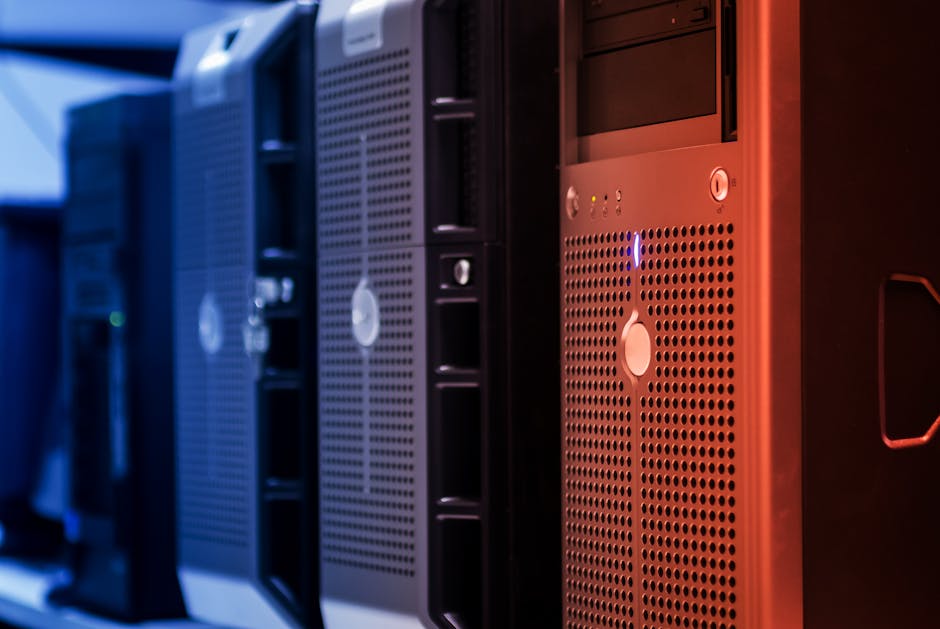
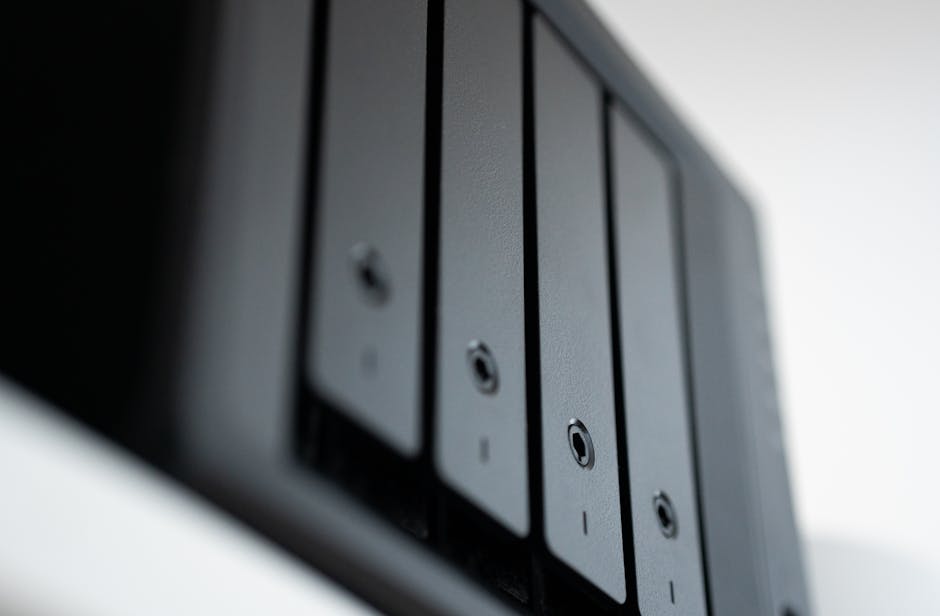
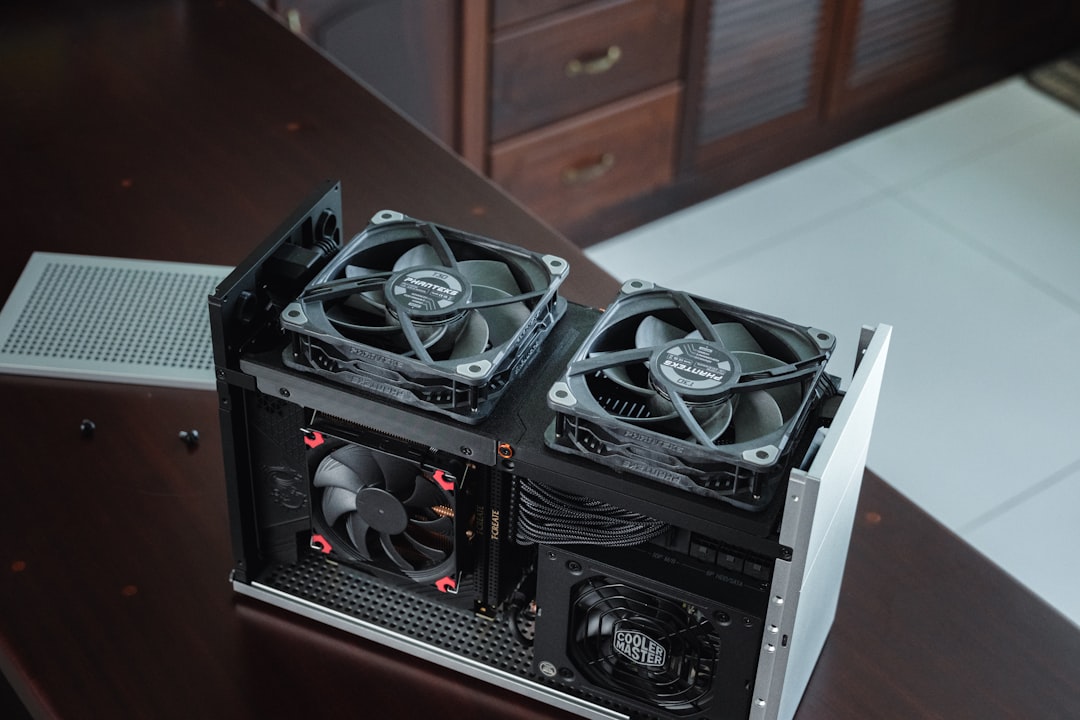
    mini PC home server setup desk comparison 2026

    What Are We Actually Comparing?

    Before we dive into specs and prices, let’s define our terms clearly so we’re on the same page:

    • Mini PC (Pre-built compact): Think Intel NUC successors, Beelink SER series, MINISFORUM UM series, or the increasingly popular GMKtec NucBox line. These are palm-sized machines that come fully assembled, draw 10–35W idle, and can run 24/7 without much worry.
    • DIY Home Server: Built from scratch — usually a mid or full tower case, an older workstation CPU (Xeon, Ryzen Threadripper), ECC RAM, and multiple drive bays. Powerful, expandable, but physically large and power-hungry.
    • Mini PC as a Home Server: A hybrid approach that’s gained enormous traction — using a mini PC specifically as always-on server hardware. This is what we’ll spend most of our time analyzing.

    The Numbers Don’t Lie: Power Consumption in 2026

    With global electricity prices still elevated in 2026, power consumption isn’t a minor footnote — it’s often the deciding factor. Let’s look at realistic annual running costs:

    • Beelink EQ12 (N100 chip, mini PC): ~8–12W idle → roughly $10–$15/year at $0.15/kWh
    • MINISFORUM UM780 XTX (Ryzen 7 8745HS): ~18–25W idle → roughly $24–$33/year
    • DIY server with Xeon E5 + 4 HDDs: ~80–150W idle → roughly $105–$200/year
    • Full DIY NAS tower (TrueNAS Scale, 8 drives): ~120–200W → up to $260/year

    That gap is significant. Over three years, a power-hungry DIY rig could cost you $600+ more in electricity alone — enough to buy another mini PC. The math really does favor compact hardware for light-to-moderate home server workloads.

    Real-World Use Cases: What Do Most People Actually Need?

    This is where I want to push back against the “more power = better” instinct. Let’s be honest about what most home server users are actually running:

    • Plex or Jellyfin (media streaming for 1–3 users simultaneously)
    • Pi-hole or AdGuard Home (network-level ad blocking)
    • Home Assistant (smart home automation)
    • Nextcloud or Seafile (personal cloud storage)
    • VPN server (WireGuard or Tailscale)
    • Light Docker container management

    Here’s the thing — a $200 mini PC with an N100 or N305 processor handles all of the above simultaneously without breaking a sweat in 2026. The N100, in particular, has hardware transcoding that makes Plex buttery smooth for most use cases. You genuinely don’t need a Xeon for this.

    Where DIY shines is when you need raw storage capacity (think 20–100TB+), heavy virtualization (running multiple VMs continuously), or serious compute workloads like local AI inference with a dedicated GPU. That’s a real use case — but it’s not most people’s use case.

    Popular Builds and Examples from the Community in 2026

    The self-hosting and homelab communities on Reddit (r/homelab, r/selfhosted) and the Asian tech forums (especially Korean communities on Clien and NAVER Café) have shifted noticeably toward mini PC solutions over the past two years. Here’s what’s working for real users:

    • The “Budget Minimalist” Setup (Popular in Korea & Japan): Beelink EQ12 or GMKtec G3 Plus + external 4TB USB drive + Proxmox or Debian. Total cost: ~$180–$220. Runs Home Assistant, Pi-hole, and WireGuard. Zero noise, zero fuss.
    • The “Enthusiast Hybrid” (Common in US & EU homelabbers): MINISFORUM MS-01 (with 2.5GbE + PCIe slot) paired with a separate Synology DS423+ for storage. The mini PC handles compute, the NAS handles bulk storage. Clean, modular, and surprisingly affordable.
    • The Classic DIY Tower: Still popular among r/homelab veterans — usually a repurposed Dell PowerEdge R720 or a custom Fractal Define build. Fantastic for VM-heavy workloads or those learning enterprise infrastructure. Power bills are the main complaint in every single thread.
    • The “Quiet Room” Constraint Build: Apartment dwellers in Seoul and Tokyo specifically gravitate toward fanless or near-silent mini PCs. The TRIGKEY G5 and Beelink GTi series are community favorites here precisely because they’re whisper-quiet at idle.
    mini PC homelab rack NAS Proxmox Docker setup

    Where DIY Still Wins (And Wins Hard)

    I don’t want to dismiss DIY builds — they absolutely have their place. Let’s be fair:

    • Storage density: A DIY NAS tower with 8 drive bays running TrueNAS Scale can hold 160TB+ in a single chassis. No mini PC touches that.
    • Repairability and upgradability: Standard ATX components mean you can swap RAM, CPU, and drives easily. Mini PCs often have soldered RAM and limited upgrade paths.
    • Learning experience: If your goal is learning enterprise-grade skills (ZFS, iSCSI, VLAN configuration, KVM virtualization), a full DIY setup teaches you far more.
    • Cost efficiency at scale: Buying used enterprise hardware (Xeon servers for $50–$150 on eBay) is still one of the cheapest ways to get serious compute power, even accounting for electricity.
    • GPU passthrough: Running local LLM inference or Stable Diffusion locally? You need a real PCIe GPU slot. Most mini PCs can’t accommodate this (the MS-01 is a notable exception with its PCIe slot).

    A Realistic Decision Framework

    So how do you actually decide? Let me offer a simple framework rather than a blanket recommendation:

    • Choose a Mini PC if: You live in an apartment, care about noise/power, want something running 24/7 with minimal maintenance, and your workload fits the “typical home server” profile above.
    • Choose DIY if: You need serious storage (10TB+), run heavy virtualization or AI workloads, enjoy the tinkering process itself, or want to learn infrastructure skills hands-on.
    • Consider the Hybrid approach if: You want the best of both — a low-power mini PC as the “brain” handling compute and services, paired with a separate NAS device for bulk storage. This is increasingly the community consensus in 2026.

    Realistic Alternatives Worth Considering

    If you’re on a tight budget or just starting out, don’t overlook these options:

    • Raspberry Pi 5 (8GB): Still a legitimate entry point for Pi-hole, Home Assistant, and light Docker use. ~$80–$90 with a good case and power supply. Limited by USB storage speeds, but genuinely capable.
    • Used Thin Clients: HP EliteDesk 800 G5 Mini or Dell OptiPlex Micro units can be found for $80–$120 used in 2026, often with 8GB RAM and an SSD included. Incredible value for a first home server.
    • Cloud VPS Hybrid: For services requiring public internet access (like a personal Nextcloud), running a $5–$6/month VPS alongside a local mini PC often makes more sense than punching holes in your home router’s firewall.

    The home server landscape in 2026 is genuinely exciting precisely because the barrier to entry has never been lower. A $150 mini PC today outperforms the $800 home server builds of five years ago — and sips power while doing it.

    Whatever path you choose, the key insight is this: match the hardware to your actual workload, not your aspirational workload. Most of us don’t need a rack server. Most of us do need something reliable, quiet, and cheap to run. Mini PCs have quietly won that argument.

    Editor’s Comment : Having tested four different mini PC home server setups over the past year — from a $120 used thin client to a $350 MINISFORUM box — the consistent surprise is how little hardware most home server tasks actually demand. Start small, measure your real usage, and only scale up when you have a specific, concrete reason to. Your electricity bill and your sanity will thank you.


    📚 관련된 다른 글도 읽어 보세요

    태그: [‘mini PC home server’, ‘DIY home server 2026’, ‘homelab comparison’, ‘Beelink Proxmox setup’, ‘self-hosted server guide’, ‘mini PC vs NAS’, ‘home server power consumption’]

  • 2026년 미니PC 홈서버 DIY 완벽 비교 리뷰 | 전기세·성능·가성비 총정리

    작년 말, 친한 지인이 갑자기 연락을 해왔어요. “NAS 사려고 알아보다가 그냥 미니PC로 홈서버 직접 만들어볼까 하는데, 어떻게 생각해?” 처음엔 간단한 질문인 줄 알았는데, 이야기를 나눠보니 꽤 복잡한 고민이더라고요. 시중에 나와 있는 미니PC 종류만 해도 수십 가지고, 전력 소비량·스토리지 확장성·소음 수준까지 따지다 보면 선택 장애가 오기 딱 좋은 분야거든요.

    그래서 오늘은 2026년 현재 시점에서 실제로 많이 쓰이는 미니PC들을 직접 비교해보고, 홈서버 용도로 어떤 선택이 현실적인지 같이 고민해보려 합니다.

    mini PC home server DIY setup desk

    🔍 왜 지금 ‘미니PC 홈서버’가 주목받는가?

    전통적인 홈서버 하면 흔히 타워형 PC나 QNAP·시놀로지 같은 전용 NAS를 떠올리죠. 그런데 2026년 현재, 미니PC 기반 홈서버가 빠르게 대안으로 떠오르는 데는 몇 가지 뚜렷한 이유가 있습니다.

    • 전력 효율의 극적인 향상: ARM 기반 칩과 인텔 N-시리즈(Alder Lake-N 후속)의 TDP는 6~15W 수준으로, 24시간 풀가동해도 월 전기료가 3,000~8,000원 선입니다.
    • x86 호환성: 라즈베리파이 같은 SBC 대비 Docker, Plex, Jellyfin 등 x86 기반 소프트웨어를 별도 컴파일 없이 바로 돌릴 수 있어요.
    • 가격 하락: 2026년 기준 중급 미니PC 가격대가 15만~30만 원으로 안착하면서 진입 장벽이 크게 낮아졌습니다.
    • 소음: 팬리스(fanless) 혹은 저소음 팬 설계로 거실·침실에도 부담 없이 운용 가능해요.

    📊 2026년 주요 미니PC 스펙 및 가성비 비교

    아래는 현재 홈서버 커뮤니티에서 가장 많이 언급되는 4종을 수치 중심으로 정리한 것입니다. 실사용 기반 평균 수치라 공식 스펙과 약간 차이가 있을 수 있어요.

    모델 CPU TDP(실측) 유휴 전력 가격(2026 기준) 스토리지 슬롯
    Beelink EQ14 Intel N150 약 12W 5~7W 약 17만 원 M.2 NVMe 1 + SATA 1
    GMKtec NucBox M7 AMD Ryzen 7 8845HS 약 45W(부하) 8~12W 약 38만 원 M.2 NVMe 2
    Minisforum UM890 Pro AMD Ryzen 9 8945HS 약 55W(부하) 10~14W 약 52만 원 M.2 NVMe 2 + 2.5″ SATA 1
    ASUS NUC 14 Pro Intel Core Ultra 5 125H 약 28W(부하) 6~9W 약 65만 원~ M.2 NVMe 2

    수치만 놓고 보면, 단순 파일 서버·미디어 스트리밍 목적이라면 Beelink EQ14가 압도적인 가성비를 보여준다고 봅니다. 반면 AI 로컬 추론(LLM), 소규모 VM 운용, 코드 컴파일 서버 등을 함께 돌릴 생각이라면 Ryzen 계열 미니PC가 훨씬 현실적이에요.

    🌐 국내외 실사용 사례로 보는 선택의 기준

    해외 레딧(r/homelab, r/selfhosted) 커뮤니티를 보면 2025~2026년 사이 가장 빠르게 늘어난 사용 사례가 바로 “All-in-One 홈 오토메이션 서버”입니다. Home Assistant + Plex/Jellyfin + Pi-hole + Nextcloud를 단일 미니PC에 Docker로 묶어서 운용하는 방식이에요. 이 경우 N150 같은 저전력 칩으로도 충분하다는 실사용 후기가 많아요.

    국내 클리앙·뽐뿌·FM코리아 등의 홈서버 게시판을 살펴보면 조금 다른 경향이 보입니다. 한국 사용자들은 미디어 서버(Jellyfin 4K HDR 트랜스코딩)에 대한 요구가 높아서, 내장 그래픽의 하드웨어 가속(Intel Quick Sync 혹은 AMD VCN) 지원 여부를 중요하게 따지더라고요. 이 관점에서는 Intel Core Ultra 시리즈가 Quick Sync 성능 면에서 유리한 편입니다.

    home server rack mini PC jellyfin docker setup

    ⚡ 전기세 계산, 직접 해봤습니다

    많은 분들이 막연하게 “미니PC니까 전기 적게 먹겠지\


    📚 관련된 다른 글도 읽어 보세요

    태그: []

  • 3D Printing Smart Factory for SMEs: A Practical 2026 Implementation Guide That Actually Works

    Let me paint you a picture. A mid-sized automotive parts manufacturer in Busan, South Korea — around 85 employees — was spending roughly $240,000 annually on outsourced prototype tooling. Lead times stretched 6 to 8 weeks per iteration, which in today’s hyper-competitive supply chain environment is practically a death sentence. Then, in early 2025, they integrated a modest cluster of industrial FDM (Fused Deposition Modeling) and SLA (Stereolithography) 3D printers into a connected smart factory ecosystem. By Q3 2025, their prototyping costs dropped 61%, and their iteration cycle shrank to under 72 hours. That’s not a marketing brochure story — that’s a very real, very achievable outcome for small and medium enterprises (SMEs) willing to think strategically about manufacturing digitization.

    So if you’re running an SME and you’ve been watching the “smart factory” conversation from the sidelines — half intrigued, half terrified by the price tags — let’s think through this together. The 2026 landscape has genuinely matured in ways that make entry far more accessible than even two years ago.

    3D printing smart factory SME production floor industrial automation 2026

    Why 3D Printing + Smart Factory Is the Power Couple SMEs Need in 2026

    Here’s the honest reality: “smart factory” is a broad umbrella term. It technically encompasses IoT sensors, real-time MES (Manufacturing Execution Systems), AI-driven quality control, robotic process automation, and yes — additive manufacturing, which is the technical name for 3D printing. The mistake most SME owners make is treating it as an all-or-nothing proposition. They hear “smart factory” and immediately picture a $10 million Siemens-grade facility overhaul. But that framing is outdated.

    In 2026, the modular approach is the norm. And 3D printing is arguably the most accessible entry point because:

    • Capital costs have dropped dramatically: Industrial-grade FDM printers from brands like Bambu Lab Industrial, Markforged, and Ultimaker S series now start under $15,000 — a far cry from the $80,000+ entry points of a decade ago.
    • Material science has caught up: High-performance polymers like PEEK, Nylon CF (carbon-fiber reinforced), and TPU are now standard filament options, making 3D-printed parts functional, not just decorative.
    • Software integration is plug-and-play: Modern 3D printing management platforms like Authentise, Materialise Magics, and Formlabs Dashboard now integrate with ERP systems (SAP, Oracle, even mid-market tools like Odoo) via standard APIs.
    • Cloud-based monitoring: Real-time print monitoring, failure detection, and job queuing can all be managed remotely — essential for lean teams.
    • Government support in 2026: South Korea’s Ministry of SMEs and Startups extended its Smart Manufacturing Innovation Program budget to ₩1.2 trillion in 2026, covering up to 50% of equipment costs for qualifying SMEs. Similar IIoT grants exist in the EU under Horizon Europe and in the U.S. through the Manufacturing USA network.

    Breaking Down the Real Costs and ROI Timeline

    Let’s get specific, because vague optimism helps no one. Here’s a realistic cost breakdown for an SME implementing a foundational 3D printing-integrated smart factory cell in 2026:

    • Hardware (2-3 industrial FDM/resin printers): $30,000 – $75,000
    • Smart sensors + IoT gateway setup: $8,000 – $20,000
    • MES software (annual license, cloud-based): $6,000 – $18,000/year
    • Staff training (operator + design engineer): $3,000 – $8,000
    • Integration consulting (one-time): $10,000 – $25,000
    • Total initial investment range: $57,000 – $146,000

    Now compare that against the average outsourcing spend for prototyping, custom jigs, fixtures, and low-volume replacement parts among SMEs in sectors like automotive, electronics, and medical devices — which the Korea Institute for Industrial Economics & Trade (KIET) estimated at $180,000–$320,000 annually per mid-sized firm in 2025. The math starts making sense fairly quickly. Most adopters are reporting full ROI within 18 to 30 months. That’s a very reasonable horizon for capital investment decisions.

    Real-World Examples: Who’s Already Doing This Successfully?

    Let’s look at a few cases that cut across geographies, because the lessons are universally applicable.

    Case 1 — Hanwha Q CELLS’ Supplier Ecosystem (South Korea): Several tier-2 suppliers in Hanwha’s solar panel manufacturing network implemented Markforged X7 continuous fiber printers to produce custom tooling and assembly jigs in-house. What previously required 4-week lead times from external machine shops now takes 48–72 hours. The smart factory integration piece? Each printer is connected to a centralized dashboard that tracks uptime, material consumption, and job completion rates, feeding data directly into the factory’s OEE (Overall Equipment Effectiveness) reporting system.

    Case 2 — Sculpteo & French SME Network (France): French industrial 3D printing bureau Sculpteo partnered with a network of 40+ SMEs in the Lyon manufacturing corridor to implement a shared smart manufacturing model. SMEs that couldn’t justify individual equipment investment pooled resources into a co-manufacturing hub with shared printers, shared MES access, and centralized quality management. This cooperative model reduced individual capital burden by ~70% while still delivering smart factory data benefits to each member firm.

    Case 3 — Xometry’s SME Partner Network (USA): In the U.S., Xometry’s AI-powered manufacturing marketplace has enabled hundreds of SME machine shops to “upskill” to smart factory status by integrating their 3D printing capacity into a demand-driven digital network. Partner shops receive real-time order data, automated quoting, and production analytics — all the hallmarks of smart factory intelligence — without building the digital infrastructure themselves.

    smart factory IoT dashboard 3D printer connected manufacturing SME industrial

    Step-by-Step Implementation Roadmap for 2026

    Here’s how I’d think through the rollout if I were advising an SME owner today. Think of this as a phased approach, not a big-bang deployment:

    • Phase 1 — Digital Audit (Month 1-2): Map every process where 3D printing could replace outsourcing or reduce tooling costs. Identify your highest-frequency, highest-cost pain points first. This is your ROI anchor.
    • Phase 2 — Pilot Cell Setup (Month 2-4): Start with one or two printers, focused on a single use case (e.g., fixture manufacturing or rapid prototyping). Connect them to basic IoT monitoring — even something as accessible as Raspberry Pi-based sensors feeding into a simple dashboard counts.
    • Phase 3 — Software Integration (Month 4-6): Link your 3D printing management software to your existing ERP or inventory system. This is where the “smart” truly kicks in — you’re now generating actionable manufacturing data, not just running printers.
    • Phase 4 — Operator Training & Process Standardization (Month 5-7): Don’t skip this. The most common failure point in SME smart factory projects isn’t technology — it’s people and process. Invest in DfAM (Design for Additive Manufacturing) training for your engineers.
    • Phase 5 — Scale & Expand (Month 8+): Once your pilot cell is delivering measurable ROI, use that data to justify expanding capacity, adding new material capabilities, or integrating adjacent technologies like automated post-processing or robotic part handling.

    Realistic Alternatives If Full Implementation Isn’t Feasible Right Now

    Look, not every SME is in a position to commit $100,000+ right now, and that’s completely fine. Here are smarter alternatives to consider:

    • 3D Printing-as-a-Service (3DPaaS): Platforms like Hubs, Craftcloud, and Xometry let you access on-demand industrial 3D printing without ownership costs. This is ideal for low-volume, irregular needs while you build a business case internally.
    • Government-Funded Smart Factory Demo Centers: In South Korea, the Smart Manufacturing Innovation Center (스마트제조혁신센터) network has physical test-bed facilities where SMEs can trial equipment and processes before committing to purchases. Similar programs exist in Germany (Mittelstand 4.0 centers) and Japan (Monodzukuri Innovation Centers).
    • Leasing over buying: In 2026, equipment financing for industrial 3D printers is widely available through manufacturers like Formlabs and Stratasys. Monthly leases can bring entry costs under $1,500/month — dramatically lowering cash flow risk.
    • Consortium models: Partner with 2–3 non-competing SMEs in your industrial park to share a smart printing cell. Split costs, share scheduling, and collectively negotiate better software pricing.

    The bottom line? The question for SMEs in 2026 is no longer whether to engage with smart manufacturing and 3D printing — it’s how to enter at the right scale for your specific operational context. The technology is mature, the ROI is demonstrable, and the competitive gap between adopters and non-adopters is widening faster than most owners realize.

    Start small, start smart, and let the data tell your next investment story.

    Editor’s Comment : What I genuinely love about the 2026 smart factory conversation is that it’s finally shed its intimidating enterprise-only image. The tools exist, the financing exists, and the case studies are real. If you’re an SME owner in manufacturing, the biggest risk right now isn’t moving too fast — it’s waiting so long that your competitors have already locked in the efficiency advantages. Pick one pain point, pilot one solution, and build from evidence. That’s not a leap of faith; that’s just good business.


    📚 관련된 다른 글도 읽어 보세요

    태그: [‘3D printing smart factory’, ‘SME manufacturing 2026’, ‘additive manufacturing for small business’, ‘smart factory implementation guide’, ‘industrial 3D printing ROI’, ‘IIoT for SMEs’, ‘manufacturing digitization’]

  • 3D 프린팅 중소기업 스마트 팩토리 도입 가이드 2026 | 현실적인 단계별 전략

    3D 프린팅 중소기업 스마트 팩토리 도입 가이드 2026 | 현실적인 단계별 전략

    경기도 안산의 한 금속 부품 제조 중소기업 대표님과 이야기를 나눈 적이 있어요. 직원 35명, 연매출 80억 원 규모의 탄탄한 회사였는데, 고민은 단 하나였습니다. “스마트 팩토리 얘기는 매일 듣는데, 도대체 어디서부터 시작해야 할지 모르겠어요.


    📚 관련된 다른 글도 읽어 보세요

    태그: []