Author: likevinci

  • Build Your Own NAS in 2026: The Best DIY Hardware Picks for Every Budget

    Let me paint you a picture. It’s a Sunday afternoon, and you’ve just realized your cloud storage subscription has quietly ballooned to $15/month โ€” and you’re sharing photos, work files, and 4K home videos across three devices. Sound familiar? A friend of mine, a freelance videographer in Seoul, hit that exact wall last year. Instead of paying forever, he spent a weekend building his own NAS (Network Attached Storage), and now he stores 24TB of footage at home, accessible anywhere, for a one-time hardware cost. That moment got me obsessed with DIY NAS builds โ€” and in 2026, the hardware options have never been better.

    So let’s think through this together: what hardware do you actually need, what’s worth spending on, and where can you save without regret?
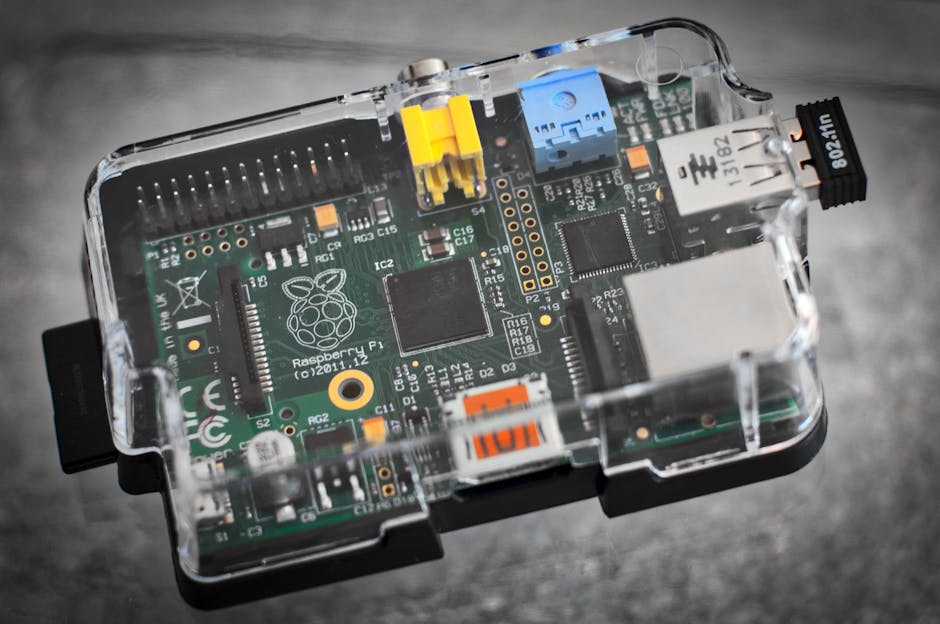
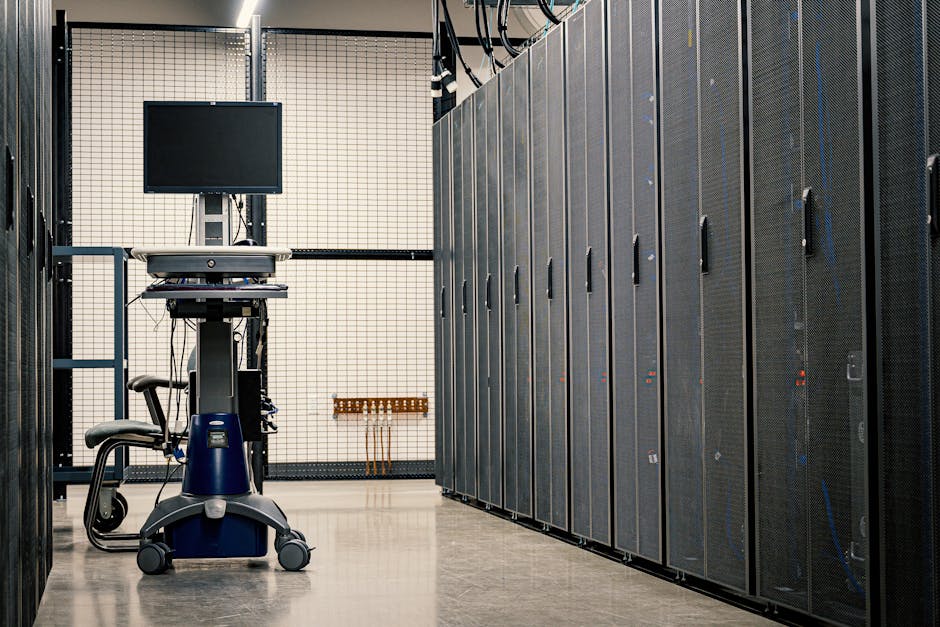
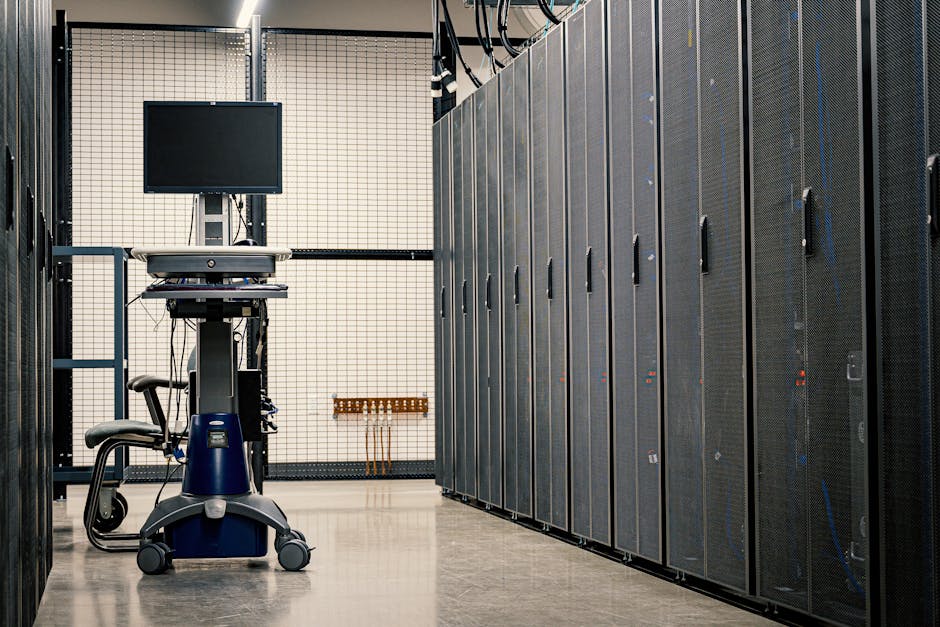
    DIY NAS build open case hardware 2026

    ๐Ÿง  First, What Does a NAS Actually Need to Do?

    Before we throw money at components, let’s be logical. A NAS is essentially a low-power, always-on computer that serves files. Your priorities are: low idle power consumption, sufficient RAM for caching, enough PCIe lanes or SATA ports for your drives, and a stable CPU that won’t bottleneck your network speed. Unlike a gaming rig, raw horsepower matters far less than efficiency and compatibility with NAS operating systems like TrueNAS Scale, OpenMediaVault, or Unraid.

    โš™๏ธ CPU: The Heart of Your Build

    For most home and prosumer NAS builds in 2026, you don’t need a monster processor. Here’s how I’d break it down by use case:

    • Light use (backups, media streaming up to 4K x2): Intel N100 or AMD Ryzen 5 5500 โ€” both offer excellent performance-per-watt. The N100 in particular idles at around 6W, which is remarkable.
    • Mid-range (Plex transcoding, Docker containers, VMs): AMD Ryzen 5 7600 or Intel Core i5-13500. These give you hardware transcoding without burning a hole in your electricity bill.
    • Enthusiast/small business: AMD Ryzen 9 7900X or Intel Xeon W-2400 series โ€” overkill for most, but if you’re running multiple VMs and serving 10+ users, the headroom matters.

    In 2026, I’d strongly lean toward the AMD Ryzen 7 8700G for mid-range builds. Its integrated RDNA 3 graphics handle hardware transcoding natively in Plex and Jellyfin, and the TDP is sensible at 65W. Real-world users in the Unraid community forums report smooth simultaneous 4K streams with almost no CPU overhead.

    ๐Ÿ—‚๏ธ Motherboard: More SATA Ports = More Drives

    This is where DIY NAS gets tricky โ€” and interesting. Consumer motherboards typically offer 4โ€“6 SATA ports, but if you want 8+ drives, you’ll need to think ahead.

    • Budget pick: ASRock B650M-HDV/M.2 โ€” offers 4 native SATA ports, good PCIe expansion, and AM5 socket compatibility.
    • Recommended for expansion: ASUS Pro WS X570-ACE โ€” features 8 SATA ports natively and excellent PCIe bifurcation support for HBA cards.
    • HBA card route: If your board is SATA-limited, add an LSI 9300-8i HBA card (flashed to IT mode). This is the community gold standard for adding 8 more SATA/SAS ports without a RAID controller getting in the way of ZFS or Unraid’s software management.

    ๐Ÿ’พ RAM: Don’t Skimp Here

    ZFS (the filesystem used in TrueNAS) is famously RAM-hungry. The old rule of “1GB RAM per 1TB storage” is somewhat outdated, but the principle holds: more RAM means better ARC cache performance. For 2026 builds:

    • Minimum for TrueNAS Scale: 16GB DDR4/DDR5 ECC RAM (ECC = Error Correcting Code, crucial for data integrity)
    • Comfortable sweet spot: 32GB ECC DDR5
    • Unraid users: Can get away with 16GB non-ECC, since Unraid doesn’t rely on ZFS by default

    ECC RAM is worth every cent if you care about your data. A single bit-flip error without ECC can silently corrupt a file โ€” or worse, an entire array. Kingston and Micron both offer affordable DDR5 ECC modules in 2026 that work beautifully with AM5 and LGA1700 platforms.

    ๐Ÿ”Œ Case & Power Supply: The Overlooked Heroes

    Here’s where many first-time builders underestimate. A NAS runs 24/7, so thermal management and PSU efficiency directly affect your electricity bill and drive longevity.

    • Fractal Design Node 804: A community favorite. Fits 8 x 3.5″ drives in a micro-ATX footprint with excellent airflow. Still widely available in 2026 and competitively priced.
    • Jonsbo N3: A newer contender gaining traction in Asian markets, supports up to 8 drives in an even more compact form. My Seoul-based friend uses this one โ€” he loves it.
    • Silverstone CS381: For enthusiasts wanting 8-bay hot-swap in a tower form factor. Premium price, premium build quality.

    For PSU, target 80 Plus Gold or Platinum rated units in the 450โ€“550W range. Seasonic Focus Gold and be quiet! Pure Power 12 are solid picks. Oversizing the PSU (e.g., 750W for a 150W system) wastes efficiency โ€” keep it proportional.

    NAS case hard drive bays Fractal Node home server

    ๐ŸŒ Networking: Your NAS is Only as Fast as Your Network

    In 2026, 2.5GbE has become the new baseline for DIY NAS builds, and for good reason. A 2.5GbE connection gives you theoretical throughput of ~280MB/s โ€” enough to saturate most modern HDDs and even NVMe cache drives. Check whether your motherboard includes a 2.5GbE NIC onboard (many now do), or budget ~$30 for an Intel I226-V based add-in card.

    If you’re going full prosumer, a 10GbE setup (using cards like the ASUS XG-C100C or Mellanox ConnectX-3) dramatically improves multi-user performance. Just make sure your router or switch supports 10GbE โ€” otherwise it’s a bottleneck you’re paying for but not using.

    ๐ŸŒ Real-World Examples: What Others Are Running

    The global DIY NAS community in 2026 is thriving. On the r/homelab subreddit and Korea’s clien.net tech forums, some popular community-validated builds include:

    • “The N100 Miser”: Intel N100 mini-PC (like the Beelink EQ12), 16GB RAM, 4-bay USB HBA โ€” under $300 total, pulls less than 20W loaded. Perfect for a first NAS.
    • “The Plex Beast”: Ryzen 7 8700G + ASRock B650M board, 32GB DDR5 ECC, 6x16TB Seagate Exos drives in Unraid โ€” Korean YouTuber “NAS Lab KR” documented this build in early 2026 and it handles 6 simultaneous 4K streams without breaking a sweat.
    • “The Prosumer Tower”: Used Dell PowerEdge R730 (enterprise rack server from eBay, ~$400) running TrueNAS Scale, 128GB ECC RAM, 12 drive bays. Overkill for home, ideal for a small studio or office.

    โœ… Realistic Alternatives: Not Everyone Should Build from Scratch

    Let’s be honest โ€” not everyone wants to source individual parts and troubleshoot Linux kernel modules on a Saturday night. Here’s how I’d advise different types of readers:

    • If you’re tech-comfortable but time-poor: Consider a Synology DS923+ or QNAP TS-464 as a starting point. You lose flexibility but gain plug-and-play reliability and excellent mobile apps. In 2026, these units have become significantly more affordable due to increased competition.
    • If you want DIY but want guardrails: Buy a pre-built NAS chassis (like the Jonsbo N3) and slot in your own CPU/RAM/drives. You get the best of both worlds โ€” custom internals, purpose-built enclosure.
    • If your main need is just backup: A simple Raspberry Pi 5 with a USB hard drive enclosure running OpenMediaVault is a $120 solution that covers basic network backup beautifully. Not for streaming, but absolutely fine for Time Machine or rsync backups.
    • If budget is truly tight: Repurpose an old desktop PC. Any machine from 2018 onward with 4+ SATA ports and 8GB RAM can run Unraid or TrueNAS reasonably well. Add a $25 HBA card and you’re building on something you already own.

    The beauty of DIY NAS in 2026 is that the entry point is lower than ever, and the ceiling is as high as you want to go. Start with what makes sense for your data volume, your network, and โ€” most importantly โ€” how much you enjoy tinkering.

    Editor’s Comment : The single best investment in any NAS build โ€” DIY or otherwise โ€” isn’t the CPU or the drives. It’s your backup strategy. A NAS is not a backup. Always follow the 3-2-1 rule: 3 copies of your data, on 2 different media types, with 1 stored offsite (even a cheap cloud cold storage like Backblaze B2). Build the hardware you want, but protect the data like it matters โ€” because it does.

    ํƒœ๊ทธ: [‘DIY NAS 2026’, ‘NAS hardware recommendations’, ‘home server build’, ‘TrueNAS hardware’, ‘Unraid setup’, ‘self-hosted storage’, ‘NAS ์ž์ž‘’]


    ๐Ÿ“š ๊ด€๋ จ๋œ ๋‹ค๋ฅธ ๊ธ€๋„ ์ฝ์–ด ๋ณด์„ธ์š”

  • 2026๋…„ NAS ์ž์ž‘ ํ•˜๋“œ์›จ์–ด ์ถ”์ฒœ ์™„๋ฒฝ ๊ฐ€์ด๋“œ โ€” ์˜ˆ์‚ฐ๋ณ„ ๊ตฌ์„ฑ๋ถ€ํ„ฐ ๋ถ€ํ’ˆ ์„ ํƒ ํŒ๊นŒ์ง€

    ์–ผ๋งˆ ์ „ ์ง€์ธ์ด ์ด๋Ÿฐ ๋ง์„ ํ–ˆ์–ด์š”. “ํด๋ผ์šฐ๋“œ ๊ตฌ๋…๋ฃŒ๊ฐ€ ๋งค๋‹ฌ ๋‚˜๊ฐ€๋Š”๋ฐ, ์ฐจ๋ผ๋ฆฌ ๊ทธ ๋ˆ์œผ๋กœ ๋‚ด ์„œ๋ฒ„ ํ•˜๋‚˜ ๋งŒ๋“ค๋ฉด ์•ˆ ๋ ๊นŒ?” ์†”์งํžˆ ์ €๋„ ๊ทธ ์ƒ๊ฐ์„ ๋ช‡ ๋ฒˆ์ด๋‚˜ ํ–ˆ์Šต๋‹ˆ๋‹ค. ์‹ค์ œ๋กœ 2026๋…„ ํ˜„์žฌ ๊ตญ๋‚ด ํด๋ผ์šฐ๋“œ ์Šคํ† ๋ฆฌ์ง€ ์œ ๋ฃŒ ์š”๊ธˆ์€ 1TB ๊ธฐ์ค€ ์›” ํ‰๊ท  8,000์›~12,000์› ์ˆ˜์ค€์ธ๋ฐ, ์ž์ž‘ NAS๋ฅผ ๊ตฌ์„ฑํ•˜๋ฉด ์ดˆ๊ธฐ ๋น„์šฉ 50~80๋งŒ ์›์œผ๋กœ ์ˆ˜ ํ…Œ๋ผ๋ฐ”์ดํŠธ ๊ทœ๋ชจ์˜ ๊ฐœ์ธ ์„œ๋ฒ„๋ฅผ 5๋…„ ์ด์ƒ ์šด์šฉํ•˜๋Š” ๊ฒŒ ๊ฐ€๋Šฅํ•ด์š”. ๋‹จ์ˆœ ๊ณ„์‚ฐ๋งŒ ํ•ด๋ด๋„ 2~3๋…„์ด๋ฉด ๋ณธ์ „์„ ๋ฝ‘๋Š” ์…ˆ์ด์ฃ . ์˜ค๋Š˜์€ ๊ทธ “๋ณธ์ „”์„ ๋น ๋ฅด๊ฒŒ ๋ฝ‘์„ ์ˆ˜ ์žˆ๋Š” NAS ์ž์ž‘ ํ•˜๋“œ์›จ์–ด ๊ตฌ์„ฑ์„ ์˜ˆ์‚ฐ๋ณ„๋กœ ๊ฐ™์ด ์‚ดํŽด๋ณด๊ฒ ์Šต๋‹ˆ๋‹ค.

    DIY NAS home server hardware components 2026

    ๐Ÿ”ฉ NAS ์ž์ž‘, ์–ด๋–ค ๋ถ€ํ’ˆ์ด ํ•ต์‹ฌ์ผ๊นŒ? โ€” ์—ญํ• ๋ณ„ ์™„์ „ ๋ถ„์„

    NAS๋ฅผ ๊ตฌ์„ฑํ•˜๋Š” ๋ถ€ํ’ˆ์€ ํฌ๊ฒŒ 5๊ฐ€์ง€๋กœ ๋‚˜๋ˆŒ ์ˆ˜ ์žˆ์–ด์š”. CPU, ๋ฉ”์ธ๋ณด๋“œ, RAM, ์Šคํ† ๋ฆฌ์ง€(HDD/SSD), ์ผ€์ด์Šค ๋ฐ ํŒŒ์›Œ์ž…๋‹ˆ๋‹ค. ๊ฐ๊ฐ์˜ ์—ญํ• ๊ณผ ์„ ํƒ ๊ธฐ์ค€์ด ์กฐ๊ธˆ์”ฉ ๋‹ค๋ฅด๊ธฐ ๋•Œ๋ฌธ์—, ๋ฌด์ž‘์ • ๊ณ ์‚ฌ์–‘์„ ๊ณ ๋ฅด๋Š” ๊ฒƒ๋ณด๋‹ค ‘์–ด๋–ค ์šฉ๋„๋กœ ์“ธ ๊ฒƒ์ธ๊ฐ€’๋ฅผ ๋จผ์ € ์ •ํ•˜๋Š” ํŽธ์ด ํ›จ์”ฌ ํ•ฉ๋ฆฌ์ ์ด๋ผ๊ณ  ๋ด…๋‹ˆ๋‹ค.

    ๐Ÿ’ฐ ์˜ˆ์‚ฐ๋ณ„ ์ถ”์ฒœ ๊ตฌ์„ฑ โ€” 30๋งŒ ์› / 60๋งŒ ์› / 100๋งŒ ์› ์ด์ƒ

    โ‘  ์ž…๋ฌธํ˜• (์˜ˆ์‚ฐ 30~40๋งŒ ์›) โ€” ๊ฐ€์กฑ ๊ณต์œ  ์Šคํ† ๋ฆฌ์ง€ & ๋ฐฑ์—… ์šฉ๋„

    • CPU + ๋ฉ”์ธ๋ณด๋“œ ์ฝค๋ณด: Intel N100 ํƒ‘์žฌ ๋ฏธ๋‹ˆ ITX ๋ฉ”์ธ๋ณด๋“œ (์˜ˆ: ASRock N100DC-ITX) โ€” TDP 6W๋กœ ์—ฐ์ค‘ ์ƒ์‹œ ๊ฐ€๋™ํ•ด๋„ ์ „๊ธฐ๋ฃŒ ๋ถ€๋‹ด์ด ๊ฑฐ์˜ ์—†์–ด์š”. 2026๋…„ ๊ธฐ์ค€ ๋‹จํ’ˆ ๊ฐ€๊ฒฉ ์•ฝ 12~15๋งŒ ์› ์ˆ˜์ค€์ž…๋‹ˆ๋‹ค.
    • RAM: DDR4 8GB SO-DIMM 1๊ฐœ โ€” NAS ์ „์šฉ OS(TrueNAS SCALE, OpenMediaVault ๋“ฑ)๋Š” 4GB๋กœ๋„ ๊ตฌ๋™๋˜์ง€๋งŒ, ๋„์ปค ์ปจํ…Œ์ด๋„ˆ๋‚˜ ๋ฏธ๋””์–ด ์„œ๋ฒ„(Jellyfin)๋ฅผ ํ•จ๊ป˜ ๋Œ๋ฆฌ๋ ค๋ฉด 8GB ์ด์ƒ์„ ๊ถŒ์žฅํ•ฉ๋‹ˆ๋‹ค.
    • ์ผ€์ด์Šค: Fractal Design Node 304 ๋˜๋Š” ํ˜ธํ™˜ ๋ฏธ๋‹ˆ ITX ์ผ€์ด์Šค โ€” 3.5์ธ์น˜ ๋ฒ ์ด 6๊ฐœ ํ™•๋ณด ๊ฐ€๋Šฅ, ์•ฝ 7~9๋งŒ ์›.
    • ํŒŒ์›Œ: 80Plus Bronze ์ธ์ฆ 150~250W SFX ํŒŒ์›Œ์„œํ”Œ๋ผ์ด โ€” N100 ์‹œ์Šคํ…œ์€ ์ตœ๋Œ€ ์†Œ๋น„์ „๋ ฅ์ด 50W ๋‚ด์™ธ๋ผ ์†Œ์šฉ๋Ÿ‰์œผ๋กœ๋„ ์ถฉ๋ถ„ํ•ด์š”.
    • ์Šคํ† ๋ฆฌ์ง€ (OS์šฉ): M.2 SATA SSD 128GB (OS ์„ค์น˜์šฉ) โ€” 8,000์›~1๋งŒ 5์ฒœ ์› ์ˆ˜์ค€.
    • ๋ฐ์ดํ„ฐ HDD: WD Red Plus ๋˜๋Š” Seagate IronWolf 4TB ร— 2 โ€” NAS ์ „์šฉ HDD๋Š” 24์‹œ๊ฐ„ ๊ฐ€๋™์„ ์ „์ œ๋กœ ์„ค๊ณ„๋˜์–ด ์žˆ์–ด ์ผ๋ฐ˜ ๋ฐ์Šคํฌํƒ‘์šฉ HDD์™€ ๋‚ด๊ตฌ์„ฑ ์ฐจ์ด๊ฐ€ ์žˆ์–ด์š”.

    โ‘ก ์ค‘๊ธ‰ํ˜• (์˜ˆ์‚ฐ 55~70๋งŒ ์›) โ€” 4K ๋ฏธ๋””์–ด ํŠธ๋žœ์Šค์ฝ”๋”ฉ + ๋‹ค์ค‘ ์‚ฌ์šฉ์ž

    • CPU: Intel Core i3-N305 ๋˜๋Š” AMD Ryzen 5 5500 โ€” i3-N305๋Š” ๋‚ด์žฅ GPU(Intel UHD)๋กœ ํ•˜๋“œ์›จ์–ด ํŠธ๋žœ์Šค์ฝ”๋”ฉ์ด ๊ฐ€๋Šฅํ•ด์„œ Plex/Jellyfin ๊ตฌ๋™์— ์œ ๋ฆฌํ•ฉ๋‹ˆ๋‹ค. Ryzen 5 5500์€ ์ˆœ์ˆ˜ CPU ์„ฑ๋Šฅ์ด ํ•„์š”ํ•œ ๊ฒฝ์šฐ(VM ์šด์˜ ๋“ฑ)์— ๋” ์–ด์šธ๋ ค์š”.
    • ๋ฉ”์ธ๋ณด๋“œ: SATA ํฌํŠธ 6๊ฐœ ์ด์ƒ ํ™•๋ณด ๊ฐ€๋Šฅํ•œ mATX ๋ณด๋“œ. ASUS PRIME B550M-A ๋˜๋Š” ASRock B660M ๊ณ„์—ด ์ถ”์ฒœ.
    • RAM: DDR4 16GB (8GB ร— 2, ๋“€์–ผ์ฑ„๋„) โ€” ZFS ํŒŒ์ผ์‹œ์Šคํ…œ์„ ์‚ฌ์šฉํ•  ๊ณ„ํš์ด๋ผ๋ฉด RAM ์šฉ๋Ÿ‰์ด ์„ฑ๋Šฅ์— ์ง๊ฒฐ๋ฉ๋‹ˆ๋‹ค. ZFS๋Š” RAM์„ ์บ์‹œ(ARC)๋กœ ์ ๊ทน ํ™œ์šฉํ•˜๊ฑฐ๋“ ์š”.
    • ์ผ€์ด์Šค: Silverstone CS380 โ€” 8๋ฒ ์ด ํ•ซ์Šค์™‘ ์ง€์› ํƒ€์›Œํ˜• ์ผ€์ด์Šค๋กœ, ๊ตญ๋‚ด ์ปค๋ฎค๋‹ˆํ‹ฐ(ํด๋ฆฌ์•™, ๋ฝ๋ฟŒ)์—์„œ๋„ ๊พธ์ค€ํžˆ ์ถ”์ฒœ๋ฐ›๋Š” ๋ชจ๋ธ์ด์—์š”.
    • HDD: 4TB~8TB NAS ์ „์šฉ HDD ร— 4 โ€” RAID-Z1(ZFS ๊ธฐ๋ฐ˜ RAID 5 ์œ ์‚ฌ ๊ตฌ์„ฑ) ๋˜๋Š” RAID 6 ๊ตฌ์„ฑ์œผ๋กœ ๋ฐ์ดํ„ฐ ์•ˆ์ •์„ฑ์„ ํ™•๋ณดํ•˜๋Š” ๊ฑธ ๊ถŒ์žฅํ•ฉ๋‹ˆ๋‹ค.

    โ‘ข ๊ณ ๊ธ‰ํ˜• (์˜ˆ์‚ฐ 100๋งŒ ์› ์ด์ƒ) โ€” ํ™ˆ ์„œ๋ฒ„ + ๊ฐ€์ƒํ™” ํ™˜๊ฒฝ

    • CPU: Intel Core i5-12400 / i7-12700 ๋˜๋Š” AMD Ryzen 7 5700X โ€” ๋ฉ€ํ‹ฐ VM(๊ฐ€์ƒ๋จธ์‹ ) ์šด์˜, ์ปจํ…Œ์ด๋„ˆ ๋™์‹œ ๋‹ค๋ฐœ ์‹คํ–‰์„ ๊ณ ๋ คํ•œ๋‹ค๋ฉด ์ฝ”์–ด ์ˆ˜๊ฐ€ ์ถฉ๋ถ„ํ•œ ์ œํ’ˆ์ด ์ข‹์•„์š”.
    • RAM: DDR4 ECC ๋ฉ”๋ชจ๋ฆฌ 32GB โ€” ECC(Error Correcting Code) ๋ฉ”๋ชจ๋ฆฌ๋Š” ๋ฐ์ดํ„ฐ ๋ฌด๊ฒฐ์„ฑ ์ธก๋ฉด์—์„œ ZFS์™€ ์ฐฐ๋–ก๊ถํ•ฉ์ž…๋‹ˆ๋‹ค. ๋ฉ”์ธ๋ณด๋“œ ECC ์ง€์› ์—ฌ๋ถ€๋ฅผ ๋ฐ˜๋“œ์‹œ ํ™•์ธํ•ด์•ผ ํ•ด์š”.
    • OS ์Šคํ† ๋ฆฌ์ง€: NVMe SSD 500GB โ€” OS ๋ฐ VM ์ด๋ฏธ์ง€ ์ €์žฅ ๊ณต๊ฐ„์œผ๋กœ ํ™œ์šฉ.
    • ๋„คํŠธ์›Œํฌ: 2.5GbE ์ด์ƒ ์ง€์› NIC ๋˜๋Š” ๋ฉ”์ธ๋ณด๋“œ ๋‚ด์žฅ 2.5GbE โ€” ๊ธฐ๊ฐ€๋น„ํŠธ(1GbE)์—์„œ๋Š” ์‹ค์ œ ์ „์†ก ์†๋„๊ฐ€ ์ตœ๋Œ€ 118MB/s๋กœ ์ œํ•œ๋˜๊ธฐ ๋•Œ๋ฌธ์—, ๋Œ€์šฉ๋Ÿ‰ ํŒŒ์ผ์„ ์ž์ฃผ ๋‹ค๋ฃฌ๋‹ค๋ฉด 2.5GbE ์ด์ƒ์„ ๊ณ ๋ คํ•  ๋งŒํ•ฉ๋‹ˆ๋‹ค.
    • ์ผ€์ด์Šค: Fractal Design Define R6 ๋˜๋Š” ์„œ๋ฒ„์šฉ ํƒ€์›Œ ์ผ€์ด์Šค โ€” ํ™•์žฅ์„ฑ๊ณผ ์†Œ์Œ ์ฐจ๋‹จ์„ ๋™์‹œ์— ์žก์„ ์ˆ˜ ์žˆ์–ด์š”.
    NAS rack home server setup ZFS RAID storage bay

    ๐ŸŒ ๊ตญ๋‚ด์™ธ ์ž์ž‘ NAS ํŠธ๋ Œ๋“œ โ€” ์ปค๋ฎค๋‹ˆํ‹ฐ๊ฐ€ ์ฆ๋ช…ํ•˜๋Š” ๊ตฌ์„ฑ

    ํ•ด์™ธ์—์„œ๋Š” Reddit์˜ r/homelab, r/DataHoarder ์ปค๋ฎค๋‹ˆํ‹ฐ๋ฅผ ์ค‘์‹ฌ์œผ๋กœ ์ž์ž‘ NAS ๋ฌธํ™”๊ฐ€ ์˜ค๋ž˜์ „๋ถ€ํ„ฐ ์ž๋ฆฌ ์žก์•˜์–ด์š”. ํŠนํžˆ 2025๋…„ ๋ง๋ถ€ํ„ฐ Intel N100/N200 ๊ณ„์—ด ์ €์ „๋ ฅ CPU ๊ธฐ๋ฐ˜์˜ ๋ฏธ๋‹ˆ NAS ๋นŒ๋“œ๊ฐ€ ํญ๋ฐœ์ ์ธ ์ธ๊ธฐ๋ฅผ ๋Œ๊ณ  ์žˆ๋Š”๋ฐ, ์—ฐ๊ฐ„ ์ „๊ธฐ ์†Œ๋น„๋Ÿ‰์ด ํ‰๊ท  35~50kWh ์ˆ˜์ค€์— ๋ถˆ๊ณผํ•ด์„œ “์นœํ™˜๊ฒฝ ํ™ˆ์„œ๋ฒ„

    ํƒœ๊ทธ: []


    ๐Ÿ“š ๊ด€๋ จ๋œ ๋‹ค๋ฅธ ๊ธ€๋„ ์ฝ์–ด ๋ณด์„ธ์š”

  • How 3D Printing Is Quietly Revolutionizing Aerospace Parts Manufacturing in 2026

    Picture this: it’s the early hours of a launch window at a commercial spaceport, and a small turbopump component has just failed a last-minute inspection. Ten years ago, that would have meant a weeks-long delay while a replacement was machined, certified, and shipped. Today? In some forward-thinking facilities, that part can be printed on-site, post-processed, and cleared for flight within 72 hours. That’s not science fiction โ€” that’s the state of additive manufacturing in aerospace right now, and it’s reshaping the entire supply chain from the ground up.

    Let’s think through what’s actually happening here, why it matters more than the headlines suggest, and what it realistically means for engineers, investors, and curious minds alike.

    3D printed aerospace turbine component titanium metal additive manufacturing

    The Numbers Behind the Noise

    The global aerospace additive manufacturing market was valued at approximately $3.8 billion in 2025 and is projected to exceed $9.1 billion by 2030, according to multiple industry analyses. But raw market size doesn’t tell the whole story. What’s more telling is the adoption rate inside the product lifecycle itself.

    As of early 2026, Boeing reports that over 60,000 3D-printed parts are flying across its commercial fleet โ€” a number that has more than doubled since 2022. Airbus’s A350 XWB program integrates more than 1,000 additive-manufactured components per aircraft. Meanwhile, in the rocket sector, SpaceX’s Merlin and Raptor engines contain a growing share of printed metal alloy parts, including the notoriously complex Inconel turbine housings that would be nearly impossible to manufacture conventionally at the same cost.

    Here’s the key insight most people miss: it’s not just about making parts faster. It’s about making parts that couldn’t exist any other way. Topology-optimized lattice structures, internal cooling channels in turbine blades, consolidated assemblies โ€” these are geometrically impossible with traditional subtractive machining. The design freedom unlocked by additive manufacturing is genuinely unprecedented.

    The Core Technologies Driving This Shift

    Not all 3D printing is created equal. In aerospace, a handful of high-precision processes dominate:

    • Selective Laser Melting (SLM) / Laser Powder Bed Fusion (LPBF): The workhorse of metal AM. Ideal for titanium, Inconel, and aluminum alloys. Used extensively for structural brackets, fuel nozzles, and heat exchangers.
    • Directed Energy Deposition (DED): Think of it as a CNC machine that builds up material rather than cuts it away. Excellent for repairing existing components โ€” a massive cost saver in MRO (Maintenance, Repair & Overhaul) operations.
    • Binder Jetting: Faster and cheaper than LPBF, though traditionally with lower density. New binder jetting systems from companies like Desktop Metal and ExOne are closing the material property gap rapidly as of 2026.
    • Continuous Fiber Reinforcement (CFR) for composites: Markforged and similar players are pushing printed carbon-fiber-reinforced polymers into secondary structural applications โ€” interior panels, tooling jigs, and brackets.

    Real-World Examples: Who’s Actually Doing This?

    Let’s ground this in concrete cases, because the proof really is in the hardware.

    GE Aerospace remains the most cited success story, and for good reason. Their LEAP engine fuel nozzle โ€” a single 3D-printed piece that replaced a 20-part welded assembly โ€” is 25% lighter and five times more durable. By 2026, GE has printed well over 100,000 of these nozzles for commercial aviation. It’s become the canonical proof case that AM isn’t a prototype technology.

    Relativity Space took the philosophy further, attempting to 3D print an entire rocket with their Terran R program. While their first Terran 1 launch in 2023 had a mixed outcome, the engineering data gathered has been invaluable, and their next-generation processes have influenced how newer launch companies approach metal AM scalability.

    In South Korea, Korea Aerospace Industries (KAI) and the Agency for Defense Development (ADD) have been quietly building domestic AM competency for the KF-21 Boramae fighter program. Reports from early 2026 indicate that titanium structural brackets and certain hydraulic manifold components are being additively manufactured domestically, reducing reliance on foreign supply chains โ€” a strategic as much as an engineering decision.

    Safran in France has integrated 3D-printed titanium parts into nacelle and landing gear components for the A320neo family, specifically leveraging the weight reduction advantages to contribute to fuel efficiency targets that regulators are tightening year by year.

    aerospace manufacturing facility metal powder bed fusion 3D printing aerospace parts 2026

    The Honest Challenges (Because There Are Real Ones)

    It would be dishonest not to address the friction points. Aerospace certification is notoriously conservative โ€” and for very good reason. The FAA and EASA qualification pathways for additively manufactured flight-critical parts are still being standardized. AS9100 and ASTM F42 standards have matured considerably, but each new material-process-application combination essentially requires its own validation campaign, which can take years and millions of dollars.

    There’s also the post-processing paradox: AM parts often require extensive heat treatment, HIP (Hot Isostatic Pressing), surface finishing, and NDT (Non-Destructive Testing), which erodes some of the cost and time advantages for high-volume production. AM truly shines in low-to-medium volume, high-complexity applications โ€” trying to print 10,000 identical simple brackets is still often uneconomical compared to casting or forging.

    Realistic Alternatives and Strategic Thinking for 2026

    If you’re an engineer, procurement lead, or startup founder navigating this space, here’s a more nuanced framework than “AM everything”:

    • Use AM where geometry wins: Internal channels, weight-optimized structures, and consolidated assemblies are where you’ll find undeniable ROI.
    • Consider hybrid manufacturing: Combining DED with CNC finishing gives you the near-net-shape benefits of AM with the precision surface finish that flight hardware demands.
    • Don’t neglect the digital thread: The real long-term value of AM in aerospace is inseparable from digital twins, generative design software, and in-process monitoring. Investing in AM hardware without the software ecosystem is leaving major value on the table.
    • MRO is an underrated entry point: For companies not ready to tackle new-build certification, using AM for tooling, fixtures, and component repair offers a lower-risk way to build organizational competency.
    • Watch binder jetting closely: If current R&D trajectories hold, binder jetting’s cost-per-part economics could disrupt investment cases built around LPBF within the next three to five years.

    The aerospace industry has always been defined by the tension between pushing the boundaries of what’s physically possible and the non-negotiable demands of safety. What makes 3D printing so fascinating in this context is that it doesn’t just tilt that equation โ€” it redraws it. The parts that are now easiest to make safely are also the parts that perform best. That’s a rare and genuinely exciting convergence.

    We’re not at the end of this story. We’re probably around the end of chapter two.

    Editor’s Comment : The aerospace AM conversation in 2026 has matured beyond “can we do this?” into “how do we scale this responsibly?” That’s a healthy sign. For anyone entering this field โ€” whether as an engineer, investor, or policy maker โ€” the most important skill isn’t understanding the printers themselves, but understanding the certification frameworks and supply chain implications that will determine who actually captures the value. The technology is ready. The ecosystem is catching up.

    ํƒœ๊ทธ: [‘3D printing aerospace’, ‘additive manufacturing 2026’, ‘aerospace parts manufacturing’, ‘metal AM aviation’, ‘GE aerospace fuel nozzle’, ‘aerospace supply chain innovation’, ‘LPBF aerospace components’]


    ๐Ÿ“š ๊ด€๋ จ๋œ ๋‹ค๋ฅธ ๊ธ€๋„ ์ฝ์–ด ๋ณด์„ธ์š”

  • 3D ํ”„๋ฆฐํŒ…์ด ๋ฐ”๊พธ๋Š” ํ•ญ๊ณต์šฐ์ฃผ ๋ถ€ํ’ˆ ์ œ์กฐ ํ˜์‹  โ€” 2026๋…„ ํ˜„์žฌ ์šฐ๋ฆฌ๊ฐ€ ์ฃผ๋ชฉํ•ด์•ผ ํ•  ์ด์œ 

    ๋ช‡ ๋…„ ์ „๋งŒ ํ•ด๋„ ํ•ญ๊ณต๊ธฐ ์—”์ง„ ๋ถ€ํ’ˆ ํ•˜๋‚˜๋ฅผ ๊ต์ฒดํ•˜๋ ค๋ฉด ์ˆ˜๊ฐœ์›”์˜ ๋‚ฉ๊ธฐ๋ฅผ ๊ธฐ๋‹ค๋ฆฌ๋Š” ๊ฒŒ ๋‹น์—ฐํ•œ ์ผ์ด์—ˆ์–ด์š”. ์–ด๋А ํ•ญ๊ณต์‚ฌ ์ •๋น„ ์—”์ง€๋‹ˆ์–ด๊ฐ€ ๋†๋‹ด์ฒ˜๋Ÿผ ํ–ˆ๋˜ ๋ง์ด ์•„์ง๋„ ๊ธฐ์–ต์— ๋‚จ์•„์š”. “๋ถ€ํ’ˆ ๊ธฐ๋‹ค๋ฆฌ๋‹ค ๋น„ํ–‰๊ธฐ๊ฐ€ ๋…น์Šฌ๊ฒ ๋‹ค”๊ณ ์š”. ๊ทธ๋Ÿฐ๋ฐ 2026๋…„ ์ง€๊ธˆ, ๊ทธ ํ’๊ฒฝ์ด ์™„์ „ํžˆ ๋‹ฌ๋ผ์ง€๊ณ  ์žˆ์Šต๋‹ˆ๋‹ค. ๊ฒฉ๋‚ฉ๊ณ  ํ•œ์ชฝ ๊ตฌ์„์— ๋†“์ธ ์‚ฐ์—…์šฉ ๊ธˆ์† 3D ํ”„๋ฆฐํ„ฐ๊ฐ€ ๋ถˆ๊ณผ ๋ช‡ ์‹œ๊ฐ„ ๋งŒ์— ๊ทธ ๋ถ€ํ’ˆ์„ ์ฐ์–ด๋‚ด๋Š” ์‹œ๋Œ€๊ฐ€ ์˜จ ๊ฑฐ์ฃ . ์˜ค๋Š˜์€ 3D ํ”„๋ฆฐํŒ…, ์ฆ‰ ์ ์ธต ์ œ์กฐ(Additive Manufacturing, AM) ๊ธฐ์ˆ ์ด ํ•ญ๊ณต์šฐ์ฃผ ์‚ฐ์—…์— ์–ด๋–ค ๋ฐฉ์‹์œผ๋กœ ํ˜์‹ ์„ ๋งŒ๋“ค์–ด ๋‚ด๊ณ  ์žˆ๋Š”์ง€ ํ•จ๊ป˜ ์‚ดํŽด๋ณด๋ ค ํ•ฉ๋‹ˆ๋‹ค.

    3D printing aerospace metal parts manufacturing

    ๐Ÿ“Š ์ˆซ์ž๋กœ ๋ณด๋Š” ํ•ญ๊ณต์šฐ์ฃผ 3D ํ”„๋ฆฐํŒ… ์‹œ์žฅ์˜ ํ˜„์žฌ

    ๋จผ์ € ๊ทœ๋ชจ๋ถ€ํ„ฐ ํ™•์ธํ•ด ๋ณผ๊นŒ์š”. ๊ธ€๋กœ๋ฒŒ ์‹œ์žฅ์กฐ์‚ฌ ๊ธฐ๊ด€ Markets and Markets์˜ 2025๋…„ ๋ง ๋ณด๊ณ ์„œ์— ๋”ฐ๋ฅด๋ฉด, ํ•ญ๊ณต์šฐ์ฃผ ๋ถ„์•ผ ์ ์ธต ์ œ์กฐ ์‹œ์žฅ ๊ทœ๋ชจ๋Š” 2025๋…„ ๊ธฐ์ค€ ์•ฝ 40์–ต ๋‹ฌ๋Ÿฌ(ํ•œํ™” ์•ฝ 5์กฐ 4์ฒœ์–ต ์›)๋ฅผ ๋„˜์–ด์„ฐ์œผ๋ฉฐ, 2030๋…„๊นŒ์ง€ ์—ฐํ‰๊ท  ์„ฑ์žฅ๋ฅ (CAGR) 19.8%๋กœ ์„ฑ์žฅํ•ด ์•ฝ 100์–ต ๋‹ฌ๋Ÿฌ์— ์ด๋ฅผ ๊ฒƒ์œผ๋กœ ์ „๋ง๋ฉ๋‹ˆ๋‹ค. ์ด๊ฑด ๋‹จ์ˆœํ•œ ์‹œ์žฅ ํ™•๋Œ€๊ฐ€ ์•„๋‹ˆ๋ผ ์ƒ์‚ฐ ํŒจ๋Ÿฌ๋‹ค์ž„ ์ž์ฒด๊ฐ€ ๋ฐ”๋€Œ๊ณ  ์žˆ๋‹ค๋Š” ์‹ ํ˜ธ๋ผ๊ณ  ๋ด…๋‹ˆ๋‹ค.

    ๊ธฐ์ˆ ์ ์ธ ์ธก๋ฉด์—์„œ๋„ ์ˆ˜์น˜๋Š” ์ธ์ƒ์ ์ด์—์š”. ์ „ํ†ต์ ์ธ ์ ˆ์‚ญ ๊ฐ€๊ณต(Subtractive Manufacturing) ๋ฐฉ์‹์œผ๋กœ ํ‹ฐํƒ€๋Š„ ํ•ญ๊ณต๊ธฐ ๋ธŒ๋ž˜ํ‚ท์„ ๋งŒ๋“ค๋ฉด ์›์ž์žฌ์˜ ์ตœ๋Œ€ 90%๊ฐ€ ์นฉ(chip)์œผ๋กœ ๋ฒ„๋ ค์ง‘๋‹ˆ๋‹ค. ๋ฐ˜๋ฉด ๋ถ„๋ง ๋ฒ ๋“œ ์šฉ์œต(Powder Bed Fusion, PBF) ๋ฐฉ์‹์˜ 3D ํ”„๋ฆฐํŒ…์€ ์žฌ๋ฃŒ ์†์‹ค์„ 5~10% ์ดํ•˜๋กœ ์ค„์ผ ์ˆ˜ ์žˆ์–ด์š”. ํ‹ฐํƒ€๋Š„์ฒ˜๋Ÿผ kg๋‹น ๋‹จ๊ฐ€๊ฐ€ ์ˆ˜์‹ญ๋งŒ ์›์— ๋‹ฌํ•˜๋Š” ์†Œ์žฌ๋ฅผ ๋‹ค๋ฃจ๋Š” ํ•ญ๊ณต์šฐ์ฃผ ์—…๊ณ„์—์„œ ์ด ์ฐจ์ด๋Š” ๊ณง๋ฐ”๋กœ ์ˆ˜์ฒœ์–ต ์› ๊ทœ๋ชจ์˜ ์›๊ฐ€ ์ ˆ๊ฐ์œผ๋กœ ์ด์–ด์ง‘๋‹ˆ๋‹ค.

    ๋ถ€ํ’ˆ ๊ฒฝ๋Ÿ‰ํ™” ํšจ๊ณผ๋„ ๋นผ๋†“์„ ์ˆ˜ ์—†์–ด์š”. ์œ„์ƒ ์ตœ์ ํ™”(Topology Optimization) ์„ค๊ณ„์™€ 3D ํ”„๋ฆฐํŒ…์„ ๊ฒฐํ•ฉํ•˜๋ฉด ๊ธฐ์กด ๋ถ€ํ’ˆ ๋Œ€๋น„ ๋ฌด๊ฒŒ๋ฅผ 20~55%๊นŒ์ง€ ๊ฐ๋Ÿ‰ํ•  ์ˆ˜ ์žˆ๋‹ค๊ณ  ์•Œ๋ ค์ ธ ์žˆ์Šต๋‹ˆ๋‹ค. ํ•ญ๊ณต๊ธฐ๋Š” ๋ฌด๊ฒŒ๊ฐ€ 1kg ์ค„์–ด๋“ค ๋•Œ๋งˆ๋‹ค ์—ฐ๊ฐ„ ์ˆ˜๋ฐฑ๋งŒ ์›์˜ ์—ฐ๋ฃŒ๋น„๋ฅผ ์ ˆ์•ฝํ•˜๋‹ˆ, ์ด ๊ฒฝ๋Ÿ‰ํ™” ํšจ๊ณผ๊ฐ€ ๊ฐ–๋Š” ๊ฒฝ์ œยทํ™˜๊ฒฝ์  ์˜๋ฏธ๋Š” ์ƒ๋‹นํžˆ ํฌ๋‹ค๊ณ  ํ•  ์ˆ˜ ์žˆ์ฃ .

    ๐ŸŒ ๊ตญ๋‚ด์™ธ ์ฃผ์š” ์‚ฌ๋ก€ โ€” ๋ง์ด ์•„๋‹Œ ์‹ค์ œ๋กœ ์“ฐ์ด๊ณ  ์žˆ์–ด์š”

    GE ์—์–ด๋กœ์ŠคํŽ˜์ด์Šค(GE Aerospace)๋Š” 3D ํ”„๋ฆฐํŒ… ํ•ญ๊ณต ๋ถ€ํ’ˆ ์ƒ์šฉํ™”์˜ ๊ฐ€์žฅ ๋Œ€ํ‘œ์ ์ธ ์‚ฌ๋ก€์ž…๋‹ˆ๋‹ค. ์ด ํšŒ์‚ฌ๋Š” CFM LEAP ์—”์ง„์— ๋“ค์–ด๊ฐ€๋Š” ์—ฐ๋ฃŒ ๋…ธ์ฆ(Fuel Nozzle)์„ 3D ํ”„๋ฆฐํŒ…์œผ๋กœ ์ƒ์‚ฐํ•˜๊ณ  ์žˆ๋Š”๋ฐ, ๊ธฐ์กด 20๊ฐœ ์ด์ƒ์˜ ๋ถ€ํ’ˆ์„ ํ•˜๋‚˜๋กœ ํ†ตํ•ฉ(๋ถ€ํ’ˆ ํ†ตํ•ฉ, Part Consolidation)ํ•ด ๋ฌด๊ฒŒ๋Š” 25% ์ค„์ด๊ณ  ๋‚ด๊ตฌ์„ฑ์€ 5๋ฐฐ ํ–ฅ์ƒ์‹œ์ผฐ์–ด์š”. ์ด ๋…ธ์ฆ์€ ํ˜„์žฌ๊นŒ์ง€ ์ˆ˜๋งŒ ๊ฐœ ์ด์ƒ ์–‘์‚ฐ๋˜์–ด ์‹ค์ œ ์šดํ•ญ ์ค‘์ธ ์ƒ์—…์šฉ ํ•ญ๊ณต๊ธฐ์— ํƒ‘์žฌ๋˜์–ด ์žˆ์Šต๋‹ˆ๋‹ค.

    ์—์–ด๋ฒ„์Šค(Airbus)๋Š” A320 ๊ณ„์—ด ํ•ญ๊ณต๊ธฐ์˜ ๊ฐ์‹ค ๋ธŒ๋ž˜ํ‚ท ๋ฐ ๋•ํŠธ ๋ถ€ํ’ˆ ์ˆ˜๋ฐฑ ์ข…์„ ์ ์ธต ์ œ์กฐ๋กœ ์ „ํ™˜ํ–ˆ๊ณ , ์žํšŒ์‚ฌ Apworks๋ฅผ ํ†ตํ•ด ์Šค์ฝ”ํ”ผ์˜จ(Scalmalloy)์ด๋ผ๋Š” ๊ณ ๊ฐ•๋„ ์•Œ๋ฃจ๋ฏธ๋Š„ ํ•ฉ๊ธˆ 3D ํ”„๋ฆฐํŒ… ์†Œ์žฌ๋ฅผ ์ž์ฒด ๊ฐœ๋ฐœํ•˜๊ธฐ๋„ ํ–ˆ์–ด์š”.

    ๊ตญ๋‚ด ์‚ฌ๋ก€๋„ ๋†“์น  ์ˆ˜ ์—†์ฃ . ํ•œ๊ตญํ•ญ๊ณต์šฐ์ฃผ์‚ฐ์—…(KAI)์€ ๊ตญ์‚ฐ ๊ฒฝ๊ณต๊ฒฉ๊ธฐ FA-50์˜ ํ›„์† ๊ฐœ๋Ÿ‰ ๊ณผ์ •์—์„œ 3D ํ”„๋ฆฐํŒ… ๊ธฐ๋ฐ˜ ํ‹ฐํƒ€๋Š„ ๊ตฌ์กฐ ๋ถ€ํ’ˆ ์ ์šฉ์„ ํ™•๋Œ€ํ•˜๊ณ  ์žˆ์œผ๋ฉฐ, ๋ฐฉ์‚ฐ๊ธฐ์ˆ ์ง„ํฅ์—ฐ๊ตฌ์†Œ(DTaQ)์™€ ํ•จ๊ป˜ 2025๋…„๋ถ€ํ„ฐ ๊ตฐ์šฉ ํ•ญ๊ณต๊ธฐ ์ฐฝ์ •๋น„์— ์ ์ธต ์ œ์กฐ๋ฅผ ์ ๊ทน ๋„์ž…ํ•˜๋Š” ๋กœ๋“œ๋งต์„ ์ถ”์ง„ ์ค‘์ธ ๊ฒƒ์œผ๋กœ ์•Œ๋ ค์ ธ ์žˆ์–ด์š”. ๋˜ํ•œ ํ•œํ™”์—์–ด๋กœ์ŠคํŽ˜์ด์Šค๋Š” ์šฐ์ฃผ ๋ฐœ์‚ฌ์ฒด ์—”์ง„ ๋ถ€ํ’ˆ์— ๋ ˆ์ด์ € ๋ถ„๋ง ์ ์ธต(L-PBF) ๋ฐฉ์‹์„ ์ ์šฉํ•ด ๊ฐœ๋ฐœ ๋ฆฌ๋“œํƒ€์ž„์„ ๊ธฐ์กด ๋Œ€๋น„ ์•ฝ 60% ๋‹จ์ถ•ํ–ˆ๋‹ค๊ณ  ๋ฐํžŒ ๋ฐ” ์žˆ์Šต๋‹ˆ๋‹ค.

    aerospace additive manufacturing titanium engine component

    ๐Ÿ”ฉ 3D ํ”„๋ฆฐํŒ…์ด ํ•ญ๊ณต์šฐ์ฃผ ์ œ์กฐ๋ฅผ ๋ฐ”๊พธ๋Š” ํ•ต์‹ฌ ํฌ์ธํŠธ

    • ๋ณต์žกํ•œ ๋‚ด๋ถ€ ๊ตฌ์กฐ ๊ตฌํ˜„: ๋ƒ‰๊ฐ ์ฑ„๋„์ด๋‚˜ ๊ฒฉ์ž(Lattice) ๊ตฌ์กฐ์ฒ˜๋Ÿผ ์ „ํ†ต ๊ฐ€๊ณต์œผ๋กœ๋Š” ๋ถˆ๊ฐ€๋Šฅํ–ˆ๋˜ ๊ธฐํ•˜ํ•™์  ํ˜•ํƒœ๋ฅผ ์ž์œ ๋กญ๊ฒŒ ์„ค๊ณ„ยท์ œ์ž‘ํ•  ์ˆ˜ ์žˆ์–ด์š”. ์ด๋Š” ์—”์ง„ ์—ด๊ด€๋ฆฌ ํšจ์œจ์„ ํš๊ธฐ์ ์œผ๋กœ ๋†’์—ฌ์ค๋‹ˆ๋‹ค.
    • ๊ณต๊ธ‰๋ง ๋‹จ์ˆœํ™”: ๊ธด๊ธ‰ ๊ต์ฒด๊ฐ€ ํ•„์š”ํ•œ ๋‹จ์ข… ๋ถ€ํ’ˆ์„ ํ˜„์žฅ์—์„œ ์ฆ‰์‹œ ์ถœ๋ ฅํ•  ์ˆ˜ ์žˆ์–ด ๊ธ€๋กœ๋ฒŒ ๊ณต๊ธ‰๋ง ๋ฆฌ์Šคํฌ๋ฅผ ์ค„์—ฌ์ค๋‹ˆ๋‹ค. ์ด๋ฅธ๋ฐ” ‘๋””์ง€ํ„ธ ์ฐฝ๊ณ (Digital Inventory)’ ๊ฐœ๋…์ด ํ˜„์‹คํ™”๋˜๊ณ  ์žˆ๋Š” ๊ฑฐ์˜ˆ์š”.
    • ๊ฐœ๋ฐœ ์‚ฌ์ดํด ๋‹จ์ถ•: ์‹œ์ œํ’ˆ(Prototype) ์ œ์ž‘๋ถ€ํ„ฐ ๊ธฐ๋Šฅ ์‹œํ—˜๊นŒ์ง€์˜ ์‹œ๊ฐ„์„ ๊ธฐ์กด ๋ช‡ ์ฃผ์—์„œ ๋ฉฐ์น  ๋‹จ์œ„๋กœ ์ค„์ผ ์ˆ˜ ์žˆ์–ด, ์šฐ์ฃผ๋ฐœ์‚ฌ์ฒด์ฒ˜๋Ÿผ ๋ฐ˜๋ณต ์„ค๊ณ„ ๊ฐœ์„ ์ด ์ค‘์š”ํ•œ ๋ถ„์•ผ์—์„œ ํŠนํžˆ ๊ฐ•๋ ฅํ•ฉ๋‹ˆ๋‹ค.
    • ํฌ์†Œ ์†Œ์žฌ ์ ˆ๊ฐ: ํ‹ฐํƒ€๋Š„, ์ธ์ฝ”๋„ฌ(Inconel) ๊ฐ™์€ ๊ณ ๊ฐ€์˜ ์ดˆํ•ฉ๊ธˆ ๋ถ„๋ง์„ ๊ฑฐ์˜ ๋‚ญ๋น„ ์—†์ด ์‚ฌ์šฉํ•  ์ˆ˜ ์žˆ์–ด ์›๊ฐ€ ๊ตฌ์กฐ๋ฅผ ๊ทผ๋ณธ์ ์œผ๋กœ ๊ฐœ์„ ํ•ฉ๋‹ˆ๋‹ค.
    • ๋งž์ถคํ˜• ์†Œ๋Ÿ‰ ์ƒ์‚ฐ: ๊ตฐ์šฉ ํŠน์ˆ˜ ํ•ญ๊ณต๊ธฐ๋‚˜ ์œ„์„ฑ์ฒ˜๋Ÿผ ์†Œ๋Ÿ‰ ์ƒ์‚ฐ๋˜๋Š” ์ œํ’ˆ์—์„œ ๊ธˆํ˜•ยท์น˜๊ณต๊ตฌ ์—†์ด ๊ฒฝ์ œ์ ์œผ๋กœ ์ œ์ž‘ํ•  ์ˆ˜ ์žˆ๋Š” ์œ ์ผํ•œ ๋ฐฉ์‹์— ๊ฐ€๊น์Šต๋‹ˆ๋‹ค.

    โš ๏ธ ์•„์ง ํ•ด๊ฒฐํ•ด์•ผ ํ•  ๊ณผ์ œ๋“ค๋„ ์žˆ์–ด์š”

    ๋ฌผ๋ก  ์žฅ๋ฐ‹๋น› ์ „๋ง๋งŒ ์žˆ๋Š” ๊ฑด ์•„๋‹™๋‹ˆ๋‹ค. ํ•ญ๊ณต์šฐ์ฃผ ๋ถ€ํ’ˆ์€ FAA(๋ฏธ๊ตญ ์—ฐ๋ฐฉํ•ญ๊ณต์ฒญ)๋‚˜ EASA(์œ ๋Ÿฝํ•ญ๊ณต์•ˆ์ „์ฒญ) ๋“ฑ ๊ทœ์ œ ๊ธฐ๊ด€์˜ ์—„๊ฒฉํ•œ ์ธ์ฆ์„ ๋ฐ›์•„์•ผ ํ•ด์š”. 3D ํ”„๋ฆฐํŒ… ๋ถ€ํ’ˆ์˜ ๋‚ด๋ถ€ ๊ธฐ๊ณต(Porosity), ์ž”๋ฅ˜ ์‘๋ ฅ(Residual Stress), ์ด๋ฐฉ์„ฑ(Anisotropy) ๋ฌธ์ œ๋Š” ์—ฌ์ „ํžˆ ํ’ˆ์งˆ ์ธ์ฆ์˜ ๊ฑธ๋ฆผ๋Œ์ด ๋˜๊ณ  ์žˆ์Šต๋‹ˆ๋‹ค. ๋˜ํ•œ ๊ธˆ์† ๋ถ„๋ง ์†Œ์žฌ์˜ ๋‹จ๊ฐ€๊ฐ€ ์•„์ง ๋†’๊ณ , ๋Œ€ํ˜• ๊ตฌ์กฐ๋ฌผ ์ถœ๋ ฅ์—๋Š” ์‹œ๊ฐ„๊ณผ ๋น„์šฉ์ด ๋งŒ๋งŒ์น˜ ์•Š๋‹ค๋Š” ์ ๋„ ํ˜„์‹ค์ ์ธ ํ•œ๊ณ„๋ผ๊ณ  ๋ด์š”. ๊ตญ๋‚ด์˜ ๊ฒฝ์šฐ ํ•ญ๊ณต์šฐ์ฃผ์šฉ ์ ์ธต ์ œ์กฐ ์ธ์ฆ ์ฒด๊ณ„์™€ ์ „๋ฌธ ์ธ๋ ฅ ์ƒํƒœ๊ณ„๊ฐ€ ์•„์ง ์„ฑ์ˆ™ ๋‹จ๊ณ„์— ์žˆ๋‹ค๋Š” ์ ๋„ ์†”์งํžˆ ์งš์–ด์•ผ ํ•  ๋ถ€๋ถ„์ž…๋‹ˆ๋‹ค.

    ๐Ÿ’ก ํ˜„์‹ค์ ์ธ ์ ‘๊ทผ ๋ฐฉํ–ฅ โ€” ์ง€๊ธˆ ์šฐ๋ฆฌ๊ฐ€ ํ•  ์ˆ˜ ์žˆ๋Š” ๊ฒƒ

    ๋ชจ๋“  ๋ถ€ํ’ˆ์„ 3D ํ”„๋ฆฐํŒ…์œผ๋กœ ๋Œ€์ฒดํ•˜๋ ค๋Š” ๊ฑด ์˜คํžˆ๋ ค ๋น„ํšจ์œจ์ ์ผ ์ˆ˜ ์žˆ์–ด์š”. ํ˜„์žฌ ๊ฐ€์žฅ ํ˜„์‹ค์ ์ด๊ณ  ํšจ๊ณผ์ ์ธ ์ ‘๊ทผ์€ ํ•˜์ด๋ธŒ๋ฆฌ๋“œ ์ œ์กฐ(Hybrid Manufacturing) ์ „๋žต์ž…๋‹ˆ๋‹ค. ๋Œ€๋Ÿ‰ ์ƒ์‚ฐยท๋‹จ์ˆœ ๊ตฌ์กฐ ๋ถ€ํ’ˆ์€ ๊ธฐ์กด ๋ฐฉ์‹์„ ์œ ์ง€ํ•˜๋˜, ๋ณต์žกํ•œ ๋‚ด๋ถ€ ํ˜•์ƒยท์†Œ๋Ÿ‰ ๊ณ ๋ถ€๊ฐ€ ๋ถ€ํ’ˆยท๋น„์ƒ ๊ต์ฒด ๋ถ€ํ’ˆ์— ์ง‘์ค‘์ ์œผ๋กœ ์ ์ธต ์ œ์กฐ๋ฅผ ๋„์ž…ํ•˜๋Š” ๊ฑฐ์˜ˆ์š”. ๊ธฐ์—…์ด๋ผ๋ฉด ์ง€๊ธˆ ๋‹น์žฅ ‘์–ด๋–ค ๋ถ€ํ’ˆ๊ตฐ์ด AM ๋„์ž… ROI๊ฐ€ ๊ฐ€์žฅ ๋†’์€๊ฐ€’๋ฅผ ๋ถ„์„ํ•˜๋Š” ๊ฒƒ๋ถ€ํ„ฐ ์‹œ์ž‘ํ•˜๋Š” ๊ฒŒ ํ•ฉ๋ฆฌ์ ์ธ ์ฒซ๊ฑธ์Œ์ด๋ผ๊ณ  ๋ด…๋‹ˆ๋‹ค.

    ์—๋””ํ„ฐ ์ฝ”๋ฉ˜ํŠธ : 3D ํ”„๋ฆฐํŒ… ๊ธฐ์ˆ ์ด ํ•ญ๊ณต์šฐ์ฃผ ์‚ฐ์—…์—์„œ ‘๋ฏธ๋ž˜ ๊ธฐ์ˆ ’์—์„œ ‘ํ˜„์žฌ ์ง„ํ–‰ํ˜• ๊ธฐ์ˆ ’๋กœ ์™„์ „ํžˆ ์ „ํ™˜๋๋‹ค๋Š” ๊ฑธ ์ด๋ฒˆ์— ์ž๋ฃŒ๋ฅผ ์ฐพ์œผ๋ฉด์„œ ๋‹ค์‹œ ํ•œ๋ฒˆ ์‹ค๊ฐํ–ˆ์–ด์š”. ํŠนํžˆ ๊ณต๊ธ‰๋ง ๋ถˆ์•ˆ์ •๊ณผ ํƒ„์†Œ ๊ทœ์ œ๊ฐ€ ๋™์‹œ์— ๊ฐ•ํ™”๋˜๋Š” 2026๋…„ ํ˜„์žฌ ์‹œ์ ์—์„œ, ์žฌ๋ฃŒ ์†์‹ค์„ ์ค„์ด๊ณ  ํ˜„์žฅ ์ƒ์‚ฐ์„ ๊ฐ€๋Šฅํ•˜๊ฒŒ ํ•˜๋Š” ์ ์ธต ์ œ์กฐ์˜ ๊ฐ€์น˜๋Š” ์•ž์œผ๋กœ ๋” ๋น ๋ฅด๊ฒŒ ์žฌํ‰๊ฐ€๋ฐ›์„ ๊ฒƒ ๊ฐ™์Šต๋‹ˆ๋‹ค. ์•„์ง ์ธ์ฆ๊ณผ ์†Œ์žฌ ๊ณผ์ œ๊ฐ€ ๋‚จ์•„์žˆ์ง€๋งŒ, ๊ทธ ์žฅ๋ฒฝ์ด ๋‚ฎ์•„์ง€๋Š” ์†๋„๋„ ๊ฒฐ์ฝ” ๋А๋ฆฌ์ง€ ์•Š๋‹ค๋Š” ์  โ€” ํ•จ๊ป˜ ์ฃผ๋ชฉํ•ด ๋ณผ ๋งŒํ•œ ํ๋ฆ„์ด๋ผ๊ณ  ์ƒ๊ฐํ•ฉ๋‹ˆ๋‹ค. ๐Ÿ›ธ

    ํƒœ๊ทธ: [‘3Dํ”„๋ฆฐํŒ…ํ•ญ๊ณต์šฐ์ฃผ’, ‘์ ์ธต์ œ์กฐ’, ‘ํ•ญ๊ณต๋ถ€ํ’ˆ์ œ์กฐํ˜์‹ ’, ‘๊ธˆ์†3Dํ”„๋ฆฐํŒ…’, ‘ํ•ญ๊ณต์šฐ์ฃผ์‚ฐ์—…2026’, ‘AdditiveManufacturing’, ‘์Šค๋งˆํŠธ์ œ์กฐ’]


    ๐Ÿ“š ๊ด€๋ จ๋œ ๋‹ค๋ฅธ ๊ธ€๋„ ์ฝ์–ด ๋ณด์„ธ์š”

  • Used Server Home Lab Setup Guide 2026: How to Build a Powerful Lab Without Breaking the Bank

    A few years ago, a friend of mine โ€” a software engineer living in a modest apartment โ€” showed me a rack-mounted Dell PowerEdge humming quietly in his hallway closet. He’d picked it up for under $80 on eBay. On it, he was running a full Kubernetes cluster, a Plex media server, a VPN, and a self-hosted Nextcloud instance. I was floored. That moment sent me down a rabbit hole that fundamentally changed how I think about home infrastructure. If you’ve ever felt the pull of building your own home lab but thought it was too expensive or too complicated โ€” this guide is for you.

    In 2026, the used server market has never been more accessible. Enterprise data centers are cycling through hardware at a faster pace than ever, and what gets decommissioned often still has years of useful life left in it. Let’s think through this together โ€” what to buy, what to avoid, and how to make it work for your actual situation.

    used rack server home lab setup dell poweredge homelab 2026

    Why Home Labs Are Booming in 2026

    The home lab community has exploded, and for good reason. Cloud costs have continued to climb โ€” AWS, Azure, and GCP have seen consistent price increases since 2023. For developers, students, and IT professionals who need to test, learn, or self-host services, paying recurring cloud bills just doesn’t make sense long-term. A one-time hardware investment that pays itself off in 6โ€“12 months is simply smarter math.

    Additionally, privacy-conscious consumers are increasingly self-hosting services like email (Mailcow), password managers (Vaultwarden), and file sync (Nextcloud) rather than trusting third-party providers. A used server is the backbone of all of this.

    Understanding the Used Server Market: Key Specs to Know

    Before you dive into eBay, ServerMonkey, or your local Facebook Marketplace, you need to understand a few key hardware generations and what they mean for your wallet and your electricity bill.

    • Dell PowerEdge R710 / R720: These are the “golden oldies” of the home lab world. Cheap (often $50โ€“$150), plentiful, and well-documented. However, they use older Xeon processors (Westmere/Sandy Bridge era) and can draw 200โ€“400W under load. In 2026, electricity costs make these less economical unless you’re in a low-rate region.
    • Dell PowerEdge R730 / R740: The sweet spot right now. Broadwell and Skylake Xeons, better memory bandwidth, NVMe support on R740, and significantly better power efficiency. Prices range from $150โ€“$400 depending on configuration.
    • HPE ProLiant DL380 Gen9 / Gen10: HPE’s equivalent lineup. Excellent reliability, great iLO (Integrated Lights-Out) remote management. Gen10 units are hitting the used market in large numbers in 2026 as enterprises upgrade to Gen11.
    • Lenovo ThinkSystem SR630 / SR650: Newer entrants to the used market. Excellent performance-per-watt ratio. Look for these if you want something from the 2018โ€“2021 era at a reasonable price.
    • Supermicro X10/X11 platforms: Popular with the DIY crowd. Modular, flexible, and often sold as bare-bones boards you can populate yourself. Steeper learning curve but maximum customization.

    Real-World Cost Analysis: What Does a Home Lab Actually Cost in 2026?

    Let’s run the numbers honestly, because this is where many guides let you down. Here’s a realistic breakdown for a mid-range home lab built around a used Dell R740:

    • Dell PowerEdge R740 (2x Xeon Gold 6130, 128GB RAM): ~$320โ€“$450 used
    • Additional RAM upgrade to 256GB: ~$80โ€“$120 (DDR4 ECC RDIMMs are very affordable now)
    • Storage (4x 2TB SAS drives): ~$60โ€“$100 used
    • NVMe SSD for OS/cache: ~$40โ€“$70 new
    • Network switch (used Cisco SG300 or UniFi): ~$40โ€“$80
    • Total hardware investment: ~$540โ€“$820

    Now for the operational cost: an R740 idles around 80โ€“120W. At the US average electricity rate of approximately $0.17/kWh in early 2026, that’s roughly $10โ€“$17/month at idle. Compare that to a modest VPS rental of $40โ€“$80/month for equivalent compute resources. Your break-even point is around 8โ€“12 months. After that, it’s essentially free computing.

    Global and Domestic Examples: How People Are Actually Using This

    In South Korea, where this topic (์ค‘๊ณ  ์„œ๋ฒ„ ํ™ˆ๋žฉ) has a passionate community on platforms like CLIEN and PPomppu, hobbyists frequently build home labs for NAS alternatives, running Proxmox VE for virtualization, and setting up private gaming servers. The Korean market benefits from affordable bulk server liquidations from major tech companies headquartered in the Seoul metro area.

    In Germany, where data privacy regulations (GDPR) are strictly enforced and cloud skepticism runs high, self-hosting has become almost a cultural value among tech-savvy users. Communities like the German-language r/homelab equivalent regularly feature builds based on HP and Fujitsu enterprise hardware liquidated from German banks and insurance companies.

    In the United States, platforms like ServerMonkey, Labgopher (which aggregates eBay listings), and local data center liquidation auctions (search “data center liquidation auction [your city] 2026”) are goldmines. Many US homelabbers also tap into the /r/homelab subreddit’s weekly “What did you get” thread to gauge fair market prices before buying.

    home lab rack setup proxmox virtualization self-hosted server room 2026

    What to Watch Out For: Common Pitfalls for First-Time Buyers

    • No iDRAC/iLO license: Remote management is essential for headless operation. Make sure the enterprise license is included or budget $10โ€“$20 for a used license key.
    • Missing rails or bezel: Not critical, but rack mounting without proper rails is a safety hazard. Confirm what’s included.
    • Proprietary SAS backplanes: Some configs require specific drive sizes or connector types. Check before buying drives separately.
    • Fan noise: Enterprise servers are NOT quiet. An R710 at full spin sounds like a jet engine. If you live in an apartment, consider acoustically damping the space or opting for quieter workstation-class alternatives.
    • Firmware and driver compatibility: Older servers may struggle with very new operating systems. Check community forums (ServeTheHome is gold) before committing.

    Realistic Alternatives: When a Full Server Might Not Be Right for You

    Here’s where I want to be genuinely honest with you โ€” a full rack-mounted server isn’t for everyone, and that’s completely okay. Let’s think through some alternatives based on your situation:

    • If noise and heat are your main concerns: Look at used workstations like the HP Z440 or Dell Precision T7910. Similar Xeon power in a quieter, desktop form factor. Slightly less expandable but far more apartment-friendly.
    • If you’re just starting out: A used Intel NUC (10th or 11th gen) or a mini PC like the Beelink SER series gives you a taste of home labbing without the commitment. Great for running Proxmox with a couple of VMs.
    • If power efficiency is critical: ARM-based mini servers like the Raspberry Pi 5 cluster or the newer Orange Pi 5 Max are extremely low power (~5โ€“15W per node) and surprisingly capable for lightweight workloads.
    • If you want storage above all else: A used Synology or QNAP NAS (4-bay or 8-bay) paired with a separate compute unit might be cleaner than trying to do everything on one noisy server.

    The key insight is this: match the hardware to your actual workload and living situation, not to what looks impressive in a Reddit post. A $60 mini PC that runs 24/7 and doesn’t annoy your partner is worth infinitely more than a $400 server that sits unplugged in a corner.

    If you do go the full server route, start with Proxmox VE as your hypervisor โ€” it’s free, powerful, and has an incredibly active community in 2026. Pair it with TrueNAS Scale for storage, and you’ll have a professional-grade setup that rivals what many small businesses pay thousands for.

    The used server market in 2026 is genuinely one of the best-kept secrets in the tech enthusiast world. With a bit of research, patience, and honest self-assessment of your needs, you can build something remarkable for very little money. The community is welcoming, the documentation is rich, and the satisfaction of running your own infrastructure is hard to describe until you’ve experienced it.

    Editor’s Comment : I’ve helped a few readers walk through their first server purchases over the past year, and the single most common mistake I see is overbying โ€” grabbing a 2U beast when a small form-factor machine would have done the job better. Before you spend anything, write down your top three use cases. Everything else follows from that. Start small, experiment freely, and scale when you genuinely need to. Your future self โ€” the one with a fully self-hosted digital life โ€” will thank you.

    ํƒœ๊ทธ: [‘used server home lab’, ‘homelab 2026’, ‘Proxmox VE setup’, ‘Dell PowerEdge used’, ‘self-hosted server guide’, ‘์ค‘๊ณ  ์„œ๋ฒ„ ํ™ˆ๋žฉ’, ‘home server build guide’]


    ๐Ÿ“š ๊ด€๋ จ๋œ ๋‹ค๋ฅธ ๊ธ€๋„ ์ฝ์–ด ๋ณด์„ธ์š”

  • ์ค‘๊ณ  ์„œ๋ฒ„ ํ™ˆ๋žฉ ์™„์ „ ์ •๋ณต: 2026๋…„ ์ตœ์‹  ๊ตฌ๋งค ๊ฐ€์ด๋“œ & ์‹ค์ „ ํ™œ์šฉ๋ฒ•

    ์–ด๋А ๋‚  IT ์ปค๋ฎค๋‹ˆํ‹ฐ ๊ฒŒ์‹œํŒ์— ์ด๋Ÿฐ ๊ธ€์ด ์˜ฌ๋ผ์™”์–ด์š”. “์›” 2๋งŒ ์›์งœ๋ฆฌ ํด๋ผ์šฐ๋“œ ์“ฐ๋‹ค๊ฐ€ ํ•œ๊ณ„๋ฅผ ๋А๊ผˆ๋Š”๋ฐ, ์ค‘๊ณ  ์„œ๋ฒ„ ์‚ฌ๋ฉด ์ง„์งœ ๋‚ด ๊ฒƒ์ฒ˜๋Ÿผ ์“ธ ์ˆ˜ ์žˆ๋‚˜์š”?” ๋Œ“๊ธ€์ด ์ˆ˜์‹ญ ๊ฐœ ๋‹ฌ๋ฆฌ๋ฉฐ ๊ฐ‘๋ก ์„๋ฐ•์ด ๋ฒŒ์–ด์กŒ์ฃ . ํ•œ์ชฝ์—์„œ๋Š” “์ „๊ธฐ์„ธ ํญํƒ„ ๋งž๋Š”๋‹ค”๊ณ  ํ•˜๊ณ , ๋‹ค๋ฅธ ์ชฝ์—์„œ๋Š” “ํ•œ ๋ฒˆ ์„ธํŒ…ํ•ด๋‘๋ฉด ํด๋ผ์šฐ๋“œ๋ณด๋‹ค ํ›จ์”ฌ ์ž์œ ๋กญ๋‹ค”๋ฉฐ ์„œ๋กœ ๋‹ค๋ฅธ ๊ฒฝํ—˜๋‹ด์„ ์Ÿ์•„๋ƒˆ์Šต๋‹ˆ๋‹ค. ์‚ฌ์‹ค ๋‘˜ ๋‹ค ๋งž๋Š” ๋ง์ด์—์š”. ์ค‘๊ณ  ์„œ๋ฒ„ ํ™ˆ๋žฉ(Home Lab)์€ ์ œ๋Œ€๋กœ ์•Œ๊ณ  ์ ‘๊ทผํ•˜๋ฉด ๊ฐœ๋ฐœ์ž, ํ•™์ƒ, ๋„คํŠธ์›Œํฌ ์—”์ง€๋‹ˆ์–ด ๋ชจ๋‘์—๊ฒŒ ๊ฐ•๋ ฅํ•œ ํ•™์Šต ๋ฐ ์‹คํ—˜ ํ™˜๊ฒฝ์ด ๋ฉ๋‹ˆ๋‹ค. ํ•˜์ง€๋งŒ ์•„๋ฌด ์„œ๋ฒ„๋‚˜ ๋ฅ์„ ์ง‘์–ด ๋“ค์—ˆ๋‹ค๊ฐ€๋Š” ์‹œ๋„๋Ÿฝ๊ณ , ๋œจ๊ฒ๊ณ , ์ „๊ธฐ๋งŒ ์žก์•„๋จน๋Š” ๊ณ ์ฒ  ๋ฉ์–ด๋ฆฌ๊ฐ€ ๋  ์ˆ˜๋„ ์žˆ์–ด์š”. ์˜ค๋Š˜์€ ๊ทธ ๊ฒฝ๊ณ„์„ ์„ ์–ด๋–ป๊ฒŒ ๋„˜๋А๋ƒ์— ๋Œ€ํ•ด ํ•จ๊ป˜ ๊ณ ๋ฏผํ•ด ๋ณด๊ฒ ์Šต๋‹ˆ๋‹ค.

    used server rack home lab setup

    1. ํ™ˆ๋žฉ์ด๋ž€ ๋ฌด์—‡์ด๊ณ , ์™œ ์ค‘๊ณ  ์„œ๋ฒ„์ธ๊ฐ€?

    ํ™ˆ๋žฉ์€ ๋ง ๊ทธ๋Œ€๋กœ ์ง‘(๋˜๋Š” ๊ฐœ์ธ ๊ณต๊ฐ„)์— ๊ตฌ์ถ•ํ•˜๋Š” IT ์‹คํ—˜ ํ™˜๊ฒฝ์ž…๋‹ˆ๋‹ค. ๊ฐ€์ƒํ™”, ์ปจํ…Œ์ด๋„ˆ ์˜ค์ผ€์ŠคํŠธ๋ ˆ์ด์…˜, ๋„คํŠธ์›Œํฌ ์‹œ๋ฎฌ๋ ˆ์ด์…˜, NAS ๊ตฌ์„ฑ ๋“ฑ ์—”ํ„ฐํ”„๋ผ์ด์ฆˆ ํ™˜๊ฒฝ์„ ์ง‘์—์„œ ๋ฏธ๋‹ˆ์–ด์ฒ˜๋กœ ์žฌํ˜„ํ•˜๋Š” ์…ˆ์ด์ฃ . ํด๋ผ์šฐ๋“œ(AWS, GCP ๋“ฑ)๋ฅผ ์“ฐ๋ฉด ๋˜์ง€ ์•Š๋ƒ๊ณ ์š”? ๋ฌผ๋ก  ๊ฐ€๋Šฅํ•˜์ง€๋งŒ, ํด๋ผ์šฐ๋“œ๋Š” “๋นŒ๋ฆฐ ๋•…์— ์ง‘์„ ์ง“๋Š” ๊ฒƒ”์ด๋ผ ๋ฃจํŠธ ์ˆ˜์ค€์˜ ํ•˜๋“œ์›จ์–ด ์ ‘๊ทผ์ด ์ œํ•œ๋˜๊ณ , ํ•™์Šต ๋ชฉ์ ์œผ๋กœ ์ˆ˜์‹ญ ๊ฐœ์˜ VM์„ ๋งˆ์Œ๊ป ์ผฐ๋‹ค ๋„๋ฉด ๋น„์šฉ์ด ๊ธ‰๊ฒฉํžˆ ์˜ฌ๋ผ๊ฐ‘๋‹ˆ๋‹ค.

    ๊ทธ๋ ‡๋‹ค๋ฉด ์™œ ์ƒˆ ์„œ๋ฒ„๊ฐ€ ์•„๋‹ˆ๋ผ ์ค‘๊ณ  ์„œ๋ฒ„์ธ๊ฐ€? ๋‹ต์€ ๊ฐ€๊ฒฉ ๋Œ€๋น„ ์„ฑ๋Šฅ ๋น„์œจ(Price-to-Performance Ratio)์— ์žˆ์Šต๋‹ˆ๋‹ค.

    • ๊ฐ€๊ฒฉ: ์‹ ํ’ˆ ์—”ํŠธ๋ฆฌ๊ธ‰ ์„œ๋ฒ„(์˜ˆ: Dell PowerEdge T150)์˜ ๊ถŒ์žฅ ์†Œ๋น„์ž๊ฐ€๋Š” 2026๋…„ ๊ธฐ์ค€ ์•ฝ 120~150๋งŒ ์› ์„ ์ด์ง€๋งŒ, 3~5๋…„ ๋œ ์ค‘๊ณ  ๋ž™ ์„œ๋ฒ„๋Š” ๋™๊ธ‰ ๋˜๋Š” ๊ทธ ์ด์ƒ์˜ ์ŠคํŽ™์„ 10~40๋งŒ ์›๋Œ€์— ๊ตฌํ•  ์ˆ˜ ์žˆ์Šต๋‹ˆ๋‹ค.
    • ์ŠคํŽ™ ์—ฌ์œ : ๊ธฐ์—…์—์„œ ํ‡ด์—ญํ•œ ์„œ๋ฒ„๋Š” ๋ณดํ†ต Xeon ํ”„๋กœ์„ธ์„œ, ECC RAM, ์—”ํ„ฐํ”„๋ผ์ด์ฆˆ๊ธ‰ RAID ์ปจํŠธ๋กค๋Ÿฌ๋ฅผ ๊ธฐ๋ณธ ํƒ‘์žฌํ•˜๊ณ  ์žˆ์–ด, ํ™ˆ๋žฉ ์šฉ๋„๋กœ๋Š” ๊ณผ๋ถ„ํ•  ์ •๋„์˜ ์ŠคํŽ™์ธ ๊ฒฝ์šฐ๊ฐ€ ๋งŽ์Šต๋‹ˆ๋‹ค.
    • ํ•™์Šต ๊ฐ€์น˜: iDRAC, iLO ๊ฐ™์€ ์›๊ฒฉ ๊ด€๋ฆฌ ์ธํ„ฐํŽ˜์ด์Šค(BMC)๋ฅผ ์ง์ ‘ ๋‹ค๋ค„๋ณผ ์ˆ˜ ์žˆ์–ด ์‹ค๋ฌด ๊ฐ๊ฐ์„ ์ตํžˆ๊ธฐ์— ์ตœ์ ์ž…๋‹ˆ๋‹ค.

    2. ๊ตฌ์ฒด์ ์ธ ์ˆ˜์น˜๋กœ ์‚ดํŽด๋ณด๋Š” ๋ชจ๋ธ๋ณ„ ์ŠคํŽ™ ๋ถ„์„

    ์ค‘๊ณ  ์„œ๋ฒ„ ์‹œ์žฅ์—์„œ ํ™ˆ๋žฉ ์šฉ๋„๋กœ ๊ฐ€์žฅ ์ž์ฃผ ์ถ”์ฒœ๋˜๋Š” ๋ผ์ธ์—…์„ ์ˆ˜์น˜ ์ค‘์‹ฌ์œผ๋กœ ์ •๋ฆฌํ•ด ๋ดค์Šต๋‹ˆ๋‹ค. 2026๋…„ 3์›” ๊ธฐ์ค€ ๊ตญ๋‚ด ์ค‘๊ณ  ๊ฑฐ๋ž˜ ํ”Œ๋žซํผ(์ค‘๊ณ ๋‚˜๋ผ, ๋ฒˆ๊ฐœ์žฅํ„ฐ, ๋‹น๊ทผ) ๋ฐ ํ•ด์™ธ(eBay, Serverpartdeals) ํ‰๊ท  ์‹œ์„ธ๋ฅผ ์ฐธ๊ณ ํ–ˆ์Šต๋‹ˆ๋‹ค.

    • Dell PowerEdge R720 (2์„ธ๋Œ€ Xeon, 2012~2013๋…„์‚ฐ)
      • ์ค‘๊ณ  ์‹œ์„ธ: 15~30๋งŒ ์› (๊ตญ๋‚ด ๊ธฐ์ค€)
      • ์ŠคํŽ™ ์˜ˆ์‹œ: Intel Xeon E5-2670 ร— 2 (16์ฝ”์–ด/32์Šค๋ ˆ๋“œ), DDR3 ECC 64~128GB, 3.5์ธ์น˜ SAS ๋ฒ ์ด 8๊ฐœ
      • ์†Œ๋น„ ์ „๋ ฅ: ํ’€๋กœ๋“œ ์‹œ ์•ฝ 300~400W โ€” ํ™ˆ๋žฉ ๊ธฐ์ค€ ์ „๊ธฐ์„ธ ์ฃผ์˜ ํ•„์š”
      • ์†Œ์Œ: ์•ฝ 60~65dB. ๊ฑฐ์‹ค ์‚ฌ์šฉ์€ ์‚ฌ์‹ค์ƒ ๋ถˆ๊ฐ€, ๋ณ„๋„ ๊ณต๊ฐ„ ๊ถŒ์žฅ
      • ์ถ”์ฒœ ์šฉ๋„: Proxmox VE ๊ธฐ๋ฐ˜ ๋‹ค์ค‘ VM, Kubernetes ํด๋Ÿฌ์Šคํ„ฐ ํ•™์Šต
    • Dell PowerEdge R730 / HPE ProLiant DL380 Gen9 (2014~2016๋…„์‚ฐ)
      • ์ค‘๊ณ  ์‹œ์„ธ: 30~70๋งŒ ์›
      • ์ŠคํŽ™ ์˜ˆ์‹œ: Xeon E5-2680 v4 ๊ณ„์—ด, DDR4 ECC ์ง€์›, NVMe ์ง€์› ๋ชจ๋ธ ์กด์žฌ
      • ์†Œ๋น„ ์ „๋ ฅ: ์œ ํœด ์‹œ ์•ฝ 80~120W๋กœ ์ด์ „ ์„ธ๋Œ€๋ณด๋‹ค ํšจ์œจ ๊ฐœ์„ 
      • ์ถ”์ฒœ ์šฉ๋„: VMware vSphere ์‹ค์Šต, Ceph ์Šคํ† ๋ฆฌ์ง€ ํด๋Ÿฌ์Šคํ„ฐ, CI/CD ํŒŒ์ดํ”„๋ผ์ธ ์ž์ฒด ํ˜ธ์ŠคํŒ…
    • Dell PowerEdge R640 / HPE ProLiant DL360 Gen10 (2017~2019๋…„์‚ฐ)
      • ์ค‘๊ณ  ์‹œ์„ธ: 80~180๋งŒ ์›
      • ์ŠคํŽ™ ์˜ˆ์‹œ: Xeon Scalable(Skylake/Cascade Lake), DDR4, PCIe 3.0 NVMe ์Šฌ๋กฏ ๋‹ค์ˆ˜
      • ์†Œ๋น„ ์ „๋ ฅ: ์œ ํœด ์‹œ ์•ฝ 50~80W๋กœ ํ™ˆ๋žฉ ์ „๊ธฐ์„ธ ๋ถ€๋‹ด์ด ํฌ๊ฒŒ ์ค„์–ด๋“ญ๋‹ˆ๋‹ค
      • ์ถ”์ฒœ ์šฉ๋„: ๊ณ ์„ฑ๋Šฅ ์š”๊ตฌ ํ™˜๊ฒฝ, GPU ์—ฐ์‚ฐ ์‹คํ—˜(์ ์ ˆํ•œ ๋ผ์ด์ € ์นด๋“œ ํ•„์š”)
    • ๋ฏธ๋‹ˆ ์„œ๋ฒ„ ๋Œ€์•ˆ โ€” HP ProLiant MicroServer Gen10 Plus / Fujitsu Primergy TX1310
      • ์ค‘๊ณ  ์‹œ์„ธ: 20~60๋งŒ ์›
      • ํŠน์ง•: ์†Œ์Œ 30~40dB, ์†Œ๋น„ ์ „๋ ฅ 15~30W, ๊ฑฐ์‹คยท์„œ์žฌ ์„ค์น˜ ๊ฐ€๋Šฅ
      • ํ•œ๊ณ„: ํ™•์žฅ์„ฑ ์ œํ•œ, ๊ณ ์ง‘์  VM ์‹คํ—˜์—๋Š” ๋ถ€์กฑํ•  ์ˆ˜ ์žˆ์Œ

    3. ๊ตฌ๋งค ์ „ ๋ฐ˜๋“œ์‹œ ํ™•์ธํ•ด์•ผ ํ•  ์ฒดํฌ๋ฆฌ์ŠคํŠธ

    ์ค‘๊ณ  ์‹œ์žฅ์—์„œ ์„œ๋ฒ„๋ฅผ ์‚ด ๋•Œ ๊ฐ€์žฅ ํ”ํžˆ ํ•˜๋Š” ์‹ค์ˆ˜๊ฐ€ “์ŠคํŽ™๋งŒ ๋ณด๊ณ  ์‚ฐ๋‹ค”๋Š” ๊ฒƒ์ž…๋‹ˆ๋‹ค. ์„œ๋ฒ„๋Š” ์†Œ๋น„์ž์šฉ PC์™€ ๋‹ฌ๋ฆฌ ๋ถ€ํ’ˆ ํ˜ธํ™˜์„ฑ, ํŽŒ์›จ์–ด ๋ฒ„์ „, ๋ผ์ด์„ ์Šค ๋ฌธ์ œ๊ฐ€ ๋ณต์žกํ•˜๊ฒŒ ์–ฝํ˜€ ์žˆ์–ด์š”.

    • iDRAC / iLO ๋ผ์ด์„ ์Šค ํ™•์ธ: ์›๊ฒฉ KVM(ํ‚ค๋ณด๋“œยท๋น„๋””์˜คยท๋งˆ์šฐ์Šค) ๊ธฐ๋Šฅ์„ ์“ฐ๋ ค๋ฉด Enterprise ๋ผ์ด์„ ์Šค๊ฐ€ ํ•„์š”ํ•œ ๊ฒฝ์šฐ๊ฐ€ ์žˆ์Šต๋‹ˆ๋‹ค. ์ค‘๊ณ  ๊ตฌ๋งค ์‹œ ๋ผ์ด์„ ์Šค๊ฐ€ ์‚ด์•„ ์žˆ๋Š”์ง€ ๊ผญ ํ™•์ธํ•˜์„ธ์š”.
    • PSU(ํŒŒ์›Œ ์„œํ”Œ๋ผ์ด) ์ด์ค‘ํ™” ์—ฌ๋ถ€: ํ™ˆ๋žฉ์—์„œ๋Š” ํ•˜๋‚˜๋งŒ ์žˆ์–ด๋„ ๋˜์ง€๋งŒ, ํ˜น์‹œ PSU๊ฐ€ ํ•˜๋‚˜๋งŒ ์žฅ์ฐฉ๋œ ์ƒํƒœ์ธ์ง€ ํ™•์ธํ•˜๊ณ  ์ „์••์ด ๊ตญ๋‚ด ๊ทœ๊ฒฉ(220V)์— ๋งž๋Š”์ง€ ์ฒดํฌํ•ด์•ผ ํ•ฉ๋‹ˆ๋‹ค.
    • HDD/SSD ํฌํ•จ ์—ฌ๋ถ€: ์„œ๋ฒ„๋Š” SAS ๊ทœ๊ฒฉ ๋“œ๋ผ์ด๋ธŒ๋ฅผ ์‚ฌ์šฉํ•˜๋Š” ๊ฒฝ์šฐ๊ฐ€ ๋งŽ์•„, SATA SSD๋ฅผ ๊ทธ๋ƒฅ ๊ฝ‚์œผ๋ฉด ์ธ์‹ ์•ˆ ๋˜๋Š” ๊ฒฝ์šฐ๊ฐ€ ์žˆ์Šต๋‹ˆ๋‹ค. SAS-to-SATA ํ˜ธํ™˜ ์—ฌ๋ถ€๋‚˜ ์ธํ„ฐํฌ์ € ์นด๋“œ ํ•„์š” ์œ ๋ฌด๋ฅผ ์‚ฌ์ „์— ํ™•์ธํ•˜๋Š” ๊ฒŒ ์ข‹์•„์š”.
    • RAID ์ปจํŠธ๋กค๋Ÿฌ ์บ์‹œ ๋ฐฐํ„ฐ๋ฆฌ(BBU): BBU๊ฐ€ ๋ฐฉ์ „๋œ ์ฑ„ ๋ฐฉ์น˜๋œ ์„œ๋ฒ„๊ฐ€ ๋งŽ์Šต๋‹ˆ๋‹ค. ์ด ๊ฒฝ์šฐ RAID ์„ฑ๋Šฅ์ด ๊ธ‰๊ฒฉํžˆ ์ €ํ•˜๋  ์ˆ˜ ์žˆ์œผ๋‹ˆ, BBU ์ƒํƒœ๋‚˜ ๊ต์ฒด ๋น„์šฉ์„ ๋ฏธ๋ฆฌ ํŒŒ์•…ํ•ด ๋‘์„ธ์š”.
    • ์†Œ์Œ ๋ฐ ์„ค์น˜ ํ™˜๊ฒฝ: 1U/2U ๋ž™ ์„œ๋ฒ„์˜ ํŒฌ ์†Œ์Œ์€ ๋น„ํ–‰๊ธฐ ์ด๋ฅ™ ์†Œ์Œ ์ˆ˜์ค€(65dB ์ด์ƒ)์— ๋‹ฌํ•˜๊ธฐ๋„ ํ•ฉ๋‹ˆ๋‹ค. ๋ฐฉ์Œ์ด ๊ฐ€๋Šฅํ•œ ๋ณ„๋„ ๊ณต๊ฐ„์ด ์—†๋‹ค๋ฉด ํƒ€์›Œํ˜• ์„œ๋ฒ„๋‚˜ ๋ฏธ๋‹ˆ ์„œ๋ฒ„๋ฅผ ๊ณ ๋ คํ•˜๋Š” ๊ฒŒ ํ˜„์‹ค์ ์ž…๋‹ˆ๋‹ค.
    • ์ „๋ ฅ ๊ณ„์‚ฐ: ํ•œ๊ตญ์ „๋ ฅ ๊ธฐ์ค€ 2026๋…„ ์ฃผํƒ์šฉ ์ „๊ธฐ ์š”๊ธˆ 3๋‹จ๊ณ„(์›” ์‚ฌ์šฉ๋Ÿ‰ 200kWh ์ดˆ๊ณผ)๋Š” kWh๋‹น ์•ฝ 280์› ๋‚ด์™ธ์ž…๋‹ˆ๋‹ค. 300W์งœ๋ฆฌ ์„œ๋ฒ„๋ฅผ 24์‹œ๊ฐ„ ๋Œ๋ฆฌ๋ฉด ์›” ์•ฝ 60,000์›์˜ ์ „๊ธฐ ์š”๊ธˆ์ด ์ถ”๊ฐ€๋ฉ๋‹ˆ๋‹ค. ์ด ์ ์„ ๋ฐ˜๋“œ์‹œ ์‚ฌ์ „์— ๊ณ„์‚ฐํ•ด ๋‘์„ธ์š”.
    server rack homelab proxmox virtualization

    4. ๊ตญ๋‚ด์™ธ ํ™ˆ๋žฉ ์ปค๋ฎค๋‹ˆํ‹ฐ ์‚ฌ๋ก€

    Reddit์˜ r/homelab ์ปค๋ฎค๋‹ˆํ‹ฐ๋Š” 2026๋…„ ๊ธฐ์ค€ ๊ฐ€์ž…์ž 130๋งŒ ๋ช…์„ ๋„˜์–ด์„  ์„ธ๊ณ„ ์ตœ๋Œ€ ํ™ˆ๋žฉ ์ปค๋ฎค๋‹ˆํ‹ฐ์ž…๋‹ˆ๋‹ค. ํ•ด๋‹น ์ปค๋ฎค๋‹ˆํ‹ฐ์—์„œ ๋ฐ˜๋ณต์ ์œผ๋กœ ๋“ฑ์žฅํ•˜๋Š” ์„ฑ๊ณต ์‚ฌ๋ก€๋ฅผ ๋ณด๋ฉด, ๋Œ€๋ถ€๋ถ„ “์ฒ˜์Œ์—๋Š” Dell R720์œผ๋กœ ์‹œ์ž‘ํ•ด์„œ ์ „๊ธฐ์„ธ ๊ณ ํ†ต์„ ๊ฒช๊ณ , ์ดํ›„ Gen10 ์ด์ƒ์œผ๋กœ ์—…๊ทธ๋ ˆ์ด๋“œํ•˜๋Š” ํŒจํ„ด”์„ ๋”ฐ๋ฅธ๋‹ค๊ณ  ๋ด…๋‹ˆ๋‹ค. ์ด๋ฅธ๋ฐ” ‘ํ™ˆ๋žฉ ์ž…๋ฌธ ์„ธ๋ก€’๋ผ๊ณ  ๋ถˆ๋ฆฌ๋Š” ๊ฒฝํ—˜์ด์ฃ .

    ๊ตญ๋‚ด์—์„œ๋„ ์ƒํ™ฉ์€ ๋น„์Šทํ•ฉ๋‹ˆ๋‹ค. ๋””์‹œ์ธ์‚ฌ์ด๋“œ ์„œ๋ฒ„ ๊ฐค๋Ÿฌ๋ฆฌ๋‚˜ ํด๋ฆฌ์•™ IT ๊ฒŒ์‹œํŒ์„ ๋ณด๋ฉด, Proxmox VE๋ฅผ ๊ธฐ๋ฐ˜์œผ๋กœ TrueNAS(NAS ์šฉ๋„), Ubuntu Server(๊ฐœ๋ฐœ ํ™˜๊ฒฝ), Windows Server(Active Directory ์‹ค์Šต)๋ฅผ ํ•œ ์„œ๋ฒ„์— ์˜ฌ๋ ค ๋Œ๋ฆฌ๋Š” ์ด๋ฅธ๋ฐ” ‘์˜ฌ์ธ์› ํ™ˆ๋žฉ’ ๊ตฌ์„ฑ์ด ๋Œ€์„ธ๋ฅผ ์ด๋ฃจ๊ณ  ์žˆ์–ด์š”. ํŠนํžˆ 2025๋…„ ํ•˜๋ฐ˜๊ธฐ๋ถ€ํ„ฐ๋Š” AI/ML ๋ชจ๋ธ ๋กœ์ปฌ ํ˜ธ์ŠคํŒ… ์ˆ˜์š”๊ฐ€ ๋Š˜๋ฉด์„œ, GPU ์žฅ์ฐฉ์ด ๊ฐ€๋Šฅํ•œ R730/R740xd ๊ณ„์—ด์— ๋Œ€ํ•œ ๊ด€์‹ฌ์ด ๋ถ€์ฉ ๋†’์•„์กŒ๋‹ค๊ณ  ํ•ฉ๋‹ˆ๋‹ค.

    ํ•ด์™ธ ์œ ํŠœ๋ธŒ ์ฑ„๋„ ServeTheHome์ด๋‚˜ Lawrence Systems์—์„œ๋„ ๊พธ์ค€ํžˆ ์ค‘๊ณ  ์„œ๋ฒ„ ๋ฆฌ๋ทฐ๋ฅผ ์˜ฌ๋ฆฌ๊ณ  ์žˆ๋Š”๋ฐ, ์ด๋“ค์ด ๊ณตํ†ต์ ์œผ๋กœ ๊ฐ•์กฐํ•˜๋Š” ํฌ์ธํŠธ๋Š” “์„ธ๋Œ€(Generation)์— ์ง‘์ฐฉํ•˜์ง€ ๋ง๊ณ  TDP(์—ด์„ค๊ณ„์ „๋ ฅ)์™€ ํ”Œ๋žซํผ ์ง€์› ๊ธฐ๊ฐ„์„ ๋ณด๋ผ

    ํƒœ๊ทธ: []


    ๐Ÿ“š ๊ด€๋ จ๋œ ๋‹ค๋ฅธ ๊ธ€๋„ ์ฝ์–ด ๋ณด์„ธ์š”

  • Bio 3D Printing Artificial Organs in 2026: What’s Actually Working (And What’s Still Science Fiction)

    Imagine waking up one day and learning that your kidneys are failing โ€” and instead of waiting five to seven years on a transplant list, your doctor tells you a lab-grown replacement could be ready in a matter of months, printed layer by layer from your own cells. Sounds like something out of a Netflix sci-fi series, right? Well, in 2026, we’re closer to that reality than most people realize โ€” but we’re not quite there yet, and the nuances matter enormously.

    I’ve been following the bio 3D printing space for years now, and what’s happening in 2026 is genuinely exciting โ€” not in a hype-cycle way, but in a “wait, this is actually progressing” kind of way. Let’s dig in together.

    bio 3d printing organ lab bioink cells laboratory 2026

    What Exactly Is Bio 3D Printing? (A Quick Grounding)

    Before we get into the news, let’s make sure we’re on the same page. Bio 3D printing โ€” also called bioprinting โ€” is the process of using a specialized printer to deposit layers of bioink (a mixture of living cells, growth factors, and biomaterials like hydrogels) to build tissue structures. Think of it like inkjet printing, but instead of ink, you’re using living cells, and instead of paper, you’re building 3D biological structures.

    The core challenge has always been vascularization โ€” getting blood vessels to thread through printed tissue so cells can receive oxygen and nutrients. Without that, printed tissue dies. This is the wall that researchers have been hammering at for over a decade.

    2026 Breakthroughs: What the Data Actually Shows

    Here’s where things get genuinely interesting. Several milestones reported in early 2026 are shifting the conversation:

    • Vascularized Kidney Tissue (Wake Forest Institute): Researchers published results showing lab-printed kidney organoids with functional micro-vasculature surviving beyond 90 days in animal models โ€” a major leap from the previous 30-day ceiling. The tissue showed measurable filtration activity, though full organ-scale replication remains years away.
    • Liver Tissue Drug Testing (Organovo & FDA Collaboration): Organovo’s printed liver tissue is now being actively used by the FDA as a drug toxicity testing platform, reducing reliance on animal models. This is not a transplantable organ โ€” but it’s a massive commercial and scientific validation of the technology.
    • Heart Patch Implants in South Korea: Seoul National University Hospital reported early-phase human trials of printed cardiac patches โ€” small pieces of heart muscle tissue used to repair damage after myocardial infarctions. Results showed improved ejection fraction in 68% of participants at the 6-month follow-up.
    • Ear and Trachea Reconstruction: These simpler, avascular (no blood vessels needed) structures are already seeing clinical applications in 2026, particularly in pediatric reconstructive surgery in Germany and Japan.
    • Bioink Innovation: Companies like CELLINK (now part of Bico Group) have introduced next-generation bioinks with embedded growth factor slow-release technology, dramatically improving cell survival rates post-printing โ€” some formulations now showing over 85% cell viability at 72 hours.

    Global Players Shaping the Field in 2026

    The bioprinting landscape is no longer just a U.S.-dominated story. Let’s look at who’s doing what:

    United States: Still the research epicenter, with institutions like MIT, Stanford, and Wake Forest leading fundamental science. The NIH allocated $340 million to the Tissue Engineering and Regenerative Medicine Initiative in 2025-2026, signaling sustained federal commitment.

    South Korea: Rapidly emerging as a clinical application leader. The Korean government’s BioNEXT 2030 initiative has funneled significant resources into translating lab findings into hospital-ready solutions. The cardiac patch trials mentioned earlier are a direct result of this program.

    European Union: Germany and the Netherlands are leading in regulatory framework development โ€” arguably as important as the science itself. The EU’s updated Advanced Therapy Medicinal Products (ATMP) guidelines now include a specific bioprinted tissue pathway, which is a huge deal for commercialization.

    China: Publishing at an extraordinary volume โ€” Chinese research institutions produced approximately 38% of global bioprinting papers in 2025. Translating that output into clinically approved products remains the challenge, but the pipeline is substantial.

    bioprinting artificial organ research global laboratory team 2026

    What’s Still Science Fiction (Let’s Be Honest)

    I think it’s important to be realistic here, because hype does real harm when patients or families make decisions based on inflated expectations.

    • Full transplantable kidneys or livers: Despite the progress, we are realistically looking at 10-15 years before a fully functional, transplantable printed kidney is clinically available. The vascularization problem at organ scale is still unsolved.
    • Printing on-demand in hospitals: The idea of a hospital printing an organ overnight remains firmly in the realm of science fiction for complex organs.
    • Cost accessibility: Even the current applications โ€” cardiac patches, organoids for drug testing โ€” cost tens of thousands of dollars per unit. Broad patient access is a long-term goal, not a near-term reality.

    Realistic Alternatives Worth Knowing Right Now

    So if you or someone you know is navigating organ failure or tissue damage in 2026, what’s actually actionable?

    • Xenotransplantation: Genetically modified pig organs (particularly kidneys and hearts) have seen remarkable progress. Several xenotransplant recipients in the U.S. have now surpassed 12 months of survival. This is arguably the more immediate bridge solution.
    • Bioprinted tissue for drug personalization: If you have a complex condition like drug-resistant cancer, some research centers now use bioprinted tumor organoids made from your own cells to test drug sensitivity before committing to a treatment plan. Ask your oncologist if this is available at your institution.
    • Staying on and optimizing transplant lists: National kidney and liver registries have improved matching algorithms significantly. Paired exchange programs, living donor chains โ€” these are mature, proven pathways worth fully exploring.
    • Clinical trial enrollment: Platforms like ClinicalTrials.gov list active bioprinting-adjacent trials. Cardiac patch trials, for instance, are actively enrolling in multiple countries.

    The field is moving fast, but “fast” in biomedical science still means years to decades for most applications. The honest, empowering approach is knowing what’s real today versus what’s coming โ€” and making the best possible decisions with the tools that exist right now.

    Editor’s Comment : What genuinely excites me about the 2026 bioprinting landscape isn’t the headline-grabbing “we printed a heart” claims โ€” it’s the quieter, steadier progress happening in cardiac patches, organoid drug testing, and regulatory frameworks. Science rarely moves in dramatic leaps; it moves in thousands of small, verified steps. The steps being taken right now are solid, and that’s worth celebrating with clear eyes. If you’re personally affected by organ disease, please work with your medical team and don’t wait for future technology when today’s options deserve your full attention.

    ํƒœ๊ทธ: [‘bio 3D printing 2026’, ‘artificial organ bioprinting’, ‘bioprinting breakthroughs 2026’, ‘3D printed organs news’, ‘organ transplant alternatives’, ‘bioink technology’, ‘regenerative medicine 2026’]


    ๐Ÿ“š ๊ด€๋ จ๋œ ๋‹ค๋ฅธ ๊ธ€๋„ ์ฝ์–ด ๋ณด์„ธ์š”

  • ๋ฐ”์ด์˜ค 3D ํ”„๋ฆฐํŒ… ์ธ๊ณต ์žฅ๊ธฐ 2026๋…„ ์ตœ์‹  ๋‰ด์Šค โ€” ์ง„์งœ ‘์ถœ๋ ฅ’๋˜๋Š” ์‹ฌ์žฅ์ด ์˜จ๋‹ค

    ๋ช‡ ํ•ด ์ „๋งŒ ํ•ด๋„ SF ์˜ํ™” ์† ์žฅ๋ฉด์œผ๋กœ๋งŒ ์—ฌ๊ฒผ๋˜ ์ผ์ด ์žˆ์—ˆ์–ด์š”. ์ˆ˜์ˆ ์‹ค ํ•œํŽธ์— ๋†“์ธ ํ”„๋ฆฐํ„ฐ์—์„œ ํ™˜์ž ๋งž์ถคํ˜• ์žฅ๊ธฐ๊ฐ€ ํ•œ ์ธต์”ฉ ์Œ“์—ฌ ๋‚˜์˜ค๋Š” ์žฅ๋ฉด์ด์š”. ๊ทธ๋Ÿฐ๋ฐ 2026๋…„์ธ ์ง€๊ธˆ, ๊ทธ ์ด์•ผ๊ธฐ๊ฐ€ ์ ์  ํ˜„์‹ค์˜ ์–ธ์–ด๋กœ ๋ฒˆ์—ญ๋˜๊ณ  ์žˆ์Šต๋‹ˆ๋‹ค. ์ตœ๊ทผ ํ•œ ์ง€์ธ์ด “3D ํ”„๋ฆฐํ„ฐ๋กœ ์‹ ์žฅ์„ ๋งŒ๋“ ๋‹ค๋Š” ๊ฒŒ ์ง„์งœ์˜ˆ์š”?”๋ผ๊ณ  ๋ฌผ์–ด์™”์„ ๋•Œ, ์ €๋„ ์ž ๊น ๋ฉˆ์นซํ–ˆ์–ด์š”. ‘์•„์ง ๋ฉ€์ง€ ์•Š์•˜์„๊นŒ?’๋ผ๋Š” ์ƒ๊ฐ๊ณผ ‘์ƒ๊ฐ๋ณด๋‹ค ํ›จ์”ฌ ๊ฐ€๊นŒ์›Œ์กŒ์„์ง€๋„’๋ผ๋Š” ๊ธฐ๋Œ€๊ฐ€ ๋™์‹œ์— ๋“ค์—ˆ๊ฑฐ๋“ ์š”. ์˜ค๋Š˜์€ ๊ทธ ๊ถ๊ธˆ์ฆ์„ ๊ฐ™์ด ํŒŒํ—ค์ณ ๋ณด๋ ค ํ•ฉ๋‹ˆ๋‹ค.

    bioprinting artificial organ 3D printer laboratory 2026

    ๐Ÿ“Š ์ˆซ์ž๋กœ ์ฝ๋Š” ๋ฐ”์ด์˜ค 3D ํ”„๋ฆฐํŒ… ์‹œ์žฅ โ€” 2026๋…„ ํ˜„์žฌ ์–ด๋””๊นŒ์ง€ ์™”๋‚˜

    ๊ธ€๋กœ๋ฒŒ ์‹œ์žฅ์กฐ์‚ฌ ๊ธฐ๊ด€๋“ค์˜ ์ตœ์‹  ๋ฆฌํฌํŠธ๋ฅผ ์ข…ํ•ฉํ•ด ๋ณด๋ฉด, 2026๋…„ ์ „ ์„ธ๊ณ„ ๋ฐ”์ด์˜คํ”„๋ฆฐํŒ…(Bioprinting) ์‹œ์žฅ ๊ทœ๋ชจ๋Š” ์•ฝ 28์–ต~32์–ต ๋‹ฌ๋Ÿฌ(ํ•œํ™” ์•ฝ 3์กฐ 7์ฒœ์–ต~4์กฐ 2์ฒœ์–ต ์›) ์ˆ˜์ค€์œผ๋กœ ์ถ”์ •๋˜๊ณ  ์žˆ์–ด์š”. 2022๋…„ ๋Œ€๋น„ ์•ฝ 2๋ฐฐ ์ด์ƒ ์„ฑ์žฅํ•œ ์ˆ˜์น˜๋ผ๋Š” ์ ์—์„œ, ์ด ๋ถ„์•ผ๊ฐ€ ์–ผ๋งˆ๋‚˜ ๋น ๋ฅด๊ฒŒ ํŒฝ์ฐฝํ•˜๊ณ  ์žˆ๋Š”์ง€๋ฅผ ๊ฐ€๋Š ํ•  ์ˆ˜ ์žˆ์Šต๋‹ˆ๋‹ค.

    ํŠนํžˆ ์ฃผ๋ชฉํ•  ๋งŒํ•œ ์ง€ํ‘œ๊ฐ€ ์žˆ๋Š”๋ฐ์š”. ์ „ ์„ธ๊ณ„ ์žฅ๊ธฐ์ด์‹ ๋Œ€๊ธฐ์ž ์ˆ˜๋Š” ์—ฌ์ „ํžˆ ์—ฐ๊ฐ„ ์ˆ˜์‹ญ๋งŒ ๋ช…์— ๋‹ฌํ•˜๊ณ , ๊ทธ์ค‘ ์ƒ๋‹น์ˆ˜๊ฐ€ ์ ํ•ฉํ•œ ๊ณต์—ฌ ์žฅ๊ธฐ๋ฅผ ์–ป์ง€ ๋ชปํ•œ ์ฑ„ ์ƒ์„ ๋งˆ๊ฐํ•ฉ๋‹ˆ๋‹ค. ๋ฏธ๊ตญ UNOS(์žฅ๊ธฐ๊ณต์œ ์—ฐํ•ฉ) ๋ฐ์ดํ„ฐ์— ๋”ฐ๋ฅด๋ฉด ๋ฏธ๊ตญ์—์„œ๋งŒ ๋งค์ผ ์•ฝ 17๋ช…์ด ์ด์‹์„ ๊ธฐ๋‹ค๋ฆฌ๋‹ค ์‚ฌ๋งํ•˜๋Š” ๊ฒƒ์œผ๋กœ ์•Œ๋ ค์ ธ ์žˆ์–ด์š”. ์ด ์ˆซ์ž๊ฐ€ ๋ฐ”์ด์˜ค 3D ํ”„๋ฆฐํŒ…์— ๋Œ€ํ•œ ์—ฐ๊ตฌ ํˆฌ์ž๋ฅผ ๊ฐ€์†ํ™”ํ•˜๋Š” ๊ฐ€์žฅ ๊ฐ•๋ ฅํ•œ ๋™๊ธฐ๋ผ๊ณ  ๋ด…๋‹ˆ๋‹ค.

    ๊ธฐ์ˆ ์ ์œผ๋กœ๋„ ์˜๋ฏธ ์žˆ๋Š” ๋ณ€ํ™”๊ฐ€ ์ƒ๊ธฐ๊ณ  ์žˆ์–ด์š”. ์ดˆ๊ธฐ ๋ฐ”์ด์˜คํ”„๋ฆฐํŒ…์€ ๋‹จ์ˆœ ์„ธํฌ ๋ฐฐ์—ด ์ˆ˜์ค€์ด์—ˆ๋‹ค๋ฉด, 2026๋…„ ํ˜„์žฌ๋Š” ํ˜ˆ๊ด€ ๋„คํŠธ์›Œํฌ(Vascularization)์™€ ์‹ ๊ฒฝ ์กฐ์ง์„ ํ•จ๊ป˜ ํ”„๋ฆฐํŒ…ํ•˜๋Š” ์—ฐ๊ตฌ๊ฐ€ ์ž„์ƒ ์ „(ๅ‰) ๋‹จ๊ณ„(pre-clinical stage)๊นŒ์ง€ ์ง„์ž…ํ•œ ์‚ฌ๋ก€๋“ค์ด ๋‚˜์˜ค๊ณ  ์žˆ์Šต๋‹ˆ๋‹ค. ์ด๋Š” ‘์‚ด์•„ ์žˆ๋Š” ๊ตฌ์กฐ์ฒด’๋ฅผ ๋งŒ๋“œ๋Š” ๋ฐ ์žˆ์–ด ํ•ต์‹ฌ์ ์ธ ๋‚œ์ œ์˜€๋˜ ๋งŒํผ, ์ž‘์ง€ ์•Š์€ ์ง„์ „์ด๋ผ๊ณ  ๋ด…๋‹ˆ๋‹ค.

    ๐ŸŒ ๊ตญ๋‚ด์™ธ ์ฃผ์š” ์‚ฌ๋ก€ โ€” ์–ด๋А ๋‚˜๋ผ, ์–ด๋А ํŒ€์ด ์•ž์„œ๊ฐ€๊ณ  ์žˆ๋‚˜

    ๐Ÿ‡บ๐Ÿ‡ธ ๋ฏธ๊ตญ โ€” ์™€์ด์Šค ์—ฐ๊ตฌ์†Œยท์ฝœ๋กœ๋ผ๋„ ๋Œ€ํ•™์˜ ์‹ฌ์žฅ ์กฐ์ง ํ”„๋ฆฐํŒ…
    ํ•˜๋ฒ„๋“œ ์™€์ด์Šค ๋ฐ”์ด์˜ค์ธ์Šคํ”ผ์–ด๋“œ ์—ฐ๊ตฌ์†Œ(Wyss Institute)์™€ ์ฝœ๋กœ๋ผ๋„ ๋Œ€ํ•™ ๊ณต๋™ ์—ฐ๊ตฌํŒ€์€ 2025๋…„ ๋ง ๋ฐ•๋™ํ•˜๋Š” ์‹ฌ์žฅ ์กฐ์ง ํŒจ์น˜๋ฅผ ๋ฐ”์ด์˜คํ”„๋ฆฐํŒ…์œผ๋กœ ๊ตฌํ˜„ํ•˜๊ณ  ๋™๋ฌผ ๋ชจ๋ธ์— ์ด์‹ํ•˜๋Š” ๋ฐ ์„ฑ๊ณตํ–ˆ๋‹ค๋Š” ์—ฐ๊ตฌ ๊ฒฐ๊ณผ๋ฅผ ๋ฐœํ‘œํ–ˆ์–ด์š”. ์™„์ „ํ•œ ์‹ฌ์žฅ ์žฅ๊ธฐ๋ผ๊ธฐ๋ณด๋‹ค๋Š” ์†์ƒ๋œ ์‹ฌ๊ทผ์„ ๋ณด์™„ํ•˜๋Š” ‘ํŒจ์น˜’ ํ˜•ํƒœ์ง€๋งŒ, ์ด์‹ ํ›„ 12์ฃผ ์ด์ƒ ์•ˆ์ •์ ์œผ๋กœ ๊ธฐ๋Šฅํ–ˆ๋‹ค๋Š” ์ ์ด ์ฃผ๋ชฉ๋ฐ›์•˜์Šต๋‹ˆ๋‹ค. 2026๋…„ ํ˜„์žฌ๋Š” ์˜์žฅ๋ฅ˜ ๋Œ€์ƒ ์‹คํ—˜์ด ์ง„ํ–‰ ์ค‘์ธ ๊ฒƒ์œผ๋กœ ์•Œ๋ ค์ ธ ์žˆ์–ด์š”.

    ๐Ÿ‡ฎ๐Ÿ‡ฑ ์ด์Šค๋ผ์—˜ โ€” ํ…”์•„๋น„๋ธŒ ๋Œ€ํ•™์˜ ์†Œํ˜• ์‹ฌ์žฅ ์™„์„ฑ์ฒด
    ์ด์Šค๋ผ์—˜ ํ…”์•„๋น„๋ธŒ ๋Œ€ํ•™ ํƒˆ ๋“œ๋น„๋ฅด(Tal Dvir) ๊ต์ˆ˜ํŒ€์€ ํ™˜์ž ๋ณธ์ธ์˜ ์ง€๋ฐฉ ์„ธํฌ์—์„œ ์ถ”์ถœํ•œ ๋ฐ”์ด์˜ค์ž‰ํฌ(Bio-ink)๋ฅผ ํ™œ์šฉํ•ด ํ˜ˆ๊ด€๊นŒ์ง€ ๊ฐ–์ถ˜ ์†Œํ˜• ์‹ฌ์žฅ ๊ตฌ์กฐ์ฒด๋ฅผ ํ”„๋ฆฐํŒ…ํ•˜๋Š” ์—ฐ๊ตฌ๋ฅผ ์ด์–ด๊ฐ€๊ณ  ์žˆ๋Š”๋ฐ์š”. 2026๋…„ ๋“ค์–ด ์ด ์—ฐ๊ตฌํŒ€์ด ํ™•๋ณดํ•œ ์ถ”๊ฐ€ ์—ฐ๊ตฌ๋น„๋Š” ์•ฝ 6,500๋งŒ ๋‹ฌ๋Ÿฌ ๊ทœ๋ชจ๋กœ, ์ด์Šค๋ผ์—˜ ์ •๋ถ€์™€ ๋ฏผ๊ฐ„ ๋ฒค์ฒ˜์บํ”ผํ„ธ์ด ๊ณต๋™ ํˆฌ์žํ•œ ํ˜•ํƒœ๋ผ๊ณ  ํ•ฉ๋‹ˆ๋‹ค. ๋ฉด์—ญ ๊ฑฐ๋ถ€๋ฐ˜์‘์„ ์ตœ์†Œํ™”ํ•˜๋Š” ‘์ž๊ฐ€ ์œ ๋ž˜ ์„ธํฌ ํ”„๋ฆฐํŒ…’์ด ์ด ํŒ€์˜ ํ•ต์‹ฌ ์ „๋žต์ด์—์š”.

    ๐Ÿ‡ฐ๐Ÿ‡ท ํ•œ๊ตญ โ€” POSTECHยท์—ฐ์„ธ๋Œ€ ๊ณต๋™ ์—ฐ๊ตฌ์˜ ์„ฑ๊ณผ
    ๊ตญ๋‚ด์—์„œ๋„ ๋ฐ˜๊ฐ€์šด ์†Œ์‹์ด ์žˆ์Šต๋‹ˆ๋‹ค. ํฌํ•ญ๊ณต๊ณผ๋Œ€ํ•™๊ต(POSTECH)์™€ ์—ฐ์„ธ๋Œ€ํ•™๊ต ์˜๊ณผ๋Œ€ํ•™ ๊ณต๋™ ์—ฐ๊ตฌํŒ€์€ 2026๋…„ ์ดˆ, ์ƒ๋ถ„ํ•ด์„ฑ ๋ฐ”์ด์˜ค์ž‰ํฌ๋ฅผ ํ™œ์šฉํ•œ ์—ฐ๊ณจ ์กฐ์ง ํ”„๋ฆฐํŒ… ๊ฒฐ๊ณผ๋ฅผ ๊ตญ์ œ ํ•™์ˆ ์ง€ Advanced Materials์— ๊ฒŒ์žฌํ–ˆ์–ด์š”. ์—ฐ๊ณจ ์กฐ์ง์€ ํ˜ˆ๊ด€์ด ์—†์–ด ์ƒ๋Œ€์ ์œผ๋กœ ๊ตฌํ˜„ ๋‚œ์ด๋„๊ฐ€ ๋‚ฎ๋‹ค๋Š” ํ‰๊ฐ€๋„ ์žˆ์ง€๋งŒ, ๊ตญ๋‚ด ๊ธฐ์ˆ ์ด ์„ธ๊ณ„ ์ˆ˜์ค€์˜ ํ•™์ˆ ์ง€์—์„œ ์ธ์ •๋ฐ›์•˜๋‹ค๋Š” ์ ์—์„œ ์˜๋ฏธ ์žˆ๋Š” ์„ฑ๊ณผ๋ผ๊ณ  ๋ด…๋‹ˆ๋‹ค. ๋˜ํ•œ ์‹ํ’ˆ์˜์•ฝํ’ˆ์•ˆ์ „์ฒ˜(MFDS)๋Š” 2026๋…„ ๋ฐ”์ด์˜คํ”„๋ฆฐํŒ… ์ œํ’ˆ์— ๋Œ€ํ•œ ๋ณ„๋„ ํ—ˆ๊ฐ€ ์‹ฌ์‚ฌ ํŠธ๋ž™์„ ์‹ ์„คํ•ด ๊ธฐ์ˆ  ์ƒ์šฉํ™”์˜ ์ œ๋„์  ๊ธฐ๋ฐ˜์„ ๋งˆ๋ จ ์ค‘์ž…๋‹ˆ๋‹ค.

    South Korea bioprinting research lab scientist tissue engineering

    ๐Ÿ”ฌ ๋ฐ”์ด์˜ค 3D ํ”„๋ฆฐํŒ…, ํ•ต์‹ฌ ๊ธฐ์ˆ ์€ ๋ฌด์—‡์ธ๊ฐ€

    ์ด ๋ถ„์•ผ๋ฅผ ์ฒ˜์Œ ์ ‘ํ•˜์‹œ๋Š” ๋ถ„๋“ค์„ ์œ„ํ•ด ํ•ต์‹ฌ ๊ฐœ๋…์„ ๊ฐ„๋‹จํžˆ ์งš์–ด๋ณผ๊ฒŒ์š”. ๋ฐ”์ด์˜ค 3D ํ”„๋ฆฐํŒ…์€ ์ผ๋ฐ˜ 3D ํ”„๋ฆฐํŒ…๊ณผ ์›๋ฆฌ๋Š” ๋น„์Šทํ•˜์ง€๋งŒ, ‘์ž‰ํฌ’ ๋Œ€์‹  ์‚ด์•„์žˆ๋Š” ์„ธํฌ์™€ ์ƒ์ฒด ์žฌ๋ฃŒ๊ฐ€ ํ˜ผํ•ฉ๋œ ๋ฐ”์ด์˜ค์ž‰ํฌ๋ฅผ ์‚ฌ์šฉํ•ฉ๋‹ˆ๋‹ค. ์ด ๋ฐ”์ด์˜ค์ž‰ํฌ๋ฅผ ์ธต์ธต์ด ์Œ“์•„ ์›ํ•˜๋Š” ์กฐ์ง์ด๋‚˜ ์žฅ๊ธฐ์˜ ํ˜•ํƒœ๋ฅผ ๋งŒ๋“œ๋Š” ๋ฐฉ์‹์ด์—์š”.

    • ์••์ถœ ๋ฐฉ์‹(Extrusion-based Bioprinting): ๊ฐ€์žฅ ๋ณดํŽธ์ ์ธ ๋ฐฉ์‹์œผ๋กœ, ์ฃผ์‚ฌ๊ธฐ์ฒ˜๋Ÿผ ๋ฐ”์ด์˜ค์ž‰ํฌ๋ฅผ ๋ฐ€์–ด๋‚ด๋ฉฐ ๊ตฌ์กฐ๋ฌผ์„ ํ˜•์„ฑํ•ฉ๋‹ˆ๋‹ค. ๋น„์šฉ์ด ๋‚ฎ๊ณ  ๋‹ค์–‘ํ•œ ์žฌ๋ฃŒ๋ฅผ ์‚ฌ์šฉํ•  ์ˆ˜ ์žˆ์ง€๋งŒ, ํ•ด์ƒ๋„(resolution)๊ฐ€ ์ƒ๋Œ€์ ์œผ๋กœ ๋‚ฎ์€ ํŽธ์ด์—์š”.
    • ์ž‰ํฌ์ ฏ ๋ฐฉ์‹(Inkjet Bioprinting): ๊ฐ€์ •์šฉ ์ž‰ํฌ์ ฏ ํ”„๋ฆฐํ„ฐ์™€ ์œ ์‚ฌํ•œ ์›๋ฆฌ๋กœ, ์„ธํฌ ๋ฐฉ์šธ์„ ์ •๋ฐ€ํ•˜๊ฒŒ ๋ถ„์‚ฌํ•ฉ๋‹ˆ๋‹ค. ํ•ด์ƒ๋„๊ฐ€ ๋†’์ง€๋งŒ ๊ณ ์ ๋„ ์žฌ๋ฃŒ ์‚ฌ์šฉ์ด ์–ด๋ ค์šด ๋‹จ์ ์ด ์žˆ์–ด์š”.
    • ๊ด‘๊ฒฝํ™” ๋ฐฉ์‹(Stereolithography/DLP Bioprinting): ๋น›์„ ์ด์šฉํ•ด ๊ด‘๊ฒฝํ™”์„ฑ ๋ฐ”์ด์˜ค์ž‰ํฌ๋ฅผ ๊ตณํžˆ๋Š” ๋ฐฉ์‹์œผ๋กœ, ์ •๋ฐ€๋„๊ฐ€ ๊ฐ€์žฅ ๋†’์Šต๋‹ˆ๋‹ค. ๋ณต์žกํ•œ ํ˜ˆ๊ด€ ๊ตฌ์กฐ ๊ตฌํ˜„์— ์œ ๋ฆฌํ•˜๋‹ค๋Š” ํ‰๊ฐ€๋ฅผ ๋ฐ›์•„์š”.
    • ๋ ˆ์ด์ € ์ง€์› ๋ฐฉ์‹(Laser-Assisted Bioprinting): ๋ ˆ์ด์ €๋กœ ์„ธํฌ๋ฅผ ํŠน์ • ์œ„์น˜์— ์ •๋ฐ€ํ•˜๊ฒŒ ๋ฐฐ์น˜ํ•˜๋Š” ๋ฐฉ์‹์ž…๋‹ˆ๋‹ค. ์„ธํฌ ์†์ƒ์„ ์ตœ์†Œํ™”ํ•  ์ˆ˜ ์žˆ์ง€๋งŒ ๋น„์šฉ์ด ๋†’์Šต๋‹ˆ๋‹ค.
    • ๋ฐ”์ด์˜ค์ž‰ํฌ ์†Œ์žฌ ๋‹ค์–‘ํ™”: 2026๋…„ ํ˜„์žฌ๋Š” ํžˆ์•Œ๋ฃจ๋ก ์‚ฐ, ์ ค๋ผํ‹ด ๋ฉ”ํƒ€ํฌ๋ฆด๋ ˆ์ดํŠธ(GelMA), ํ”ผ๋ธŒ๋ฆฐ ๋“ฑ ์ฒœ์—ฐ ์œ ๋ž˜ ์†Œ์žฌ๋ฟ๋งŒ ์•„๋‹ˆ๋ผ AI ์„ค๊ณ„ ๊ธฐ๋ฐ˜ ํ•ฉ์„ฑ ๋ฐ”์ด์˜ค์†Œ์žฌ ๊ฐœ๋ฐœ์ด ํ™œ๋ฐœํžˆ ์ด๋ฃจ์–ด์ง€๊ณ  ์žˆ์–ด์š”.

    โš ๏ธ ์•„์ง ๋„˜์–ด์•ผ ํ•  ์‚ฐ๋“ค โ€” ํ˜„์‹ค์ ์ธ ์‹œ๊ฐ์œผ๋กœ ๋ณด๊ธฐ

    ์†”์งํ•˜๊ฒŒ ๋ง์”€๋“œ๋ฆฌ์ž๋ฉด, ‘์™„์ „ํ•œ ์ธ๊ณต ์žฅ๊ธฐ ์ด์‹’์€ ์•„์ง ์ž„์ƒ ์ ์šฉ๊นŒ์ง€ ์ƒ๋‹นํ•œ ์‹œ๊ฐ„์ด ํ•„์š”ํ•˜๋‹ค๋Š” ๊ฒŒ ์ „๋ฌธ๊ฐ€๋“ค์˜ ์ค‘๋ก ์ธ ๊ฒƒ ๊ฐ™์Šต๋‹ˆ๋‹ค. ๋ช‡ ๊ฐ€์ง€ ํ•ต์‹ฌ ๊ณผ์ œ๊ฐ€ ์—ฌ์ „ํžˆ ๋‚จ์•„ ์žˆ๊ฑฐ๋“ ์š”.

    ์ฒซ์งธ, ํ˜ˆ๊ด€ํ™”(Vascularization) ๋ฌธ์ œ์ž…๋‹ˆ๋‹ค. ์žฅ๊ธฐ ๋‚ด๋ถ€ ์„ธํฌ๋“ค์ด ์‚ด์•„์žˆ์œผ๋ ค๋ฉด ์‚ฐ์†Œ์™€ ์˜์–‘๋ถ„์„ ๊ณต๊ธ‰ํ•˜๋Š” ๋ฏธ์„ธํ˜ˆ๊ด€๋ง์ด ํ•„์ˆ˜์ธ๋ฐ, ์ด๋ฅผ ์ •๊ตํ•˜๊ฒŒ ๊ตฌํ˜„ํ•˜๋Š” ์ผ์ด ์•„์ง๋„ ๊ฐ€์žฅ ์–ด๋ ค์šด ์ˆ™์ œ์˜ˆ์š”. ๋‘˜์งธ, ์„ธํฌ ์ƒ์กด์œจ๊ณผ ๊ธฐ๋Šฅ ์œ ์ง€์ž…๋‹ˆ๋‹ค. ํ”„๋ฆฐํŒ… ๊ณผ์ •์—์„œ ๊ธฐ๊ณ„์  ์ŠคํŠธ๋ ˆ์Šค๋ฅผ ๋ฐ›๋Š” ์„ธํฌ๋“ค์ด ์–ผ๋งˆ๋‚˜ ์˜ค๋ž˜, ์–ผ๋งˆ๋‚˜ ์ •์ƒ์ ์œผ๋กœ ๊ธฐ๋Šฅํ•  ์ˆ˜ ์žˆ๋Š”์ง€๊ฐ€ ๊ด€๊ฑด์ด์—์š”. ์…‹์งธ, ๋ฉด์—ญ ๊ฑฐ๋ถ€๋ฐ˜์‘์ž…๋‹ˆ๋‹ค. ์ž๊ฐ€ ์„ธํฌ๋ฅผ ์‚ฌ์šฉํ•˜๋”๋ผ๋„ ์ง€์ง€์ฒด(scaffold) ์žฌ๋ฃŒ์— ๋Œ€ํ•œ ๋ฉด์—ญ ๋ฐ˜์‘ ๊ฐ€๋Šฅ์„ฑ์€ ๋‚จ์•„ ์žˆ์Šต๋‹ˆ๋‹ค. ๋งˆ์ง€๋ง‰์œผ๋กœ ๊ทœ์ œ์™€ ์œค๋ฆฌ์  ํ”„๋ ˆ์ž„์˜ ์ •๋น„๋„ ํ•จ๊ป˜ ๊ฐ€์•ผ ํ•œ๋‹ค๋Š” ์ ์„ ๋นผ๋†“์„ ์ˆ˜ ์—†์–ด์š”.

    ๐Ÿ’ก ๊ฐ€๊นŒ์šด ๋ฏธ๋ž˜, ์šฐ๋ฆฌ ์ƒํ™œ์—๋Š” ์–ด๋–ค ๋ณ€ํ™”๊ฐ€ ์˜ฌ๊นŒ

    ์™„์ „ํ•œ ์žฅ๊ธฐ ์ด์‹์ด ์•„๋‹ˆ๋”๋ผ๋„, ๋ฐ”์ด์˜ค 3D ํ”„๋ฆฐํŒ…์€ ์ด๋ฏธ ์šฐ๋ฆฌ ์‚ถ์— ๋ณ€ํ™”๋ฅผ ๊ฐ€์ ธ์˜ค๊ณ  ์žˆ์–ด์š”. ์‹ ์•ฝ ๊ฐœ๋ฐœ ๊ณผ์ •์—์„œ ๋™๋ฌผ ์‹คํ—˜์„ ๋Œ€์ฒดํ•˜๋Š” ‘์žฅ๊ธฐ-์˜จ-์นฉ(Organ-on-a-Chip)’ ๊ธฐ์ˆ ๊ณผ ๊ฒฐํ•ฉํ•˜๊ฑฐ๋‚˜, ํ”ผ๋ถ€ ์ด์‹์šฉ ์กฐ์ง, ๋ผˆยท์—ฐ๊ณจ ์žฌ๊ฑด, ์น˜๊ณผ ์ž„ํ”Œ๋ž€ํŠธ ๋ณด์กฐ ์žฌ๋ฃŒ ๋“ฑ ๋น„๊ต์  ๋‹จ์ˆœํ•œ ๊ตฌ์กฐ์˜ ์กฐ์ง์—์„œ๋Š” ์ด๋ฏธ ์ž„์ƒ ์ ์šฉ ์‚ฌ๋ก€๋“ค์ด ๋‚˜์˜ค๊ณ  ์žˆ์Šต๋‹ˆ๋‹ค. ์ด ๋ถ„์•ผ์˜ ์ง„๋ณด๋Š” ๋จผ ํ›—๋‚ ์˜ ์ด์•ผ๊ธฐ๊ฐ€ ์•„๋‹ˆ๋ผ, 10~15๋…„ ์•ˆ์— ์šฐ๋ฆฌ์˜ ์˜๋ฃŒ ํŒจ๋Ÿฌ๋‹ค์ž„์„ ๋ฐ”๊ฟ€ ์ˆ˜๋„ ์žˆ๋‹ค๊ณ  ๋ด…๋‹ˆ๋‹ค.


    ์—๋””ํ„ฐ ์ฝ”๋ฉ˜ํŠธ : ๋ฐ”์ด์˜ค 3D ํ”„๋ฆฐํŒ… ์ธ๊ณต ์žฅ๊ธฐ๋Š” ‘์–ธ์ œ ์™„์„ฑ๋˜๋А๋ƒ’๋ณด๋‹ค ‘์–ด๋А ๋‹จ๊ณ„๊นŒ์ง€ ์™”๋А๋ƒ’๋ฅผ ๋ณด๋Š” ์‹œ๊ฐ์ด ๋” ์ค‘์š”ํ•œ ๊ฒƒ ๊ฐ™์•„์š”. 2026๋…„ ํ˜„์žฌ, ์ด ๊ธฐ์ˆ ์€ ์—ฐ๊ตฌ์‹ค์˜ ์„ฑ๊ณผ๋ฅผ ํ˜„์‹ค๋กœ ์˜ฎ๊ธฐ๋Š” ๊ฒฐ์ •์ ์ธ ์ค‘๊ฐ„ ๋‹จ๊ณ„์— ๋†“์—ฌ ์žˆ์Šต๋‹ˆ๋‹ค. ๋‹จ๊ธฐ์ ์œผ๋กœ๋Š” ์‹ ์•ฝ ๊ฐœ๋ฐœ์šฉ ์กฐ์ง ๋ชจ๋ธ์ด๋‚˜ ์†Œ๊ทœ๋ชจ ์ด์‹ ์กฐ์ง ๋ถ„์•ผ์—์„œ ๋จผ์ € ์šฐ๋ฆฌ ์‚ถ์— ๋‹ฟ์„ ๊ฐ€๋Šฅ์„ฑ์ด ๋†’๊ณ , ์™„์ „ํ•œ ๋งž์ถคํ˜• ์žฅ๊ธฐ ์ด์‹์ด๋ผ๋Š” ๋ชฉํ‘œ๋Š” ๊ทธ๋‹ค์Œ ์ฑ•ํ„ฐ์—์„œ ํŽผ์ณ์งˆ ์ด์•ผ๊ธฐ๋ผ๊ณ  ๋ด…๋‹ˆ๋‹ค. ์ง€๊ธˆ ์ด ๋ถ„์•ผ์— ๊ด€์‹ฌ์„ ๊ฐ–๋Š”๋‹ค๋Š” ๊ฒƒ ์ž์ฒด๊ฐ€, ์˜๋ฃŒ์˜ ๋ฏธ๋ž˜๋ฅผ ํ•œ ๋ฐœ ์•ž์„œ ๋‚ด๋‹ค๋ณด๋Š” ์ผ์ด๋ผ๊ณ  ์ƒ๊ฐํ•ด์š”.

    ํƒœ๊ทธ: [‘๋ฐ”์ด์˜ค3Dํ”„๋ฆฐํŒ…’, ‘์ธ๊ณต์žฅ๊ธฐ’, ‘๋ฐ”์ด์˜คํ”„๋ฆฐํŒ…2026’, ‘์žฅ๊ธฐ์ด์‹๋Œ€์ฒด๊ธฐ์ˆ ’, ‘๋ฐ”์ด์˜ค์ž‰ํฌ’, ‘์žฌ์ƒ์˜ํ•™’, ‘์˜๋ฃŒ๊ธฐ์ˆ ํŠธ๋ Œ๋“œ’]


    ๐Ÿ“š ๊ด€๋ จ๋œ ๋‹ค๋ฅธ ๊ธ€๋„ ์ฝ์–ด ๋ณด์„ธ์š”

  • DIY NAS vs Synology in 2026: Which One Actually Makes Sense for You?

    A few months ago, a friend of mine โ€” a freelance video editor juggling 4K RAW footage and client deliverables โ€” called me in a mild panic. His external drives were failing one by one, and he needed a real storage solution fast. The question he kept circling back to: should he build his own NAS from scratch, or just grab a Synology unit and be done with it?

    It’s a question more people are asking in 2026, especially as home offices have matured, content creation is at an all-time high, and the price gap between DIY components and off-the-shelf NAS devices has shifted in interesting ways. Let’s think through this together โ€” because the “right” answer genuinely depends on who you are.

    DIY NAS build vs Synology NAS comparison setup desk 2026

    ๐Ÿ”ง What Do We Mean by “DIY NAS”?

    A DIY (self-built) NAS typically means taking a mini-ITX or microATX board, pairing it with a CPU like Intel’s N100 or an AMD Ryzen 5 series, loading it up with ECC or non-ECC RAM, and running an open-source OS โ€” most commonly TrueNAS SCALE, Unraid, or OpenMediaVault. You control every component, every config, every dollar spent.

    Synology, on the other hand, is a Taiwanese company that sells purpose-built NAS hardware pre-loaded with its proprietary DiskStation Manager (DSM) operating system. As of 2026, Synology’s lineup ranges from the budget-friendly DS223j all the way up to enterprise-grade rack units. Their latest consumer flagships โ€” the DS1624xs+ and the newer DS923+ โ€” continue to dominate buyer guides globally.

    ๐Ÿ“Š Cost Breakdown: Where Does the Money Actually Go in 2026?

    Let’s get into the numbers, because this is where a lot of online comparisons get lazy. Prices below reflect current USD market averages as of Q1 2026:

    • DIY NAS (4-bay, mid-range build): Motherboard + CPU combo (Intel N100 mini-ITX) ~$180 | 16GB DDR5 RAM ~$55 | Case (Jonsbo N3 or similar) ~$110 | 2x 4TB WD Red Plus HDDs ~$160 | TrueNAS SCALE (free) = Total: ~$505 before drives, ~$665 with 2 drives
    • Synology DS923+ (4-bay): Unit alone ~$599 | 2x 4TB Seagate IronWolf ~$180 = Total: ~$779
    • Synology DS723+ (2-bay, popular starter): Unit ~$369 | 2x 4TB drives ~$180 = Total: ~$549

    On paper, DIY looks cheaper for a 4-bay setup โ€” but here’s the thing my friend discovered the hard way: time has a cost too. A DIY build can take 10โ€“20 hours to configure properly, especially if you’re new to ZFS pools, SMB shares, or Docker containers on TrueNAS.

    ๐ŸŒ What Real Users Are Choosing in 2026

    Looking at communities like r/homelab and r/DataHoarder (with a combined active base of over 2.1 million members as of early 2026), the split is telling:

    • Power users and homelabbers overwhelmingly favor DIY + TrueNAS or Unraid. The flexibility to run VMs, Plex Media Server, Pi-hole, and Nextcloud simultaneously on one box is a massive draw.
    • Small business owners in South Korea and Japan (two of Synology’s biggest markets in Asia) consistently choose Synology DSM for its Hybrid Share and Active Backup for Business features โ€” enterprise-grade tools wrapped in a GUI anyone can use.
    • Content creators and prosumers in the US and Europe are increasingly split. In 2026, with Synology’s DSM 7.2.x now supporting more third-party Docker apps natively, the gap has narrowed significantly.

    One notable example: a mid-sized YouTube production company in Berlin publicly documented their 2025โ†’2026 storage migration, moving from a 6-bay Synology DS1621+ to a custom TrueNAS SCALE box with dual 10GbE โ€” cutting their per-TB cost by 38% while handling simultaneous 4K proxy editing for 4 editors. Impressive โ€” but they also had a dedicated IT person on staff.

    Synology DSM 7.2 interface dashboard home server storage 2026

    โš–๏ธ The Real Trade-offs: A Brutally Honest List

    • Ease of setup: Synology wins, no contest. DSM is polished, wizard-driven, and beginner-friendly. DIY requires comfort with command line, BIOS configuration, and network concepts like VLANs.
    • Flexibility & customization: DIY wins. You’re not locked into Synology’s app ecosystem or their controversial 2024โ€“2026 push to prioritize Synology-branded HDDs for warranty support.
    • Long-term support: Synology provides 5โ€“7 years of DSM updates for most models. TrueNAS SCALE is actively developed by iXsystems, but community-driven โ€” support depends on your own troubleshooting skill.
    • Data redundancy & RAID: Both handle RAID well, but TrueNAS’s ZFS offers superior data integrity checking (scrubbing, checksums) that consumer Synology units with SHR (Synology Hybrid RAID) simply don’t match at the filesystem level.
    • Energy efficiency: Synology ARM-based units (like the DS223j) use as little as 8โ€“12W idle. A DIY x86 build typically idles at 20โ€“45W. Over a year, that’s a real electricity cost difference.
    • Ecosystem lock-in: Synology’s ecosystem (Moments, Drive, Surveillance Station, etc.) is genuinely excellent โ€” but migrating away later is painful. DIY keeps your options open.

    ๐ŸŽฏ So, Who Should Choose What?

    Here’s where I want to be genuinely practical rather than just listing pros and cons:

    Go with Synology if: You want a plug-and-play experience, you run a small business needing reliable backup solutions, you’re not interested in tinkering, or you need solid mobile app integration (Synology’s iOS/Android apps are genuinely best-in-class in 2026).

    Go DIY if: You have basic IT literacy and enjoy the learning curve, you need maximum flexibility to run multiple services simultaneously, you’re managing large media libraries (10TB+), or you want the best long-term cost-per-gigabyte ratio.

    Consider a middle path: The QNAP TS-464 or the newer TerraMaster F4-424 Pro (both competitive in 2026) offer x86 architecture with more open OS options than Synology, while still being pre-built appliances. They let you run Docker containers more freely without committing to a full DIY build.


    Editor’s Comment : My friend the video editor? He ended up going with a Synology DS923+ โ€” and six months later, he told me it was the right call for him. He didn’t want to spend weekends debugging ZFS pool configurations; he wanted to edit videos. But if I were setting up my own homelab tomorrow? I’d be building with TrueNAS SCALE in a heartbeat. The best NAS isn’t the most powerful one โ€” it’s the one you’ll actually maintain. Know your lifestyle before you open your wallet.

    ํƒœ๊ทธ: [‘DIY NAS vs Synology 2026’, ‘best NAS for home 2026’, ‘TrueNAS vs Synology DSM’, ‘home server storage solution’, ‘Synology DS923+ review’, ‘NAS buying guide 2026’, ‘self-hosted storage setup’]


    ๐Ÿ“š ๊ด€๋ จ๋œ ๋‹ค๋ฅธ ๊ธ€๋„ ์ฝ์–ด ๋ณด์„ธ์š”

  • NAS ์ž์ž‘ vs ์‹œ๋†€๋กœ์ง€ ๋น„๊ต 2026: ๋น„์šฉยท์„ฑ๋ŠฅยทํŽธ์˜์„ฑ ์ด์ •๋ฆฌ

    ์–ผ๋งˆ ์ „ ์ง€์ธ์ด ์ด๋Ÿฐ ๋ง์„ ํ–ˆ์–ด์š”. “NAS ํ•˜๋‚˜ ์‚ฌ๋ ค๊ณ  ์•Œ์•„๋ณด๋‹ค๊ฐ€ ์˜คํžˆ๋ ค ๋” ๋ชจ๋ฅด๊ฒ ๋‹ค”๊ณ ์š”. ์‹œ๋†€๋กœ์ง€ DS923+๋ฅผ ์‚ด๊นŒ, ์•„๋‹ˆ๋ฉด ๋ฏธ๋‹ˆ PC์— TrueNAS๋ฅผ ์˜ฌ๋ ค์„œ ์ž์ž‘ํ• ๊นŒ ๊ณ ๋ฏผํ•˜๋‹ค๊ฐ€ ๊ฒฐ๊ตญ ์•„๋ฌด๊ฒƒ๋„ ๋ชป ํ•˜๊ณ  ๋ช‡ ์ฃผ๋ฅผ ํ˜๋ ค๋ณด๋ƒˆ๋‹ค๋Š” ๊ฑฐ์˜ˆ์š”. ์‚ฌ์‹ค ์ด ๊ณ ๋ฏผ, NAS์— ๊ด€์‹ฌ์„ ๊ฐ€์ง„ ๋ถ„์ด๋ผ๋ฉด ํ•œ ๋ฒˆ์ฏค์€ ๊ฑฐ์ณ๊ฐ€๋Š” ํ†ต๊ณผ์˜๋ก€ ๊ฐ™์€ ๊ฒƒ์ด๋ผ๊ณ  ๋ด…๋‹ˆ๋‹ค. 2026๋…„ ํ˜„์žฌ NAS ์‹œ์žฅ์€ ์‹œ๋†€๋กœ์ง€ยทQNAP ๊ฐ™์€ ์™„์ œํ’ˆ ์ง„์˜๊ณผ ProxmoxยทTrueNAS ๊ธฐ๋ฐ˜์˜ ์ž์ž‘ ์ง„์˜์œผ๋กœ ๊ฝค ๋šœ๋ ทํ•˜๊ฒŒ ๋‚˜๋‰˜์–ด ์žˆ๋Š” ์ƒํ™ฉ์ด์—์š”. ๊ทธ๋ž˜์„œ ์˜ค๋Š˜์€ ์ด ๋‘ ์„ ํƒ์ง€๋ฅผ ๋น„์šฉ๋ถ€ํ„ฐ ์œ ์ง€๋ณด์ˆ˜๊นŒ์ง€ ๊ผผ๊ผผํ•˜๊ฒŒ ๋œฏ์–ด๋ณด๋ ค๊ณ  ํ•ฉ๋‹ˆ๋‹ค.

    NAS home server setup comparison 2026

    ๐Ÿ’ฐ 1. ์ดˆ๊ธฐ ๋น„์šฉ ๋น„๊ต: ์ˆซ์ž๋กœ ๋ณด๋Š” ํ˜„์‹ค

    ๋จผ์ € ๊ฐ€์žฅ ํ˜„์‹ค์ ์ธ ์งˆ๋ฌธ์ธ “์–ผ๋งˆ๋ƒ”๋ถ€ํ„ฐ ์งš์–ด๋ณผ๊ฒŒ์š”. 2026๋…„ 3์›” ๊ธฐ์ค€ ๊ตญ๋‚ด ์‹œ์žฅ ๊ฐ€๊ฒฉ์„ ๊ธฐ์ค€์œผ๋กœ ์ •๋ฆฌํ•ด ๋ดค์Šต๋‹ˆ๋‹ค.

    ์‹œ๋†€๋กœ์ง€ DS923+ (4๋ฒ ์ด, ์ผ€์ด์Šค+OS ํฌํ•จ)์˜ ๋ณธ์ฒด ๊ฐ€๊ฒฉ์€ ์•ฝ 55~60๋งŒ ์›๋Œ€์— ํ˜•์„ฑ๋˜์–ด ์žˆ์–ด์š”. ์—ฌ๊ธฐ์— ๋žจ ์—…๊ทธ๋ ˆ์ด๋“œ(DDR4 32GB ์ถ”๊ฐ€ ์‹œ ์•ฝ 6~8๋งŒ ์›)์™€ NVMe ์บ์‹œ SSD(1TB ๊ธฐ์ค€ ์•ฝ 8~12๋งŒ ์›)๊นŒ์ง€ ๋”ํ•˜๋ฉด ํ’€ ์„ธํŒ… ๊ธฐ์ค€ ์•ฝ 75๋งŒ ์› ์•ˆํŒŽ์ด ๋ฉ๋‹ˆ๋‹ค. HDD๋Š” ๋ณ„๋„ ๋น„์šฉ์ด์—์š”.

    ์ž์ž‘ NAS (Intel N100 ๊ธฐ๋ฐ˜ ๋ฏธ๋‹ˆ PC + TrueNAS SCALE)์˜ ๊ฒฝ์šฐ, N100 ๋ฏธ๋‹ˆ PC ๋ณธ์ฒด๊ฐ€ ์•ฝ 15~25๋งŒ ์›๋Œ€๋กœ ๊ตฌ์ž… ๊ฐ€๋Šฅํ•ฉ๋‹ˆ๋‹ค. ๋‹ค๋งŒ ๋ฒ ์ด ํ™•์žฅ์„ ์œ„ํ•ด PCIe SATA ์นด๋“œ(์•ฝ 2~5๋งŒ ์›)๋‚˜ ์™ธ์žฅ HDD ๋„ํฌ๋ฅผ ์ถ”๊ฐ€ํ•˜๋ฉด ์ด 20~35๋งŒ ์› ์„ ์—์„œ ๊ธฐ๋ณธ ๊ตฌ์„ฑ์ด ๊ฐ€๋Šฅํ•ด์š”. ๋ฌผ๋ก  4๋ฒ ์ด ์ด์ƒ์˜ ์ „์šฉ ์ผ€์ด์Šค์™€ ํŒŒ์›Œ, ๋งˆ๋”๋ณด๋“œ๋ฅผ ๋ชจ๋‘ ์ƒˆ๋กœ ๋งž์ถ”๋Š” ํ’€ ์ž์ž‘์˜ ๊ฒฝ์šฐ 50~80๋งŒ ์› ์ด์ƒ์œผ๋กœ ์˜ฌ๋ผ๊ฐˆ ์ˆ˜ ์žˆ์Šต๋‹ˆ๋‹ค. ์ž์ž‘์ด ๋ฌด์กฐ๊ฑด ์‹ธ๋‹ค๋Š” ๊ฑด ๋ฐ˜์€ ๋งž๊ณ  ๋ฐ˜์€ ํ‹€๋ฆฐ ๋ง์ธ ๊ฒƒ ๊ฐ™์Šต๋‹ˆ๋‹ค.

    โšก 2. ์„ฑ๋Šฅ ๋น„๊ต: ๊ฐ™์€ ๋ˆ์œผ๋กœ ๋ฌด์—‡์„ ๋” ์–ป๋‚˜

    ์‹œ๋†€๋กœ์ง€ DS923+๋Š” AMD Ryzen R1600 ๋“€์–ผ์ฝ”์–ด์— 4GB ECC RAM์ด ๊ธฐ๋ณธ ํƒ‘์žฌ๋˜์–ด ์žˆ์–ด์š”. DSM(DiskStation Manager) 7.2 ์ด์ƒ์˜ ์šด์˜์ฒด์ œ ์œ„์—์„œ Docker, Plex, Surveillance Station ๊ฐ™์€ ํŒจํ‚ค์ง€๋ฅผ ๋Œ๋ฆฌ๋Š” ๋ฐ๋Š” ์ถฉ๋ถ„ํ•œ ์„ฑ๋Šฅ์ด์ง€๋งŒ, 4K ํŠธ๋žœ์Šค์ฝ”๋”ฉ์ฒ˜๋Ÿผ CPU๋ฅผ ์ง‘์ค‘์ ์œผ๋กœ ์“ฐ๋Š” ์ž‘์—…์—์„œ๋Š” ํ•œ๊ณ„๊ฐ€ ๋А๊ปด์งˆ ์ˆ˜ ์žˆ์Šต๋‹ˆ๋‹ค.

    ๋ฐ˜๋ฉด ์ž์ž‘ ๊ธฐ๋ฐ˜์—์„œ Intel N100์„ ์„ ํƒํ•˜๋ฉด ๋‚ด์žฅ GPU(Intel UHD Graphics 24EU)๋ฅผ ํ™œ์šฉํ•œ ํ•˜๋“œ์›จ์–ด ํŠธ๋žœ์Šค์ฝ”๋”ฉ์ด ๊ฐ€๋Šฅํ•ด์š”. Plex๋‚˜ Jellyfin์—์„œ 4K HDR ์ฝ˜ํ…์ธ ๋ฅผ ๋‹ค์ˆ˜ ๋™์‹œ ์ŠคํŠธ๋ฆฌ๋ฐํ•˜๋Š” ์šฉ๋„๋ผ๋ฉด ์ž์ž‘ ์ชฝ์ด ํ™•์—ฐํžˆ ์œ ๋ฆฌํ•ฉ๋‹ˆ๋‹ค. ๋ฌผ๋ก  ํ›จ์”ฌ ์ƒ์œ„ ๊ธฐ์ข…์ธ ์‹œ๋†€๋กœ์ง€ DS1823xs+๋‚˜ FlashStation ์‹œ๋ฆฌ์ฆˆ๋ฅผ ์“ด๋‹ค๋ฉด ์–˜๊ธฐ๊ฐ€ ๋‹ฌ๋ผ์ง€์ง€๋งŒ, ๋™์ผ ๊ฐ€๊ฒฉ๋Œ€ ๋น„๊ต๋ผ๋Š” ์ „์ œํ•˜์—์„œ๋Š” ์ž์ž‘์˜ ์„ฑ๋Šฅ ํšจ์œจ์ด ๋†’๋‹ค๊ณ  ๋ด…๋‹ˆ๋‹ค.

    ๐Ÿ› ๏ธ 3. ํŽธ์˜์„ฑ ๋ฐ ์ƒํƒœ๊ณ„: DSM์˜ ๊ฐ€์น˜๋Š” ์ง„์งœ์ธ๊ฐ€

    ์—ฌ๊ธฐ์„œ๋ถ€ํ„ฐ๊ฐ€ ๋ณธ๋ก ์ธ ๊ฒƒ ๊ฐ™์•„์š”. ์‹œ๋†€๋กœ์ง€๋ฅผ ์„ ํƒํ•˜๋Š” ๊ฐ€์žฅ ํฐ ์ด์œ ๋Š” ๊ฒฐ๊ตญ DSM์˜ ์™„์„ฑ๋„์ž…๋‹ˆ๋‹ค. ์„ค์น˜ ํ›„ ์›น UI๋งŒ์œผ๋กœ ๋Œ€๋ถ€๋ถ„์˜ ์„ค์ •์ด ์™„๊ฒฐ๋˜๊ณ , Active Backup for Business, Hyper Backup, QuickConnect ๊ฐ™์€ ๊ธฐ๋Šฅ๋“ค์ด ๋ณ„๋„ ์„ค์ • ์—†์ด ๋™์ž‘ํ•ด์š”. IT ๋น„์ „๊ณต์ž๋„ 30๋ถ„์ด๋ฉด RAID ๊ตฌ์„ฑ๊ณผ ํด๋ผ์šฐ๋“œ ๋™๊ธฐํ™”๊นŒ์ง€ ๋งˆ์น  ์ˆ˜ ์žˆ๋‹ค๋Š” ๊ฒŒ ํ˜„์‹ค์ ์ธ ์žฅ์ ์ž…๋‹ˆ๋‹ค.

    TrueNAS SCALE์ด๋‚˜ Proxmox ๊ธฐ๋ฐ˜ ์ž์ž‘์€ ๊ธฐ๋Šฅ์˜ ํญ์ด ๋„“์ง€๋งŒ, ๊ทธ๋งŒํผ ๋Ÿฌ๋‹์ปค๋ธŒ(learning curve)๊ฐ€ ์กด์žฌํ•ด์š”. ZFS ํ’€ ์„ค์ •, Jailbreak ์ปจํ…Œ์ด๋„ˆ ๊ด€๋ฆฌ, SMB/NFS ํผ๋ฏธ์…˜ ๊ตฌ์„ฑ ๊ฐ™์€ ๊ฐœ๋…์— ์ต์ˆ™ํ•˜์ง€ ์•Š๋‹ค๋ฉด ์ดˆ๊ธฐ ์„ธํŒ…์—๋งŒ ์ˆ˜ ์ฃผ๊ฐ€ ๊ฑธ๋ฆฌ๋Š” ๊ฒฝ์šฐ๋„ ์žˆ์Šต๋‹ˆ๋‹ค. ๋‹ค๋งŒ ํ•œ๋ฒˆ ์ตํžˆ๊ณ  ๋‚˜๋ฉด ๊ฐ€์ƒํ™”, ์ฟ ๋ฒ„๋„คํ‹ฐ์Šค ํด๋Ÿฌ์Šคํ„ฐ ๋“ฑ ์‚ฌ์‹ค์ƒ ์—”ํ„ฐํ”„๋ผ์ด์ฆˆ ์ˆ˜์ค€์˜ ํ™œ์šฉ๋„ ๊ฐ€๋Šฅํ•˜๋‹ค๋Š” ์ ์€ ๋ถ„๋ช…ํ•œ ๋งค๋ ฅ์ด์—์š”.

    ๐Ÿ”’ 4. ๋ณด์•ˆ ๋ฐ ์žฅ๊ธฐ ์ง€์›: ๊ฐ„๊ณผํ•˜๊ธฐ ์‰ฌ์šด ์š”์†Œ

    2026๋…„ ๋“ค์–ด NAS ๋ณด์•ˆ ์ด์Šˆ๊ฐ€ ๋‹ค์‹œ ์ฃผ๋ชฉ๋ฐ›๊ณ  ์žˆ์–ด์š”. ์‹œ๋†€๋กœ์ง€๋Š” DSM ์ •๊ธฐ ์—…๋ฐ์ดํŠธ์™€ ํ•จ๊ป˜ ์ œํ’ˆ EOL(End of Life) ์ •์ฑ…์„ ๊ณต์‹์ ์œผ๋กœ ๊ณ ์ง€ํ•˜๊ธฐ ๋•Œ๋ฌธ์— ์ง€์› ์ข…๋ฃŒ ์‹œ์ ์„ ์˜ˆ์ธกํ•  ์ˆ˜ ์žˆ์Šต๋‹ˆ๋‹ค. DS923+์˜ ๊ฒฝ์šฐ ํ˜„์žฌ ๊ธฐ์ค€ 2031๋…„๊นŒ์ง€ DSM ์—…๋ฐ์ดํŠธ ์ง€์›์ด ์˜ˆ์ •๋˜์–ด ์žˆ๋Š” ๊ฒƒ์œผ๋กœ ์•Œ๋ ค์ ธ ์žˆ์–ด์š”.

    TrueNAS SCALE์€ ์˜คํ”ˆ์†Œ์Šค ํ”„๋กœ์ ํŠธ์ธ ๋งŒํผ ์ปค๋ฎค๋‹ˆํ‹ฐ์™€ iXsystems์˜ ์—…๋ฐ์ดํŠธ ์‚ฌ์ดํด์„ ๋”ฐ๋ผ๊ฐ€์•ผ ํ•ฉ๋‹ˆ๋‹ค. ์ตœ๊ทผ TrueNAS SCALE 24.10 “Electric Eel” ๋ฒ„์ „์ด ๋ฐฐํฌ๋˜๋ฉฐ ์•ˆ์ •์„ฑ์ด ํฌ๊ฒŒ ์˜ฌ๋ผ์™”๋‹ค๋Š” ํ‰๊ฐ€๊ฐ€ ๋งŽ์ง€๋งŒ, ํŠน์ • ํ•˜๋“œ์›จ์–ด์—์„œ์˜ ๋“œ๋ผ์ด๋ฒ„ ํ˜ธํ™˜์„ฑ ๋ฌธ์ œ๋Š” ์—ฌ์ „ํžˆ ์กด์žฌํ•  ์ˆ˜ ์žˆ์–ด์š”.

    ๐Ÿ“Š 5. ๊ตญ๋‚ด์™ธ ์‚ฌ์šฉ์ž๋“ค์˜ ์„ ํƒ ํŠธ๋ Œ๋“œ

    Reddit์˜ r/homelab, r/DataHoarder ์ปค๋ฎค๋‹ˆํ‹ฐ์—์„œ๋Š” 2025๋…„ ์ดํ›„ ์‹œ๋†€๋กœ์ง€์˜ HAT ์‹œ๋ฆฌ์ฆˆ ์ „์šฉ HDD ์ •์ฑ…์— ๋Œ€ํ•œ ๋น„ํŒ์ด ์ด์–ด์กŒ์–ด์š”. DSM 7.2๋ถ€ํ„ฐ ๋น„๊ณต์‹ HDD ์‚ฌ์šฉ ์‹œ ๊ฒฝ๊ณ  ๋ฉ”์‹œ์ง€๊ฐ€ ๋œจ๋Š” ๋ฐฉ์‹์ด ๋„์ž…๋˜๋ฉด์„œ “WD Red๋‚˜ ์”จ๊ฒŒ์ดํŠธ IronWolf๋ฅผ ๋ชป ์“ฐ๊ฒŒ ๋ง‰๋Š”๋‹ค”๋Š” ์šฐ๋ ค๊ฐ€ ์žˆ์—ˆ๋Š”๋ฐ, ์‹ค์ œ๋กœ๋Š” ๊ธฐ๋Šฅ ์ œํ•œ์ด ์•„๋‹Œ ๊ฒฝ๊ณ  ํ‘œ์‹œ์— ๊ทธ์น˜๊ณ  ์žˆ์Šต๋‹ˆ๋‹ค. ๊ทธ๋Ÿผ์—๋„ ์ž์ž‘ NAS๋กœ์˜ ์ดํƒˆ ํ๋ฆ„์„ ์ž๊ทนํ•œ ๊ฒƒ์€ ์‚ฌ์‹ค์ธ ๊ฒƒ ๊ฐ™์•„์š”.

    ๊ตญ๋‚ด ํด๋ฆฌ์•™ยท๋ฝ๋ฟŒ ๋“ฑ ์ปค๋ฎค๋‹ˆํ‹ฐ์—์„œ๋Š” ์—ฌ์ „ํžˆ ์‹œ๋†€๋กœ์ง€์˜ ์ ์œ ์œจ์ด ๋†’์ง€๋งŒ, N100ยทN305 ๊ธฐ๋ฐ˜ ์ž์ž‘ ๋ฏธ๋‹ˆ NAS ํ›„๊ธฐ๊ฐ€ 2026๋…„ ๋“ค์–ด ๋ˆˆ์— ๋„๊ฒŒ ๋Š˜๊ณ  ์žˆ์Šต๋‹ˆ๋‹ค. ํŠนํžˆ 1์ธ ๊ฐ€๊ตฌ๋‚˜ ์†Œ๊ทœ๋ชจ ํ™ˆ ์˜คํ”ผ์Šค๋ฅผ ์šด์˜ํ•˜๋Š” ๋ถ„๋“ค ์‚ฌ์ด์—์„œ “์ €์ „๋ ฅ + ์ถฉ๋ถ„ํ•œ ์„ฑ๋Šฅ”์ด๋ผ๋Š” ์ด์œ ๋กœ ์ž์ž‘์„ ์„ ํƒํ•˜๋Š” ์ผ€์ด์Šค๊ฐ€ ๋งŽ์•„์ง„ ๊ฒƒ ๊ฐ™์Šต๋‹ˆ๋‹ค.

    Synology NAS vs custom built NAS pros cons chart

    โœ… ์–ด๋–ค ์‚ฌ๋žŒ์—๊ฒŒ ๋ฌด์—‡์ด ๋งž์„๊นŒ

    • ์‹œ๋†€๋กœ์ง€ ์ถ”์ฒœ ๋Œ€์ƒ: IT ์„ค์ •์— ์ต์ˆ™ํ•˜์ง€ ์•Š์ง€๋งŒ ์•ˆ์ •์ ์ธ ํด๋ผ์šฐ๋“œ ๋Œ€์ฒด ์†”๋ฃจ์…˜์ด ํ•„์š”ํ•œ ๋ถ„ / ์ค‘์†Œ๊ธฐ์—… ํŒŒ์ผ ์„œ๋ฒ„๋‚˜ ๋ฐฑ์—… ์„œ๋ฒ„๋กœ ์“ธ ๋ถ„ / “์„ค์น˜ ํ›„ ์žŠ๊ณ  ์‚ด๊ณ  ์‹ถ์€” ๋ถ„
    • ์ž์ž‘ NAS ์ถ”์ฒœ ๋Œ€์ƒ: ๋ฆฌ๋ˆ…์Šค ๋˜๋Š” ZFS ๊ธฐ๋ณธ ์ง€์‹์ด ์žˆ๋Š” ๋ถ„ / 4K Plex ์„œ๋ฒ„, ๊ฐ€์ƒํ™”, Docker ์•ฑ ์„œ๋ฒ„ ๋“ฑ ๋‹ค๋ชฉ์  ํ™œ์šฉ์„ ์›ํ•˜๋Š” ๋ถ„ / ๊ฐ™์€ ์˜ˆ์‚ฐ์œผ๋กœ ๋” ๋†’์€ CPUยทRAM ์„ฑ๋Šฅ์„ ์›ํ•˜๋Š” ๋ถ„
    • ์ ˆ์ถฉ์•ˆ์„ ์›ํ•˜๋Š” ๋ถ„๊ป˜: QNAP TS-464C2(Intel Celeron N5105 ํƒ‘์žฌ)์ฒ˜๋Ÿผ ํ•˜๋“œ์›จ์–ด ํŠธ๋žœ์Šค์ฝ”๋”ฉ์„ ์ง€์›ํ•˜๋ฉด์„œ๋„ ์™„์ œํ’ˆ NAS์˜ ํŽธ์˜์„ฑ์„ ๊ฐ–์ถ˜ ์ค‘๊ฐ„ ์ง€์  ์ œํ’ˆ๋„ 2026๋…„ ํ˜„์žฌ ์ถฉ๋ถ„ํžˆ ์ข‹์€ ์„ ํƒ์ง€๋ผ๊ณ  ๋ด…๋‹ˆ๋‹ค.
    • ๋น„์šฉ ์ตœ์šฐ์„ ์ด๋ผ๋ฉด: N100 ๋ฏธ๋‹ˆ PC + TrueNAS SCALE ์กฐํ•ฉ์ด 20~30๋งŒ ์› ์ดˆ๋ฐ˜๋Œ€์—์„œ ๊ฐ€์žฅ ์ข‹์€ ์„ฑ๋Šฅ ํšจ์œจ์„ ์ œ๊ณตํ•ฉ๋‹ˆ๋‹ค. ๋‹จ, ์ดˆ๊ธฐ ์„ธํŒ…์— ์‹œ๊ฐ„ ํˆฌ์ž๋ฅผ ๊ฐ์˜คํ•ด์•ผ ํ•ด์š”.

    ๐Ÿ”š ๊ฒฐ๋ก 

    “์ž์ž‘์ด ๋” ์‹ธ๊ณ  ์‹œ๋†€๋กœ์ง€๊ฐ€ ๋” ํŽธํ•˜๋‹ค”๋Š” ๋ง์€ 2026๋…„์—๋„ ์—ฌ์ „ํžˆ ์œ ํšจํ•˜์ง€๋งŒ, ์ด์ œ๋Š” ๊ทธ ๊ฒฝ๊ณ„๊ฐ€ ์กฐ๊ธˆ ๋” ๋ณต์žกํ•ด์กŒ์–ด์š”. ์ž์ž‘ NAS์˜ ์†Œํ”„ํŠธ์›จ์–ด ํ™˜๊ฒฝ์€ TrueNAS SCALE์˜ ์„ฑ์ˆ™๊ณผ ํ•จ๊ป˜ ์ง„์ž…์žฅ๋ฒฝ์ด ๊ฝค ๋‚ฎ์•„์กŒ๊ณ , ์‹œ๋†€๋กœ์ง€๋Š” ํ•˜๋“œ์›จ์–ด ์ข…์†์„ฑ ๋…ผ๋ž€์œผ๋กœ ์ธํ•ด ๋งน๋ชฉ์ ์ธ ์‹ ๋ขฐ๋ฅผ ์ฃผ๊ธฐ ์–ด๋ ค์›Œ์ง„ ๋ฉด๋„ ์žˆ์Šต๋‹ˆ๋‹ค. ๊ฒฐ๊ตญ ์ค‘์š”ํ•œ ๊ฑด “๋‚ด๊ฐ€ ์–ผ๋งˆ๋‚˜ ์ง์ ‘ ๋‹ค๋ฃจ๊ณ  ์‹ถ์€๊ฐ€”์™€ “์–ด๋–ค ์šฉ๋„๋กœ ์“ธ ๊ฒƒ์ธ๊ฐ€”๋ผ๋Š” ๋‘ ๊ฐ€์ง€ ์งˆ๋ฌธ์— ์†”์งํ•˜๊ฒŒ ๋‹ตํ•˜๋Š” ๊ฒƒ์ด๋ผ๊ณ  ๋ด…๋‹ˆ๋‹ค.

    ์—๋””ํ„ฐ ์ฝ”๋ฉ˜ํŠธ : ๊ฐœ์ธ์ ์œผ๋กœ๋Š” NAS๊ฐ€ ์ฒ˜์Œ์ด๋ผ๋ฉด ์‹œ๋†€๋กœ์ง€ DS723+ ๋˜๋Š” DS923+๋กœ ์‹œ์ž‘ํ•ด์„œ 6๊ฐœ์›”~1๋…„ ์ •๋„ ์‚ฌ์šฉํ•ด ๋ณด๋Š” ๊ฑธ ๊ถŒํ•ด๋“œ๋ ค์š”. NAS๊ฐ€ ๋‚ด ์ƒํ™œ์— ์–ผ๋งˆ๋‚˜ ํ•„์š”ํ•œ์ง€, ์–ด๋–ค ๊ธฐ๋Šฅ์„ ์ฃผ๋กœ ์“ฐ๋Š”์ง€ ํŒŒ์•…ํ•œ ๋’ค์— ์ž์ž‘์„ ๊ณ ๋ คํ•ด๋„ ์ ˆ๋Œ€ ๋Šฆ์ง€ ์•Š๊ฑฐ๋“ ์š”. ๋ฐ˜๋Œ€๋กœ ์ด๋ฏธ ๋ฆฌ๋ˆ…์Šค ์„œ๋ฒ„๋ฅผ ๋‹ค๋ค„๋ณธ ๊ฒฝํ—˜์ด ์žˆ๋‹ค๋ฉด, N100 ์ž์ž‘ + TrueNAS SCALE ์กฐํ•ฉ์„ ๊ฐ•๋ ฅํžˆ ์ถ”์ฒœํ•ฉ๋‹ˆ๋‹ค. 2026๋…„ ํ˜„์žฌ ์ด ์กฐํ•ฉ์˜ ๊ฐ€์„ฑ๋น„์™€ ์•ˆ์ •์„ฑ์€ ์ •๋ง ์ธ์ƒ์ ์ธ ์ˆ˜์ค€์ด์—์š”.

    ํƒœ๊ทธ: [‘NAS์ž์ž‘’, ‘์‹œ๋†€๋กœ์ง€๋น„๊ต’, ‘TrueNAS’, ‘ํ™ˆ์„œ๋ฒ„2026’, ‘NAS์ถ”์ฒœ2026’, ‘์‹œ๋†€๋กœ์ง€DS923’, ‘์ž์ž‘NAS’]


    ๐Ÿ“š ๊ด€๋ จ๋œ ๋‹ค๋ฅธ ๊ธ€๋„ ์ฝ์–ด ๋ณด์„ธ์š”