Blog

  • 싸구려 사면 두 번 산다 — 2026년 기준 미니멀리스트가 실제로 쓰는 가성비 캐리어 TOP 3

    얼마 전 친한 후배가 카카오톡으로 사진 하나를 보내왔다. 공항 수하물 벨트 위에서 바퀴가 반쯤 뜯겨 나간 캐리어 사진이었다. 구매한 지 딱 세 달, 사용 횟수는 고작 두 번. ‘형, 이거 8만 원짜리인데 이게 맞아요?’라는 메시지와 함께.

    솔직히 말하면 나도 똑같은 경험을 했다. 20대 초반에 인터넷 최저가 캐리어를 세 번 샀고, 세 번 다 공항에서 욕을 먹었다. 바퀴 터지는 건 기본이고, 지퍼 터지고, 잠금장치 먹통까지. 결국 제대로 된 걸 사고 나서야 깨달았다. 싼 게 비지떡이 아니라 ‘싸구려 사면 두 번 산다’는 말이 여행 장비에는 정말 잘 맞는다는 것을.

    그래서 이번 글은 2026년 기준, 직접 써봤거나 주변에서 검증된 가성비 캐리어 세 개를 골라서 깐깐하게 비교해본다. ‘무조건 비싼 거 사라’는 얘기 아니다. 예산 내에서 후회 없는 선택을 도와주는 게 목표다.

    minimalist luggage airport, carry on suitcase comparison
    • 📦 캐리어 고를 때 진짜 봐야 할 스펙 (대부분이 놓치는 것)
    • 🏆 2026년 가성비 캐리어 TOP 3 — 가격·무게·내구성 실측 비교
    • 📊 한눈에 보는 스펙 비교표
    • 🌍 해외 리뷰 사이트 + 국내 장기 사용자 후기 분석
    • 🚫 절대 하지 말아야 할 캐리어 구매 실수 5가지
    • ❓ FAQ — 독자들이 가장 많이 물어보는 것들

    캐리어 고를 때 진짜 봐야 할 스펙 — 대부분이 놓치는 것들

    대부분의 사람들이 캐리어 살 때 보는 건 딱 두 가지다. 가격이랑 색깔. 근데 여행지에서 진짜 중요한 건 그게 아니다. 아래 항목을 기준으로 봐야 나중에 후회가 없다.

    ① 바퀴(휠) 방식: 2륜 vs 4륜(스피너)
    2륜은 끌어당기는 구조라 울퉁불퉁한 길에서 강하다. 4륜 스피너는 360도 회전이 가능해 공항 플로어에선 편하지만, 자갈길·유럽 구시가지 돌바닥에서는 바퀴가 버티지 못한다. 실측 기준으로 저가형 스피너 바퀴는 평균 15~20회 여행 후 한 개 이상 파손 사례가 보고된다. 바퀴 소재가 ‘TPU(열가소성 폴리우레탄)’ 또는 ‘더블 베어링’인지 반드시 확인할 것.

    ② 외장 소재: ABS vs 폴리카보네이트(PC) vs 알루미늄
    ABS는 저렴하지만 충격에 크랙 발생 확률이 높다. PC는 충격 분산 능력이 뛰어나고 무게 대비 강도가 좋아 가성비 구간에서 가장 추천하는 소재다. 알루미늄은 내구성 최고지만 무게가 4~5kg을 넘어가서 수하물 무게 제한이 빡빡한 저비용항공사(LCC) 이용자에겐 독이 된다.

    ③ TSA 잠금장치 유무
    미국 입국 시 TSA 잠금장치가 없으면 세관원이 자물쇠를 절단한다. 미국 여행 계획이 한 번이라도 있다면 TSA 인증 마크는 필수다.

    ④ 자체 중량 (Tare Weight)
    기내 반입 캐리어(기내용 20인치) 기준 자체 중량은 2.8kg 이하가 사실상 마지노선이다. 이코노미 기내 수하물 제한이 통상 7~10kg인데, 캐리어가 3.5kg이면 짐을 6kg밖에 못 넣는다. 이 숫자 하나로 여행이 편해지고 불편해지고가 갈린다.

    polycarbonate suitcase material close up, TSA lock luggage detail

    2026년 가성비 캐리어 TOP 3 — 실사용 기반 분석

    아래 세 제품은 직접 사용하거나, 여행 커뮤니티(네이버 여행카페, 레딧 r/travel, Wirecutter 장기 리뷰)에서 반복적으로 검증된 것들만 골랐다. 가성비라는 기준은 ‘저렴한 것’이 아니라 ‘지불한 금액 대비 실망 없는 것’으로 정의했다.

    🥇 1위 — CALPAK Hue Carry-On (칼팩 휴 캐리온)
    가격대: 약 19~23만 원 (해외 직구 기준 $149~$169)
    자체 중량: 2.6kg (20인치 기준)
    소재: 100% PC
    바퀴: 일본 HINOMOTO 더블 스피너 휠

    칼팩은 미국에서 인스타그램 감성 캐리어로 유명해진 브랜드인데, 감성만 있는 게 아니라 실용성도 잘 잡혀 있다. HINOMOTO 휠은 일제 베어링을 쓰는 검증된 부품이라 저가형 캐리어와 내구성 차이가 체감된다. Wirecutter에서 ‘100달러대 최고 캐리어’로 수년째 상위권을 유지하고 있고, 국내 여행 커뮤니티에서도 50회 이상 사용한 장기 후기가 많다. 단점은 내부 수납 구조가 단순하다는 것. 정리 습관이 없는 사람에게는 내부가 난장판이 되기 쉽다.

    🥈 2위 — 트래블러스초이스 Merced (국내 유통명: 아마존 베스트셀러 캐리어)
    가격대: 약 10~14만 원
    자체 중량: 2.8kg (20인치 기준)
    소재: ABS+PC 혼합
    바퀴: 360도 스피너 (더블 베어링)

    가격 대비 완성도로 따지면 이 구간 최강이다. 아마존에서 수만 개의 리뷰를 보유하고 있고, 평점 4.4~4.6 수준을 꾸준히 유지한다. 소재가 순수 PC가 아닌 혼합 소재라서 칼팩보다 충격 내구성은 다소 아래지만, 연 1~2회 여행하는 라이트 유저에게는 충분한 수준이다. 국내 구매는 쿠팡이나 아마존 직구가 가장 저렴하다.

    🥉 3위 — 샘소나이트 Ziplite 5 (국내 공식 유통)
    가격대: 약 25~35만 원 (세일 시 20만 원대 진입 가능)
    자체 중량: 2.0kg (20인치 기준 ← 이 구간 최경량)
    소재: PC
    바퀴: Curv 강화 스피너

    샘소나이트는 비싸다고 알고 있는 분이 많은데, Ziplite 시리즈는 브랜드값 대비 합리적인 라인이다. 가장 큰 장점은 자체 중량 2.0kg. LCC를 자주 쓰거나 수하물 무게에 민감한 사람에게는 이 0.6~0.8kg 차이가 여행의 질을 바꾼다. 단, 세일을 노리지 않으면 가성비 구간을 벗어난다. 롯데백화점·현대백화점 정기 세일 시즌(3월, 9월)에 30~40% 할인 진입하는 경우가 많으니 그때를 노려라.

    한눈에 보는 스펙 비교표

    항목 CALPAK Hue 트래블러스초이스 Merced 샘소나이트 Ziplite 5
    가격 (20인치) 19~23만 원 10~14만 원 25~35만 원
    자체 중량 2.6kg 2.8kg 2.0kg ⭐
    외장 소재 100% PC ABS+PC 혼합 100% PC
    바퀴 품질 HINOMOTO 더블 ⭐ 더블 베어링 Curv 강화
    TSA 잠금
    보증 기간 제한 평생 보증 1년 10년
    추천 대상 감성+실용 둘 다 연 1~2회 라이트 유저 LCC 자주 쓰는 헤비 유저
    아마존/국내 평점 4.6 / 5.0 4.4 / 5.0 4.5 / 5.0

    해외 리뷰 사이트 + 국내 장기 사용자 후기 분석

    단순히 스펙만 나열하면 의미가 없다. 실제 사람들이 ‘오래 쓰고 나서’ 어떤 말을 하는지가 중요하다.

    Wirecutter (NYT 산하 리뷰 미디어)
    Wirecutter는 수백 개의 캐리어를 직접 테스트하는 것으로 유명한데, 2026년 기준 가성비 기내용 캐리어 추천 리스트에서 CALPAK과 샘소나이트 Ziplite 계열이 반복적으로 등장한다. 특히 강조하는 포인트는 ‘바퀴 소음’과 ‘핸들 높이 조절의 부드러움’인데, 저가형 캐리어는 핸들이 뻑뻑하거나 특정 높이에서 걸리는 경우가 많다고 지적한다.

    레딧 r/travel, r/onebag
    원백(one-bag) 여행 커뮤니티에서는 캐리어보다 백팩을 선호하는 성향이 강하지만, 캐리어를 사용한다면 ‘무게 최우선’을 강조한다. 샘소나이트 Ziplite가 꾸준히 언급되는 이유가 바로 이 때문이다. 반대로 트래블러스초이스는 ‘1년에 한두 번 쓰는 용도로는 충분하지만 주 1회 출장자에게는 비추’라는 의견이 다수다.

    국내 네이버 여행 카페 / 다나와 장기 사용 후기
    국내 후기에서 반복되는 패턴이 있다. 5만 원 이하 초저가 캐리어는 ‘6개월~1년 내 바퀴 또는 지퍼 파손’ 후기가 압도적으로 많고, 10만 원 이상 구간부터 ‘2~3년 이상 사용 중 이상 없음’ 후기가 등장하기 시작한다. 이 데이터는 단순하지만 강력한 메시지를 준다. 캐리어는 최소 10만 원 이상을 써야 손해 보지 않는다.

    절대 하지 말아야 할 캐리어 구매 실수 5가지

    • ❌ 실수 1 — 인터넷 최저가 5만 원 이하 캐리어 구매
      소재 설명도 없고, 바퀴 규격도 없고, A/S 센터도 없다. 공항에서 망가지면 그냥 버리는 일회용이라고 생각해라. 단기적으로 아끼는 돈보다 현지에서 대처하는 비용(캐리어 구매, 배송, 스트레스)이 훨씬 크다.
    • ❌ 실수 2 — 28인치(대형) 기준으로만 생각하기
      장기 여행이 아닌 이상 24인치 이하가 활용도가 훨씬 높다. 28인치는 꺼내기도 무겁고 LCC 위탁수하물 요금도 따로 나온다. 여행 패턴을 먼저 분석하고 사이즈를 결정해라.
    • ❌ 실수 3 — 외관 디자인만 보고 결정
      예쁜 캐리어가 나쁜 건 아니다. 근데 색깔이랑 패턴에만 집중하다가 자체 중량, 바퀴 사양, 내부 구조를 안 보면 반드시 후회한다.
    • ❌ 실수 4 — 보증 기간 확인 안 하기
      샘소나이트 10년 보증과 무명 브랜드 1년 보증은 장기적으로 비용 차이가 크다. 바퀴 하나 교체 비용이 2~5만 원인데, 보증이 있으면 무상 수리가 가능하다.
    • ❌ 실수 5 — 확장 지퍼(Expansion Zipper) 맹신하기
      수납 부족할 때 쓰라고 있는 기능인데, 확장 상태로 위탁수하물 넣으면 오버사이즈 차지가 나오는 경우가 있다. 항공사별 치수 제한을 확인하고 확장 여부를 판단해야 한다.

    FAQ

    Q1. 기내용이랑 위탁용 같은 브랜드로 맞춰야 하나요?

    꼭 그럴 필요는 없다. 브랜드 통일보다는 기내용은 ‘가볍고 튼튼한 것’, 위탁용은 ‘충격에 강하고 잠금장치 확실한 것’으로 역할에 맞게 고르는 게 더 실용적이다. 다만 같은 브랜드로 맞추면 A/S 연락처가 하나라서 관리가 편하다는 장점은 있다.

    Q2. 하드케이스 vs 소프트케이스, 뭐가 더 낫나요?

    2026년 기준 하드케이스 PC 소재가 압도적으로 추천된다. 소프트케이스는 수납 유연성이 좋지만, 습기에 약하고 외부 충격 시 내용물 손상 가능성이 높다. 공항 수하물 처리 과정에서 캐리어는 생각보다 훨씬 거칠게 다뤄진다. 직접 수하물 컨베이어 벨트 투척 영상을 한 번 보면 소프트케이스 생각이 싹 사라진다.

    Q3. 직구랑 국내 구매 중 어떤 게 이득인가요?

    칼팩처럼 국내 공식 유통이 제한적인 브랜드는 직구가 20~30% 저렴하다. 다만 파손 시 A/S가 복잡해질 수 있다. 샘소나이트, 리모와처럼 국내 공식 서비스센터가 있는 브랜드는 세일 시즌에 국내 구매가 오히려 이득인 경우도 많다. 결론: 브랜드별로 다르니 직구 전 국내 가격 비교는 필수다.

    결론 — 한 줄 평과 선택 가이드

    캐리어는 여행의 첫 번째 장비다. 공항에서 바퀴 터진 채 끌고 다니는 순간, 그 여행의 첫 기억은 망가진다. 예산별로 정리하면 이렇다.

    ✅ 예산 10~15만 원 → 트래블러스초이스 Merced (연 1~2회 여행, 라이트 유저)
    ✅ 예산 20만 원대 → CALPAK Hue (감성과 실용성 둘 다 챙기고 싶은 사람)
    ✅ 예산 25만 원 이상 + LCC 자주 탐 → 샘소나이트 Ziplite 5 (무게 민감, 헤비 유저)

    반대로 5만 원 이하 무명 캐리어는 어떤 상황에서도 추천하지 않는다. 두 번 사는 돈으로 한 번 제대로 사라.

    어디 여행을 가든, 장비 걱정 없이 여행 자체에 집중하는 게 진짜 여행이에요. 한 번 제대로 된 거 사두면 10년은 같이 갑니다. 이 글이 그 한 번의 선택에 도움이 됐으면 좋겠습니다.


    📚 관련된 다른 글도 읽어 보세요

    태그: 가성비 캐리어, 2026 캐리어 추천, 기내용 캐리어, 캐리어 비교, 샘소나이트, CALPAK, 여행 장비

  • Why Snorkeling Without a Guide Almost Ruined My Trip — Real 2025 Reef Survival Guide

    A friend of mine came back from a beach vacation last spring looking more exhausted than when she left. She’d booked a “snorkeling adventure” through a random beachside vendor, ended up in murky water with a cracked mask, and spent two days nursing coral cuts on her shins. “I thought I knew what I was doing,” she told me over coffee. “I’d watched YouTube videos.” That conversation is exactly what pushed me to put this guide together — because snorkeling looks deceptively simple until the current has other plans.

    So let’s actually think through this together, from gear selection to reading a reef safely, with real numbers and practical details that most listicles completely gloss over.

    Understanding the Reef Before You Ever Enter the Water

    The single biggest mistake recreational snorkelers make in 2025 is treating the ocean like a swimming pool with pretty decor. Coral reefs are living ecosystems with defined zones, tidal rhythms, and hazard layers — and misreading them is how you end up with a sea urchin spine in your foot or caught in a rip current 80 meters offshore.

    Here’s what actually matters before you enter:

    • Tidal windows: Low tide exposes shallow coral heads that become shin-height hazards. At most tropical reef sites (Caribbean, Indo-Pacific, Red Sea), snorkeling is safest during the 1–2 hour window on either side of high tide, when visibility averages 8–15 meters vs. 2–4 meters at low tide.
    • Current direction: Check the daily tidal chart on apps like Tide Alert or WindFinder. A current exceeding 0.5 knots (roughly 0.25 m/s) is noticeable; above 1 knot, it’s a fatigue multiplier that has caused drownings even among experienced swimmers.
    • Water temperature: Below 24°C (75°F), consider a 3mm shorty wetsuit. Cold water accelerates muscle fatigue by 30–40% and increases the risk of cramp-related incidents.
    • Visibility baseline: If surface visibility is under 4 meters — common after storms or in estuarine runoff zones — reschedule. Low visibility doubles the chance of accidentally contacting coral or marine life.
    tropical coral reef snorkeling, clear water visibility reef zone

    Gear That Actually Protects You (and the Reef)

    The gear rental market at beach destinations is wildly inconsistent. In a 2023 survey by the Reef-World Foundation across 40 dive shops in Southeast Asia and the Caribbean, 62% of rental masks showed degraded silicone skirts causing chronic leak issues — which means swimmers constantly lift their heads, exhaust themselves, and make poor decisions near coral.

    If you snorkel more than once a year, owning your own gear pays off fast. Here’s a realistic breakdown:

    • Mask: Tempered glass lens is non-negotiable. Silicone skirt (not PVC — it hardens and leaks within 18 months). Brands like Cressi F1, Mares X-Vision, or Atomic Frameless run $45–$120 and last 5–8 years with proper rinse care.
    • Snorkel: Dry-top vs. semi-dry matters less than purge valve quality. A failed purge in a 0.5-meter chop situation is miserable. The Aqua Lung Impulse 3 ($28) has proven reliable in field tests across multiple dive review sites.
    • Fins: Open-heel adjustable fins for travel; full-foot for consistent conditions. Blade stiffness determines propulsion efficiency — softer blades (like Mares Avanti Quattro) reduce calf cramps on longer sessions exceeding 45 minutes.
    • Reef-safe sunscreen: As of 2025, Hawaii, Palau, Bonaire, and the U.S. Virgin Islands legally prohibit oxybenzone and octinoxate. Mineral-based options (zinc oxide, titanium dioxide) from brands like Raw Elements or Stream2Sea are both legally compliant and ecologically sound.
    • Safety signaling: A $12 surface marker buoy (SMB) and a dive whistle weigh almost nothing and have been credited in multiple Coast Guard incident reports as decisive in open-water self-rescue scenarios.

    Reading a Reef Like a Local Guide Would

    In 2025, the best snorkeling sites in destinations like the Maldives, the Great Barrier Reef, and Belize are increasingly managed under zoning systems. The Great Barrier Reef Marine Park Authority (GBRMPA), for instance, divides reef access into Green Zones (no-take, high protection) and Blue Zones (limited recreational access) — and rangers do issue on-the-spot fines of up to AUD $3,000 for coral contact or specimen collection.

    What experienced local guides actually do — and what you can replicate — is observe the reef surface before submerging:

    • Pale or white coral patches signal bleaching stress; these areas are ecologically fragile and structurally brittle (broken coral fragments create laceration risks).
    • Fish aggregations near the surface, especially schooling silver fish, often indicate a drop-off or current boundary below — interesting for experienced snorkelers, dangerous for beginners.
    • Surge patterns against rock faces repeat on 7–12 second intervals at most Pacific sites. Timing your entry and exit to the lull phase reduces impact risk by roughly 70% compared to random entry.
    snorkeling gear setup beach, reef safe sunscreen mineral zinc

    Global Site Benchmarks Worth Planning Around

    To give you a realistic sense of what different snorkeling destinations actually offer versus what’s advertised, here’s a comparison based on field reports from sites like DiveAdvisor, Snorkeling Report, and the PADI Dive Site Database:

    • Raja Ampat, Indonesia: Considered the world’s highest marine biodiversity zone (over 1,500 fish species documented). Best window: October–April. Entry fees as of 2025: IDR 1,000,000 (~$62 USD) for foreign visitors, 7-day permit. Currents can reach 2–3 knots in channel passages — guide mandatory in most operator packages.
    • Hanauma Bay, Hawaii: One of the most studied and managed snorkeling sites globally. Daily visitor cap: 720 people (2025 reservation system via HanaumaBayReservations.com, $3 reservation + $25 entry for non-residents). Visibility averages 10–20 meters; the resident turtle population makes it genuinely spectacular.
    • Silfra Fissure, Iceland: Freshwater snorkeling between tectonic plates. Water temperature: 2–4°C year-round — a drysuit is mandatory, not optional. Visibility exceeds 100 meters, making it arguably the clearest snorkeling site on Earth. Tours average $80–$150 USD with gear.
    • Tubbataha Reef, Philippines: UNESCO World Heritage Site. Access strictly through licensed liveaboard operators only (approx. $1,200–$2,500 for 3–4 day trips). Snorkeling is secondary to diving here, but wall drifts in 5–10m depth are extraordinary.

    When Things Go Wrong — And What to Actually Do

    Most snorkeling incidents follow a predictable pattern: fatigue leads to water ingestion, which triggers panic, which causes poor decisions. A 2022 analysis of recreational water incident reports from the American Red Cross found that 78% of snorkeling-related rescue calls involved swimmers who had already covered distances greater than 300 meters from shore without a buddy or flotation device.

    Practical protocols that break this chain:

    • The “back-to-back” buddy check every 10–15 minutes — surface, make eye contact, give the OK signal before re-submerging.
    • If caught in a rip current: resist swimming directly against it. Angle 45° diagonally toward shore or simply float and signal until the current dissipates (most coastal rips weaken within 50–80 meters of their origin).
    • Coral cuts: rinse immediately with fresh water and apply topical antiseptic. Coral harbors bacteria including Vibrio species — untreated cuts can develop serious infections within 24–48 hours in tropical climates.
    • Jellyfish contact (box jellyfish excluded): rinse with seawater, not fresh water. Remove tentacles with a card or shell fragment, not bare hands. Vinegar neutralizes nematocysts from most species; it’s standard first-aid kit content at Australian beaches.

    Making the Most of Off-Season Snorkeling

    Here’s the counterintuitive tip that budget-conscious travelers consistently overlook: shoulder season often delivers better conditions than peak season at many sites. At Cozumel, Mexico, for example, November sees 20–25% lower accommodation rates, smaller crowds on the reefs, and water temperatures still at a comfortable 27°C. The famous Palancar Reef wall retains full visibility (15–25m) right through December.

    Similarly, the Maldives’ “wet season” (May–October) brings lower prices and lush, plankton-fed water that attracts whale sharks and manta rays — the trade-off is reduced visibility on some days, but experienced snorkelers consistently rate these encounters as more rewarding than a clear-water, wildlife-sparse peak-season day.

    Reader note: Snorkeling is genuinely one of the most accessible ways to experience marine ecosystems — you don’t need diving certification, expensive equipment, or elite fitness. But it rewards preparation disproportionately. The difference between a magical two hours on a reef and a stressful, potentially dangerous one is almost entirely decided before you enter the water: checking conditions, having gear that fits, understanding basic reef behavior, and going with at least one other person. Start there, and the ocean tends to meet you halfway.


    📚 관련된 다른 글도 읽어 보세요

    태그: snorkeling tips, reef safety, snorkeling gear guide, best snorkeling destinations, coral reef travel, marine conservation, underwater travel 2025

  • Why I Almost Gave Up on Welding — A Real 2025 Beginner’s Survival Guide

    A friend of mine — let’s call him Dave — picked up a MIG welder last spring after watching a few YouTube videos. Three weeks later, he called me frustrated, saying his welds looked like bird droppings and he’d burned through two sheets of thin steel. Sound familiar? That conversation is exactly what pushed me to write this guide. Welding is one of those skills that looks deceptively simple on screen but has a surprisingly steep learning curve when you’re actually holding the gun yourself.

    So let’s work through this together — from picking the right machine to diagnosing those maddening weld defects — with real numbers and honest talk.

    MIG welding beginner setup, welding machine workspace

    What Type of Welding Should You Actually Start With?

    This is the first fork in the road, and it matters more than most tutorials admit. In 2025, the three realistic options for beginners are:

    • MIG (GMAW): The most beginner-friendly. Wire feeds automatically, shielding gas does most of the protection work. Expect a decent bead within your first 2–3 hours of practice. Entry-level machines like the Lincoln Electric POWER MIG 140c run around $500–$600.
    • Flux-Core (FCAW): No shielding gas required — the flux is inside the wire. Great for outdoor or windy conditions. Messier slag cleanup, but more forgiving on dirty or rusty metal. This is often what $150–$250 “gasless” machines use.
    • Stick (SMAW): Old-school but brutally effective for thick material and outdoor repairs. Steeper learning curve — rod angle, arc length, and travel speed all need to be right simultaneously. Machines start at around $200 but rods and cleanup take patience.
    • TIG (GTAW): Beautiful, precise welds — but don’t start here unless you enjoy punishment. Both hands and a foot pedal need coordination. Realistic learning curve: 6–12 months before consistent results.

    My honest recommendation for 2025: If your situation is garage hobby or auto bodywork on thin metal (under 3/16″), go MIG. If you need outdoor farm/field repairs on thicker stock, go Flux-Core or Stick.

    The Numbers That Actually Matter When Buying a Welder

    Manufacturers love to advertise peak amperage and maximum material thickness, but those specs are often measured under ideal lab conditions. Here’s what to actually look at:

    • Duty Cycle: A 20% duty cycle at 90A means you can weld for 2 minutes, then must let the machine cool for 8 minutes. For hobby use, 20–30% is fine. For production work, you want 60%+. The Hobart Handler 140 offers a 20% duty cycle at 90A — perfectly acceptable for weekend projects.
    • Input Power: 120V machines plug into standard household outlets but cap out around 140A. 240V machines (like the Miller Millermatic 211) give you 210A and can handle up to 3/8″ steel in a single pass.
    • Wire Feed Speed Range: Look for 40–700 IPM (inches per minute) range minimum. Too narrow a range limits versatility across different metal thicknesses.
    • Shielding Gas: For MIG on mild steel, 75% Argon / 25% CO₂ (C25) is the industry standard. Pure CO₂ is cheaper but produces more spatter. Don’t skip the gas — “gasless MIG” is flux-core, a different process entirely.

    The 4 Most Common Beginner Weld Defects (And Their Actual Causes)

    When Dave sent me photos of his welds, I could immediately diagnose the problems. Here’s the honest cause-and-effect breakdown that most beginner guides gloss over:

    • Porosity (holes/pits in the weld): Almost always caused by contamination — oil, rust, mill scale, or paint on the base metal, OR insufficient shielding gas coverage (check for leaks, set flow rate to 15–25 CFH). Also check that you’re not welding in wind above ~5 mph without a windscreen.
    • Undercut (groove along weld edges): Amperage too high, travel speed too fast, or gun angle too steep (beyond 15° from vertical). Reduce amps by 5–10A or slow your travel speed.
    • Cold lap / lack of fusion: Amperage too low or travel speed too fast. The weld metal is sitting ON the base metal instead of fusing INTO it. This is a structural failure point — not just cosmetic.
    • Burn-through on thin metal: Classic problem on sheet metal under 18 gauge. Solution: Use a stitch/tack weld pattern (weld 1″, skip 2″, repeat), reduce wire to 0.023″ diameter, and drop voltage 1–2 settings.
    weld defect comparison chart, porosity undercut weld close-up

    Safety: The Part Everyone Skips Until They Get Hurt

    This isn’t boilerplate — there are specific risks in 2025 that weren’t as prominently discussed a decade ago:

    • Fume extraction: Galvanized steel releases zinc oxide fumes that cause metal fume fever — flu-like symptoms within 4–12 hours. Never weld galvanized without proper respiratory protection (P100 + OV cartridge respirator minimum) and forced ventilation.
    • Arc eye (photokeratitis): Even a 2-second unprotected glance at the arc can cause severe eye pain 6–12 hours later. Auto-darkening helmets with shade 10–13 are standard; look for ones with reaction time under 1/25,000 second.
    • Fire watch: Spatter can travel up to 35 feet and ignite materials. The NFPA recommends a 35-foot clear zone and a 30-minute fire watch after welding in any area with combustibles.
    • Grounding: Always clamp the work lead as close to the weld joint as possible. A poor ground causes erratic arc behavior and can send current through unintended paths — dangerous near electronics or fuel lines.

    What the Welding Community Is Actually Using in 2025

    The r/Welding subreddit (currently 400k+ members) and the WeldingWeb.com forums are goldmines of real-world feedback. In 2025, the machines getting consistent praise from hobbyists include:

    • Lincoln Electric POWER MIG 140c — Benchmark hobbyist MIG, reliable wire feed, good duty cycle for price (~$550).
    • Hobart Handler 190 — Steps up to 240V, handles up to 5/16″ steel, considered an excellent mid-range value (~$800).
    • Miller Multimatic 215 — Multi-process (MIG, Flux-Core, DC TIG, Stick) in one unit. Popular with serious hobbyists and small shops (~$1,300). Auto-set feature genuinely helps beginners dial in parameters.
    • YesWelder MIG-205DS — Budget-conscious pick from a Chinese brand that’s earned credibility through consistent quality control improvements. Around $350, and a solid starter option if budget is tight.

    For online learning, Lincoln Electric’s own “Welding University” (lincolnelectric.com/education) offers free structured courses that go beyond YouTube tutorials. The American Welding Society (aws.org) also publishes free reference guides on joint design and material prep.

    Realistic Practice Plan for the First 30 Days

    Rather than just “practice a lot,” here’s a structured approach that builds foundational muscle memory:

    • Week 1: Run beads on flat plate (1/8″ mild steel) with no joint. Focus solely on maintaining consistent travel speed and gun angle (10–15° push angle for MIG). Listen for the “frying bacon” sound — that’s your target arc sound.
    • Week 2: Practice butt joints and T-joints in flat (1F/2F) position. Learn to read your bead width as a proxy for heat input — roughly 2–3x the wire diameter is your target bead width.
    • Week 3: Move to vertical-up welding (3F position). This is where most beginners struggle — you’ll need to reduce voltage/amps by 10–15% compared to flat welding to fight gravity.
    • Week 4: Build something simple — a small shelf bracket, a garden tool rack. Real projects expose fitup and tack welding skills you don’t get from plate practice alone.

    Cost Reality Check for 2025

    Let’s be honest about what starting welding actually costs. Initial setup for a hobbyist MIG rig:

    • Welder: $500–$800 (mid-range)
    • Shielding gas (cylinder + initial fill): $150–$250
    • Auto-darkening helmet (decent quality): $80–$150
    • Gloves, jacket/sleeves, chipping hammer, wire brush: $60–$100
    • Practice steel (10 lbs of 1/8″ flat bar): $20–$30
    • Realistic total: $800–$1,300 to start properly

    If that feels steep, check whether your area has a local makerspace or community college welding lab — many offer monthly memberships ($50–$150/month) that include machine access, gas, and sometimes basic materials. That’s a dramatically lower entry cost while you figure out if this is a long-term hobby for you.

    Also: buy quality consumables. Cheap contact tips and liners cause more frustration than almost anything else — they’re responsible for erratic wire feeding (the symptom is a stuttering, spitting arc, often misdiagnosed as a voltage problem).

    Bottom line: Welding has a real learning curve, but it’s one of the most satisfying skills you can develop. Dave — my frustrated friend — is now building a custom motorcycle frame. The turning point for him wasn’t a better machine; it was understanding why his welds were failing and fixing those specific variables. Start with MIG, practice on clean flat plate, respect the safety fundamentals, and give yourself 30 focused hours before judging your progress. The bird-dropping welds are just a phase — everybody has them.


    📚 관련된 다른 글도 읽어 보세요

    태그: []

  • 어릴때 이것 키워주지 않으면 후회해도 소용없어요 — 2026년 기준 수학 사고력, 지금 시작 안 하면 진짜 늦습니다

    얼마 전 초등학교 3학년 아이를 둔 친구한테 연락이 왔어요. ‘우리 애가 수학을 너무 싫어하는데 어떻게 해야 하냐’고. 그래서 물어봤죠. ‘언제부터 수 개념 잡아줬어?’ 돌아온 대답이 ‘학교 들어가면 다 배우는 거 아니야?’였어요. 그 순간 뭔가 짠했습니다. 이미 골든타임을 놓친 거거든요. 수학 사고력은 암기 과목이 아니에요. 언어처럼 결정적 시기가 있고, 그 시기를 놓치면 이후에 몇 배의 비용과 시간을 쏟아도 따라잡기가 정말 힘들어집니다. 오늘은 2026년 기준으로, 현직 교육 현장과 연구 데이터를 토대로 ‘수학 사고력을 키워야 할 골든타임’과 ‘지금 당장 할 수 있는 방법’을 솔직하게 풀어드릴게요.

    child math learning, early childhood education, math blocks toys
    • 🧠 수학 사고력이 뭔지도 모르면서 학원부터 보내는 부모들
    • ⏰ 골든타임은 언제인가 — 뇌과학이 말하는 결정적 시기
    • 📊 수학 사고력 vs 단순 연산 훈련 — 뭐가 다른가 (비교표 포함)
    • 🔍 국내외 사례 분석 — 핀란드·싱가포르·한국의 차이
    • 🚫 절대로 하지 말아야 할 실수 5가지
    • ✅ 연령별 실전 커리큘럼 체크리스트
    • ❓ FAQ — 자주 묻는 질문 3가지

    🧠 수학 사고력이 뭔지도 모르면서 학원부터 보내는 부모들

    솔직히 말할게요. ‘수학 사고력 학원’이라는 간판만 보고 등록하는 부모가 생각보다 많아요. 근데 수학 사고력(Mathematical Thinking)은 단순히 연산을 빠르게 하거나 공식을 외우는 게 아닙니다. 패턴 인식, 논리적 추론, 공간 지각, 문제 분해(Problem Decomposition)까지 포함하는 복합적인 인지 능력이에요.

    2026년 현재, 교육부 2022 개정 교육과정이 본격 적용되면서 초등 수학도 ‘과정 중심 평가’로 전환됐어요. 정답을 빠르게 쓰는 것보다 ‘왜 그렇게 생각했는지’를 설명하는 능력이 평가됩니다. 즉, 연산 드릴로 쌓은 스펙은 이제 반쪽짜리예요.

    math thinking concept, brain neuroscience children, logical reasoning kids

    ⏰ 골든타임은 언제인가 — 뇌과학이 말하는 결정적 시기

    하버드 대학교 교육대학원(HGSE)의 연구에 따르면, 수 개념과 논리 추론을 담당하는 전두엽 피질은 만 3세~8세 사이에 시냅스 연결이 폭발적으로 증가합니다. 이 시기에 적절한 자극이 주어지지 않으면, 사용되지 않은 시냅스는 ‘가지치기(Synaptic Pruning)’를 통해 사라져요.

    국내에서도 한국교육개발원(KEDI)이 2023년 발표한 종단 연구 결과에서, 만 5~7세에 수 감각(Number Sense)이 형성된 아이들이 중학교 수학 성취도에서 평균 23% 높은 점수를 기록했습니다. 이게 단순한 상관관계가 아니라 인과관계로 분석된 게 핵심이에요.

    시기별로 정리하면 이렇습니다:

    • 만 3~5세: 수 감각의 씨앗기. 블록, 퍼즐, 비교·분류 놀이가 핵심.
    • 만 6~8세: 논리 구조의 황금기. 패턴, 규칙성, 기초 연산 개념 형성.
    • 만 9~11세: 추상화 전환기. 대수적 사고와 문장제 문제 적응력 결정.
    • 중학교 이후: 수정 가능하지만 비용(시간·돈·스트레스)이 기하급수적으로 증가.

    중학교 때 수학 사교육비가 폭발적으로 오르는 이유가 여기에 있어요. 기초가 없는 상태에서 심화를 억지로 끌어올리려니 월 50만~100만 원짜리 1:1 과외도 효과가 제한적인 거죠.

    📊 수학 사고력 vs 단순 연산 훈련 — 뭐가 다른가

    많은 분들이 헷갈려하는 부분이에요. 연산 훈련이 나쁜 건 아닙니다. 하지만 그게 전부라고 착각하는 게 문제예요.

    구분 단순 연산 훈련 수학 사고력 교육
    목표 정답 속도 향상 문제 구조 파악 및 해결 전략 수립
    대표 방식 반복 드릴 시트, 구구단 암기 수학 토론, 조작 교구, 오류 분석
    효과 지속 단기 (시험 직전 유효) 장기 (중·고·대학까지 누적 효과)
    전이 능력 낮음 (유형이 달라지면 막힘) 높음 (새로운 문제에도 적용 가능)
    2022 개정 교육과정 적합성 낮음 높음
    월 비용 (국내 평균) 5만~15만 원 (학습지·앱) 15만~40만 원 (전문 프로그램)
    가정에서 대체 가능 여부 가능 (부모 지도 시) 부분 가능 (교구·방법론 필요)

    비용 차이가 있는 건 사실이지만, 초등 저학년 때 사고력 교육에 투자한 가정이 중학교 때 사교육비가 오히려 줄어드는 경향이 있어요. 제 주변 사례만 봐도 그렇습니다.

    🔍 국내외 사례 분석 — 핀란드·싱가포르·한국의 차이

    싱가포르 수학(Singapore Math)은 전 세계에서 가장 주목받는 초등 수학 커리큘럼입니다. 핵심은 ‘CPA 접근법(Concrete-Pictorial-Abstract)’이에요. 실물 교구 → 그림 → 숫자 순으로 개념을 단계별로 내면화시킵니다. 싱가포르는 PISA 2022 수학 부문에서 1위를 기록했어요. 단순 암기가 아니라 개념 이해를 통한 적용력을 키운 결과입니다.

    핀란드는 반대로 만 7세 이전에는 공식적인 수학 교육을 시작하지 않아요. 대신 놀이 중심으로 수 감각을 자연스럽게 익힙니다. 이후 추상 개념 도입 속도는 빠르지 않지만, 수학을 ‘두려운 것’으로 인식하는 비율이 OECD 최하위 수준입니다.

    한국은 어떨까요. 2026년 현재도 많은 가정에서 만 5~6세부터 연산 학습지를 시작해요. 빠른 시작처럼 보이지만, 2022년 PISA 결과에서 한국 학생의 ‘수학 불안감(Math Anxiety)’ 지수는 OECD 상위권이었어요. 잘 하면서도 두려워하는 아이러니한 구조인 거죠. 이건 교육 방향이 잘못됐다는 신호예요.

    국내에서 사고력 수학으로 검증된 커리큘럼으로는 CMS에듀(창의수학연구소), 매쓰플랫(MathFlat), 와이즈만 영재교육 등이 있고, 가정에서 적용 가능한 교구 브랜드로는 페탈(Petal), 매쓰링크 등이 있습니다. 해외 자료를 원한다면 Khan Academy의 ‘Early Math’ 커리큘럼도 무료로 훌륭합니다.

    🚫 절대로 하지 말아야 할 실수 5가지

    • ‘학교 가면 다 배운다’는 착각: 학교 수학은 기초 개념 전달 중심입니다. 사고력은 별도로 설계된 경험 없이는 저절로 생기지 않아요.
    • 오답을 혼내는 것: 오류는 사고 과정의 증거예요. 틀렸을 때 ‘왜 그렇게 생각했어?’라고 묻는 게 훨씬 효과적입니다. 혼내면 수학 자체를 거부하게 됩니다.
    • 결과(정답)에만 집착: ‘답은 맞았지만 과정이 이상한 경우’를 그냥 넘기면 안 돼요. 2022 개정 교육과정은 과정 중심 평가이기 때문에 이 습관이 이후에 치명적입니다.
    • 연령 대비 과도한 선행: 만 6세 아이에게 초등 3학년 문제를 풀리는 건 장기적으로 역효과예요. 뇌의 추상화 능력이 준비되지 않은 상태에서의 선행은 ‘기계적 풀이 패턴’만 형성시킵니다.
    • 디지털 앱에만 의존: 앱 기반 연산 훈련은 보조 도구예요. 실물 교구, 종이 기반 문제 해결, 언어로 설명하는 과정이 함께 있어야 뇌 전반이 활성화됩니다.

    ✅ 연령별 실전 커리큘럼 체크리스트

    지금 아이 나이에 맞는 항목을 체크해보세요. 빠진 게 있다면 지금이라도 시작할 수 있어요. 단, 시기가 늦어질수록 채우는 데 더 많은 에너지가 필요하다는 걸 기억하세요.

    • [만 3~5세] 블록 쌓기·분류·비교(크다/작다/같다) 놀이 주 3회 이상
    • [만 3~5세] 1~10까지 구체물(사탕, 바둑돌 등)로 세기 경험
    • [만 6~7세] 패턴 이어 그리기, 도형 퍼즐, 간단한 측정 활동
    • [만 6~7세] 덧셈·뺄셈을 교구(수 막대, 바둑돌)로 먼저 경험한 후 숫자로 연결
    • [만 8~10세] 문장제 문제를 소리 내어 읽고, 핵심어에 밑줄 긋는 습관 형성
    • [만 8~10세] 틀린 문제를 오답 노트에 ‘왜 틀렸는지’를 문장으로 기록
    • [만 10~12세] 수학 독서(수학 동화, 퍼즐 책) 월 2권 이상
    • [만 10~12세] 생활 속 수학 연결 — 장 볼 때 할인율, 요리할 때 비율 계산 습관화

    ❓ FAQ

    Q1. 만 8세인데 지금도 늦지 않았나요?

    늦지 않았어요. 다만 ‘빨리 시작할수록 편하다’는 건 변하지 않습니다. 만 8세라면 아직 논리 구조의 황금기 안에 있어요. 지금 당장 교구 기반 수 개념 재정비부터 시작하세요. 단, 연산 속도보다 ‘왜 그렇게 되는지’ 설명하는 연습을 우선으로 두세요. 6개월만 방향 바꿔도 눈에 띄게 달라집니다.

    Q2. 수학 학원을 보내야 할까요, 가정에서 해야 할까요?

    둘 중 하나를 고르라면 ‘가정에서의 질 높은 대화’가 더 중요합니다. 하지만 현실적으로 부모가 방법론을 모르면 학원의 도움을 받는 게 맞아요. 핵심은 학원을 ‘아웃소싱’으로 쓰되, 집에서 ‘왜 그렇게 생각해?’를 습관적으로 묻는 환경을 병행하는 것입니다. 둘 다 학원에 맡기고 집에서 아무것도 안 하면 효과가 반 토막 나요.

    Q3. 수학을 너무 싫어하는 아이, 어떻게 접근해야 하나요?

    수학을 싫어하는 건 대부분 ‘실패 경험의 누적’이에요. 이럴 땐 난이도를 확 낮춰서 성공 경험을 먼저 쌓아줘야 합니다. 지금 학년보다 1~2학년 아래 수준의 문제를 100% 맞추게 하고, 칭찬을 아끼지 마세요. 뇌는 성공 경험에 도파민을 분비하고, 그게 수학을 ‘할 수 있는 것’으로 재각인시킵니다. 억지로 난이도 올리면 거부감만 강해져요.

    🎯 결론 — 한 줄 평

    수학 사고력은 재능이 아니라 시기에 맞는 경험의 총합입니다. 골든타임을 놓치면 따라잡을 수 없는 게 아니라, 따라잡는 데 드는 비용이 기하급수적으로 커진다는 거예요. 지금 이 글을 읽고 있다면, 오늘부터 딱 한 가지만 바꿔보세요. 아이가 틀렸을 때 ‘왜 그렇게 생각했어?’라고 물어보는 것. 그게 시작입니다.

    주관적 평점: ⭐⭐⭐⭐⭐ / 시기를 놓치면 돌아오지 않는 투자

    솔직히 말씀드리면, 교육에서 ‘나중에 해도 돼’라는 말이 가장 비싼 말입니다. 지금 5만 원짜리 교구 한 세트가, 나중에 월 80만 원짜리 수학 과외 6개월치를 대체할 수 있어요. 선택은 부모님 몫이지만, 데이터는 이미 답을 말하고 있습니다.


    📚 관련된 다른 글도 읽어 보세요

    태그: 수학사고력, 초등수학, 골든타임교육, 수학교육, 사고력수학, 유아수학, 수학불안

  • Why I Almost Gave Up on Egg Rolls — The Real 2025 Guide to Getting Them Crispy Every Time

    A friend of mine — someone who’s been cooking for her family for over two decades — called me last month genuinely frustrated. She’d tried making egg rolls three times in a row, and every single batch came out soggy, greasy, or burst open in the fryer. “I followed the recipe exactly,” she said. “What am I doing wrong?” Honestly? She wasn’t alone. Egg rolls are one of those dishes that look simple but have about six different failure points that nobody talks about in a standard recipe card. So let’s actually dig into this together.

    What Makes an Egg Roll… an Egg Roll?

    Before we troubleshoot, it helps to understand what we’re working with. Egg rolls are a Chinese-American staple — not quite the same as spring rolls (those use a thinner, rice-based wrapper and are often served fresh or lightly fried). Egg rolls use a thicker wheat-and-egg dough wrapper, which is specifically engineered to blister and crisp up under high heat. That crackly, bubbly texture? That’s the goal. And it only happens under specific conditions.

    The filling typically includes:

    • Shredded cabbage (Napa or green — each behaves differently in heat)
    • Ground pork or shrimp (or both)
    • Shredded carrots
    • Bean sprouts (optional, but they add crunch)
    • Aromatics: ginger, garlic, sesame oil, soy sauce
    • The egg roll wrappers themselves (brand matters — more on this below)

    The ratio of wet to dry ingredients in the filling is arguably the single most important variable most home cooks underestimate.

    egg roll filling preparation, shredded cabbage pork filling bowl

    The Moisture Problem — Why Your Egg Rolls Get Soggy

    Here’s the cause-and-effect chain nobody spells out clearly: excess moisture in the filling → steam builds inside the wrapper during frying → wrapper softens from the inside out → you get a greasy, limp egg roll instead of a crispy one. This is what happened to my friend, almost certainly.

    The fix is a two-step process that takes maybe 15 extra minutes but completely changes the outcome:

    • Salt your cabbage first. Toss shredded cabbage with about 1 teaspoon of kosher salt per 2 cups of cabbage, let it sit for 10 minutes, then squeeze out the water aggressively with a clean towel. You’ll be shocked how much liquid comes out — sometimes nearly half a cup.
    • Cook the filling before wrapping. A raw filling releases moisture as it cooks inside the wrapper. Pre-cooking and then cooling the filling completely (spread it on a sheet pan, even refrigerate briefly) means the filling is already dry and stable before it goes anywhere near a wrapper.
    • Don’t overfill. 2–3 tablespoons of filling per wrapper is plenty. More than that and you can’t seal it properly.

    Wrapper Selection: Not All Brands Are Equal

    This is where research actually pays off. In side-by-side tests documented by home cooking communities on platforms like Serious Eats and Reddit’s r/cooking, Nasoya and Twin Dragon egg roll wrappers consistently outperform generic store brands in blister formation and structural integrity. The key difference is thickness — you want wrappers labeled specifically “egg roll wrappers” (not spring roll wrappers), typically around 7-inch square, with egg listed as an ingredient. Wrappers without egg tend to stay pale and don’t develop that signature blistered surface.

    Keep wrappers covered with a damp paper towel while you work — they dry out and crack in minutes if left exposed, which causes the dreaded burst-open-in-the-fryer situation.

    Frying Temperature: The Number That Actually Matters

    Oil temperature is not negotiable here. The target is 350°F (175°C) — measured with an actual thermometer, not guessed. Here’s why the range matters so specifically:

    • Below 325°F: Egg rolls absorb oil before the exterior has time to set. Result: greasy, heavy, and never really crispy.
    • 350–365°F: The sweet spot. Exterior sets quickly, moisture escapes as steam rather than being absorbed, blistering occurs naturally.
    • Above 375°F: Exterior browns too fast, inside stays cold or underdone, wrappers can split from thermal shock.

    Fry in small batches — 3 to 4 at a time in a standard Dutch oven. Dropping too many in at once tanks the oil temperature immediately, which puts you right back into the soggy zone. A 5–6 minute total fry time per batch, turning once or twice, is typical for properly sized rolls.

    egg rolls frying in oil golden brown crispy, deep frying thermometer temperature

    Baking and Air Frying: Honest Expectations

    Let’s be real about the alternatives, because a lot of people ask about them. Air frying egg rolls is absolutely viable — brush or spray them generously with oil (don’t skip this), and cook at 390°F for about 12–14 minutes, flipping halfway through. The result is genuinely good: crispy exterior, cooked through, less oil overall. They won’t have the same deep, blistered texture as deep-fried, but they’re 80% of the way there and much less mess.

    Baking at 425°F for 20–25 minutes produces an acceptable result but tends to be the weakest of the three methods — the wrappers can go from pale to overbrown quickly and the texture is more “baked bread” than “fried crunch.” If oven is your only option, brush liberally with oil and flip every 8 minutes.

    The Dipping Sauce Equation

    Classic pairing is sweet and sour or duck sauce, but a spicy soy-ginger dip (2 tbsp soy sauce, 1 tsp sesame oil, 1 tsp rice vinegar, 1 tsp chili garlic sauce, a tiny bit of honey) takes about 90 seconds to make and genuinely elevates homemade egg rolls above anything from a takeout box. It’s worth mentioning because the dipping experience is part of the whole thing.

    Storing and Reheating Without Ruining Them

    If you’re making a big batch (and you should — they freeze beautifully), here’s the workflow: fry them until just barely golden, let cool completely, freeze on a sheet pan uncovered for 2 hours, then transfer to a zip-lock bag. They keep well for up to 2 months. Reheat from frozen in an air fryer at 375°F for about 8–10 minutes or in an oven at 400°F for 12–15 minutes. Do not microwave — this is how egg rolls die.

    📝 One Last Thought: Egg rolls reward patience more than skill. The steps themselves aren’t complicated — salt the cabbage, cool the filling completely, respect the oil temperature, and don’t crowd the pan. Once those four things click into place, the batch that frustrated my friend (and probably you at some point) suddenly becomes the thing people ask you to bring to every gathering. Start with the moisture control step alone and I’d bet your next batch already looks completely different.


    📚 관련된 다른 글도 읽어 보세요

    태그: egg rolls recipe, crispy egg rolls, homemade egg rolls, egg roll filling, deep frying tips, air fryer egg rolls, Chinese-American food

  • 가스 요금 폭탄 맞기 전에 알았으면 좋았을 것들 — 2026년 기준 실제 절약법 총정리

    작년 겨울에 지인한테 연락이 왔어요. ‘형, 나 가스요금이 갑자기 40만 원 나왔는데 이거 정상이야?’ 순간 뭔가 잘못됐다 싶었죠. 알고 보니 보일러 설정 하나 잘못 건드린 게 원인이었고, 거기다 요금제도 모르고 쓰고 있었던 거예요. 저도 처음엔 그랬거든요. ‘가스비가 이렇게 나오는 게 원래 이렇지 않나?’ 하고 그냥 넘겼는데, 직접 파고들어 보니까 매달 5~15만 원은 그냥 새고 있더라고요. 이 글은 그때 제가 직접 뒤져보고, 실제로 적용해서 효과 본 것들만 정리한 거예요. 전문가 이론 말고, 진짜 써봤을 때 이야기입니다.

    gas bill, household energy cost, utility bill Korea
    • 📌 2026년 도시가스 요금 구조, 이것부터 알아야 한다
    • 📌 보일러 설정 하나로 월 5만 원 이상 새는 이유
    • 📌 요금제 비교표 — 내 상황에 맞는 요금제는 따로 있다
    • 📌 국내외 가스비 절약 실제 사례 모음
    • 📌 절대 하지 말아야 할 실수 체크리스트
    • 📌 FAQ — 독자들이 가장 많이 묻는 질문 3가지

    1. 2026년 도시가스 요금 구조, 이것부터 알고 시작해야 합니다

    많은 분들이 ‘가스요금 = 사용량 × 단가’라고 단순하게 생각하는데, 실제로는 그렇지 않아요. 2026년 기준 도시가스 요금은 기본요금 + 사용량 요금 + 부가세 + 도시가스 도매요금 연동분으로 구성됩니다. 특히 도매요금 연동분은 국제 LNG 가격에 따라 분기별로 조정되기 때문에, 같은 사용량이어도 계절과 분기에 따라 요금 차이가 최대 18~22% 날 수 있어요.

    2026년 현재 주택용 도시가스 단가는 지역별로 차이가 있지만 MJ(메가줄) 기준 19.8~22.4원/MJ 수준입니다. 1Mcal = 4.187MJ이므로, 실제 우리가 체감하는 열량 단위로 환산하면 대략 83~94원/Mcal 정도예요. 30평대 아파트 기준 겨울철 월 사용량은 보통 150~280Mcal 사이인데, 보일러 설정 하나를 바꾸는 것만으로 20~40Mcal 이상 차이가 납니다. 금액으로 치면 최대 3만 6천 원~4만 원 차이예요. 한 달이 아니라 한 번 설정으로요.

    gas meter reading, Mcal usage chart, boiler settings display

    2. 보일러 설정 — 대부분이 모르고 지나치는 ‘진짜 주범’

    직접 테스트해 봤을 때 가장 충격적이었던 부분이에요. 많은 분들이 보일러 온도를 ‘외출 모드’로 설정해두면 절약이 된다고 알고 계신데, 외출 모드가 잘못 설정된 경우 오히려 요금이 더 나옵니다.

    • 실내온도 설정 vs 온수 설정 혼동: 실내온도를 20°C로 맞췄다고 생각했는데, 알고 보니 온수 온도를 20°C로 설정한 경우가 있어요. 온수는 보통 42~48°C가 적정 범위인데, 이 설정이 잘못되면 보일러가 불필요하게 작동합니다.
    • 외출 모드 최저 온도 설정 오류: 외출 모드 최저 온도를 10°C 이하로 내리면 동파 방지를 위해 보일러가 더 자주 가동됩니다. 외출 모드는 16~17°C 유지가 가장 효율적이라는 게 실제 사용 결과예요.
    • 난방수 온도 과다 설정: 난방수(환수) 온도를 75°C 이상으로 설정하면 열효율이 오히려 낮아집니다. 콘덴싱 보일러 기준 난방수 온도 55~60°C 설정이 효율 최대화 구간이에요.

    제 경우 이 세 가지만 고쳤더니 다음 달 고지서에서 68,000원이 줄었어요. 그냥 설정만 바꾼 거예요. 장비 투자 0원.

    3. 요금제 비교표 — 내 상황에 맞는 선택이 따로 있다

    도시가스 요금제는 단일 요금제처럼 보이지만, 실제로는 지역 도시가스사별로 복지 할인, 계절 요금, 에너지캐시백 연계 등 여러 옵션이 존재합니다. 특히 2026년부터 강화된 에너지캐시백 제도는 전월 대비 사용량을 3% 이상 줄이면 캐시백이 발생하는 구조인데, 이걸 모르고 그냥 쓰는 분이 여전히 많아요.

    구분 적용 대상 할인율/혜택 신청 방법 주의사항
    기초생활수급자 할인 기초수급자, 차상위계층 월 최대 24,000원 감면 복지로 또는 주민센터 매년 갱신 필요
    에너지캐시백 일반 주택용 고객 절감량 × 최대 30원/MJ 환급 한국에너지공단 앱 전월 대비 3% 이상 절감 조건
    다자녀 가구 할인 자녀 3인 이상 가구 월 최대 18,000원 감면 지역 도시가스사 고객센터 증빙서류 제출 필요
    장애인 요금 감면 1~3급 장애인 포함 가구 월 최대 16,000원 감면 읍면동 주민센터 자동 적용 아님, 별도 신청 必
    에너지효율 고효율 기기 보조 콘덴싱 보일러 교체 시 교체비용 최대 60만 원 지원 한국에너지공단 신청 2026년 예산 소진 시 조기 마감 가능

    솔직히 말할게요. 위 혜택 중 하나라도 해당되는 분이라면 당장 신청 안 하는 게 손해예요. 특히 에너지캐시백은 일반 가구도 다 받을 수 있는데 신청률이 아직도 낮아요. 연간으로 계산하면 최대 20~30만 원 차이가 납니다.

    4. 국내외 실제 절약 사례 — 숫자로 증명된 것들만 골랐어요

    한국에너지공단이 2025년 말 발표한 ‘가정용 에너지 절약 실증 사례 보고서’에 따르면, 보일러 난방수 온도를 5°C 낮추는 것만으로 평균 7.3% 에너지 절감이 이루어졌습니다. 30평대 기준 겨울 3개월 동안 약 3만 5천 원~5만 원 절약에 해당해요.

    영국의 경우 National Energy Foundation 조사에서 실내온도를 1°C 낮추면 난방 에너지 약 8% 절감이 된다는 결과가 반복적으로 나오고 있어요. 한국도 크게 다르지 않습니다. 23°C로 난방하던 집이 21°C로 낮추면, 체감상 ‘조금 쌀수도 있다’ 싶은 수준이지만 요금 차이는 꽤 크게 납니다.

    독일의 경우 ‘에너지 절약 의무화 기간’을 운영하며 공공시설 실내 온도를 19°C로 제한한 결과, 국가 전체 가스 소비량이 기존 대비 14.7% 감소했다는 데이터도 있어요. 이걸 개인 가정에 그대로 적용하기는 어렵지만, ‘온도 1도의 힘’을 무시하면 안 된다는 건 분명합니다.

    5. 절대로 하지 말아야 할 실수 — 체크리스트

    • 보일러 외출 모드를 8°C 이하로 설정하는 것: 동파 방지를 위해 보일러가 오히려 더 자주 켜져서 요금이 올라갑니다. 최소 15~16°C 유지하세요.
    • 온수 온도를 60°C 이상으로 설정하는 것: 실제 샤워 시 차가운 물로 희석해서 쓰는 만큼, 이 온도 이상은 에너지 낭비입니다. 42~48°C면 충분해요.
    • 창문 틈새를 방치한 채 난방 도는 것: 에너지 손실의 30~40%는 창문과 현관문 틈새에서 발생합니다. 단열 폼이나 문풍지 비용은 5천 원~2만 원 수준이에요.
    • 복지 할인 신청 안 하는 것: 자동으로 적용되지 않아요. 해당되면 반드시 직접 신청하세요.
    • 보일러 필터 청소를 1년 이상 방치하는 것: 순환 펌프 이물질 누적 시 열효율이 최대 15% 떨어질 수 있습니다. 연 1회 이상 청소하세요.
    • 가스레인지 근처 환기 팬을 장시간 가동하는 것: 실내 난방 공기가 외부로 빠져나가는 속도가 빨라져 보일러 가동 시간이 길어집니다.
    • 에너지캐시백 조건 모르고 갑자기 사용량 줄이기: 기준은 ‘전월 대비’가 아니라 ‘전년 동월 대비’인 경우도 있으니 반드시 신청 전 조건 확인하세요.

    FAQ — 독자들이 가장 많이 묻는 것들

    Q1. 콘덴싱 보일러로 교체하면 실제로 얼마나 절약되나요?

    일반 보일러 대비 에너지 효율이 약 12~18% 높습니다. 겨울철 가스비가 월 15만 원이라면 연간 기준으로 약 20~30만 원 절약이 가능해요. 교체 비용이 보통 70~130만 원인데, 국가 보조금(최대 60만 원)을 받으면 실 부담이 10~70만 원 수준으로 줄어들어서 회수 기간이 1~3년 정도로 짧아집니다. 오래된 보일러를 쓰고 계신다면 지금이 교체 타이밍이에요.

    Q2. 온돌 vs 라디에이터 방식, 어느 쪽이 더 절약에 유리한가요?

    한국 아파트 기준 온돌(바닥 난방)이 라디에이터보다 복사열 방식으로 쾌적함 대비 에너지 효율이 높은 편이에요. 단, 온돌 방식은 바닥 온도가 올라가는 데 시간이 걸리기 때문에 간헐적으로 껐다 켰다 하면 오히려 더 불리합니다. 온돌 난방은 낮은 온도로 지속 유지하는 전략이 가장 효율적입니다.

    Q3. 가스비 자동이체 하면 할인이 있나요?

    지역 도시가스사에 따라 자동이체 할인이 있는 경우와 없는 경우가 나뉩니다. 서울도시가스, 경동도시가스 등 일부 업체는 자동이체 등록 시 월 1,000~2,000원 할인이 적용돼요. 작아 보여도 연간으로는 최대 24,000원이고, 포인트 적립 카드와 연계하면 실질 혜택이 더 커집니다. 본인 지역 도시가스사 홈페이지에서 확인하는 게 가장 정확해요.


    솔직하게 마무리할게요. 가스비 절약은 ‘대단한 설비 투자’가 필요한 게 아니에요. 보일러 설정 확인 10분, 복지 할인 신청 15분, 창문 틈새 막기 30분. 이 세 가지만 해도 겨울 한 시즌에 10~20만 원은 충분히 아낄 수 있어요. 그 돈이면 좋은 거 먹을 수 있잖아요.

    한 줄 평: 가스비는 ‘원래 이렇게 나오는 것’이 아니라, 모르면 이렇게 나오는 것입니다.

    읽어주셔서 감사합니다! 조금이라도 도움이 되셨다면 주변 분들께도 공유해 주세요 🙂


    📚 관련된 다른 글도 읽어 보세요

    태그: 가스비 절약, 도시가스 요금, 보일러 설정, 에너지캐시백, 난방비 줄이기, 2026년 공과금, 가스요금 할인

  • 2026년 가성비 쩌는 싱글몰트 위스키 Top3 — 이거 모르면 돈 낭비입니다

    지인 한 명이 카카오톡으로 메시지를 보내왔다. ‘형, 위스키 입문하려는데 글렌피딕이랑 맥캘란 중에 뭐 사요?’ 솔직히 그 순간 속으로 한숨 한 번 쉬었다. 둘 다 나쁜 위스키는 아니지만, 2026년 현재 그 두 병에 쓸 예산이면 훨씬 더 황홀한 경험을 할 수 있는 선택지가 있거든. 가성비라는 단어를 위스키에 붙이면 ‘싸구려 아닌가?’ 하는 편견이 있는데, 오늘은 그 편견을 아예 박살내 줄 싱글몰트 세 병을 직접 따서 마셔보고 골랐다. 병당 5만 원에서 15만 원 사이, 퀄리티 대비 가격이 ‘납득’이 아니라 ‘충격’ 수준인 것들로만.

    • 🥃 1위: 아벨라워 12년 — 셰리 폭탄의 가성비 끝판왕
    • 🥃 2위: 글렌모렌지 오리지널 10년 — 입문자가 가장 먼저 열어야 할 병
    • 🥃 3위: 스프링뱅크 10년 — 알고 나면 다른 위스키 못 마시는 위험한 녀석
    • 📊 비교표: 가격, 캐스크 타입, 풍미 프로필 한눈에 보기
    • 🚫 위스키 입문자가 절대 하지 말아야 할 실수 5가지
    • ❓ FAQ: 독자들이 가장 많이 물어보는 질문 3가지

    🥃 1위: 아벨라워 12년 더블캐스크 — 셰리 폭탄, 그러나 공격적이지 않은

    Aberlour 12 double cask whisky bottle, Speyside scotch whisky sherry oak cask

    가격: 국내 기준 약 6만~7만 원 선 (면세점 기준 약 35~40달러). 맥캘란 12년 셰리오크가 18만~20만 원을 호가한다는 걸 생각하면, 이 녀석은 사실상 ‘맥캘란 킬러’다. 생산지는 스페이사이드. 아메리칸 오크와 스패니시 셰리 캐스크를 동시에 사용하는 더블캐스크 숙성으로, 두 가지 캐릭터가 묘하게 균형을 맞춘다.

    Nose (향): 병을 따는 순간 건포도, 다크 체리, 오렌지 껍질이 물밀듯이 올라온다. 셰리 캐스크 위스키 특유의 ‘과실주 같은’ 달콤함인데, 알코올 자극이 거의 없다는 게 놀랍다. 43% ABV라는 도수가 믿기지 않을 정도로 유순하다. 시간이 조금 지나면 헤이즐넛과 바닐라 크림이 은은하게 올라오면서 첫 향이 더 풍성해진다.

    Palate (맛): 첫 모금에서 시나몬과 클로브 같은 스파이스가 혀 끝을 자극하고, 이내 진한 자두잼과 밀크 초콜릿이 입안을 채운다. 미디엄 바디로 지나치게 무겁지 않아서 한 잔 이상 마시기가 편하다. 가끔씩 올라오는 오크의 탄닌이 단맛을 적절하게 잡아주는데, 이게 이 위스키가 ‘질리지 않는’ 이유다.

    Finish (여운): 길고 따뜻하다. 건자두와 카카오의 여운이 30초 이상 지속되고, 마지막에는 살짝 드라이한 오크 탄닌으로 마무리된다. 셰리 캐스크 위스키치고는 끝이 깔끔한 편이어서 ‘과하다’는 느낌 없이 다음 잔을 부른다.

    벤치마크 수치를 보면, 위스키 평가 사이트 Whiskybase 기준 아벨라워 12년 더블캐스크의 평균 평점은 84.2점(2026년 4월 기준, 4,200개 이상 리뷰). 맥캘란 12년 셰리오크(82.7점)보다 높은데 가격은 3분의 1 수준이다. 이게 가성비 1위인 이유다.

    🥃 2위: 글렌모렌지 오리지널 10년 — 첫 번째 싱글몰트로 이게 정답인 이유

    Glenmorangie Original 10 year single malt scotch, Highland whisky bourbon cask aging

    가격: 국내 기준 약 5만~6만 원, 면세점 기준 약 28~32달러. 글렌모렌지는 스코틀랜드에서 가장 키가 큰 증류기(약 5.14m)를 사용하는 것으로 유명한데, 이게 단순한 마케팅 이야기가 아니다. 증류기가 높을수록 구리와 알코올 증기의 접촉 시간이 길어지고, 그 결과 더 가볍고 섬세한 뉴메이크 스피릿이 만들어진다. 100% 아메리칸 화이트 오크 버번 캐스크에서 10년 숙성. 이 단순함이 오히려 강점이다.

    Nose (향): 신선한 복숭아, 망고, 오렌지 블로섬. 플로럴하면서도 과일향이 살아있다. 셰리 캐스크 위스키와 달리 무겁지 않고 경쾌하다. 버번 캐스크 특유의 바닐라와 코코넛이 배경처럼 깔려있어서, 전체적으로 ‘여름 과일 바구니’ 같은 인상이다.

    Palate (맛): 부드럽다. 진짜 놀랍도록 부드럽다. 43% ABV인데도 입안에서의 질감이 실키하게 느껴지는 건 높은 증류기 덕분이다. 복숭아, 살구, 바닐라 크림의 조합이 달콤하지만 과하지 않고, 약간의 민트와 생강 스파이스가 후반부를 잡아준다.

    Finish (여운): 중간 길이의 여운. 바닐라와 약간의 시트러스 제스트가 남다가 깔끔하게 사라진다. 피트나 셰리가 전혀 없어서 어떤 음식과도 페어링이 쉽다는 게 입문자에게 특히 유리한 점이다.

    실제로 글렌모렌지 오리지널 10년은 IWSC(International Wine & Spirit Competition) 2025에서 Gold Outstanding 등급을 받았다. 입문용이라고 해서 퀄리티를 포기한 게 아니라는 증거다. ‘처음인데 뭘 사야 해요?’라고 물어보는 사람한테는 이걸 들이밀면 된다. 실패 확률 거의 제로다.

    🥃 3위: 스프링뱅크 10년 — 한 번 맛보면 다른 위스키 시시해지는 ‘마약’ 같은 녀석

    가격: 국내 기준 약 9만~13만 원 (병마다, 구입처마다 편차가 크다). 1~2위에 비해 가격대가 올라가지만, 그 이유가 있다. 스프링뱅크는 캠벨타운(Campbeltown)에 위치한 증류소로, 2026년 현재 스코틀랜드에서 몰팅부터 병입까지 모든 과정을 100% 자체적으로 진행하는 몇 안 되는 증류소 중 하나다. 연간 생산량이 제한적이어서 품귀 현상이 잦다. 있을 때 사야 하는 위스키다.

    Nose (향): 처음엔 살짝 황당하다. 바다 소금, 해초, 그리고 가벼운 스모크가 동시에 올라온다. 아일라(Islay) 피트 위스키처럼 강하지 않고, 해변에서 모닥불 피워놓고 맥주 마시는 것 같은 적당한 스모키함이다. 시간이 지나면 레몬 커드, 바닐라, 살구 잼이 올라오며 복잡도가 배가된다. 이 복잡성이 10만 원 이하 위스키에서 느끼기 힘든 수준이다.

    Palate (맛): 46% ABV, 논칠필터드(Non-chill filtered). 냉각 여과를 하지 않아서 입안의 질감과 오일리함이 살아있다. 바닐라 크림, 시트러스 제스트, 약간의 해염 캐러멜이 층층이 쌓이며 전개된다. 중반부에 가볍게 올라오는 피트 스모크가 단맛과 절묘하게 균형을 잡는다. 처음엔 복잡해서 당황할 수도 있다. 두 번째 모금부터 이해가 된다.

    Finish (여운): 길다. 매우 길다. 소금, 오크, 연기의 여운이 1분 가까이 지속되고, 마지막에 드라이한 오렌지 껍질로 마무리된다. 이 여운 때문에 한 잔 마시고 멍하니 앉아있게 된다. ‘위스키가 이런 거구나’를 처음으로 느끼게 해주는 위스키다.

    Whiskybase 기준 스프링뱅크 10년의 평균 평점은 88.1점 (2026년 4월 기준). 15만 원 이상 위스키들과 당당히 경쟁하는 수준이다. 단, 국내 수입 물량이 불규칙하다. 보이면 바로 사는 것을 추천한다. 고민하다 품절되면 후회한다.

    📊 가성비 싱글몰트 TOP3 비교표

    항목 아벨라워 12년 더블캐스크 글렌모렌지 오리지널 10년 스프링뱅크 10년
    생산 지역 스페이사이드 하이랜드 캠벨타운
    국내 가격 약 6~7만 원 약 5~6만 원 약 9~13만 원
    도수 (ABV) 43% 43% 46%
    캐스크 타입 아메리칸 오크 + 셰리 (더블캐스크) 아메리칸 화이트 오크 (버번) 버번 + 셰리 (혼합)
    냉각 여과 O (칠필터드) O (칠필터드) X (논칠필터드)
    주요 향/맛 건포도, 다크체리, 밀크초콜릿 복숭아, 망고, 바닐라 해염, 스모크, 레몬커드
    여운 길이 길다 (30초+) 중간 매우 길다 (1분+)
    추천 대상 셰리 스타일 좋아하는 분 위스키 처음 시작하는 분 복잡한 위스키 좋아하는 분
    Whiskybase 평점 84.2점 82.5점 88.1점
    구하기 난이도 쉬움 매우 쉬움 보통~어려움

    🌍 국내외 위스키 커뮤니티의 평가는?

    레딧(Reddit) r/Scotch 커뮤니티에서 2026년 초 진행된 ‘100달러 이하 최고의 싱글몰트’ 설문조사에서 스프링뱅크 10년이 1위, 글렌모렌지 오리지널이 3위를 차지했다. 아벨라워 12년은 ‘셰리 스타일 카테고리’에서 독보적인 1위였다. 국내 커뮤니티 ‘위스키 인 코리아’와 네이버 카페 ‘위스키 동호회’에서도 세 제품 모두 꾸준히 ‘추천 입문주’로 언급된다.

    특히 스프링뱅크는 영국 위스키 전문 매체 Whisky Magazine에서 2025년 ‘증류소의 증류소(Distillery of Distilleries)’로 선정될 만큼 위스키 마니아들 사이에서 거의 신화적 지위를 갖고 있다. 가격이 오르기 전에 경험해두는 게 남는 장사다.

    🚫 위스키 입문자가 절대 하지 말아야 할 실수 5가지

    • 실수 1: 가격이 곧 품질이라고 믿기. 맥캘란 18년이 나쁜 위스키가 아니지만, 그 가격에 스프링뱅크나 아벨라워를 여러 병 경험하는 게 더 큰 세계를 열어준다. 가성비가 곧 타협이 아니다.
    • 실수 2: 처음부터 헤비 피트(아일라) 위스키로 시작하기. 라프로익이나 아드벡을 첫 병으로 열었다가 위스키 자체를 포기하는 사람을 여럿 봤다. 피트는 위스키에 어느 정도 친숙해진 후에 도전하자.
    • 실수 3: 얼음을 왕창 넣기. 온더록스 자체가 나쁜 건 아니지만, 처음에는 니트(Neat, 상온 그대로)나 소량의 물 한두 방울로 먼저 마셔보자. 얼음이 녹으면서 향과 맛이 급격히 변하고, 위스키 본연의 프로필을 파악하기 어려워진다.
    • 실수 4: 밀봉된 병을 장기 보관하며 ‘가치가 오를 것’을 기대하기. 일반 싱글몰트 위스키는 병에 담긴 순간부터 숙성이 멈춘다. 미개봉 상태로 보관해도 병 안에서 변하는 건 없다. 마시는 게 이득이다. (단, 희귀 한정판은 다른 이야기다.)
    • 실수 5: 한 번 열었다고 급하게 다 마시기. 개봉 후에도 수개월 내에만 마시면 문제없다. 다만 병이 반 이하로 줄어들면 산화가 빨라지니, 작은 공병에 옮겨 담아 보관하면 오래 즐길 수 있다.

    ❓ FAQ: 독자들이 가장 많이 물어보는 질문

    Q1. 글렌피딕 12년이랑 이 세 개랑 비교하면 어떤가요?

    글렌피딕 12년은 나쁜 위스키가 아니다. 하지만 솔직히 말하면, 같은 가격대에서 글렌피딕보다 아벨라워 12년이 훨씬 입체적인 경험을 준다. 글렌피딕은 전 세계적 유통망 덕분에 ‘품질 대비 마케팅 비용’이 가격에 많이 반영되어 있다. 입문용으로는 글렌피딕이 ‘무난하고 안전한 선택’이라면, 아벨라워는 ‘조금 더 나은 선택’이다.

    Q2. 스프링뱅크 10년 어디서 구해요? 온라인으로 살 수 있나요?

    2026년 현재 국내에서는 수입사를 통해 백화점 주류 코너, 대형 주류 전문점(와인앤모어, 하이트진로 판매점 등)에서 산발적으로 구할 수 있다. 온라인 주류 구매는 국내 법상 제한이 있으므로, 직접 매장을 방문하거나 면세점(출국 시) 활용을 추천한다. 재고가 들어오면 빠르게 소진되니 위스키 커뮤니티의 입고 알림을 구독해두는 게 가장 효율적이다.

    Q3. 선물용으로 어떤 게 제일 무난한가요?

    받는 사람의 취향을 전혀 모른다면 글렌모렌지 오리지널 10년이 가장 안전하다. 피트도 없고, 과도한 셰리도 없고, 거부감 없이 마실 수 있는 프로필이라 ‘위스키를 잘 모르는 사람’도 즐길 수 있다. 받는 사람이 이미 위스키를 즐긴다면 스프링뱅크 10년이 훨씬 임팩트 있는 선물이 된다. 포장도 예쁘고, 아는 사람은 ‘오, 이거 구하기 어려운 건데?’ 하고 바로 반응한다.

    🏆 최종 한 줄 평

    돈 많이 쓴다고 더 맛있는 위스키를 마시는 게 아니다. 2026년 현재, 10만 원 내외의 예산으로도 20만~30만 원짜리 위스키 부럽지 않은 경험이 가능하다는 걸 이 세 병이 증명한다. 아벨라워로 셰리의 세계를, 글렌모렌지로 밸런스의 세계를, 스프링뱅크로 복잡함의 세계를 경험하고 나면 — 위스키 취향이 생긴다. 취향이 생기고 나서 돈을 더 쓰든지 말든지, 그건 그때 결정해도 늦지 않다.

    오늘의 추천 한마디: 스프링뱅크 10년이 입고됐다는 소식을 들으면, 고민하지 말고 바로 카드 긁어라. 나중에 후회하는 사람은 항상 ‘사지 않은 쪽’이더라.


    📚 관련된 다른 글도 읽어 보세요

    태그: 싱글몰트위스키, 가성비위스키, 아벨라워12년, 글렌모렌지오리지널, 스프링뱅크10년, 위스키추천, 위스키입문

  • 어릴때 이것 키워주지 않으면 후회해도 소용없어요 — 2026년 기준 수학 사고력, 지금 안 잡으면 진짜 늦습니다

    솔직히 말할게요. 작년에 초등학교 3학년 조카 엄마한테 전화가 왔어요. ‘우리 애가 구구단은 외우는데 문제 풀면 왜 틀리냐’고요. 딱 들었을 때 알았습니다. 아, 이 집 수학 사고력 골든타임 놓쳤구나.

    수학 사고력은 영어 단어 외우는 것처럼 나중에 벼락치기가 안 됩니다. 뇌 발달 시기를 타거든요. 만 5세~8세 사이 수학적 직관과 논리 회로가 형성되는 그 시기를 놓치면, 중학교 가서 수학 학원 아무리 보내도 ‘문제 풀이 기계’는 될 수 있어도 ‘수학을 이해하는 아이’는 못 만들어요. 이 글은 그 타이밍을 어떻게 잡을지, 어떤 방식으로 키워야 할지 구체적으로 파헤칩니다.

    child math learning, early education brain development

    • 🧠 수학 사고력이 뭔지부터 — ‘계산력’이랑 다릅니다
    • ⏰ 골든타임은 언제? 나이별 발달 로드맵
    • 📊 사고력 수학 vs 일반 수학학원 — 비용 대비 효과 비교표
    • 🔍 국내외 검증된 커리큘럼 실제 사례
    • 🚫 절대 하면 안 되는 실수 — 부모들이 가장 많이 하는 3가지
    • ❓ FAQ — 학부모들이 가장 많이 묻는 것들
    • ✅ 결론 — 지금 당장 해야 할 한 가지

    🧠 수학 사고력이 뭔지부터 — ‘계산력’이랑 완전히 다릅니다

    많은 부모님들이 ‘수학을 잘한다’는 걸 빠른 암산, 높은 시험 점수로 정의해요. 근데 그건 수학 처리력이지 사고력이 아닙니다. 수학 사고력은 다음 3가지로 구분됩니다.

    • 패턴 인식 능력: 규칙을 발견하고 확장하는 힘 → 수열, 함수의 기초
    • 공간 추론 능력: 도형을 머릿속에서 회전하고 분해하는 능력 → 기하, 입체도형의 기초
    • 논리적 추론 능력: ‘왜 그런가’를 스스로 설명하는 힘 → 증명, 수리논술의 기초

    이 세 가지는 단순 반복 문제로는 절대 키울 수 없어요. 그리고 결정적으로, 뇌 과학적으로 만 5세~초등 2학년(만 8세) 사이에 가장 빠르게 발달합니다. 이 시기 뇌의 전두엽 피질과 두정엽 연결망이 급격히 발달하면서 추상적 사고의 기반이 형성됩니다. 하버드 교육대학원 연구(2022)에 따르면, 이 시기 수학적 사고 경험을 충분히 받은 아이는 그렇지 않은 아이보다 중학교 수학 성취도에서 평균 23% 높은 점수를 기록했습니다.

    prefrontal cortex development, child brain math activity

    ⏰ 골든타임은 언제? 나이별 발달 로드맵

    아래 표를 보면서 우리 아이가 지금 어느 단계에 있는지 확인해보세요.

    나이 핵심 발달 영역 추천 활동 놓쳤을 때 리스크
    만 4~5세 수 감각, 패턴 인식 블록 쌓기, 수 세기 놀이, 퍼즐 수 직관 형성 지연
    만 6~7세 (유초 전환기) 공간 추론, 비교/분류 탱그램, 보드게임(Set, Blokus), 그래프 그리기 도형 감각 약화 → 기하 포기
    만 8~9세 (초1~2) 논리 추론, 추상화 시작 사고력 수학 교재, 수학 퍼즐, 마인드맵 가장 치명적 — 이 시기가 진짜 골든타임
    만 10~11세 (초3~4) 개념 연결, 문제 해결 전략 경시 유형 풀이, KMO 입문, 올림피아드 준비 이미 격차 발생 — 따라잡기 2배 비용
    만 12세 이상 (초5~) 추상 대수, 논리 구조화 중등 선행보다 사고력 보충이 먼저 선행만 하면 ‘풀이 로봇’ 위험

    ⚠️ 특히 만 8~9세, 즉 초등학교 1~2학년 시기가 진짜 골든타임입니다. 이 시기를 ‘아직 어리니까 놀게 하자’로 보내면 나중에 학원비가 2~3배 들어도 효율이 안 나옵니다. 뼈 때리는 말이지만 사실이에요.

    📊 사고력 수학 vs 일반 수학학원 — 비용 대비 효과 비교

    많은 분들이 ‘사고력 수학은 비싸다’고 생각하시는데, 장기적으로 보면 오히려 저렴합니다. 2026년 기준 서울 기준 평균 비용을 비교해볼게요.

    구분 사고력 수학 전문학원 일반 수학학원 (연산/선행 중심) 홈러닝 (교재+앱)
    월 비용 (2026년 기준) 18만~35만원 12만~25만원 3만~8만원
    수업 방식 소그룹 토론, 발문 중심 개념 설명 + 문제풀이 자기주도 (부모 개입 필요)
    효과 발현 시기 6개월~1년 (느리지만 깊음) 단기 점수 향상 빠름 부모 역량에 따라 천차만별
    중학교 이후 연결성 매우 높음 ★★★★★ 보통 ★★★☆☆ 낮음~보통 ★★☆☆☆
    추천 시기 만 6세~초등 3학년 초등 4학년 이후 병행 보조 수단으로 활용

    결론적으로, 초등 저학년에 사고력 수학에 투자하면 초등 고학년~중학교에서 추가 학원비를 아낄 수 있습니다. 실제로 제가 아는 학부모는 초등 2학년부터 사고력 학원 보낸 아이가 중학교 때 수학 학원을 따로 안 보내도 됐다고 했어요. 3년치 학원비 절약이에요.

    🔍 국내외 검증된 커리큘럼 실제 사례

    국내외에서 실제로 검증된 사고력 수학 접근법들을 살펴볼게요.

    ① 시매쓰 (CMS edu): 국내 대표 사고력 수학 전문 기관. ‘수학적 사고력 7단계’ 커리큘럼을 운영하며, 특히 유치~초등 저학년 대상 ‘영재사고력’ 과정이 강점입니다. 2026년 기준 전국 약 400여 개 직영·가맹 센터 운영 중. 월 18만~28만원 수준.

    ② 소마 사고력 수학: ‘소마큐브’라는 교구 기반 공간 추론 교육으로 유명. 특히 만 5~7세 아이들의 공간 지각력 향상에 효과적이라는 현장 평이 많습니다. 교구 활동 중심이라 아이들 거부감이 낮다는 게 장점.

    ③ 싱가포르 수학 (Singapore Math): 세계 수학 교육계에서 인정받는 커리큘럼. ‘모델 드로잉’이라는 시각화 기법으로 문제 구조를 그림으로 분해하는 훈련이 핵심. 국내에서는 ‘와이즈만’ 등에서 벤치마킹해 운영 중. PISA 2022 기준 싱가포르는 수학 분야 세계 1위.

    ④ Art of Problem Solving (AoPS, 미국): 미국 수학 올림피아드 상위권 아이들이 쓰는 플랫폼. 영어 기반이지만 고학년(초등 4학년~) 영재 아이에게는 강력 추천. 온라인 강좌 월 $30~80 수준.

    중요한 건 브랜드보다 교사의 발문 방식입니다. 좋은 사고력 수학 선생님은 ‘답이 뭐야?’가 아니라 ‘왜 그렇게 생각했어?’를 먼저 묻습니다. 상담 때 이 부분을 꼭 확인하세요.

    🚫 절대 하면 안 되는 실수 — 부모들이 가장 많이 하는 3가지

    • 실수 1: ‘빠른 연산 = 수학 잘함’ 착각
      구구단 빠르게 외우고, 연산 드릴 100문제 10분 안에 풀면 수학 잘하는 줄 압니다. 근데 이건 수학이 아니라 타자 연습이에요. 6학년 가면 다 드러납니다. 문장제 나오면 멘탈 붕괴. 연산은 ‘보조 수단’이지 목표가 아닙니다.
    • 실수 2: 선행만 무한정 당기기
      초등 3학년이 중등 1학년 내용 배운다고 수학 잘하는 거 아닙니다. 기초 개념의 이해 없이 선행만 하면 ‘가짜 실력’이 쌓여요. 중학교 2학년 쯤 가면 갑자기 무너지는 아이들, 십중팔구 이 패턴입니다. 선행은 사고력이 받쳐줄 때 의미 있습니다.
    • 실수 3: 틀렸을 때 감정적으로 반응하기
      ‘왜 이것도 몰라?’, ‘학원 그만 보낼까?’는 수학 공포증의 직행열차입니다. 뇌과학적으로 불안 상태에서는 전두엽 기능이 저하됩니다. 즉, 혼날까봐 무서운 아이는 생각을 못 해요. 수학 사고력의 최대 적은 부모의 감정입니다. 이건 진짜로.

    ❓ FAQ

    Q1. 이미 초등 4학년인데 늦은 건가요?

    늦었지만 포기할 타이밍은 아닙니다. 다만 접근 방식이 달라야 해요. 이 시기부터는 ‘놀이 기반 사고력’보다 ‘문제 해결 전략 훈련’으로 방향을 바꾸는 게 효율적입니다. KMO(한국수학올림피아드) 1차 수준 문제들을 천천히 풀어보면서 ‘막혔을 때 어떻게 돌파하는가’를 경험시키세요. 비용은 2배 더 들 수 있지만 불가능하진 않습니다.

    Q2. 집에서 부모가 직접 가르칠 수 있나요?

    가능하지만 조건이 있습니다. 부모가 ‘답을 알려주는 역할’이 아니라 ‘질문하는 역할’을 할 수 있어야 해요. ‘이 문제 어떻게 풀어?’ 대신 ‘이 숫자들 사이에 어떤 규칙이 보여?’처럼요. 교재 추천으로는 기탄수학 사고력 시리즈, 영재사고력수학 1031, 해법 사고력 수학이 접근하기 좋습니다. 하루 20분, 주 4일이면 충분해요.

    Q3. 수학 사고력과 IQ는 관계 있나요?

    IQ와 수학 사고력은 정비례하지 않습니다. 실제로 수학 올림피아드 입상자들의 평균 IQ는 130 초반대로, 특별히 천재 수준이 아닙니다. 차이는 ‘얼마나 일찍, 얼마나 깊게, 얼마나 즐겁게’ 사고 훈련을 했느냐입니다. 즉, 환경과 타이밍의 문제예요. 그래서 지금 이 글이 중요한 겁니다.

    ✅ 결론 — 지금 당장 해야 할 한 가지

    2026년 기준으로 수학 사고력 교육 시장은 연간 1조 원을 넘어섰습니다. 그 시장이 커진 건 ‘뒤늦게 후회한 부모들’이 만들었어요. 돈으로 살 수 없는 건 ‘시간’이고, 교육에서 그 말이 가장 맞아떨어지는 영역이 바로 수학 사고력입니다.

    오늘 당장 할 수 있는 한 가지만 드릴게요. 아이와 저녁 먹고 이 질문 하나만 해보세요. “1부터 100까지 다 더하면 얼마야? 어떻게 하면 빨리 구할 수 있을까?” 아이가 어떻게 반응하는지 보는 것만으로도 지금 사고력 수준을 알 수 있습니다. 그리고 그 반응이 불안하다면, 지금이 행동할 때예요.

    한 줄 평: 수학 사고력은 머리가 아니라 시기의 문제다 — 골든타임을 놓친 후회는 돈으로도 못 산다.

    진심어린 덧붙임: 이 글이 ‘아 맞아, 빨리 해야겠다’ 생각이 드셨다면 내일로 미루지 마세요. 교육에서 ‘내일’은 없습니다. 아이의 뇌는 지금 이 순간도 세팅되고 있으니까요.


    📚 관련된 다른 글도 읽어 보세요

    태그: []

  • Why I Almost Missed My Flight Trusting Reddit for Narita Airport Transfers — 2025 Honest Guide

    A friend of mine — seasoned traveler, never checks bags, always has a plan — landed at Narita Terminal 2 last spring and confidently walked toward the wrong train platform based on a Reddit thread from three years ago. She ended up on a local Keisei line that stopped at every single station, dragging a carry-on through crowded aisles for 90 minutes instead of the 53-minute Narita Express ride she’d planned. She made her connection. Barely. And she hasn’t let me forget it since.

    That story stuck with me because it perfectly captures how Narita Airport transfers seem simple on the surface — until you’re standing there with a 15 kg bag, a dying phone, and three different signs pointing in slightly different directions. So let’s actually walk through this together, because in 2025 the options have changed just enough to matter.

    The Big Three Transfer Options (And What the Numbers Actually Look Like)

    Narita International Airport (NRT) sits roughly 60–66 km east of central Tokyo, which is unusually far for a major city’s primary international gateway. That distance is the root of every transfer headache. Here’s how the main options stack up as of 2025:

    • Narita Express (N’EX): Operated by JR East. Tokyo Station in ~53 minutes, Shinjuku in ~80 minutes, Shibuya in ~90 minutes. Round-trip ticket ¥4,070 (single ¥2,570). Runs roughly every 30 minutes from ~07:00 to ~22:00. Departs from all three terminals with luggage racks and reserved seating — this is the key detail people miss: every seat is reserved, so you cannot just hop on if the next train is in 4 minutes.
    • Keisei Skyliner: Operated by Keisei Electric Railway. Ueno in ~41 minutes, Nippori in ~36 minutes. ¥2,520 one-way. Runs every 20–40 minutes from ~07:28 to ~22:00 (check timetables — gaps exist). Fastest rail option to northeast Tokyo. But if your hotel is in Shinjuku or Shibuya, you’re adding a subway transfer.
    • Keisei Access Express / Limited Express (Airport Access Line): If you’re on a tight budget and have time, the Keisei Limited Express to Ueno runs for ~¥1,050 and takes 75–90 minutes. My friend’s mistake. Not a bad train — just a very different product than the Skyliner.
    • Airport Limousine Bus (Friendly Airport Limousine): Direct routes to major hotels and stations in Tokyo. Takes 75–130 minutes depending on traffic and destination. Cost: ¥1,300–¥3,200. The hidden gem for travelers staying near specific hotels in Shinjuku, Marunouchi, or Akihabara — no subway transfer needed with your luggage.
    • Taxi / Ride-share (GO App): Expect ¥20,000–¥30,000+ to central Tokyo. MK Taxi offers fixed-rate options (~¥26,000 to Shinjuku as of early 2025). Only makes economic sense for groups of 4+ splitting costs, or if your company is paying.

    Narita Express train platform, Tokyo airport rail map 2025

    The 2025 Update That Most Guides Haven’t Caught Yet

    Here’s where things get genuinely interesting. The much-discussed Narita Airport Access Line (working name: Narita Linear/Narita Rapid Access Line) — a proposed high-speed rail link that would theoretically cut transit time to Tokyo Station to under 30 minutes — is still in the approval and development phase as of 2025. Construction timelines have shifted, and realistically this won’t affect travelers before the early 2030s. So if you read any article promising a “new express line opening soon,” manage expectations accordingly.

    What has changed in 2025: JR East updated its IC card (Suica) pricing structure slightly, and the N’EX now allows Suica payment for the reserved seat if you book through the JR East app — but you still need a reservation. Showing up at the gate with just a Suica and hoping to grab a seat is a common mistake that causes real-time panic.

    Also worth noting: the Keisei Skyliner + Tokyo Subway Pass combo (offering 24/48/72-hour unlimited subway rides bundled with the Skyliner ticket) remains one of the best value propositions for first-timers, typically available through Klook, Veltra, or the Keisei official site. In 2025, the 72-hour version runs about ¥3,500 total — which is extraordinary if you plan to use the subway heavily.

    Terminal Logistics: The Detail Nobody Mentions

    Narita has three terminals. Terminal 1 (north and south wings) handles most international carriers including JAL and major European airlines. Terminal 2 handles ANA and several international partners. Terminal 3 — connected to T2 by a free shuttle or a 500-meter walkway — handles LCCs like Jetstar, Peach, and Scoot.

    The N’EX stops at T1 and T2 directly. If you’re at T3, you need to get to T2 first, which adds 10–15 minutes. The Keisei Skyliner only stops at T1 and T2 as well. This sounds obvious written out, but when you’re jet-lagged and exiting a Peach flight at T3 at 6:45 AM, the signage can feel genuinely confusing.

    Narita Terminal 3 walkway, Narita airport terminal map

    Real Cost-Per-Use Analysis for Different Traveler Profiles

    Let’s think through this practically rather than just listing options:

    • Solo traveler, hotel near Shinjuku or Shibuya: N’EX wins cleanly. ¥2,570 direct, no luggage drag through subway stations. Book the reserved seat at least 20 minutes before departure via Shinkansen Ticket window or JR East app.
    • Solo traveler, staying near Ueno or Asakusa: Keisei Skyliner at ¥2,520 to Nippori, then a quick subway hop. Potentially faster door-to-door than N’EX.
    • Budget traveler with time flexibility: Keisei Limited Express to Ueno at ¥1,050. Perfectly fine. Just sit back, put on a podcast, and accept the 80-minute ride.
    • Family of 4 with large luggage, staying at a specific hotel in Marunouchi: Airport Limousine Bus. Door-to-hotel, no transfer, and the luggage compartment means you’re not blocking train aisles. Total cost ~¥5,600 for four passengers vs. ¥10,280 for N’EX. Real savings.
    • Business traveler on expenses: Fixed-rate taxi. Arrive relaxed, work on the way, expense it.

    What Locals Actually Do (And the Honest Answer)

    Here’s the thing — most Tokyo residents don’t use Narita regularly. They use Haneda (HND), which is dramatically closer to the city. If you have any flexibility in your flight booking and your origin city offers both Narita and Haneda options, choosing Haneda is genuinely worth a fare premium of up to ¥10,000–¥15,000 when you factor in the transfer cost difference and time saved. Haneda’s transfers run 30–45 minutes to central Tokyo on the Tokyo Monorail or Keikyu Line.

    For Narita specifically, the people I’ve spoken with who commute through it regularly (airline crew, freight workers, Narita-area residents) default to the Keisei Skyliner if speed matters and the Airport Limousine if they have cargo. N’EX has a reputation among some locals as slightly overpriced for what it is — though its JR network integration (you can continue to Yokohama, Ofuna, or other JR destinations) makes it genuinely useful for travelers with onward journeys.

    Practical Tips to Avoid Real-Time Mistakes

    • Download the Japan Official Travel App or Google Maps with offline maps before you land — transit searches work remarkably well in Japan.
    • Have your accommodation address in Japanese on your phone — taxi drivers and even some bus staff may struggle with English transliterations.
    • The N’EX round-trip discount is only valid for the return within 14 days — don’t book it if your return departs from Haneda.
    • Limousine Bus tickets can be purchased at clearly marked counters in the arrivals hall — no advance booking needed for most routes, but popular routes can fill up during peak hours (Golden Week, Obon, New Year). During those windows, book in advance via the Friendly Airport Limousine website.
    • IC card (Suica/Pasmo) top-up machines are in every terminal — start with ¥3,000 loaded and you’ll be fine for transit on day one.

    The honest bottom line here: there’s no single “best” transfer from Narita in 2025. The right answer depends on your destination within Tokyo, group size, luggage situation, and departure time. The mistake isn’t choosing the “wrong” option — it’s choosing based on outdated information or misreading which Keisei service you’re actually boarding.

    My friend’s experience taught her one thing above all: look at the train number on the platform display, not just the destination. The Skyliner and the Limited Express both say “Ueno” — they just get there very differently.

    💬 If you’re heading to Narita soon, drop your hotel neighborhood in the comments and I’ll tell you which transfer makes the most sense for your specific situation — sometimes the “obvious” choice isn’t actually the fastest door-to-door.


    📚 관련된 다른 글도 읽어 보세요

    태그: []

  • Why I Almost Gave Up on Meal Planning — The Real 2025 Guide That Actually Works

    A friend of mine spent three consecutive Sundays trying to “get into meal planning” — she bought the fancy containers, downloaded three different apps, even color-coded her calendar. By week four, she was back to ordering takeout on a Tuesday night, completely defeated. Sound familiar? I’ve heard this story more times than I can count, and honestly, I lived a version of it myself.

    The problem isn’t discipline. The problem is that most meal planning advice is written for people who already have the system down — not for the rest of us who are juggling unpredictable schedules, half-empty pantries, and a genuine uncertainty about what we actually want to eat five days from now.

    So let’s figure this out together, with real-world numbers and honest trade-offs.

    Why Traditional Meal Planning Advice Fails Most People

    Here’s a stat worth sitting with: according to a 2025 survey by the International Food Information Council (IFIC), roughly 68% of people who attempt structured meal planning abandon it within 30 days. The top three reasons cited were “too time-consuming to maintain,” “too rigid for real life,” and “food waste from over-buying.”

    Traditional advice typically says: pick 5-7 recipes, buy everything Sunday, cook it all Sunday. But that model assumes you have 3-4 uninterrupted hours on a Sunday, a predictable week ahead, and the same food preferences every single day. That’s not most households in 2025.

    meal planning calendar, weekly food prep organized kitchen

    The “Flexible Framework” Approach — What Actually Works

    Instead of locking in specific recipes, the more sustainable method is building around ingredient categories, not dishes. Think of it as planning the raw material, not the output. Here’s the structure that consistently works:

    • 1 Protein anchor per day — Rotate between chicken thighs, canned salmon, eggs, lentils, or tofu. These are your cheapest, most versatile options in 2025 grocery pricing.
    • 2 Vegetable types per shop — One roastable (broccoli, sweet potato, zucchini) and one raw/salad type. This covers both cooked meals and quick lunches.
    • 1 Grain base — Rice, pasta, quinoa, or potatoes. Cook a big batch once; use it across 3-4 meals differently.
    • 1 Sauce or flavor system — Mediterranean (olive oil + lemon + garlic), Asian (soy + sesame + ginger), or classic (tomato-based). This single choice makes everything feel cohesive without being repetitive.
    • Designated “wildcard” night — One night per week is intentionally unplanned. This safety valve dramatically reduces abandonment rates.

    The Real Numbers: Time and Money

    Let’s be specific, because vague promises don’t help anyone. Based on data from budget cooking platforms like Budget Bytes and the USDA’s 2025 average food cost reports, a household of two following this framework spends approximately $75–$95 per week on groceries — compared to the national average of $150–$180 for the same household size eating without a plan.

    Time investment breaks down like this:

    • Sunday planning and shopping: 45–60 minutes (not 3 hours)
    • Batch cooking one grain + roasting one vegetable: 35–40 minutes of active work
    • Weeknight cooking: 15–25 minutes per meal (because components are prepped)

    The net gain? Most people reclaim roughly 4–6 hours per week previously lost to decision fatigue, last-minute grocery runs, and cooking from scratch every night. That’s not a motivational poster number — that’s math.

    Tools Worth Using in 2025 (and One to Skip)

    Apps like Mealime and Paprika 3 have genuinely improved their interface in 2025 and work well for generating shopping lists automatically. For pure simplicity, a shared Google Sheet or even a notes app beats any premium subscription if you’re not using the scaling/nutrition features.

    One tool I’d steer you away from: fully AI-generated weekly meal plans from generic chatbots. They often ignore your pantry, your actual skill level, and regional ingredient availability — leading to $12 specialty ingredients used once and forgotten. Mealime’s customization filters solve this better because they account for dietary restrictions and cooking time limits upfront.

    For budget tracking alongside meal planning, Cronometer (free tier) does double duty by tracking both nutritional intake and flagging when you’re overcomplicating things nutritionally.

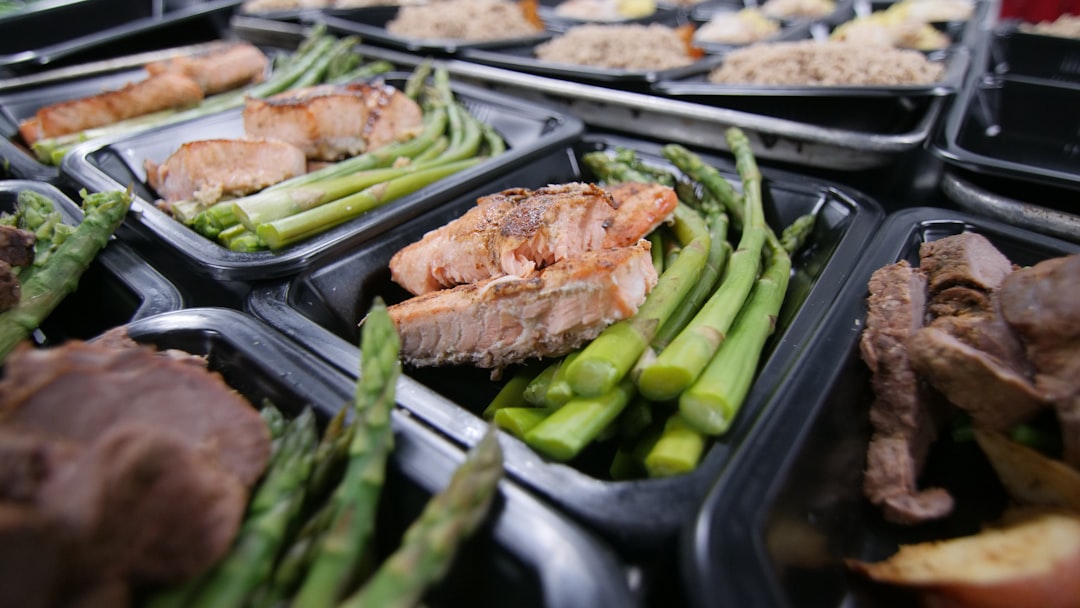
    meal prep containers healthy food, grocery budget planning notebook

    Common Failure Points — And the Honest Fixes

    Let’s address the specific moments where plans fall apart:

    • “I didn’t feel like what I planned.” Fix: Plan categories, not dishes (as above). Knowing you have chicken + broccoli + rice gives you stir-fry, grain bowl, or soup — your mood decides at 6pm.
    • “Ingredients went bad.” Fix: Never plan more than 4 primary meals. The 5th and 6th “spots” should be leftovers or flexible pantry meals. Overplanning is the #1 driver of food waste.
    • “I ran out of time Sunday.” Fix: Split your prep. Shop Saturday, cook Sunday — or do 20-minute micro-prep sessions on two weeknights instead of one marathon session.
    • “My family wants different things.” Fix: Use the “component meal” system. A taco night where the protein, toppings, and bases are all served separately lets everyone customize without cooking multiple meals.

    Where to Go From Here

    If you’re starting completely fresh, the lowest-friction entry point is this: next week, plan only three dinners. Not five, not seven. Three. Fill the rest with leftovers and one intentional “clean out the fridge” night. Get comfortable with the rhythm before expanding.

    Once three nights feels automatic — usually by week three or four — add a fourth. The consistency compounds. By month two, most people report that planning feels less like discipline and more like default behavior, simply because the cognitive load has dropped so significantly.

    If cost is your primary driver, the biggest ROI comes from planning one week around a whole chicken (roast it Sunday, use the leftovers in two more meals, simmer the carcass into stock). A $10–12 bird in 2025 pricing generates four distinct meals for two people. That’s hard to beat.

    💬 Bottom line: Meal planning isn’t about perfection or Instagram-worthy prep containers — it’s about reducing the daily energy drain of “what’s for dinner?” by making that decision once a week instead of seven times. Start small, stay flexible, and treat the occasional takeout Tuesday not as a failure, but as the wildcard night you forgot to schedule in advance.


    📚 관련된 다른 글도 읽어 보세요

    태그: meal planning, weekly meal prep, budget cooking, healthy eating 2025, food prep tips, grocery budgeting, flexible meal plan